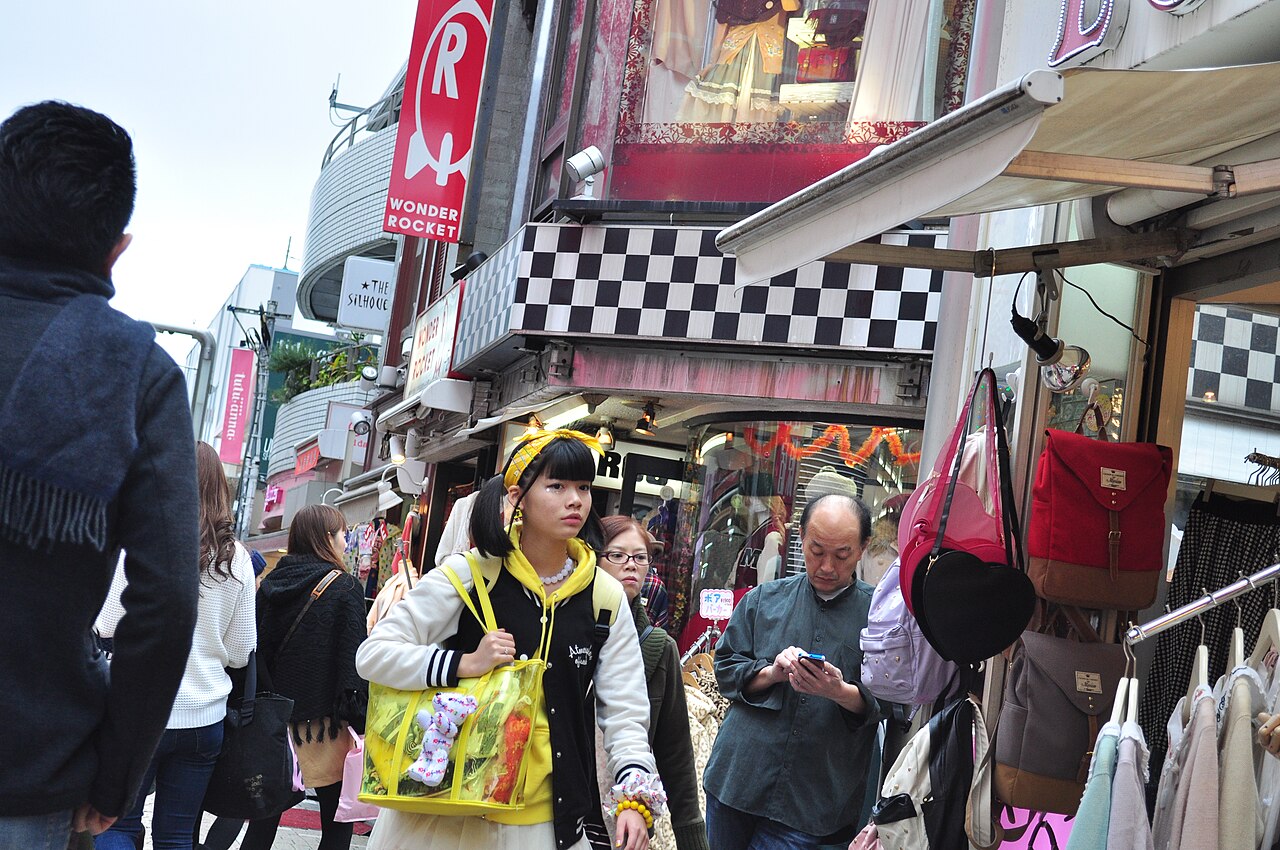
Eating a crepe from a takeout shop while browsing stores full of fashion items, goods and sweets is how a day in Harajuku tends to begin. Takeshita Street, the pedestrian street where that happens, draws many people all year round. Its many individual shops reward looking through them one by one until something catches the eye. On Omotesando, the tree-lined avenue offers cool shade in summer and illuminations in winter.
Because Takeshita Street is adjacent to both Meiji Jingu and Omotesando, one visit can take in the shops and snacks of the street, the avenue and its buildings, a ukiyo-e museum and a shrine with a pond.
Takeshita Street and Cat Street: Crepes, Small Shops and Animal Cafes
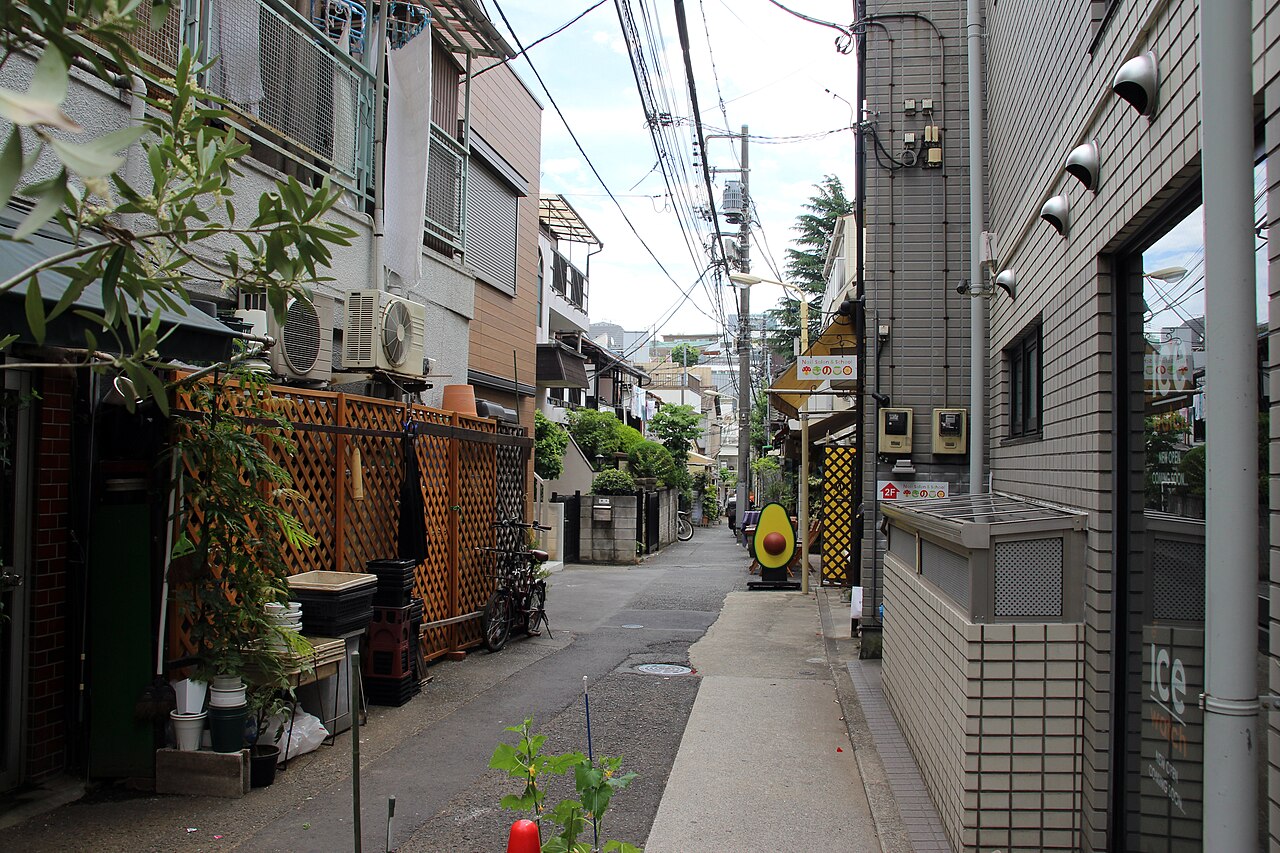
Takeshita Street is a pedestrian street lined with shops selling fashion items, goods and sweets, and browsing them is the main activity. Large stores such as drugstores are the exception here. The bulk of the shops are small individual businesses selling apparel and accessories, so the street suits visitors who enjoy comparing many small shops rather than one big one.
Takeout food has a long history on the street, starting with crepes. Other shops sell potato chips and cotton candy. Harajuku also has hattogu, described as a distant Korean cousin of the American corn dog with plenty of stretchy mozzarella. A growing number of animal cafes let visitors interact with various animals between snacks.
Several boutiques on the street specialize in edgy grunge and goth fashion. Purikura photo booths let friends take pictures, customize and decorate them, and have them printed on the spot. At the entrance arch, a panorama screen shows award-winning works from the Takeshita Street Art Fest, worth a look on the way in.
A wide variety of people gather on this small street from across Japan and around the world, and it is packed on the majority of days in the year. Those who want a different mix of shops can head for Cat Street, which lies between Shibuya and Harajuku and has both small shops and international brand stores.
Omotesando and Laforet: a Tree-Lined Avenue, Architecture and Fashion Floors
Omotesando's tree-lined avenue changes with the season: the trees give cool shade in summer, and in winter the avenue is decorated with illuminations. The avenue has numerous cafes and coffee shops. Food options include natural, organic and vegan choices, which makes Omotesando a practical place to sit down after the takeout snacks of Takeshita Street.
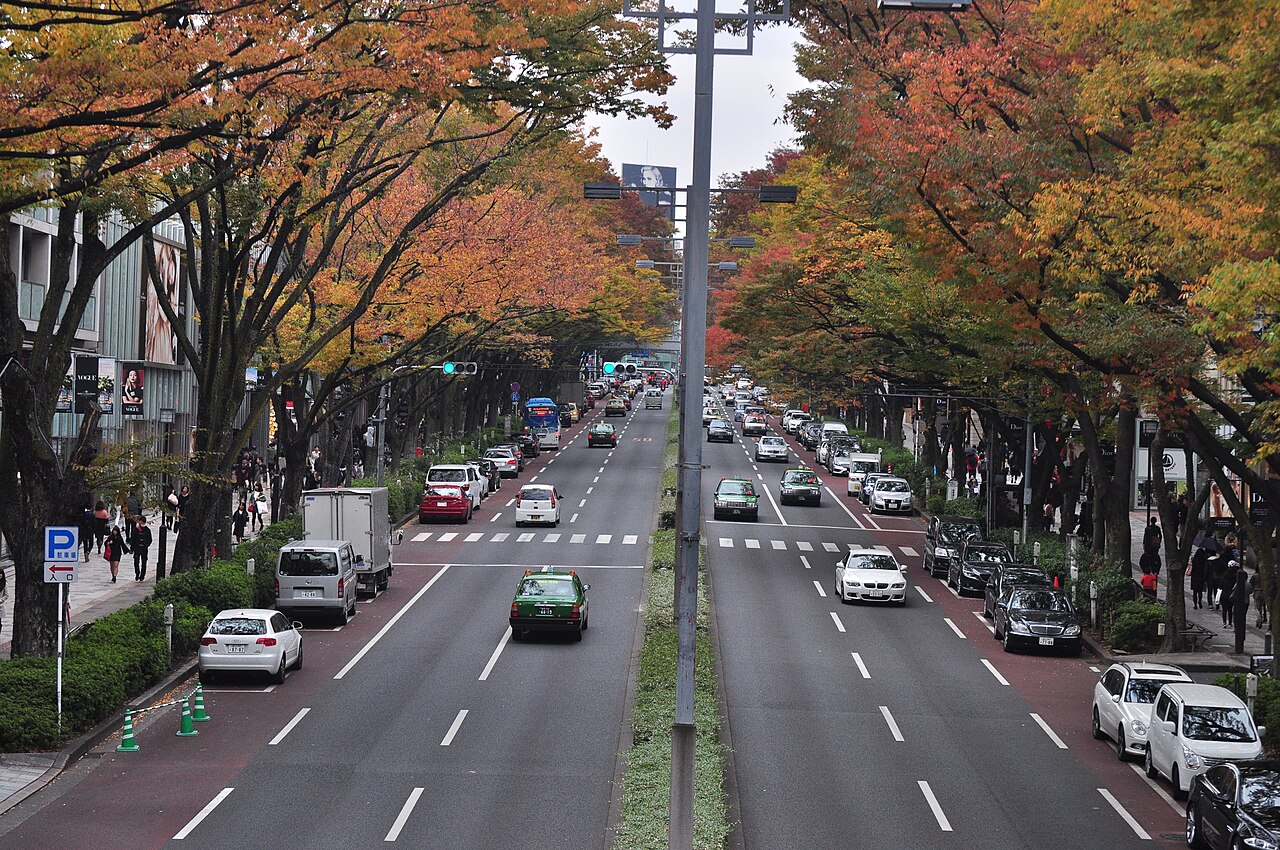
The buildings deserve attention too. Tadao Ando had a hand in Omotesando Hills, and Dior Omotesando comes from the Japanese firm SANAA. Toyo Ito designed the Tod's Omotesando Building, while Gyre is the work of the Dutch firm MVRDV. Omotesando Hills and Gyre double as shopping complexes with fashion labels and jewelry stores that hold seasonal and pop-up events.
Laforet Harajuku, a funky, maze-like shopping center, stands across the street from Tokyu Plaza Omotesando. Its many floors range from Vivienne Westwood to small Tokyo-based fashion brands, with men's clothing shops, accessory stands and shoe stores alongside women's fashion. The second floor has a variety of dining options, and the Laforet Museum on the sixth floor presents modern art, music and culture.
Tokyu Plaza Omotesando is a big shopping mall carrying Japanese and foreign clothing brands, and its rooftop garden is known as Omohara Forest. Kiddy Land sells merchandise from both Japanese and foreign franchises. With limited time, choose by interest: Laforet for small fashion labels and art, the rooftop garden for a break from shopping, Kiddy Land for franchise merchandise.
Ota Memorial Museum of Art: Ukiyo-e on a Monthly Rotation
The Ota Memorial Museum of Art holds about fifteen thousand works, about twelve thousand of them gathered by Ota Seizo the fifth. The collection traces the history of ukiyo-e from its beginning to its end and includes many hand-painted works as well as woodblock prints. The museum was established to put that collector's ukiyo-e on public view.
There is no permanent exhibition. Instead, the museum sets a theme each month and changes the works on display to match it, so the display differs from one month to the next. That rotation gives returning visitors something new, and it also means a particular work cannot be counted on to be showing.
Togo Shrine: a Grove, a Pond and Rituals Through the Year
Togo Shrine's precinct holds a grove and a pond. Spring brings the song of bush warblers, summer brings beetles, and kingfishers bathe in the sacred pond. The public can also feed the carp in the pond, which makes the water the place to linger. The shrine enshrines Togo Heihachiro Mikoto.
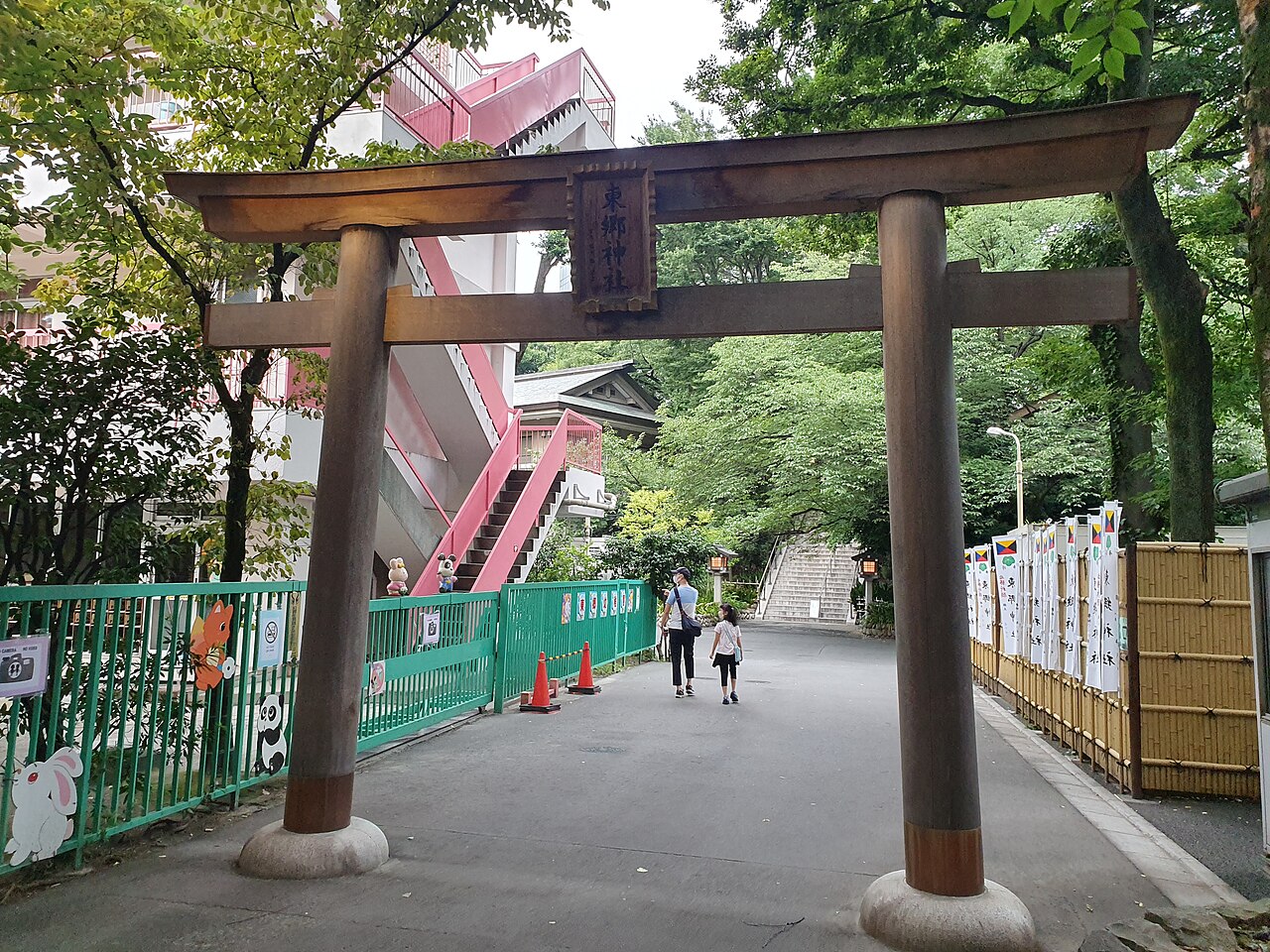
Annual rituals mark the shrine's calendar. The first is held on New Year's Day, and others follow in winter, in spring and in summer. Each falls on a fixed date, so seeing one takes planning.
Prayers at the shrine are connected with life, including prayers for victory, good matches, exam success and protection from misfortune. The shrine sells an amulet, and its victory charm takes its central character from the enshrined deity's own handwriting. The prayer-for-victory flag carries a pair of crests: the Z flag flown on the flagship Mikasa and the shrine's ivy crest.
Some objects in the precinct repay a closer look. The submarine monument is shaped like a cross-section of a submarine, and a real periscope is fitted into its conning tower. The lion statues once stood at the four corners of the pedestal of a bronze statue, and Prince Takamatsu presented them to the shrine after they survived wartime destruction.
Getting to Harajuku
New to rural buses and one-man trains? See how to ride them, step by step.
| Route | Item | Detail |
|---|---|---|
| JR Yamanote Line | Shinjuku Station to Harajuku Station | four minutes |
| JR Yamanote Line | Tokyo Station to Harajuku Station | twenty-six minutes |
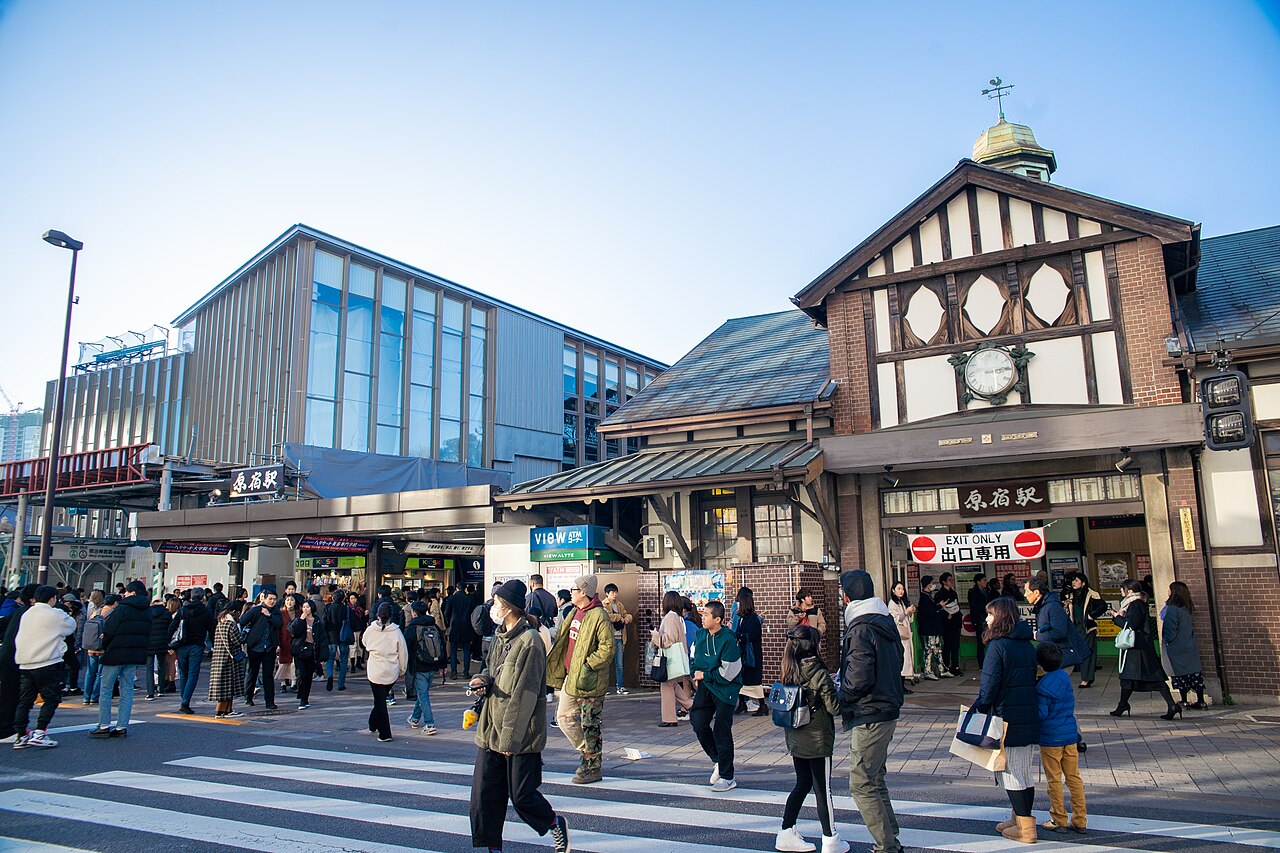
| On foot | Harajuku Station Takeshita exit to Togo Shrine | three minutes |
| On foot | Harajuku Station to the Aoyama and Omotesando area | about ten minutes |
Takeshita Street is adjacent to Meiji Jingu, which has its own guide: Meiji Jingu.
If you would rather stay overnight, places to stay in Tokyo is a place to start.
Hours and Fees
| Place | Item | Time or fee |
|---|---|---|
| Togo Shrine gate | Opening | six in the morning from April to October, six thirty in the morning from November to March, midnight on New Year's Day only |
| Togo Shrine gate | Closing | five in the evening all year, six in the evening from New Year's Day to the third of January |
| Ota Memorial Museum of Art | Hours | ten thirty in the morning to five thirty in the evening, last entry five in the evening |
| Ota Memorial Museum of Art | Closed | every Monday; open on a Monday that is a holiday and closed the next day |
Fees and hours were checked against official sources on 19 November 2026.
Thinking of staying overnight?
Compare places to stay near Tokyo, Japan →
Disclosure: This post may contain affiliate links. If you book through them, we may earn a commission at no extra cost to you.