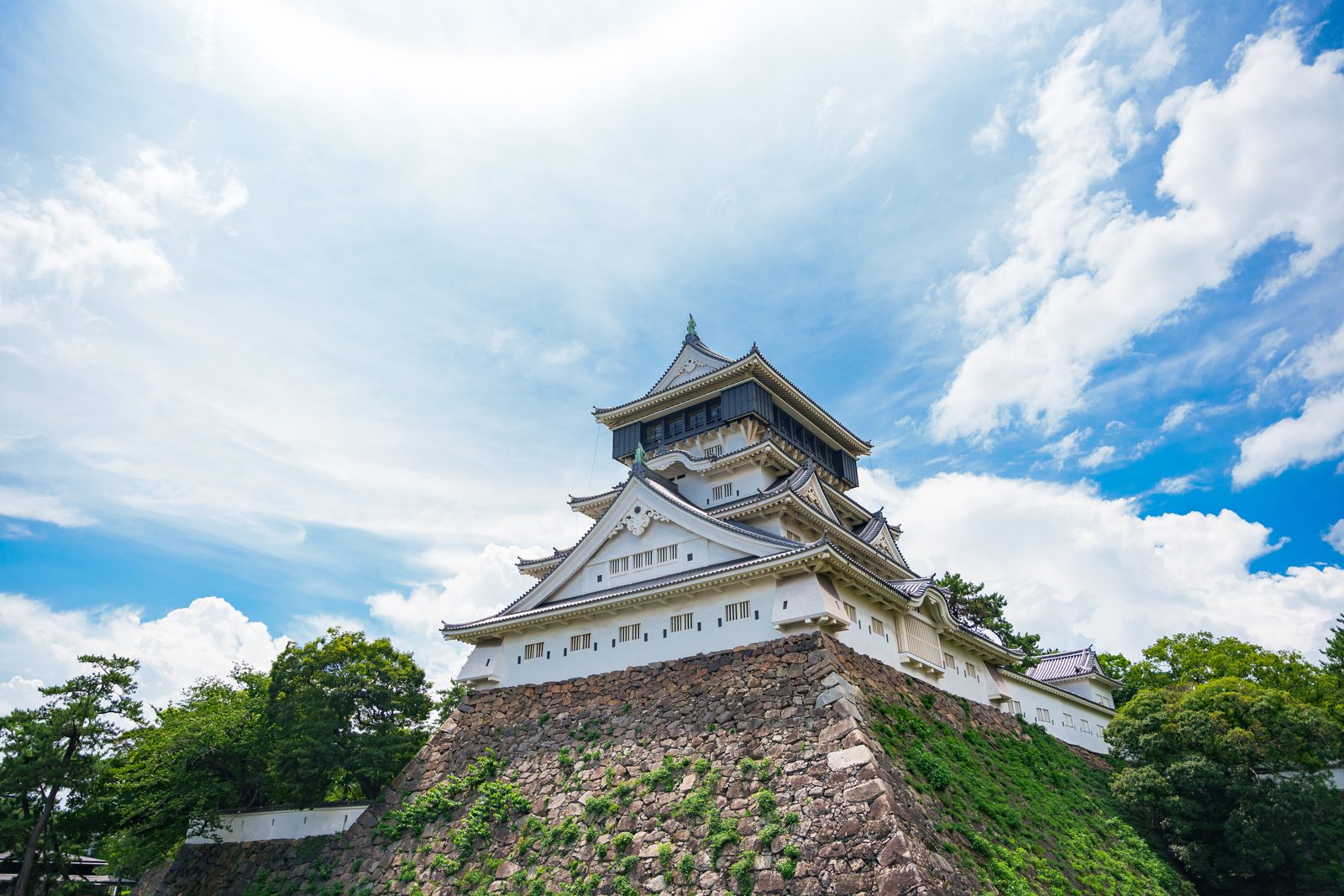
At Usami Shoten inside Tanga Market, sardines and mackerel are cooked as nuka-daki in the nuka-doko, the rice-bran bed, alongside the shop's nuka-zuke. At a pond in Kokura Castle Garden, the castle keep and the sky are reflected on the water surface like a water mirror. Musashi's wooden sword and Kojiro's favorite sword are displayed at full size in the keep.
Tanga Market Nuka-daki and Snacks to Eat While Walking
Visitors to Tanga Market find sweets and light snacks suited to eating while walking, as well as prepared side dishes. About one hundred shops stand in a row inside Tanga Market, with local vegetables and fruit packed closely together beside fresh fish. Handmade side dishes and nuka-daki, the local traditional food, are packed in among the fresh vegetables and fruit.
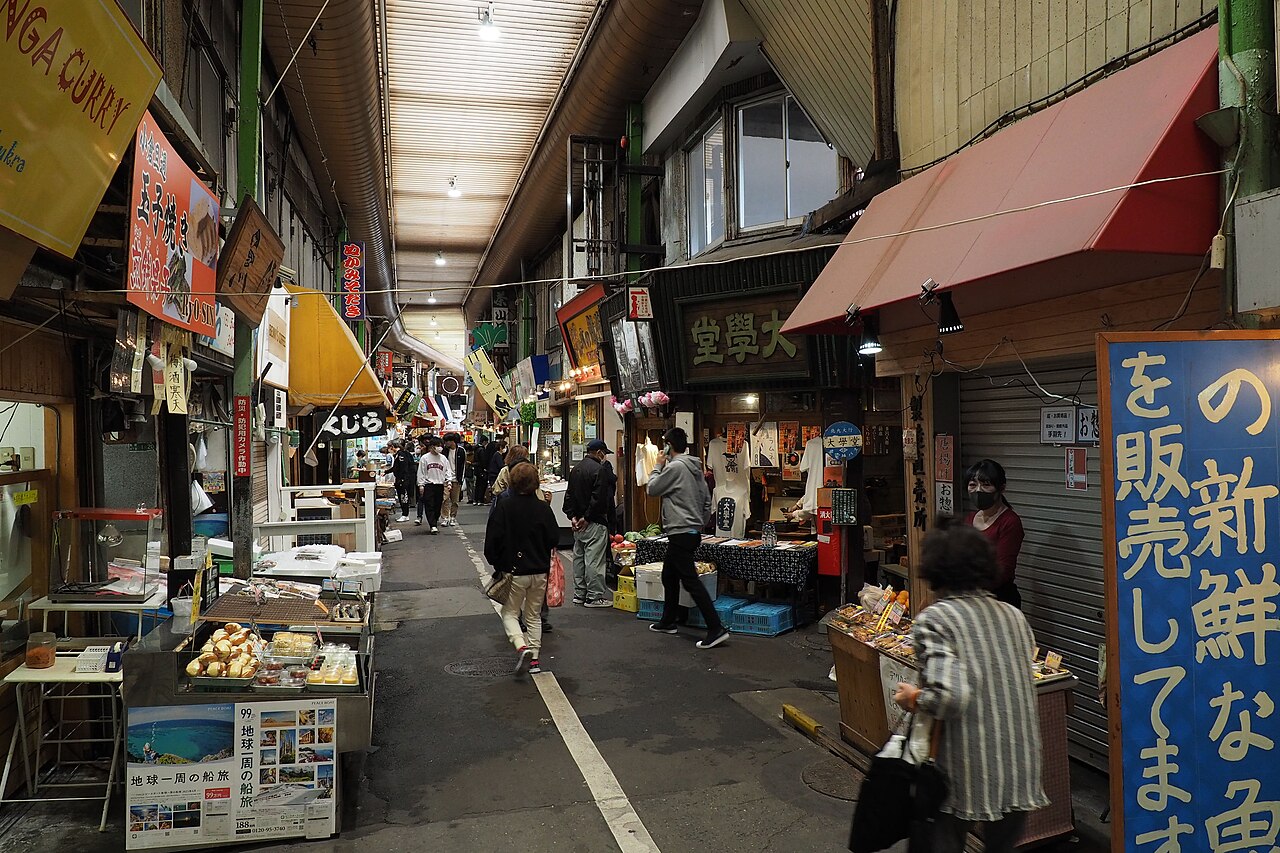
The nuka-zuke displayed at the shop front of Usami Shoten include cucumber, daikon radish, carrot, kelp and konnyaku. The nuka-doko, the rice-bran bed at Usami Shoten, is a registered trademark handed down from grandmother to mother and from mother to daughter.
Nuka-daki is a local dish of Kokura in which mackerel or sardines are simmered in soy sauce, mirin and sugar. Nukamiso goes into the nuka-daki at the end of the simmering as a seasoning. The lactic acid bacteria and amino acids in the nuka bed bring out the flavour of the ingredients in the nuka-daki.
Visitors can take side dishes and sake bought in the market to an open-air market area where tables and chairs can be used freely. Inside one of the Tanga Market buildings there is also a space for eating or using goods bought at the market.
The shop list of Tanga Market includes more than one restaurant in the arcade area. Nuka-daki shops appear on the same list as prepared-food shops in the arcade area, and one of them has a place in another Tanga Market building.
Kokura Castle Garden Pond, Shoin Hall and Tea Rooms
Visitors can walk around the pond of Kokura Castle Garden and see the scenery of the changing seasons. The garden's seasonal scenes are cherry blossoms in spring, greenery in summer, autumn leaves in autumn and stillness in winter. Part of the Shoin Hall's broad veranda juts out over the pond with the garden view below, and seasonal light and autumn leaves colour it.
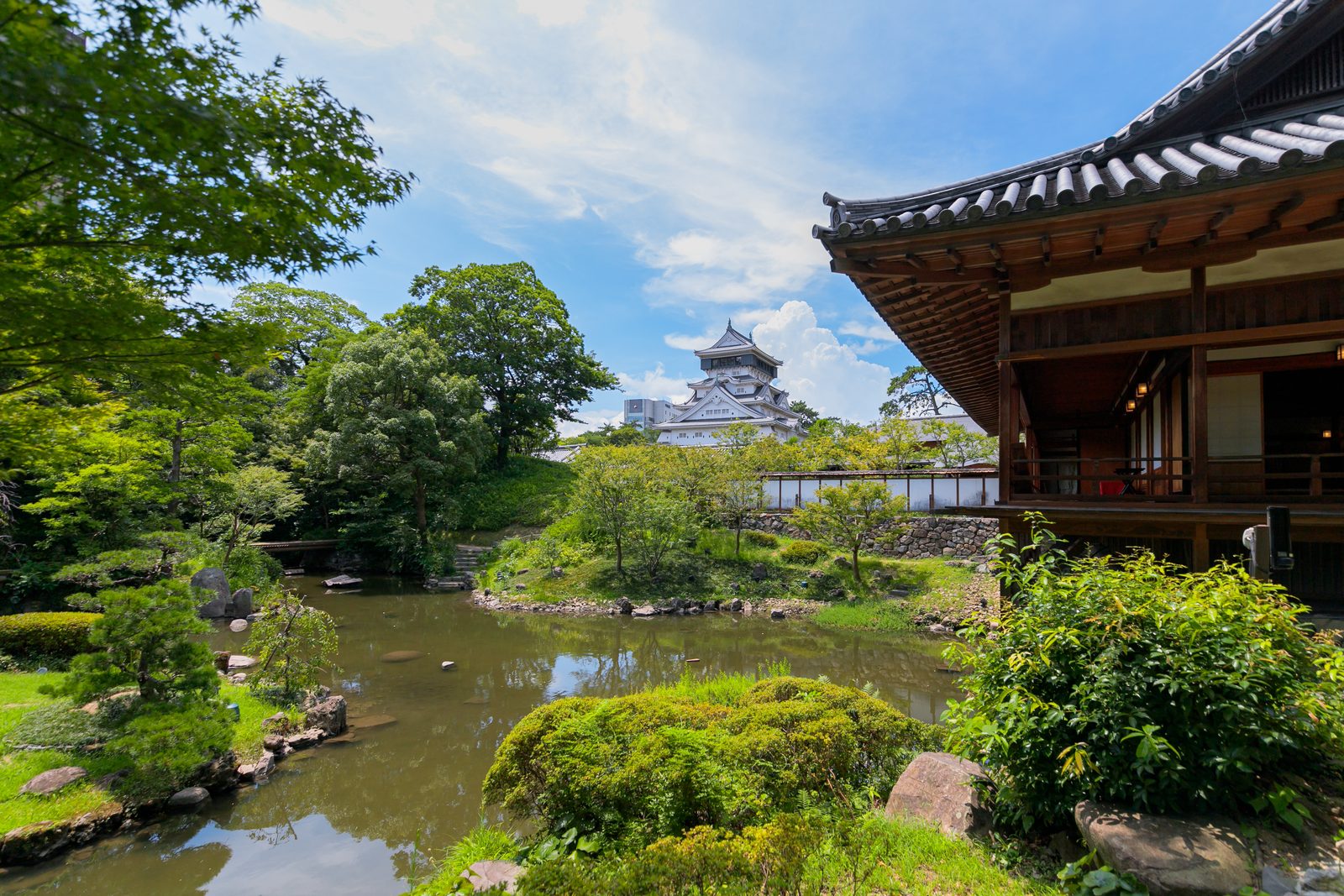
Kokura Castle Garden has tea rooms and an exhibition building where visitors can come into contact with history and traditional culture. An exhibition in the garden introduces the history of Japanese etiquette, and visitors can also try tea ceremony culture. Kokura Castle Garden is a restoration of the site of the villa of the Ogasawara clan, lords of the Kokura domain in the Edo period.
Visitors can take part in a full-scale tea ceremony at Kokura Castle Garden while watching the tea being prepared. At the tea room with table and chairs, matcha or sencha is served with seasonal sweets. The Shoin Hall is a full-scale wooden building in the shoin-zukuri style of traditional Japanese architecture.
Kokura Castle Keep, Shiro Terrace and the Matsumoto Seicho Memorial Museum
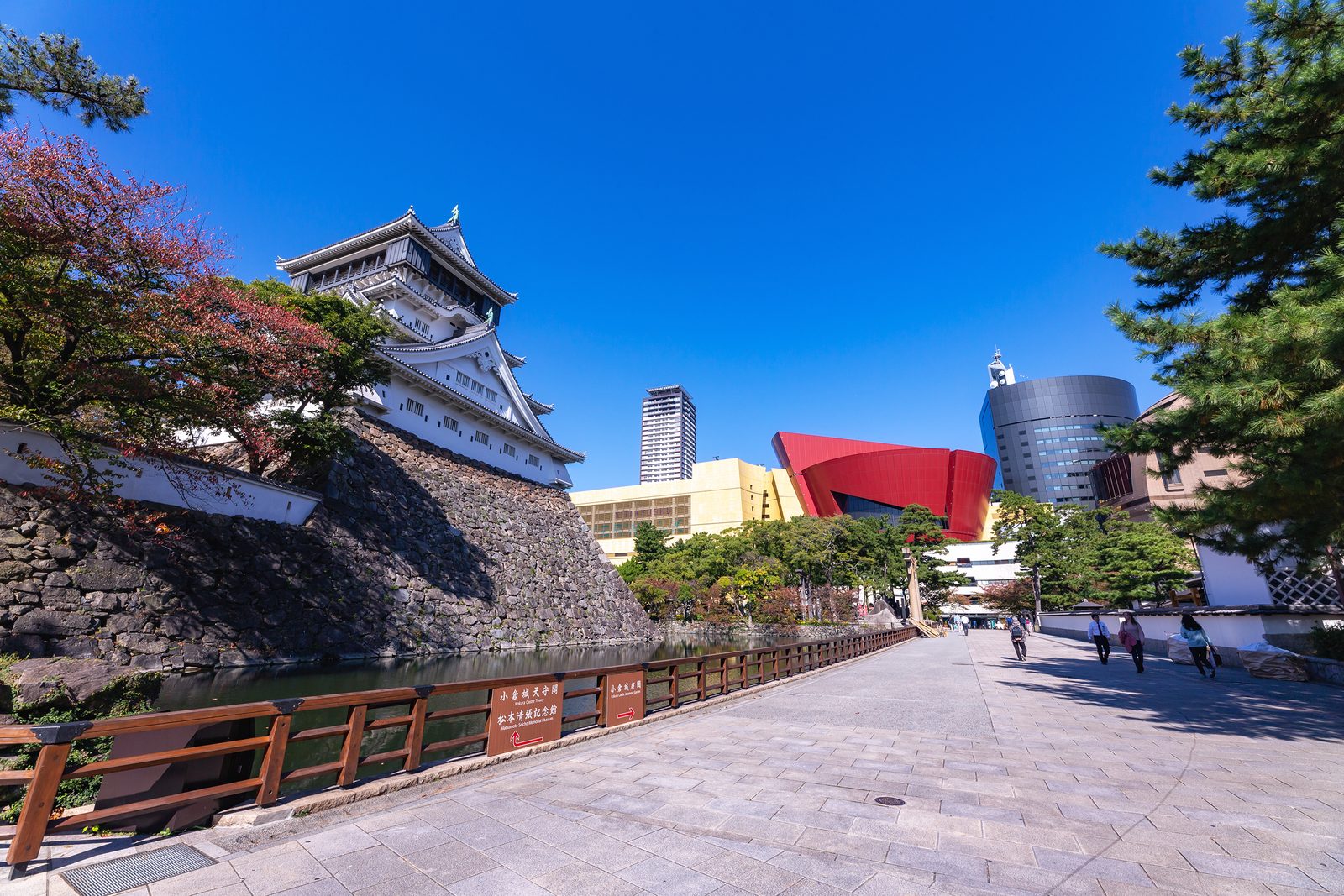
Inside the Kokura Castle keep, visitors find a theatre and exhibits on Kokura's history and an observation space overlooking the town. The theatre is a video theatre narrated by an actor, shown inside the Kokura Castle keep. A replica of Hosokawa Tadaoki's armour and a model recreating the keep of the past are on display in the keep.
The XR escape game at Kokura Castle is an immersive game set in the keep as it was when it burned. A photo spot recreating the Ganryu Island duel is provided for visitors to the keep. The fifth floor of the keep is the Castle Cafe during the day and the Castle Bar on Saturday nights.
Visitors will find a photo spot where the keep and a shrine torii gate can be photographed together. The stone walls of the keep are nozurazumi, built from natural stone of the Adachi mountain range, and a mark remains carved on the stones. The Kokura Castle keep was lost to fire and war and was then rebuilt by the citizens.
Shiro Terrace sits directly below the keep and serves as Kokura Castle's hospitality base. The long-established Kokura tea house inside the shop at Shiro Terrace offers tea and Japanese sweets for a break during a walk around the castle grounds. The castle keepsake is received as a memento of visiting a castle, like the stamps given at temples and shrines.
At the Matsumoto Seicho Memorial Museum, the reproduced study library recreates the state it was in when Seicho Matsumoto died. The museum's information library is a database of explanations of the Showa-era incidents Seicho Matsumoto took up in his works, of the writings he published, and of the reproduced library.
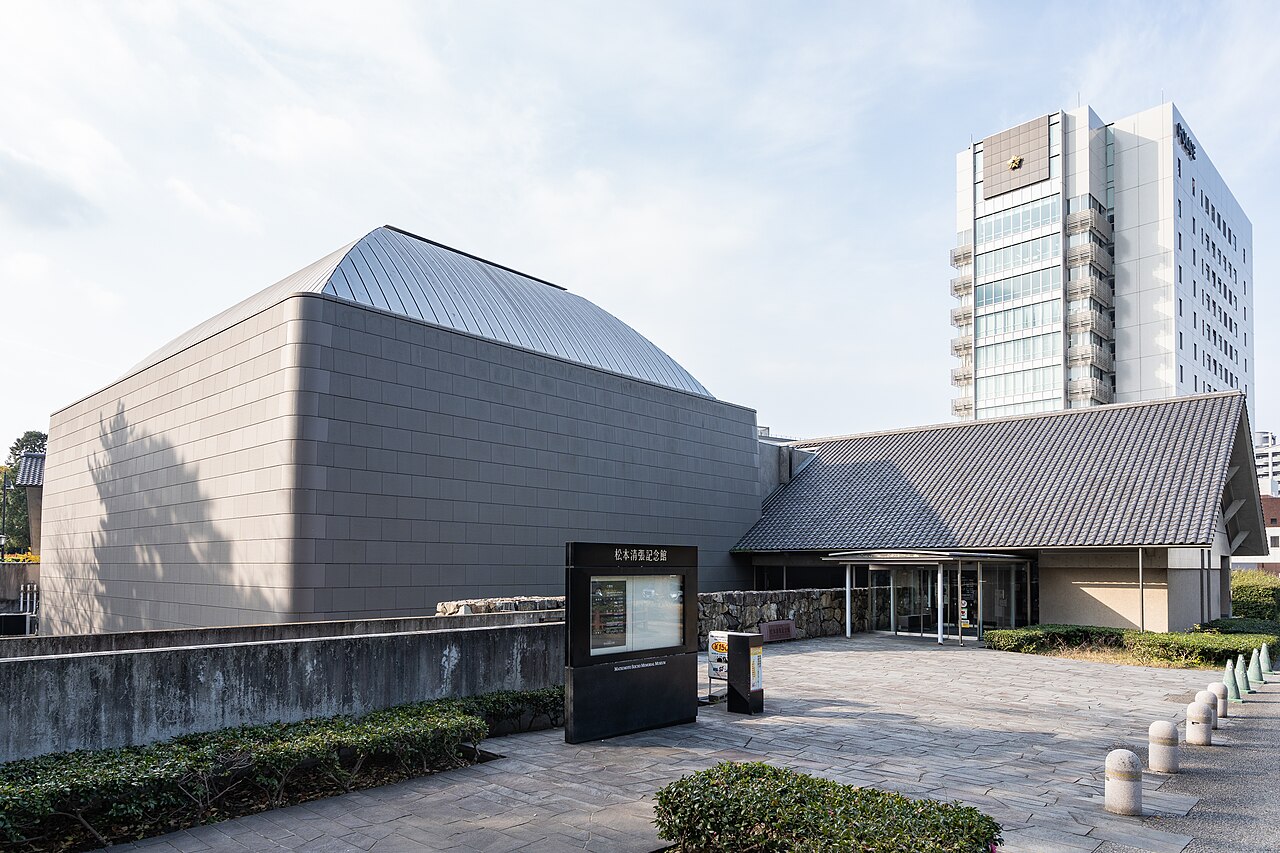
The information library at the Matsumoto Seicho Memorial Museum includes a database of the writings Seicho published over his career as a writer. The museum's information library also has a section explaining the incidents taken up in Seicho's non-fiction works.
Getting to Kokura
New to rural buses and one-man trains? See how to ride them, step by step.
| Route | Item | Detail |
|---|---|---|
| JR Kokura Station | To Tanga Market | About ten minutes on foot |
| Monorail Tanga Station | To Tanga Market | About one minute on foot |
| Monorail, Kokura to Tanga | Ride time | Two minutes |
| JR Kokura Station | To Kokura Castle | About fifteen minutes on foot |
| JR Nishi-Kokura Station | To Kokura Castle | About ten minutes on foot |
| JR Kokura Station | To the museum | About fifteen minutes on foot |
| JR Nishi-Kokura Station | To the museum | About five minutes on foot |
| Monorail one-day ticket | Adult | Eight hundred yen |
| Monorail one-day ticket | Child | Four hundred yen |
| Monorail one-day ticket | Valid | Day of sale only |
To stay overnight in Kitakyushu, browse places to stay in Kitakyushu.
Hours and Fees
| Place | Item | Time or fee |
|---|---|---|
| Daytime restaurant, arcade area | Hours | Nine thirty to fifteen hundred |
| Daytime restaurant, arcade area | Closed | Sundays |
| Evening restaurant, arcade area | Hours, Monday to Thursday | Seventeen hundred to twenty-three hundred |
| Evening restaurant, arcade area | Hours, Friday and Saturday | Seventeen hundred to twenty-three thirty |
| Evening restaurant, arcade area | Hours, Sunday | Seventeen hundred to twenty-two hundred |
| Tanga Market parking | Fee | Two hundred yen per thirty minutes |
| Kokura Castle | Hours, April to October | Nine hundred to twenty hundred |
| Kokura Castle | Hours, November to March | Nine hundred to nineteen hundred |
| Kokura Castle | Last entry | Thirty minutes before closing |
| Kokura Castle keep | Lit up | After sunset until twenty-two hundred |
| Kokura Castle keep | General admission, individual | Five hundred yen |
| Kokura Castle Garden | Individual admission | Same fee structure as keep |
| Combination ticket, two facilities | Covers | Keep and garden |
| Combination ticket, three facilities | Covers | Keep, garden and museum |
| Kokura Castle parking | First hour | Two hundred yen |
| Kokura Castle parking | After that | One hundred yen per twenty minutes |
| Museum | Hours | Nine thirty to eighteen hundred |
| Museum | Last admission | Seventeen thirty |
| Museum | Closed | Mondays, next day if holiday |
| Museum | Year-end and New Year closure | December twenty-ninth to January third |
| Museum | Final screening | Fifteen forty to seventeen hundred |
Fees and hours were checked against official sources on 14 November 2026.
Thinking of staying overnight?
Compare places to stay near Kitakyushu →
Disclosure: This post may contain affiliate links. If you book through them, we may earn a commission at no extra cost to you.