Day Passes and Bus Tickets in Rural Japan: Where They Pay Off and How to Buy Them
Day passes and bus tickets in rural Japan reward a check before buying: a loop pass suits a day spent getting on and off along one circuit, and a pass that…
Calm nature trips across Japan, no car needed.
Interest
22 quiet, car-free trips built around Travel Know-how.
22 guides are filed under this interest across 1 prefecture. The counts below are the number of guides carrying each tag; a guide can carry several tags, and not every guide is tagged on every line.
This page collects the practical guides that make a trip outside the big cities work. They are less about a single place and more about the small things that decide whether a day goes smoothly: how much cash to carry and where to find an ATM, how to send your luggage ahead so you can travel light, which kind of lodging suits you, and how local buses and day passes fit together. Many country towns still run on cash, and bus timetables matter, so a little planning at the start saves a lot of waiting later. The guides also explain the differences between a ryokan, a minshuku and a temple lodging, so you can pick a room that fits your budget and your comfort. Read them before you book your first trip, or keep one open on your phone as a reference. Rules and prices change, so treat each guide as a starting point and check the current details with the operator. Once you know the basics, use the other categories to pick a place, a season and a trip length.
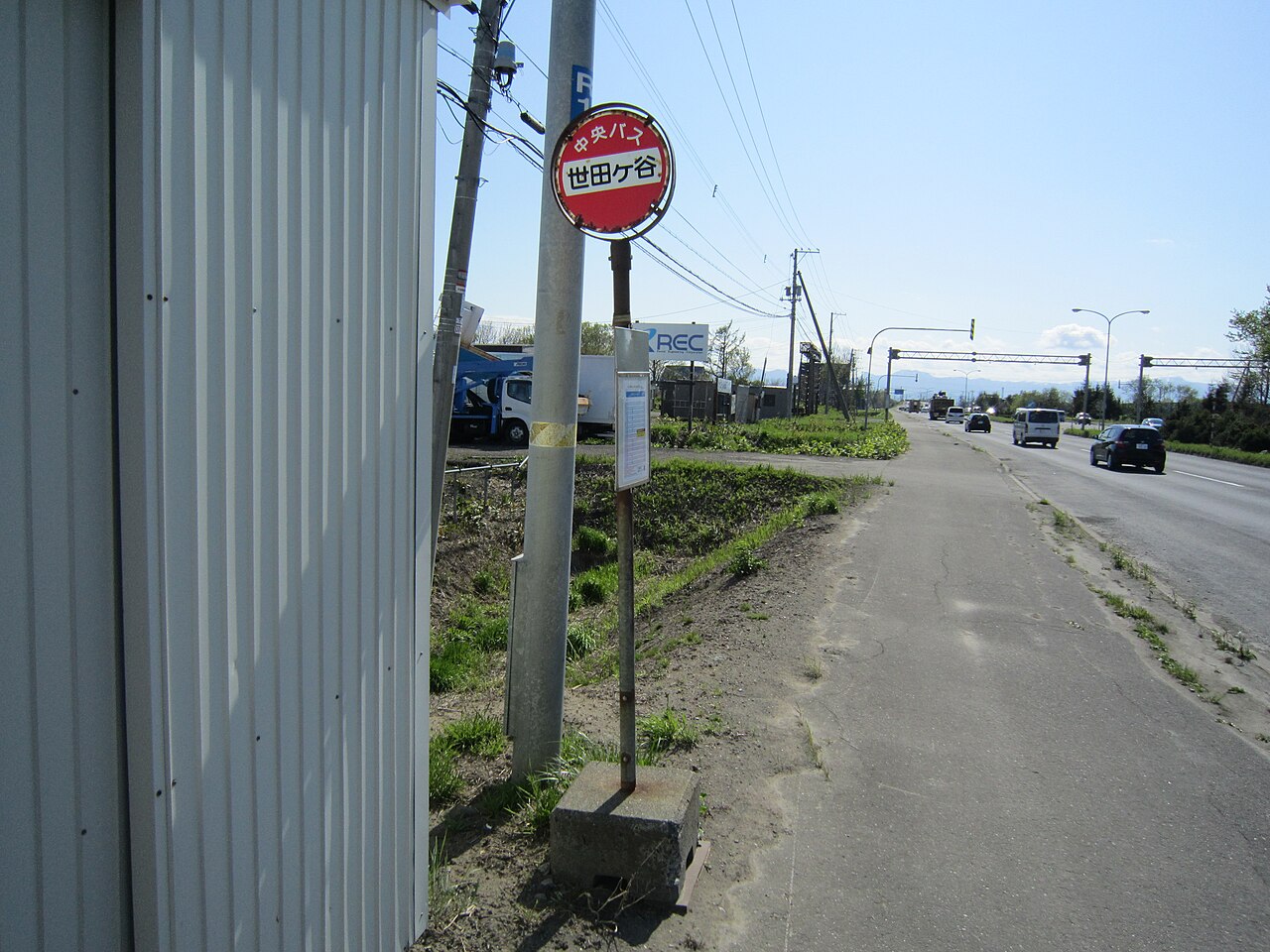
Day passes and bus tickets in rural Japan reward a check before buying: a loop pass suits a day spent getting on and off along one circuit, and a pass that…
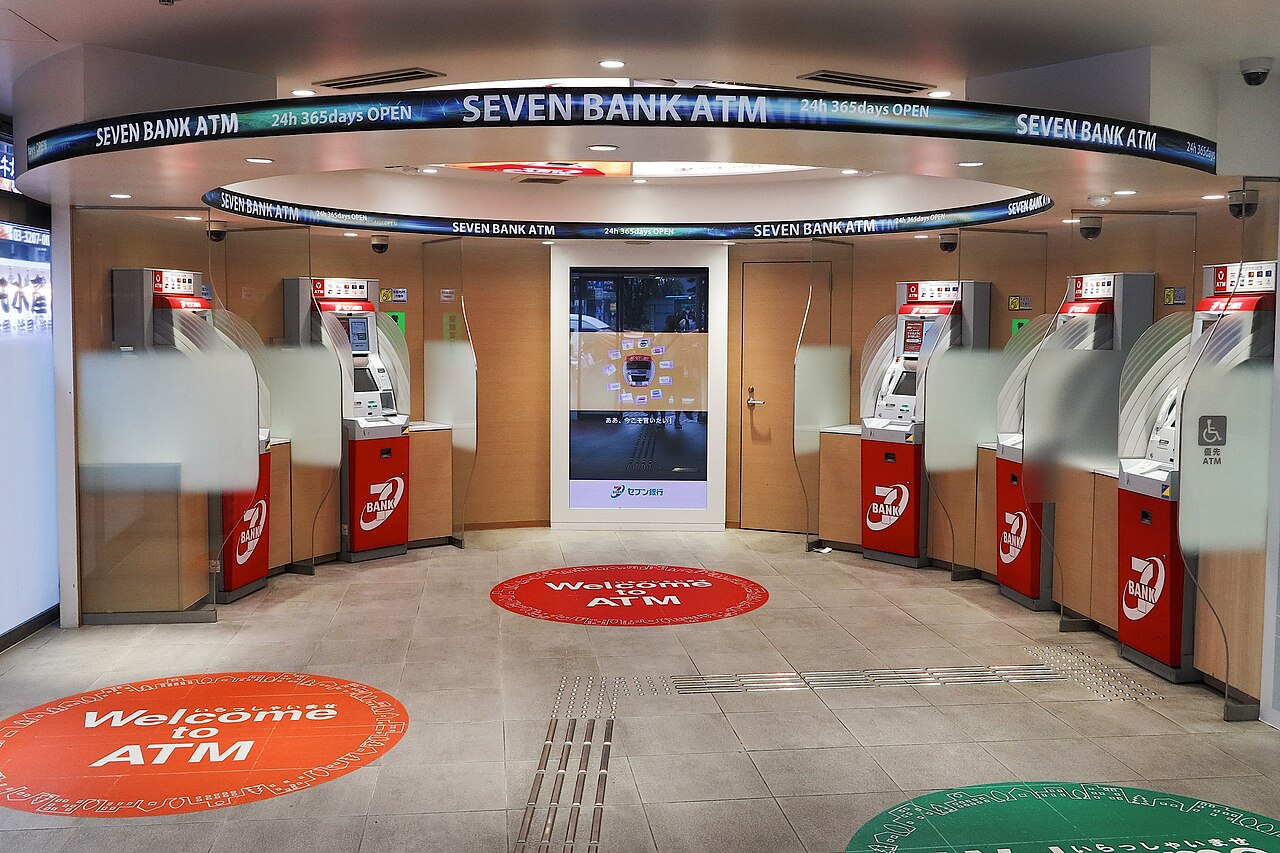
Foreign-issued cards can be used to withdraw yen at Seven Bank ATMs inside Seven-Eleven stores and at Japan Post Bank ATMs.
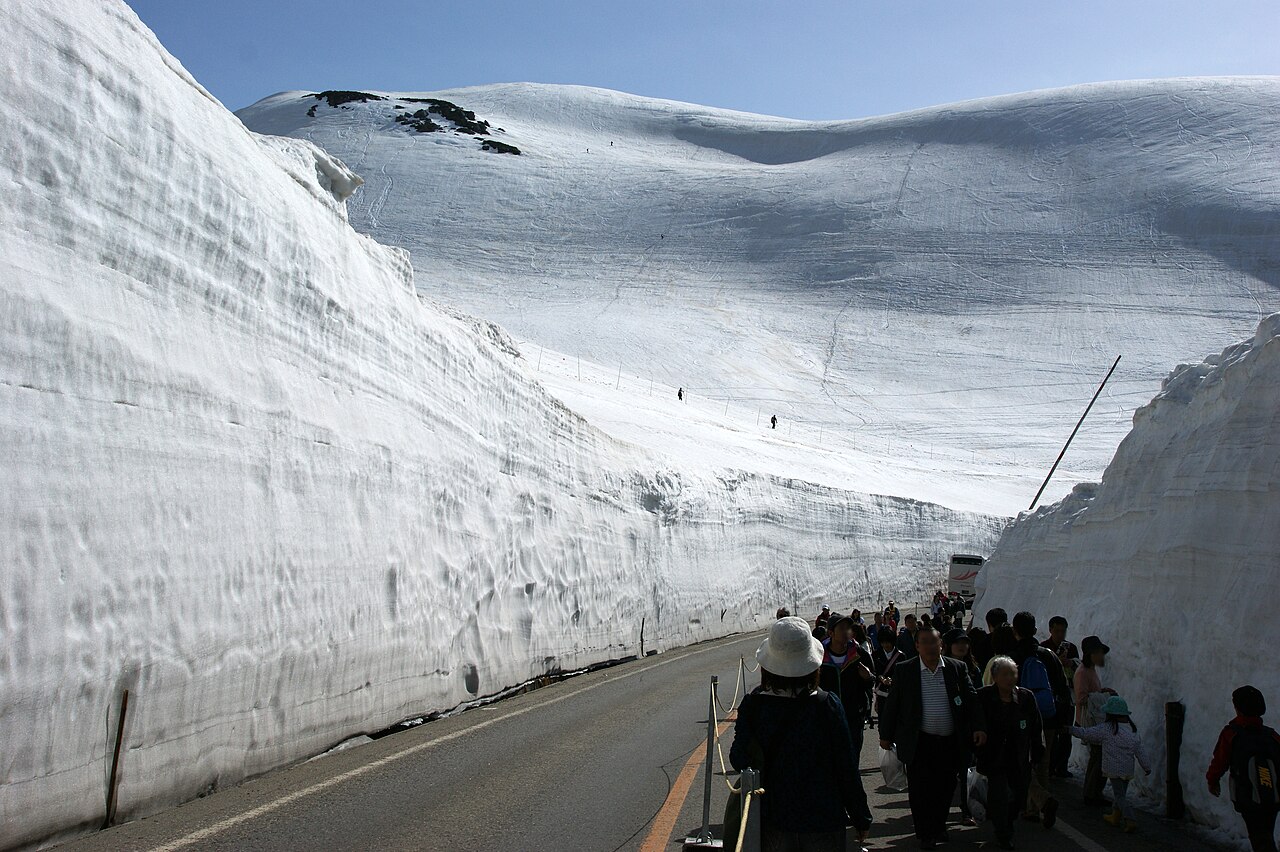
A closed Monday or a winter road closure can sink a day trip in Japan: the Tokyo and Kyoto national museums take Monday as their closed day, and high mountain…
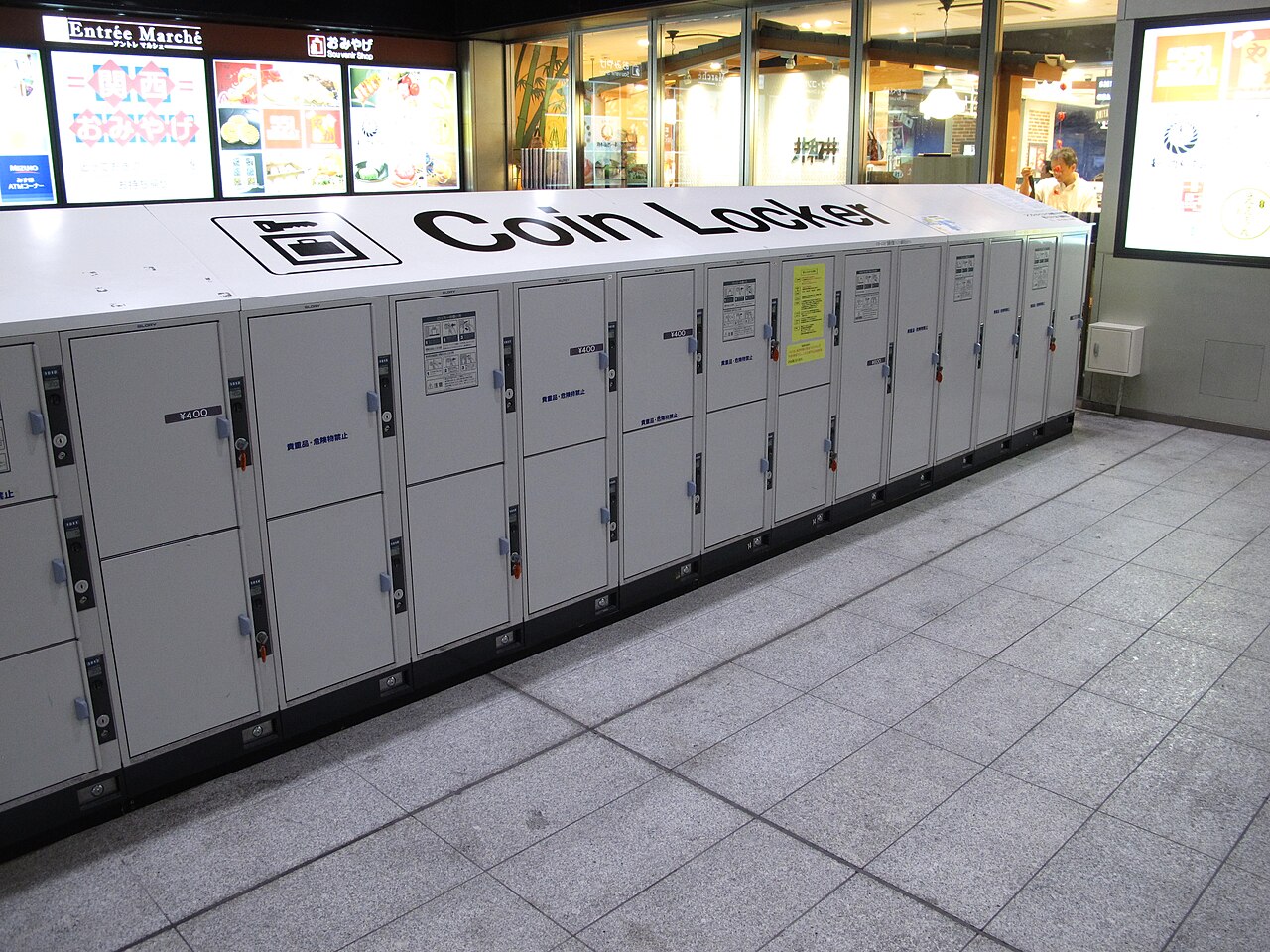
Coin lockers at Japanese stations come in set sizes, and a full bank of lockers is not the end of the day: staffed counters and hotel delivery take the bag…
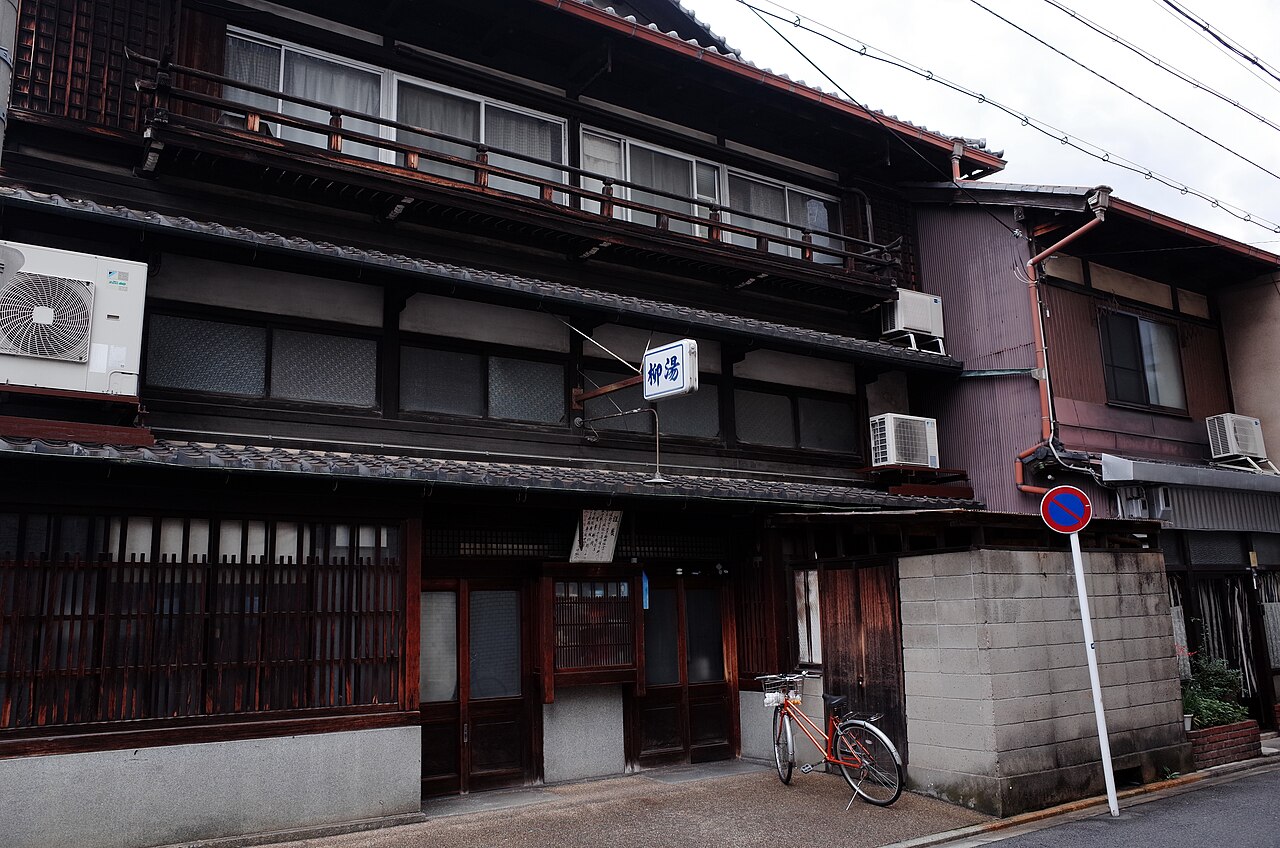
A day-use hot spring or public bath in Japan asks for little: at a sento, visitors first rinse themselves with hot water, and at the public baths of Nozawa…
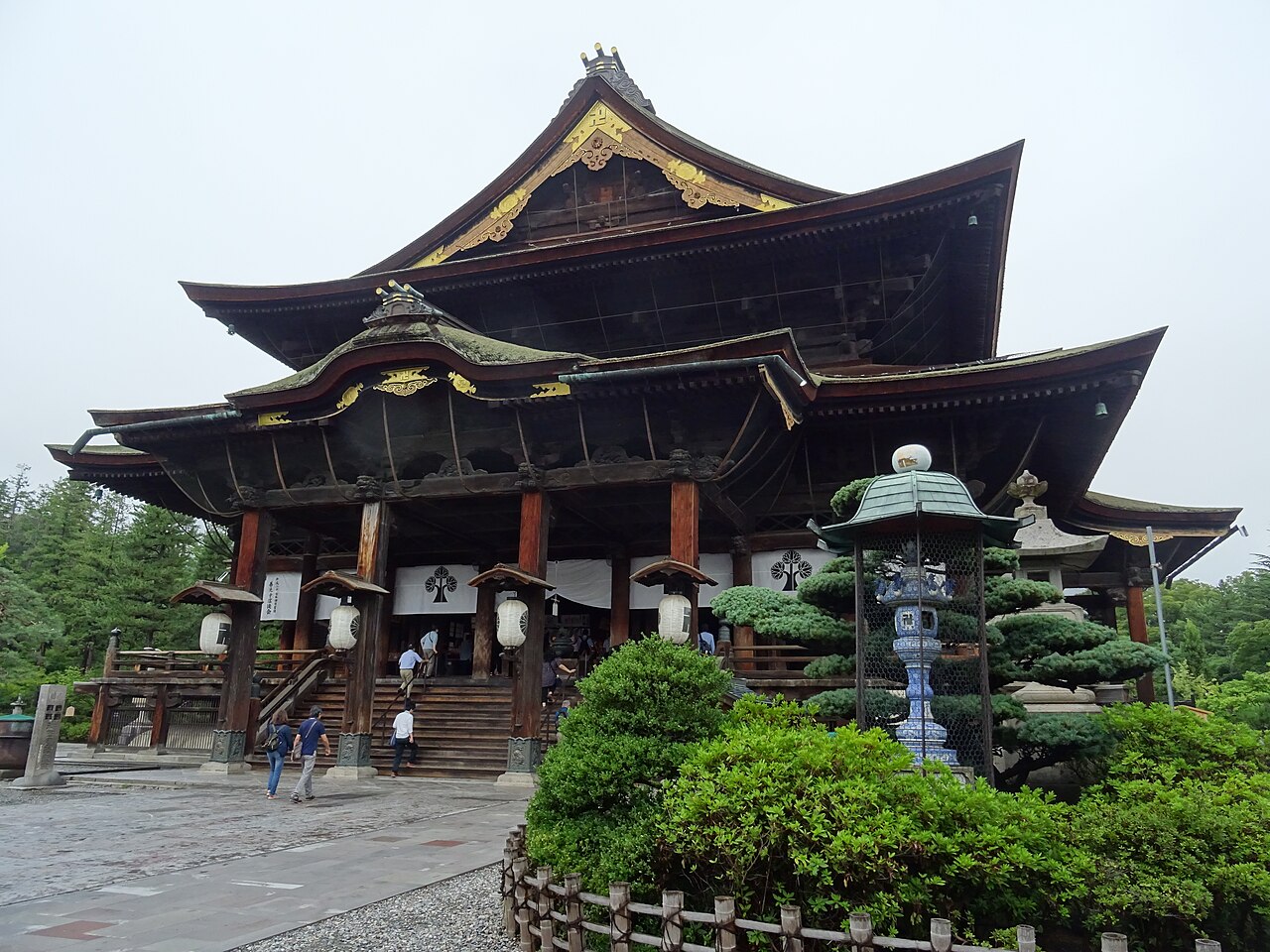
Entrance fees at Japanese temples, shrines and sights work place by place: one temple can sell separate tickets for its halls, gates and gardens.
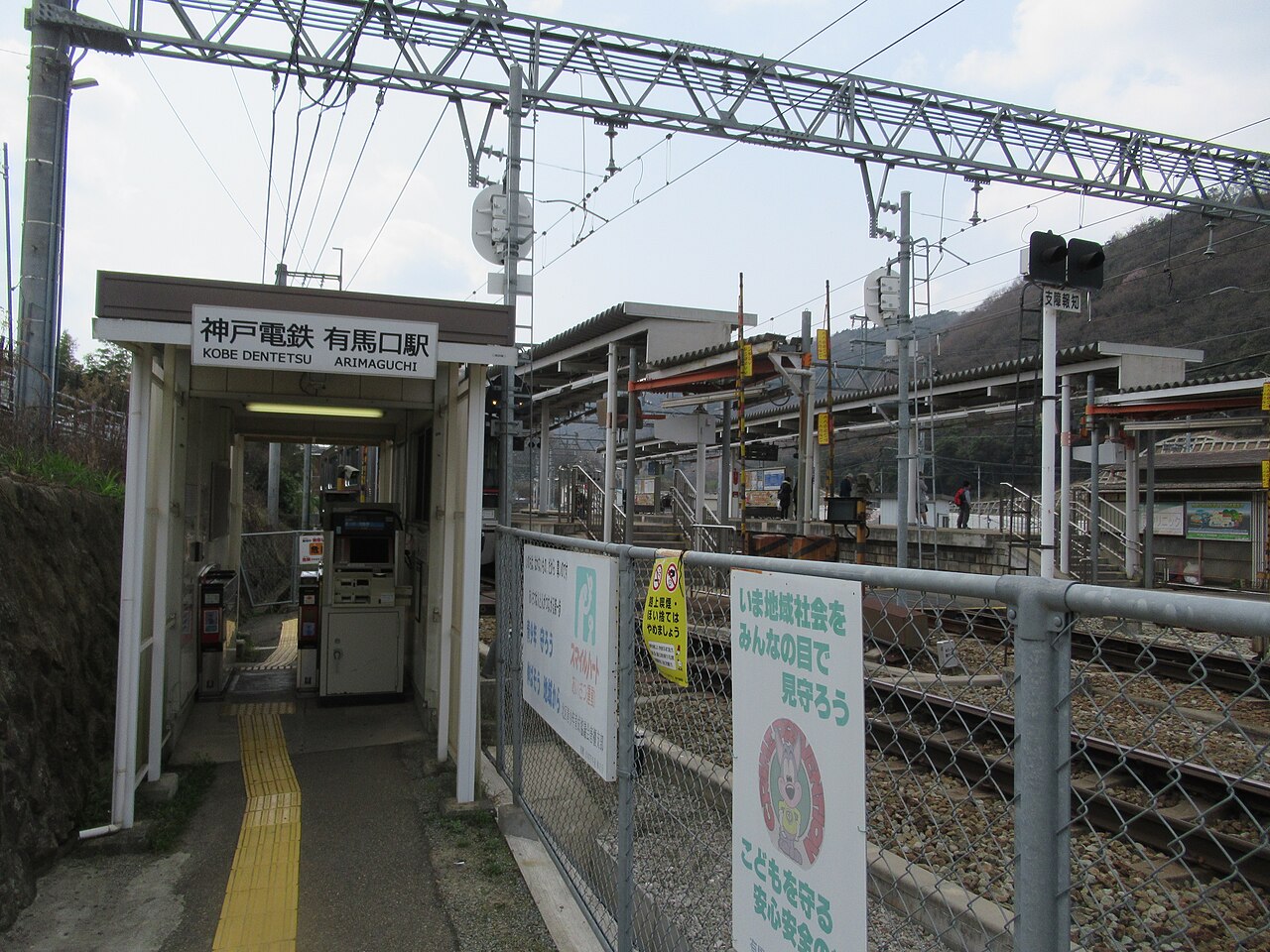
Rural buses and one-man trains in Japan share one routine: on most routes you board at the rear door, take the numbered slip from the dispenser, and settle the…
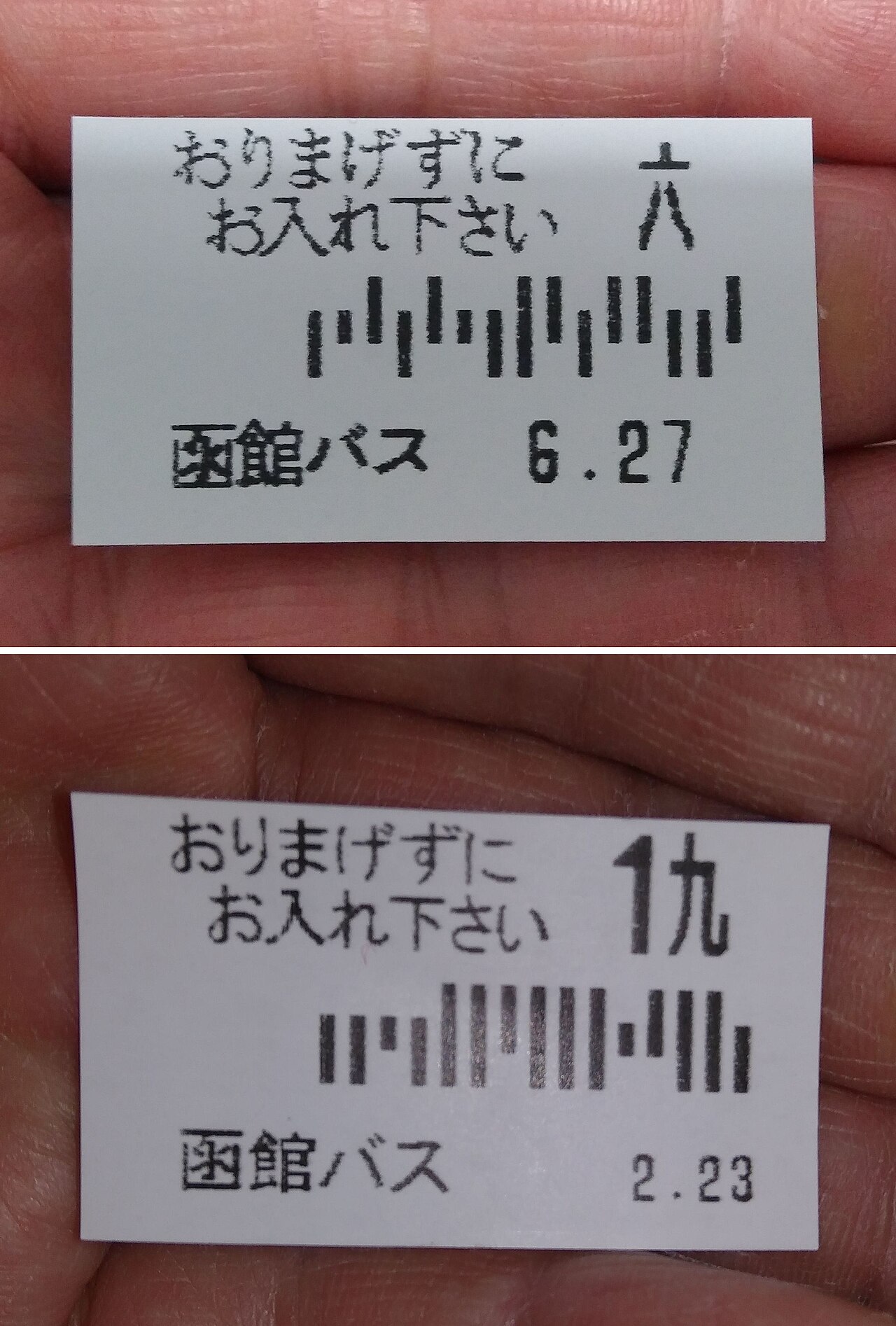
Many rural bus routes and one-man trains in Japan are paid for after the ride: you take a numbered ticket or touch an IC card when you board, then read the…
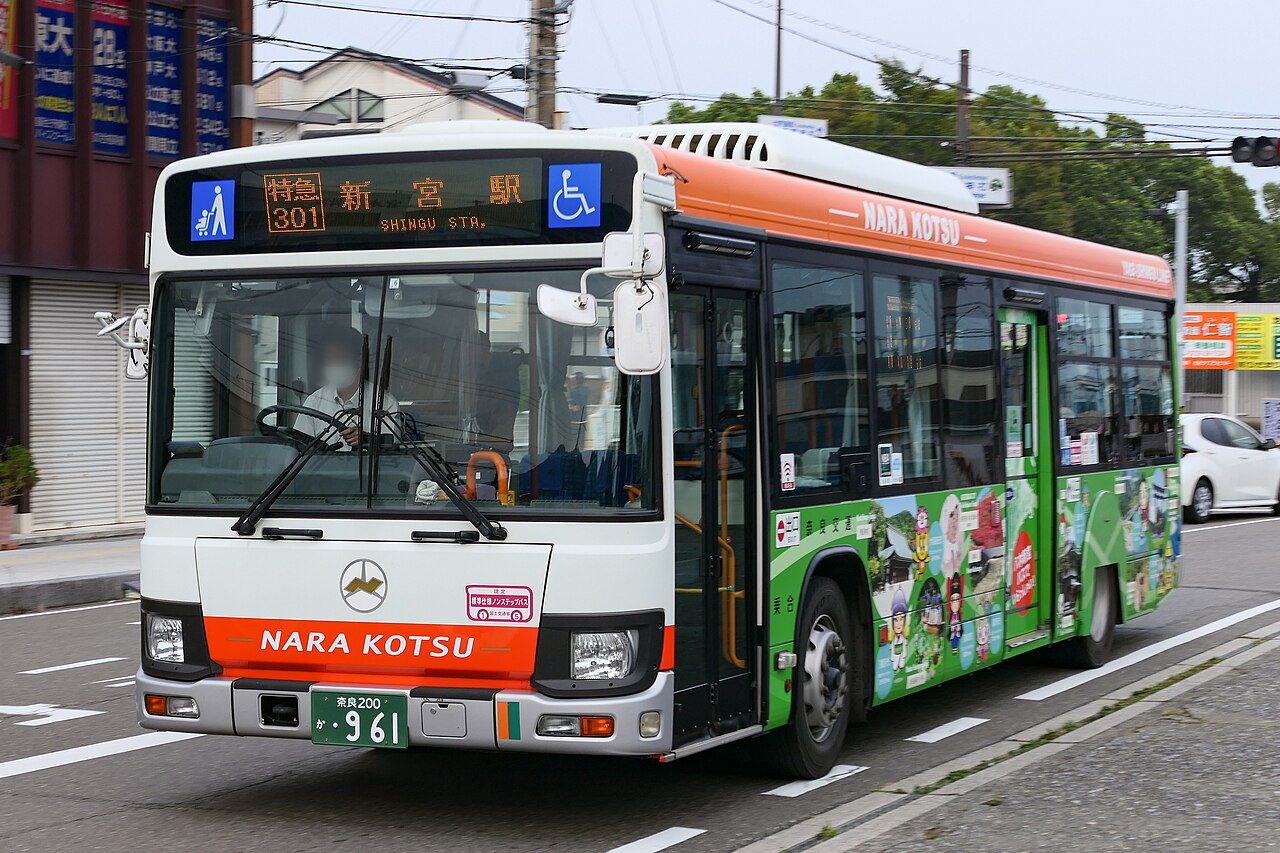
This guide covers three routes whose operators publish their own timetables: the Nara Kotsu line from Yamato-Yagi to Shingu, the Ichibata routes on the Oki…
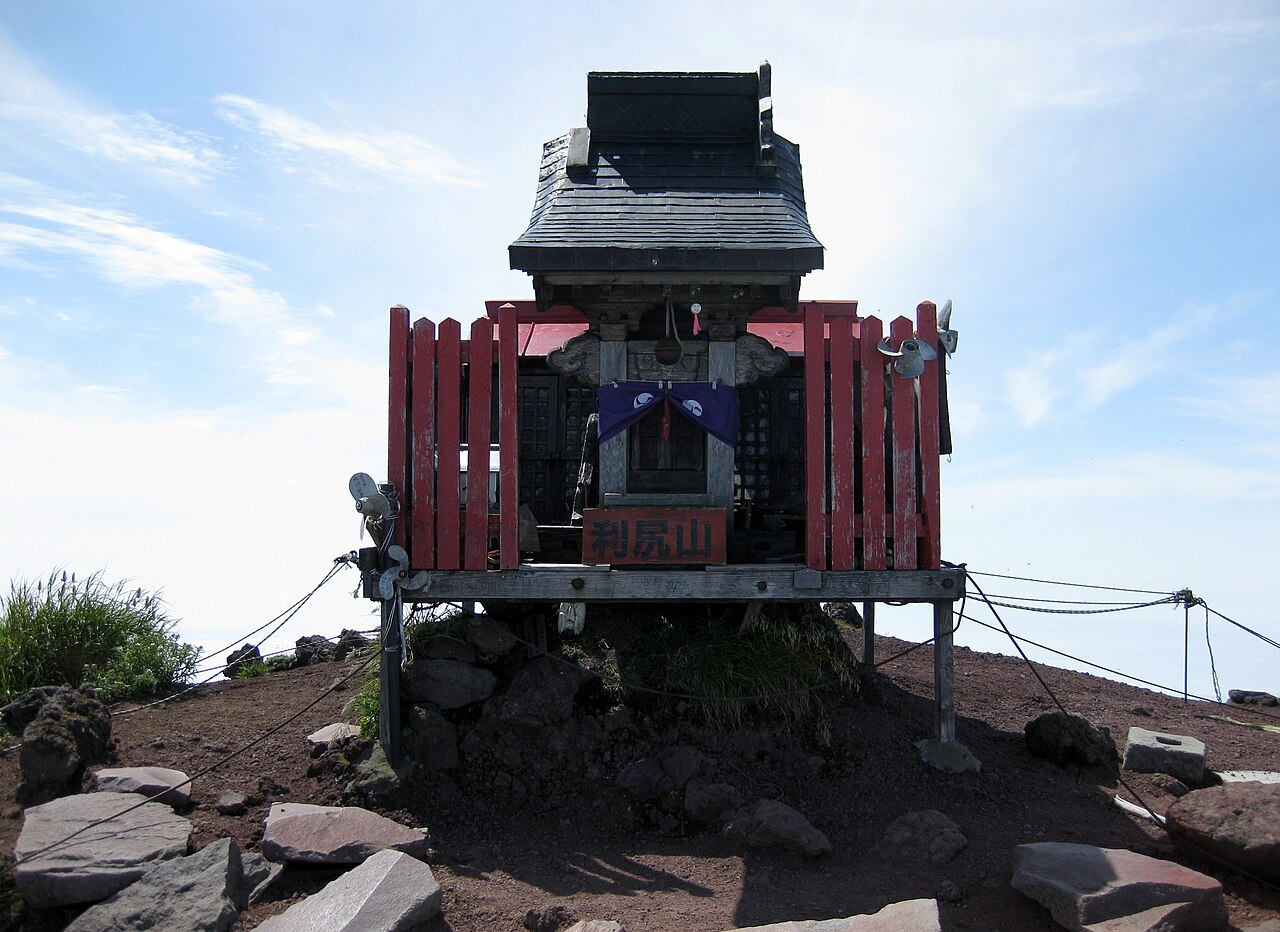
The Mount Rishiri hike is a full-day climb with two courses up the mountain, Oshidomari and Kutsugata.
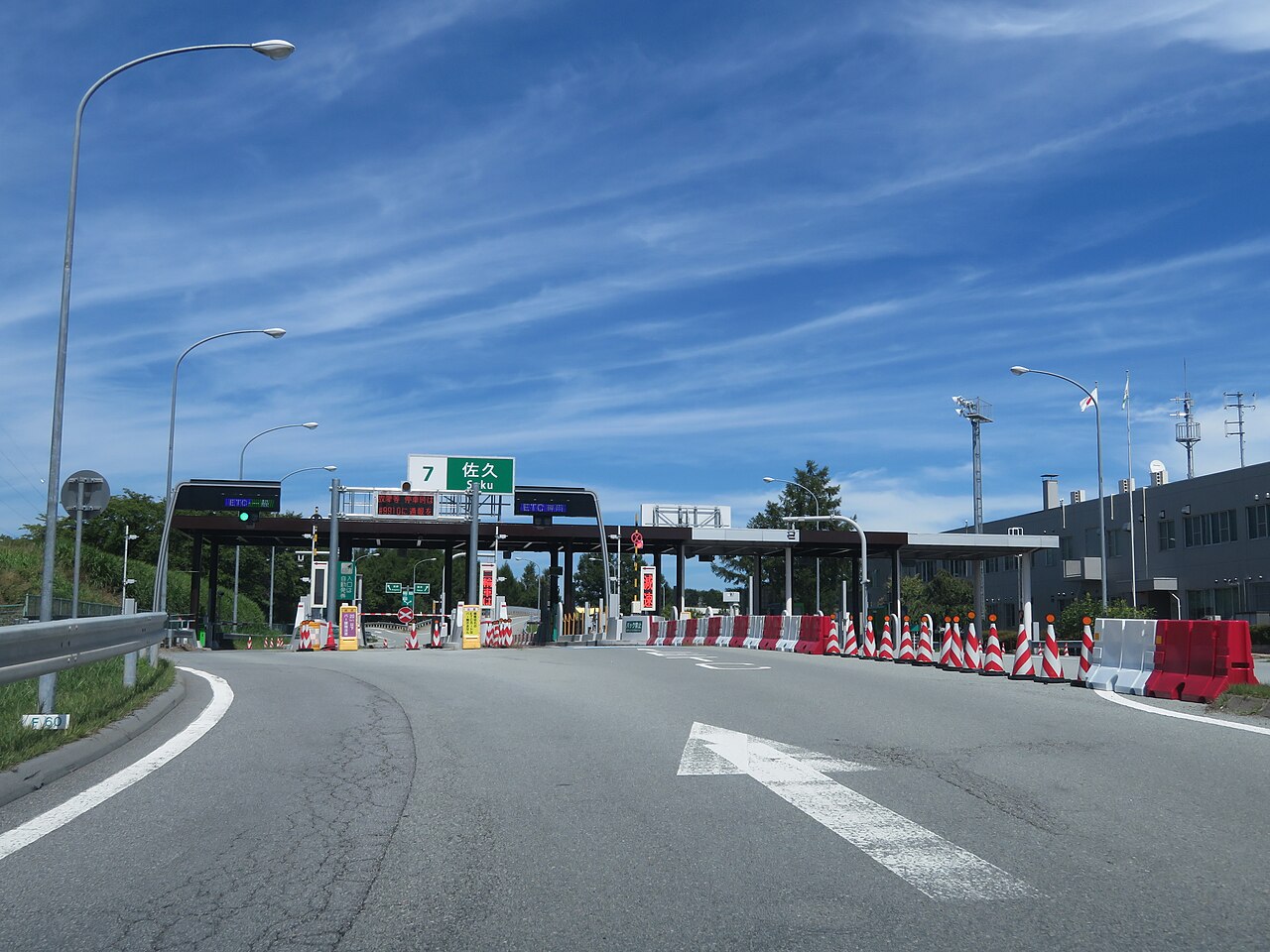
Renting a car in Japan for the countryside turns on a few checks: the permit beside your licence, tolls and fuel, and in winter the tires.
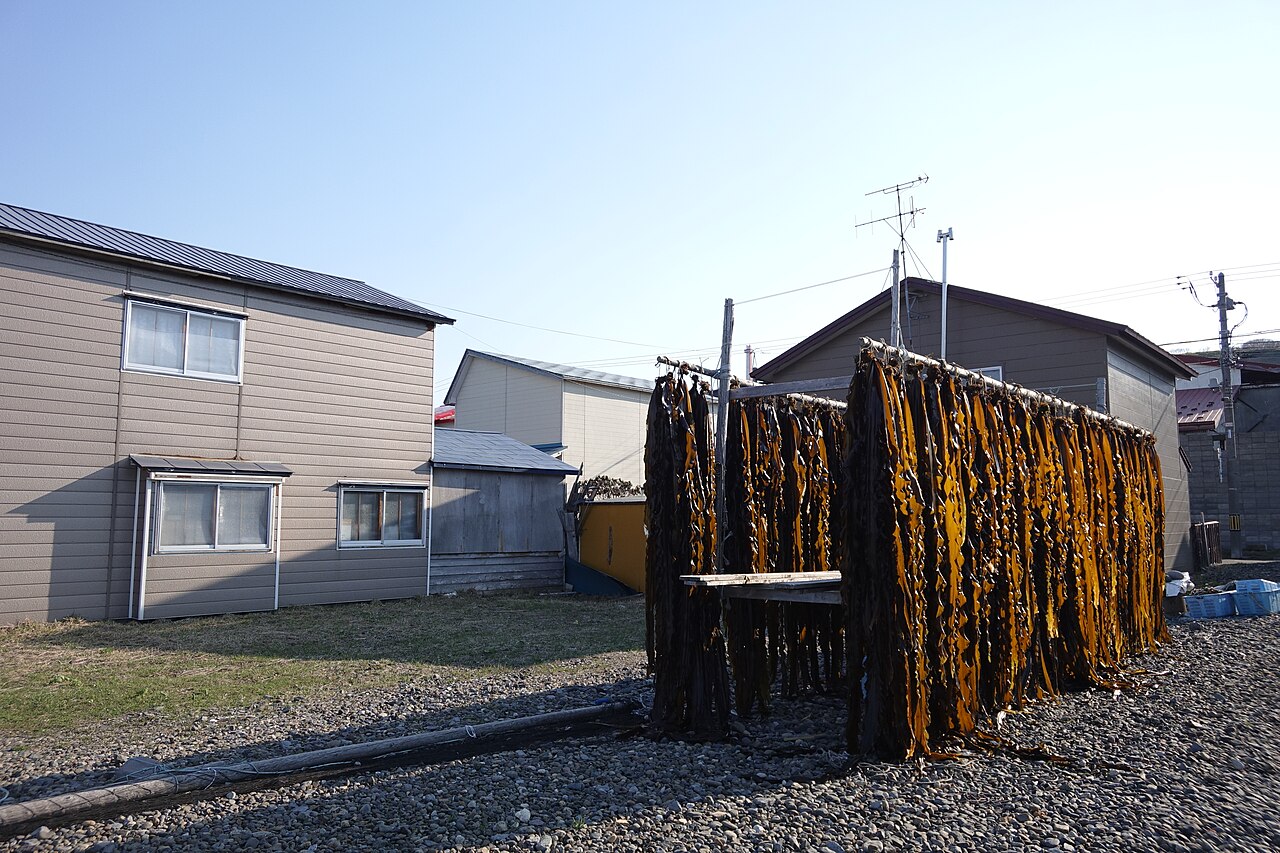
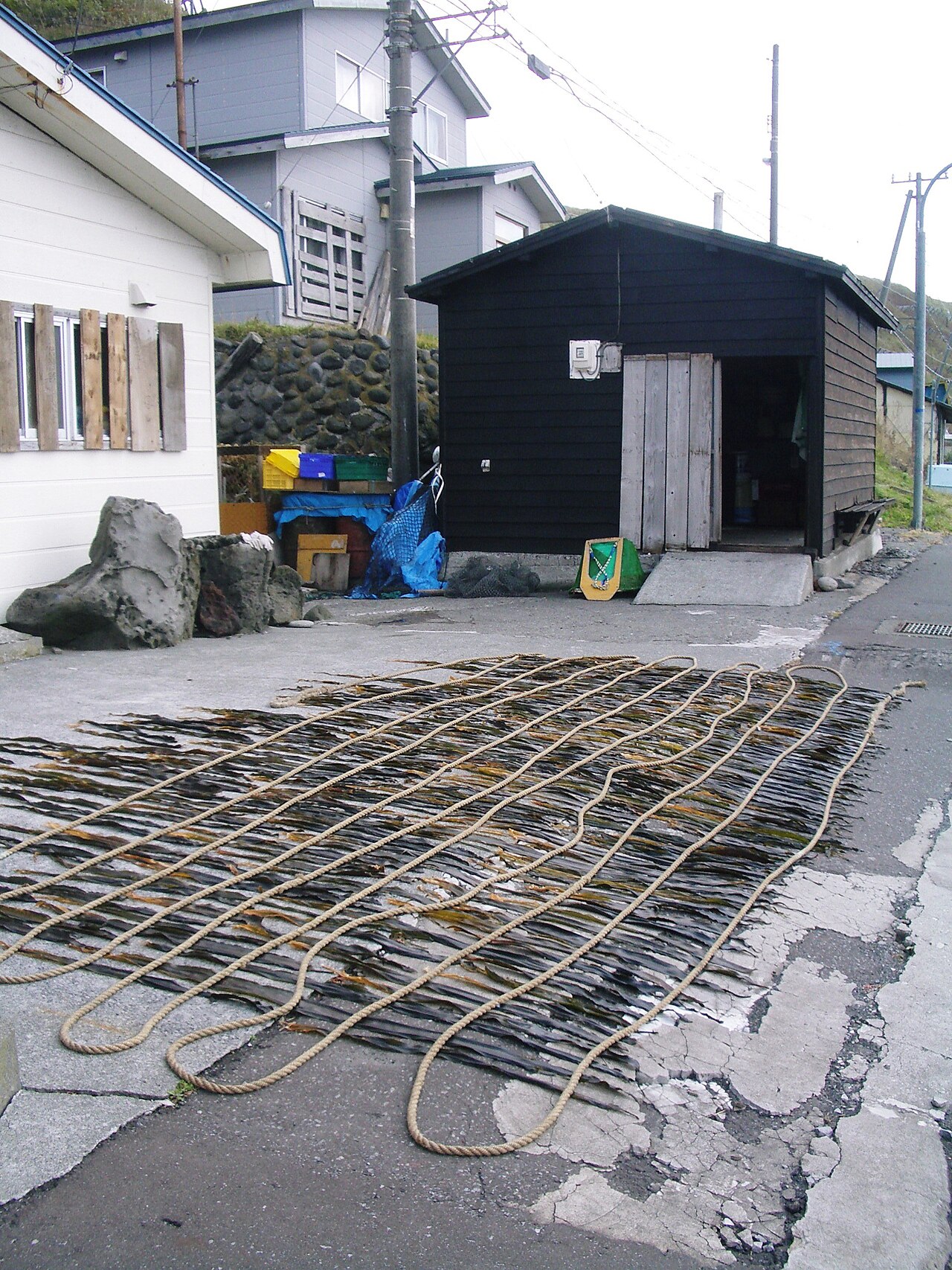
Rishiri kelp is a kelp with a long, narrow blade, and it grows on rocky bottoms.
Ramen on Rishiri Island comes with the island in the bowl, starting with broth drawn from Rishiri kombu.
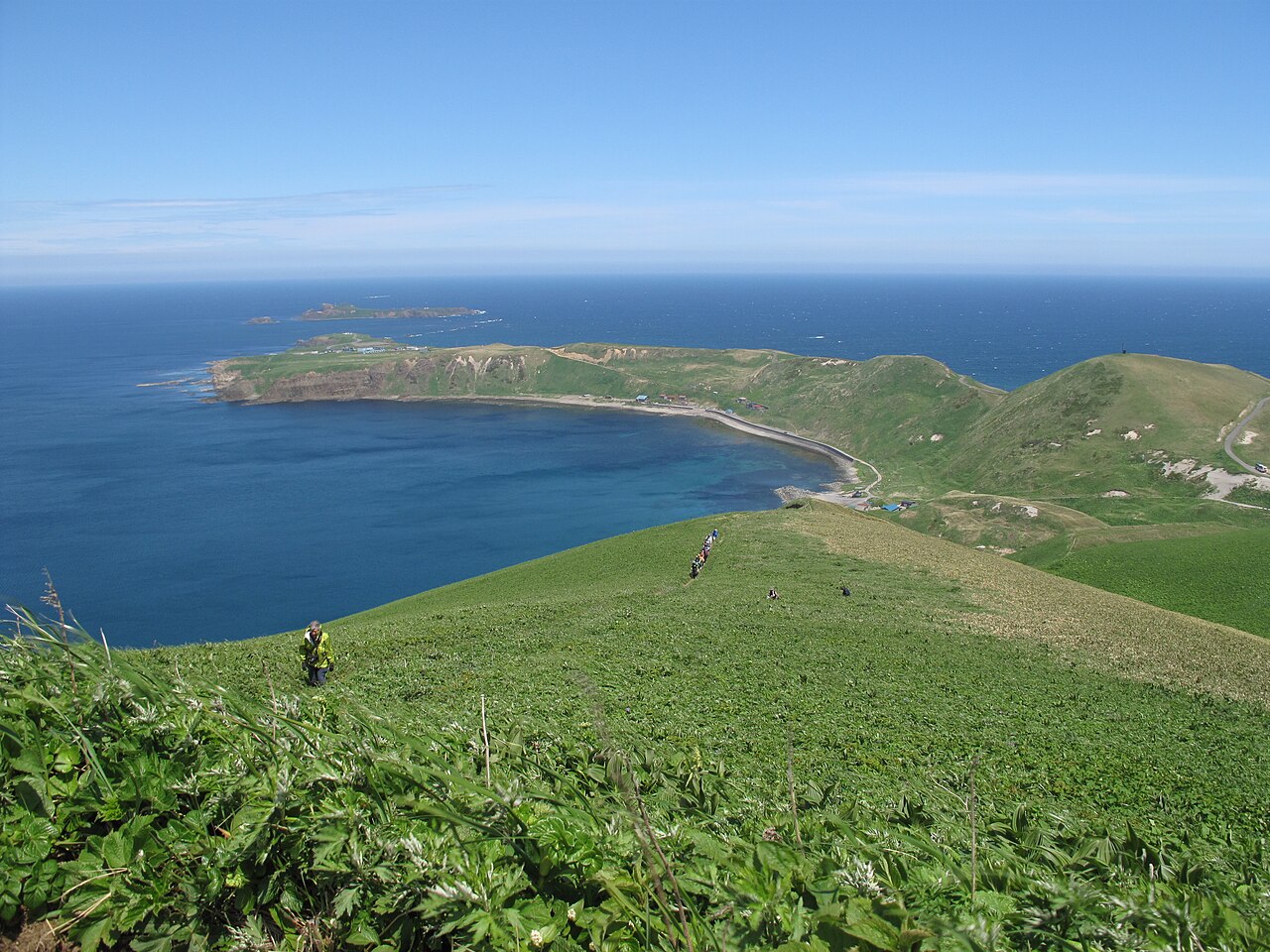
Rishiri Rebun Sarobetsu National Park gives you the flowers of Rebun Island, Mount Rishiri and the peatland of Sarobetsu Mire.
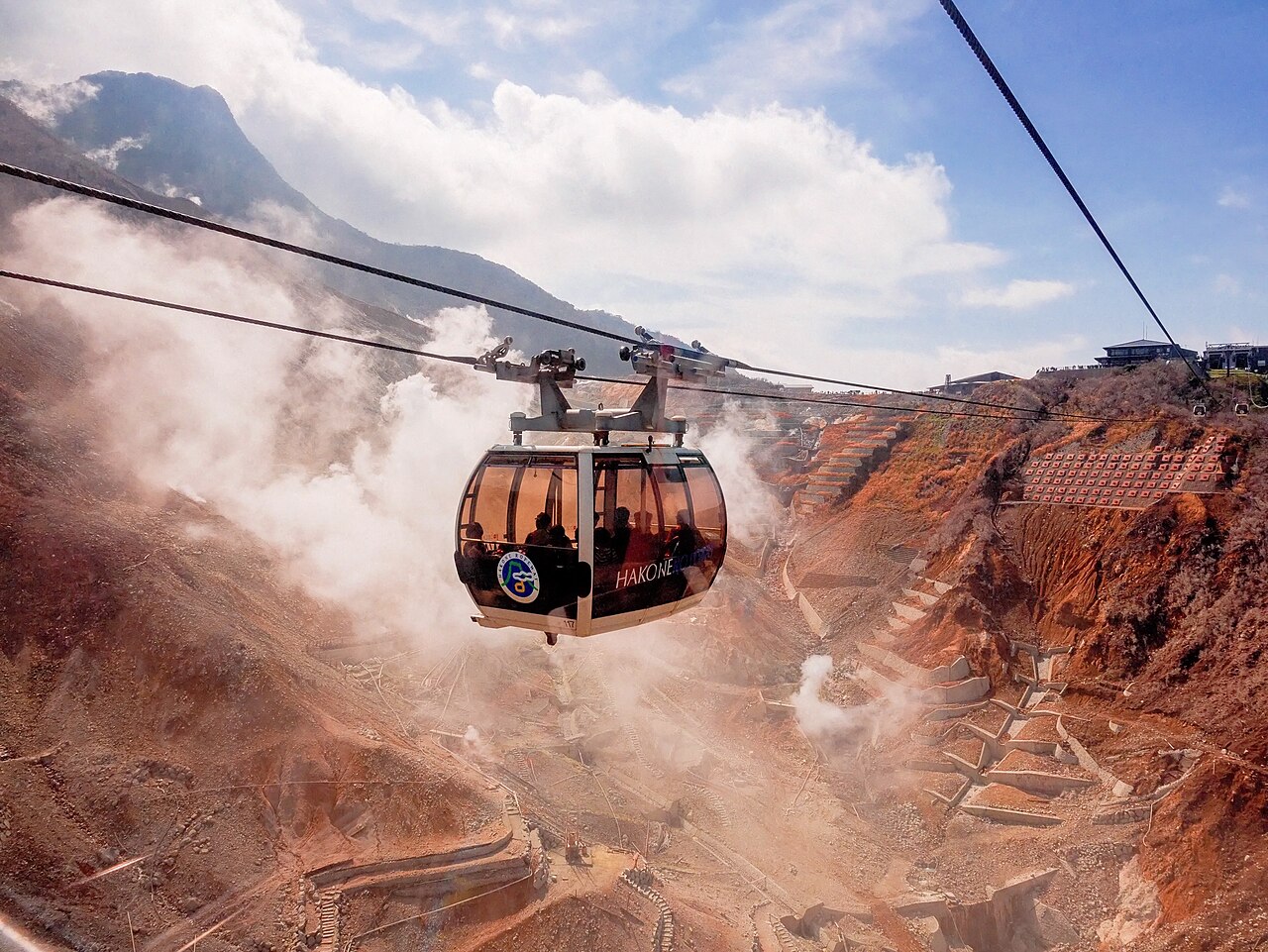
Ropeways and cable cars in Japan each run to their own rules, so a ride has to be checked against that line's own page.
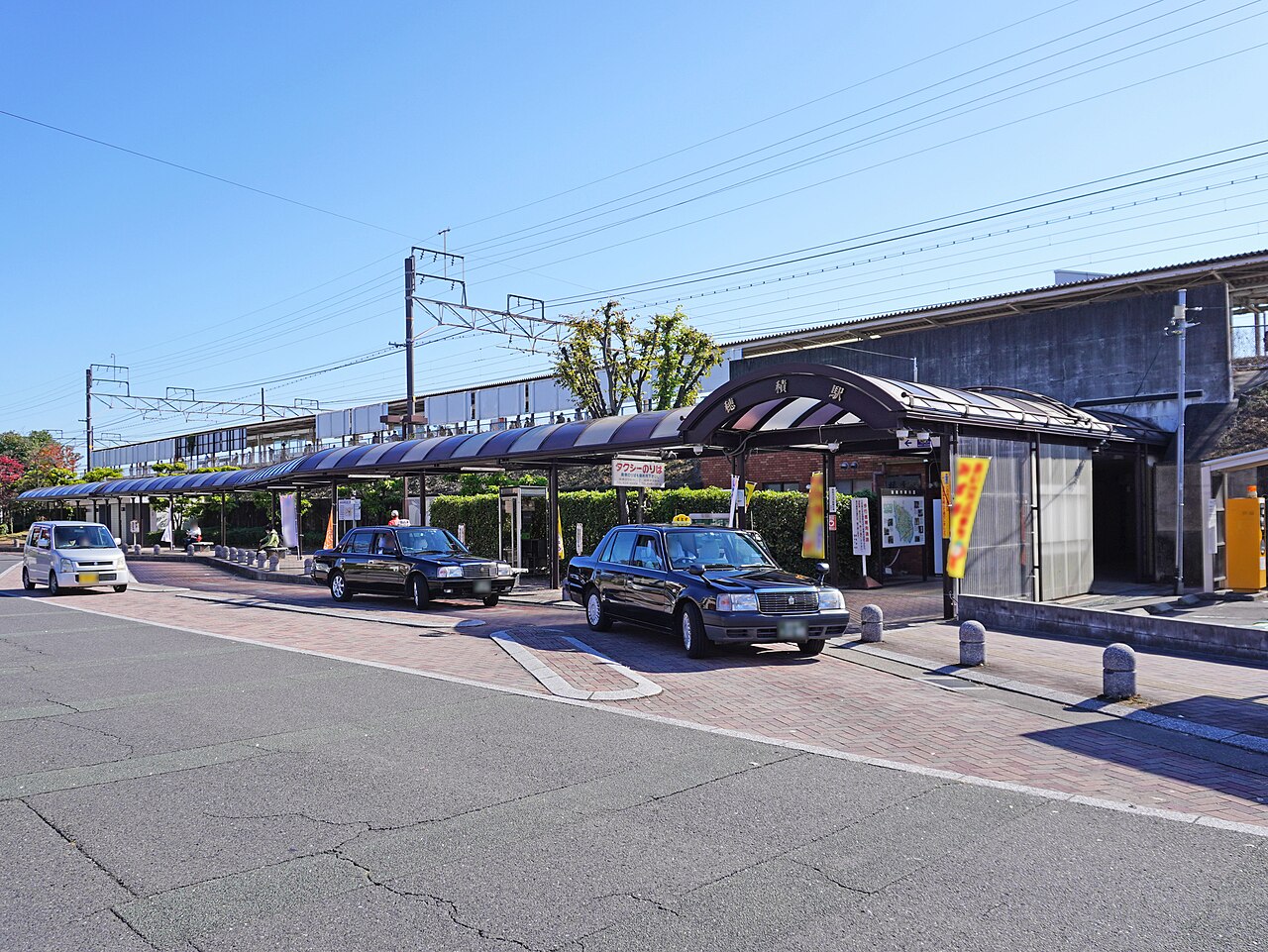
A ride outside the cities is booked by phone with a local company, and the fare is an initial fare that is always charged, with distance and slow-driving time…
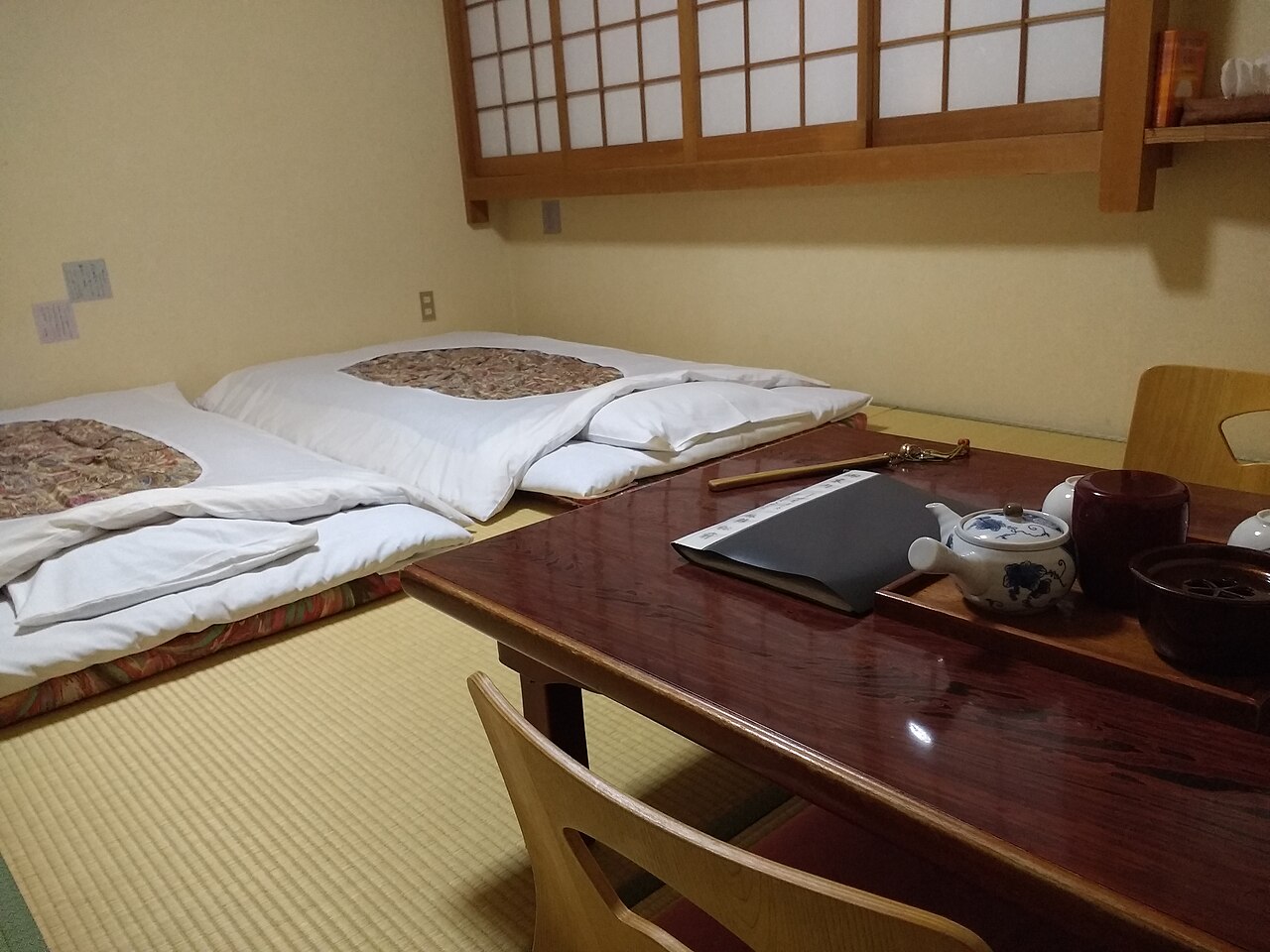
Ryokan, minshuku and shukubo differ mainly in what comes with the night: the meals, the bath arrangements, and at a temple lodging the morning service.
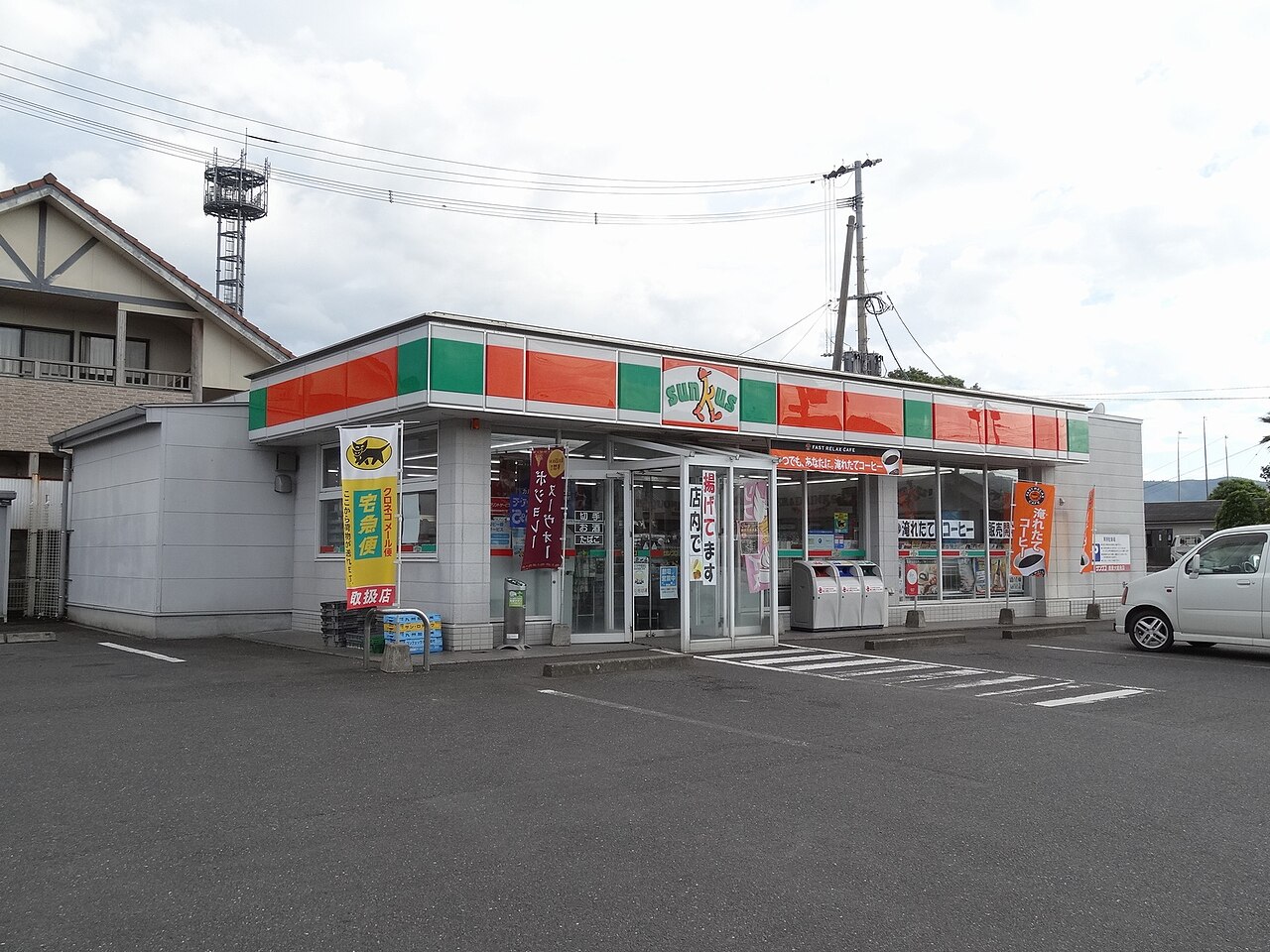
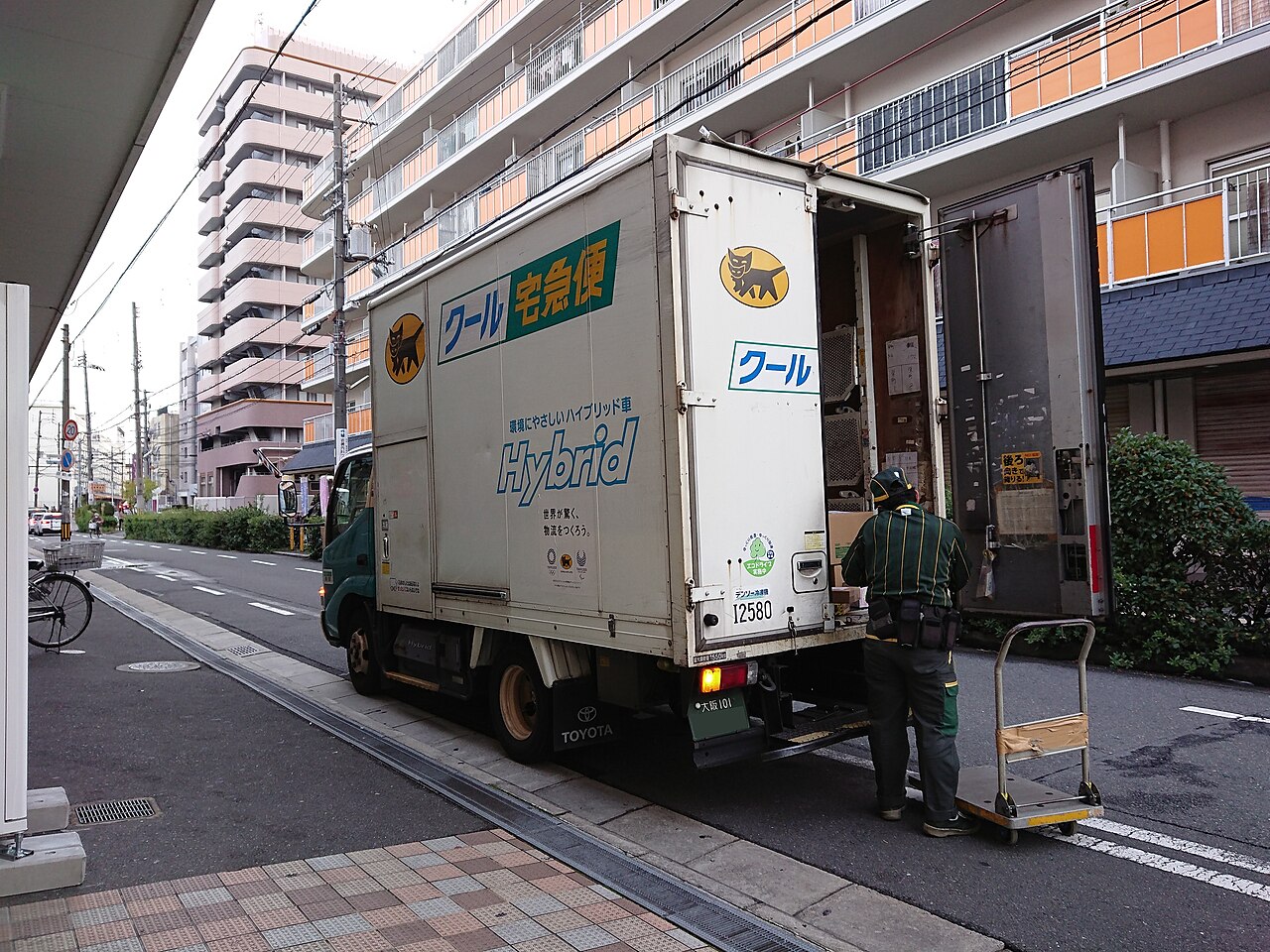
Sending luggage ahead in Japan means handing your bag in at a sales office or a convenience store and walking on while it travels to your hotel.
Shipping luggage to Japan before you arrive works through a customs scheme called unaccompanied articles, and it hangs on a form you hand in at entry.
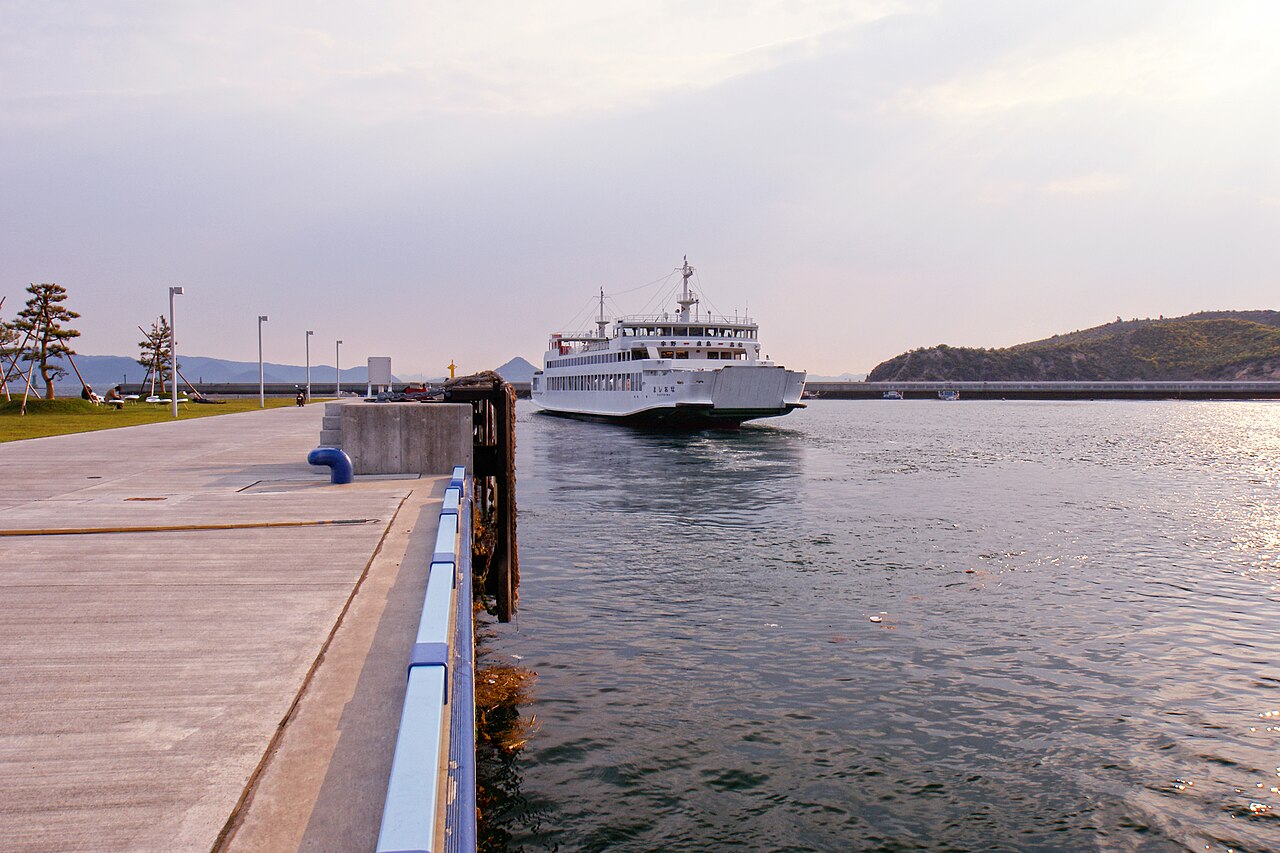
Ferries to small islands in Japan run on each operator's own rules: some sailings can be booked ahead, others are ticketed only on the day.
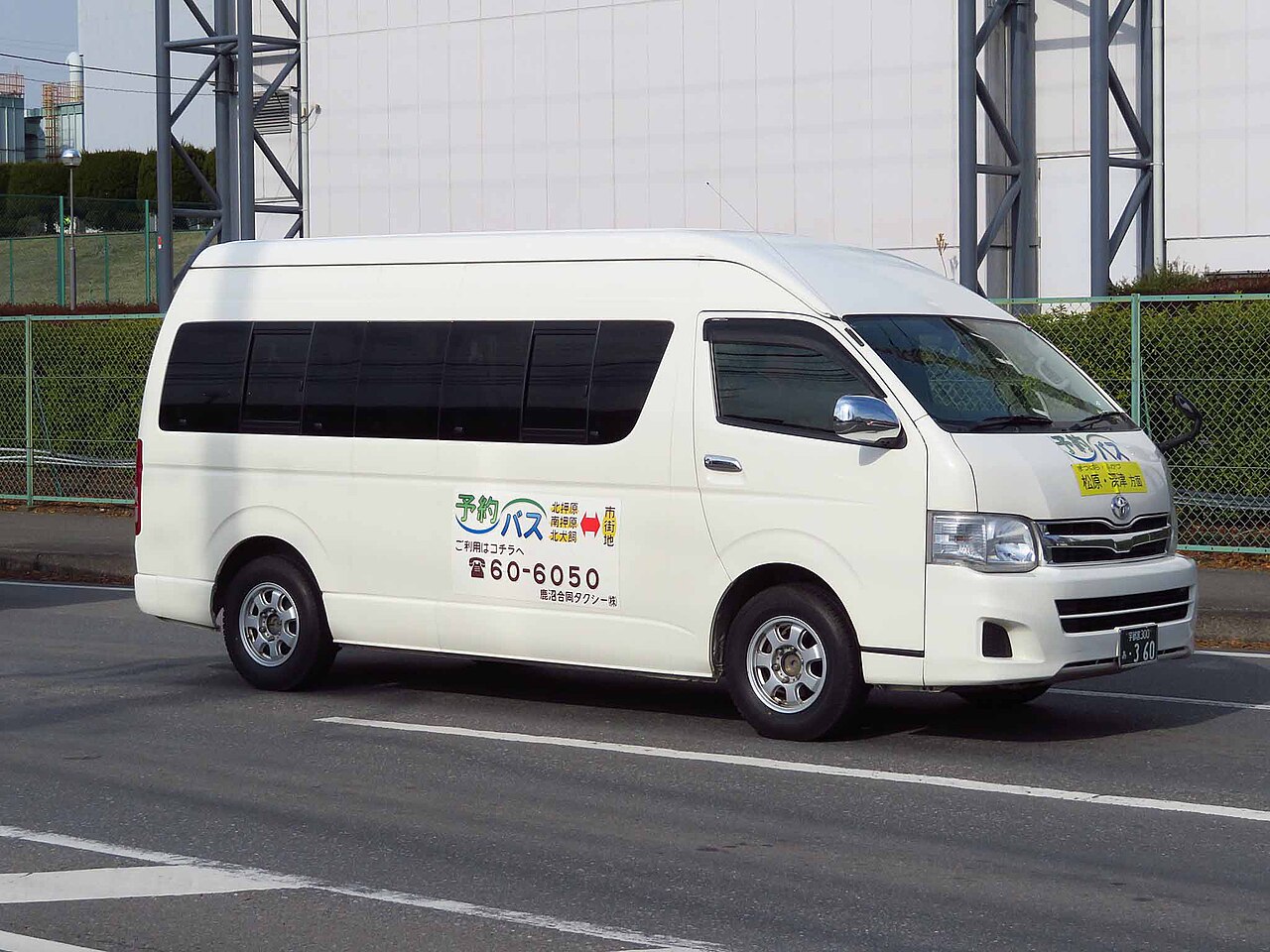
What to book in advance in rural Japan comes down to three things: shared rides, temple lodgings and farm-stays with their meals, and experiences with a set…
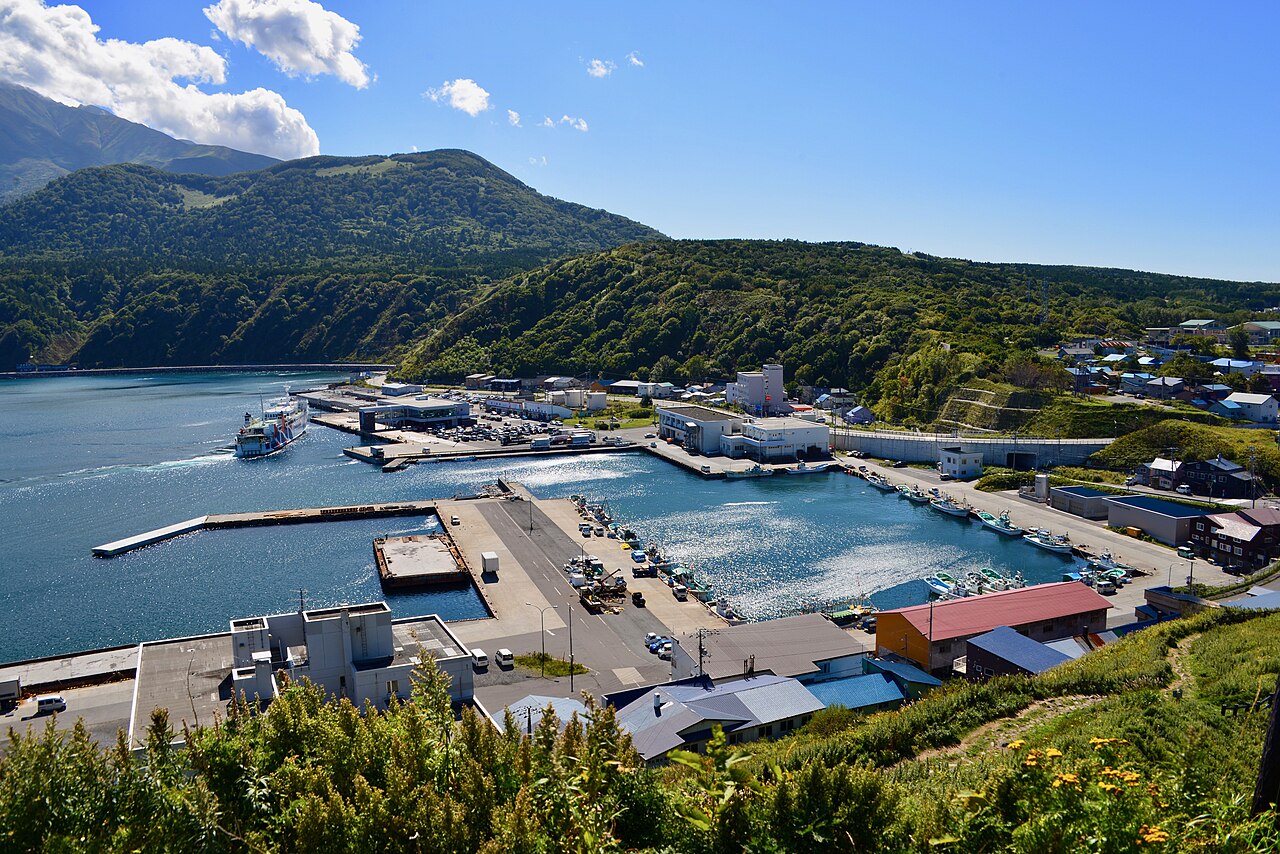
Where to stay on Rishiri Island comes down to two harbour districts: Oshidomari, the ferry-port side, and Kutsugata on the west coast, with smaller inns in…