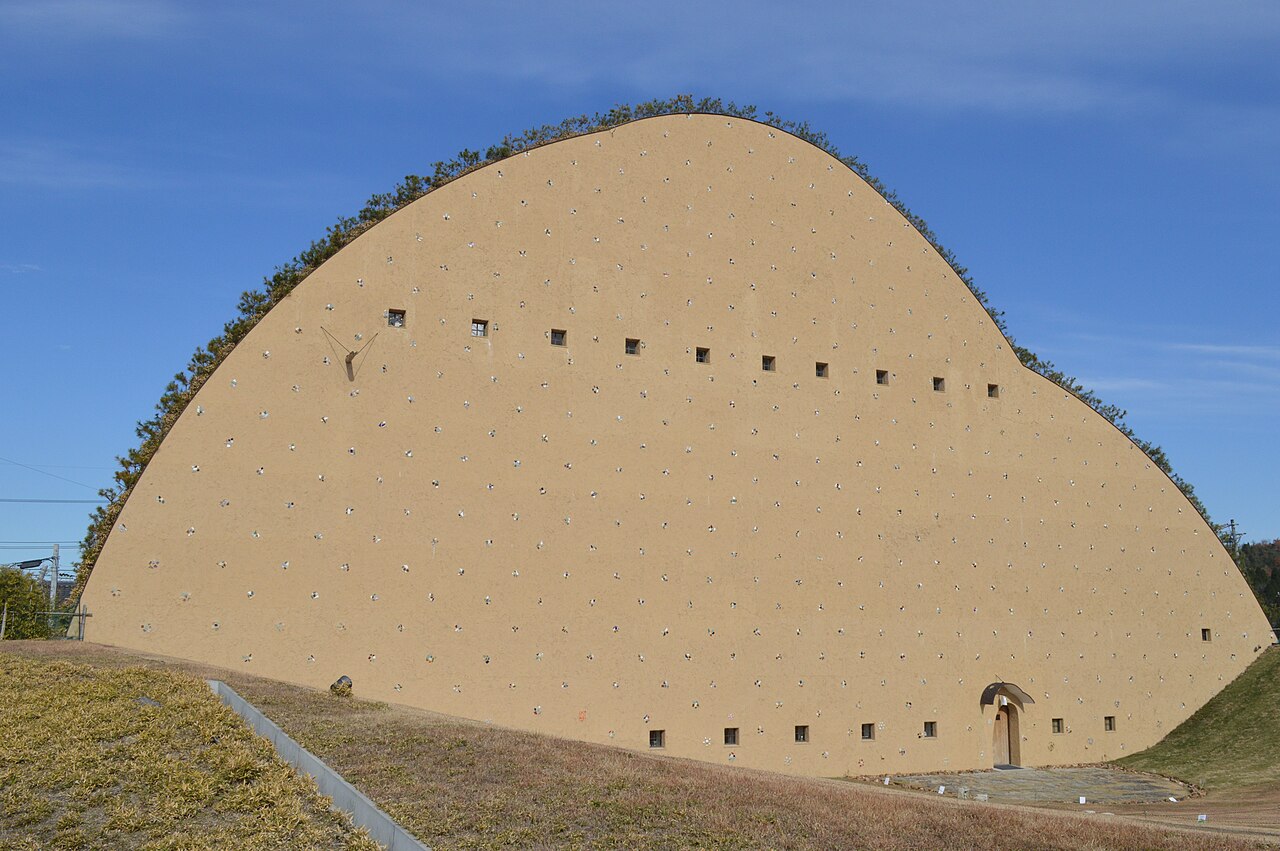
The top floor of the Tajimi Mosaic Tile Museum opens off a dim main staircase onto a room covered from floor to ceiling in white tile. In the museum's studio, visitors stick mosaic tiles onto a small item of their choice and make an original piece of their own. Across the city, Eihoji stands quietly as a Zen temple washed by the stream beside it.
Making Mosaic Tile Crafts at the Tajimi Mosaic Tile Museum
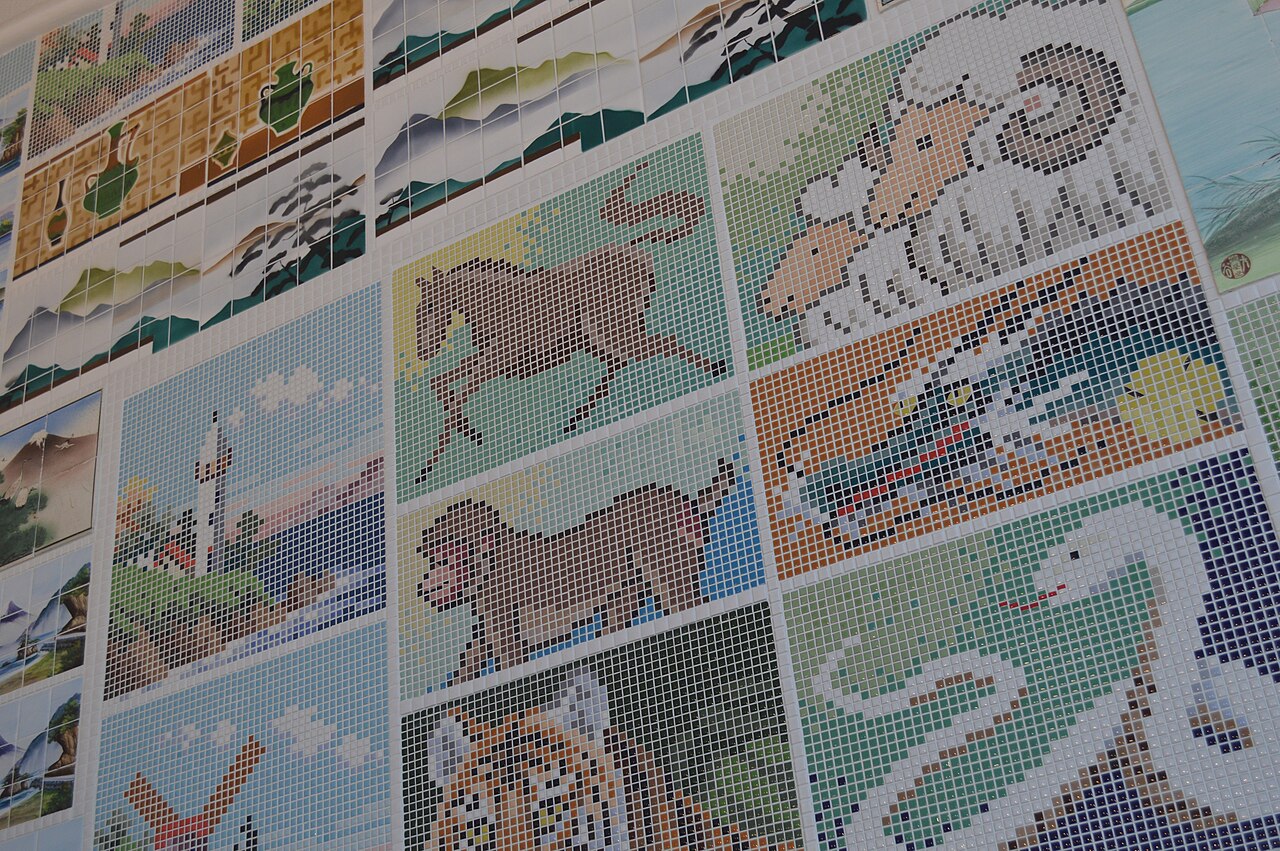
The Tajimi Mosaic Tile Museum covers the interior of its display room with the various products and picture tiles it has collected so far. On the third floor, a collection traces the production process of Tajimi mosaic tiles together with their history. Among the household items on view are home bathtubs finished in mosaic tile and the sample mounting sheets. The tile-making machines are set out in the same collection as well. The same gallery also mounts themed exhibitions on subjects such as tile art, and the collection display is rearranged to match each theme.
In the studio, visitors first pick one item from the small pieces the museum has prepared. The colour and the shape of every tile are the maker's own choice. Size is the maker's choice as well, and for the tabletop mirror the chosen tiles are fixed to a desk mirror with wood glue. For the round pot stand, the tiles are arranged into a picture on a cork base and attached with the same glue.
The finished piece leaves the studio in the hands of the person who made it. The tabletop mirror and the round pot stand are weekday crafts, run side by side while stock lasts. Back outside, look at the building: its exterior recalls the clay mountain where tile raw material is dug, leaving a nostalgic yet fresh, strange impression.
Walking the Garden and Halls of Eihoji Temple
Eihoji greets visitors in front of its main hall with a large ginkgo tree, a natural monument of the city. Beside the tree stands a ceramic lantern finished in Shino and Oribe glazes. From there, the walk continues to the pond, where a roofed bridge crosses the water. Beside the Kannon-do hall, a waterfall comes down over the rock.
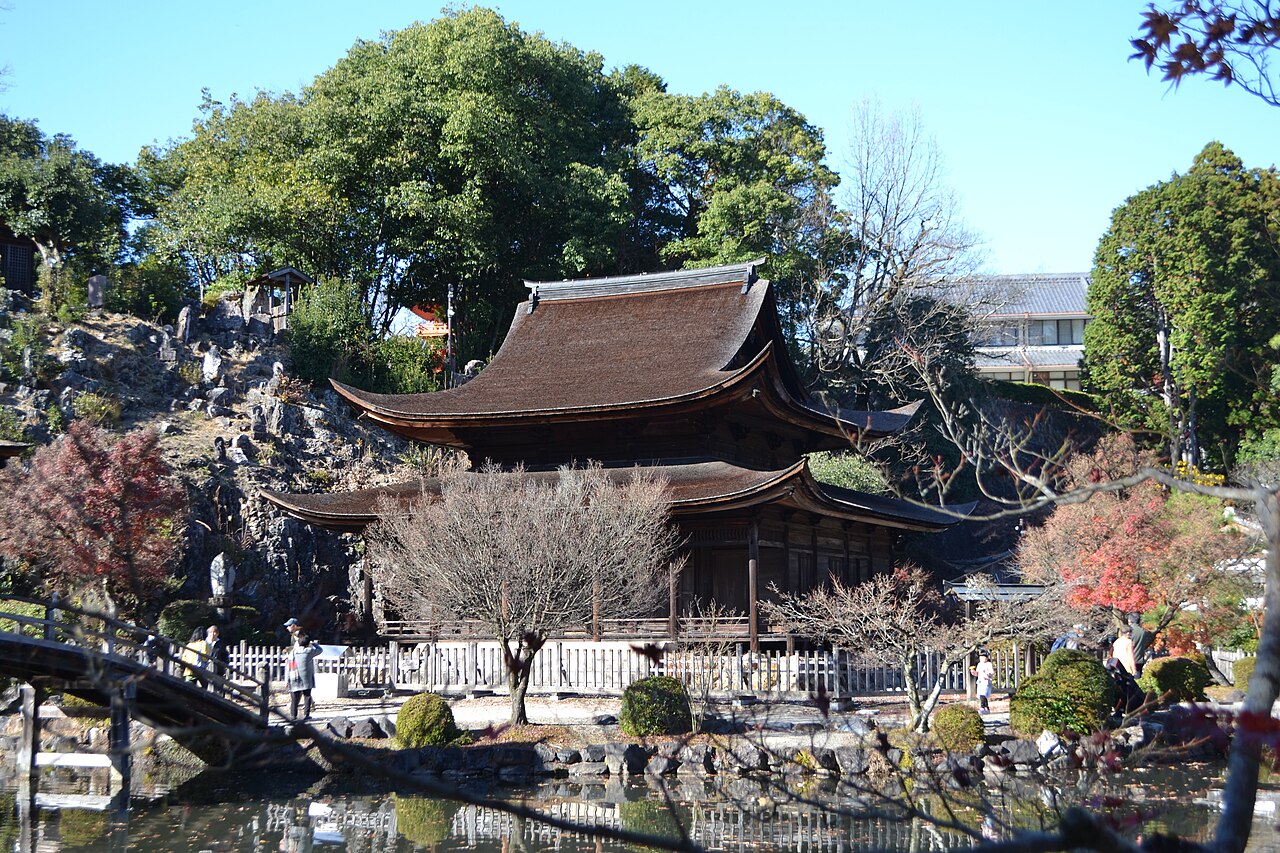
Up close, the front doors of the Kannon-do show finely made flower-pattern latticework fitted across their upper half. Above the altar of the Kannon-do, a seated statue of Sho Kannon is enshrined as the principal image in a shrine shaped like a cave. Step on to the Kaizan-do, where seated statues of Muso Kokushi and Bukkoku Zenji are enshrined in its shrine section. The garden underfoot is a national place of scenic beauty, and the Kannon-do and the Kaizan-do just visited are both National Treasures.
In the early stage of the autumn colour, green leaves still remain among the turning ones and the colour shows as a gradation. Green maple and red maple leaves mix together at that stage, a contrast tied to that early turning. Along the pond, the maple leaves that surround the water colour as if they were burning.
Ichinokura Sakazuki Museum and Oribe Street Meals
The Ichinokura Sakazuki Museum fills its first-floor permanent exhibition with about fifteen hundred sake cups, among them thin, finely made pieces, laid out period by period. In one corner, one artist's works are shown beside the design drawings made before the underglaze blue was painted on. Another exhibition shows a calligrapher's large work, one character written on each cup, shown in three parts in turn. In the attached masters hall, ceramic works by living national treasures and masters connected to the area are on display.
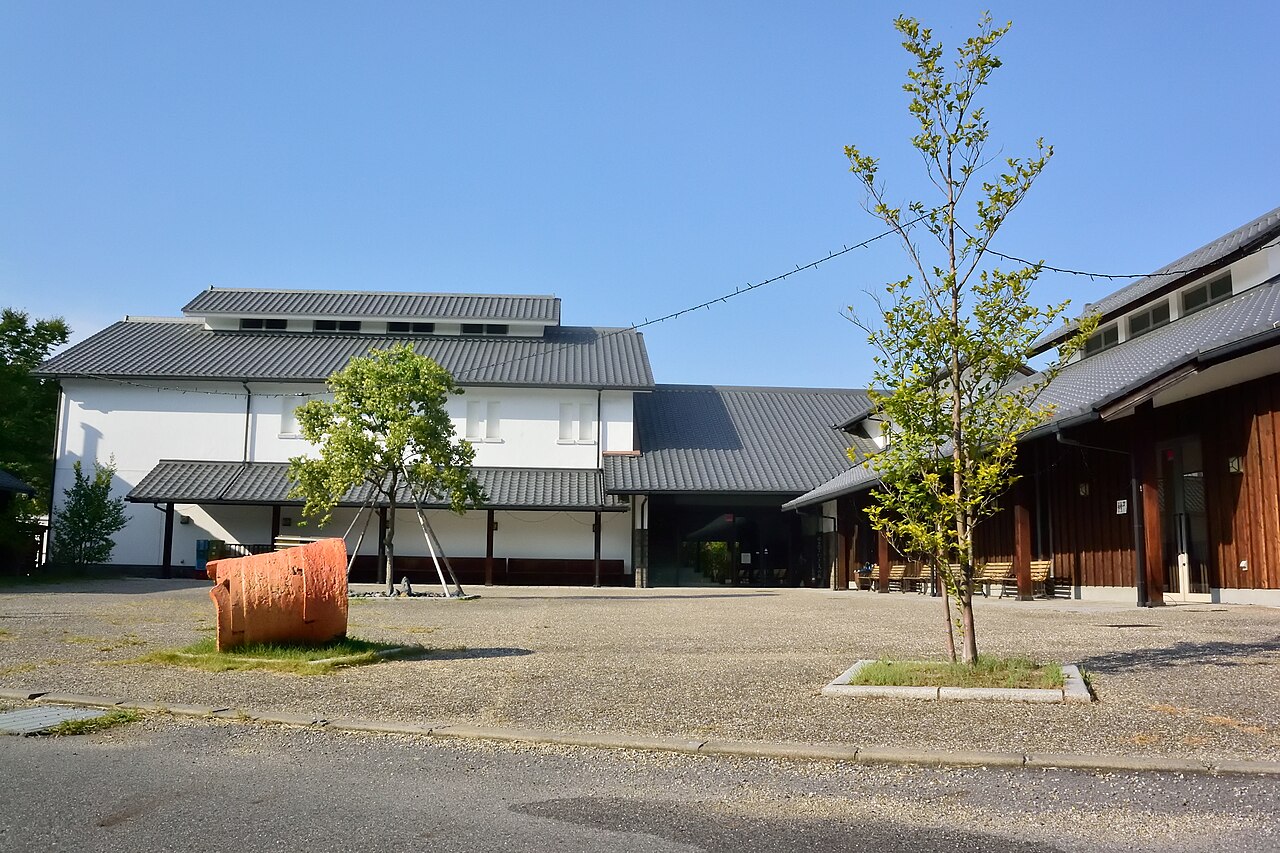
The museum shop sets out works by artists in pottery and in woodwork. Metalwork by artists is carried in the same shop as well. On the grounds, the restaurant MOON serves crisp thin-crust pizza baked over a wood fire. Outside, a walk through Ichinokura takes in a quiet pottery village where many potters and hand-craft kilns turn out familiar pottery. Those thin cups use little clay and travel light, the needs of a mountain hamlet short of transport and good raw material when it took up sake cups and sencha ware.
On Oribe Street, visitors can paint as they like on a base piece of their choice and make an original souvenir. For a meal on the same street, an eel restaurant serves unagi kaiseki, and a curry shop serves spice curry eaten from earthenware. Oribe Utsuwa-tei, a cafe at the back of a ceramics shop, lists matcha and anmitsu. Shaved ice is a summer item on the same list.
To stay overnight in the area, browse places to stay in Tajimi.
Getting to Tajimi
New to rural buses and one-man trains? See how to ride them, step by step.
| Leg | How | Time |
|---|---|---|
| From Nagoya Station to Tajimi Station | JR Chuo Line rapid service | About thirty-five minutes; adult fare six hundred eighty yen |
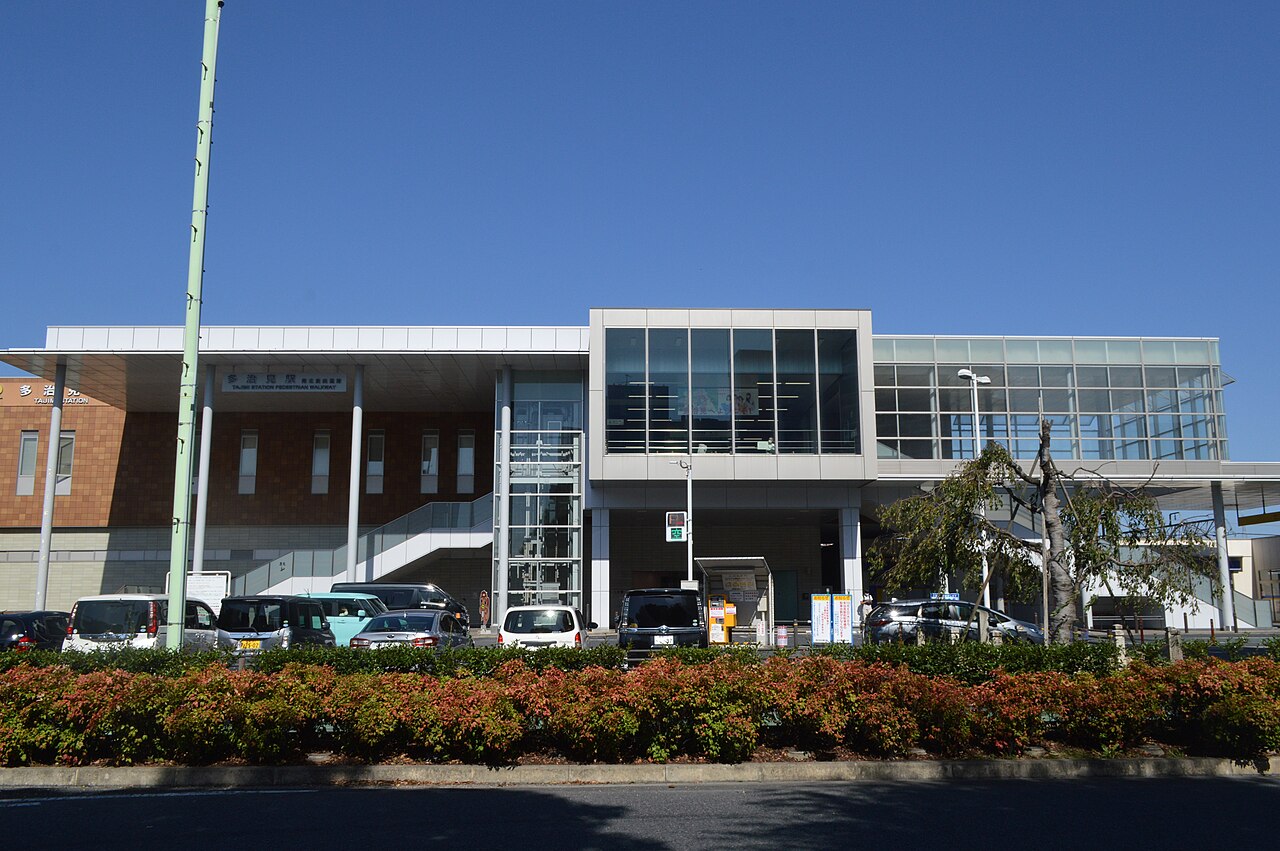
| From Tajimi Station south exit to the Mosaic Tile Museum | Route bus from stop two in front of the station to the museum stop | About seventeen minutes by bus; then three minutes on foot from the stop |
| From Tajimi Station north exit to Eihoji | Route bus to the temple stop, then a five-minute walk; or on foot | About seven minutes by bus; forty to fifty minutes on foot |
| From Tajimi Station to the Ichinokura Sakazuki Museum | Route bus to the Ichinokura stop, then a three-minute walk | Three-minute walk from the stop |
Hours and Fees
| Place | What | Hours or fare |
|---|---|---|
| Mosaic Tile Museum | Admission and hours | Five hundred yen including the special exhibition; three hundred ten yen for the permanent exhibition alone; nine in the morning to five in the afternoon, last entry thirty minutes before closing; closed on Mondays (the next weekday if Monday is a holiday) and from December twenty-eighth to January fourth |
| Mosaic Tile Museum studio | Mosaic tile craft | Eight hundred yen; tabletop mirror (weekdays) twelve hundred yen; reception nine to half past three; about thirty minutes to one hour; seats are filled in the order of arrival |
| Eihoji | Grounds and Goshuin (temple seal) | Grounds seven in the morning to five in the afternoon; Goshuin reception nine to four |
| Ichinokura Sakazuki Museum | Admission and hours | General four hundred yen; university and high school students two hundred yen; ten to five, last entry half past four; closed on Tuesdays and Wednesdays and at year-end and New Year (open when a Tuesday or Wednesday is a public holiday) |
Fees and hours were checked against official sources on 10 November 2026.
Thinking of staying overnight?
Compare places to stay near Tajimi, Gifu, Japan →
Disclosure: This post may contain affiliate links. If you book through them, we may earn a commission at no extra cost to you.