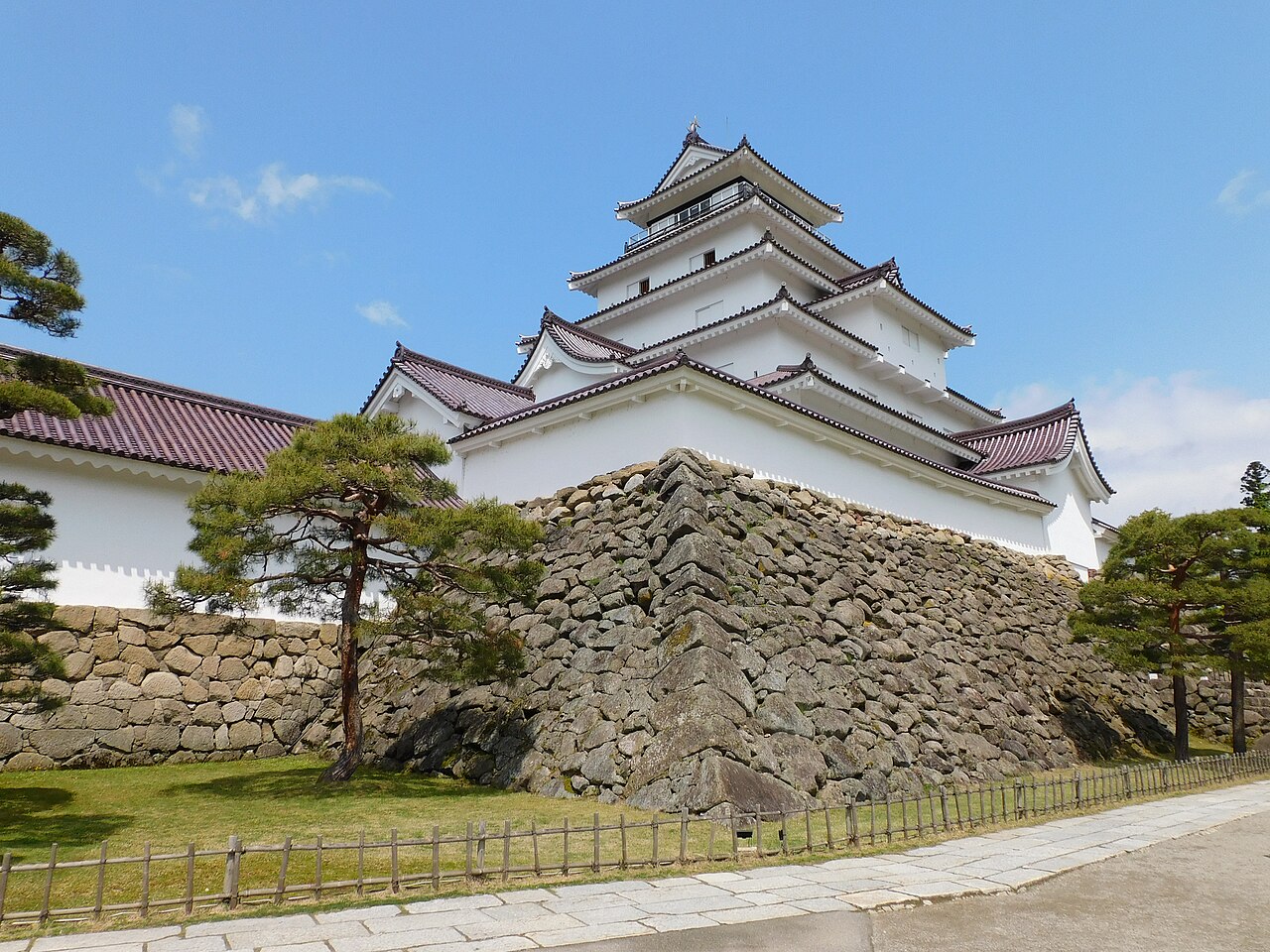
Tsuruga Castle and Iimoriyama: A Quiet Day in Aizuwakamatsu
This guide covers one unhurried day in Aizuwakamatsu, Fukushima — Tsuruga Castle and the Rinkaku tea room, the town loop buses, Iimoriyama and the spiral hall…
Calm nature trips across Japan, no car needed.
Interest
87 quiet, car-free trips built around Castles & Samurai History.
87 guides are filed under this interest across 39 prefectures. The counts below are the number of guides carrying each tag; a guide can carry several tags, and not every guide is tagged on every line.
This page collects guides for travellers who want to see a castle and the town that grew around it. Japan has a wide range of castles, from large keeps with views over the plain to quiet ruins where only stone walls, moats and gates remain. Some castles keep their original keeps, while others have been rebuilt, and the guides help you see which kind you are visiting and what is left to explore. The samurai history around a castle often lives in the streets below it, in old residences, museums and shrines within walking distance, so many guides pair the castle with a short stroll through the old town. When you choose one, look at how long the walk up takes and whether the castle grounds are open all year, since some close in winter or on certain weekdays. Open a guide to see the route in detail, and use the other categories if you also want to narrow by season, trip length or how you will get there.
This guide covers one unhurried day in Aizuwakamatsu, Fukushima — Tsuruga Castle and the Rinkaku tea room, the town loop buses, Iimoriyama and the spiral hall…
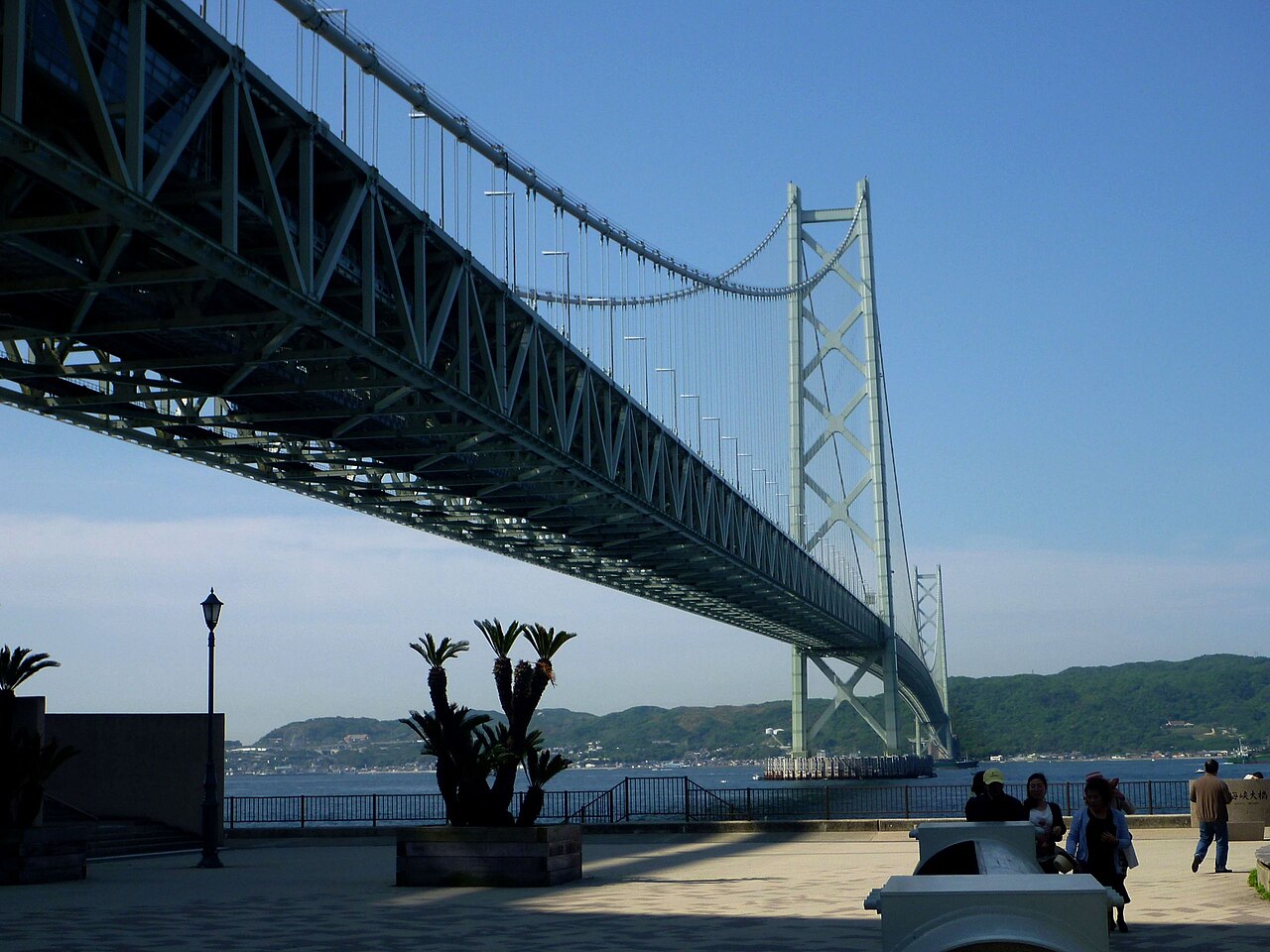
Walking along the promenade built inside the girder of the Akashi Kaikyo Bridge puts visitors out above the sea.
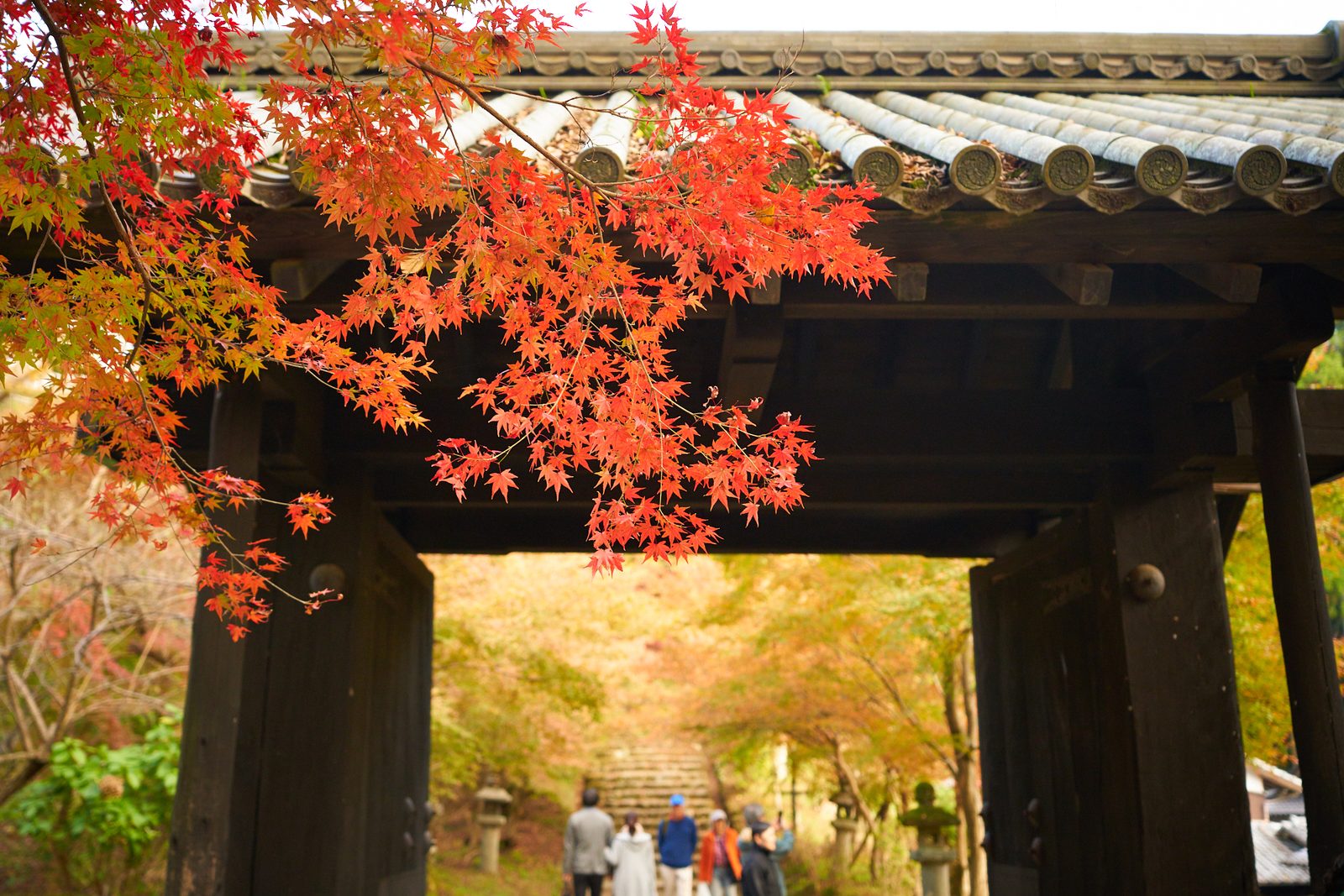
This guide covers how to reach Akizuki, a small former castle town in the hills of Asakura in Fukuoka Prefecture, without a car, along with the two museums…
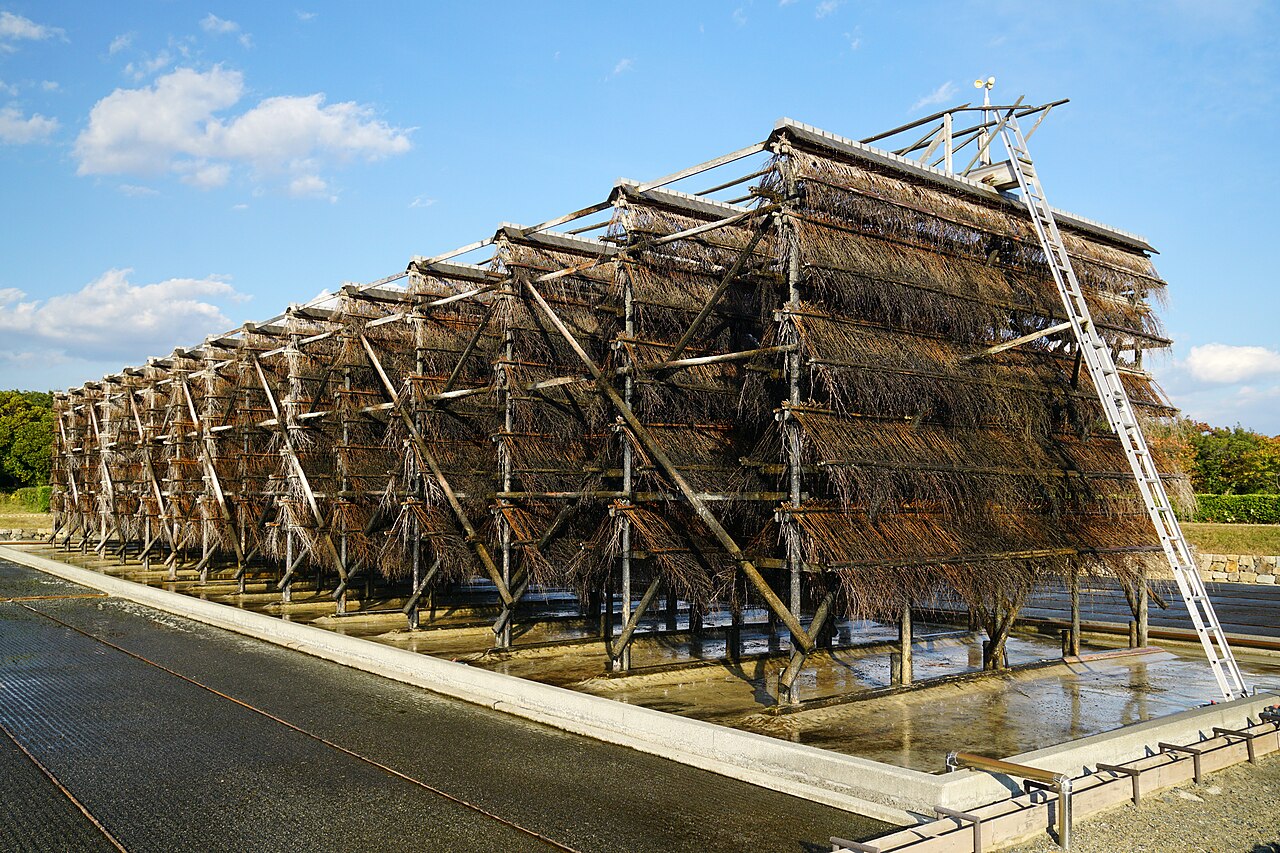
Ako, on the Seto Inland Sea in Hyogo, lets visitors boil seawater down into salt with their own hands at the Marine Science Museum.
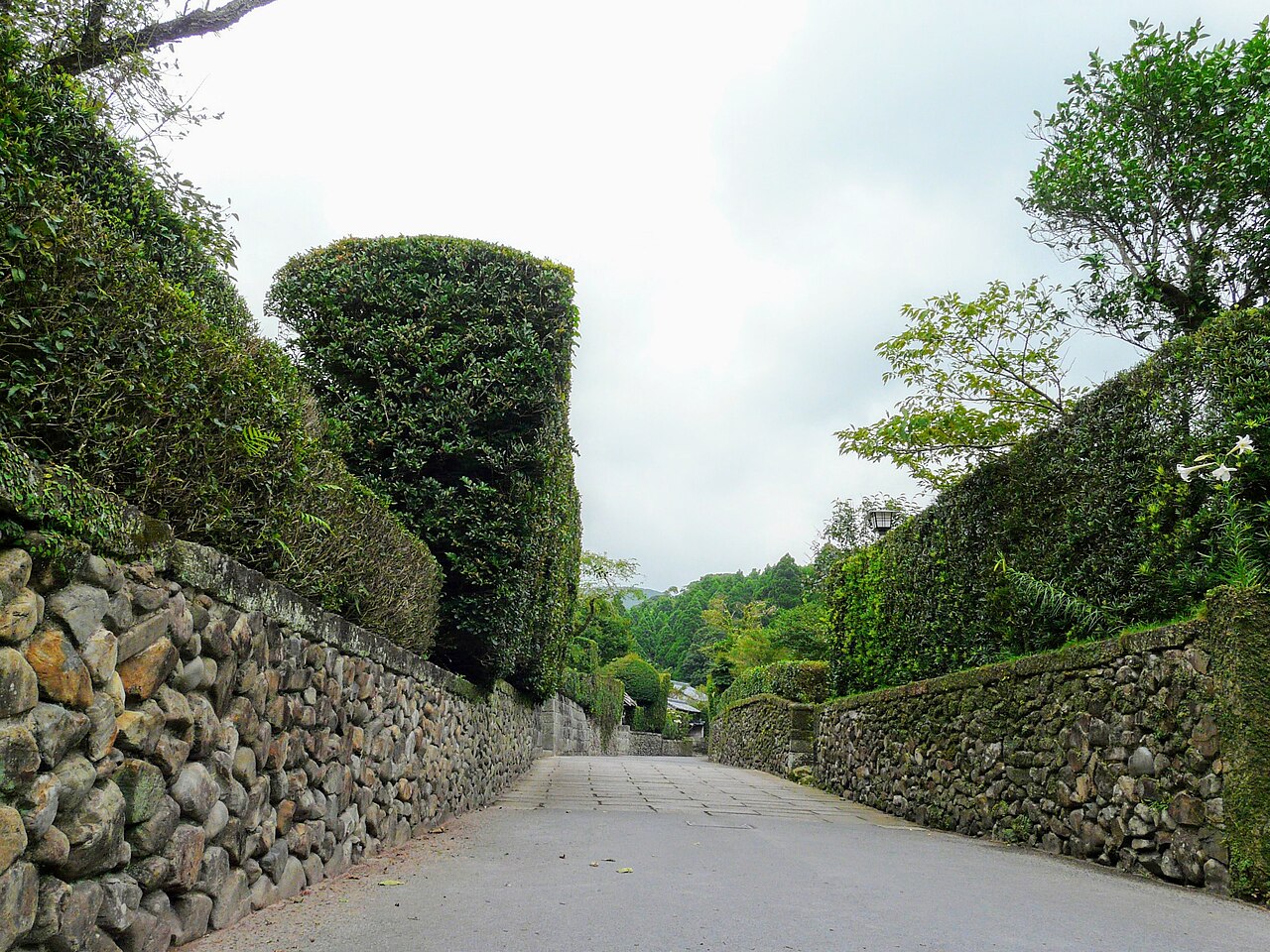
Chiran, in Minamikyushu City, Kagoshima Prefecture, was once one of the outer-castle towns of the Satsuma domain.
The castle town spreading at the foot of Echizen-Ono Castle is an area with a historic townscape and spring water.
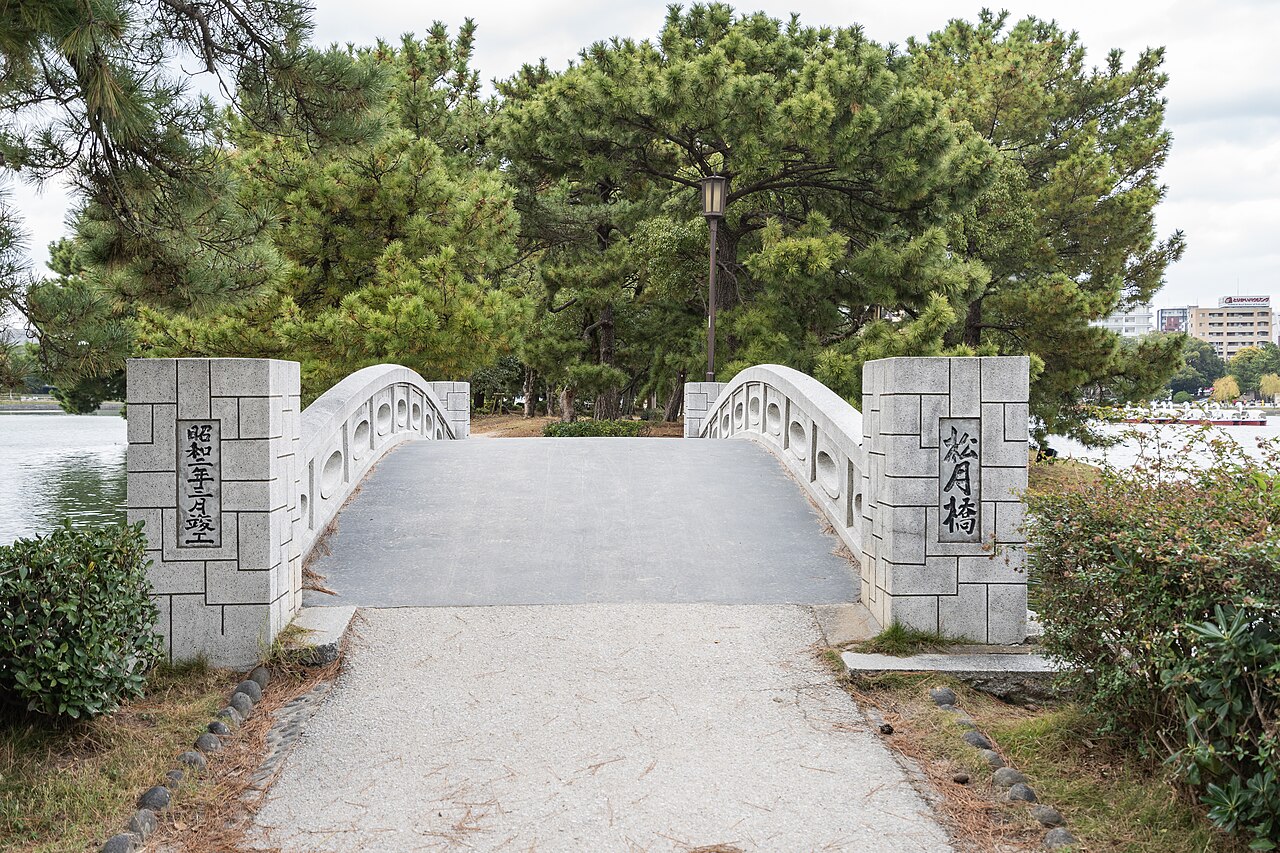
Central Fukuoka offers a walk around the pond of Ohori Park, a round of the temples and shrines of Hakata, and dinner at a yatai food stall.
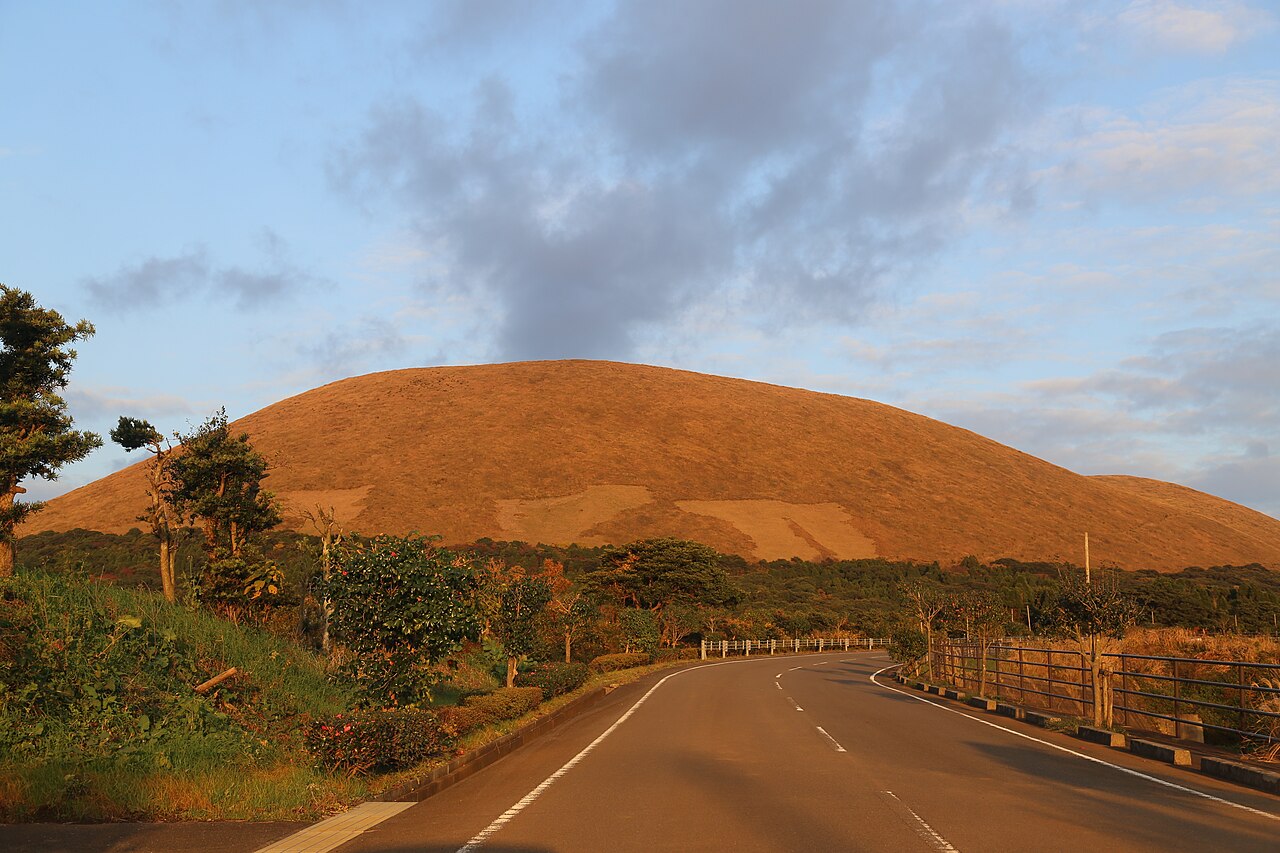
Fukue, on Fukue Island, was the Gotō domain's castle town, where Edo-period traces remain strongly.
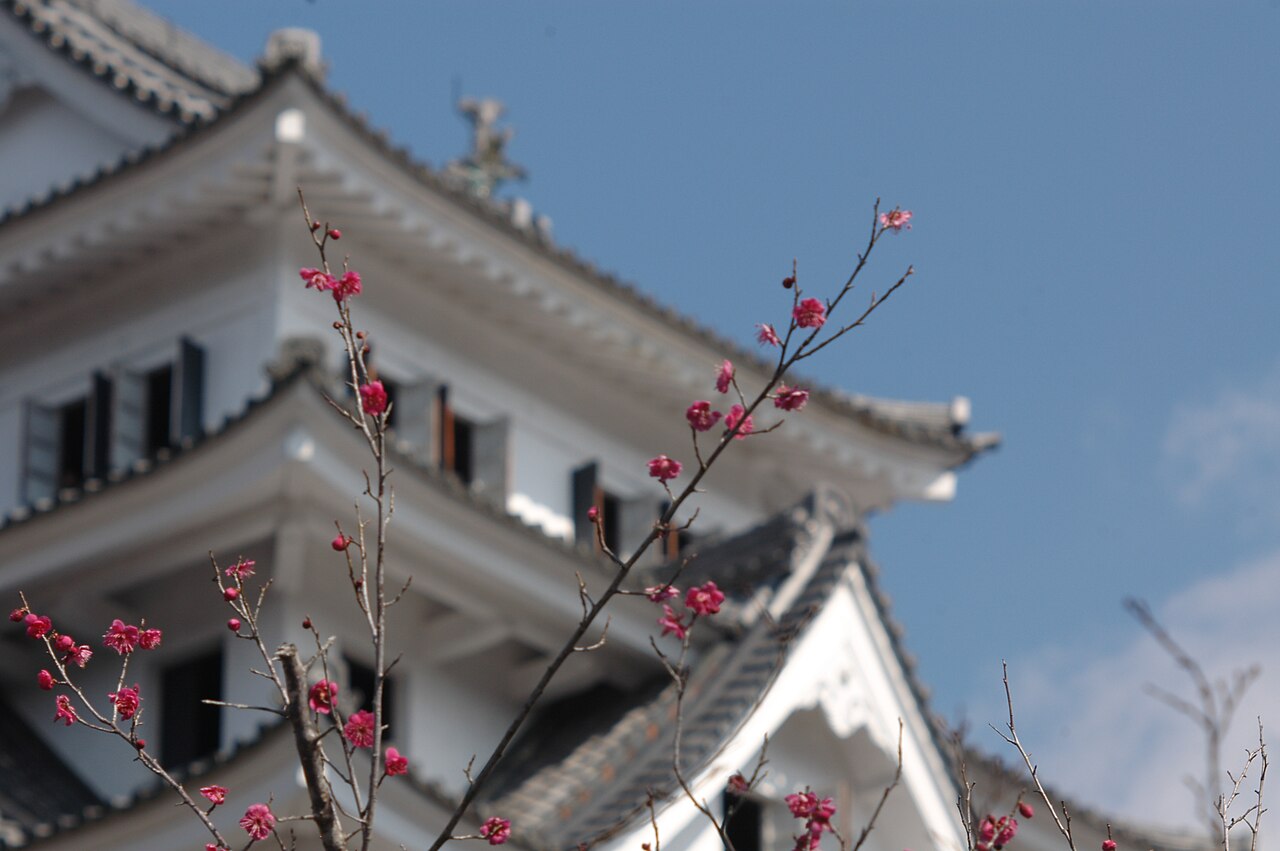
Most itineraries through central Japan hurry between the big-name cities and never turn up the Yoshida River.
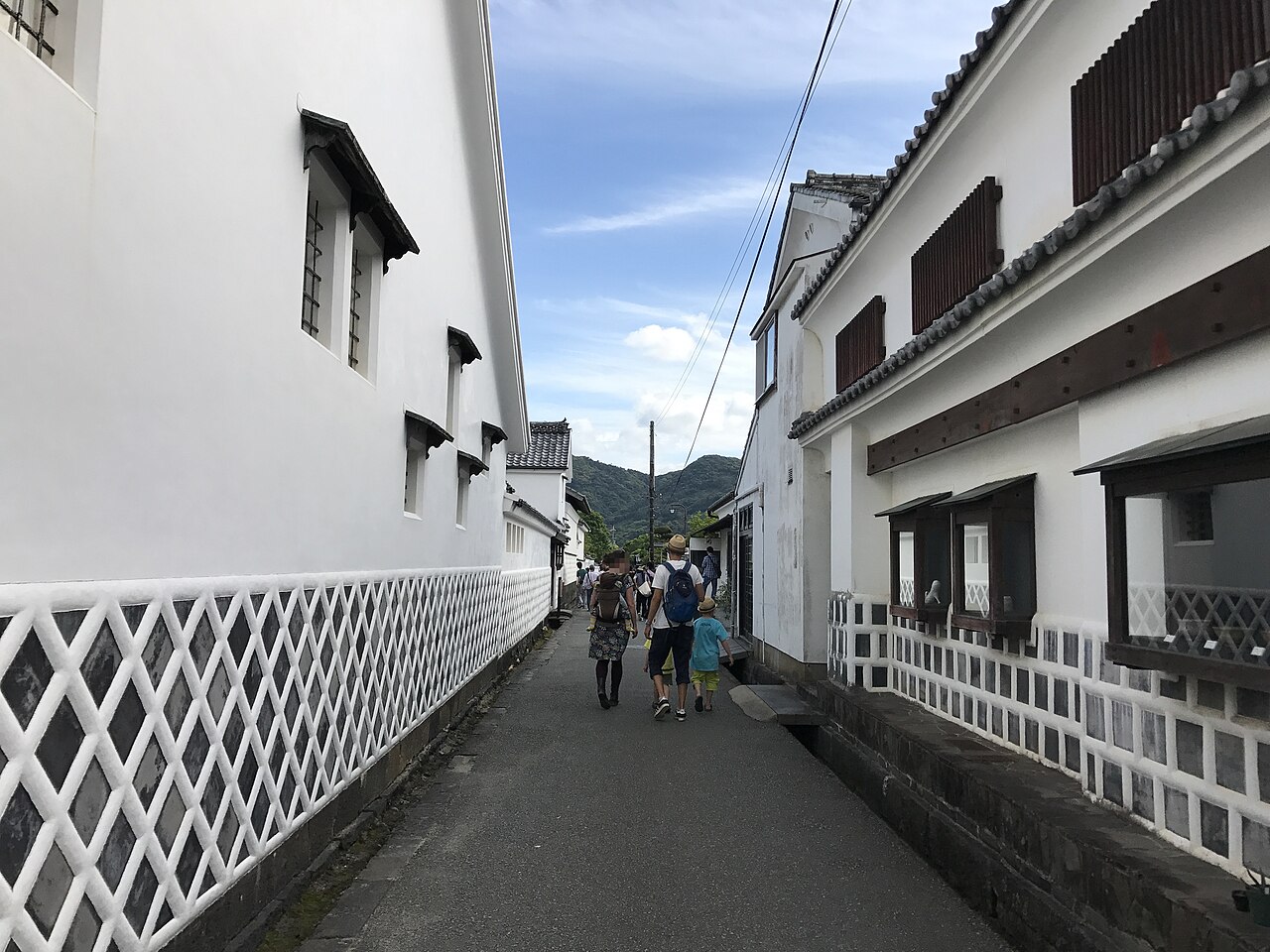
Most castle towns point you at a keep.
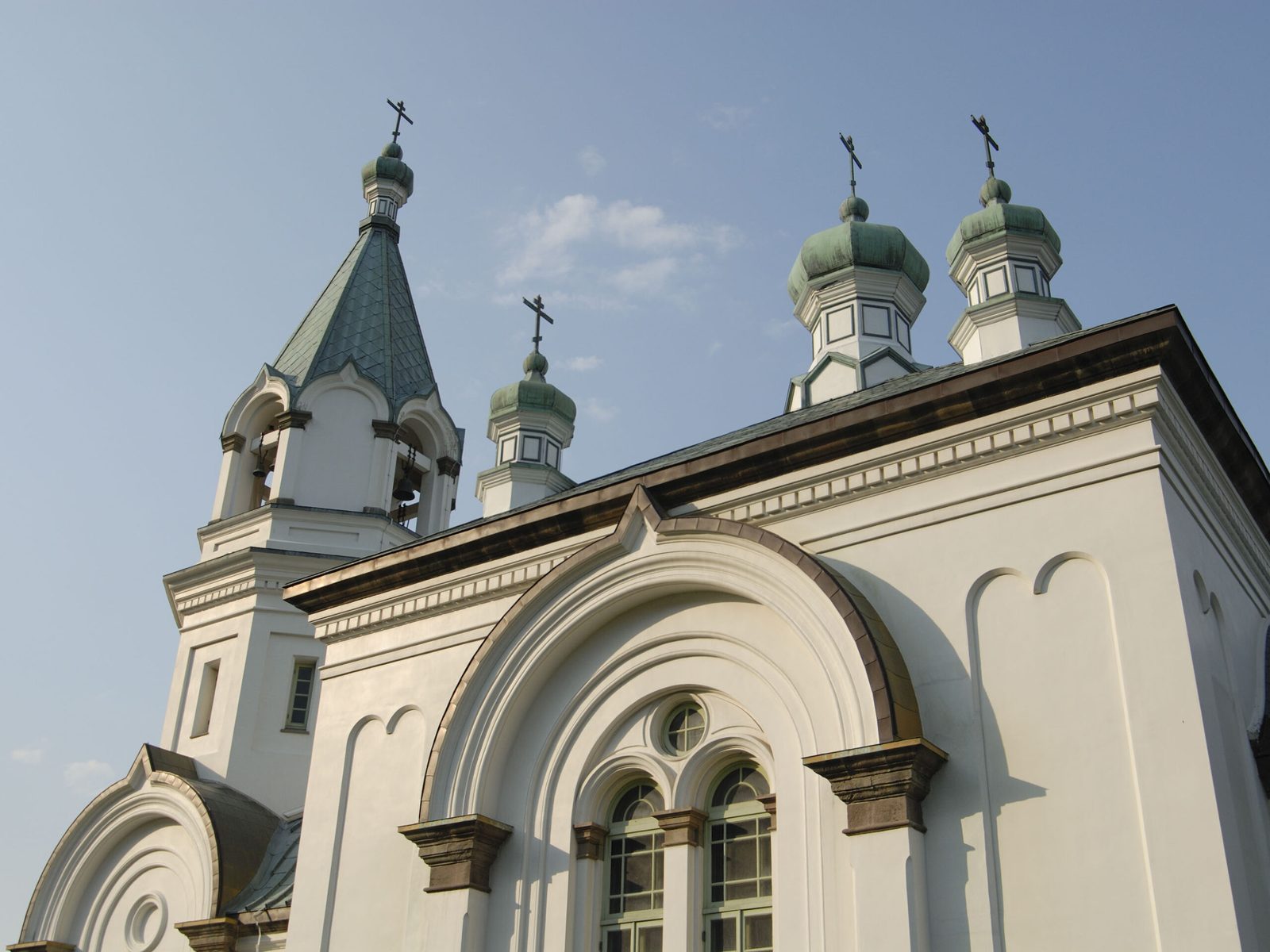
At the top of Daisan-zaka a view opens up that could belong to a foreign land, and the bell of the Orthodox church is listed among Japan's certified…
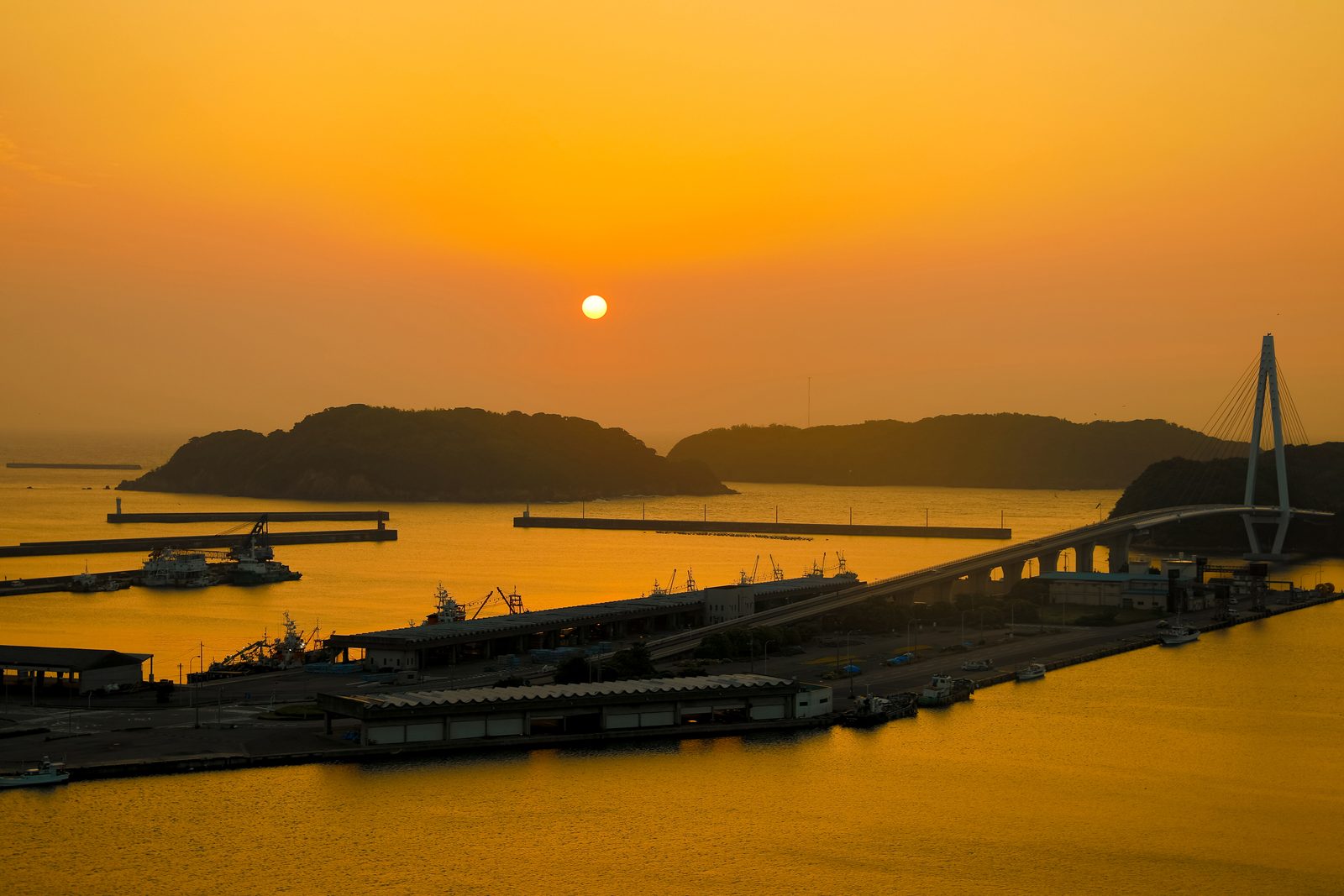
On the Iwami Kagura stage, gods and demons wearing large masks appear, and drums and flutes resound through a vigorous dance.
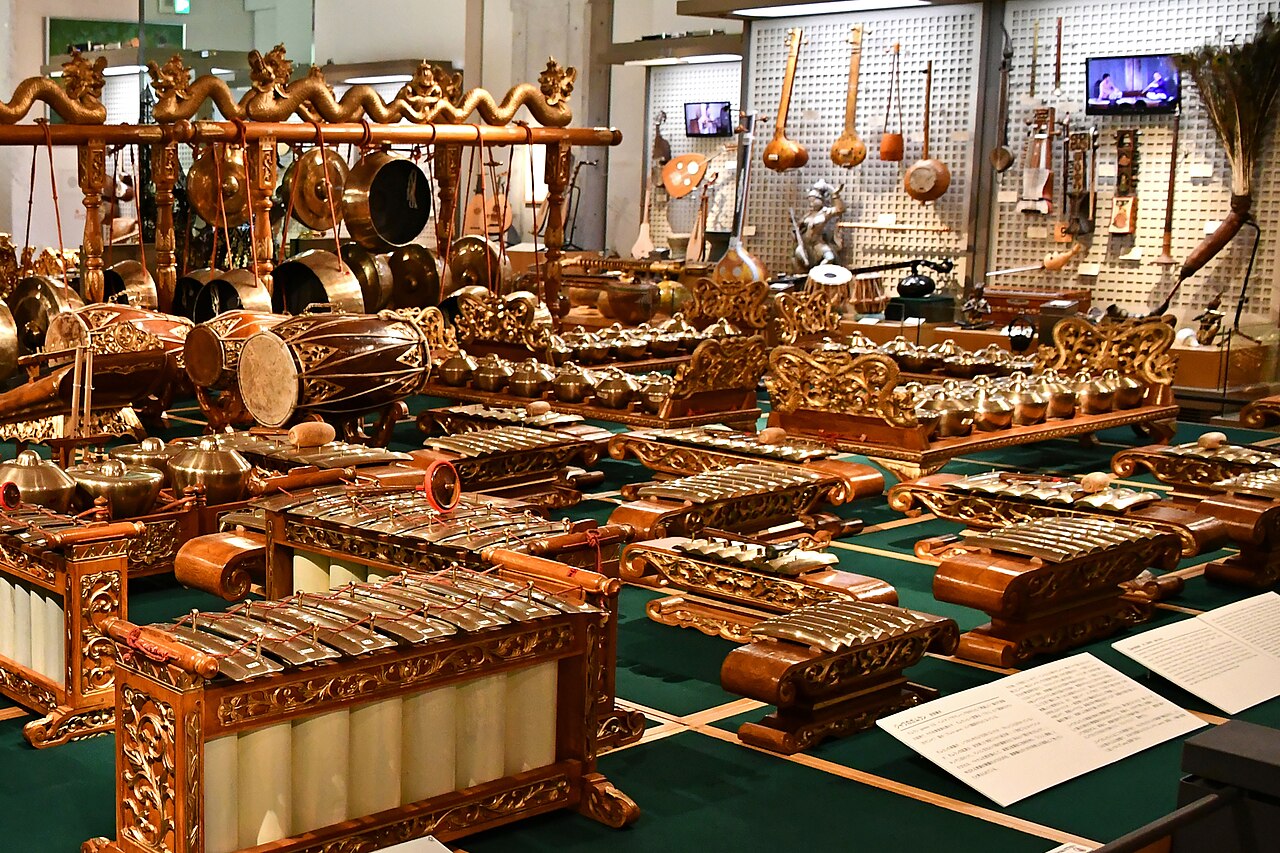
At the Hamamatsu Museum of Musical Instruments, large instruments shine brilliantly just inside the entrance, almost like sparkling jewels.
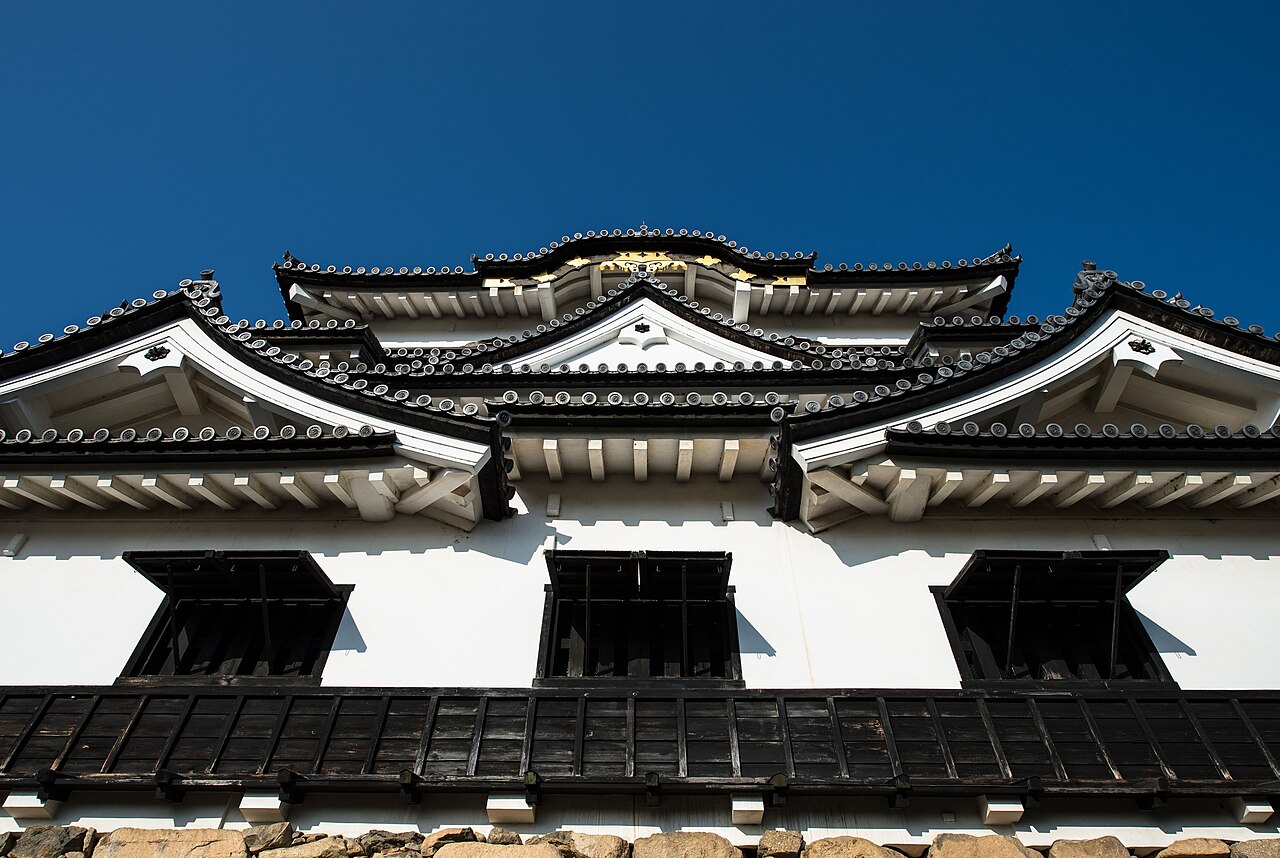
A surviving castle keep with national-treasure status is a rarity in Japan, and Hikone has one.
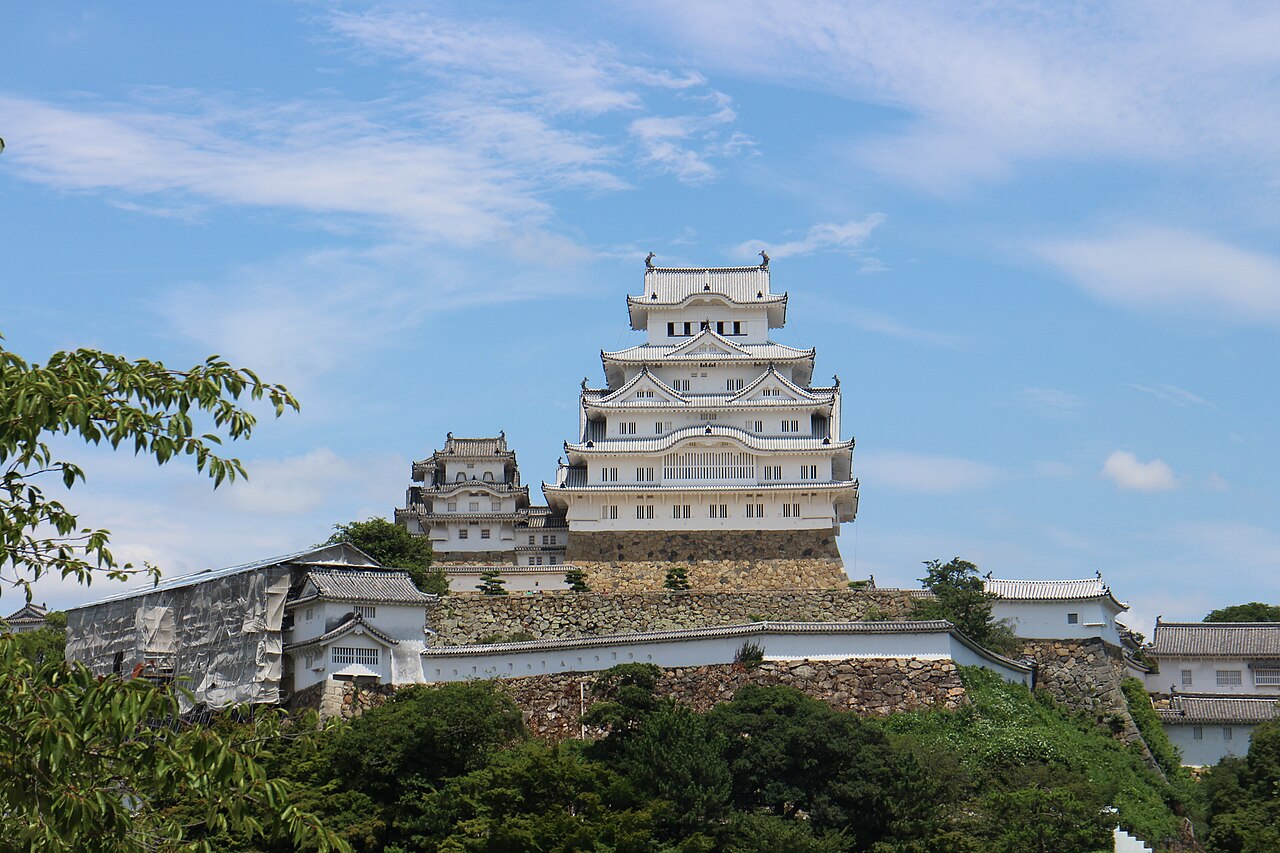
Himeji Castle has a second name, Hakuro-jo, the White Heron Castle: its outer walls are finished entirely in white plaster, a whiteness likened to a white…
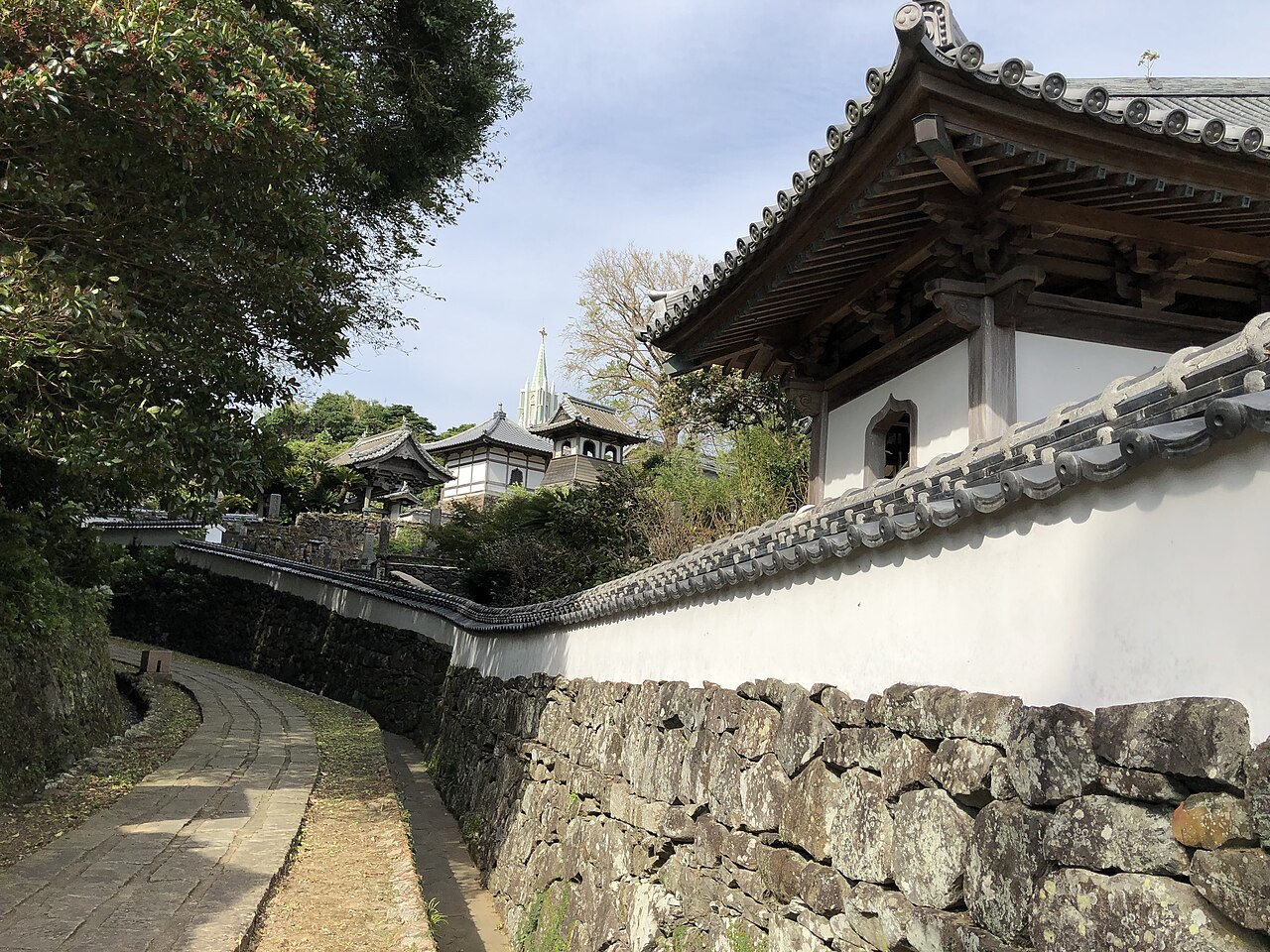
Tojo-no-hana is a lighthouse that served as a landmark when Dutch ships entered the port.
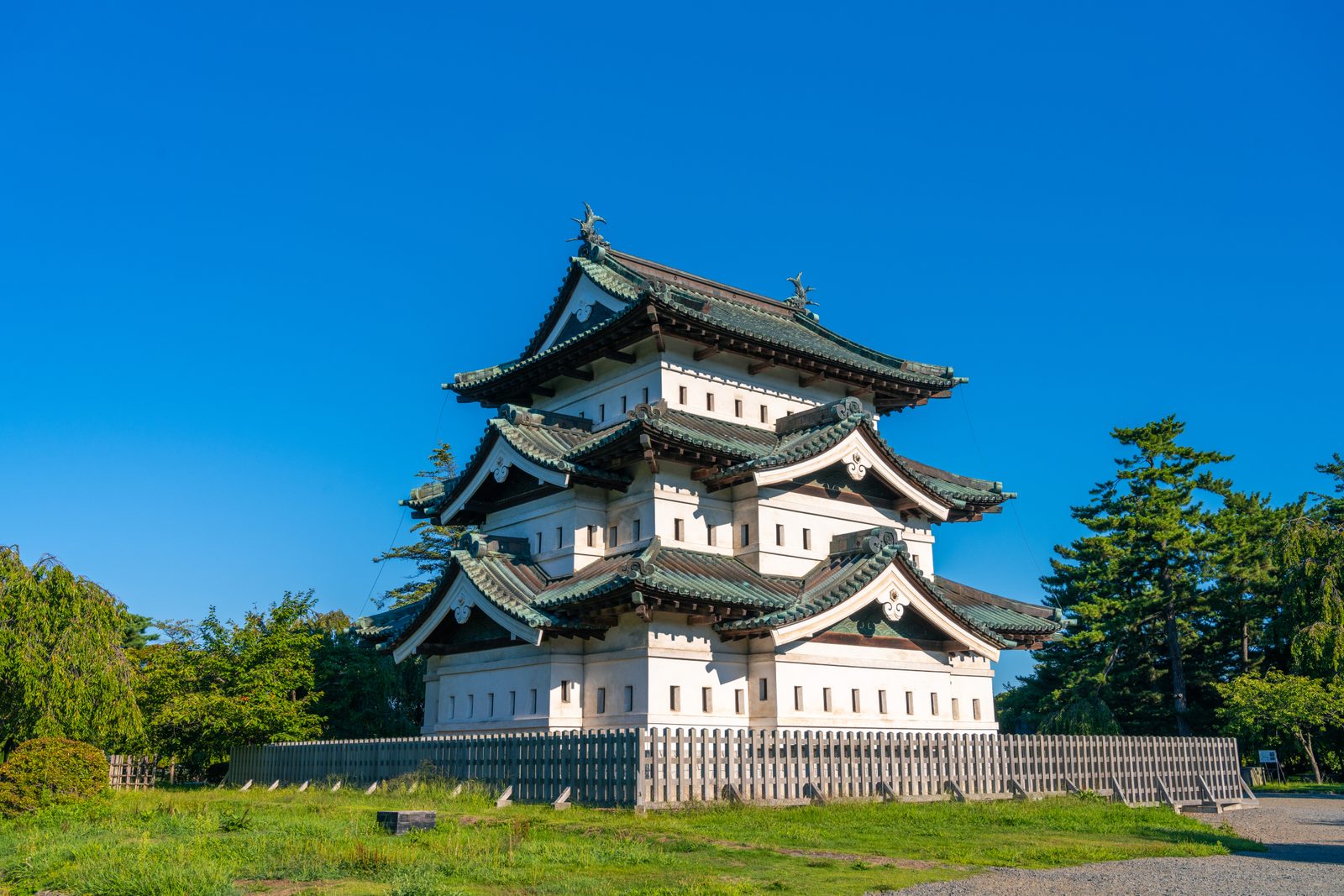
At Hirosaki Castle, a shachi, the fish-bodied, tiger-headed roof ornament, still remains on the roof of the third storey of the keep.
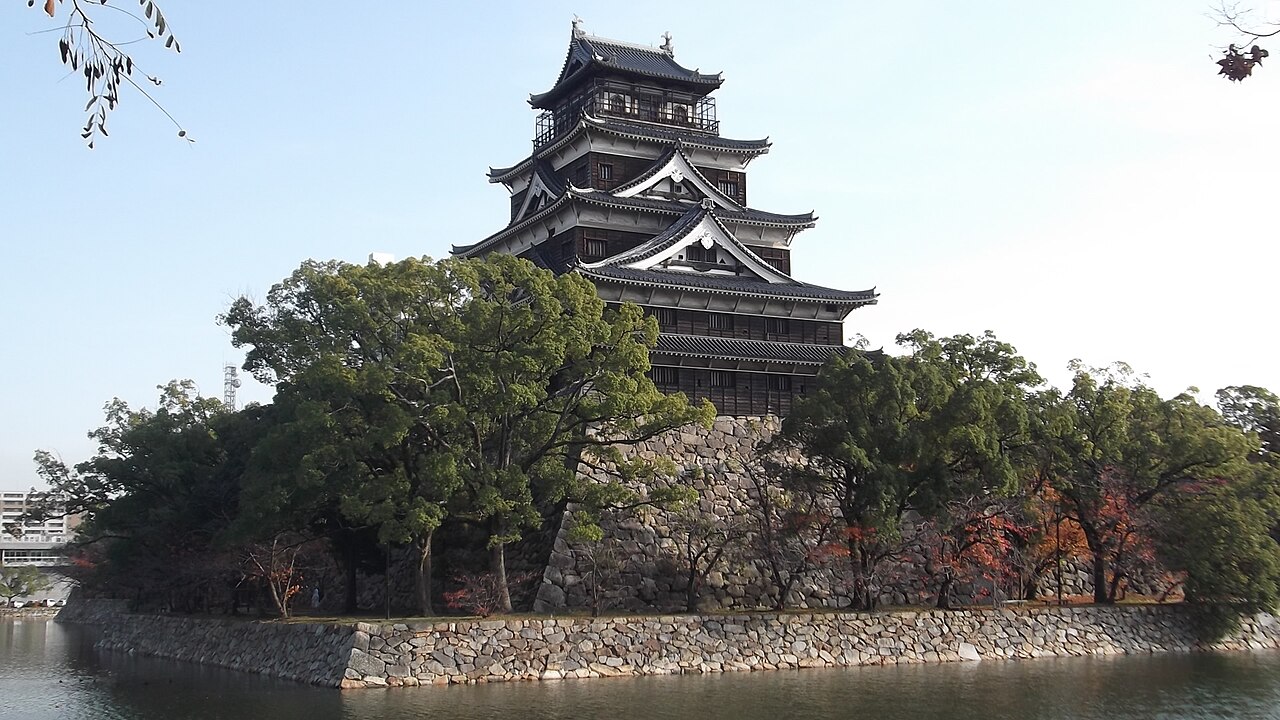
Crossing the Gomon bridge over the inner moat brings visitors to the Omote-gomon gate, the turret gate at the entrance to the Ninomaru of Hiroshima Castle.
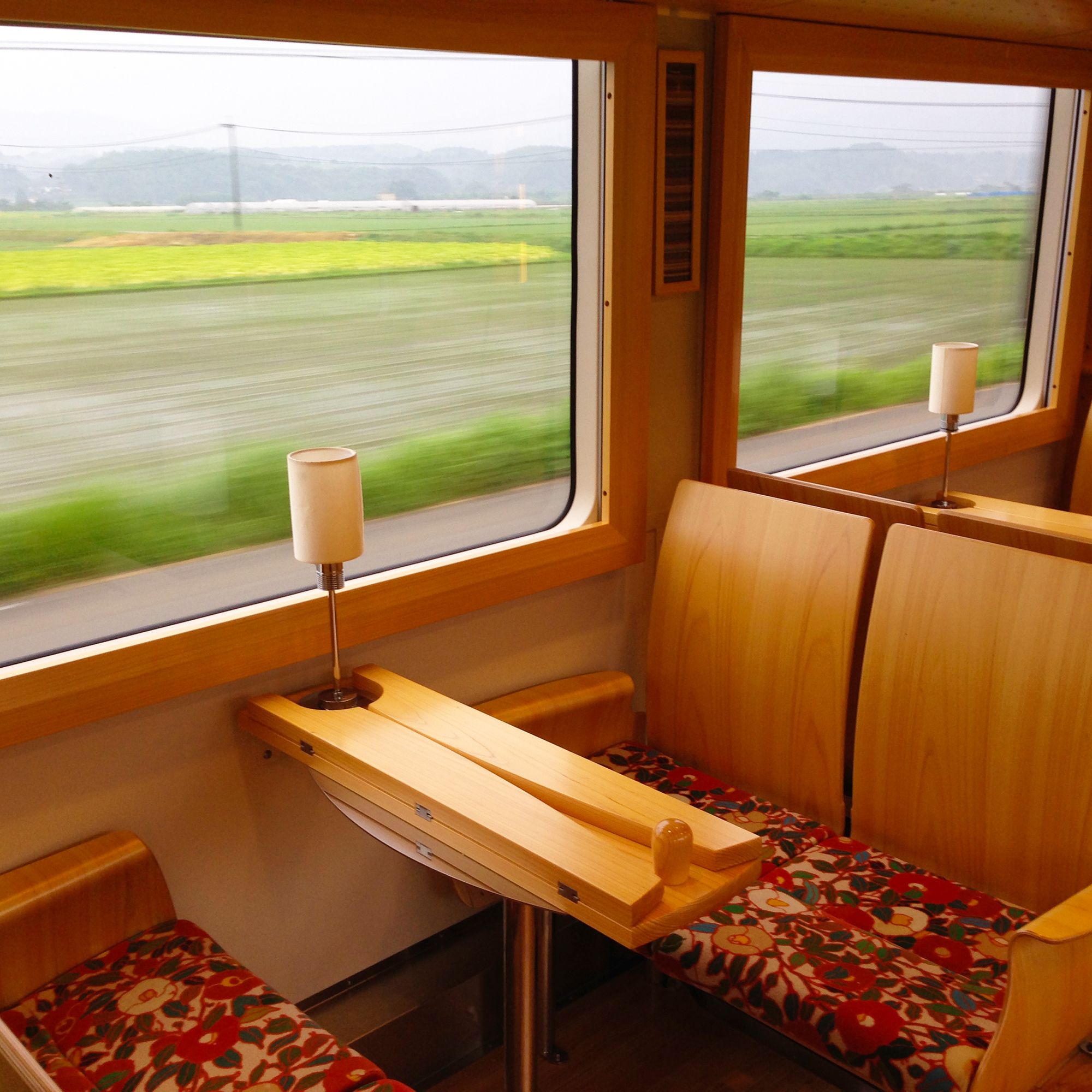
Hitoyoshi is a castle town on the Kuma River Railway.
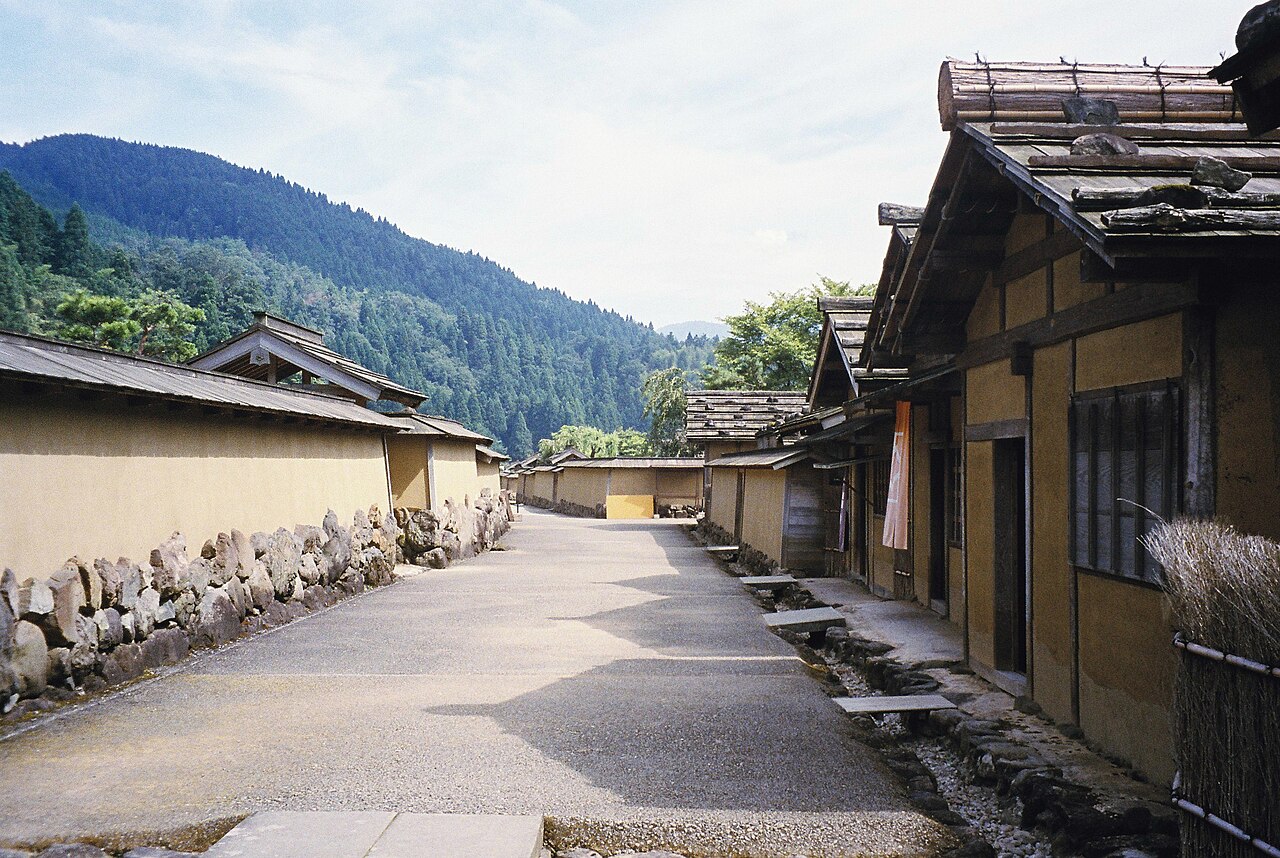
Ichijodani is a narrow valley a short hop out of Fukui, where the Asakura clan once held a castle on the mountain and a town along the stream below.
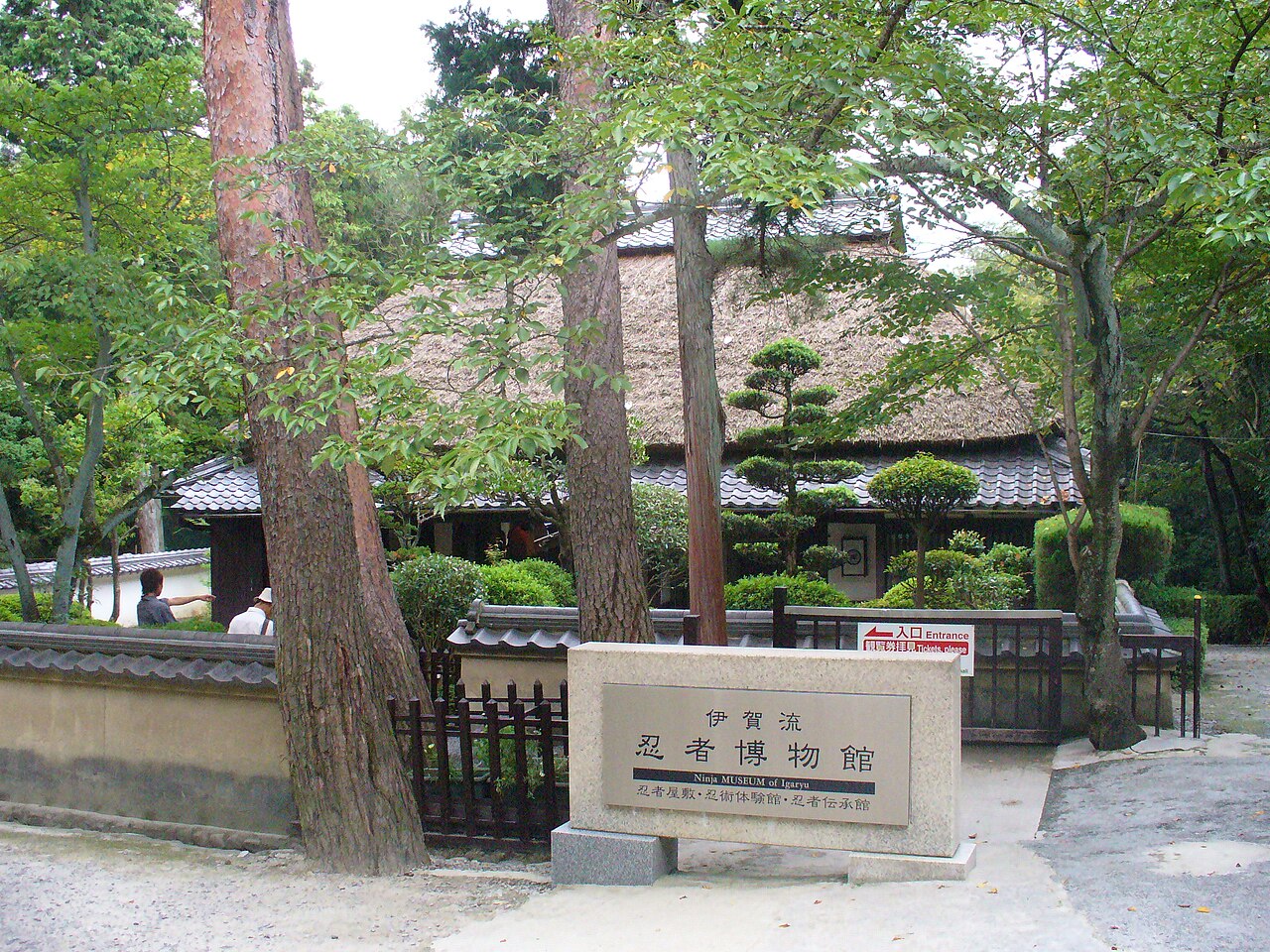
In Iga-Ueno, a ninja guides visitors through the various trick devices of the ninja house, a relocated local-lord residence of the late Edo period.
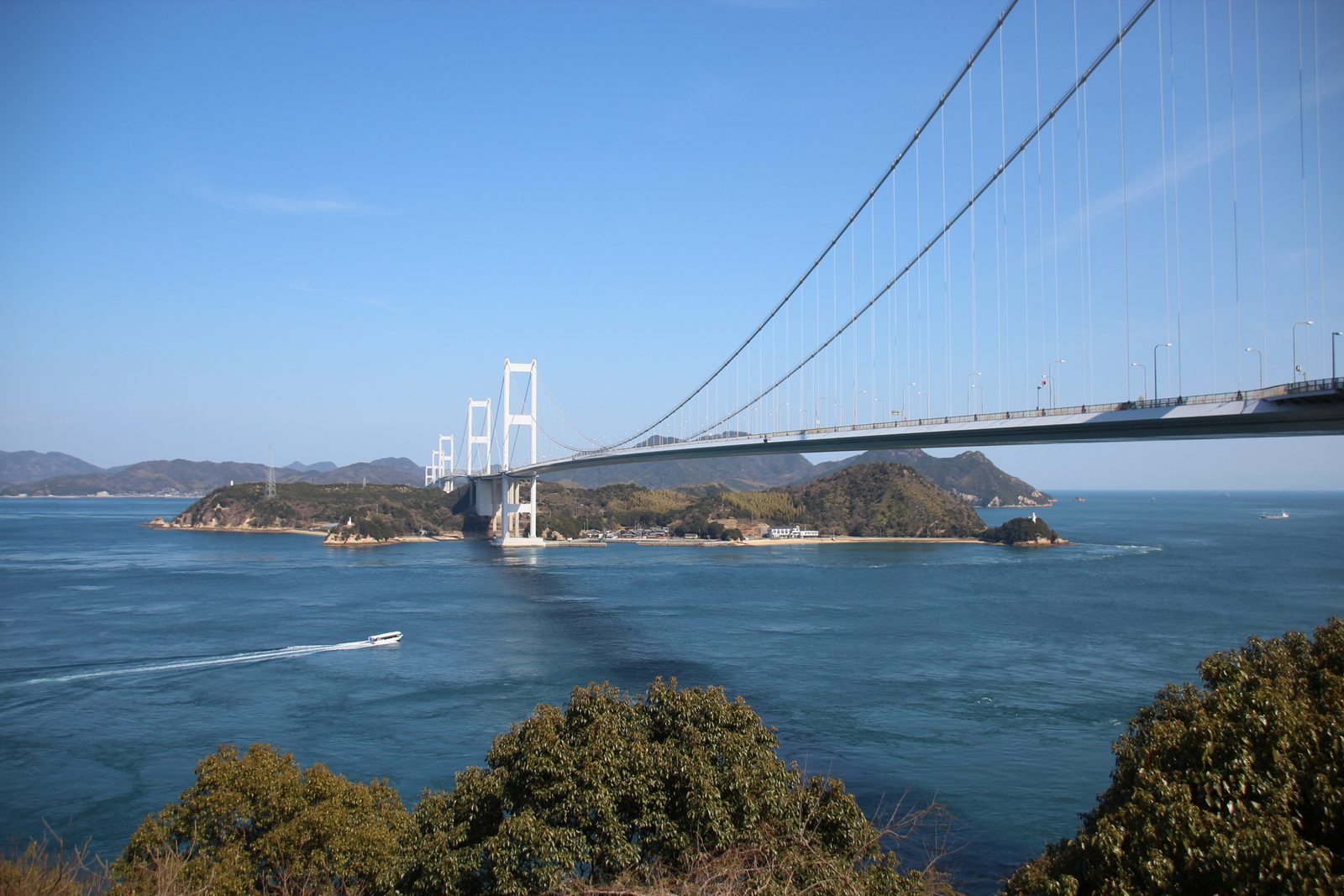
The Shimanami Kurushima Strait cruise carries its passengers to within close range of the Kurushima Strait's rapid current, one of the three major rapid tidal…
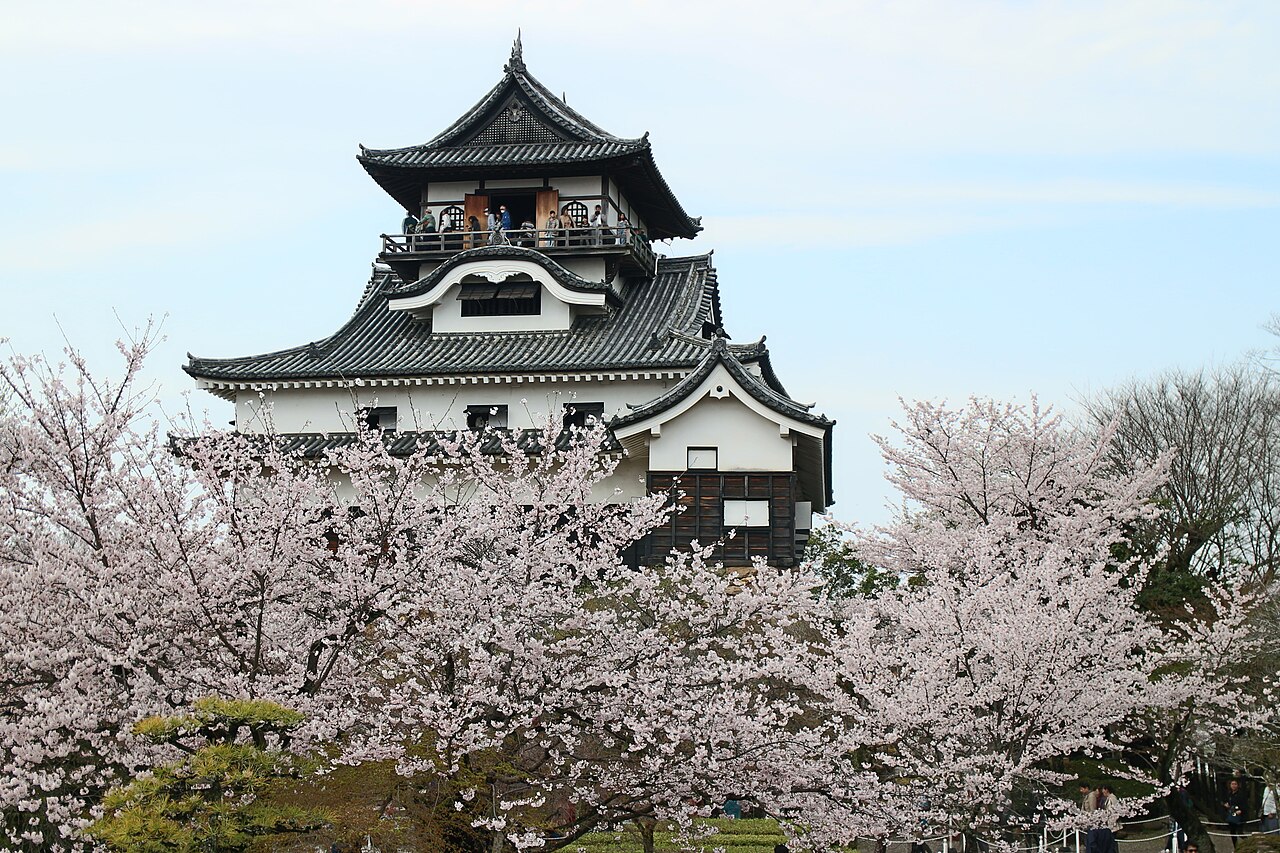
Inuyama fits several quite different experiences into one short outing from Nagoya.
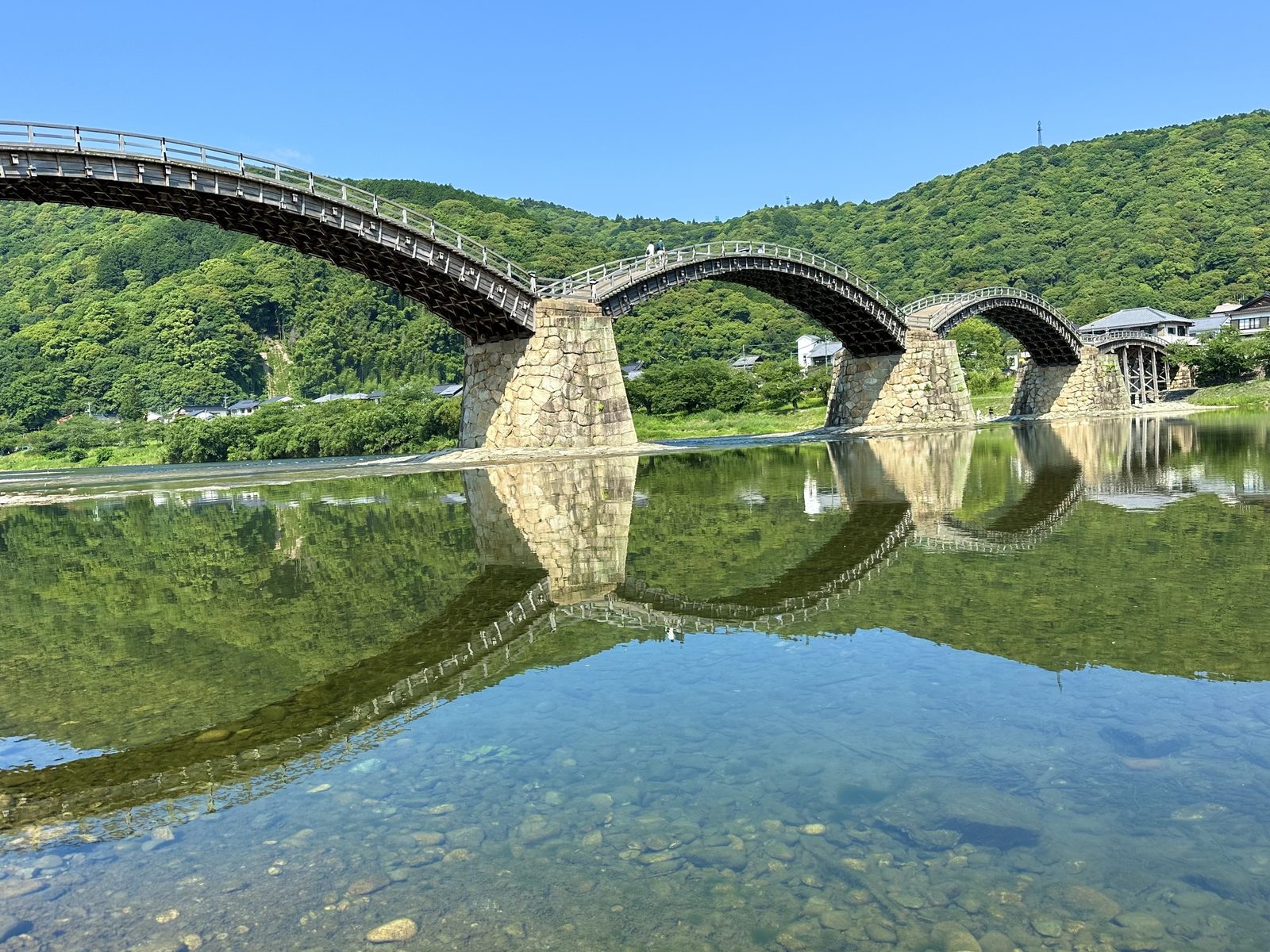
Kintaikyo Bridge stands with its five arches spanning the Nishiki River.
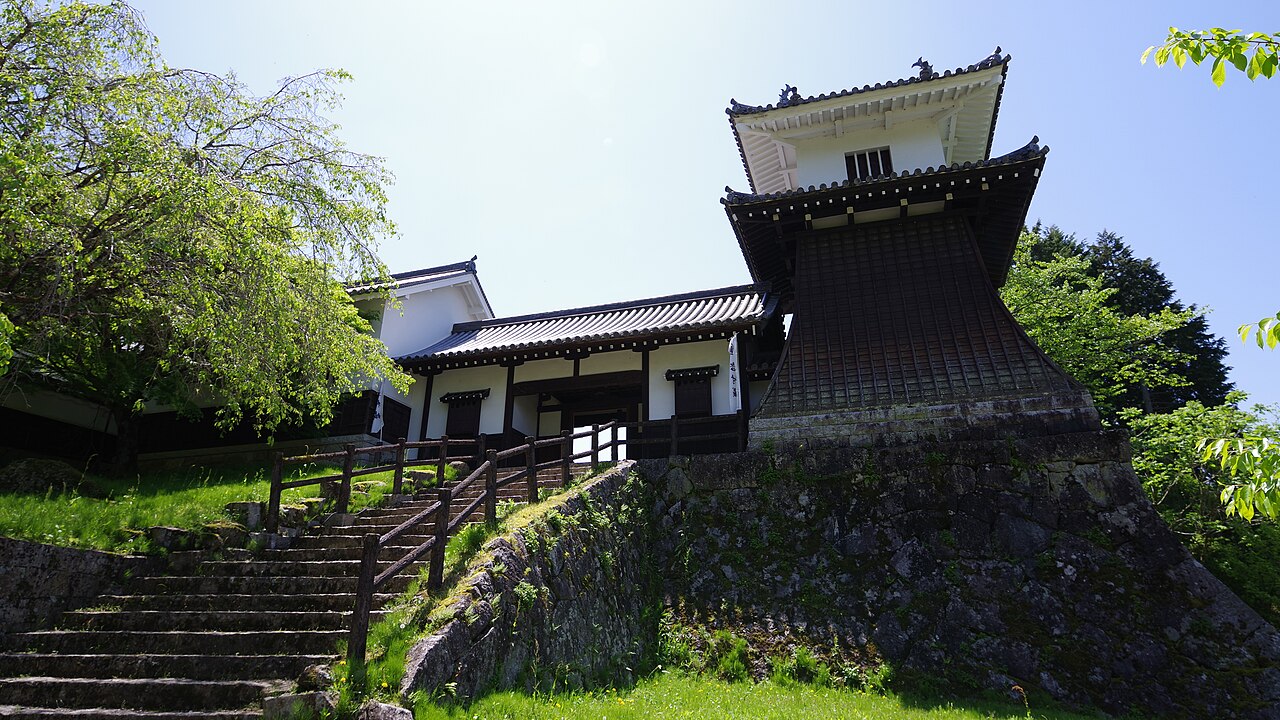
Only stone walls remain of Iwamura Castle, where visitors can stand on high, moss-covered walls and look up at their slope.
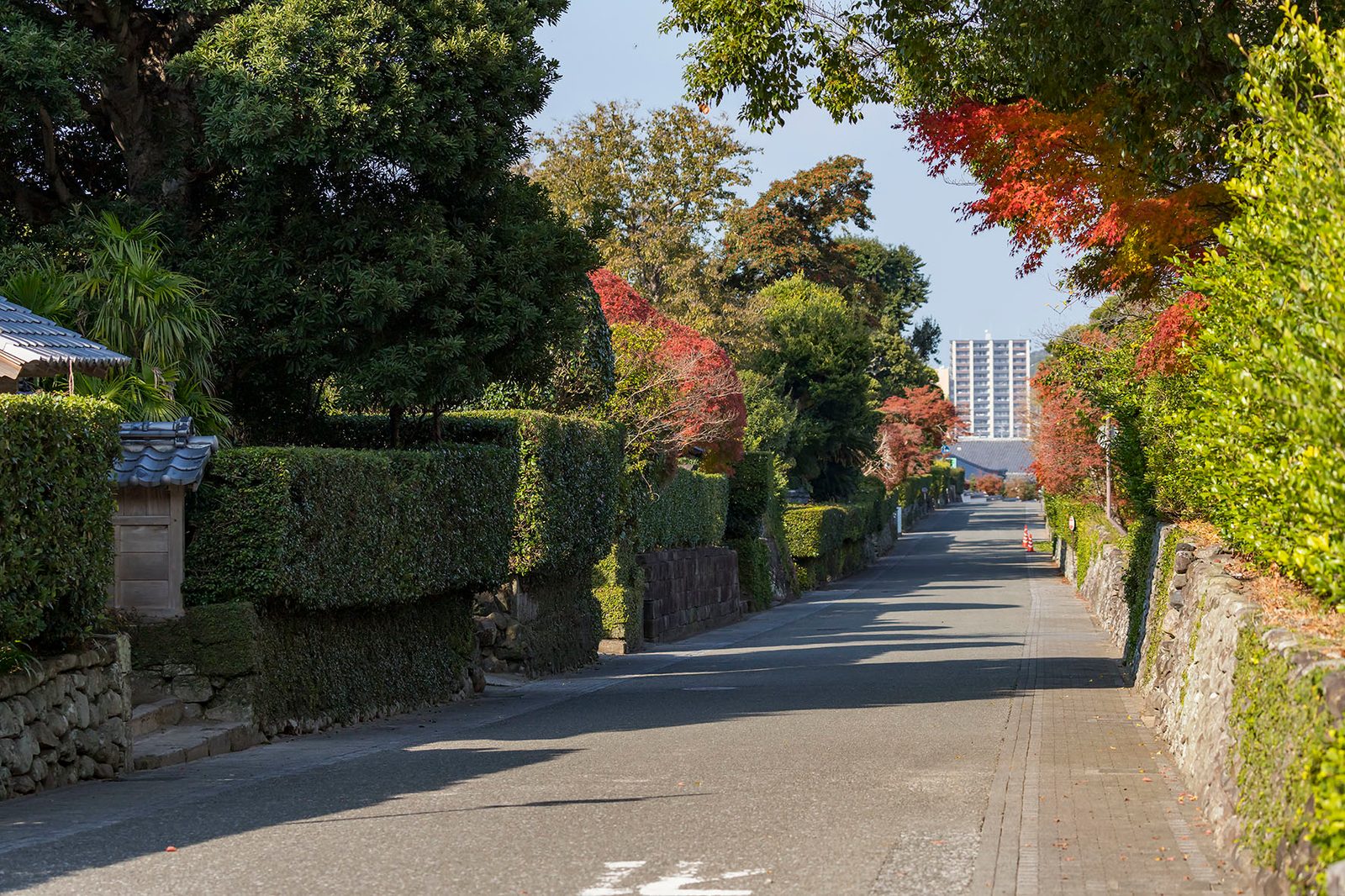
Izumi Fumoto is an old samurai townscape that carries four hundred years of history.
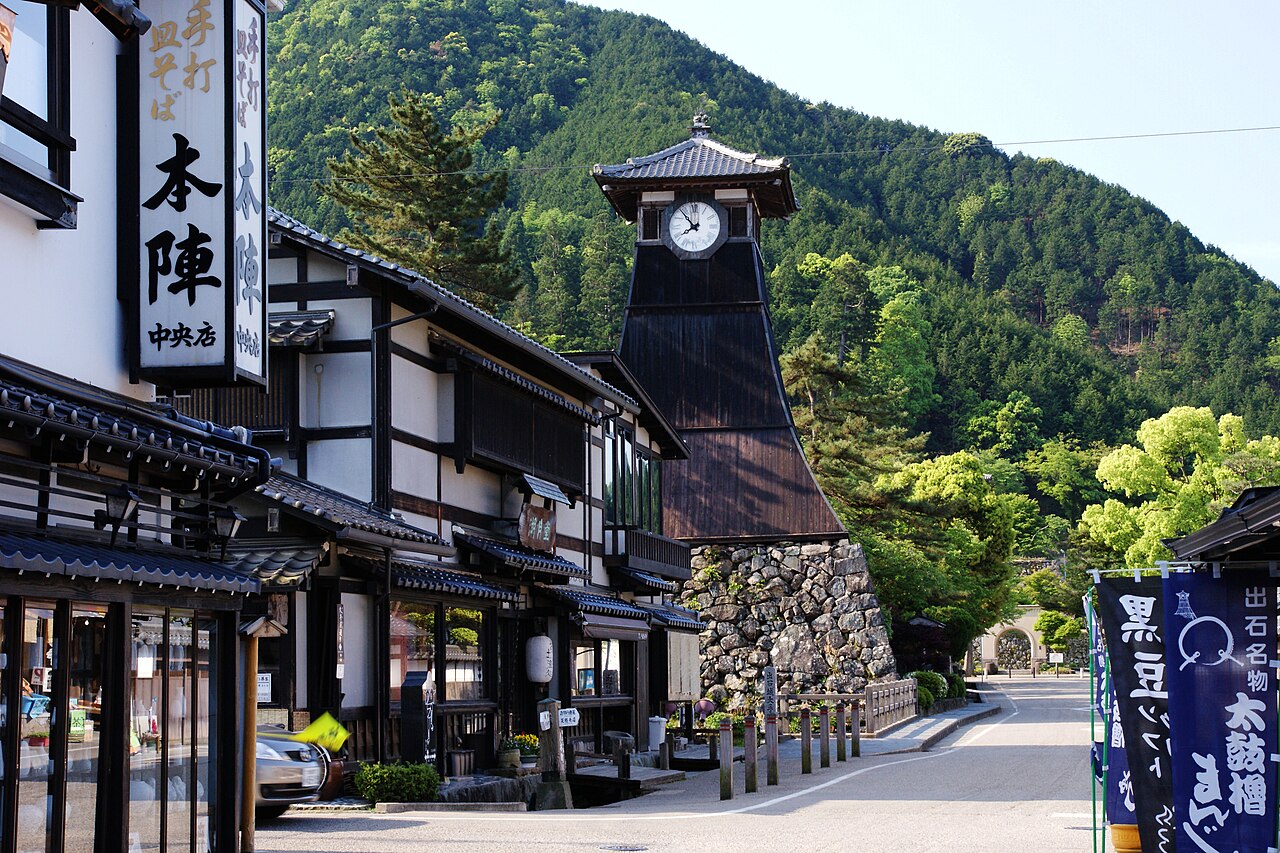
Izushi is a small former castle town in the hills of northern Hyogo.
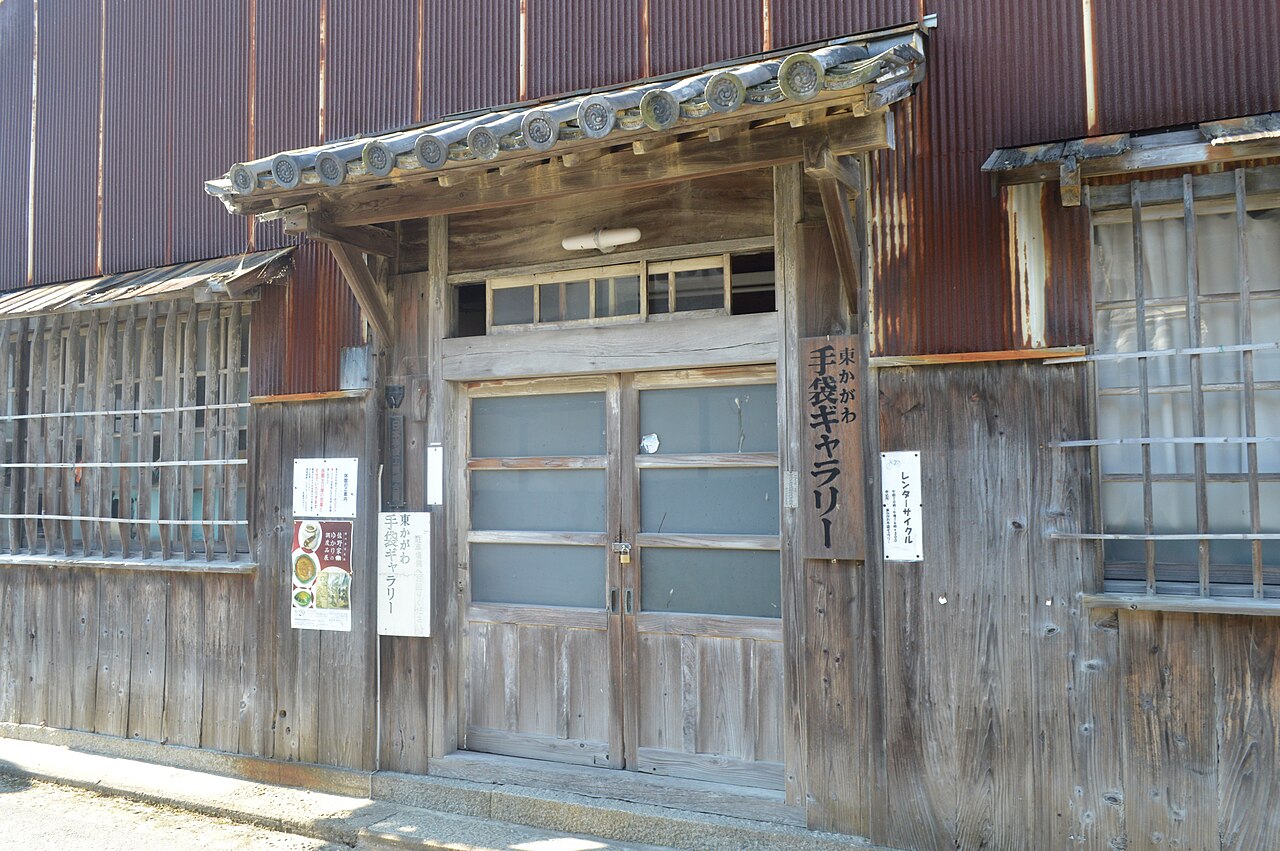
Hiketa, in Higashikagawa City in Kagawa, puts hand work at the centre of a visit: you can decorate and finish a glove of your own, press wasanbon sugar into…
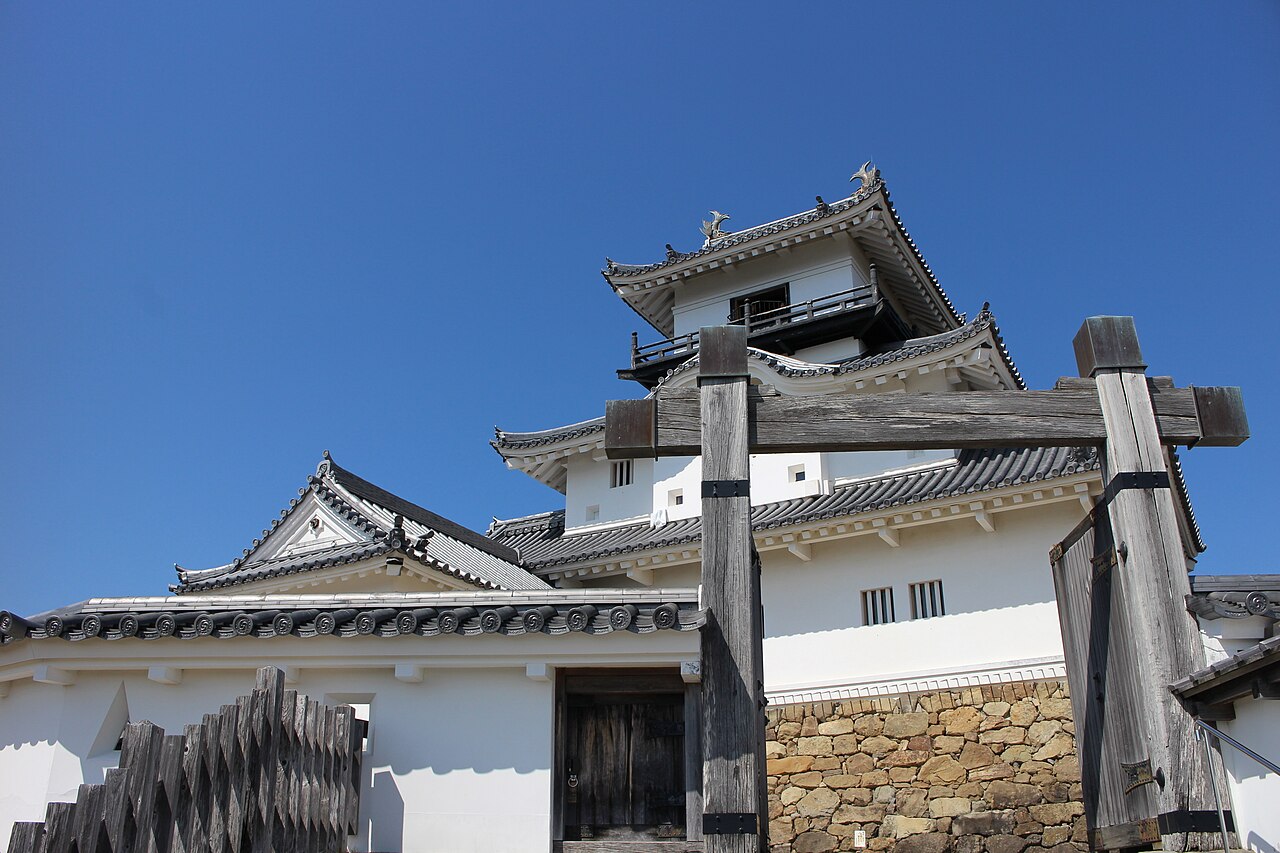
Kakegawa is a small castle town in the tea country of Shizuoka, and it rewards a slow day rather than a rushed hour.
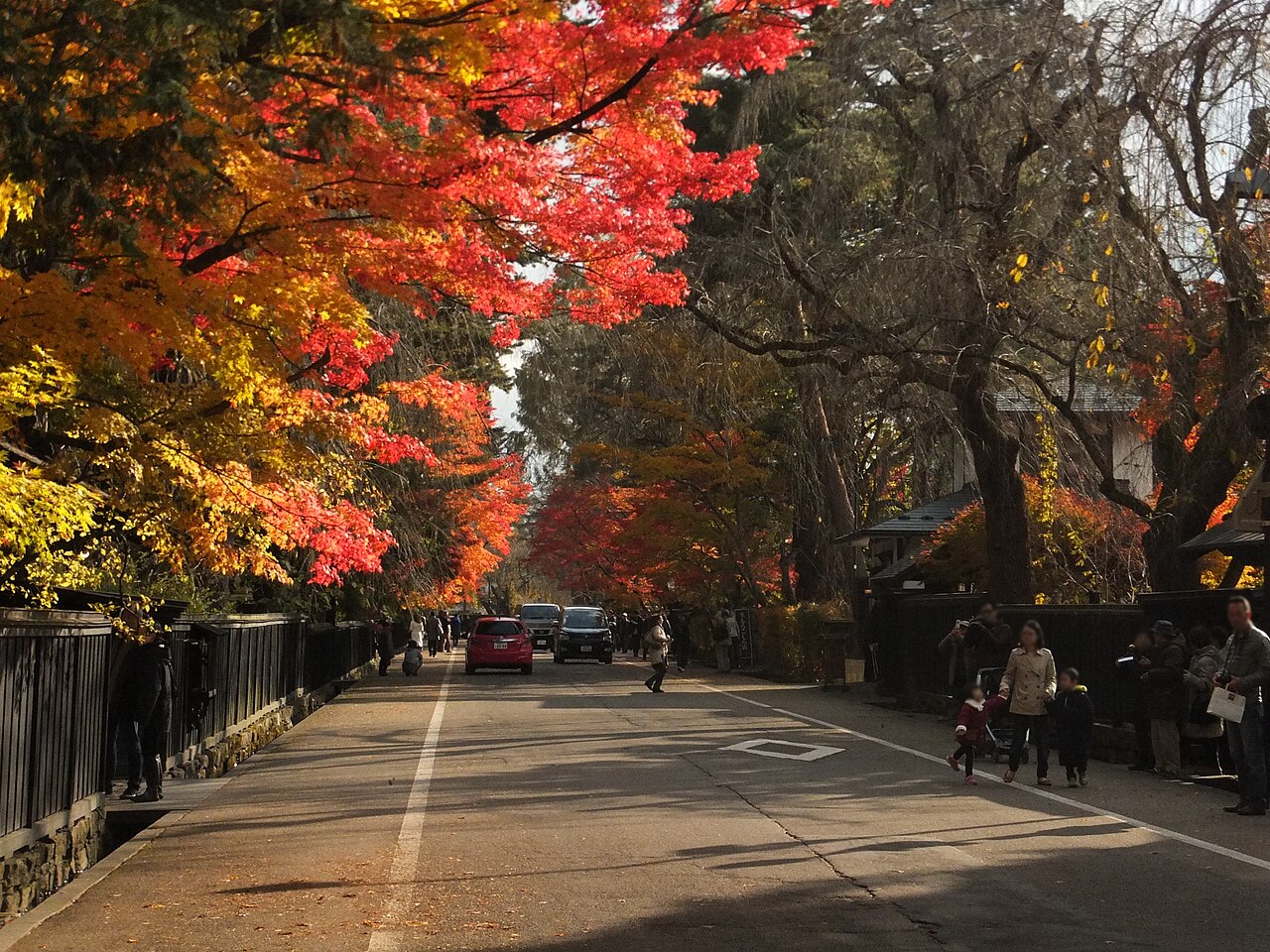
Kakunodate rewards a slow walk.
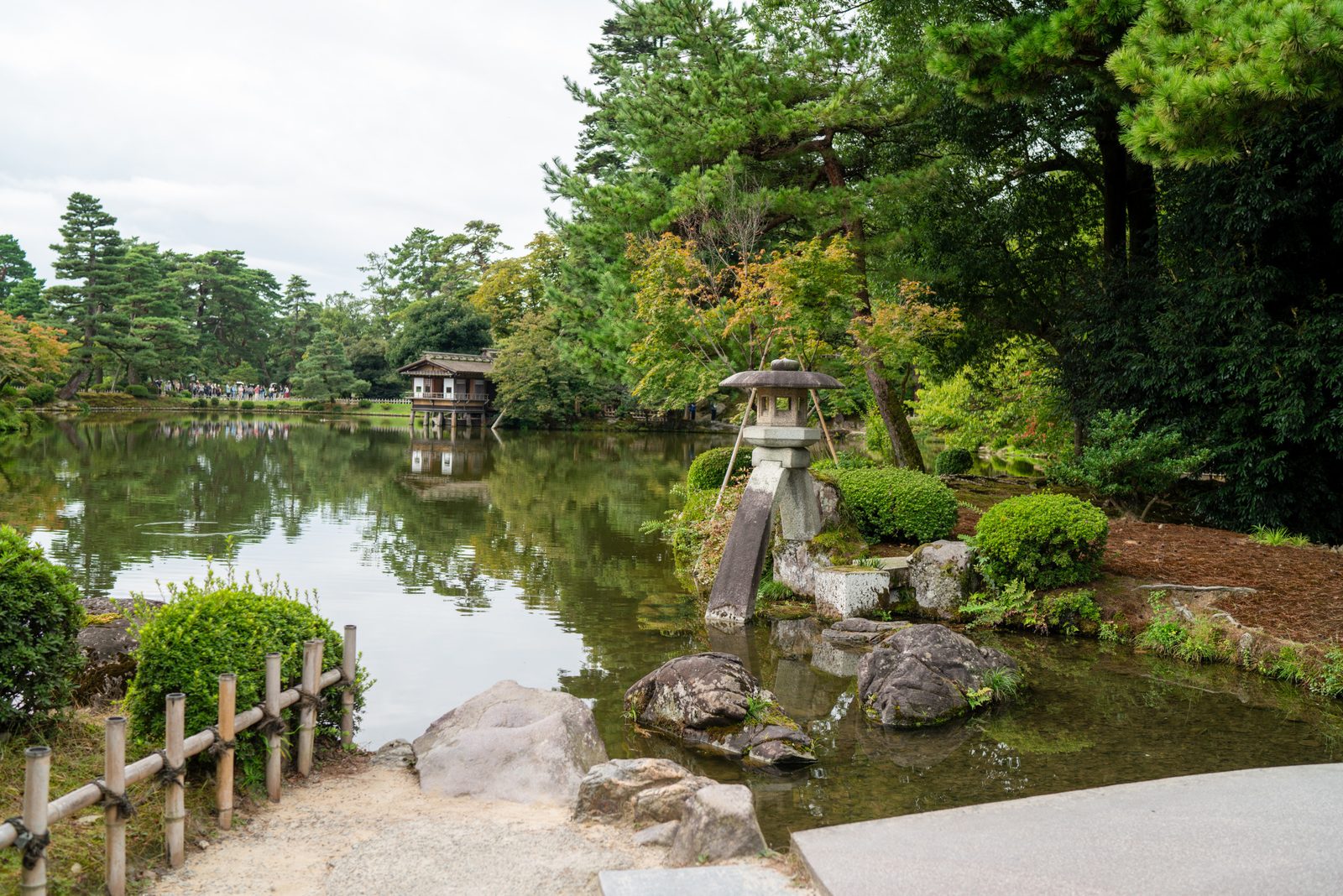
Kenrokuen is one of the three great gardens of Japan and a national Special Place of Scenic Beauty, and the pleasure of it lies in walking.
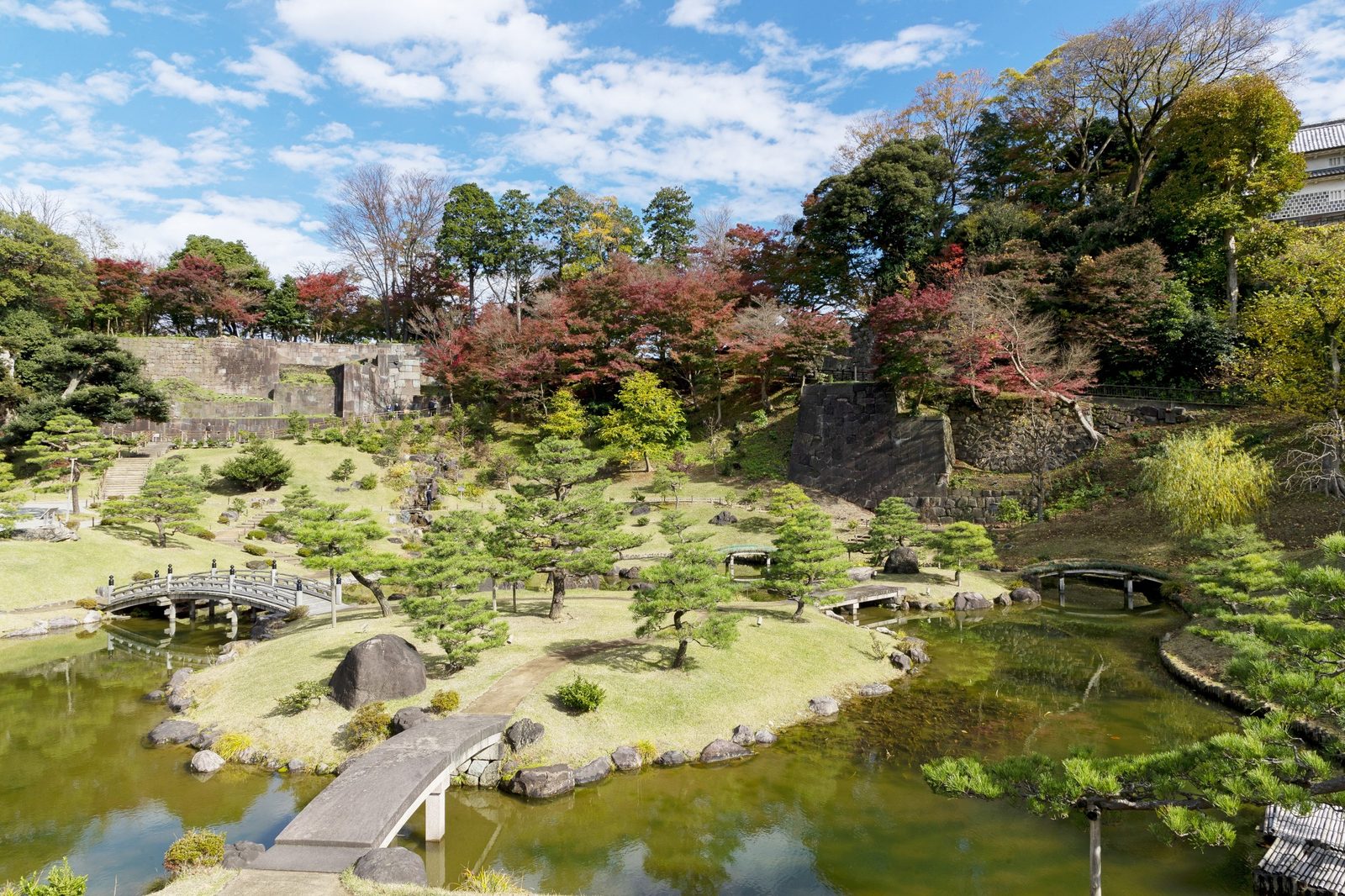
Inside Omicho Market, the seafood-bowl shop serves heaped seafood bowls made with selected fish caught that morning.
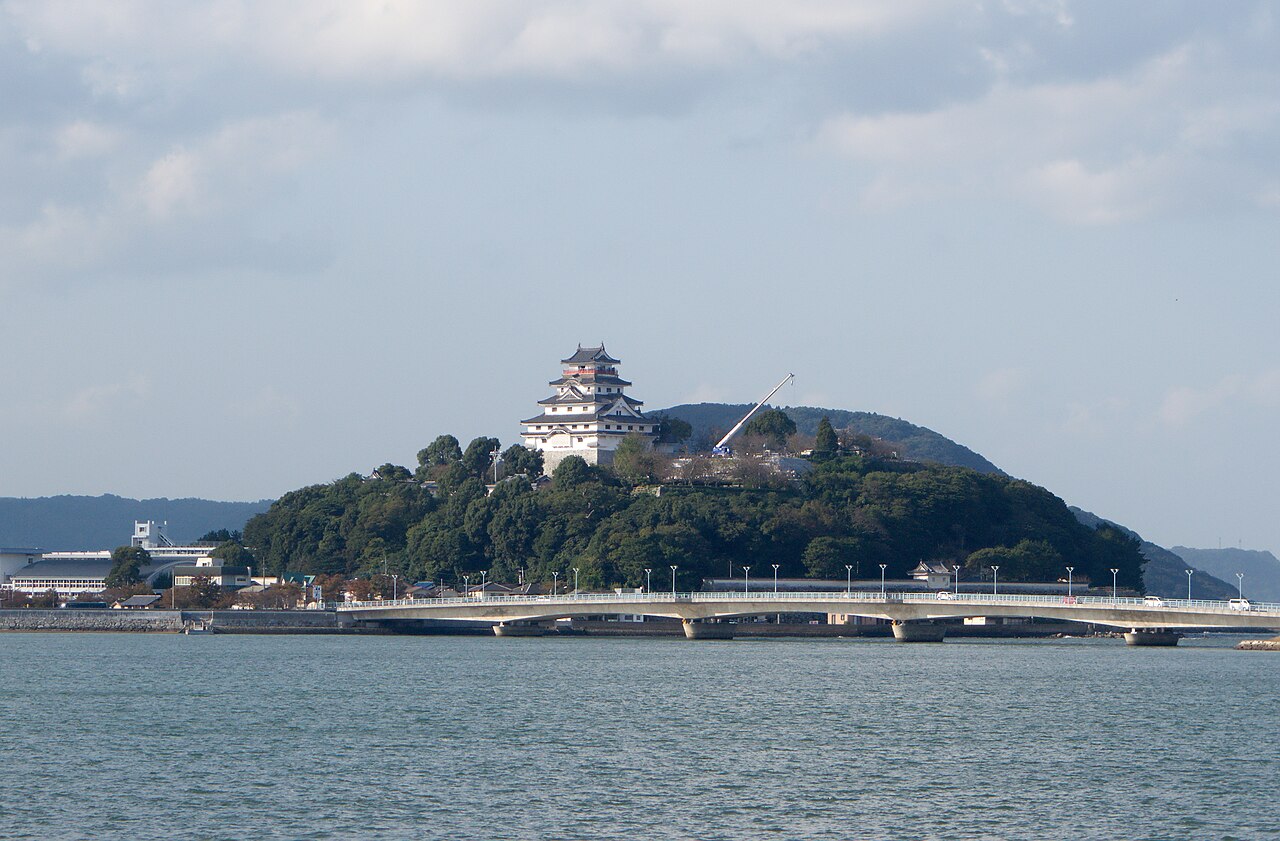
Along the riverside promenade in Karatsu, the sea, the river and Karatsu Castle can be seen.
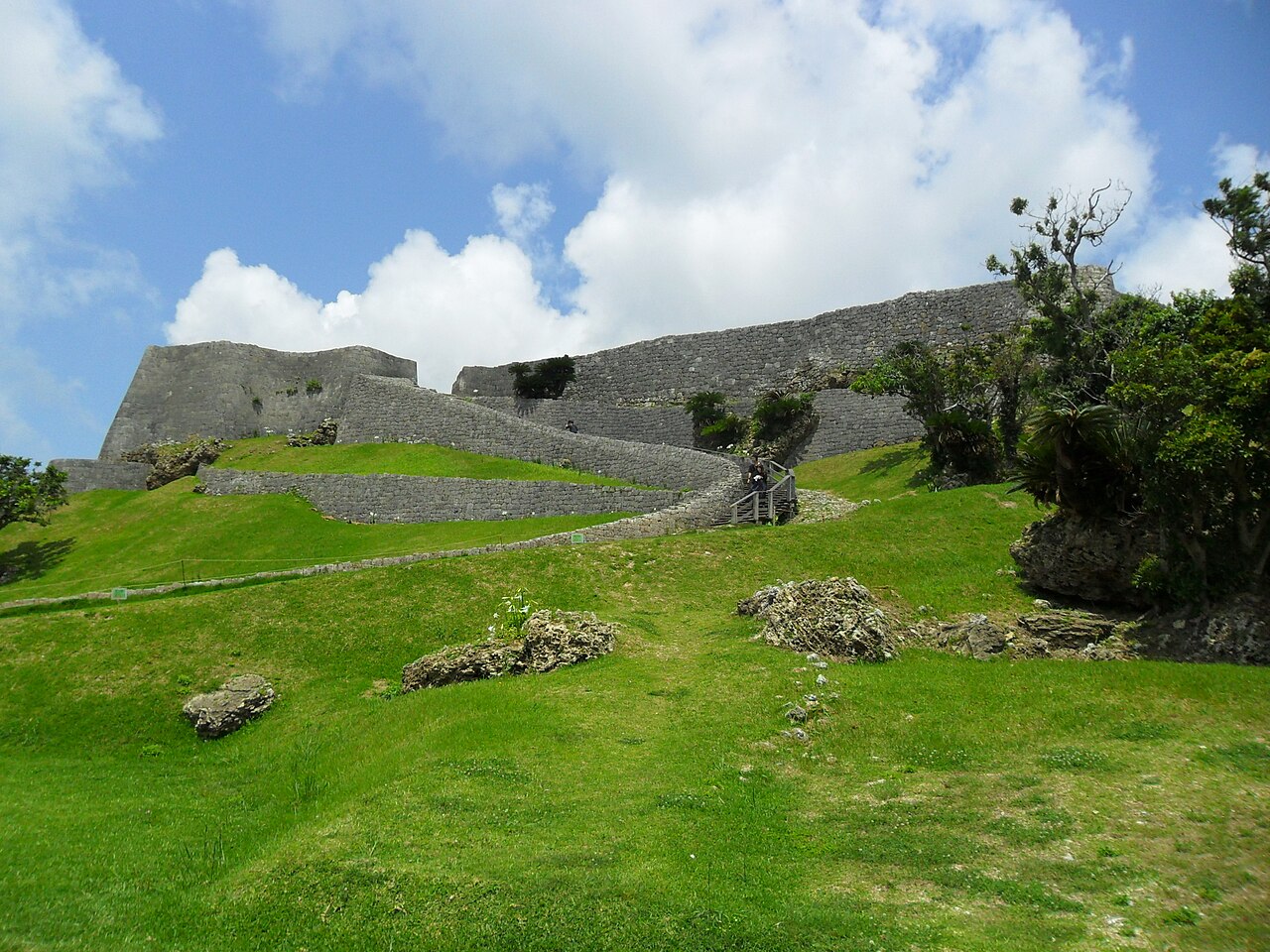
Katsuren Castle Ruins stands on a hill at the base of the Katsuren Peninsula in the central part of Okinawa's main island, a World Heritage gusuku whose…
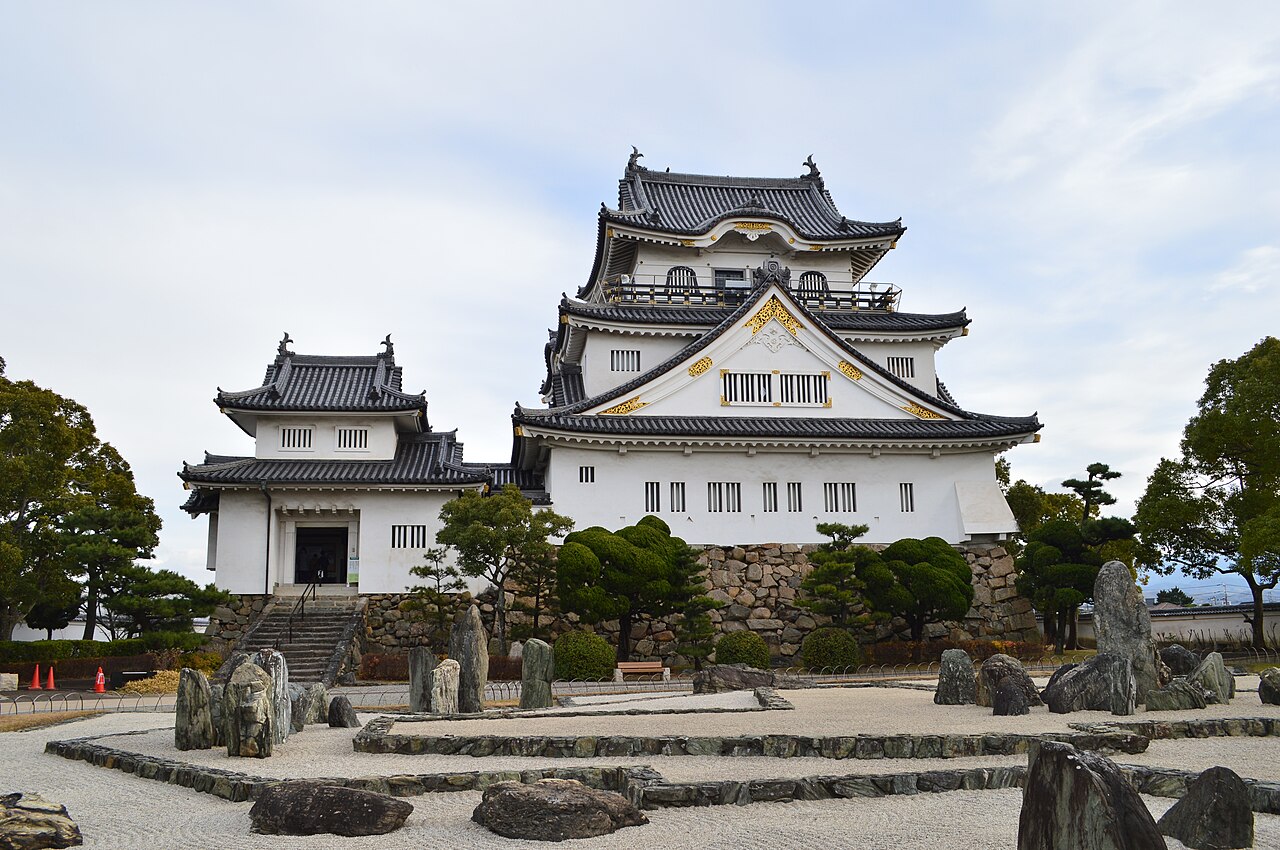
Kishiwada grew up as the castle town of the Kishiwada domain, and along the former Kishu Kaido road its old townscape still survives.
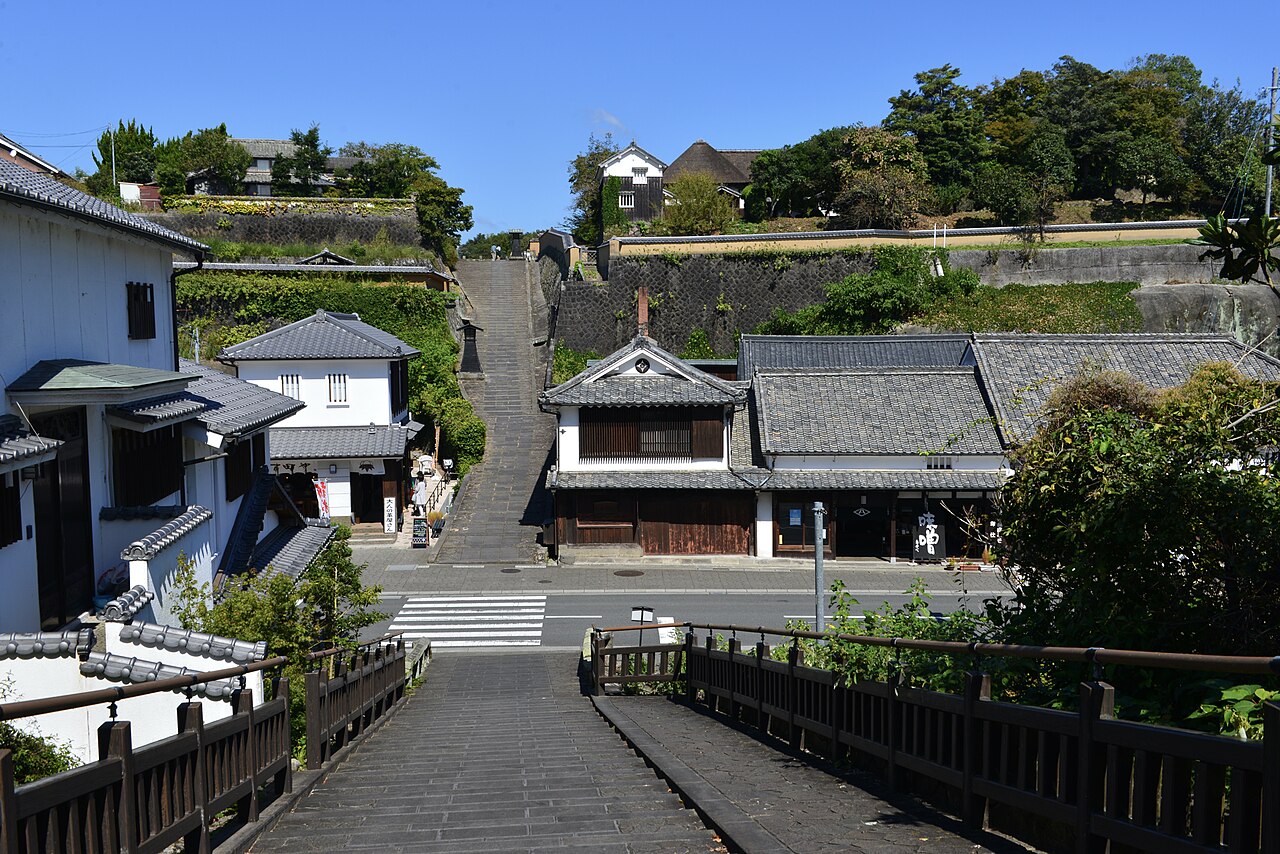
In Kitsuki, a castle town in Oita, stone-paved slopes climb from the valley to the samurai quarters, and from the top of one slope you look out over thatched…
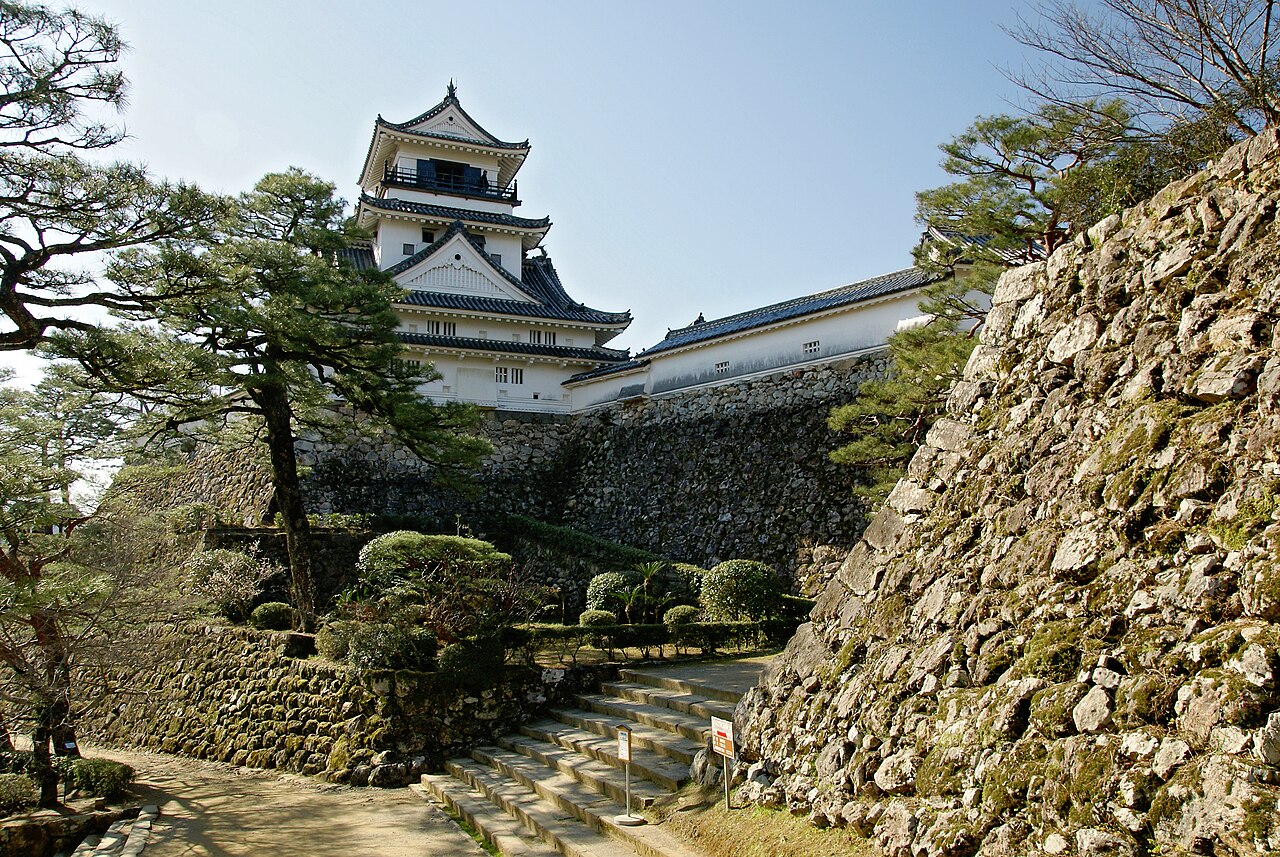
Kochi Castle has a keep built in the Edo period that still survives, and it is one of the few castles of this kind.
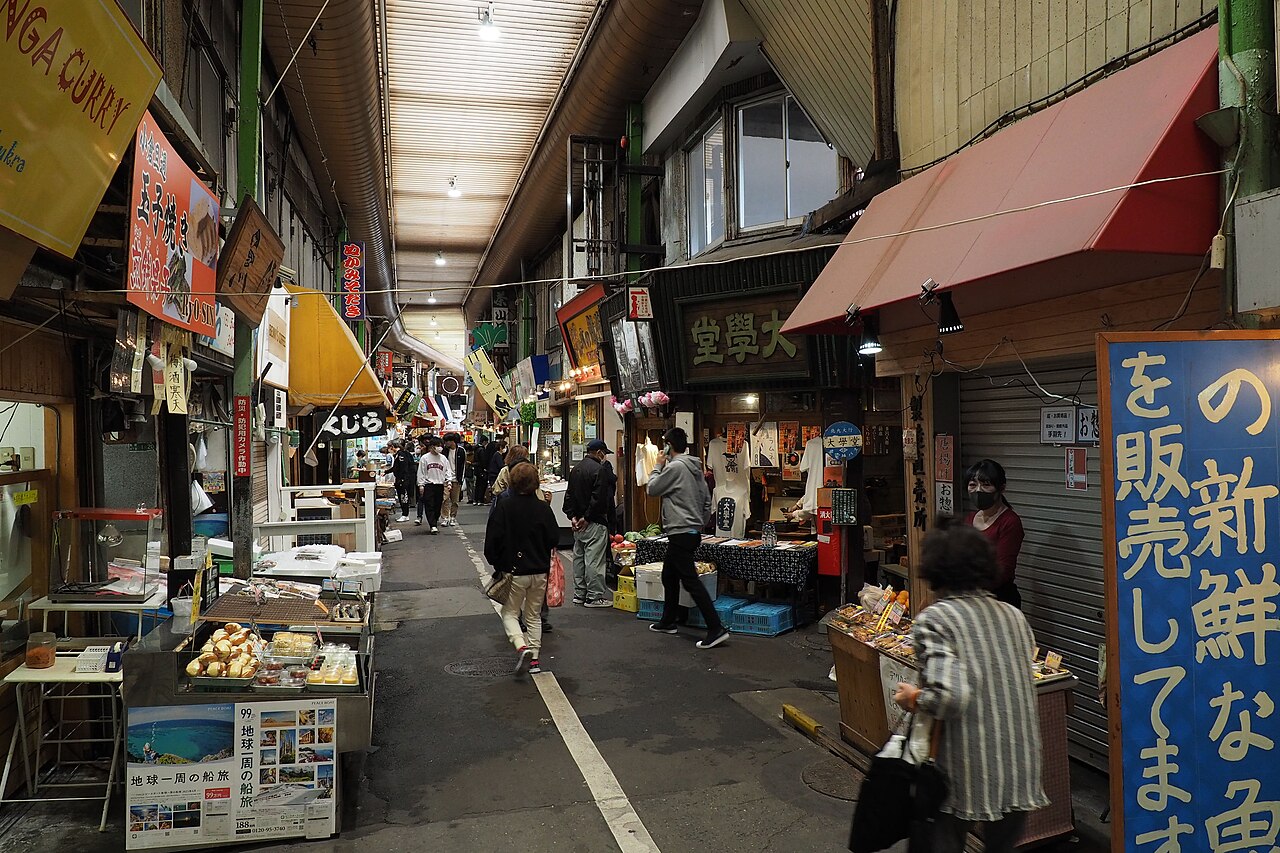
At Usami Shoten inside Tanga Market, sardines and mackerel are cooked as nuka-daki in the nuka-doko, the rice-bran bed, alongside the shop's nuka-zuke.
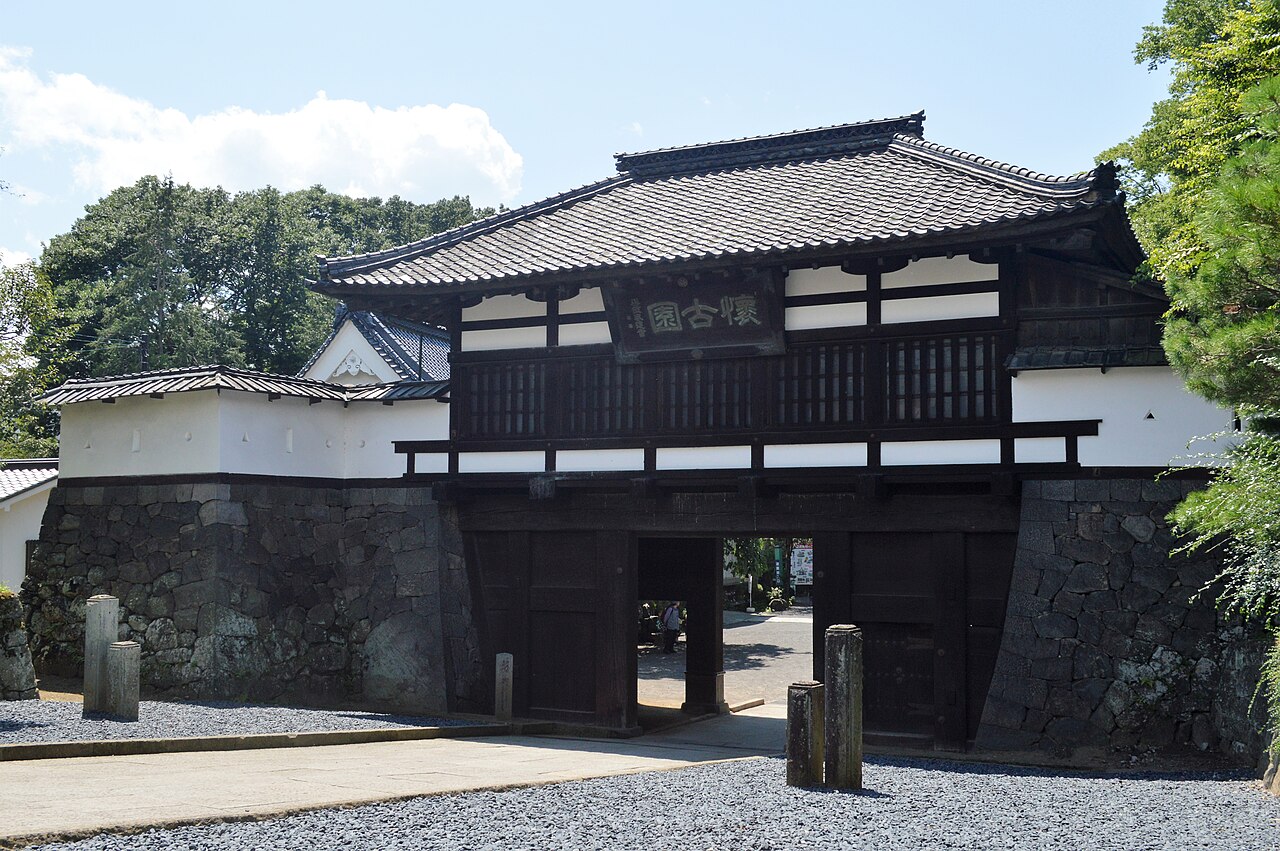
The Komoro Castle site keeps stone walls with four hundred years of history, a second bailey site with a view of Mount Asama, a former gate site overlooking…
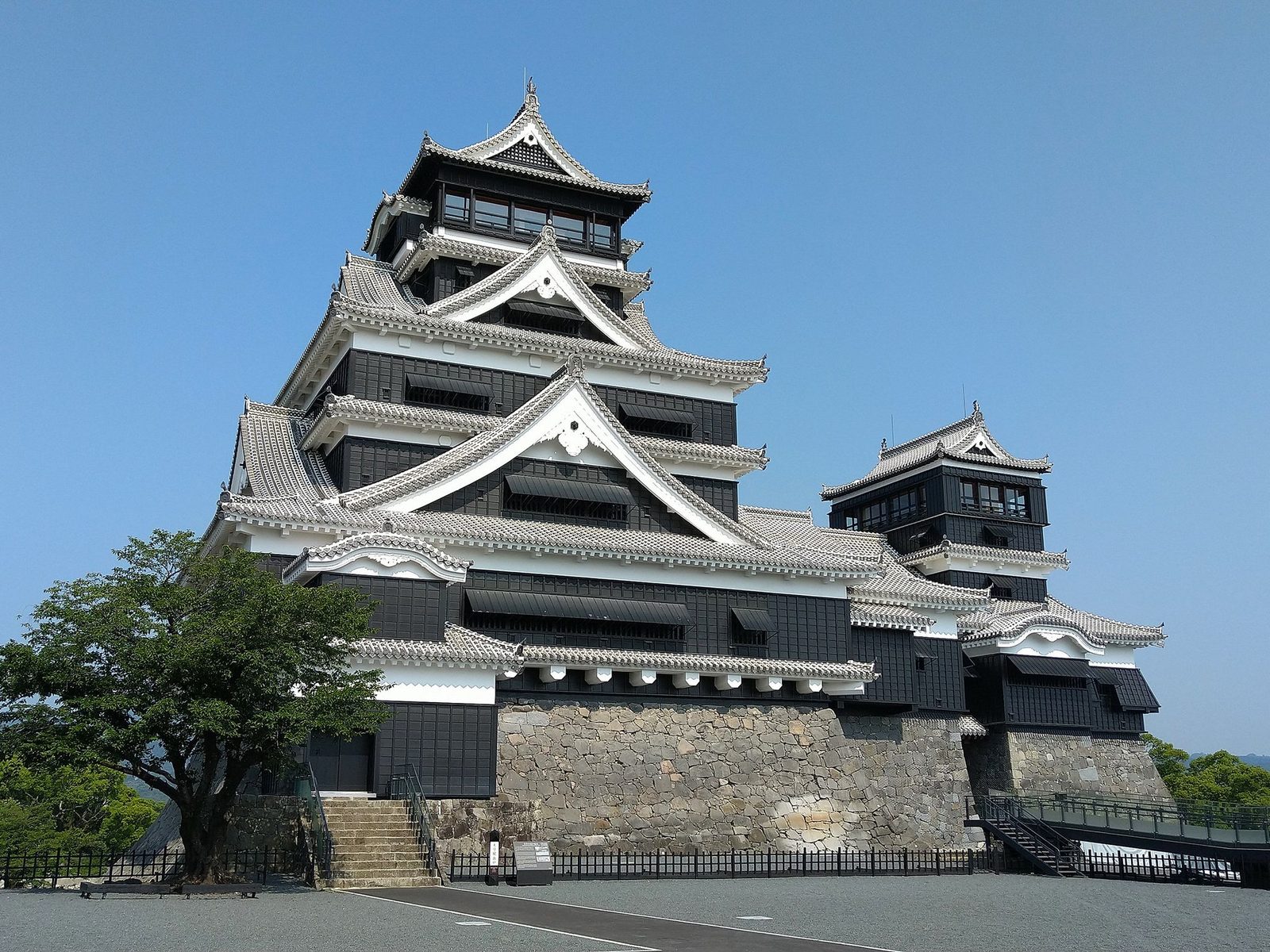
The regular illumination of Kumamoto Castle shifts in a gradation from warm colour to white, a reason to plan the day around nightfall.
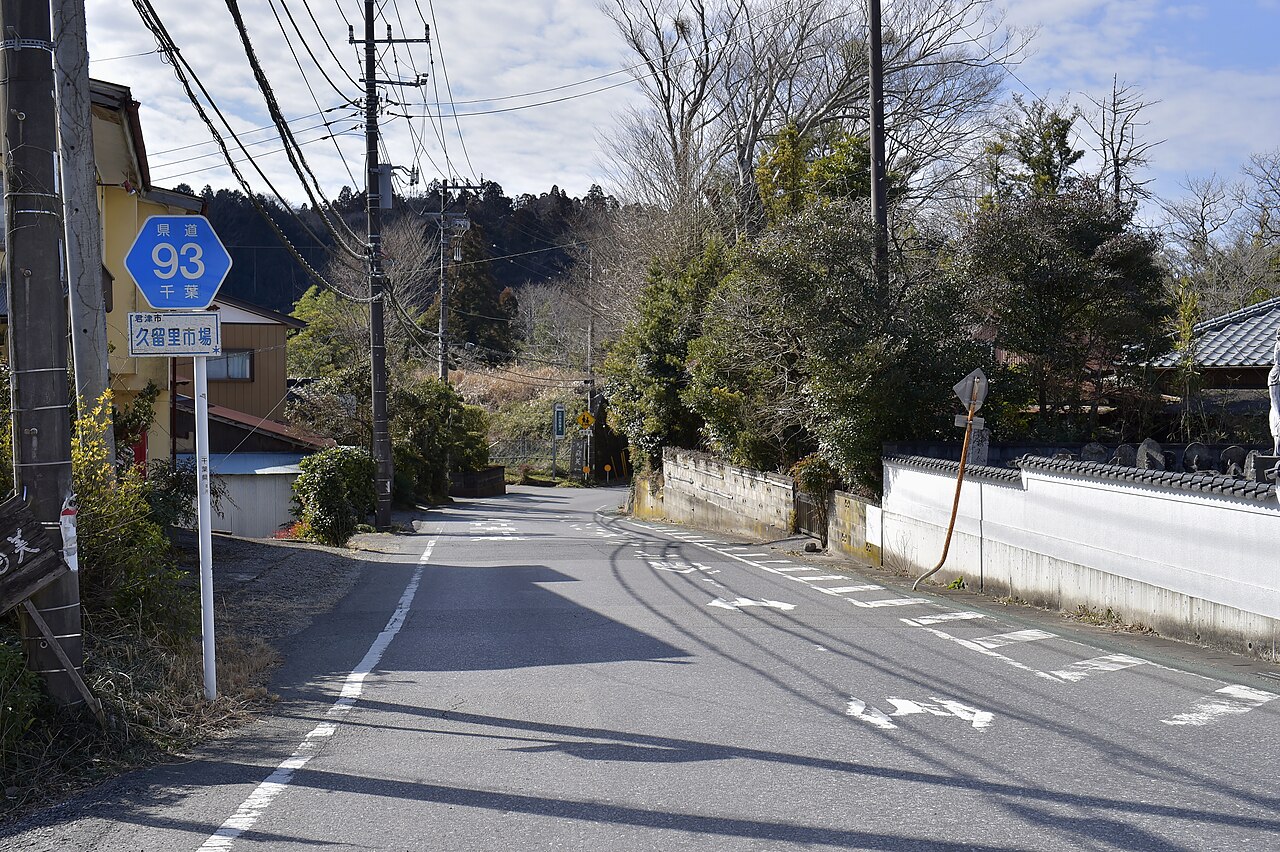
Kururi is a historic castle town in Kimitsu City, Chiba, set in the inland hills of the Boso Peninsula, where low hills, rice paddies and woodland give it a…
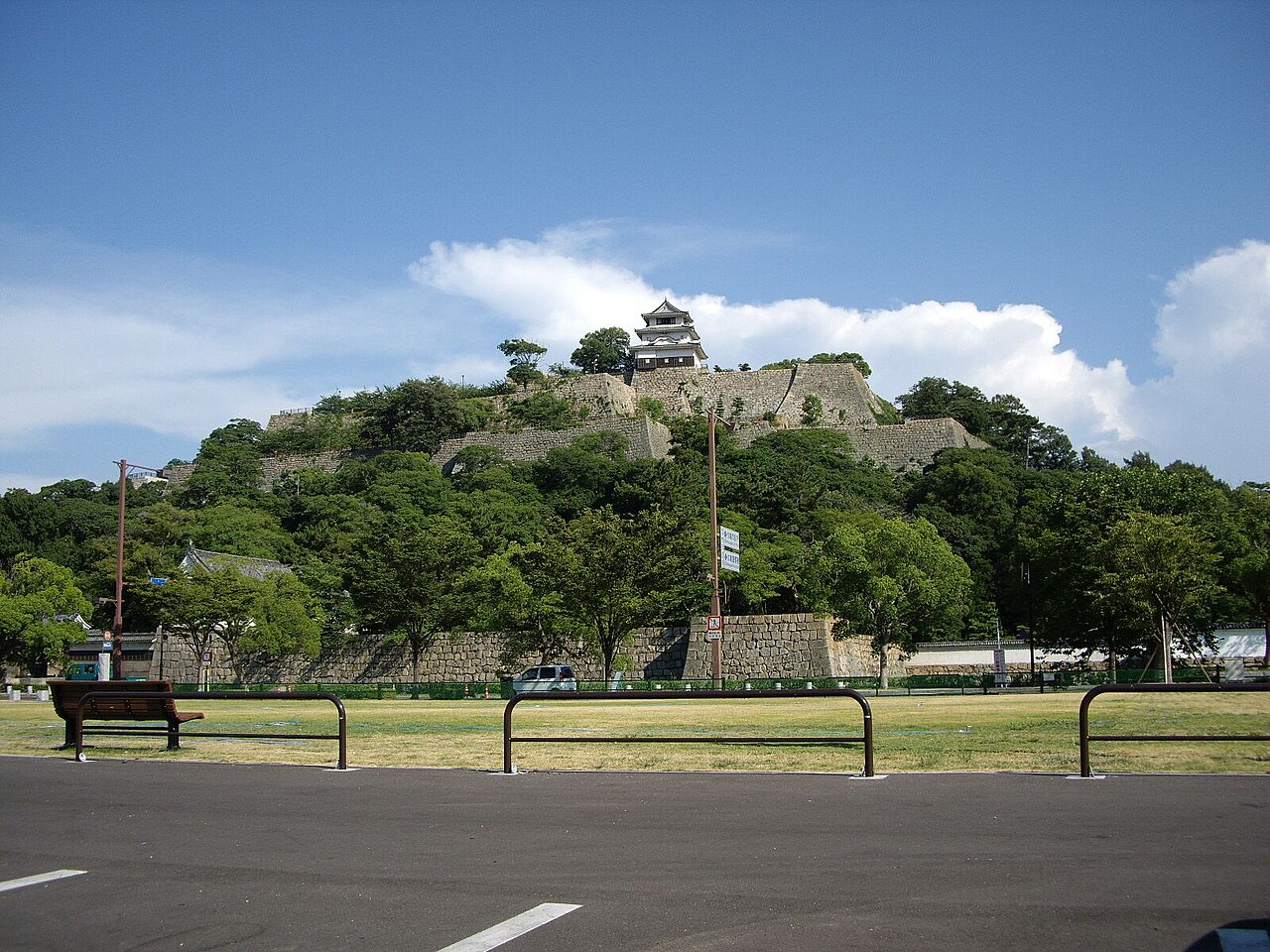
Marugame lies in the central west of Kagawa, the prefecture's second city, and its history runs on two tracks: castle town at the foot of Marugame Castle, and…
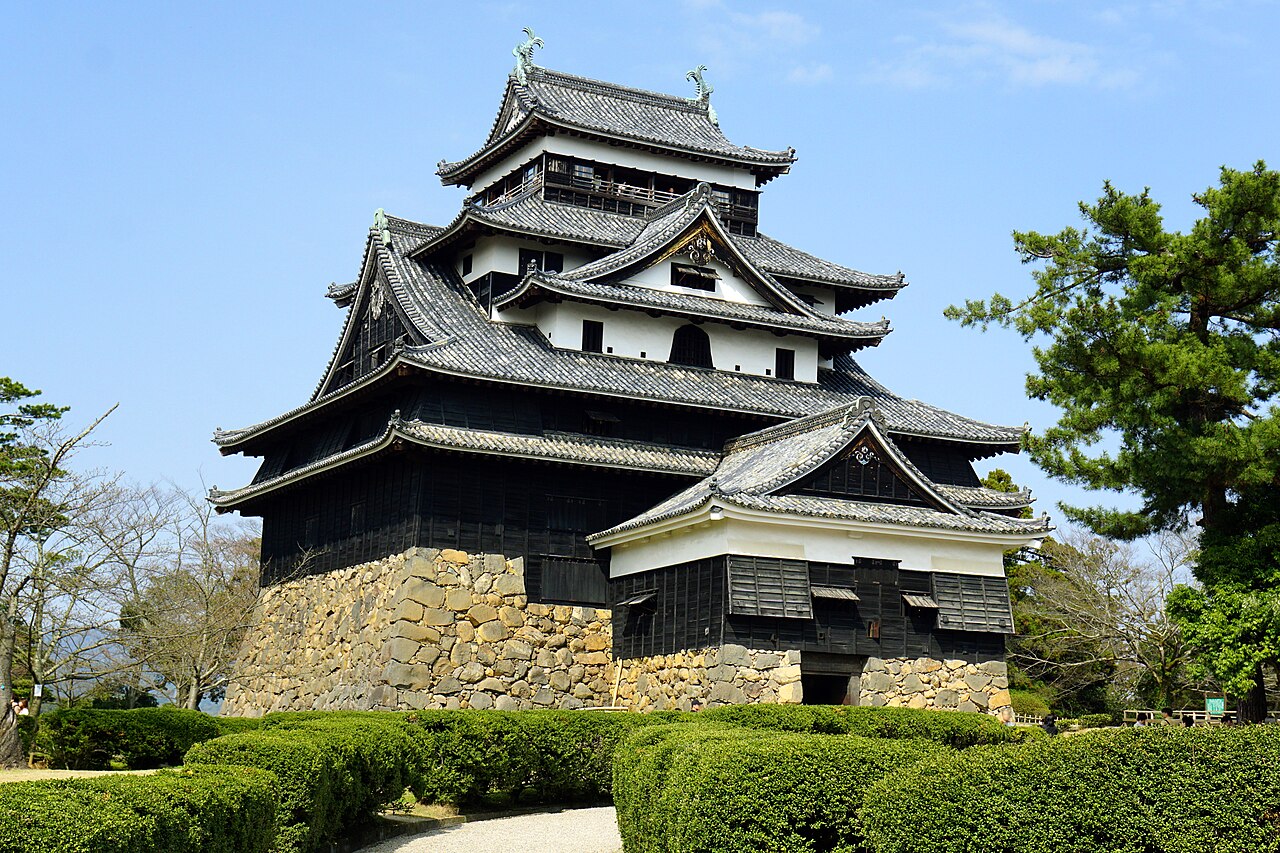
Matsue is a town built around water.
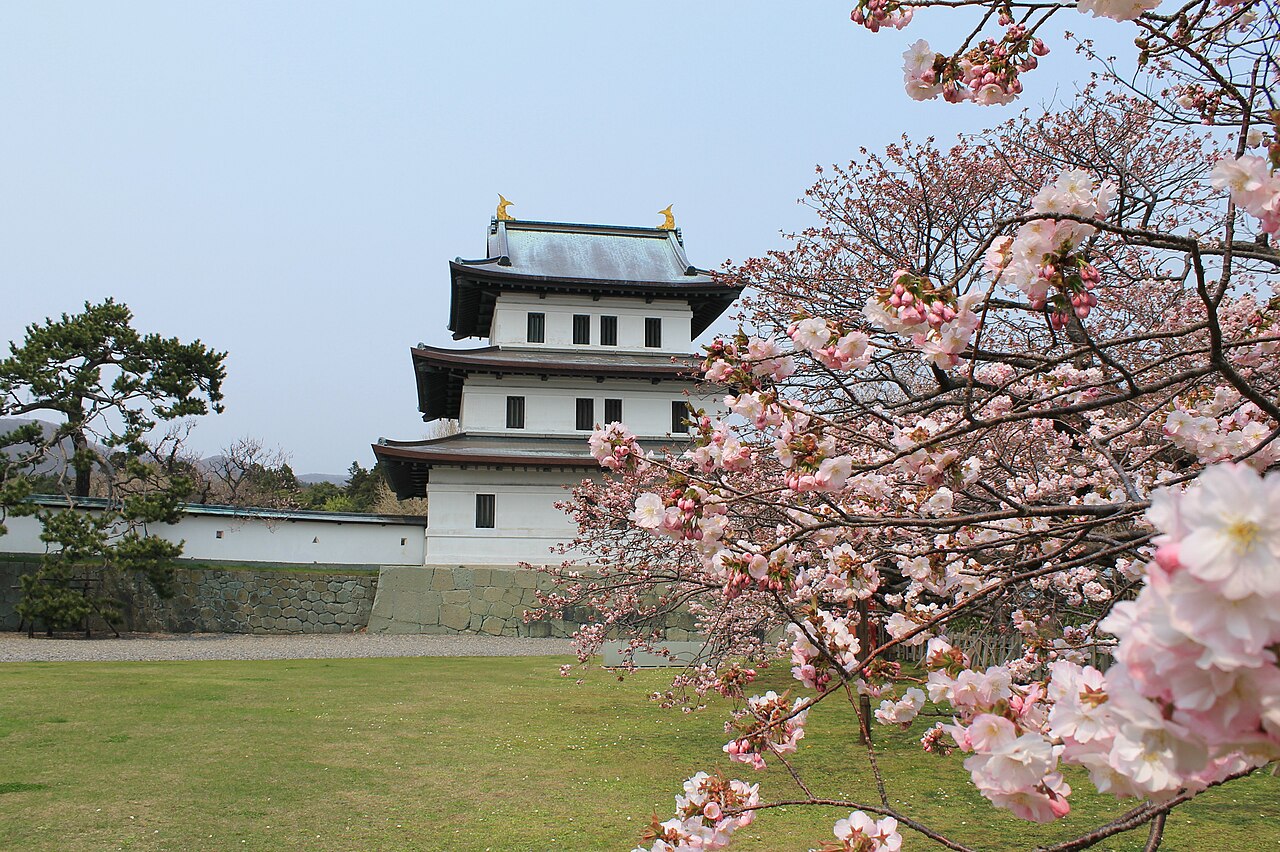
Matsumae is a castle town for doing as much as for looking.
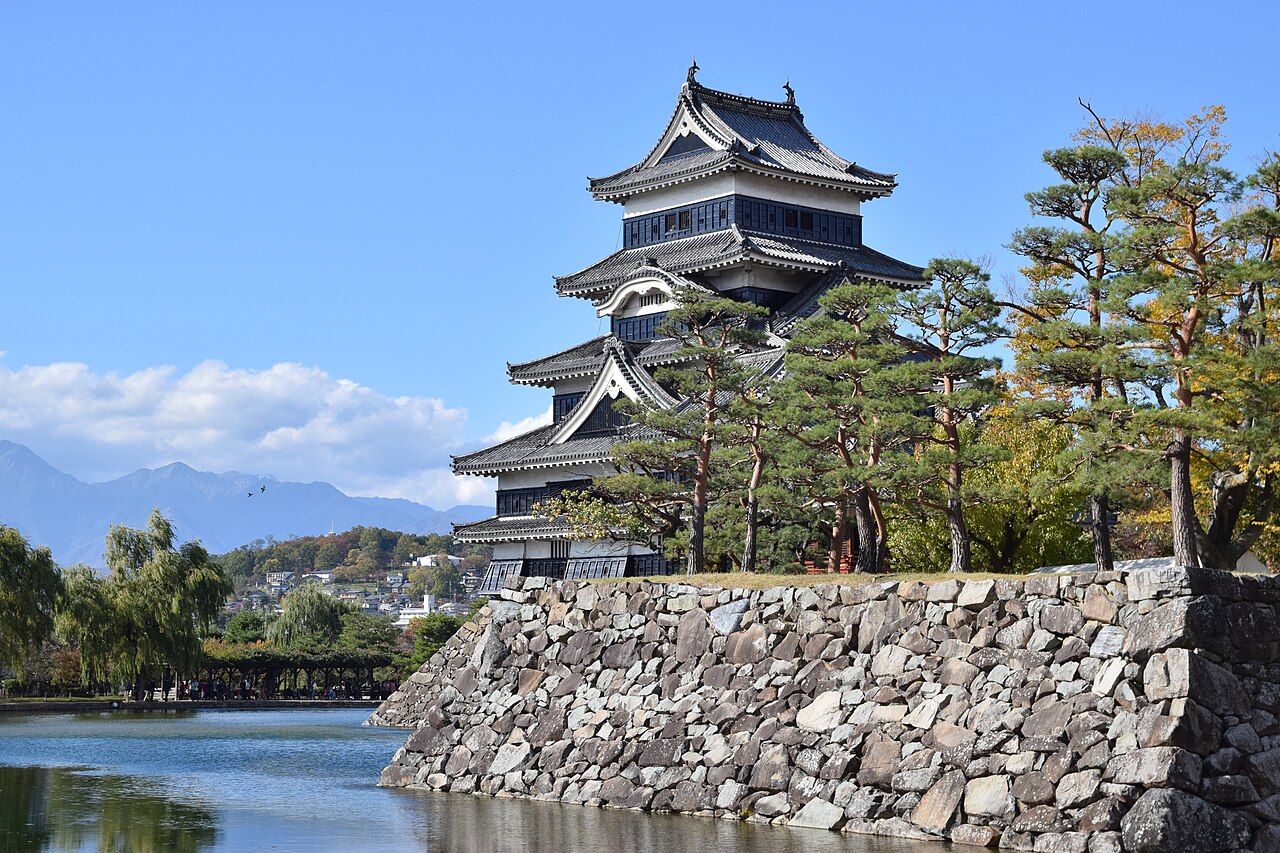
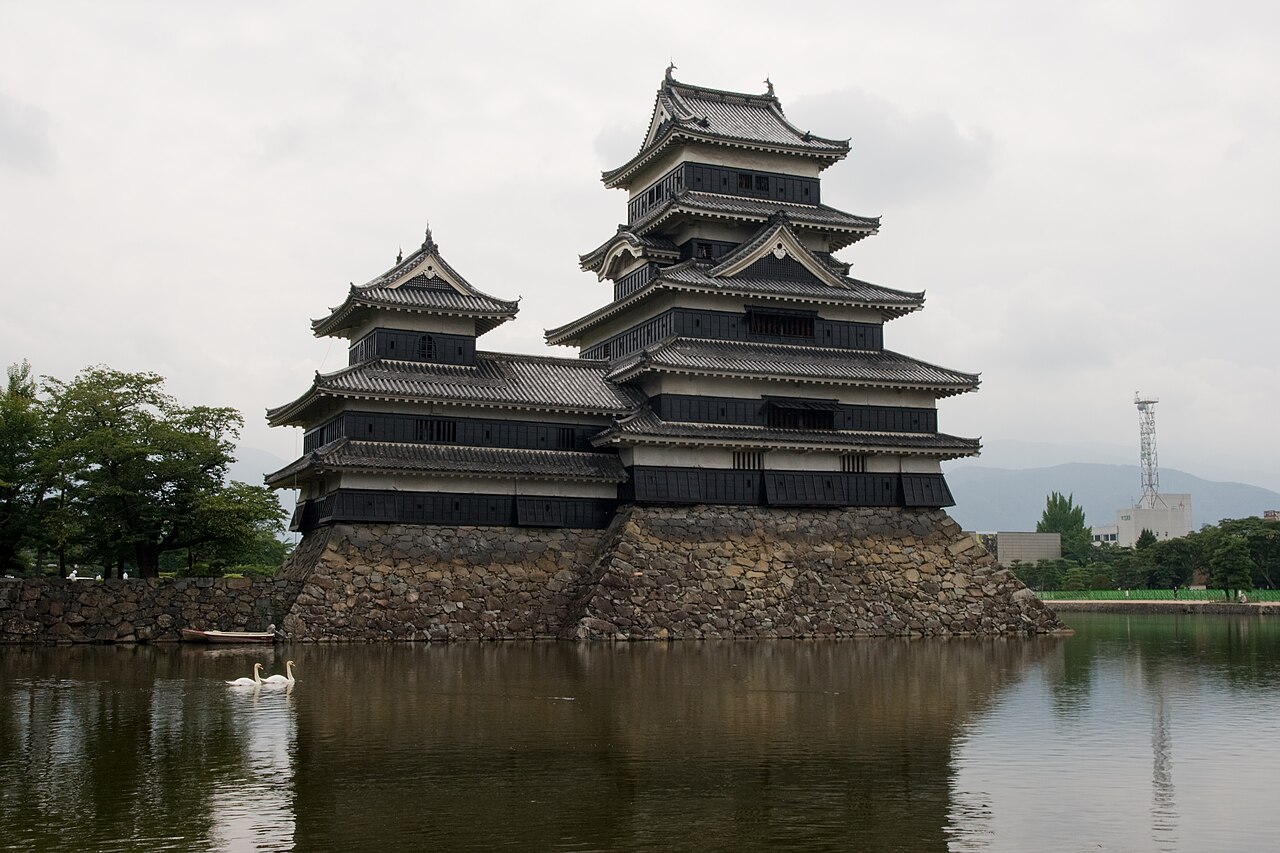
This guide covers a day in Matsumoto, the castle town in Nagano: how to reach it from Tokyo and move around once there, the keep of Matsumoto Castle, the old…
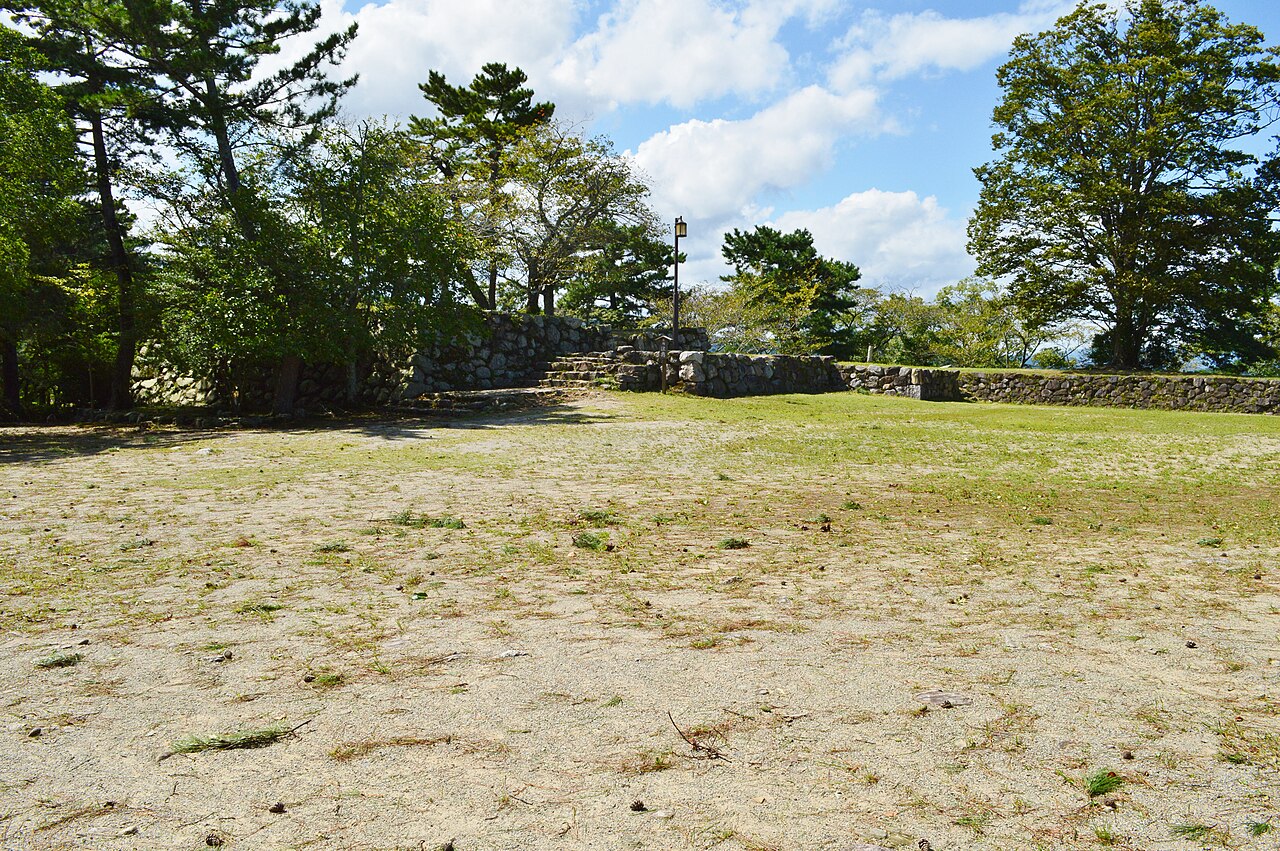
From the castle ruins in Matsusaka, the old castle-town streets that keep their former look can be seen all at once.
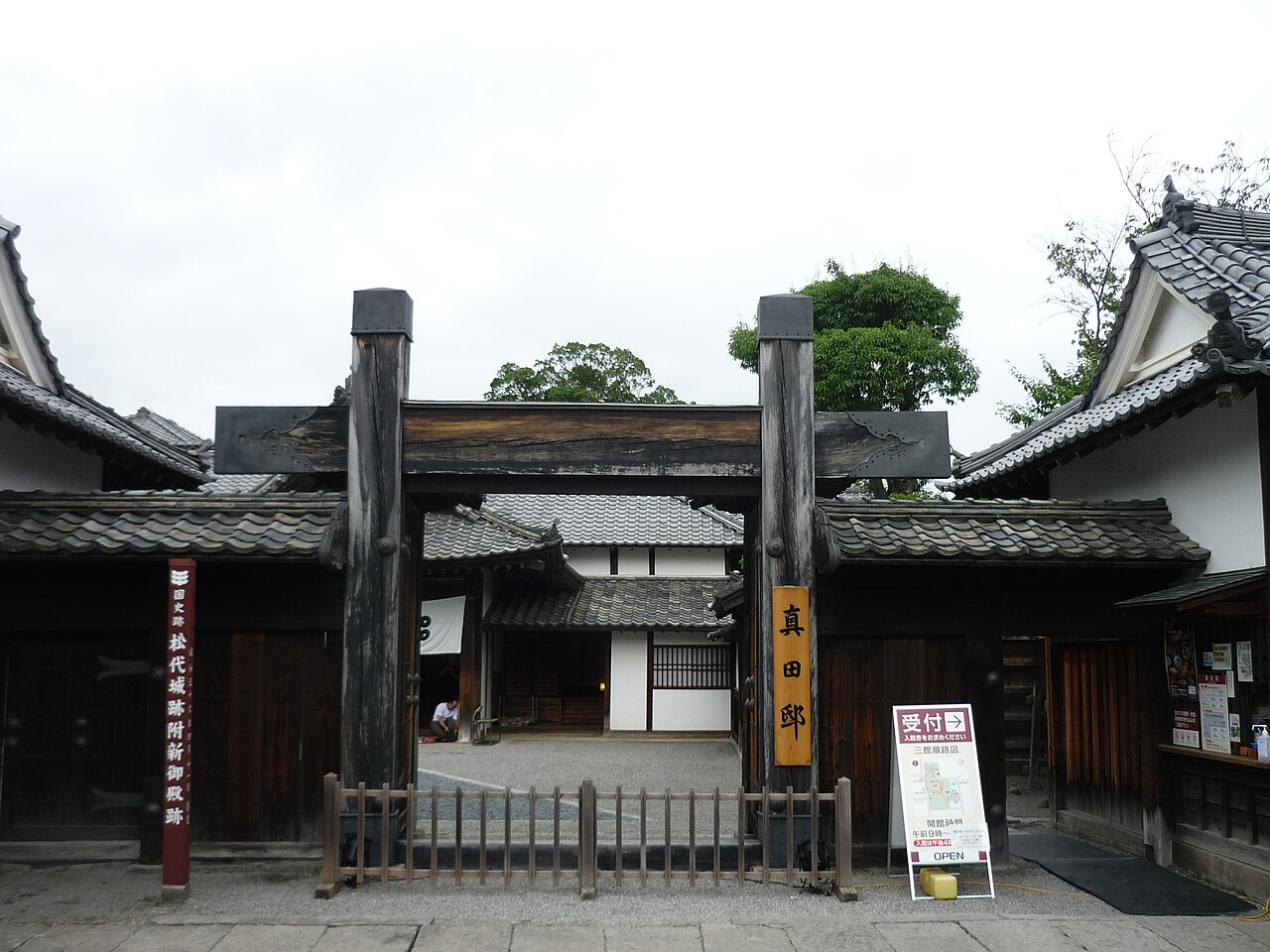
Matsushiro-machi was the stage of the Battle of Kawanakajima in the Sengoku period.
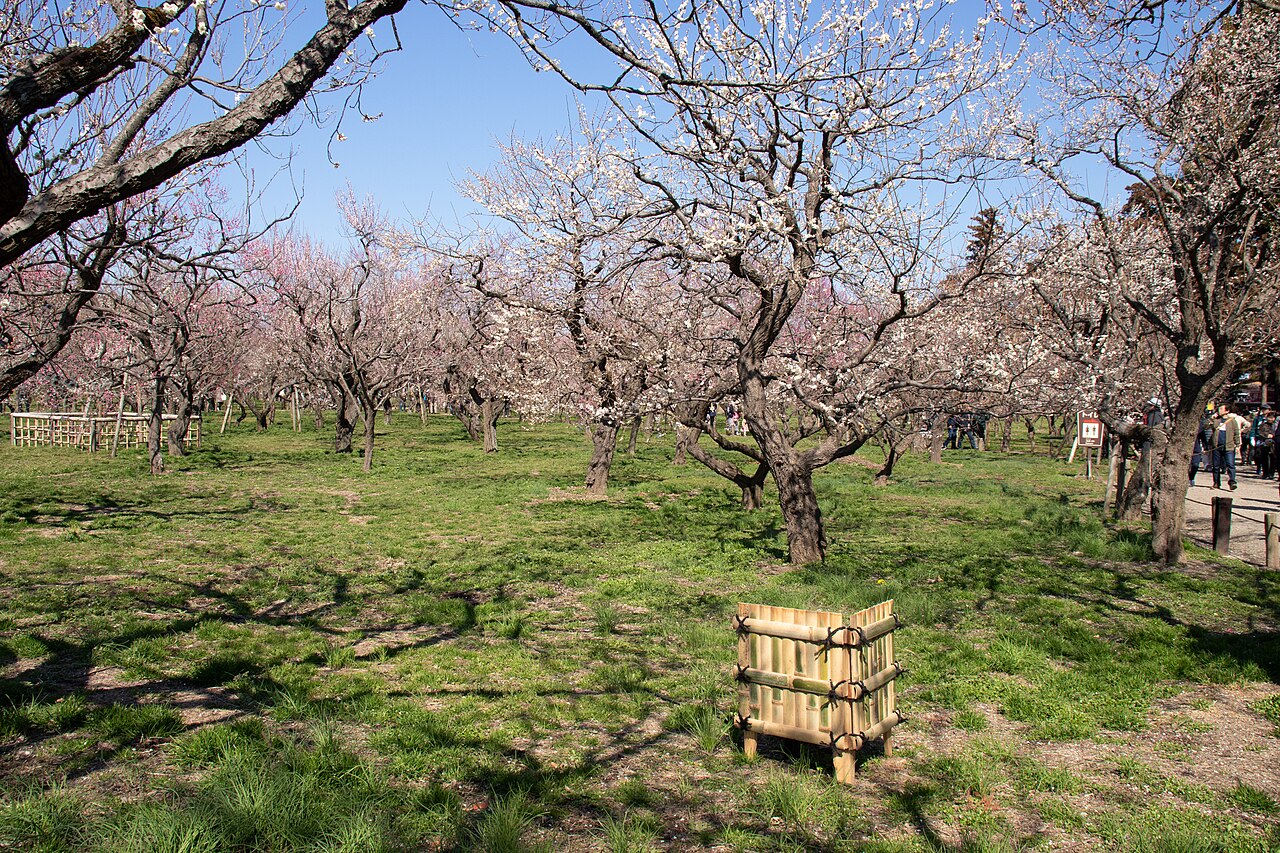
This guide follows a single day on foot in Mito, the capital of Ibaraki Prefecture, beginning with how to reach the sights from the city centre.
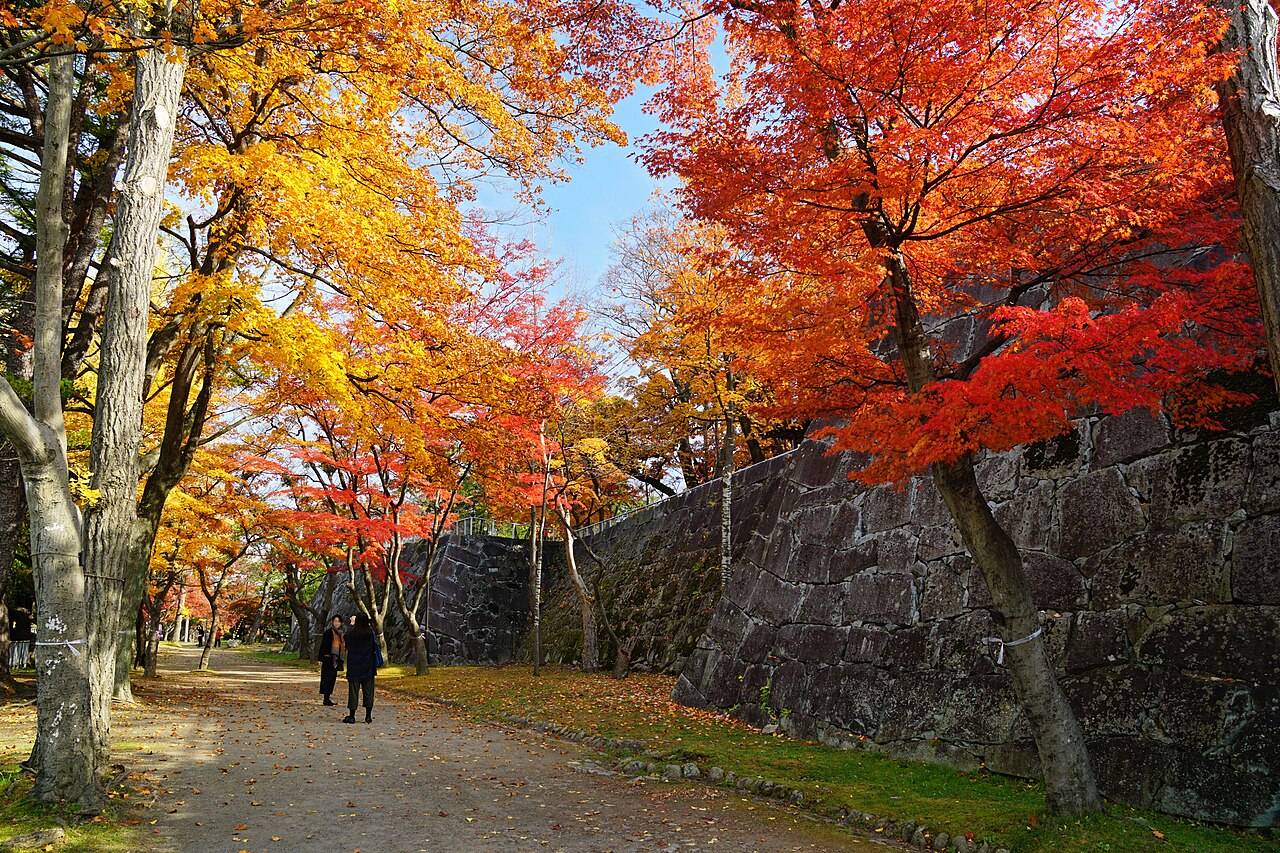
Morioka pairs castle stone walls and cherry trees with a red brick bank building, a clear river, machiya townhouses, a temple street, festival exhibits in a…
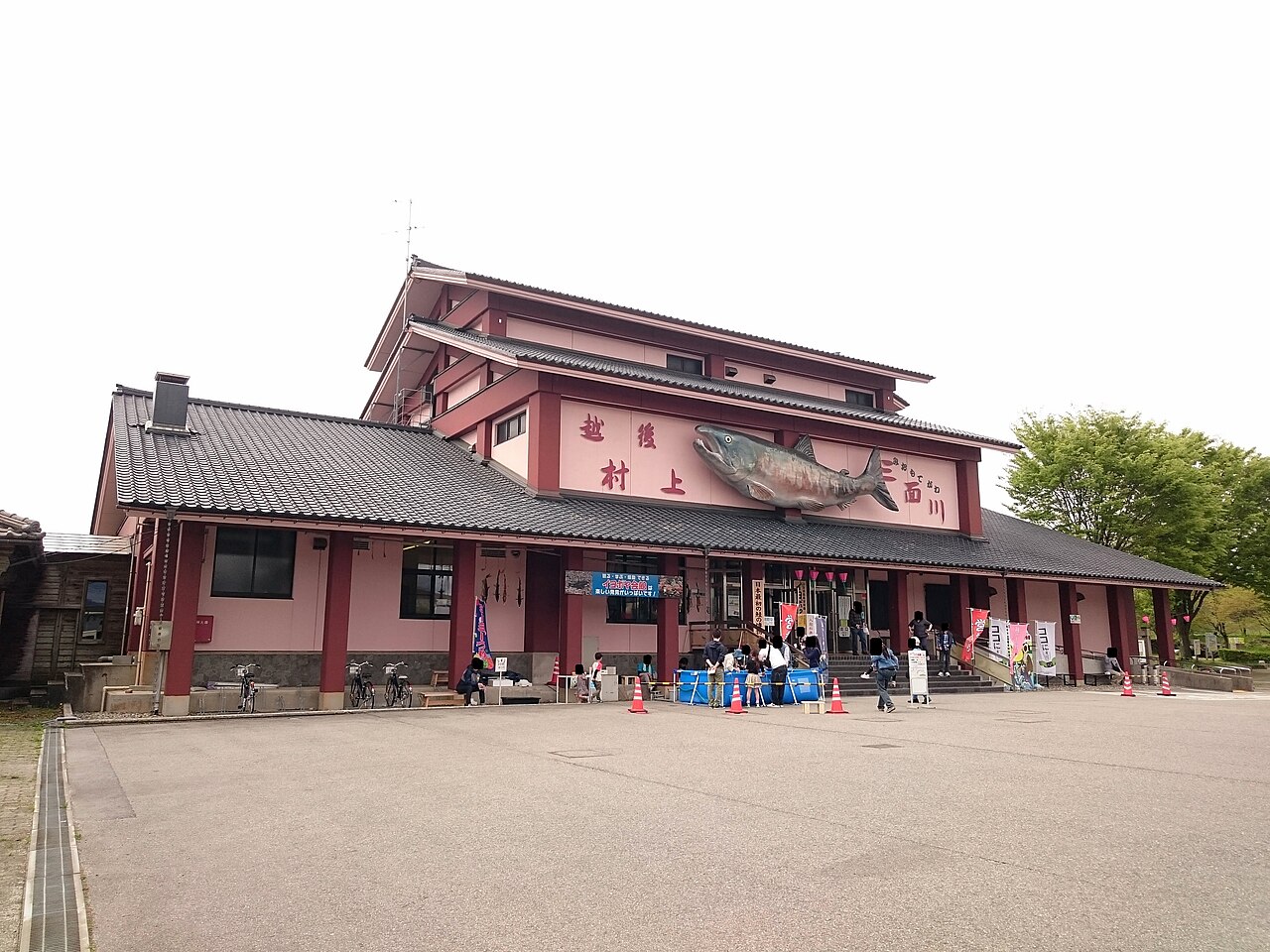
Murakami sits near the northern edge of Niigata Prefecture, where the Miomote River meets the Sea of Japan.
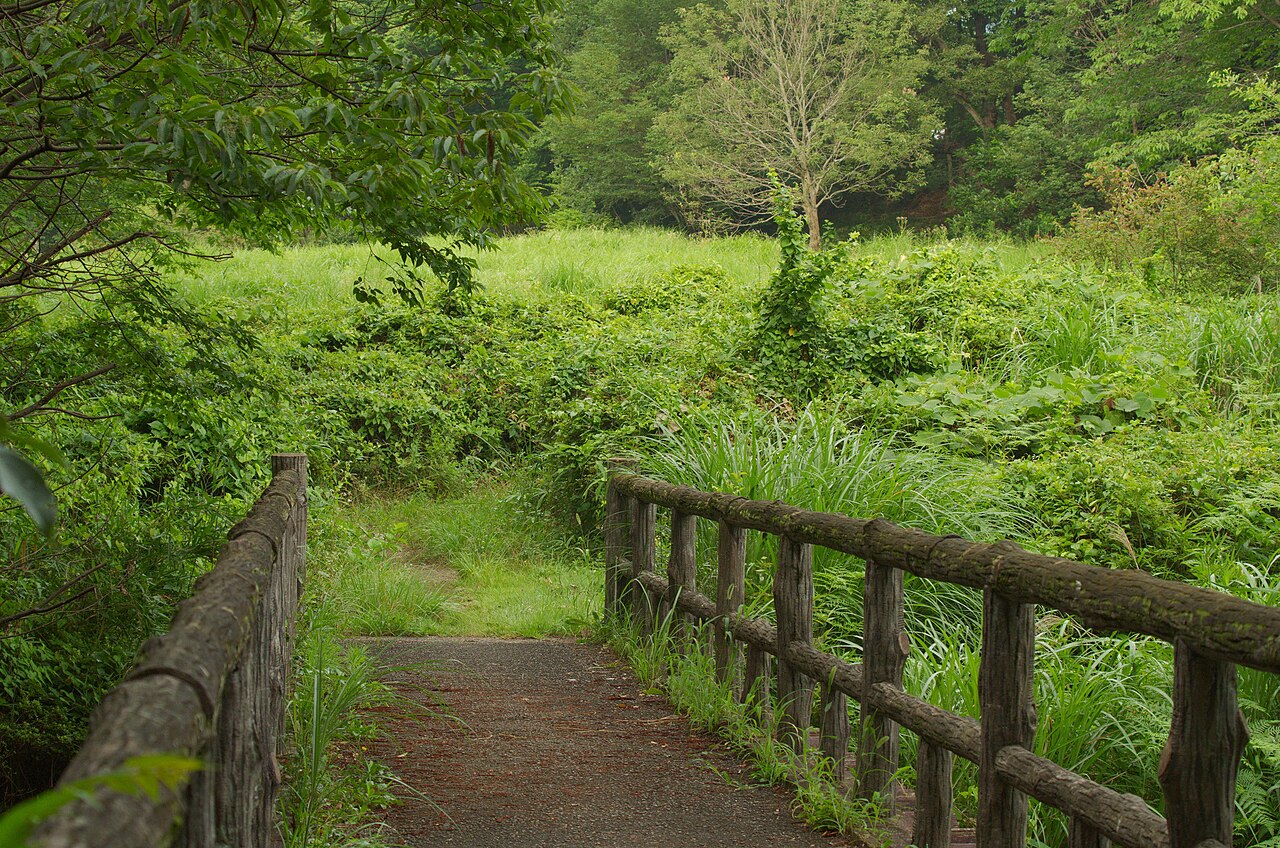
Ask a Tokyo day-tripper about Saitama's river gorges and you will hear about Nagatoro.
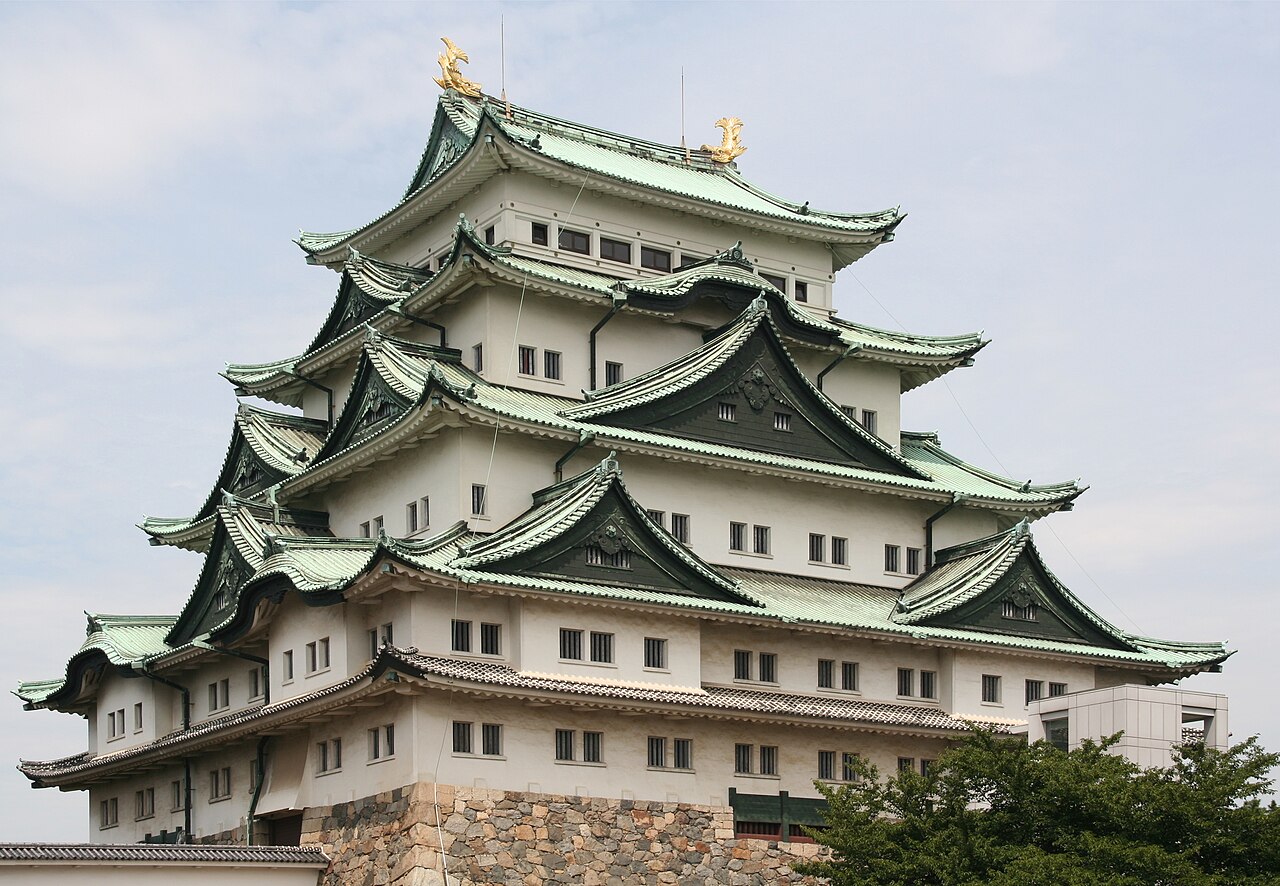
Nagoya Castle and Atsuta Jingu pair two objects that define the city: a pair of golden shachihoko, the male made larger than the female, and the sacred sword…
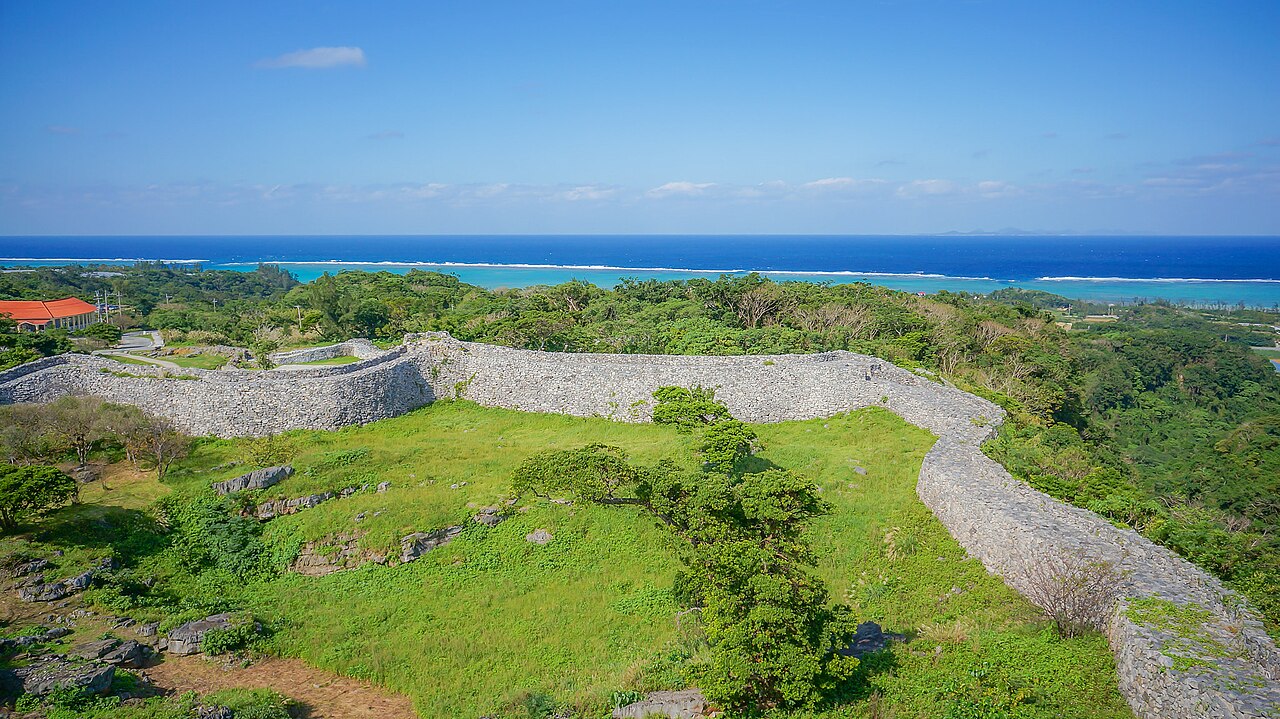
Nakijin Castle Ruins is a historic gusuku on the Motobu Peninsula in northern Okinawa Main Island, set about a hundred metres up and ringed by sturdy castle…
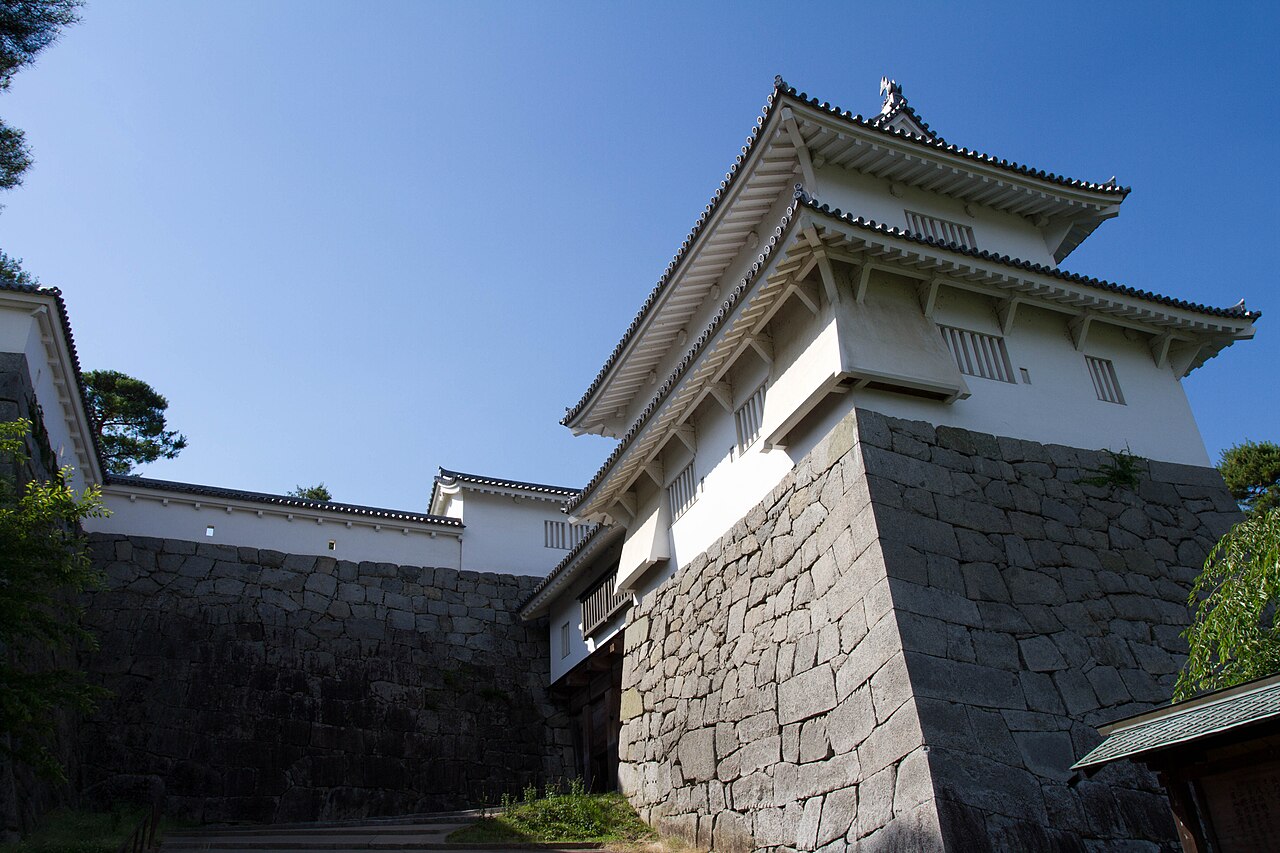
Nihonmatsu is a castle town in Fukushima where the stone wall at the main keep site of Kasumigajo Castle was laid by the same group of stone masons who built…
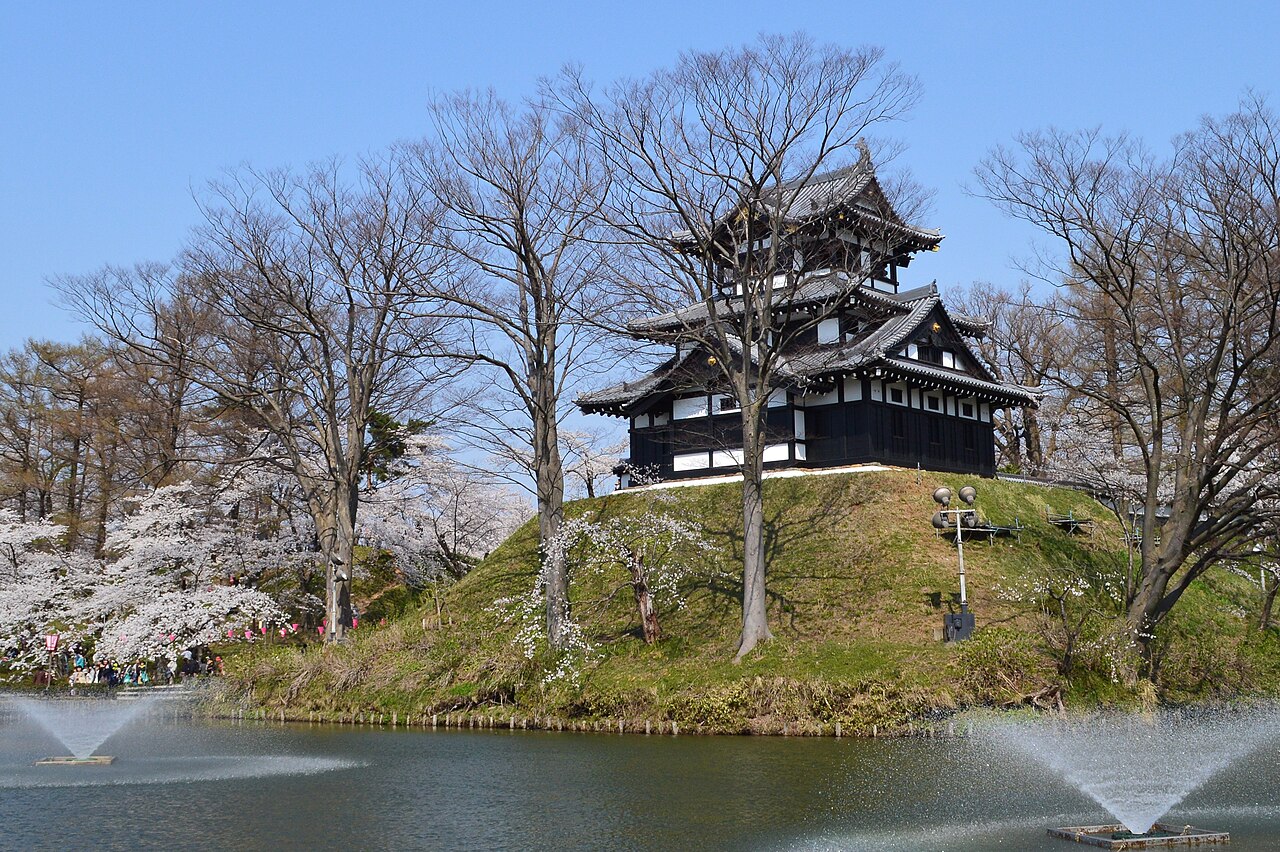
Joetsu in Niigata pairs a hilltop castle site tied to the warlord Kenshin with the castle town of Takada.
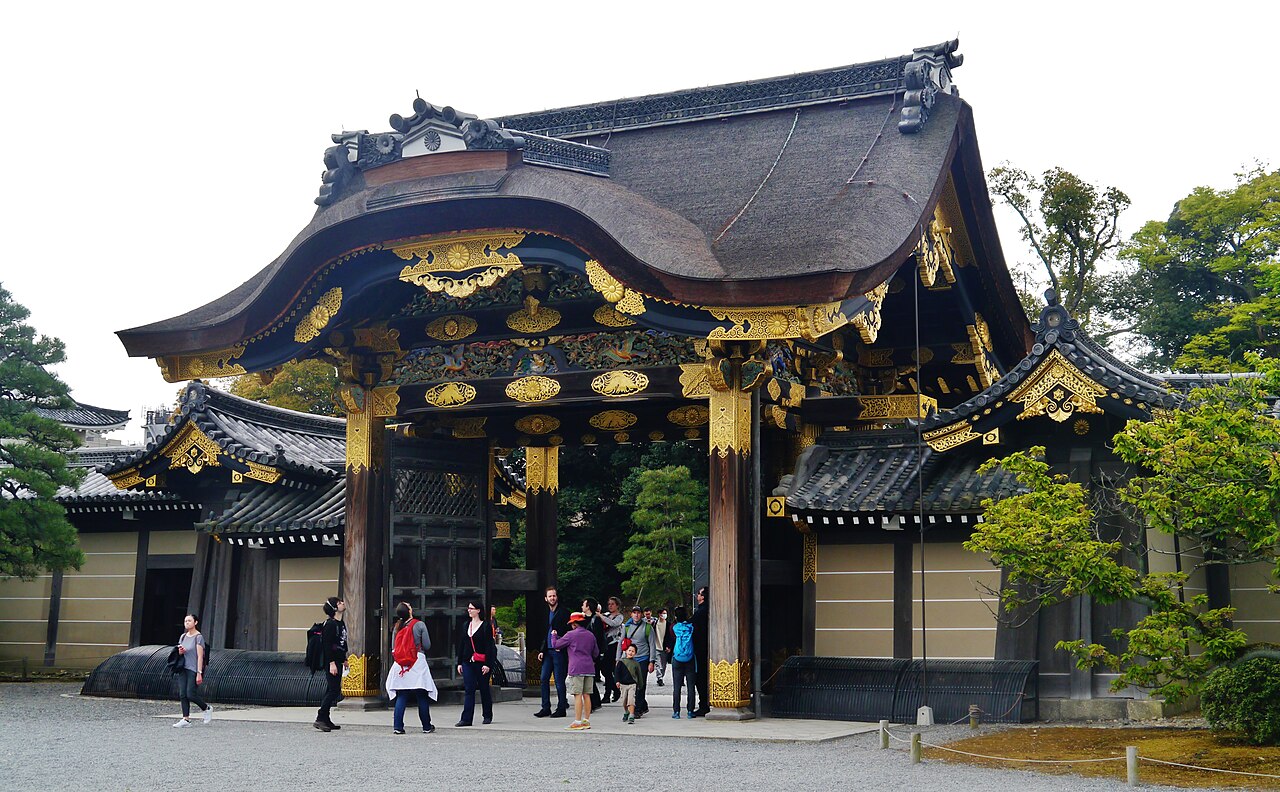
The corridor of the Ninomaru Palace at Nijo Castle makes a sound like a bird's call when a person walks on it.
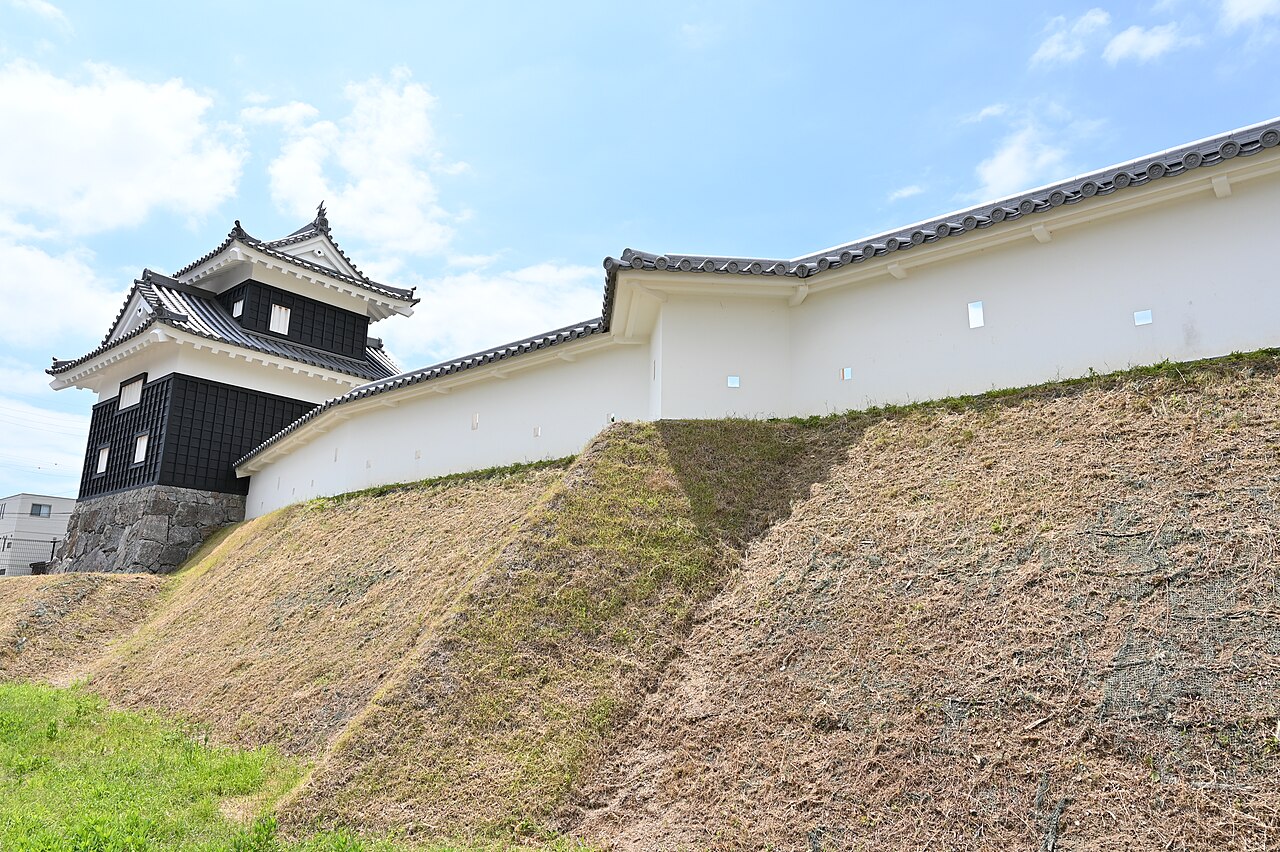
Nishio's tea fields lie in a warm matcha-producing area, and ninety-six percent or more of the tea produced in the city is tencha, the raw material for matcha.
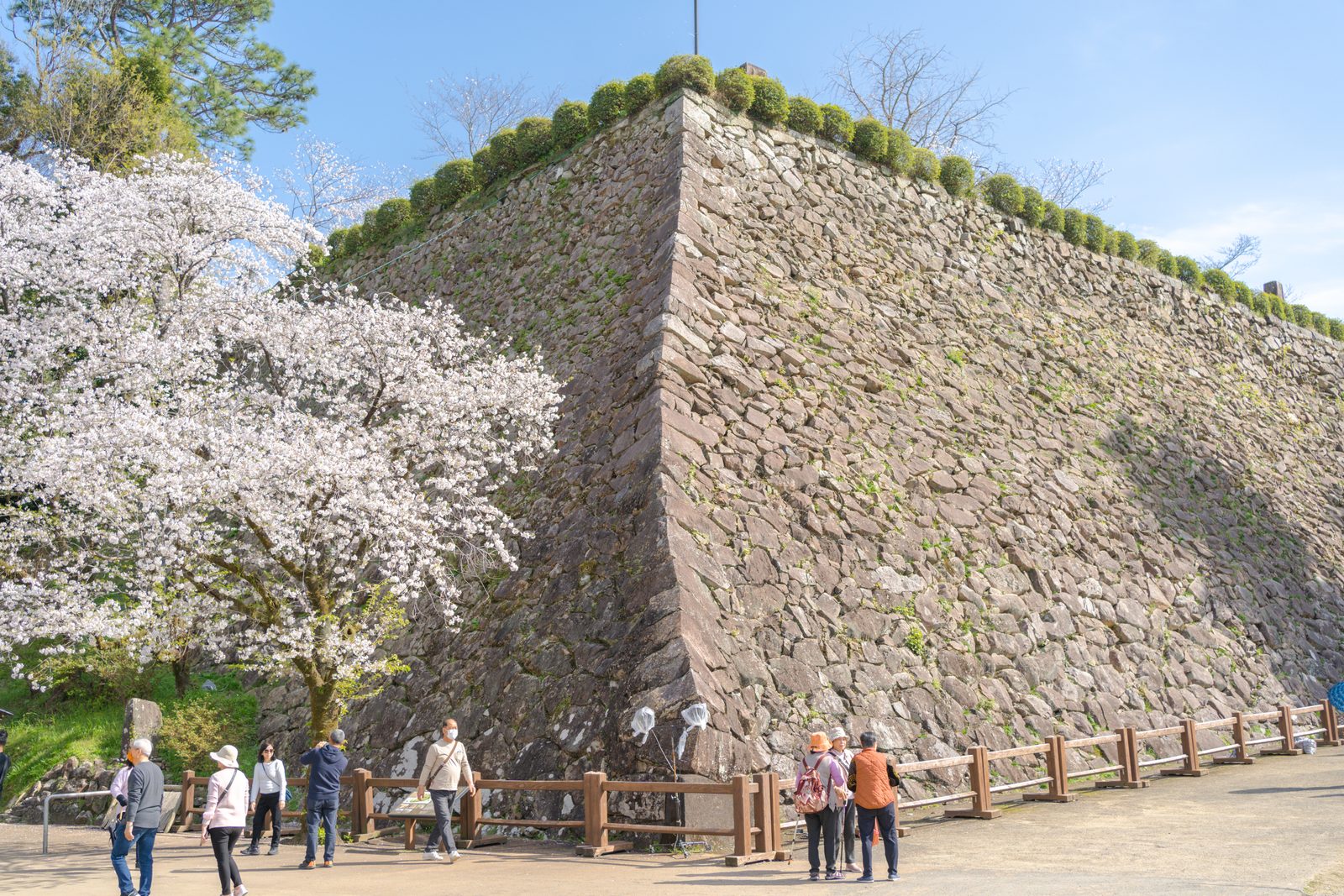
Nobeoka is the Miyazaki castle town where chicken nanban originated, and the dish is still served here in two styles, one with plenty of tartar sauce and one…
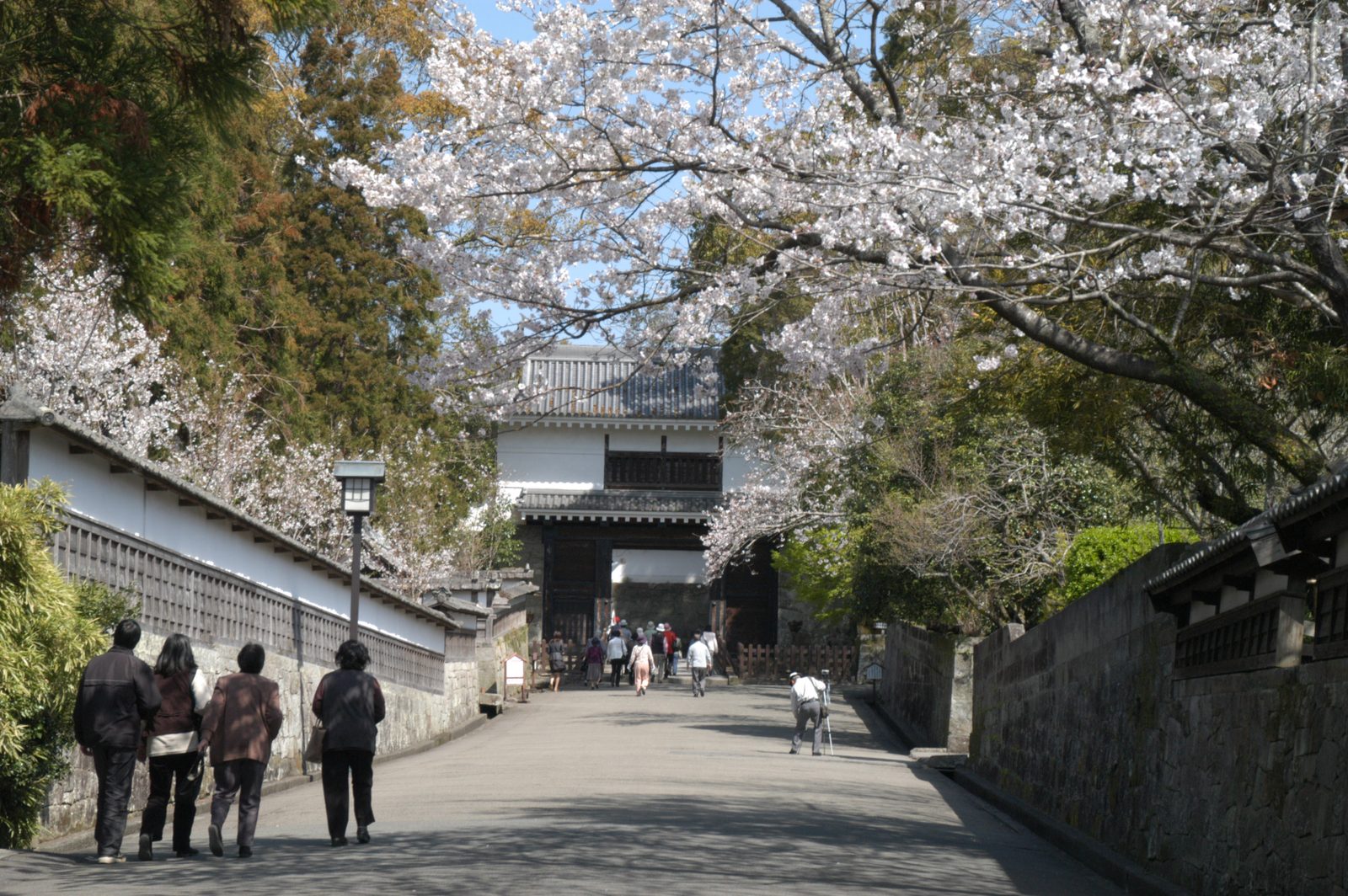
The Sakatani river runs through the castle town of Obi, ringed by Obi cedar and marked by beautiful stone walls.
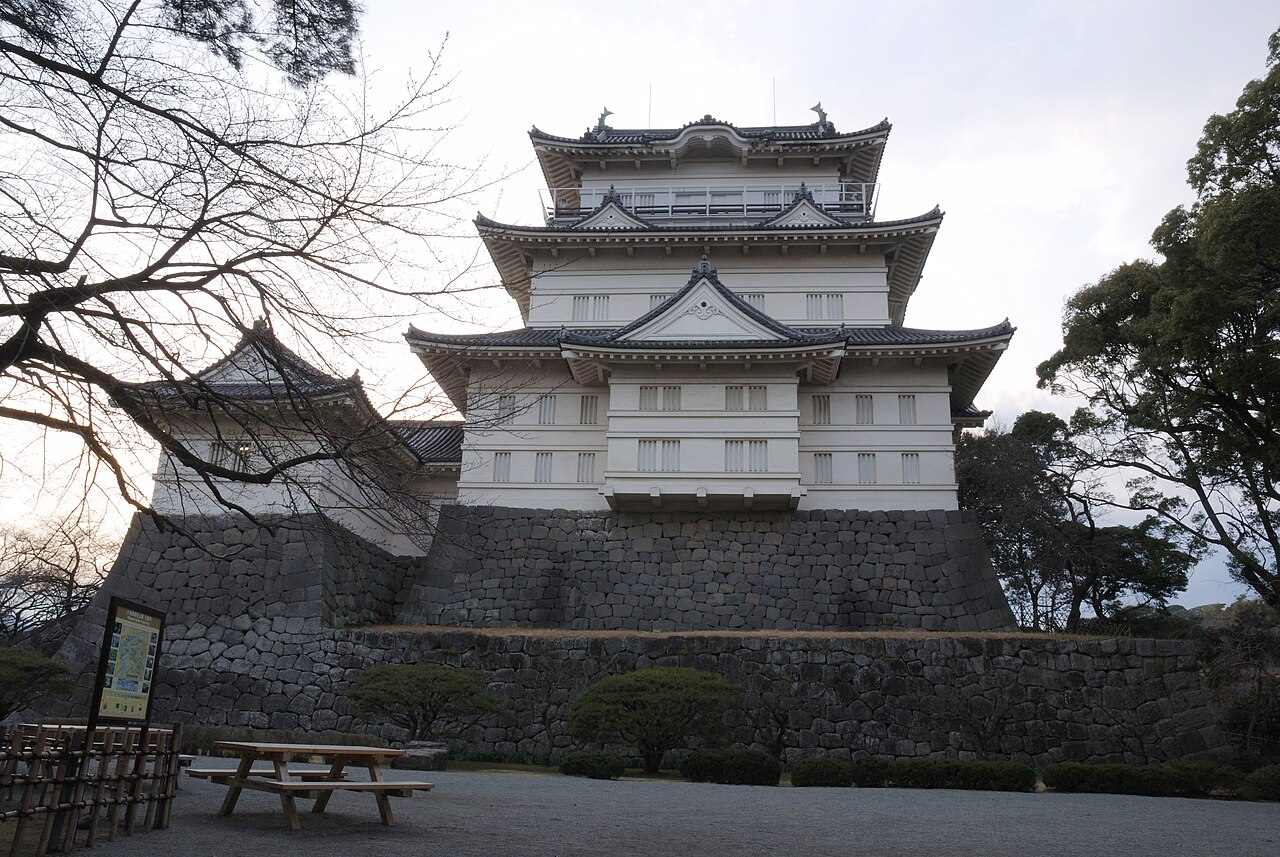
Odawara is a castle town built for doing rather than looking.
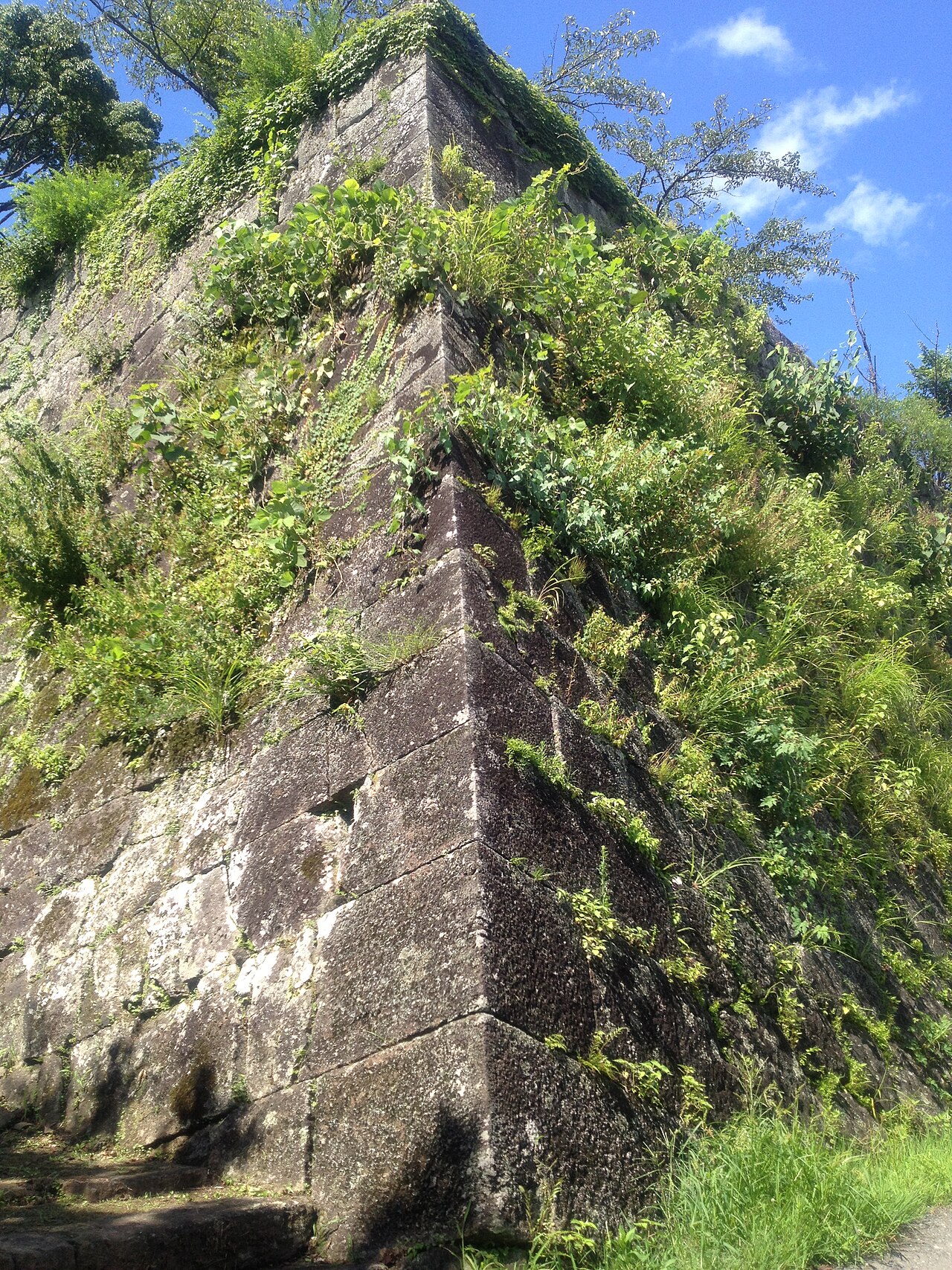
The castle at Oka Castle Ruins was built on a tongue-shaped plateau between the Inaba River and the Shirataki River.

Some cities reward the early riser more than others, and Okayama is one of them.
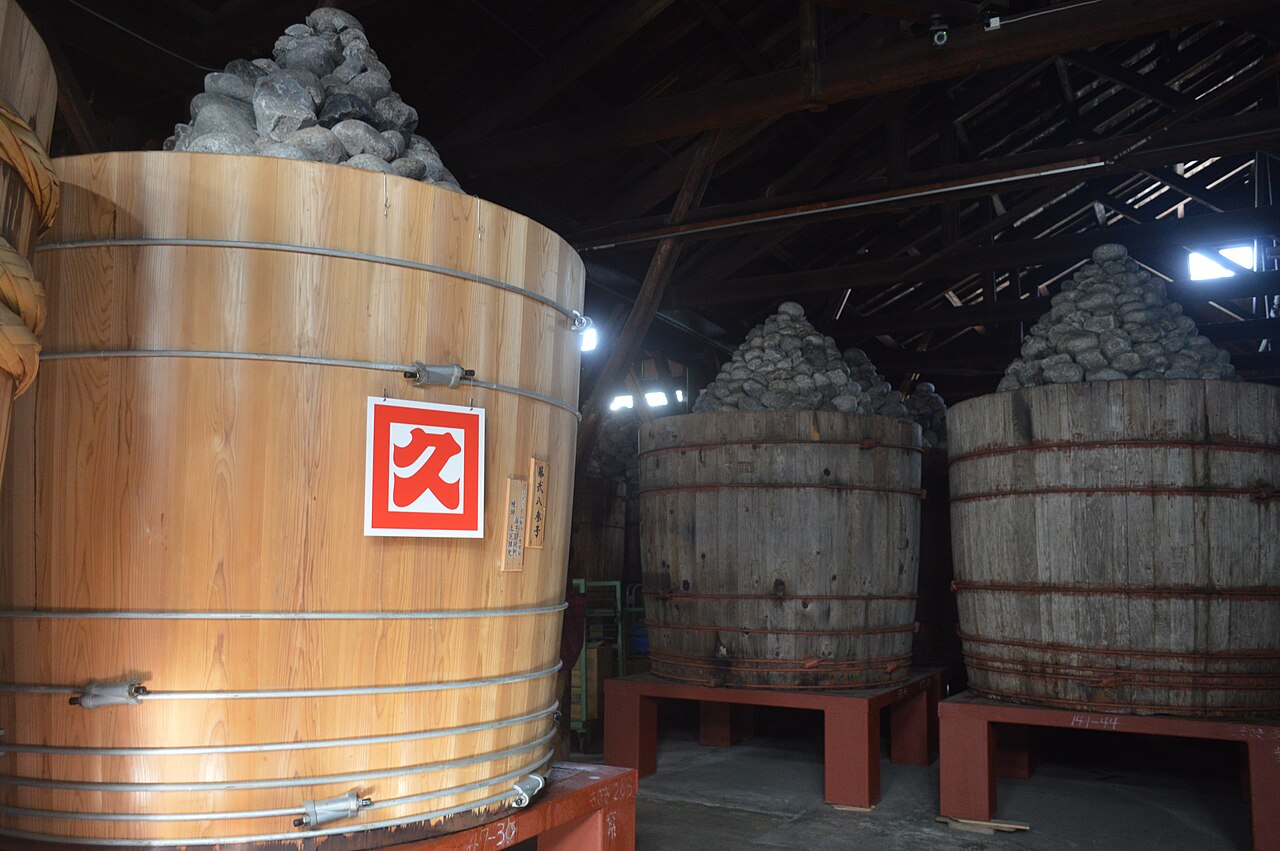
In Okazaki, craftspeople still age Hatcho miso in giant wooden tubs, each topped with a hand-piled cone of weight stones, through two summers and two winters.
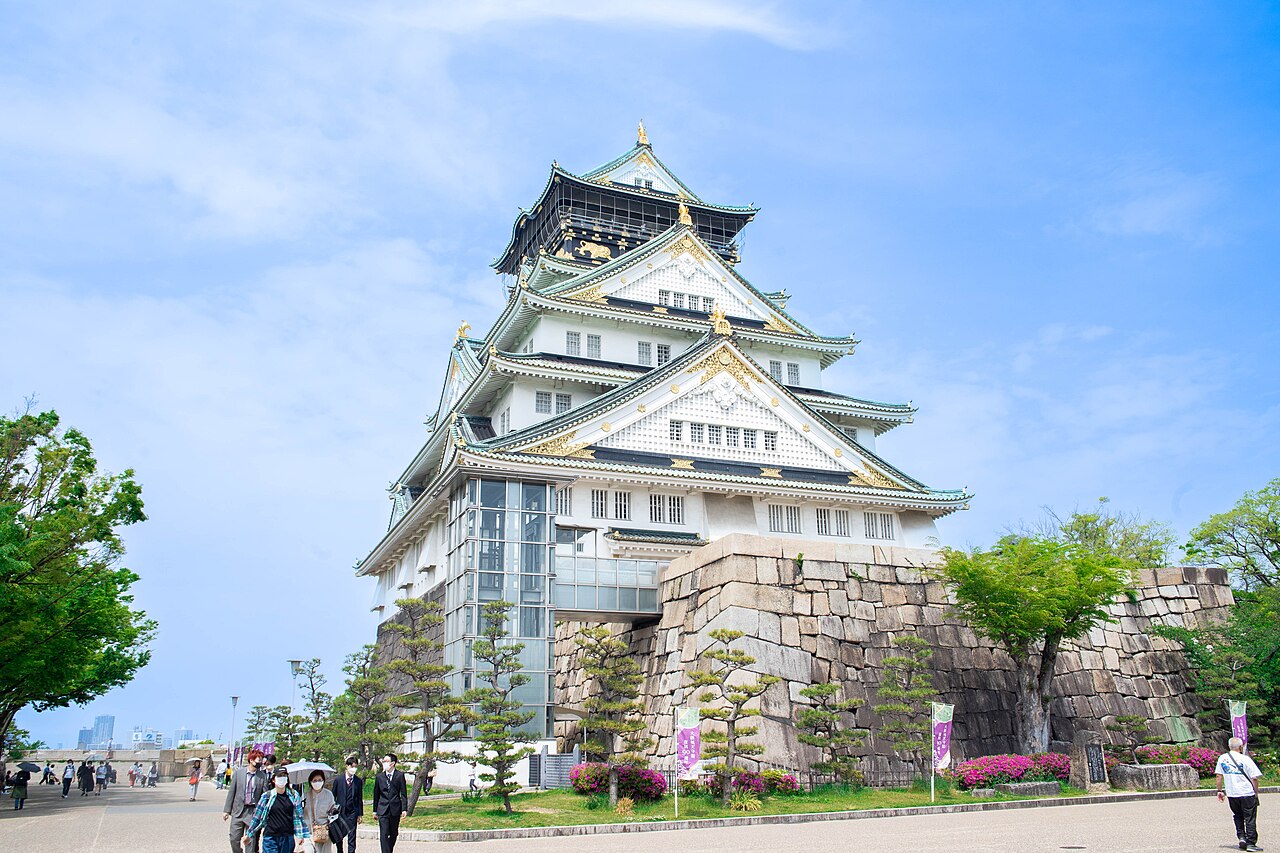
At the Toyotomi stone wall museum, visitors go down underground to see stone walls of Toyotomi-era Osaka Castle that the Tokugawa shogunate buried.
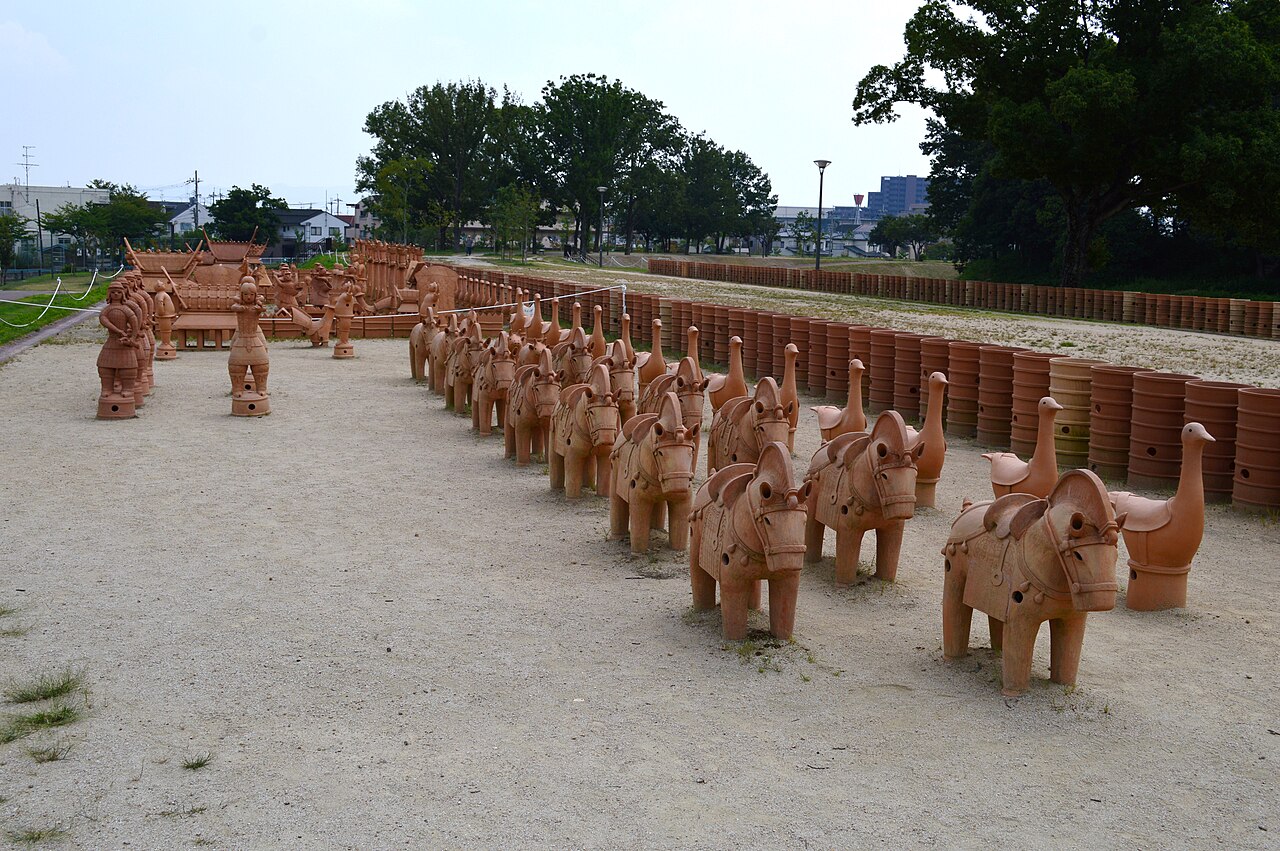
Takatsuki, in Osaka, folds several kinds of walking into one city: streets of gabled roofs, plastered walls and insect-cage windows in the old brewing district…
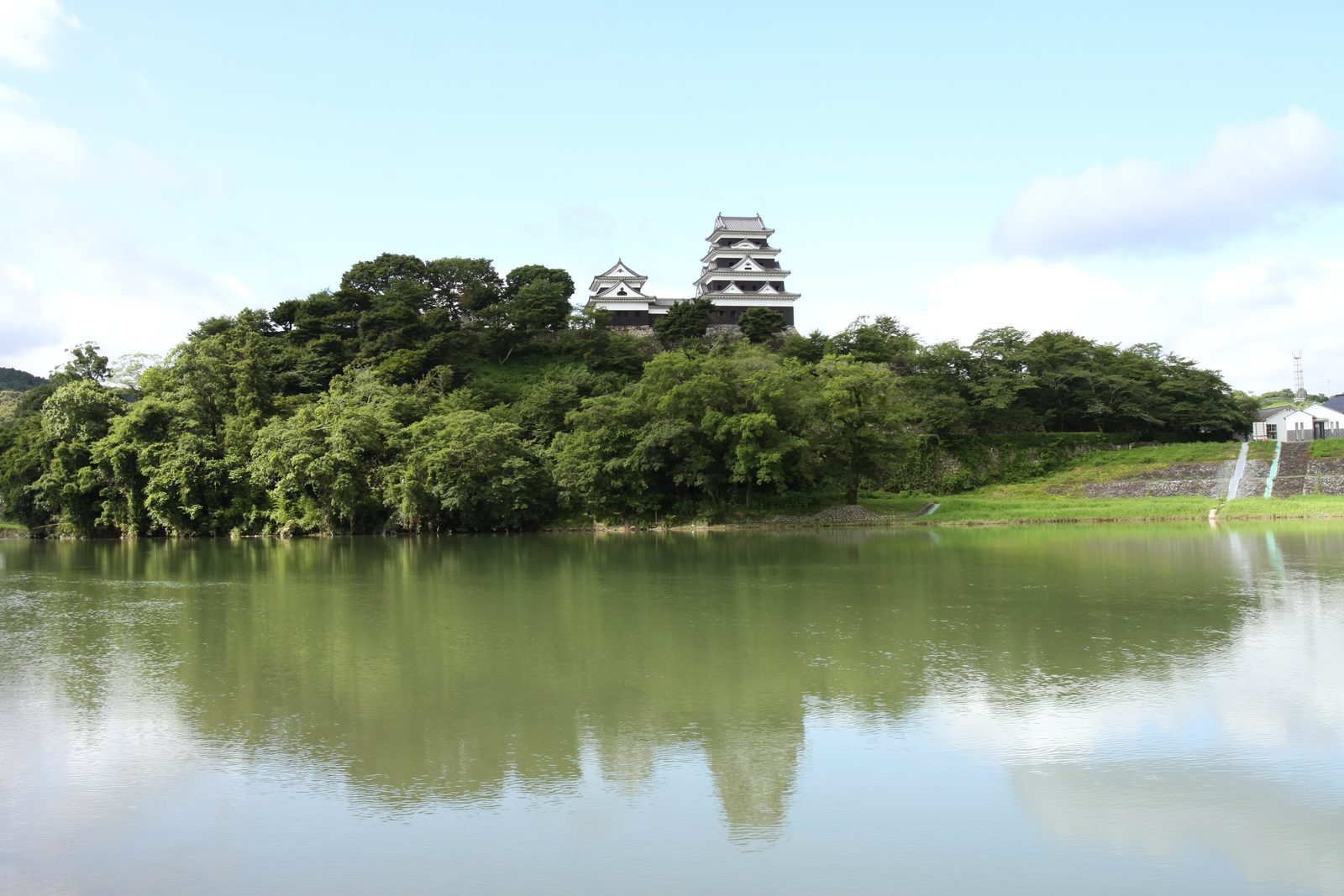
This guide covers the route from Iyo-Ozu Station to Ozu Castle and the old town, the castle's history and the town's revival, the Hiji River with its cormorant…
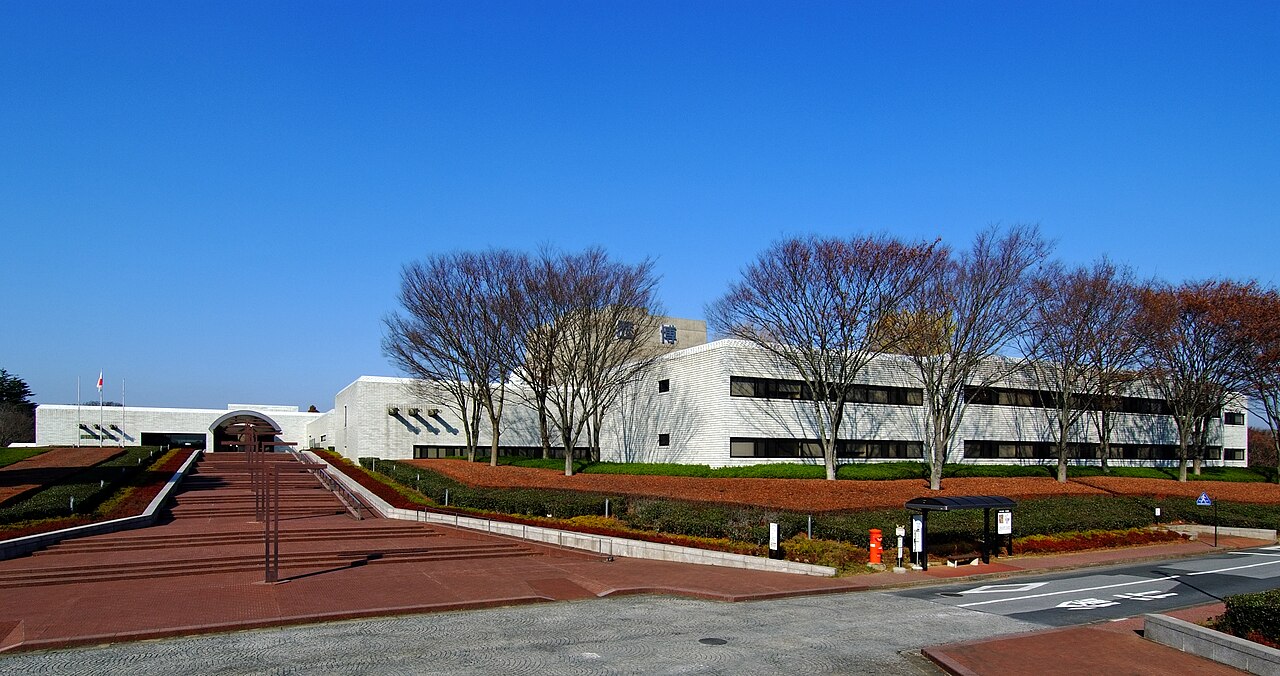
A room in the National Museum of Japanese History holds a life-size reconstruction of the black markets and outdoor stalls that appeared after the war ended…
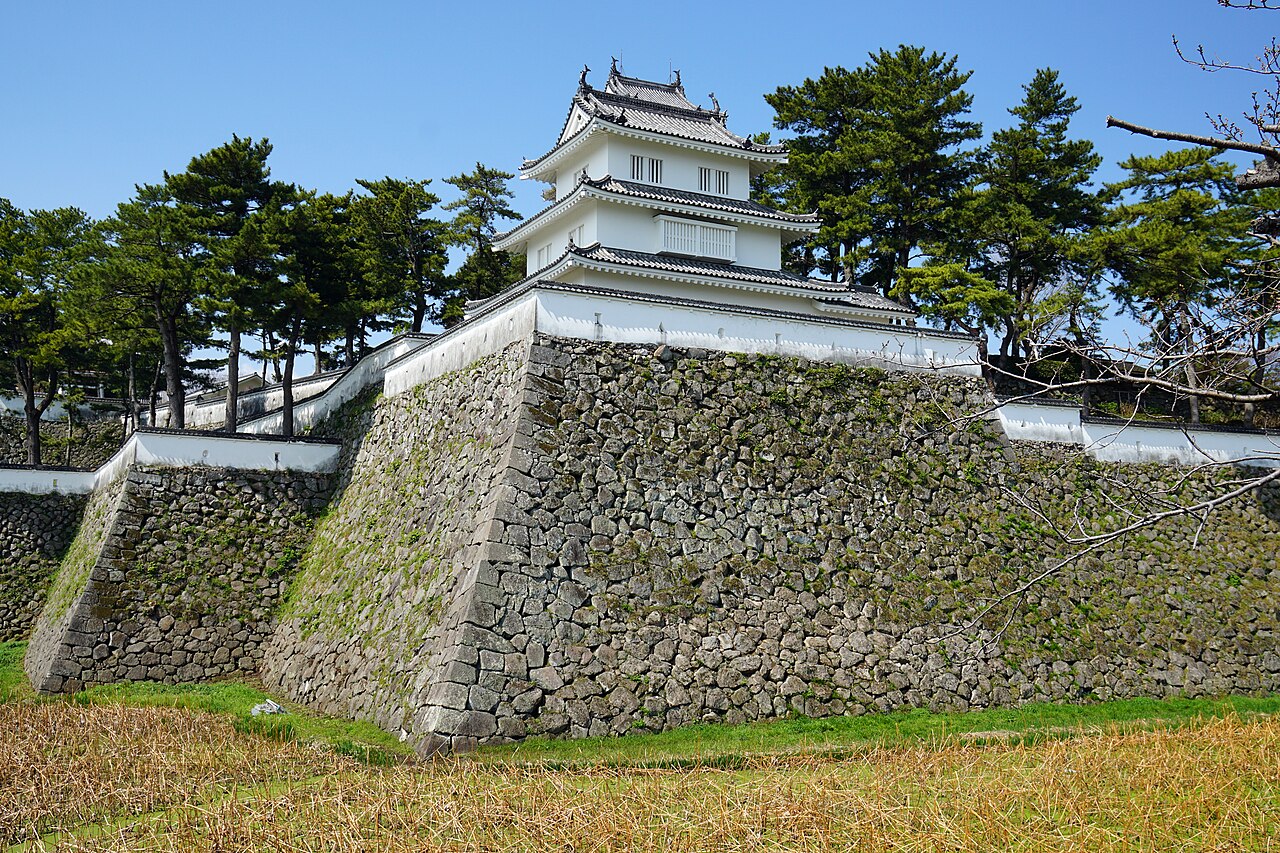
At Shimabara Castle the weight of a visit falls on what is inside: the main keep displays materials related to the Shimabara Rebellion, which gives a day trip…
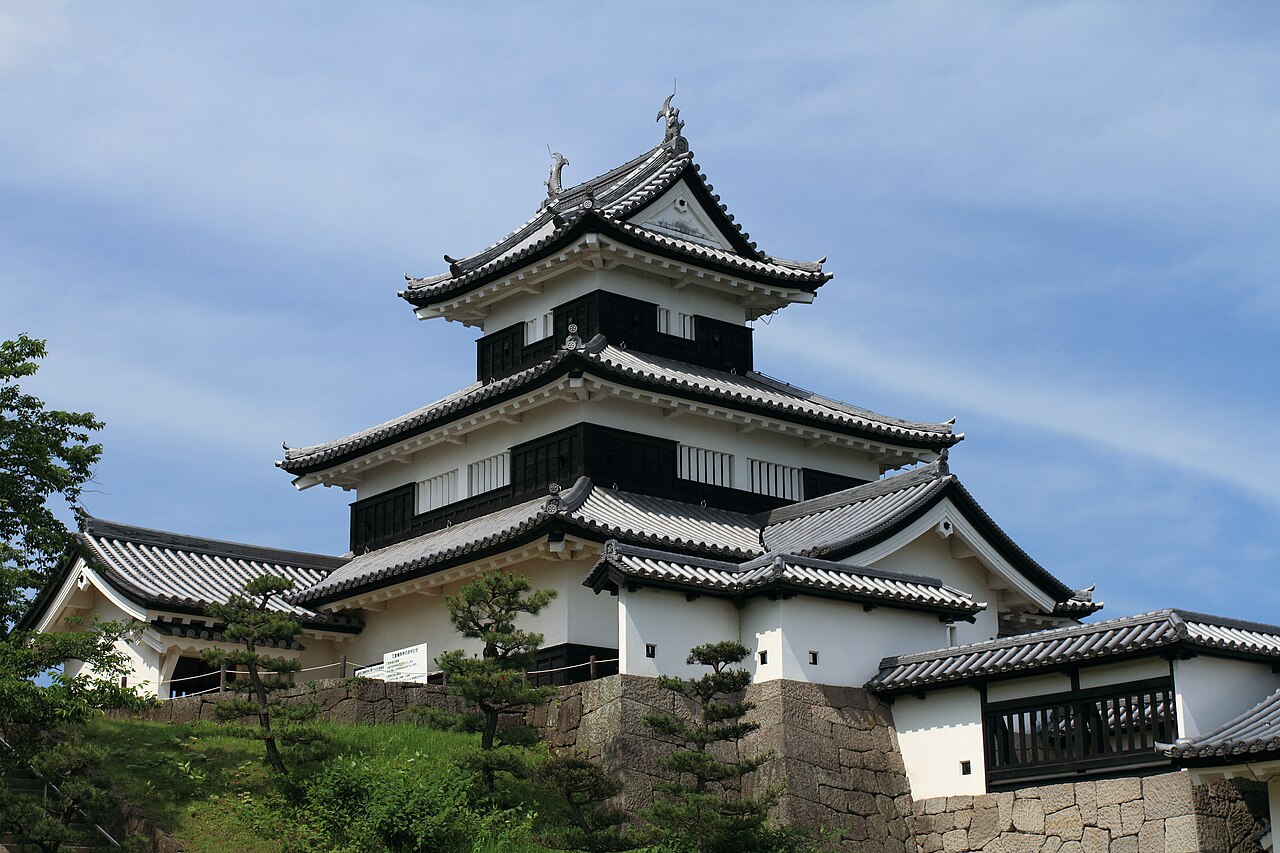
Shirakawa keeps a long memory: the Shirakawa Barrier is counted as one of the three ancient barriers of Michinoku.
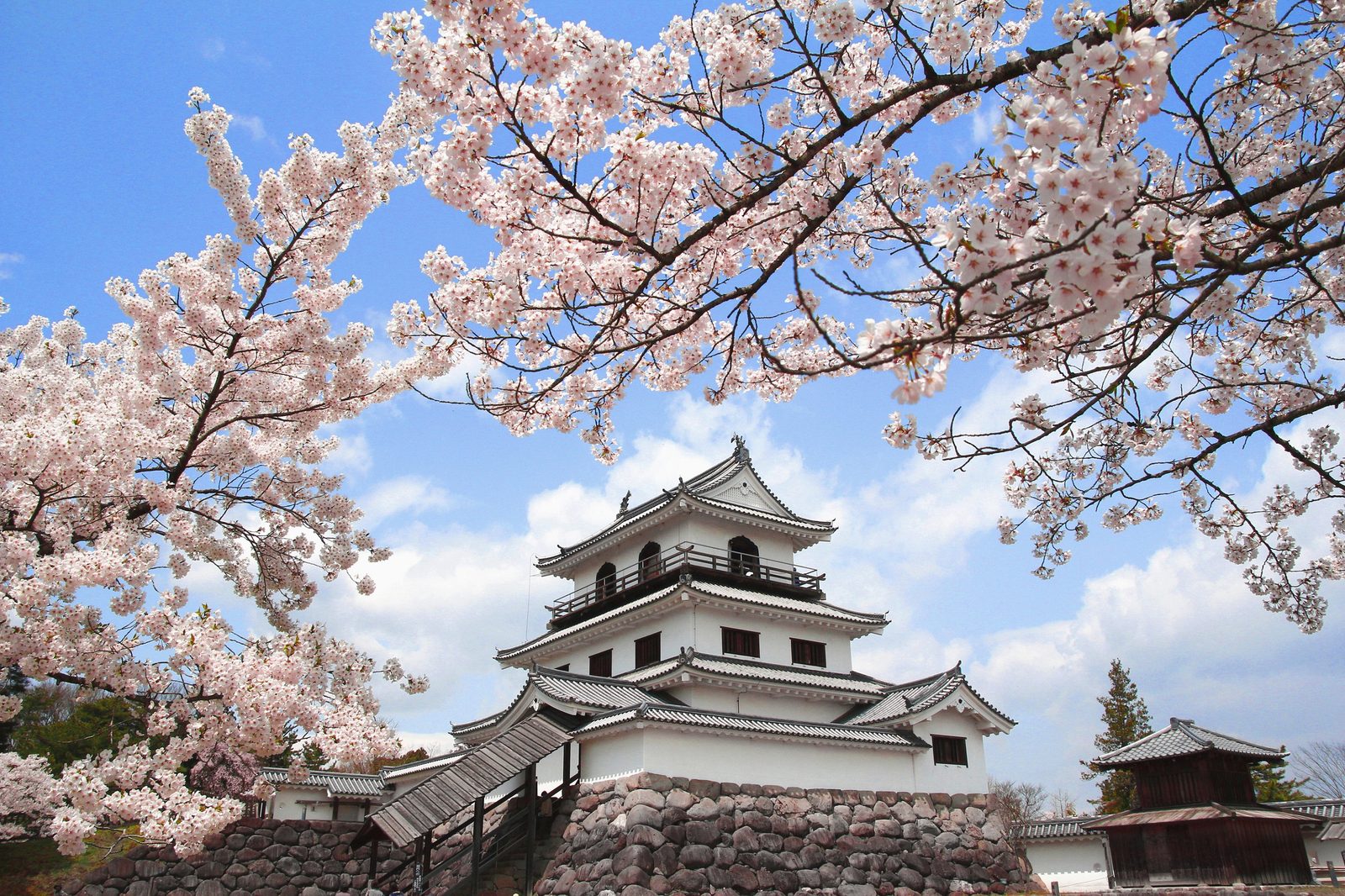
This guide covers the castle, the samurai residence street, umen noodles and the practical details of visiting Shiroishi.
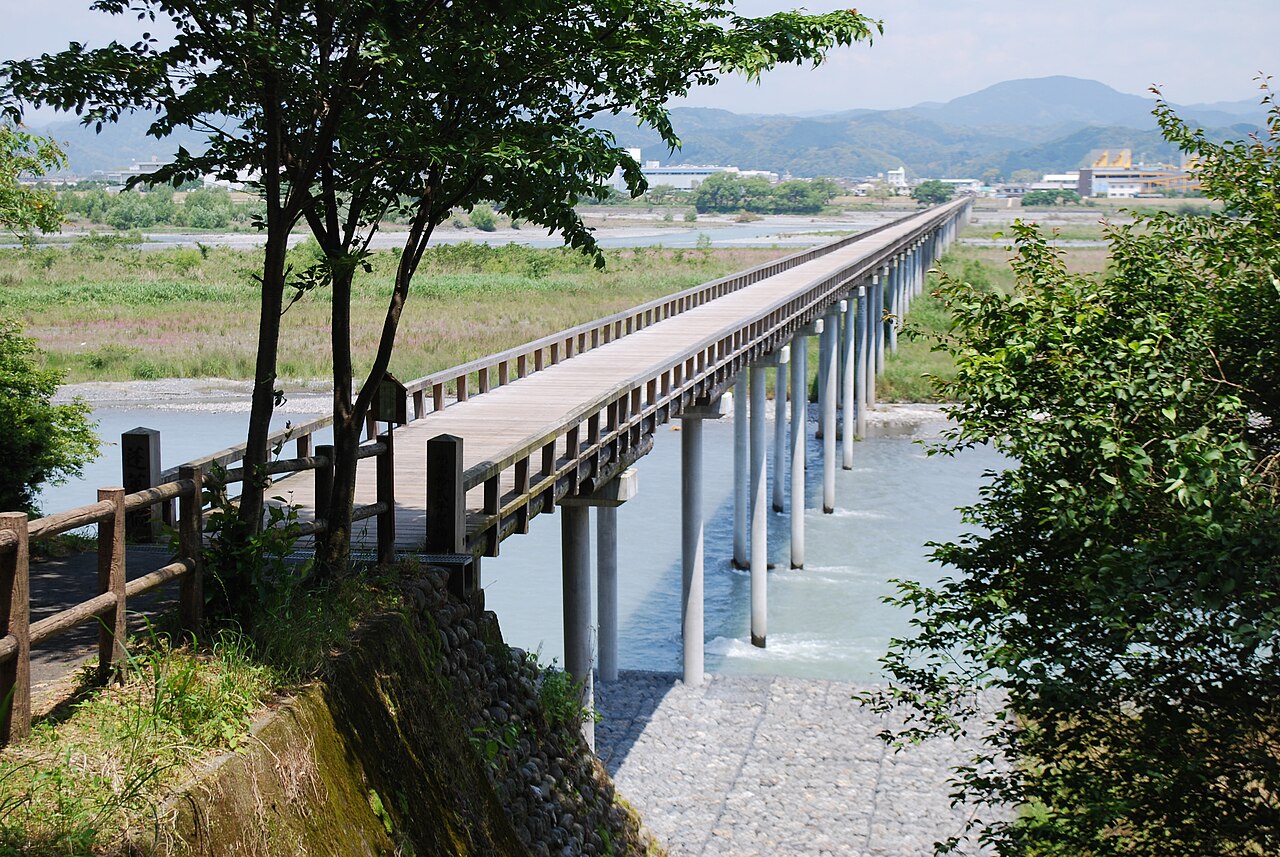
Shimada in Shizuoka pairs a bridge that settlers of the Makinohara plateau funded as an agricultural bridge with a post town where travelers once crossed the…
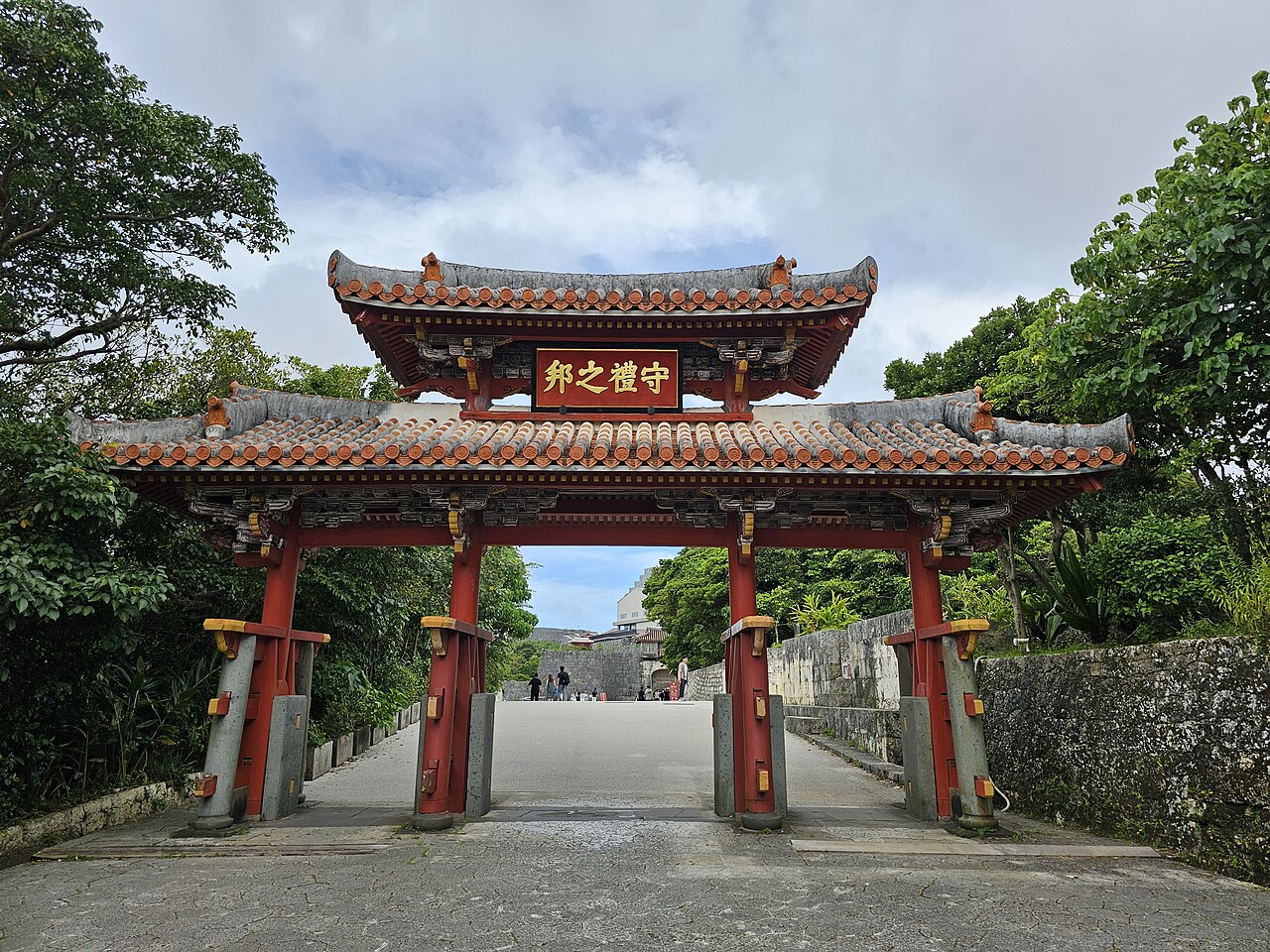
This article covers the monorail ride from Naha Airport to Shuri, the story of Shuri as the royal capital of the Ryukyu Kingdom, the gates and walls of Shuri…
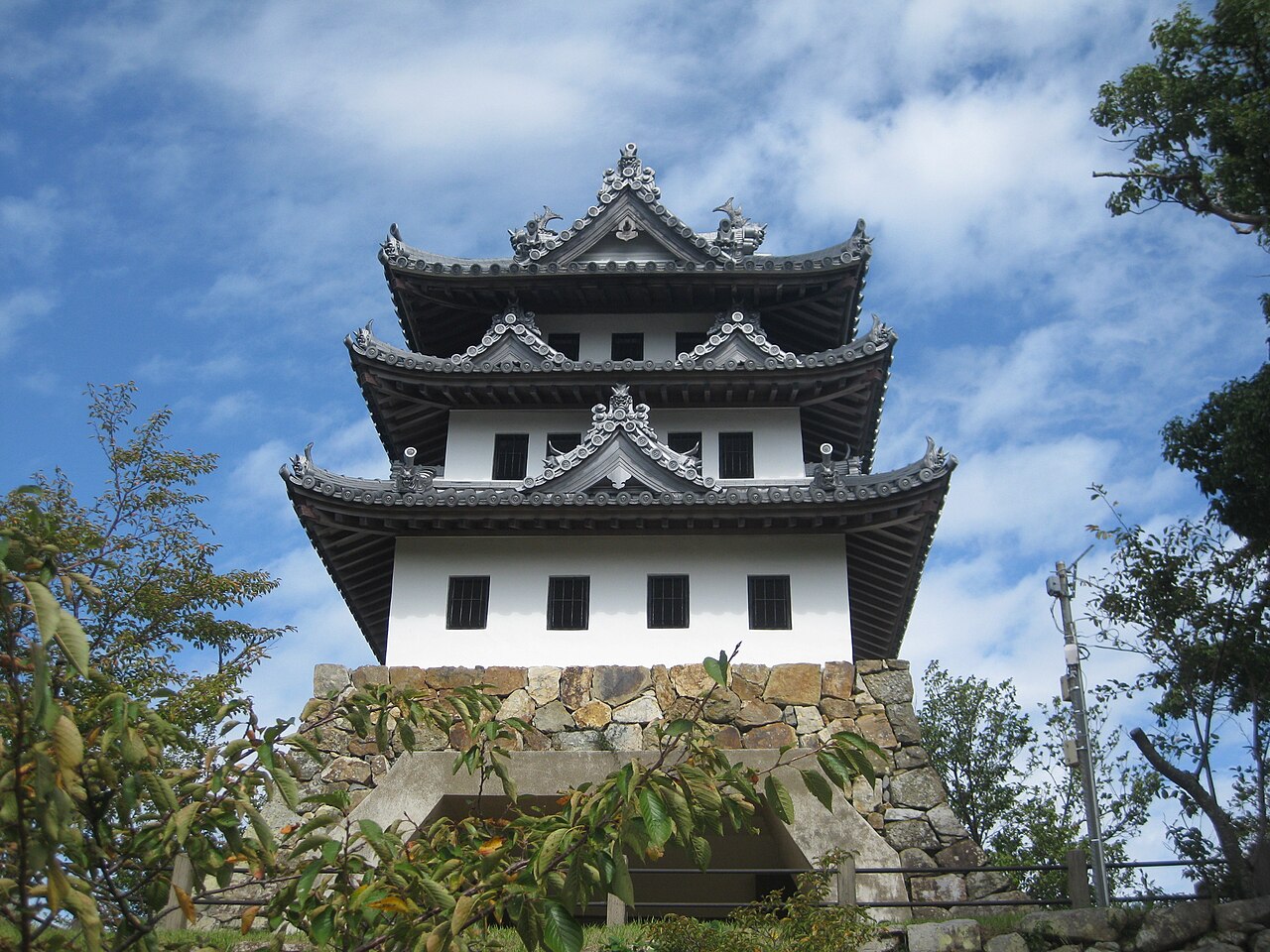
On Mount Mikuma, south of the town, the stone walls of Sumoto Castle still stand.
On the sake brewery walk in Suwa, visitors buy a set and walk from brewery to brewery, drinking each brewery's sake.
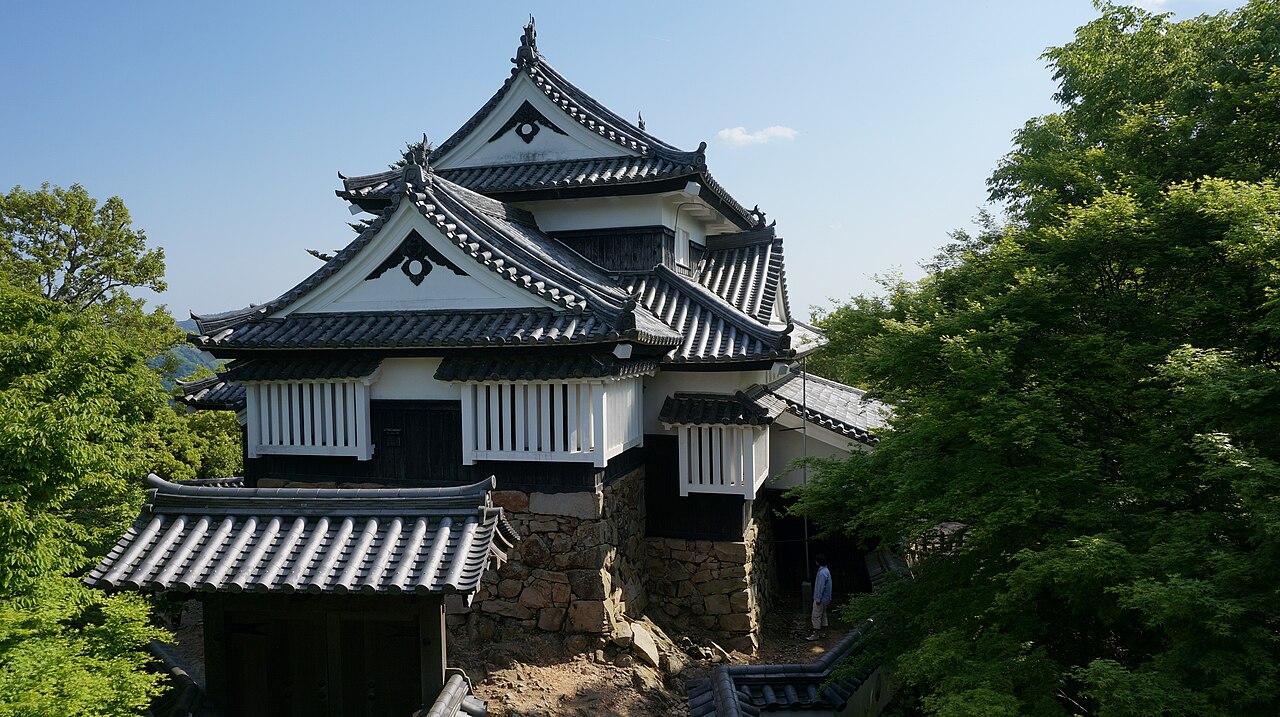
Bitchu Matsuyama Castle stands on a mountain above the town of Takahashi, and a magazine feature describes it as a castle in the sky for the way it sits on a…
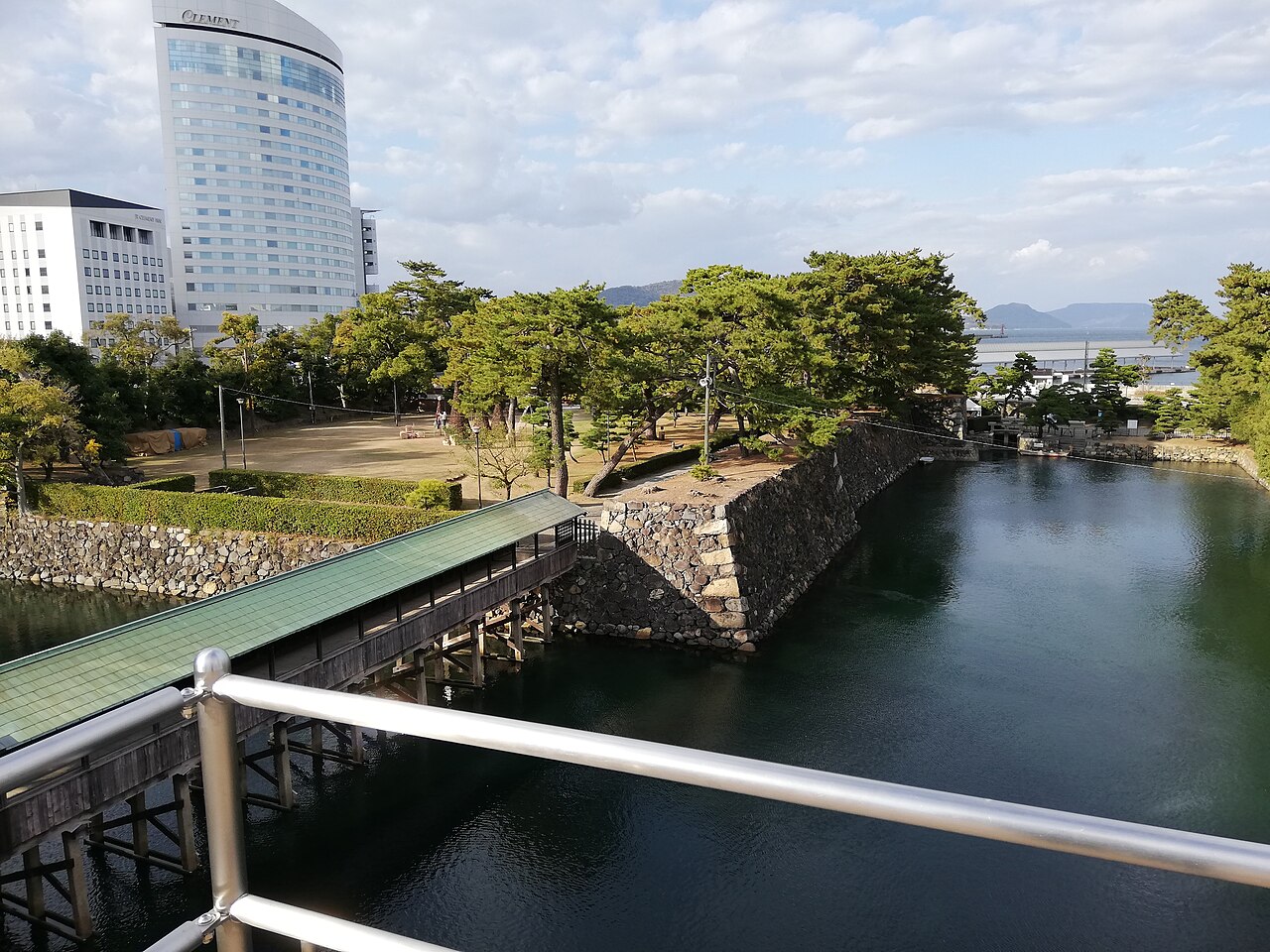
Takamatsu Castle rose as a sea castle, built facing the Seto Inland Sea.
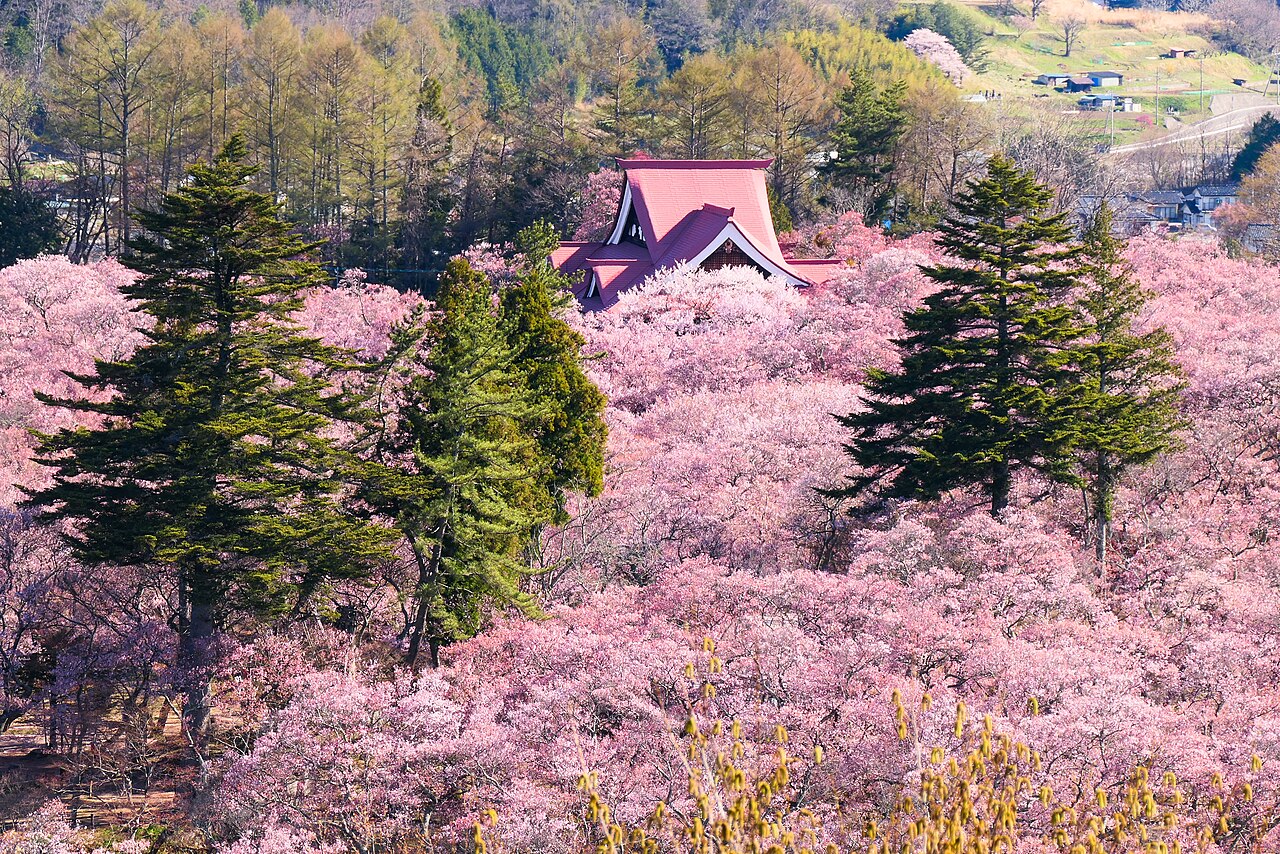
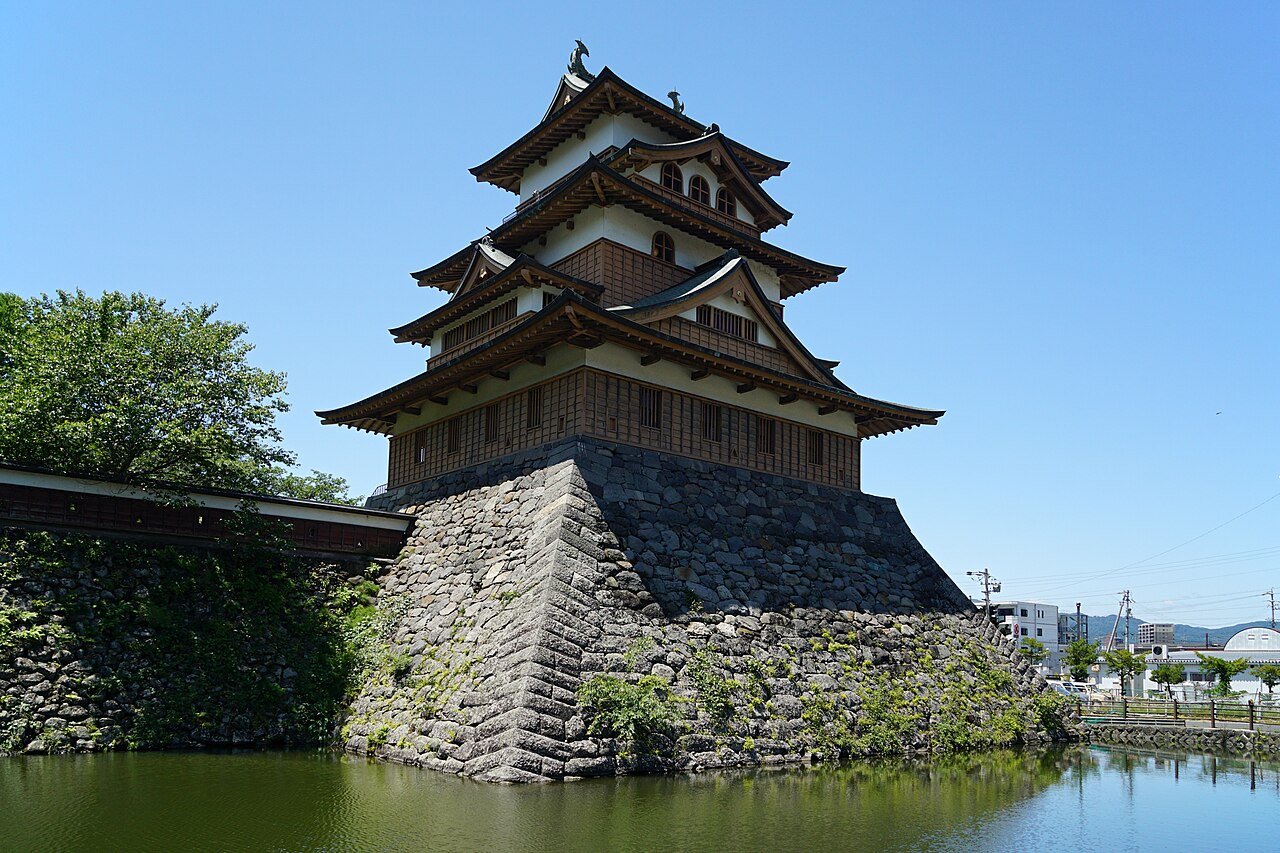
This article covers the ride in from Ina to the old castle town of Takato, the castle ruins park and its cherry trees, the town museum, the Hoshina family…
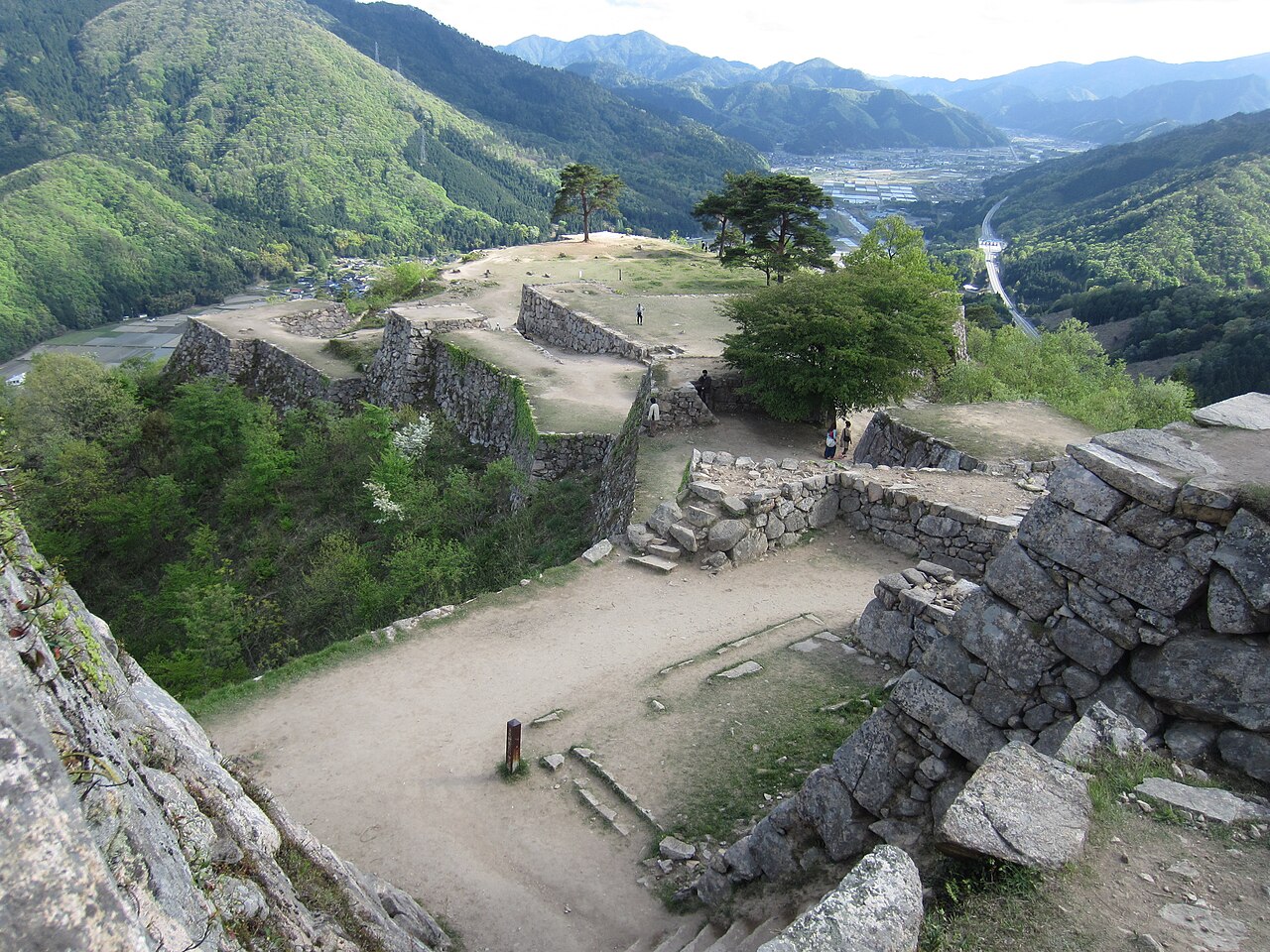
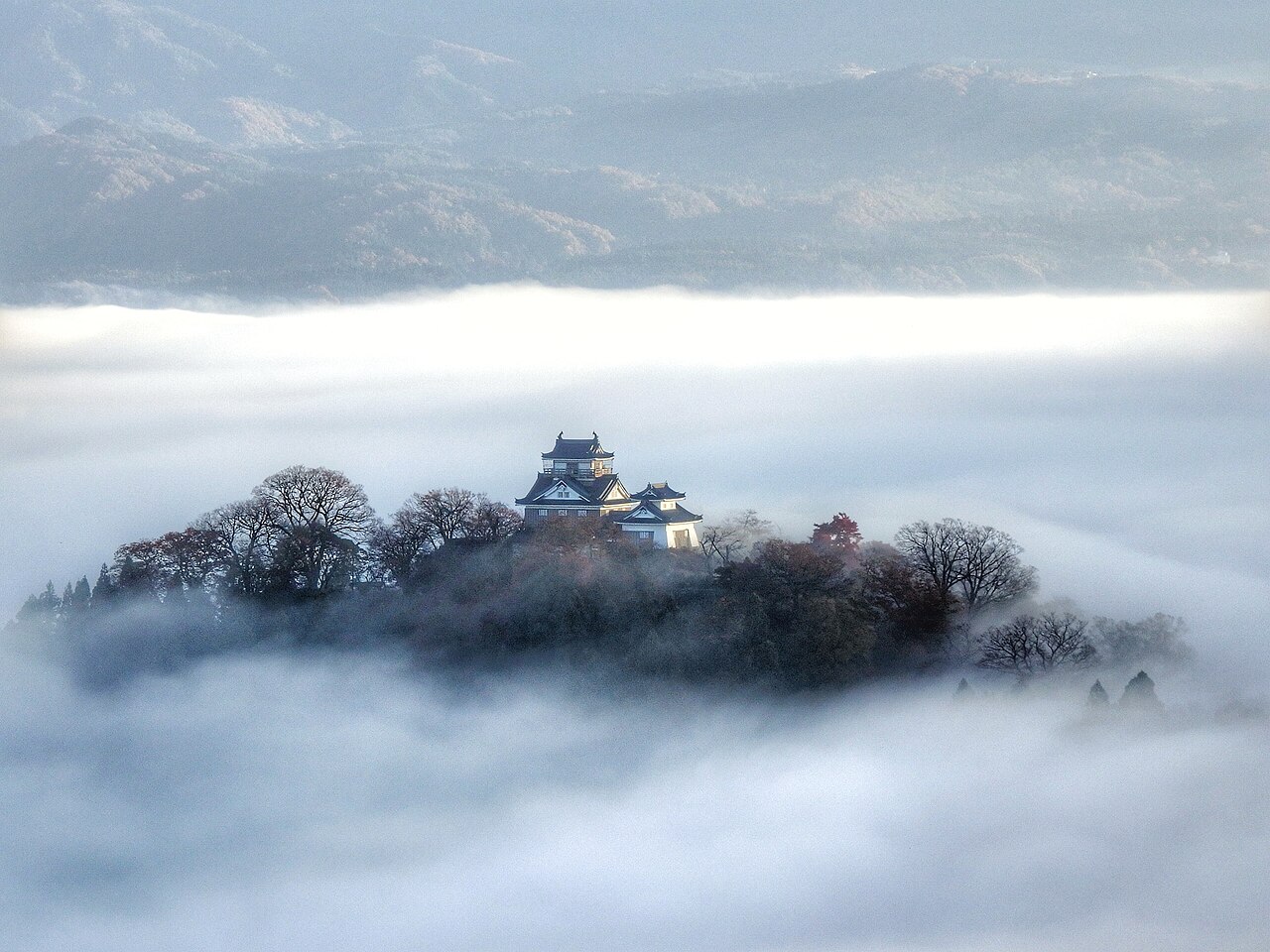
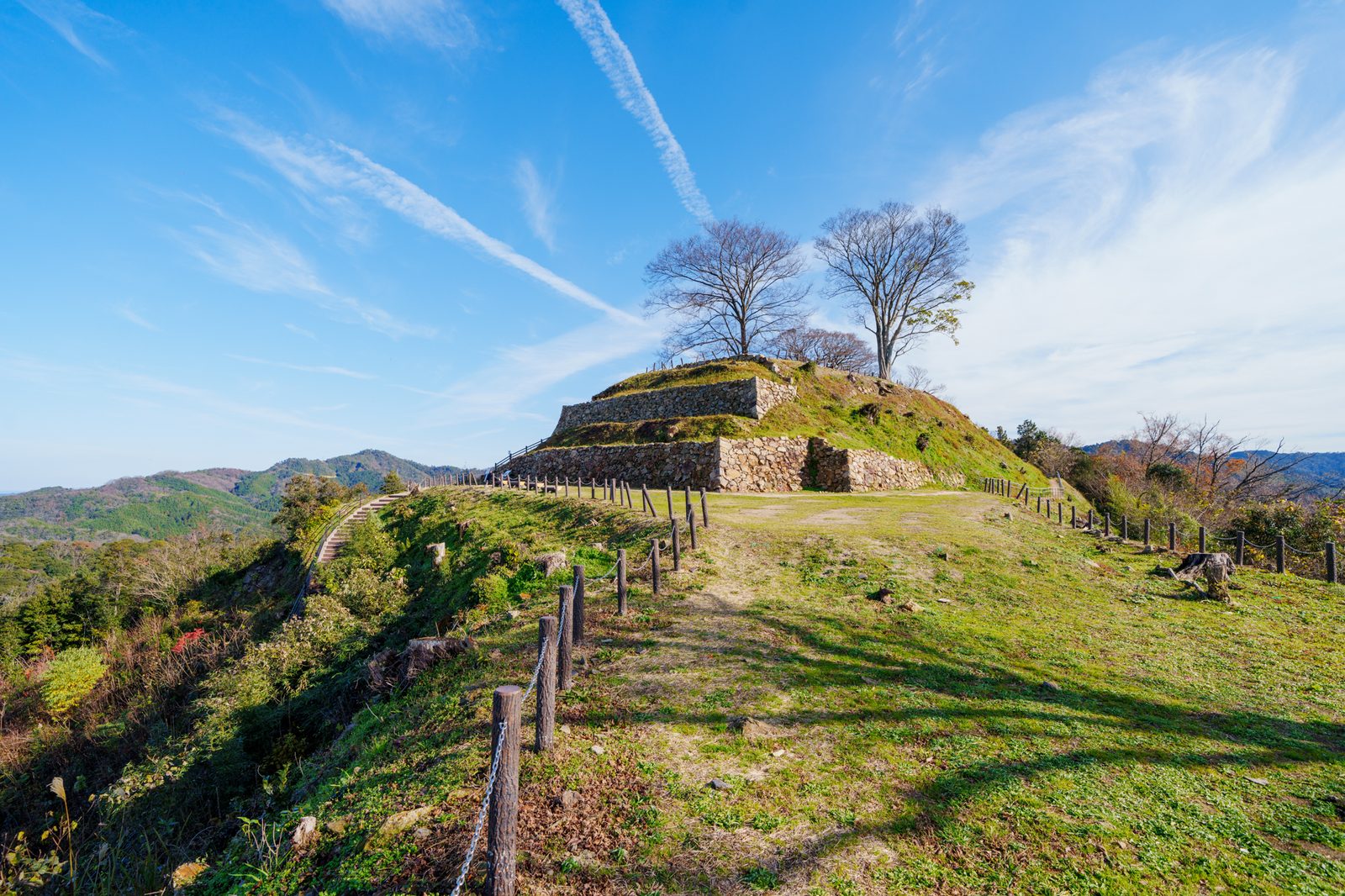
Wrapped in a sea of clouds, Takeda Castle Ruins in Asago, Hyogo, calls to mind a castle floating in the sky, and that view is why it has come to be called the…
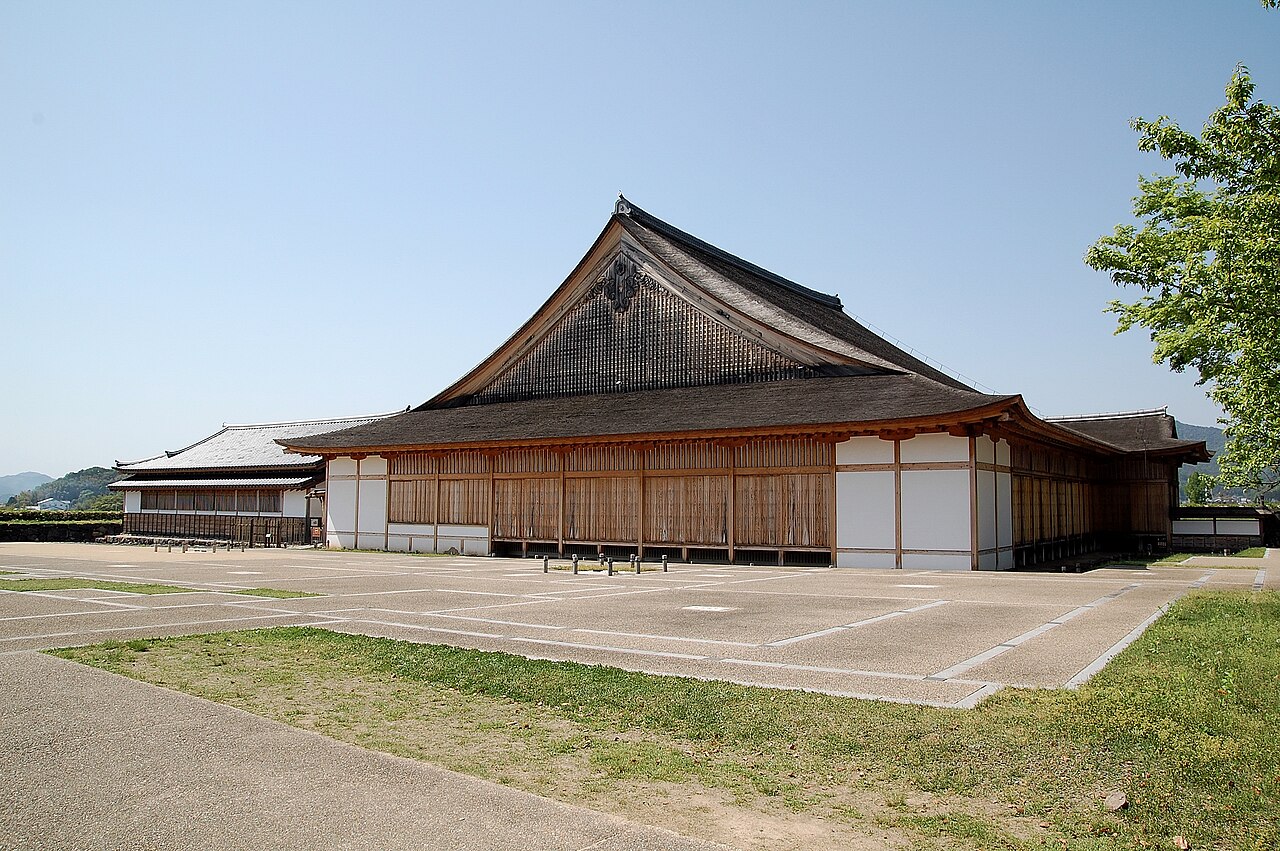
There is a basin in the hills of Hyogo where the biggest crowd of the day may be schoolchildren crossing a castle moat.
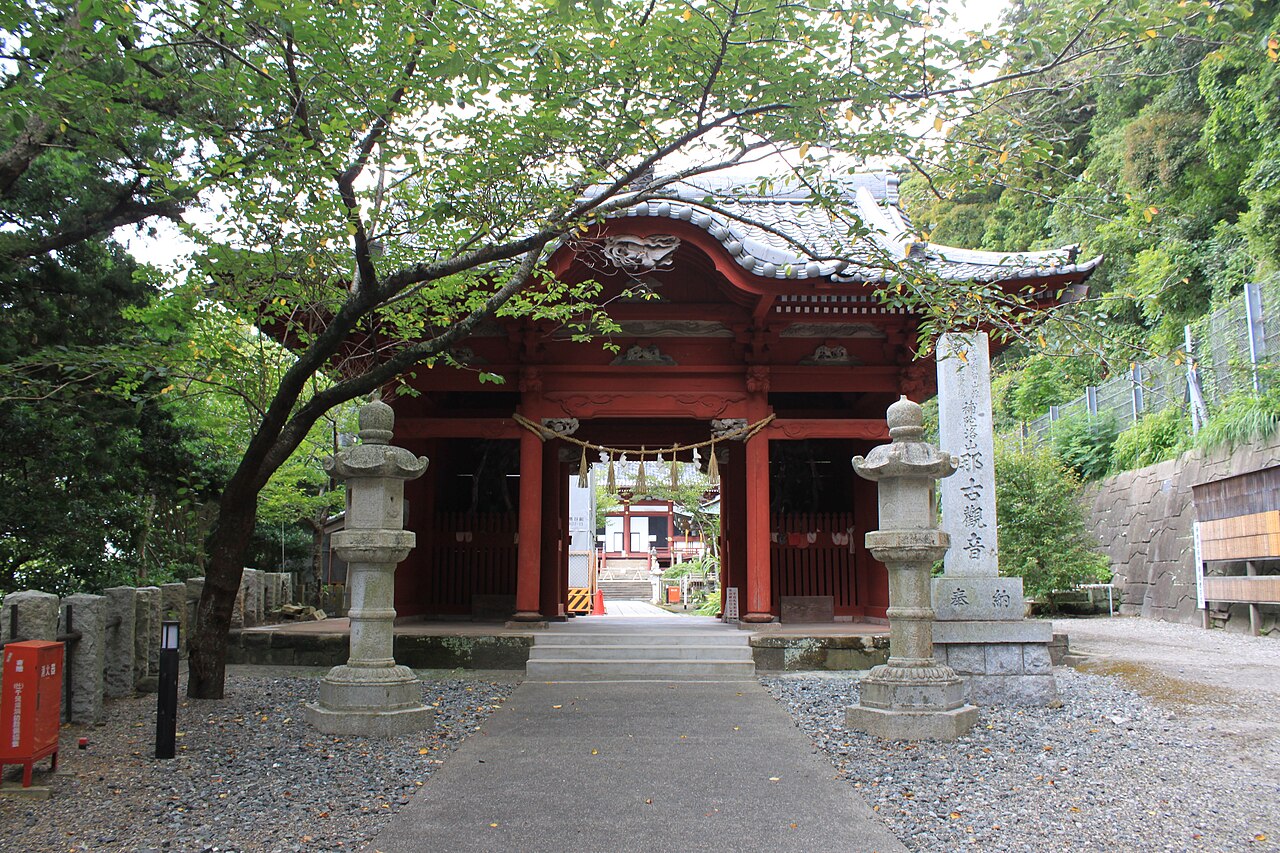
The southern tip of the Boso Peninsula was once a pilgrim's country.
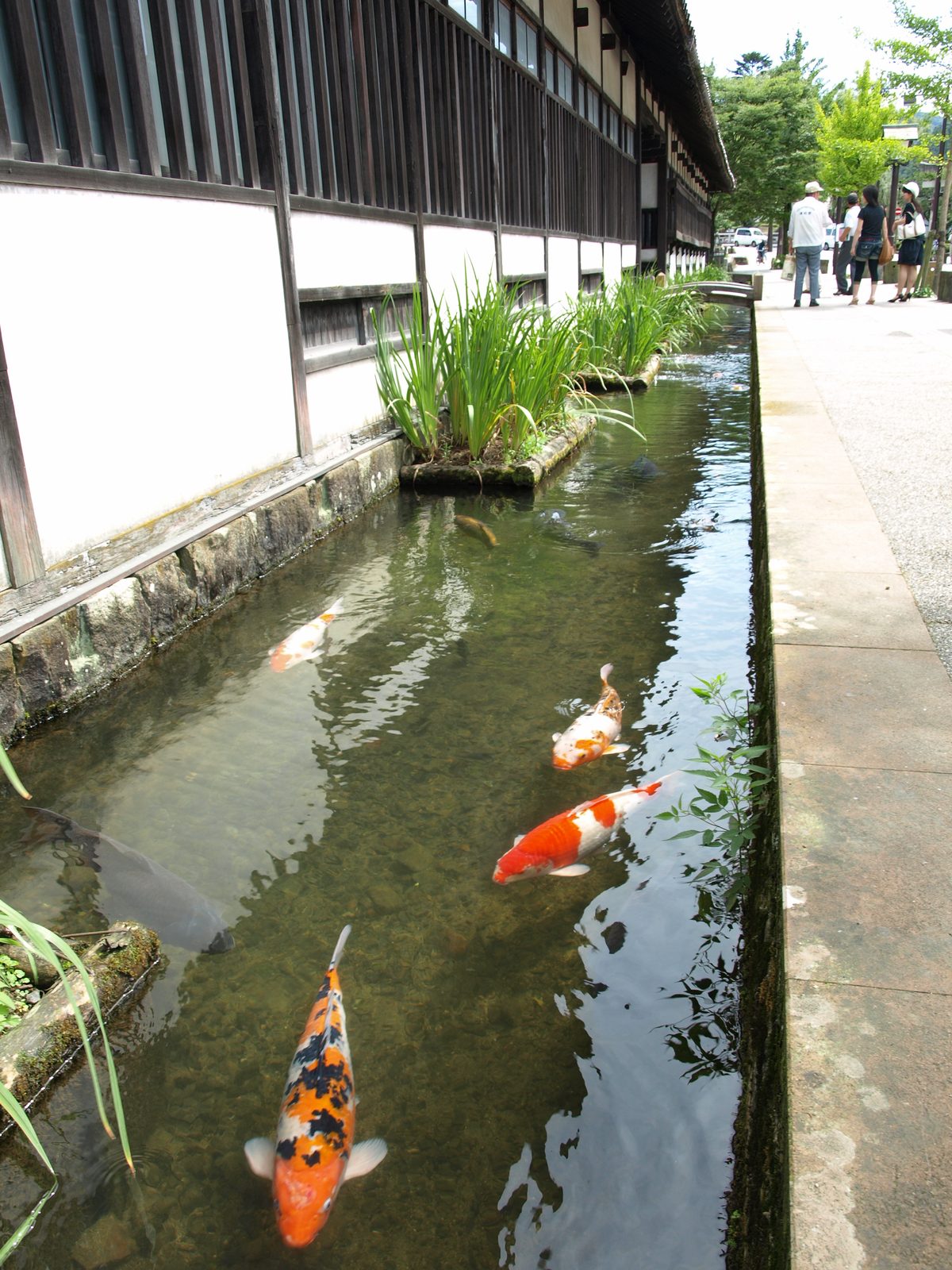
This guide covers one unhurried day in Tsuwano, a castle town in the hills of Shimane: arriving by steam train, getting around, the Tonomachi lane, Taikodani…
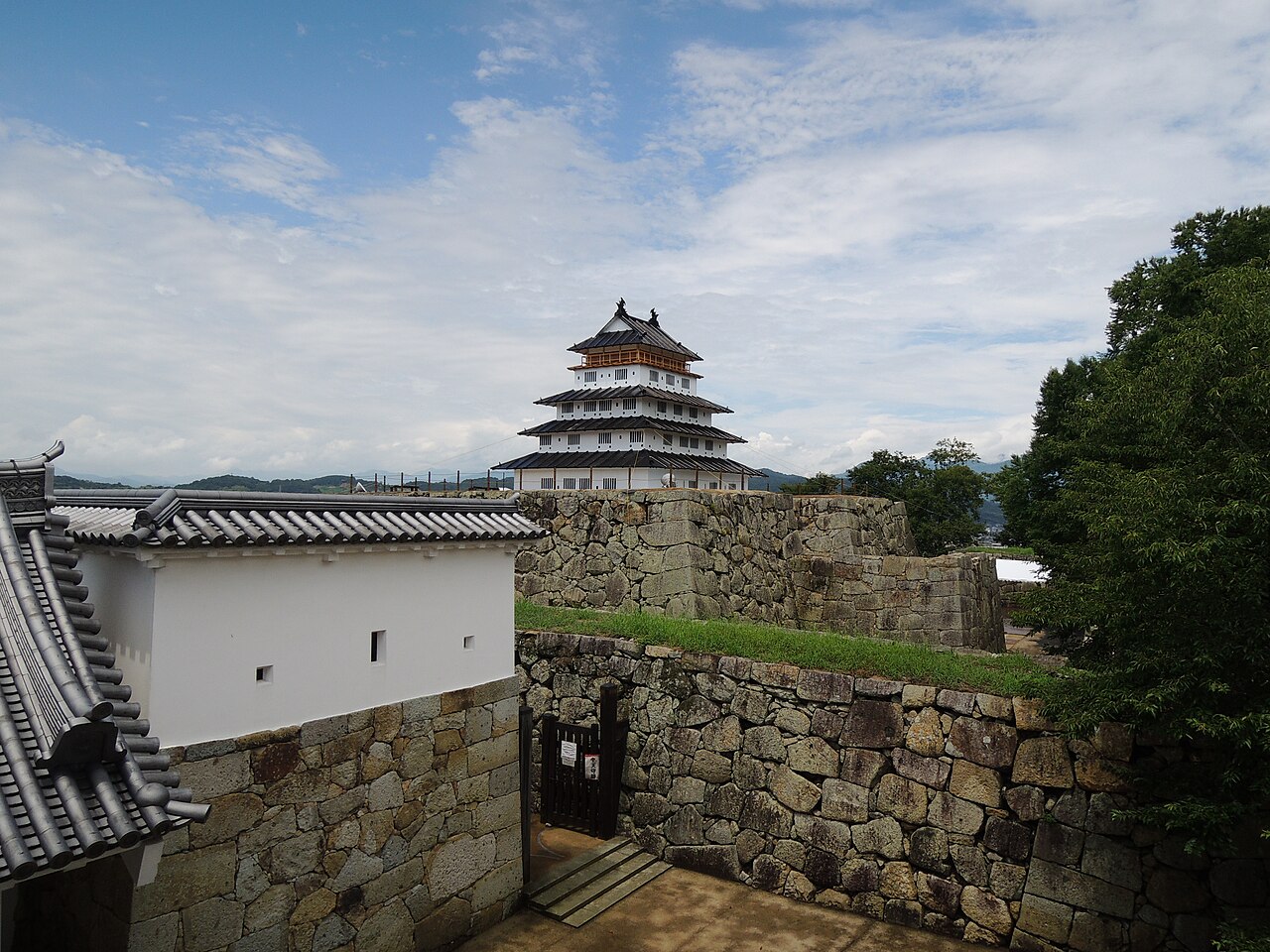
The top of Kakuzan Park is said to be level ground, with a view over the Tsuyama River and the town.
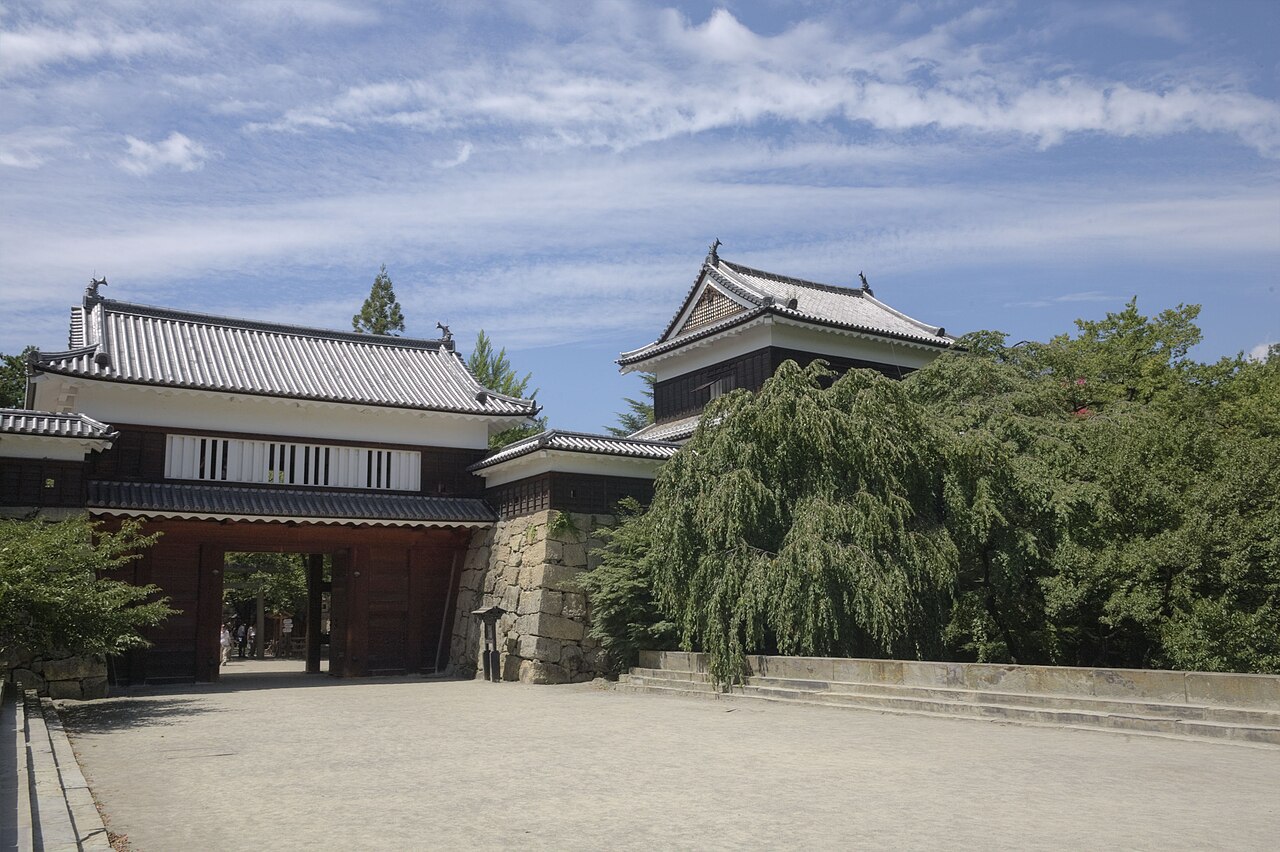
Ueda Castle is a flatland castle built by Sanada Masayuki.
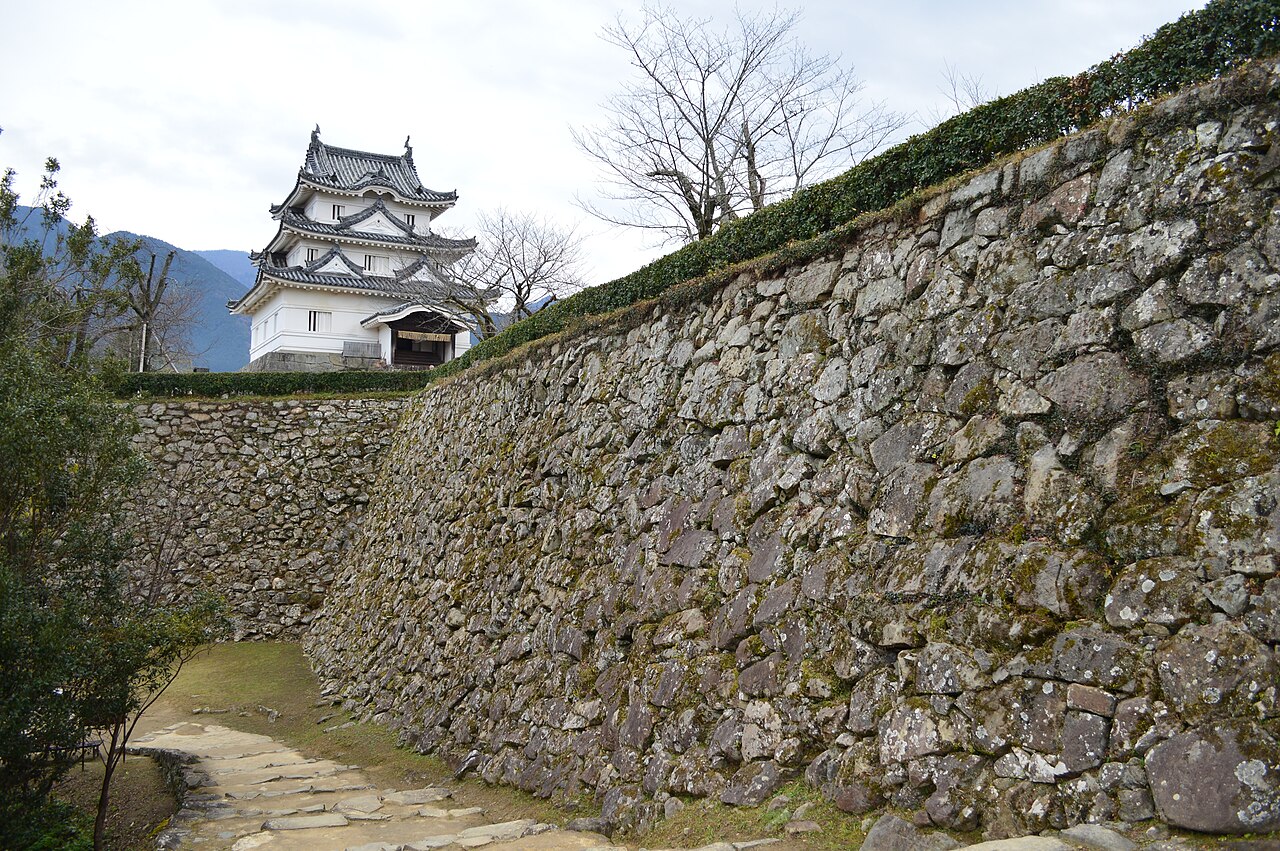
From the tenshu square of Uwajima Castle, visitors can see the castle, the whole of Uwajima city and the Uwa Sea.
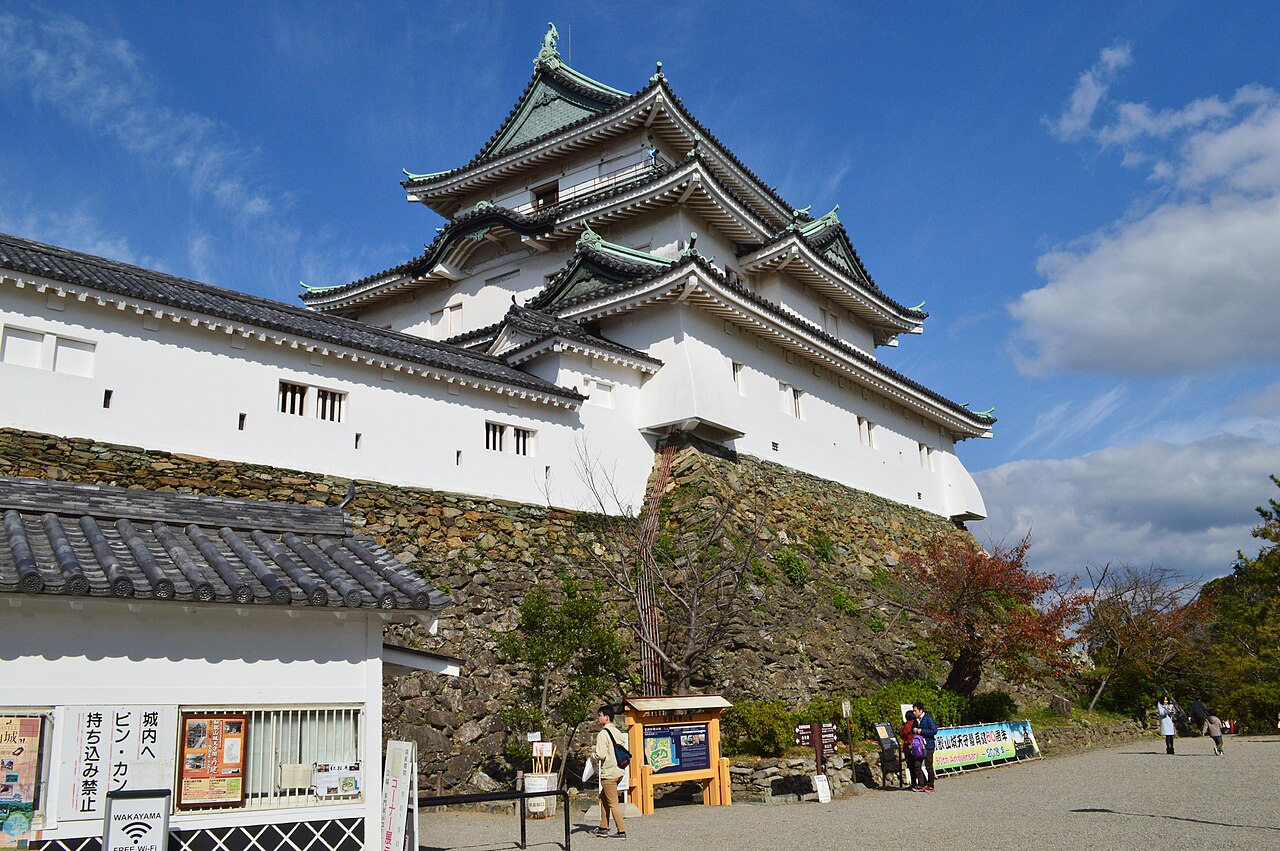
Taking thin tea and a sweet at the tea house Kosho-an follows a stroll through the garden at Wakayama Castle.
The basic policy of the Adachi Museum of Art is the harmony of the Japanese garden and Japanese paintings, and the overall view of its garden changes from…
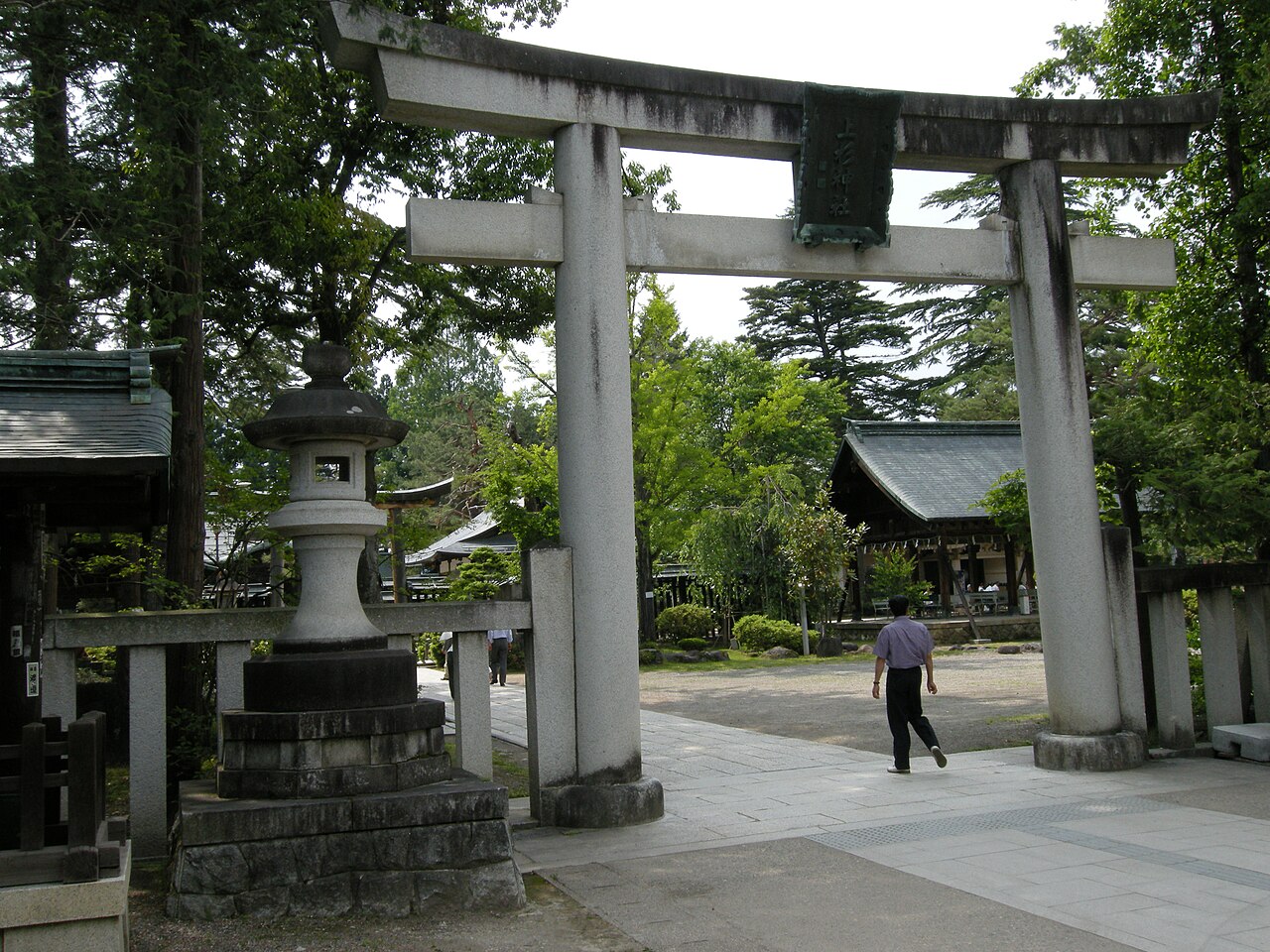
Yonezawa was once part of the Yonezawa domain governed by the Uesugi clan.