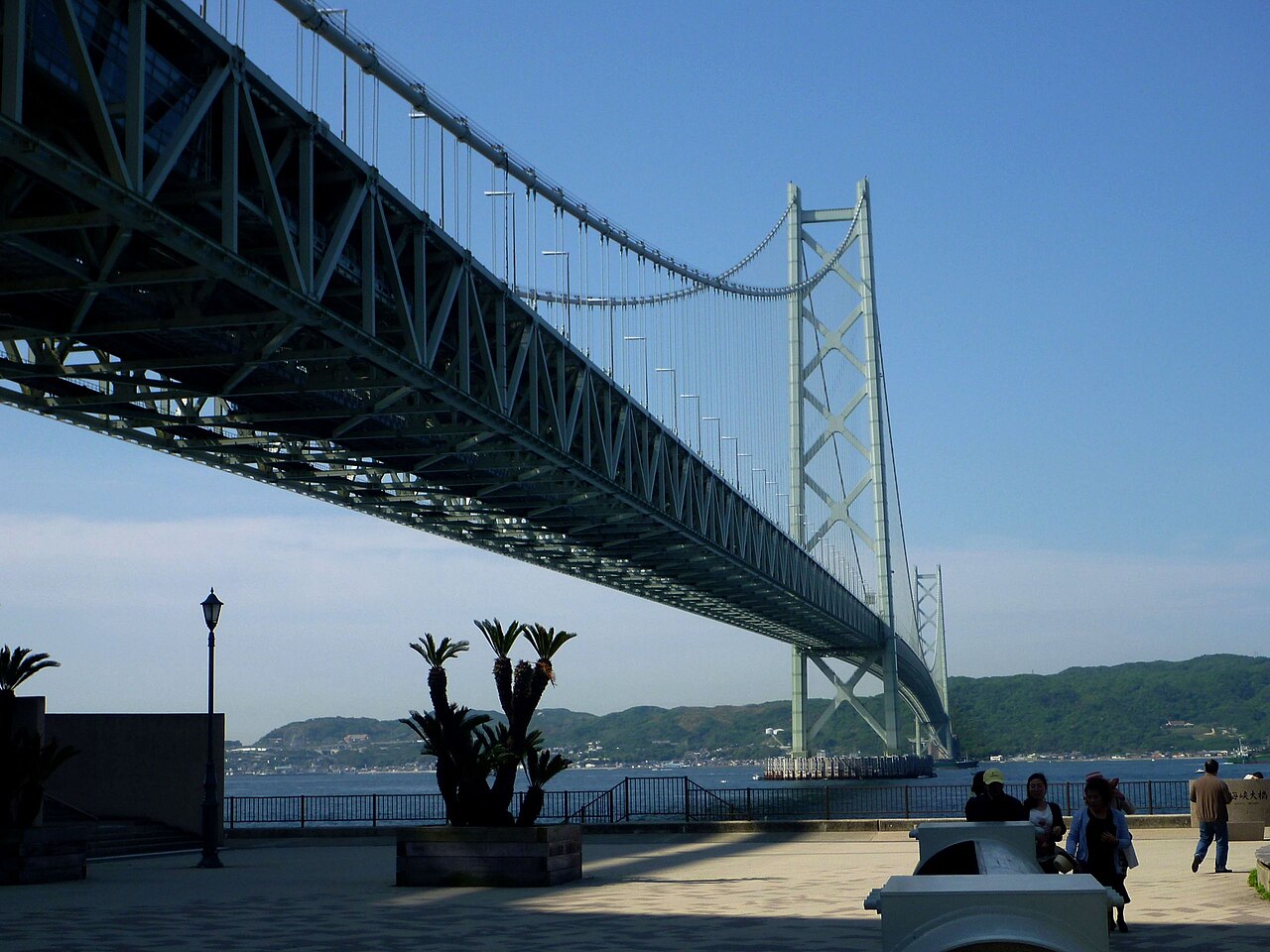
Walking along the promenade built inside the girder of the Akashi Kaikyo Bridge puts visitors out above the sea. Maiko Park keeps a Western-style villa and a Japanese-style house that visitors can look around, and jazz live events are listed in the villa for late January and mid-February. In Akashi, Akashi-yaki is eaten dipped in broth, with octopus inside a fluffy batter. Akashi Park surrounds the castle's surviving turrets, and feed sold at a shop draws gulls to the pond in winter.
Walking Inside the Girder of the Akashi Kaikyo Bridge
The Maiko Marine Promenade, the bridge science museum and the Bridge World tower tour show the Akashi Kaikyo Bridge from inside its girder, through exhibits and from the top of its tower.
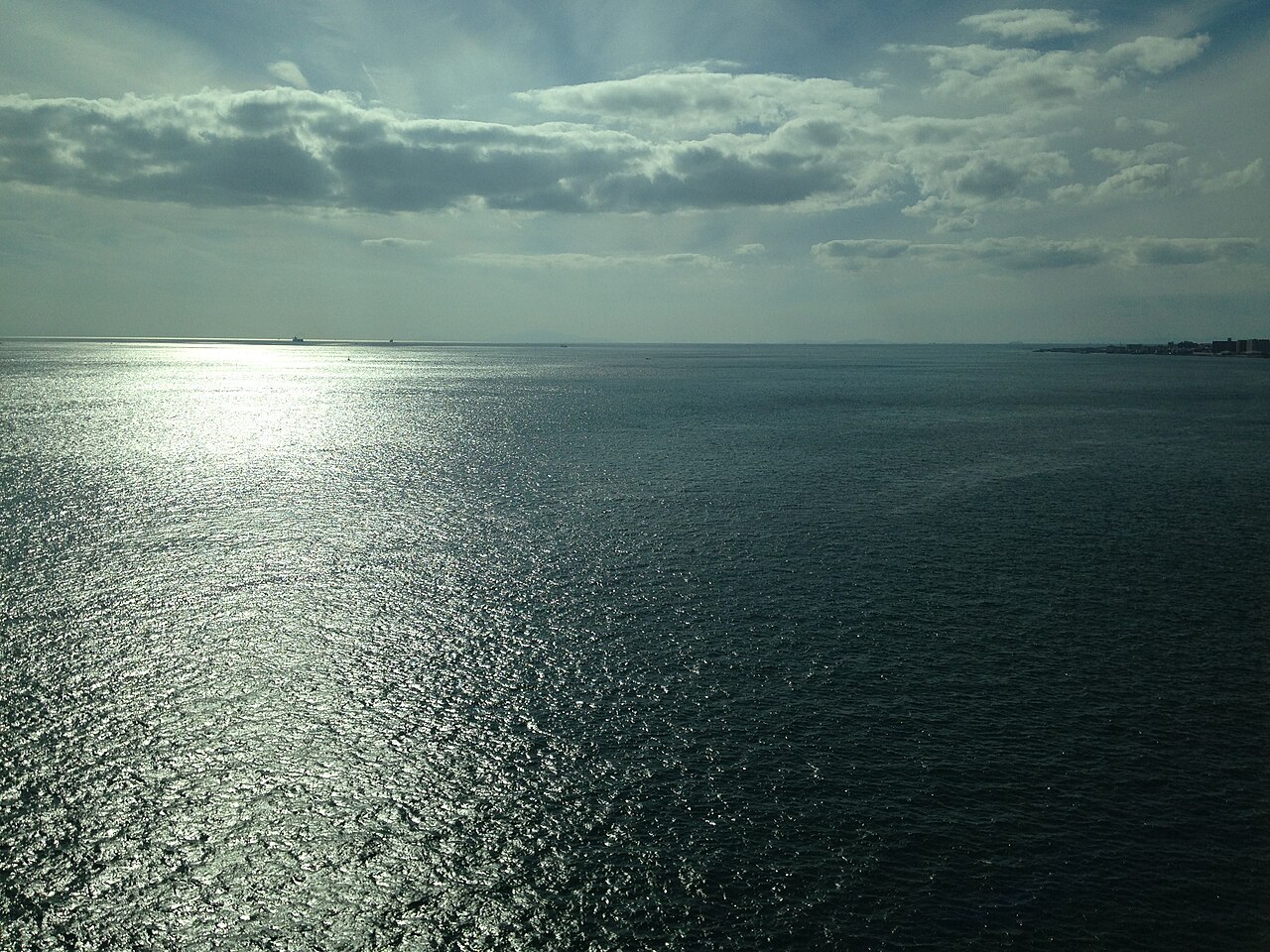
Walking the Maiko Marine Promenade means following a walkway set inside the bridge girder, above the sea. On clear days the view takes in Awaji Island, Osaka Bay and the Seto Inland Sea. The promenade's own page recommends its log bridge to visitors who want a thrill. On the entrance floor, materials and a DVD system explain the bridge, and a viewing camera system in the observation lounge shows the view from the bridge's tower.
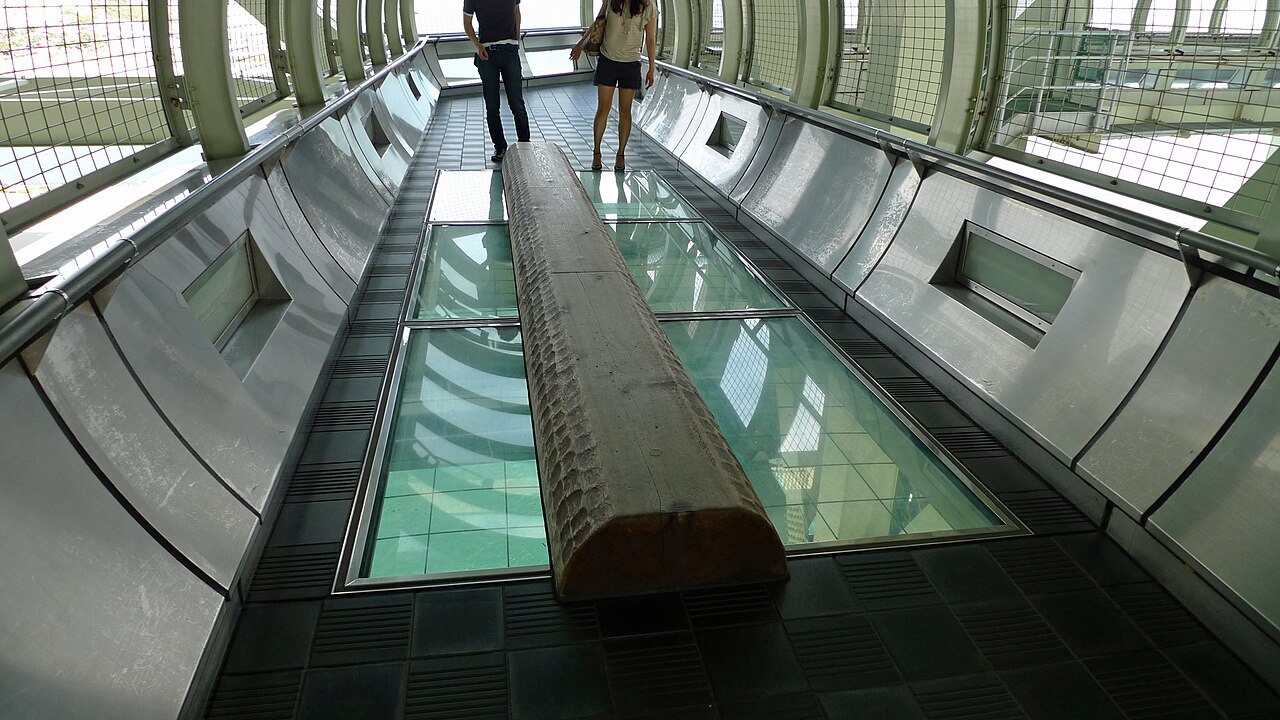
Stepping into the bridge science museum brings visitors under a full-bridge model from the wind tunnel test, displayed in the air inside the building. Construction records of the bridge are screened as stereoscopic video. Visitors who put on a video receiver device see places that are normally not accessible, such as the inside of a bridge, and a VR corner offers a bridge inspection on foot along a cable. The promenade's facility page also lists Tom's Cafe, which serves meals made with Akashi ingredients and original desserts.
Joining the Bridge World tower tour starts at the bridge science museum, the meeting point. Participants go down stairs to a wide maintenance walkway that is normally off limits to visitors, and are advised to walk in the middle rather than at the edge. An elevator then carries the group to the tower top, where a photograph is taken for each group and distant landmarks come into view on clear days. The tour runs on designated days, listed for April to November and again for March.
Visiting the Villas and Memorial Hall of Maiko Park
Maiko Park holds an octagonal memorial hall, the former Muto Sanji house and a sukiya-style house, with jazz live events staged in the Muto house.
Visiting the octagonal memorial hall is a way to begin with exhibits before moving on to the houses. A Kobe trader built the hall as a villa, and it now displays materials related to a Chinese revolutionary. Travelers drawn to that story can give the displays their time here, while the other buildings in the park are about the rooms themselves.
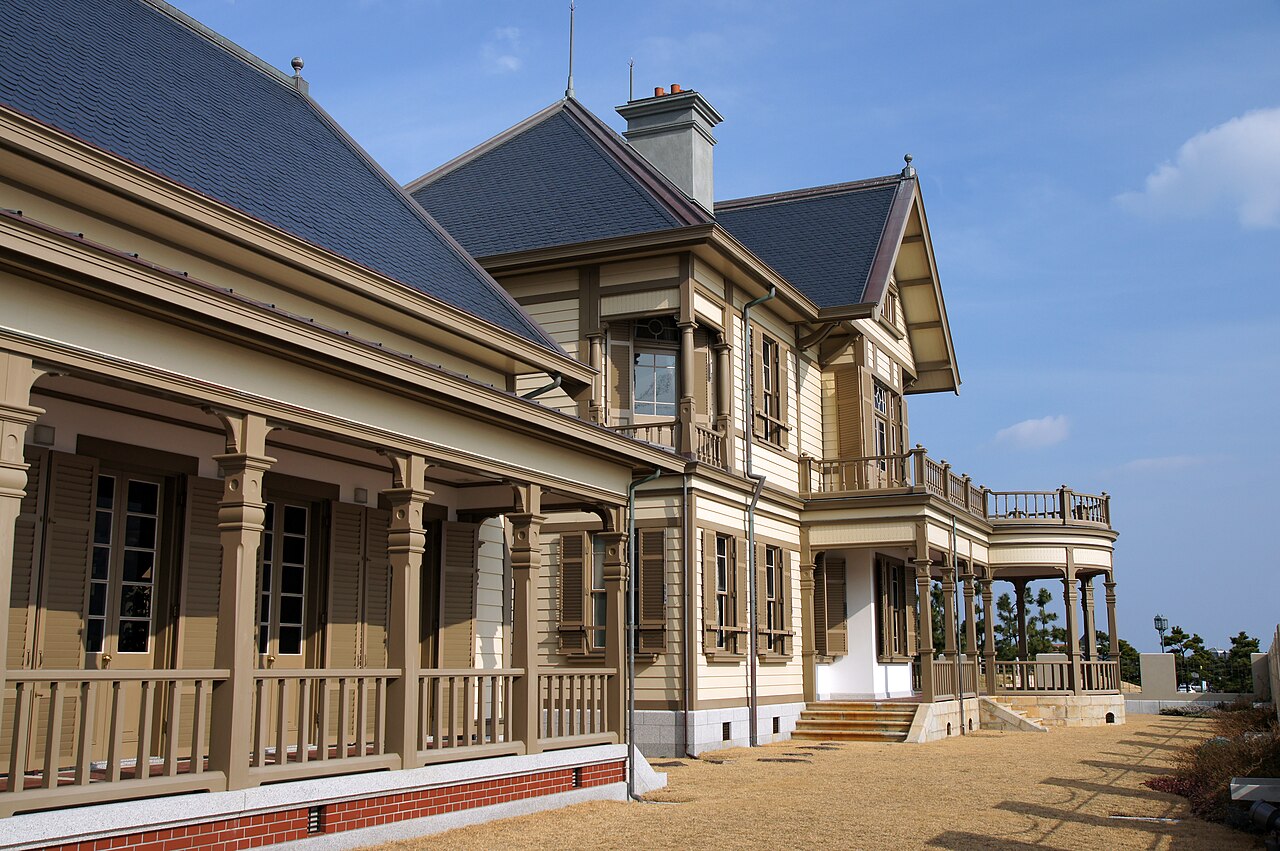
Stepping into the former Muto Sanji house brings visitors into a wooden Western-style house in the colonial style. Jazz live events are listed at the house for late January and mid-February, with vocals, piano, guitar and trumpet among the line-ups. Travelers who want music with the visit can plan around those weekend dates, and the performers change from event to event.
Walking through the sukiya-style house, visitors view the inner garden from the rooms. The storehouse is seen from outside. In December the house lists an origami class and workshops for New Year decorations and flowers, which suit visitors who would rather make something by hand than look.
Eating Akashi-yaki and Seafood at Uonotana Market
Uonotana's arcade, Akashi-yaki dipped in broth and pudding-like tamagoyaki make up the food side of a day in Akashi.
Browsing Uonotana means walking a covered arcade lined with shops that deal mainly in Akashi seafood, fish paste products and dried marine products. The name comes from fish merchants who lined large boards along their eaves and ran water over the fish to keep them fresh. At the East Gate a sign shows a sea bream leaping from the sea, a red torii gate stands under the dome-shaped roof of the Benten-dori arcade, and a shrine lies down the passage.
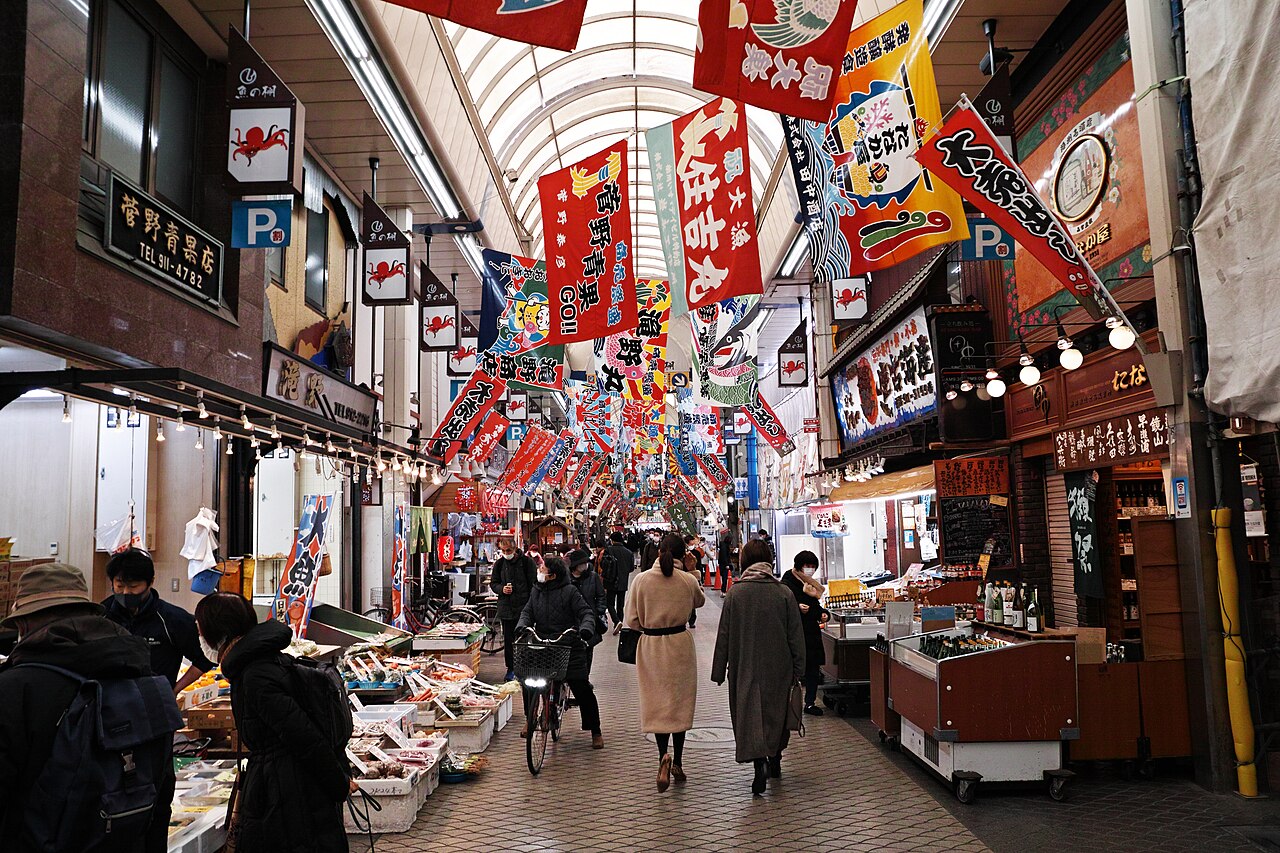
Tasting Akashi-yaki follows a standard routine: the pieces are dipped in broth before eating. Octopus with a chewy texture sits inside a fluffy batter, and Akashi octopus is characterized by thick, short legs. An Akashi-yaki restaurant in the middle of the arcade prepares its batter, dashi stock and octopus with particular care, and gives the same attention to the oil and the condiments.
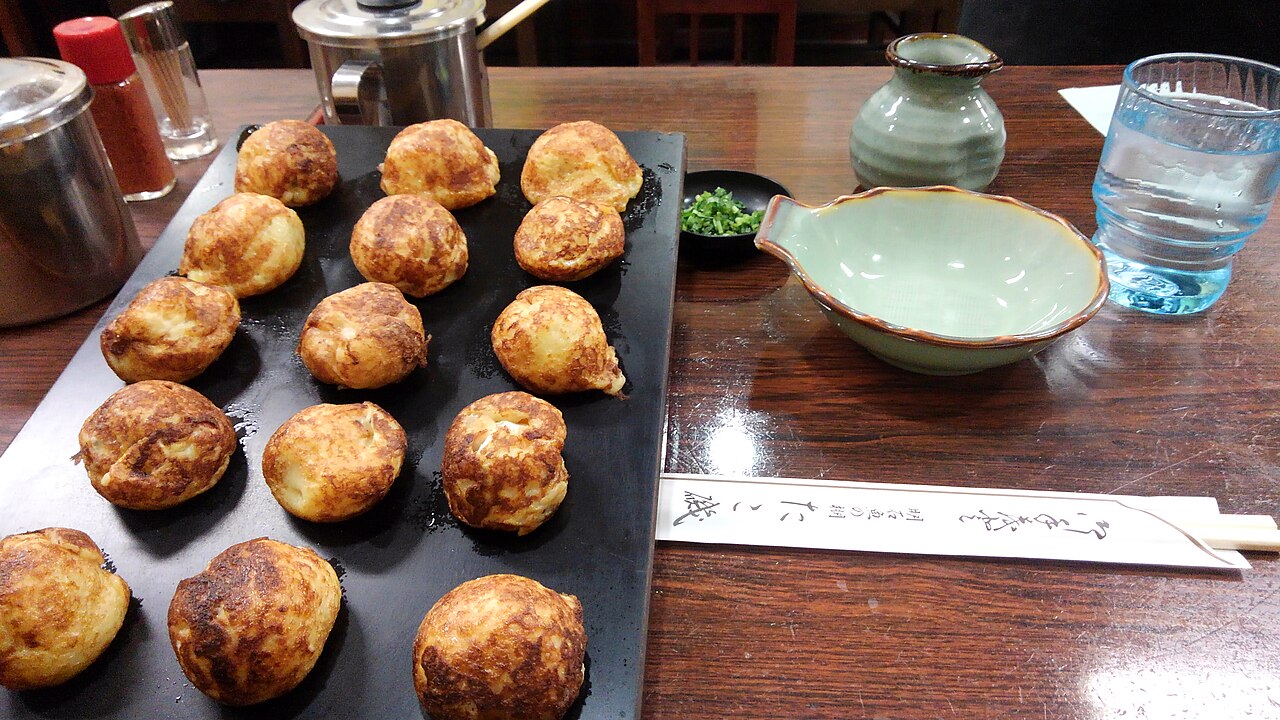
Trying tamagoyaki is another route into Akashi's egg cooking. A tamagoyaki shop listed by the city's tourism guide offers a range of types, soft and runny like pudding, and customers who answer a kanji quiz correctly receive a discount. Anago, or conger eel, is the seafood to look for after that, thick-fleshed and fatty. With limited time, start with Akashi-yaki in the middle of the arcade, since it brings the octopus and the broth together.
Strolling Akashi Castle and the Park Around It
Akashi Park combines the castle turrets, a pond with rowing boats and kissaten sweets.
Walking to the castle's main enclosure site brings visitors to the southeast and southwest turrets, both designated Important Cultural Properties. The southeast turret is a corner turret at the end of that enclosure, and the names of both indicate their directions from it. In autumn the southwest turret has a special opening on Saturdays, Sundays and public holidays.
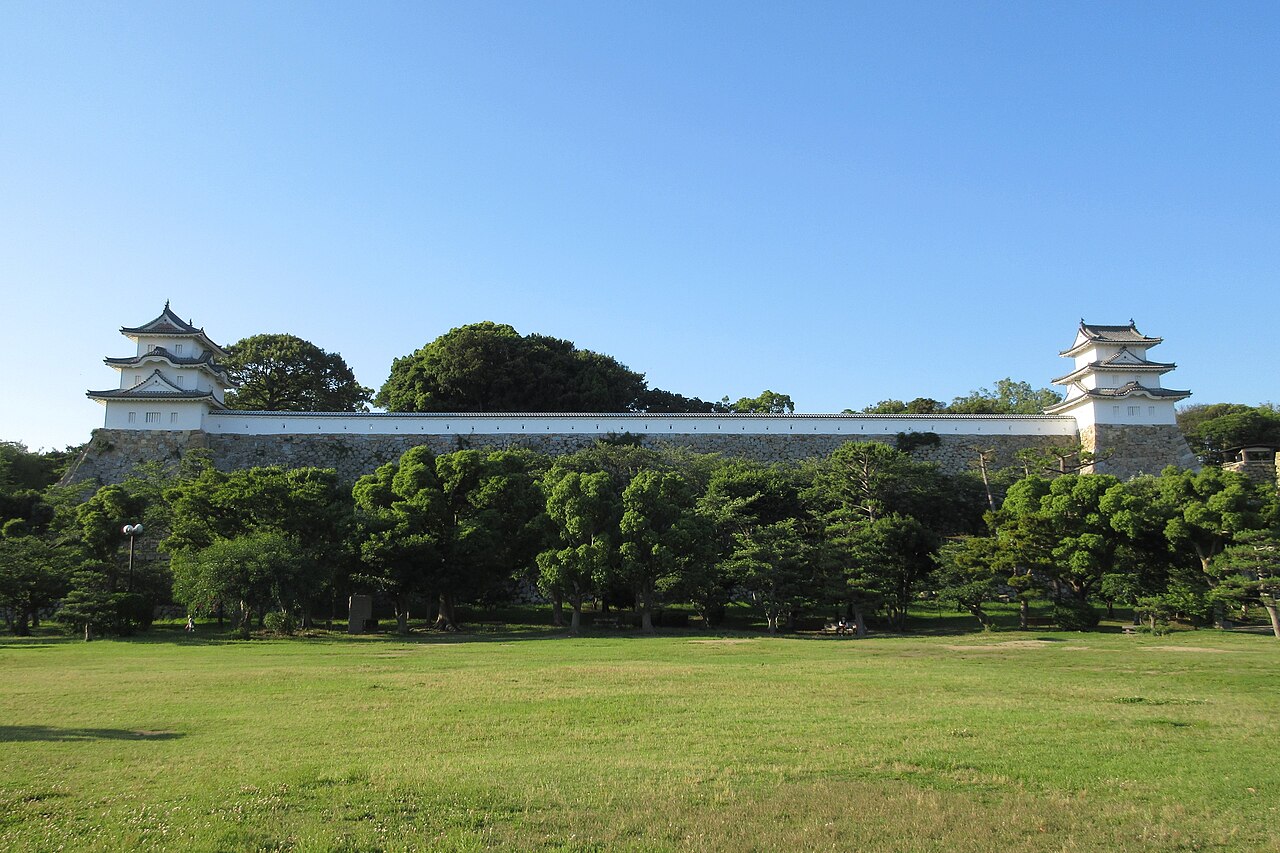
Strolling the park leads to a recreated daimyo garden, said to have been built by a swordsman. From the terrace of the takeout shop TTT, next to the service center just inside the front entrance, both turrets and the garden are in view. The shop's spacious interior looks onto the same garden and turrets, so the outlook holds whether visitors choose the terrace or a seat indoors.
Choosing a boat at the landing comes down to a hand-rowed boat or a foot-pedalled swan boat, with a tent and benches at the edge of the pond for resting. In winter, throwing feed sold at the shop draws white black-headed gulls flying in. At a kissaten near the pond, soft serve ice cream and shaved ice are sold as takeout, and curry rice, pasta, stew and cake sets are served inside. For an overnight visit, see places to stay in Akashi.
Getting to Maiko and Akashi
New to rural buses and one-man trains? See how to ride them, step by step.
Details below follow the operators' own guides. Dates for the tower tour and the turret opening change through the year, so check them before setting out.
| Item | Details |
|---|---|
| Bridge science museum | nine fifteen to five, last entry four thirty; closed Mondays and from December twenty-ninth to January third |
| Museum and promenade fees | museum adult five hundred yen; promenade adult two hundred fifty yen weekdays, three hundred yen weekends and holidays |
| Maiko Park houses | Muto Sanji house and Japanese-style house one hundred yen each; memorial hall three hundred yen; three-house ticket three hundred forty yen |
| Bridge World tower tour | held on set days in April to November and in March; reservation with advance card payment; walking two kilometers and stairs required |
| To the museum | about five minutes on foot from Maiko Station; about seven minutes from Maiko Park Station on the Sanyo Electric Railway |
| To Akashi Station | rapid train about forty minutes from Osaka and about fifteen from Sannomiya; about three minutes from Nishi-Akashi |
| Southwest turret | special autumn opening on Saturdays, Sundays and public holidays; see the park's page for dates |
For a trip on Awaji Island, see the Fukura on Awaji Island guide.
Thinking of staying overnight?
Compare places to stay near Akashi, Hyogo, Japan →
Disclosure: This post may contain affiliate links. If you book through them, we may earn a commission at no extra cost to you.