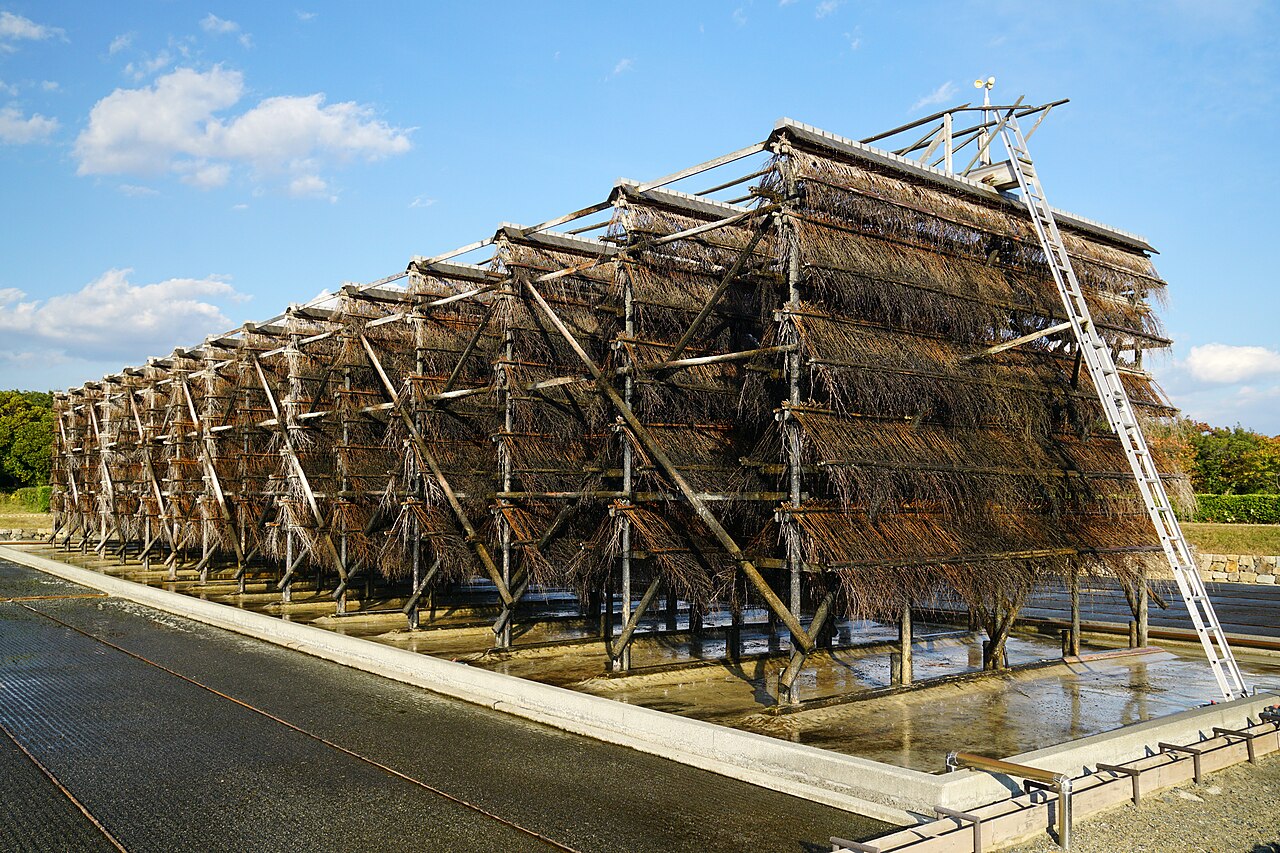
Ako, on the Seto Inland Sea in Hyogo, lets visitors boil seawater down into salt with their own hands at the Marine Science Museum. The workshop boils kansui, seawater concentrated on a ryuka-shiki salt field, to make salt, and the restored salt fields show the traditional method itself. Around it, the town adds a castle site, memorials to the Gishi, an old trading port at Sakoshi and a coast path at Misaki.
Boiling Your Own Salt at the Marine Science Museum
Salt making is part of the museum admission, and the workshop building takes about forty people at a time. The hands-on part is short, about twenty to twenty-five minutes of boiling the kansui down until it turns into salt. Groups are asked to contact the museum before they visit.
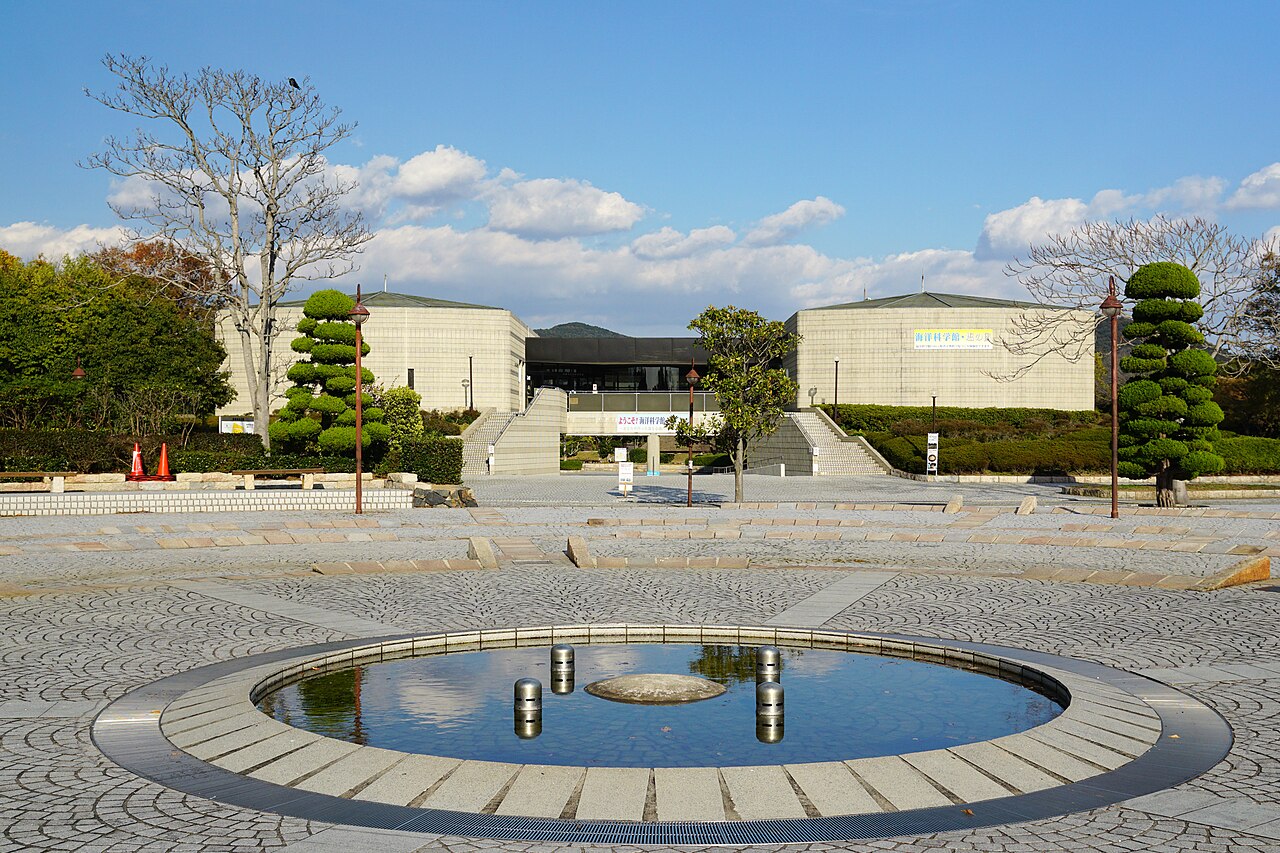
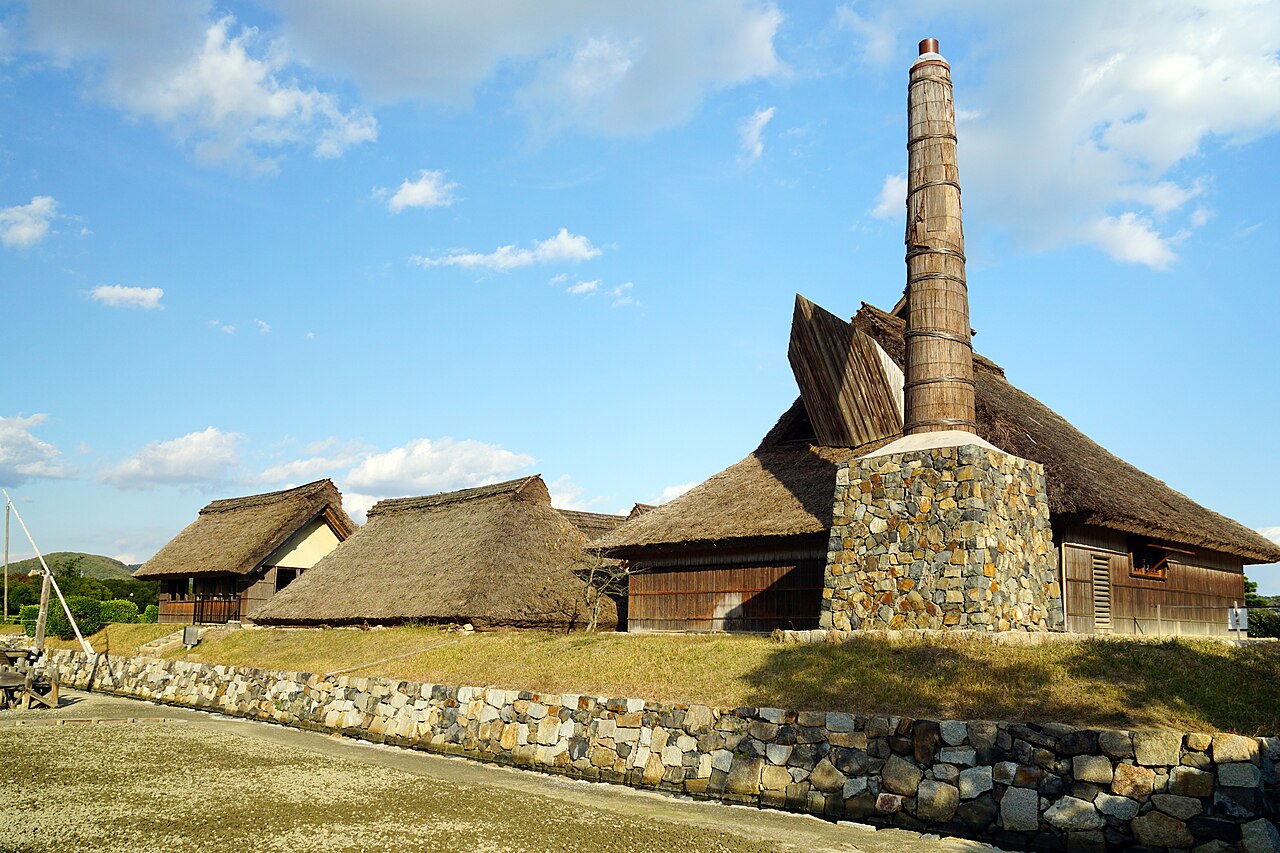
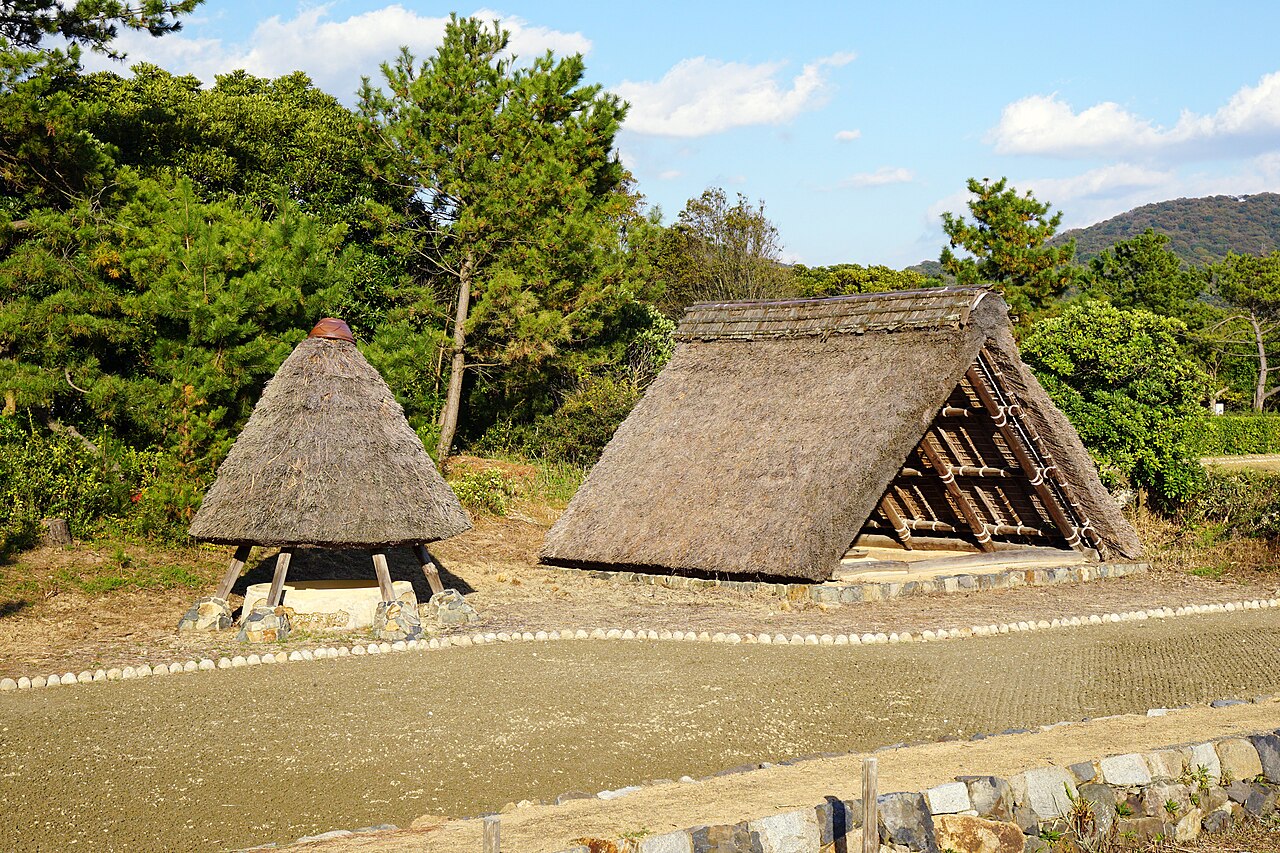
Inside, the exhibits run through four themes that begin with the sea and end in a salt gallery, which gives the short workshop its context. Outside, the restored salt fields show the traditional method, and the ryuka-shiki field is where seawater is concentrated into the kansui that the workshop boils, so it is worth walking the fields before or after your session.
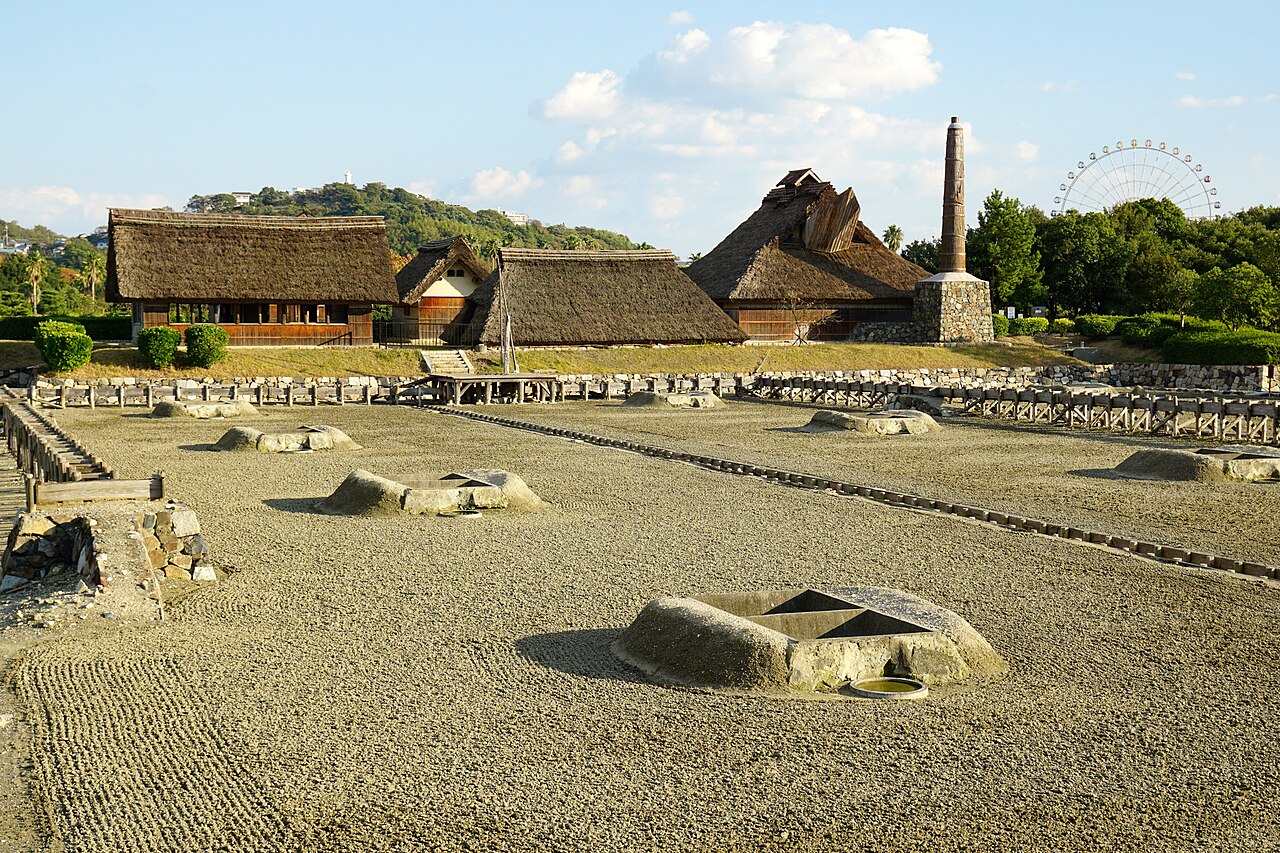
On set days from November to the following February the museum also holds a kama-taki salt-boiling demonstration. A numbered ticket, limited to fifty people, is given out on request when you buy your museum ticket, and no advance reservations are taken for individuals or groups.
On weekends and holidays the midday sessions can be full even for visitors who arrive ten minutes before the start. If you have only one day, aim for an early session, walk the salt fields afterwards, and leave the afternoon for the castle or the coast.
Ako Castle, the Gishi and a Salt Bureau Building
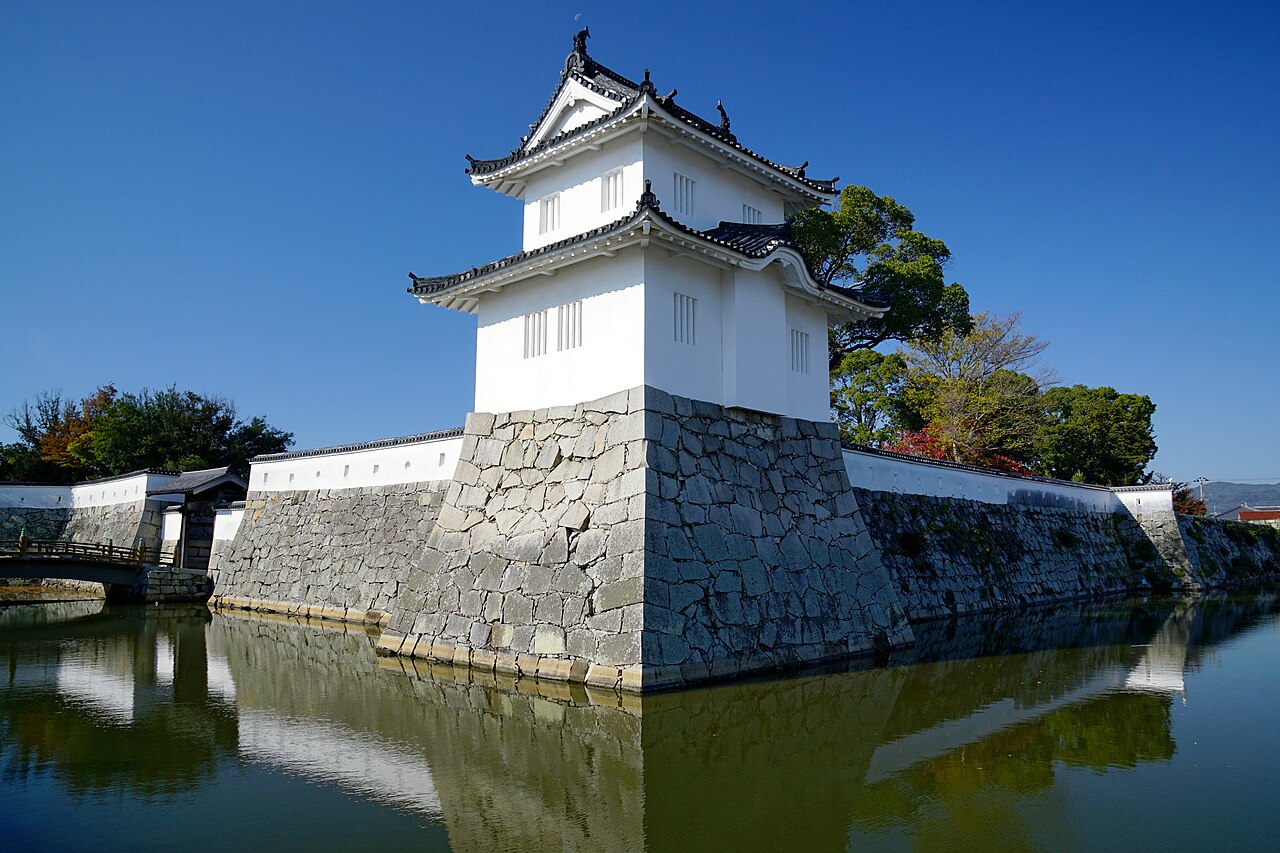
Ako Castle was built over thirteen years on a site facing the Seto Inland Sea, with an inlet that let ships come and go. In the main compound the floor plan of the palace where Oishi Kuranosuke and the others held their great council after the blade incident has been restored, and the keep platform gives a wide view over Ako.
The Gishi shrine in the third compound stands where the chief retainers Oishi Kuranosuke and Fujii Matazaemon lived, and its treasure hall shows the paired swords Oishi favored, a map of the Kira residence and farewell letters of the Gishi.
The Gishi corner of the Ako City History Museum follows the story from the sword incident in the Pine Corridor of Edo Castle to the raid on the Kira residence, with two videos, one summing up the events and one with part of a bunraku performance. The Ikitsugi Well adds a smaller scene: two Ako samurai left Edo by fast palanquin with the first report and reached the castle town in the early morning.
The Ako Municipal Folklore Museum occupies a wooden building put up as the office of the Ministry of Finance Salt Bureau, designed by Okuma Yoshikuni, the engineer behind the National Diet Building; look for the arched east doorway with its paired entasis columns and, upstairs, the hammer-beam ceiling of the old office. If the Gishi story brought you here, start in the history museum's video room; if buildings did, give your time to the Salt Bureau office; if the view did, climb the keep platform first.
Sakoshi: Old Port Streets, Sake and Oysters
Sakoshi's main street was once the road down to the old port, which prospered on trade in Ako salt and other goods. An old brewery on this street, once the sake house of the Ako domain, still makes local sake, and a restored former bank branch now serves as a museum and tourist information office, with displays on local sights, historic sites and specialty products and an old American-made strongbox still inside.
At the bottom of the main road over the low pass that links the port and the river stands a former village hall, built for administrative and commercial business.
In Sakoshi the Sea Station Shiosai Ichiba changes with the season: summer brings fishing-industry activities and fishing, while winter is for oysters, from picking a whole oyster stalk and shucking the shells to all-you-can-eat oysters outdoors. From November to March the market has no regular closing day, while from April to October it closes on Tuesdays and Wednesdays. In winter, build the Sakoshi half of the day around the oysters; in summer the fishing activities take their place.
Misaki Coast and the Seaside Park
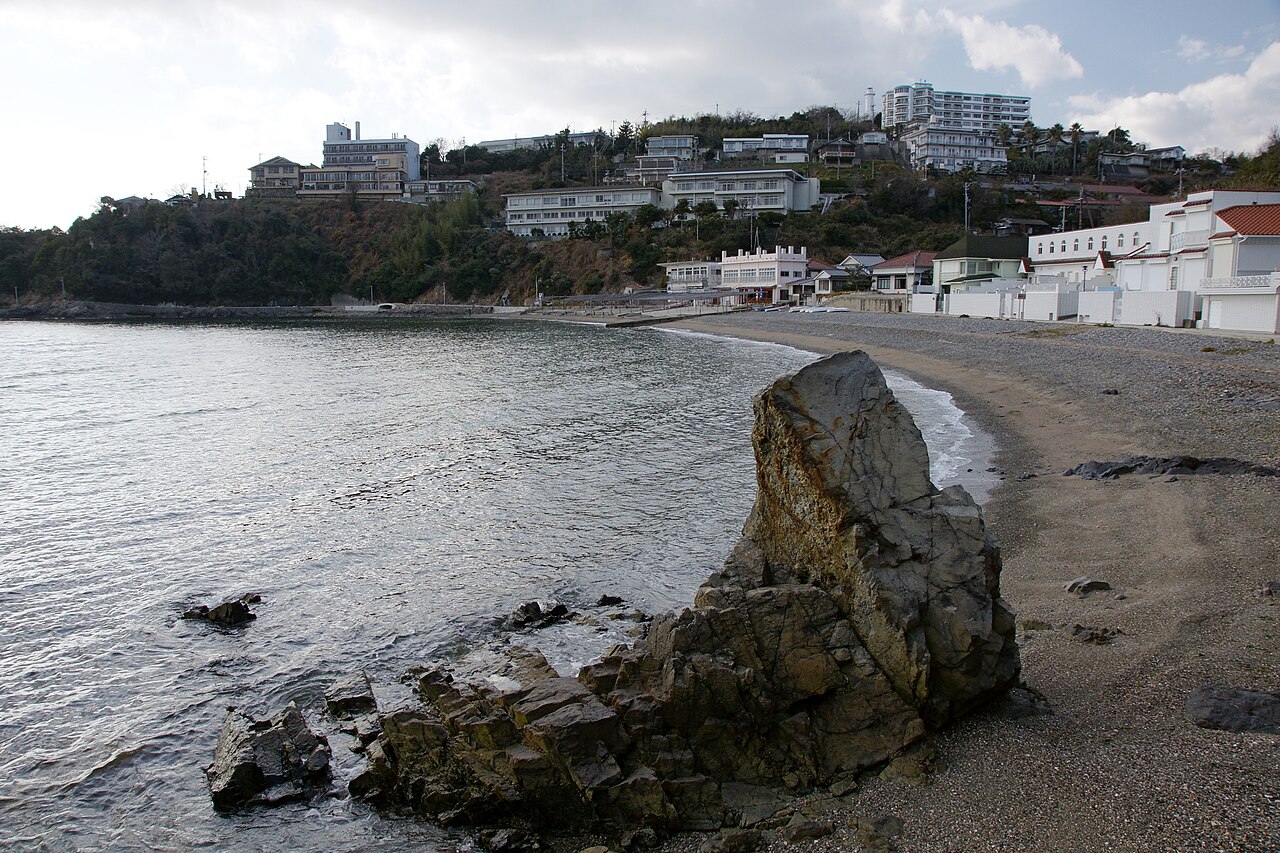
At Misaki a seaside promenade runs along the coast and lets you walk around the point, and in front of Iwatsuhime Shrine a seat is set out for looking at the sea. A pine beside the path is said to be the one Oishi Kuranosuke looked back at many times when he left Ako. When the weather is good the views come in the daytime and again at sunset in the evening.
The path continues from the shrine to Higashi-Misaki Observatory Plaza, where a statue of Oishi Kuranosuke looks out over the town, and in the fresh-green season the lawn is a place to spread out a boxed lunch facing the sea.
West of Misaki, Hyogo Prefectural Ako Seaside Park was laid out on a former wide salt field facing Harima-nada, with an amusement park, a wooden athletic course, a tennis court, an artificial lake and a lawn plaza. With children, the park can fill an afternoon on its own; without them, save Misaki for the end of the day and the sunset.
For a longer visit around the seaside park and Misaki, browse places to stay in Ako.
Getting to Ako
| Leg | How | Time or cost |
|---|---|---|
| JR Banshu-Ako Station to the History Museum | Walk | About 20 minutes |
| Station to the Marine Science Museum | Bus bound for Misaki | About 10 minutes |
| Station to Ikitsugi Well | Walk | About 5 minutes |
| Station to Higashi-Misaki Observatory Plaza | Car | About 15 minutes |
| Station to the restored bank building museum in Sakoshi | Car | About 12 minutes |
| Ako IC on the Sanyo Expressway to the Marine Science Museum | Car | About 15 minutes |
| Osaka to Ako | Train | About 2 hours |
| Okayama to Ako | Train | About 1 hour |
New to rural buses and one-man trains? See how to ride them, step by step.
Hours and Fees
On Tuesdays the Marine Science Museum, the seaside park and the Sakoshi museum building all close, while the History Museum closes on Wednesdays, so the day of the week decides which half of the town fits.
| Place | What | Hours or fee |
|---|---|---|
| Marine Science Museum | Hours | 9:00 to 16:30, entry until 16:00 |
| Marine Science Museum | Closing days | Tuesdays (the next day if Tuesday is a holiday) and 28 December to 4 January |
| Marine Science Museum | Admission, adults | 200 yen |
| Marine Science Museum | Admission, elementary and junior high school students | 100 yen |
| Marine Science Museum | Salt-making start times | Eight a day: half past nine, then 10:20, 11:10, 12:00, 13:30, 14:20, 15:10 and 16:00 |
| History Museum | Hours | 9:00 to 17:00, entry until 16:30 |
| History Museum | Closing days | Wednesdays (the next day if Wednesday is a holiday) and 28 December to 4 January |
| History Museum | Admission | 200 yen for adults; 100 yen for elementary and junior high school students |
| Folklore Museum | Hours | 9:00 to 17:00, entry until 16:30 |
| Gishi shrine in the castle grounds | Hours | 8:30 to 17:00, last admission 16:30 |
| Gishi shrine in the castle grounds | Admission, adults | 500 yen |
| Sakoshi museum building | Hours | 10:00 to 16:00; closed Tuesdays |
Where to stay
Places to stay near Ako, Hyogo, Japan →
Disclosure: This post may contain affiliate links. If you book through them, we may earn a commission at no extra cost to you.