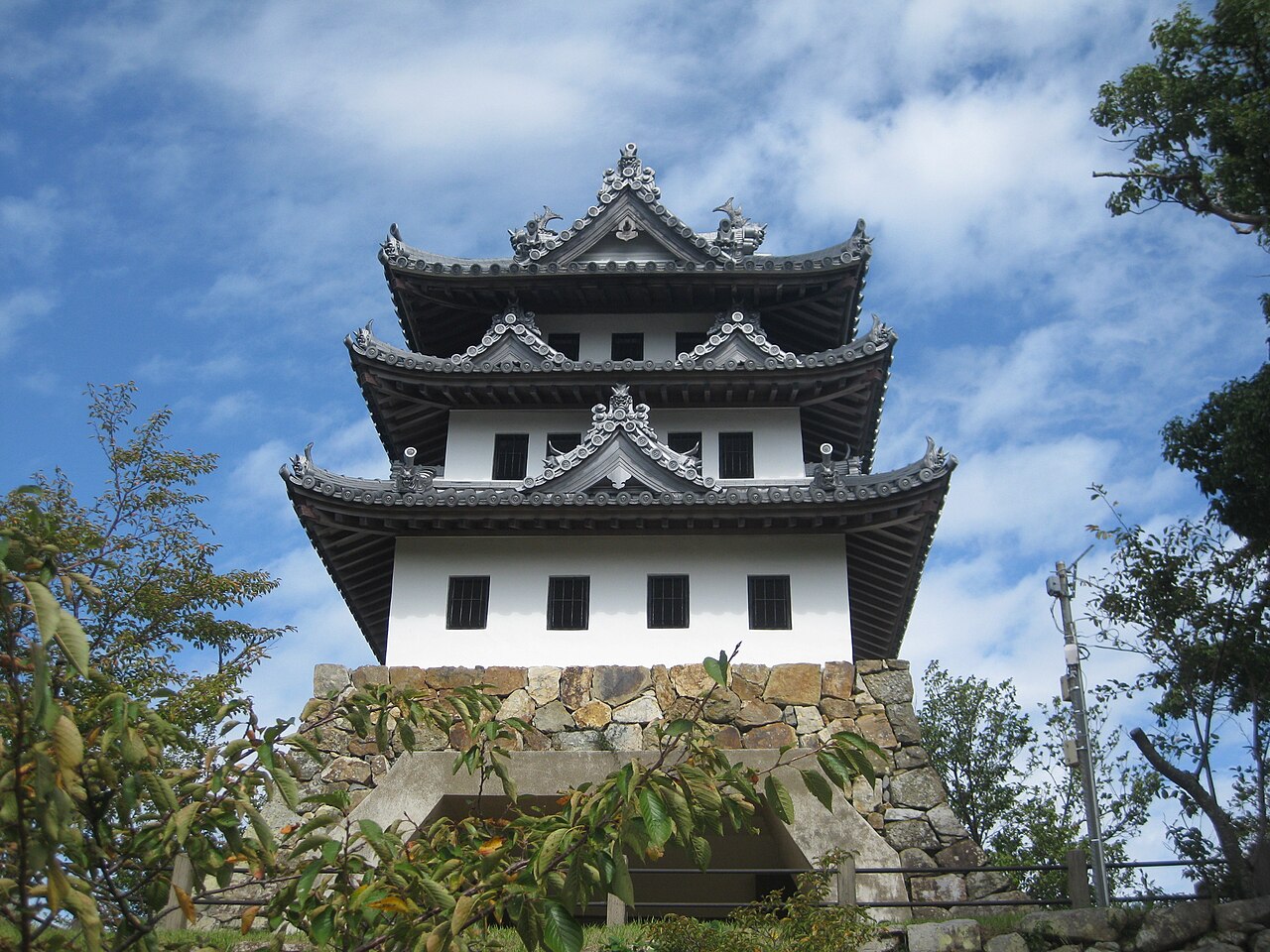
On Mount Mikuma, south of the town, the stone walls of Sumoto Castle still stand. From the foot of the castle, an alley of townhouses runs north, and vacant buildings along it now hold cafes and shops. Along the coast, a line of hot-spring hotels includes an inn with an open-air bath at the water's edge. In a restored brick warehouse from the Taisho era, a restaurant serves Awaji beef.
Sumoto Castle Ruins: Stone Walls on Mount Mikuma and the Old Alley Below
Sumoto Castle ruins are stone-walled enclosures on Mount Mikuma, above an alley where empty townhouses have become cafes and shops.
Walking up Mount Mikuma, south of the urban area, brings visitors to the Sumoto Castle ruins on the summit. Enclosures built entirely of stone walls can be seen there, spread across the hilltop from east to west and from north to south. Give the stonework the bulk of the visit, because the walls are what remains of the castle.
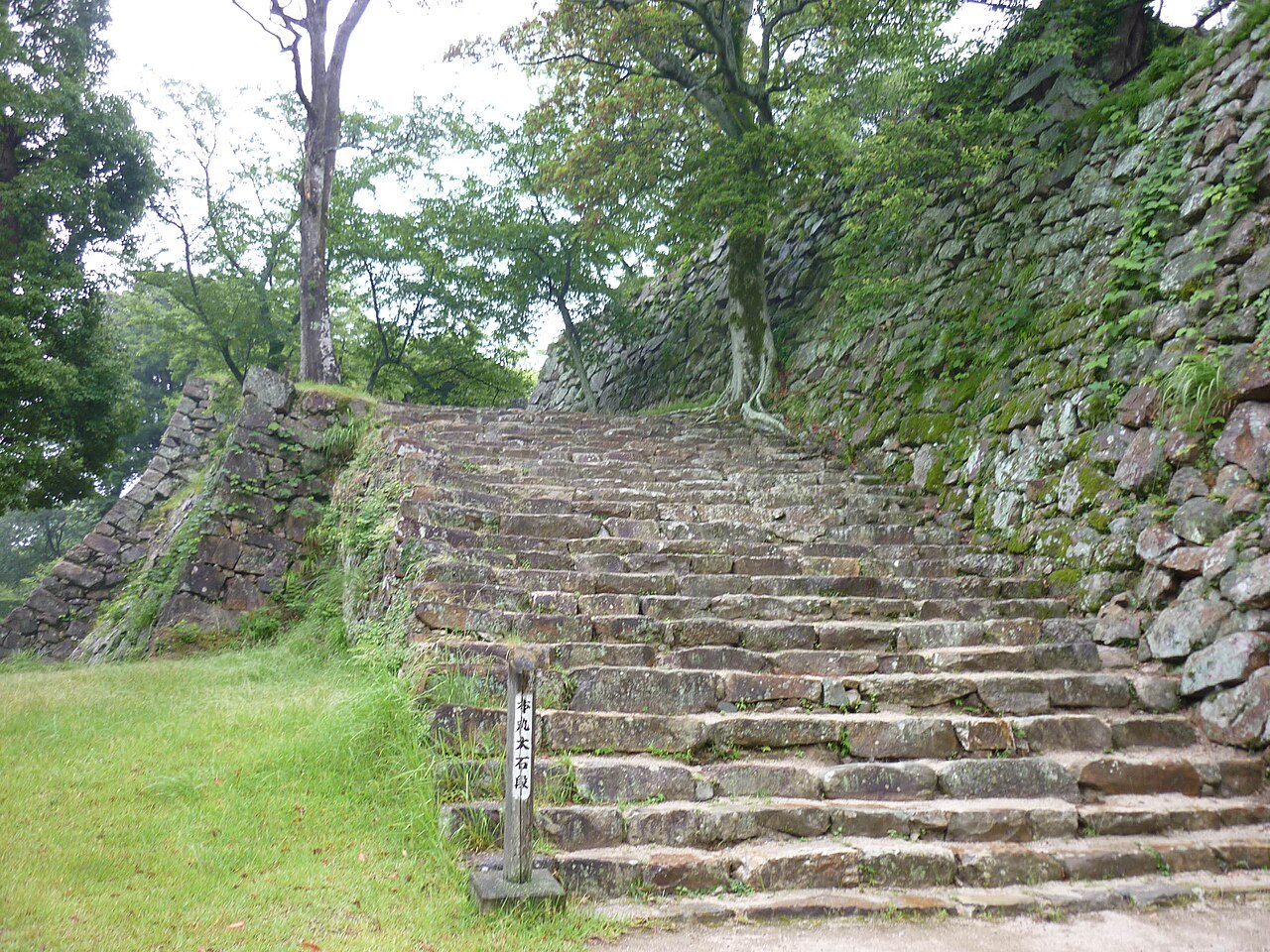
Booking ahead is the step to remember for anyone who wants the volunteer guide tour of the ruins, since the tour takes reservations in advance. The current keep was built as an observation deck, and it cannot be entered at present. Plan the visit around the enclosures rather than the keep. Down in the town, the street grid is a remnant of the days when Sumoto prospered as a castle town.
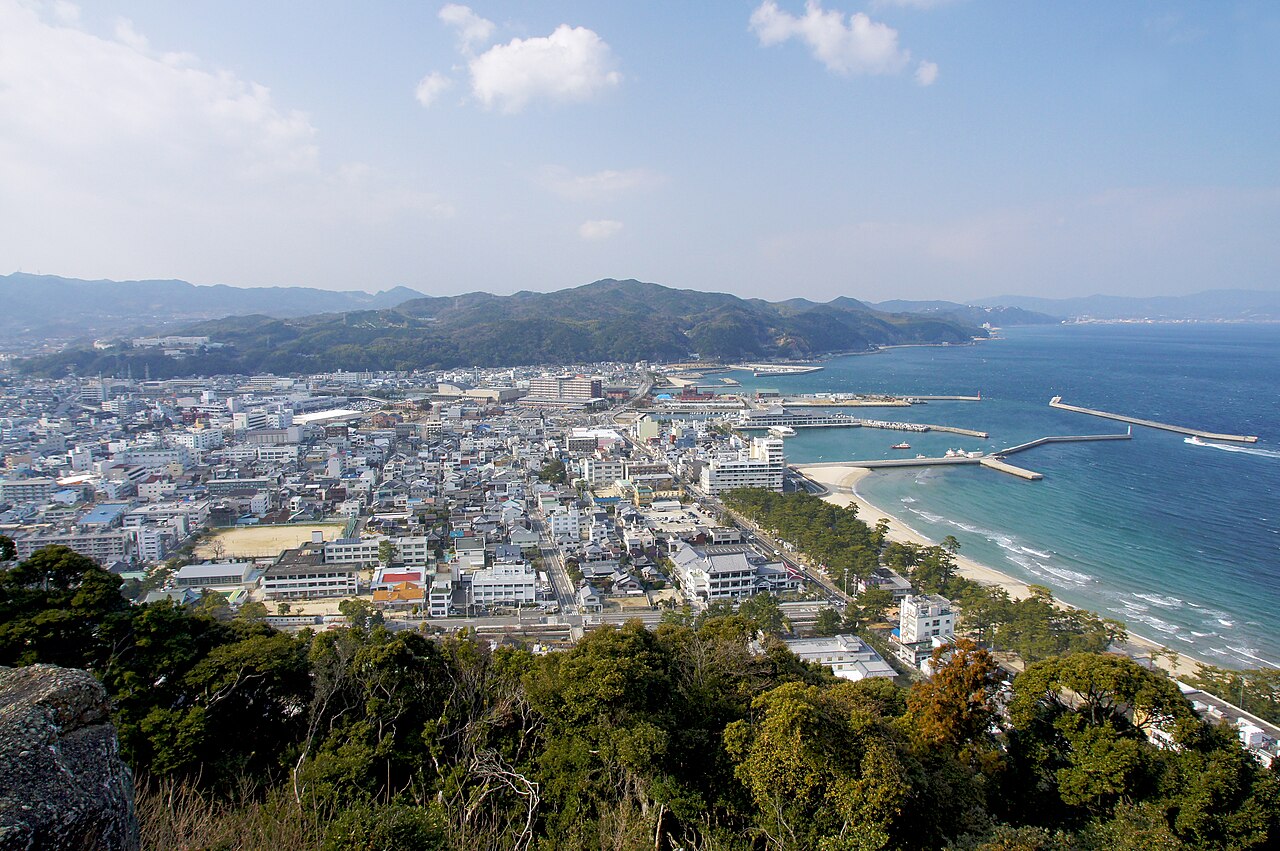
Following the alley from the foot of the castle leads north through the former castle town. It is a narrow lane where many old houses and townhouses remain, and vacant buildings along it are used as cafes, restaurants and shops. With limited time, pair the alley with the ruins, because the lane starts where the castle hill ends.
Stopping along the way turns the walk into a meal. A cafe keeps the interior character of a house that has stood for centuries, and a renovated townhouse takes guests as a whole-house rental inn. A sandwich shop serves a morning menu, which suits visitors who want to eat before heading for the stone walls.
Sumoto Onsen: Sea-Facing Baths and a Beach Park
Sumoto Onsen is a line of hot-spring facilities along the coast, with open-air baths overlooking the sea.
Soaking is the reason to come down to the shore, where the hot-spring town lines up along the coastline. Its open-air baths look out over the sea. Choosing where to bathe deserves some thought here, because the kinds of bath differ between properties.
Comparing what the bathhouses contain shows the range. A hotel's large bath has an open-air bath, a bubble bath, a bath with jets of water, a sauna and a pot-shaped bath, and a private bath with a view is also available. A pair of large baths is also on offer in the hot-spring town, with the men's and women's sides switched between morning and the day and night period. Staying across an evening and a morning is the way to use both.
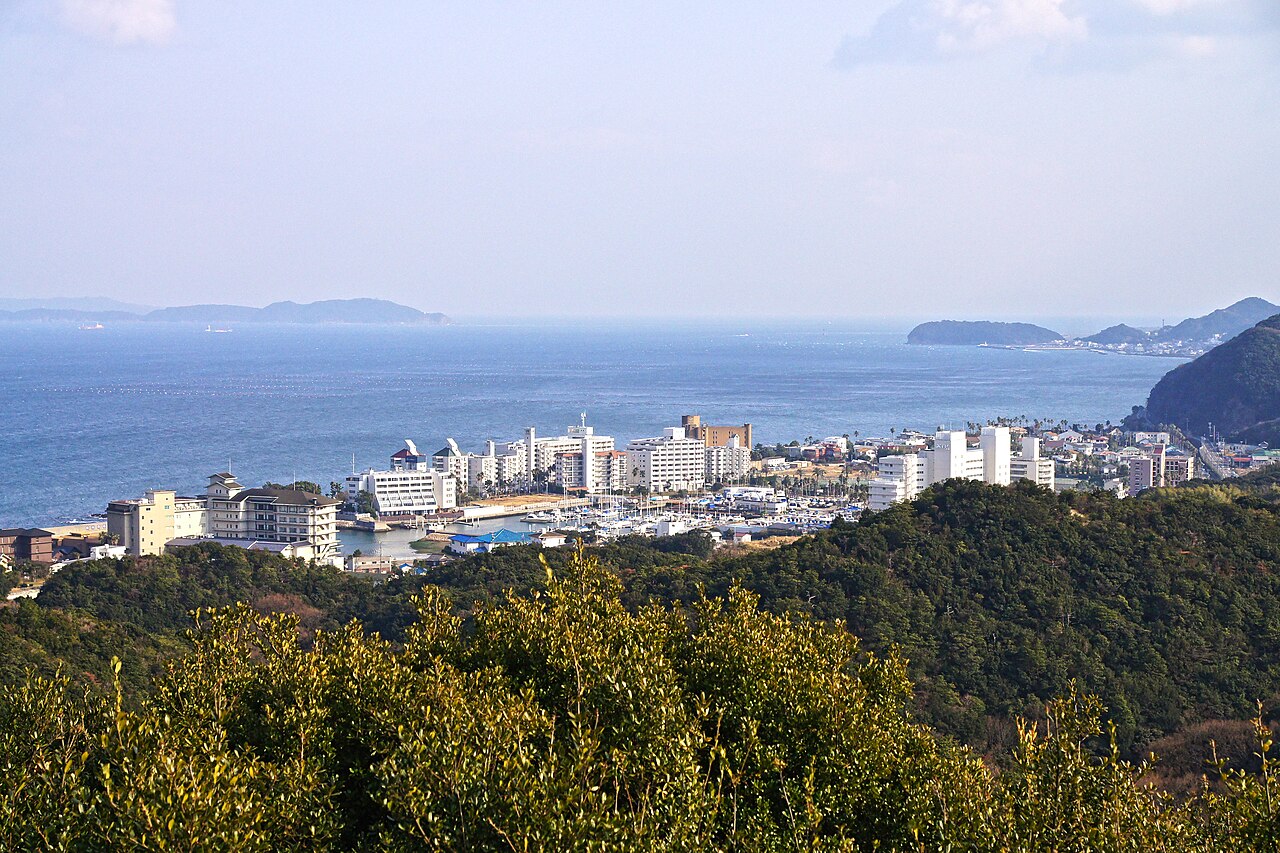
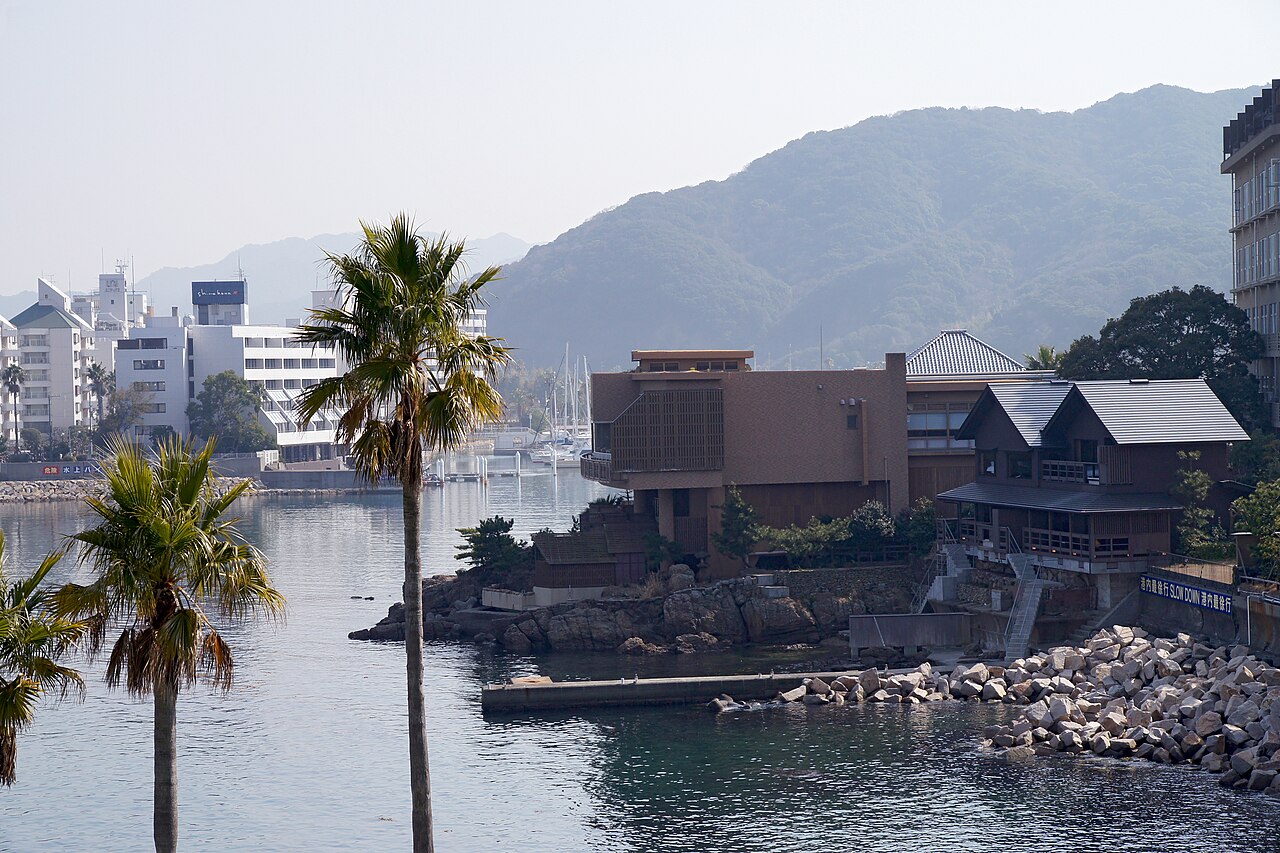
Bathing at the water's edge is possible at an inn whose open-air bath sits there, and the inn draws on both Sumoto Onsen and a source of its own. A hotel's spa floor adds an observation bath overlooking the strait and a private open-air bath with a jacuzzi. Guest-room windows at a hotel look out over the same strait. From the inn with the open-air bath at the water's edge, the sea spreads out and a mountain range can be seen beyond it.
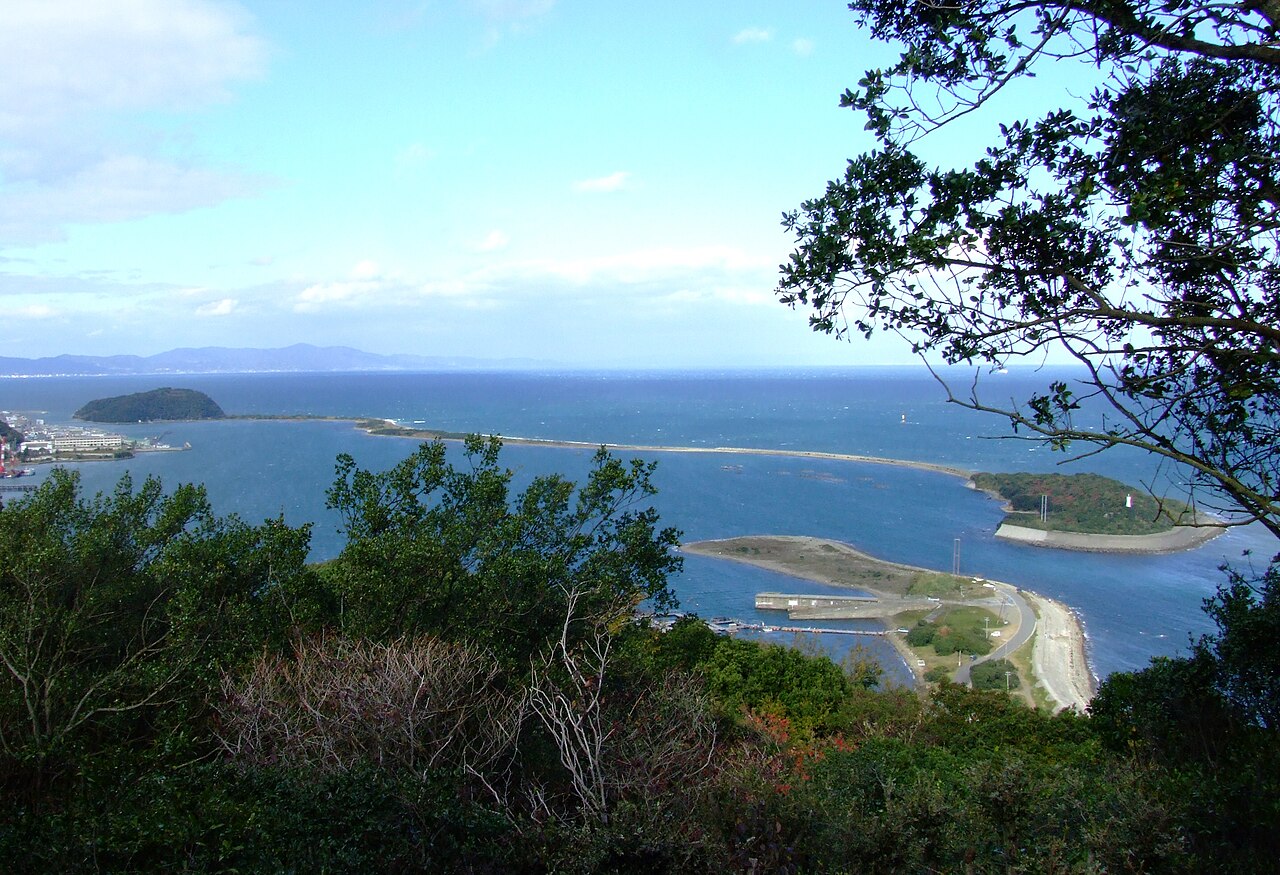
Checking in can be an outing in itself: guests of a cruiser cabin check in on board and then go on a welcome cruise. Walking the beach park gives a shoreline of white sand, pine trees and shallow water that extends from north to south. In summer a swimming area opens there, so the colder months leave the beach to walkers. For a night beside the baths, compare places to stay in Sumoto.
Eating in Sumoto: Awaji Beef, Hamo, Noodles and Seafood
Eating in Sumoto starts with Awaji beef in a brick warehouse and goes on to island noodles and hamo.
Eating Awaji beef has a clear address in Sumoto: a restaurant made by restoring a red brick warehouse from the Taisho era, which is a designated member restaurant serving the beef. A direct sales shop attached to it carries specialty products of Awaji Island. If the schedule leaves room for little else, choose this stop, since the meal and the island products sit side by side.
Tasting the island's own dishes means looking for Awaji Island Noodle. On Awaji Island, this dish combines noodles made from hand-stretched somen with Awaji Island onions, seafood and Awaji beef. The onions are planted in autumn and harvested in spring. Hamo is eaten the island way in a dish that uses seasonal hamo and onions, and its origin is said to be a fisherman's dish of Nushima.
Ordering fish and shellfish is straightforward at a seafood restaurant in Sumoto, which describes its menu as a wide choice of dishes made with seafood caught in the sea near Awaji Island. A kamaboko shop sells kamaboko made with ingredients from the island. Choose the restaurant for a sit-down meal and the kamaboko shop for something to carry away.
Finishing with sweets is possible at a Japanese-sweets shop that runs shops across the island, where Japanese sweets and cakes can be bought. Its main shop has a space serving seasonal sweets and matcha. Sit down there rather than buying to go if matcha is the aim, because the serving space belongs to that shop.
Indoor Stops: The Museum, Its Castle Stamp and a Stained-Glass Studio
The Awaji Cultural History Museum sells a castle stamp, and a stained-glass studio in the city offers day sessions.
Buying the castle stamp means going into the Awaji Cultural History Museum, because the stamp is sold to those who visit the museum. On days when the museum is shut, it is sold at the city office instead. Collectors can plan the museum into the same day as the castle ruins.
Looking through the displays brings up the original triangular-rim bronze mirror from the Koyadani tumulus, whose outer rim is triangular in cross-section and whose back carries a carved pattern of gods and beasts. Excavated pottery is on display as well. The rim and the back of the mirror are the parts to look at closely.
Joining a class is the hands-on choice at Stained Glass LeVerre, a stained-glass workshop in Sumoto City. World stained glass can be viewed there, and the workshop offers day sessions that include a stained-glass class. Classes are booked in advance, so settle the date before the trip.
Getting to Sumoto: Hours, Fees and Winter Closures
New to rural buses and one-man trains? See how to ride them, step by step.
Details below follow the official guides. The museum closes over the new year.
| Item | Details |
|---|---|
| Sumoto Castle ruins | free entry and car park; the keep cannot be entered at present; the walk to the ruins is given as fifteen to thirty minutes or so |
| Awaji Cultural History Museum | nine to five, last entry four thirty; closed Mondays and from December twenty-eighth to January fourth; five hundred yen for adults |
| Highway bus bound for Sumoto | one way two thousand twenty yen |
| On foot from Sumoto Bus Center | about ten minutes to the retro alley; about ten minutes to the beach park |
| Day bath at a seaside hotel | two to ten in the afternoon and evening, last entry eight; one thousand five hundred yen with a rental towel |
| A food hall in a restored brick warehouse | shop ten to eight, closed Wednesdays except holidays and open all August; car park free for the first hour |
| Stained Glass LeVerre | ten to six, closed Thursdays; class sessions on weekends and holidays; booking seven days ahead; class fee from twenty-eight thousand yen |
Thinking of staying overnight?
Compare places to stay near Sumoto, Hyogo, Japan →
Disclosure: This post may contain affiliate links. If you book through them, we may earn a commission at no extra cost to you.