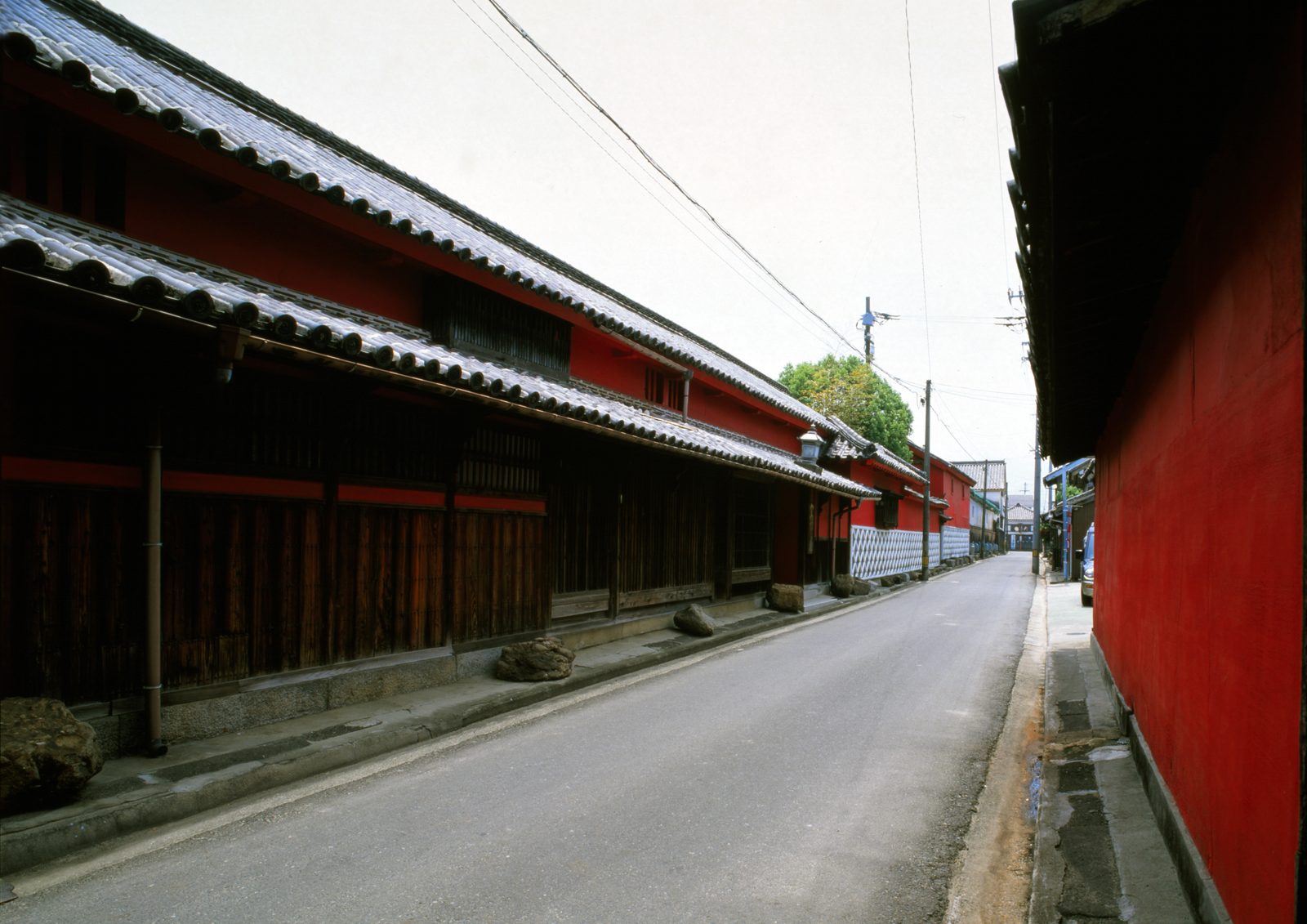
Hiketa, in Higashikagawa City in Kagawa, puts hand work at the centre of a visit: you can decorate and finish a glove of your own, press wasanbon sugar into dry sweets, and shoot a bamboo bow while wearing hakama. The same town keeps a former merchant house with old tatami rooms and a garden, a sturgeon farm set up in a former school gymnasium, and castle ruins with an islet off their seaward side. One way to work through the town is to start at Sanshu Izutsu Yashiki, make a glove, mold wasanbon sweets, try bamboo archery, see the sturgeon, and end at Hiketa castle ruins and Jorojima. Choose the crafts that suit your hands first, then let the ruins and the beach round off the visit.
Sanshu Izutsu Yashiki and Glove Making
Sanshu Izutsu Yashiki lets you into a former merchant house whose buildings date from the late Edo period to the Meiji period, and the main house keeps its old tatami rooms and garden for visitors to view. In the storehouse, a shop lets you buy local specialties and sit down to a meal of local fish, so the house can hold you for a meal as well as a look around.
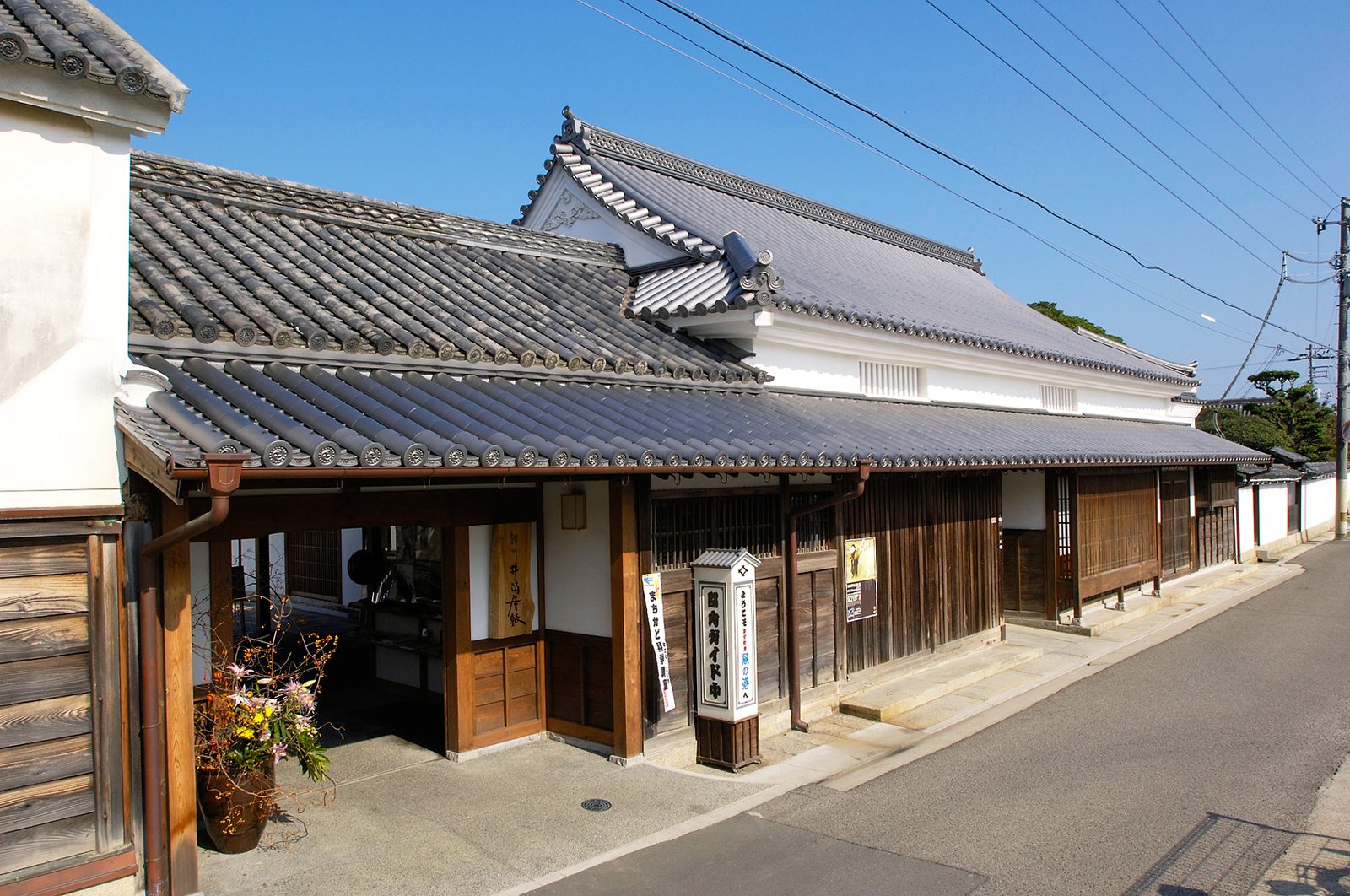
The glove making here starts with a choice: you pick a glove you like, decorate it, and finish it as your own, with a seamstress on hand to help. Glove leather also goes into a second craft, original leather small items that you make yourself at the house, which suits anyone who would rather make something small than a whole glove.
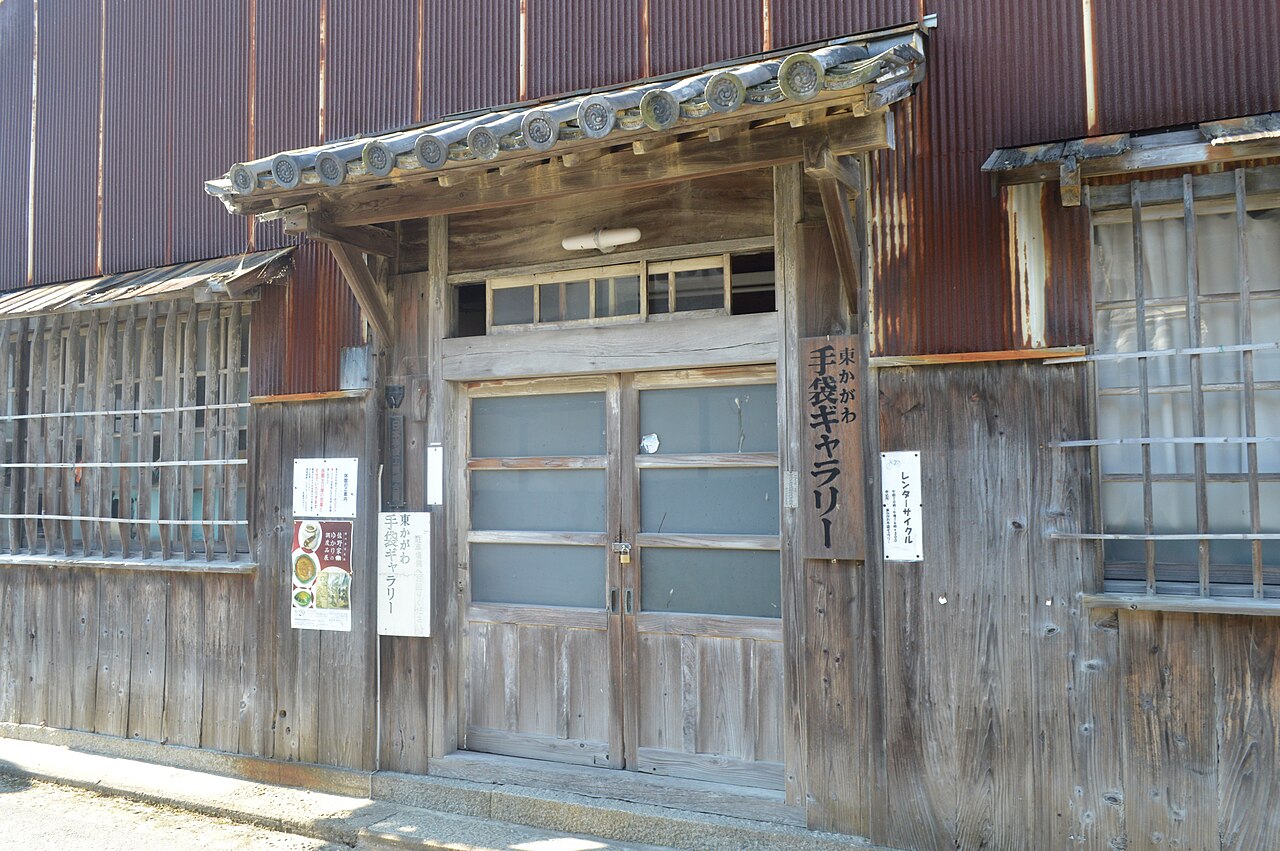
If you have one afternoon, look through the tatami rooms and garden before you sit down with the leather, because the rooms give the house its setting and the glove work then takes whatever time remains. A visitor who cares more about making than looking can reverse the order.
Wasanbon Sweets, Molded by Hand
Wasanbon sugar is pressed into sweets in this area, and Sanshu Izutsu Yashiki is where you can try the pressing yourself: you make dry sweets with wasanbon sugar, pressing the sugar into molds and turning out the shaped pieces by your own hand.
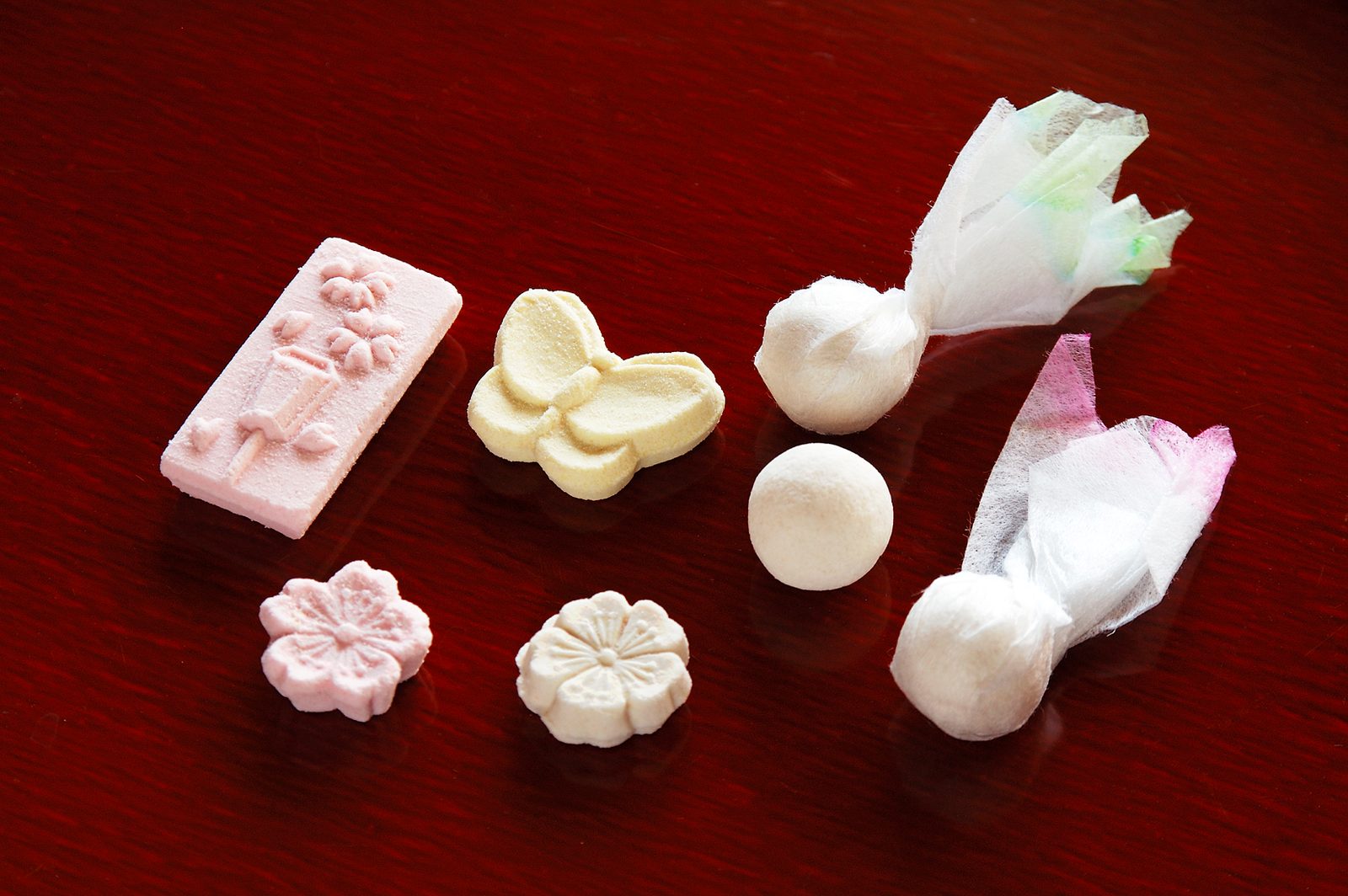
Baiko-do factory shows the same sugar from the maker's side: you hear an explanation of the history and features of wasanbon, then watch the mold-pressing and the box-packing as they are done. The mold-pressing is still done by hand, which is the part worth standing close for. The main shop stands near the factory, so you can pick up wasanbon on the way out.
If you do both, press your own sweets at the house first and go to the factory afterwards, because the hand work at the molds means more once you have tried the same motion yourself. Anyone who would rather make than watch can stop at the house session alone and still come away with dry sweets shaped by their own hand.
Bamboo Archery with a Local Club
Bamboo archery with a local club puts a traditional bamboo bow and arrow in your hands, and beginners can shoot while wearing hakama, so even a first arrow is loosed in the dress of the practice and not just with its bow.
The full course uses a bamboo bow made locally and archery gloves, and the gloves are given to you as a present to keep. After shooting, you can record your number of hits and your name on a hit-record tablet and dedicate it to the shrine, so your score stays behind after you leave.
If this is your first time with a bow, begin with the hakama and the traditional bamboo bow and arrow, and let the hit-record tablet give even a modest score somewhere to go. Those who want the local bow and gloves in their own hands, and the gloves to take home, should pick the full course.
Sturgeon, Caviar and the Yellowtail Pond
A caviar centre in Higashikagawa raises sturgeon in a pool set up in a former school gymnasium and produces caviar there, and visitors can watch the sturgeon being farmed. The setting is part of what you come for: a school building that now holds a working sturgeon pool, with the farming itself as the thing to watch.
For a limited number of people, the centre also lets you feed and handle young sturgeon, so the visit can move from watching the pool to having a young fish under your hand. That step from looking to touching is the reason to put this place on a route built around crafts.
Fish farming is not new to this area: yellowtail farming first succeeded in Japan in a pond here, which gives the sturgeon pool a local precedent. If you have to choose, the sturgeon are the part you can see and touch, so go to the centre and let the yellowtail pond stay as the story behind it.
Hiketa Castle Ruins and Jorojima
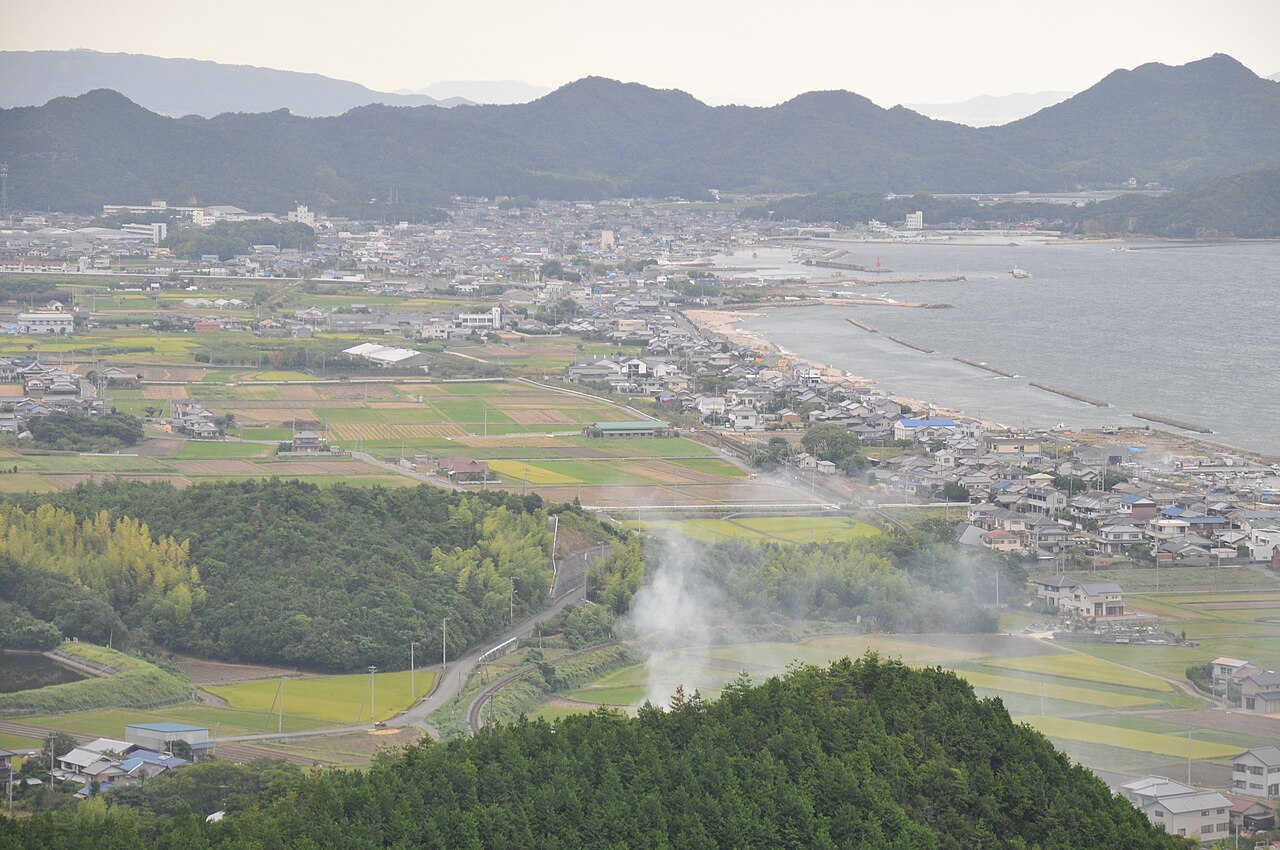
Hiketa castle ruins keep stone walls built from the late Sengoku period to the early Edo period, and those walls are what remain of the castle for you to see, so the ruins reward a slow look at the stonework.
Down the seaward side of the ruins lies Jorojima, an islet you can reach on foot from Tanoura beach at low tide, and a legend handed down there tells of a red fish that began swimming around the islet and gave a stomachache to all who caught and ate it. The fish stays a legend, but the crossing at low tide is real and joins the ruins to the water on their seaward side.
If you come for the ruins, see the stone walls first and then go down to Tanoura beach for Jorojima, so the castle and its islet come in the order the ground sets. Anyone who wants the walls, the islet and the crafts of the town without hurrying can look at places to stay in Higashikagawa and spread them over more than one day.
Getting to Hiketa
| Leg | How | Time and estimate |
|---|---|---|
| Takamatsu to Hiketa | Limited express on the Kotoku Line | About 40 minutes |
| Takamatsu to Hiketa | Local train on the Kotoku Line, all stops | About 1 hour 15 minutes |
| Takamatsu to Sanuki-Shiratori | Limited express on the Kotoku Line | About 35 minutes |
| Takamatsu to Sanbonmatsu | Limited express on the Kotoku Line | About 32 minutes |
| JR Hiketa Station to the wasanbon factory area | Taxi | About 5 minutes |
New to rural buses and one-man trains? See how to ride them, step by step.
Hours and Fees
| Place | What | Hours or fee |
|---|---|---|
| Sanshu Izutsu Yashiki | Merchant house | 10:00-16:00, closed Wednesdays (open if Wednesday is a public holiday) |
| Sanshu Izutsu Yashiki | Main house entry | Entry is free; the main house alone is 300 yen |
| Original glove making | Days and hours | Listed for Sundays and holidays, 10:00-15:00 |
| Baiko-do factory | Wasanbon factory visit | Closed Saturdays, Sundays, holidays and from November to February |
| Tsubasa Caviar Centre | Sturgeon farm | 10:30-16:00 (May to October) |
| Tsubasa Caviar Centre | Entry | 300 yen for adults, free for junior high school students and younger; book one week ahead |
Original glove making is six hundred yen plus the cost of the glove. The walk-in archery course is five hundred yen, in cash.
Where to stay
Places to stay near Higashikagawa, Kagawa, Japan →
Disclosure: This post may contain affiliate links. If you book through them, we may earn a commission at no extra cost to you.