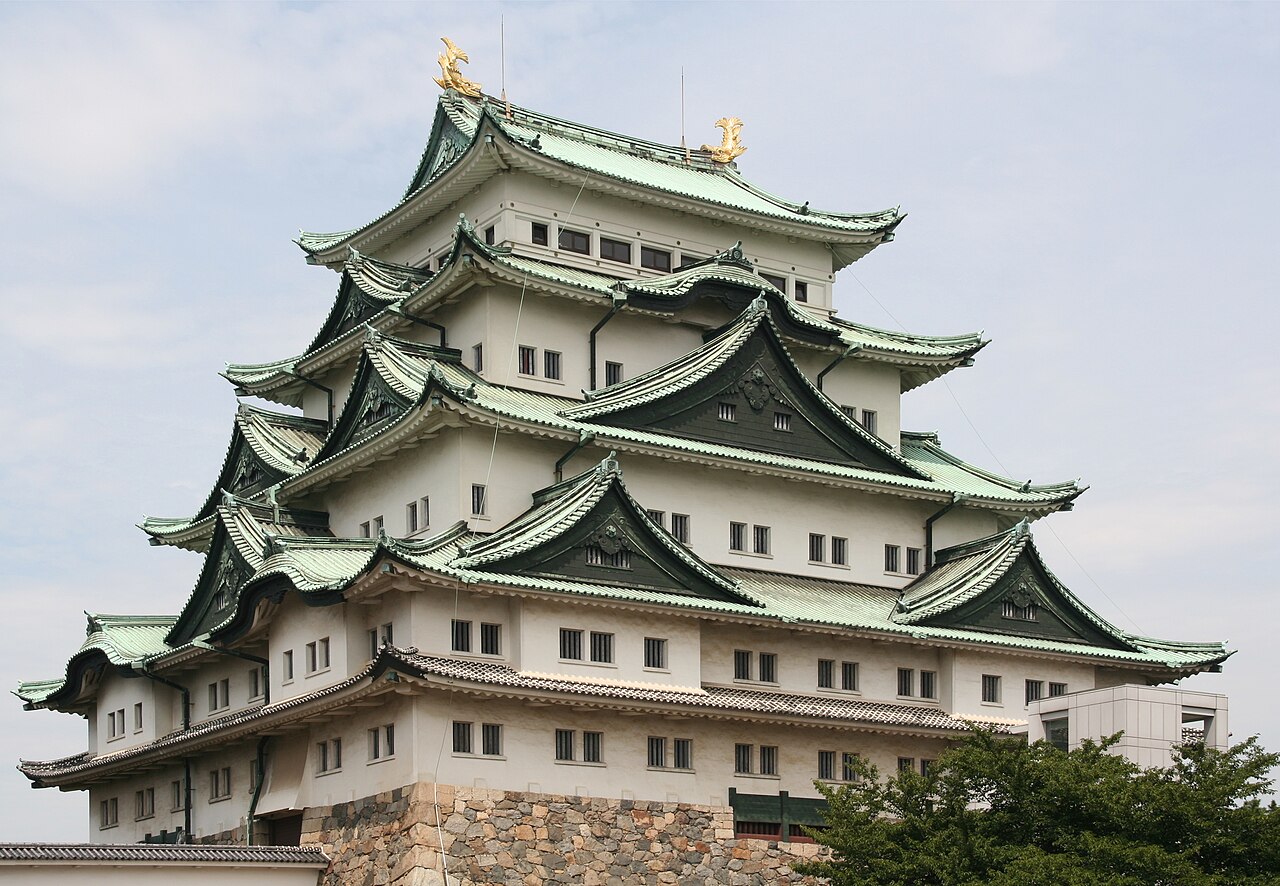
Nagoya Castle and Atsuta Jingu pair two objects that define the city: a pair of golden shachihoko, the male made larger than the female, and the sacred sword Kusanagi no Tsurugi, which Atsuta Jingu enshrines as one of the Three Sacred Treasures. Between the two come the gold-ground wall and sliding-door paintings in the entrance hall of the castle's Honmaru Palace. In spring the castle grounds add cherry trees centered on Somei-Yoshino and weeping cherry.
With limited time, start at the castle for its palace paintings, stone walls and corner turrets, and add Atsuta Jingu when dedicated swords and shrine treasures matter more than gardens.
Looking Up at the Golden Shachihoko, Stone Walls and Corner Turrets of Nagoya Castle
Golden shachihoko sit atop the rebuilt main keep of Nagoya Castle as a pair, the male on the north side and the female on the south. The second-generation male stands two point six two one metres tall and weighs one thousand two hundred seventy-two kilograms, against two point five seven nine metres and one thousand two hundred fifteen kilograms for the female. The scales run the other way, with one hundred twelve on the male and one hundred twenty-six on the female. This pair is the second generation because the main keep and its golden shachihoko were destroyed by fire in an air raid in nineteen forty-five. The main keep is closed because of its low earthquake resistance, so the pair is seen from outside.
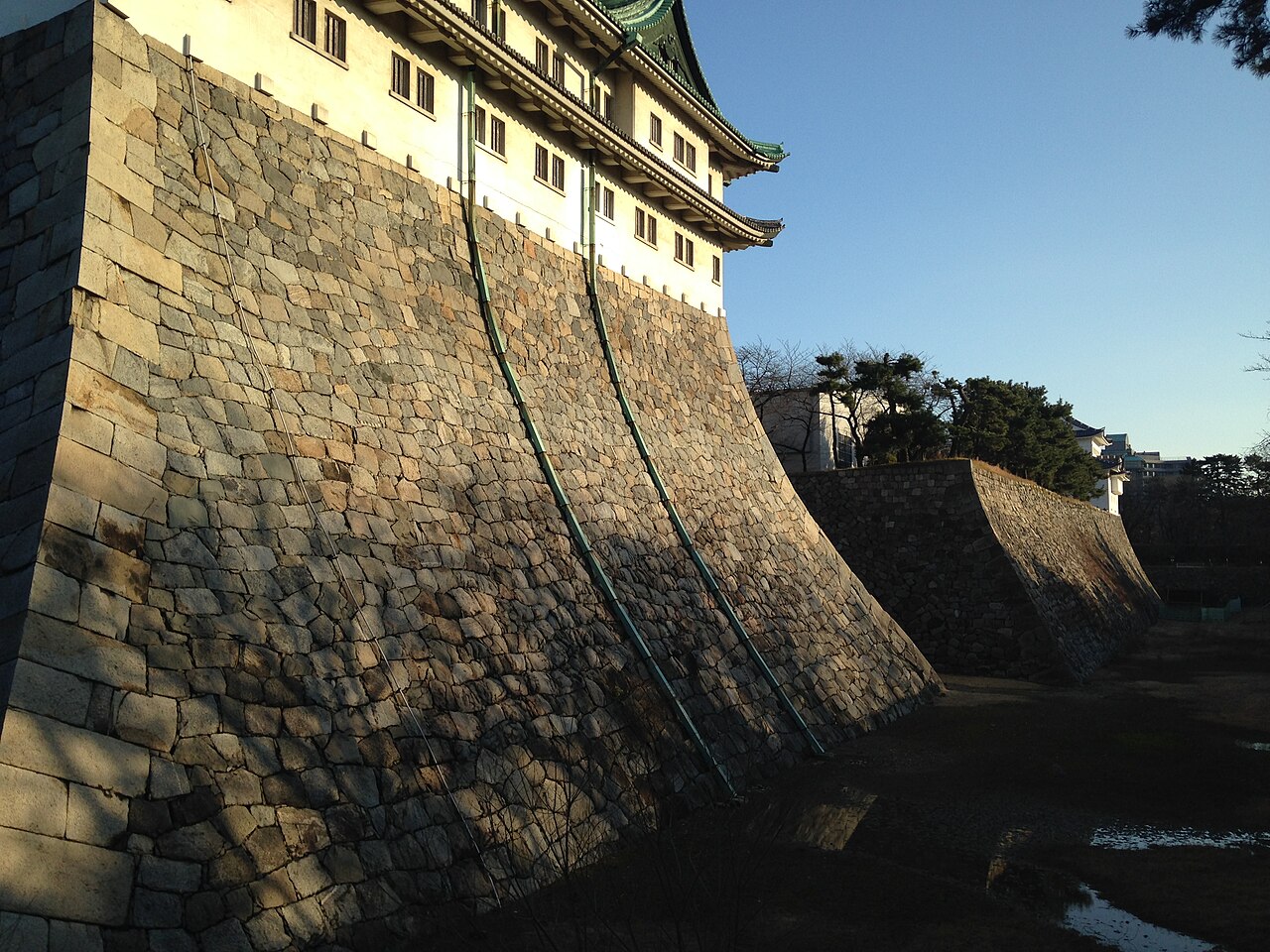
Stone walls surround the castle's enclosures for a total length of eight point two kilometres. Their construction was ordered mainly of twenty daimyo families of western Japan, each assigned its own section, and the stones carry various marks carved into them. One stone is named for a warlord said to have carried it, yet the daimyo who built that section of wall was someone else, so the story was invented in modern times.
Two corner turrets built around sixteen twelve stand at the southwest and southeast corners of the main enclosure. The southwest turret measures about eleven point eight metres east to west, about thirteen point five metres north to south and about fourteen point one metres high, and because its first floor has no roof it looks like a two-storey turret from outside although its interior has three floors. It was rebuilt and repaired in nineteen twenty-three after collapsing in nineteen twenty-one when a stone wall gave way. On the southeast turret, look for the hollyhock crest of the Tokugawa family on the ridge-end tiles. Anyone more interested in how a castle was built than in what it holds can give this part of the visit to the carved marks, the turret dimensions and the crest tiles.
Stepping Into Honmaru Palace and the Ninomaru Garden
Honmaru Palace begins with gold: its entrance hall has gold-ground wall and sliding-door paintings. Elsewhere in the palace, another room's paintings depict seasonal scenes, scenic places and customs in a gentle brush style. The rooms are built entirely of cypress except for one study that uses pine and takes its name from the colour of that timber. The bathing room had no bathtub and worked as a steam bath, with water boiled in a kettle outside and the steam drawn in. Lighting is kept low to reproduce the space of the Edo period accurately, so the paintings are seen in dim rooms by design.
Ninomaru Garden was laid out on the north side of the Ninomaru Palace, where successive lords lived and spent time both publicly and privately. Developed in the first half of the seventeenth century by the first lord, Tokugawa Yoshinao, it is said to reflect a strong Confucian influence in its design, and the tenth lord Nariomo extended it to the present East Garden area in the Bunsei era, adding tea houses and garden ponds. Look for the stone bridge laid over stonework that represents a waterfall, and for the imposing stonework and steep terrain of the Kita Oniwa and the front garden, designated a Place of Scenic Beauty in nineteen fifty-three.
Four tea rooms are set within a garden of about two thousand square metres in Ofukemaru, though they are not normally shown to the public. One building there includes a ten-mat study room, an eight-mat adjoining room and a five-mat room, and another tea room was moved into the castle grounds from a merchant house on the Chita Peninsula, where it was built in the Anei era. Choose the palace for painted interiors and the garden for stonework, and treat the tea rooms as a detail to know about rather than plan around.
Cherry Blossoms and Seasonal Flowers Around the Castle
About nine hundred cherry trees of about ten varieties grow at Nagoya Castle, centered on Somei-Yoshino and weeping cherry. The flowering is staggered through spring: Kanhizakura and Edohigan come first, Somei-Yoshino and Yamazakura follow across the castle grounds, and Yaezakura flowers last. Shidarezakura spans the middle, starting before the Somei-Yoshino and continuing after it.
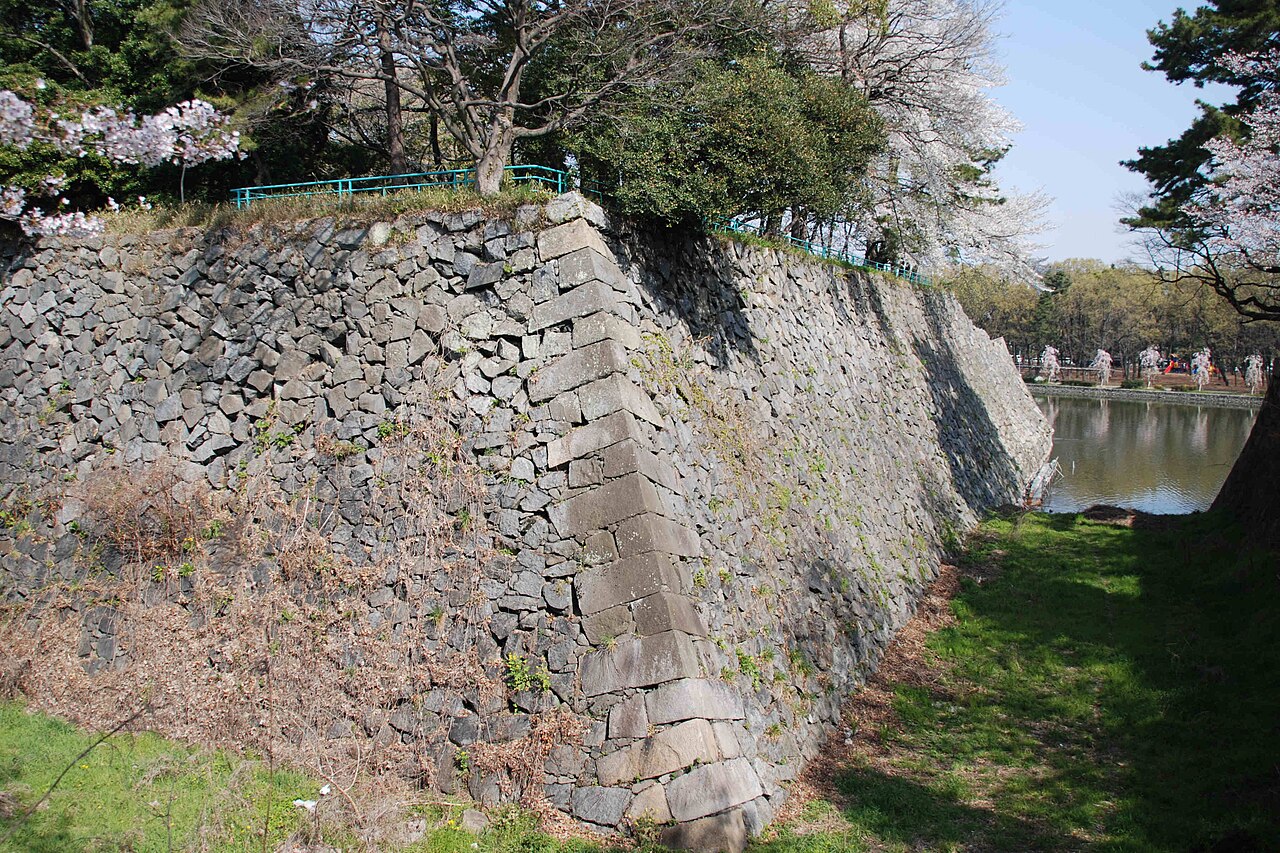
After the cherries, hydrangea and Japanese iris flower in early summer, and mukuge and others in late summer. In season, boats operate on a river route connecting Nagoya Castle with the old Miya boat landing. Because the varieties flower in sequence rather than all at once, a spring visit that falls a little before or after the Somei-Yoshino can still coincide with another variety.
Atsuta Jingu: The Sword Shrine and Its Treasure Museum
Swords are the thread at Atsuta Jingu, which enshrines Kusanagi no Tsurugi, one of the Three Sacred Treasures, and has received many dedicated swords since long ago. Those dedicated swords number about four hundred fifty kuchi, and twenty of them are designated as national treasures or important cultural properties. The treasure museum stores and displays about six thousand items donated by worshippers, about one hundred eighty of them designated as national treasures, important cultural properties or Aichi Prefecture cultural properties.
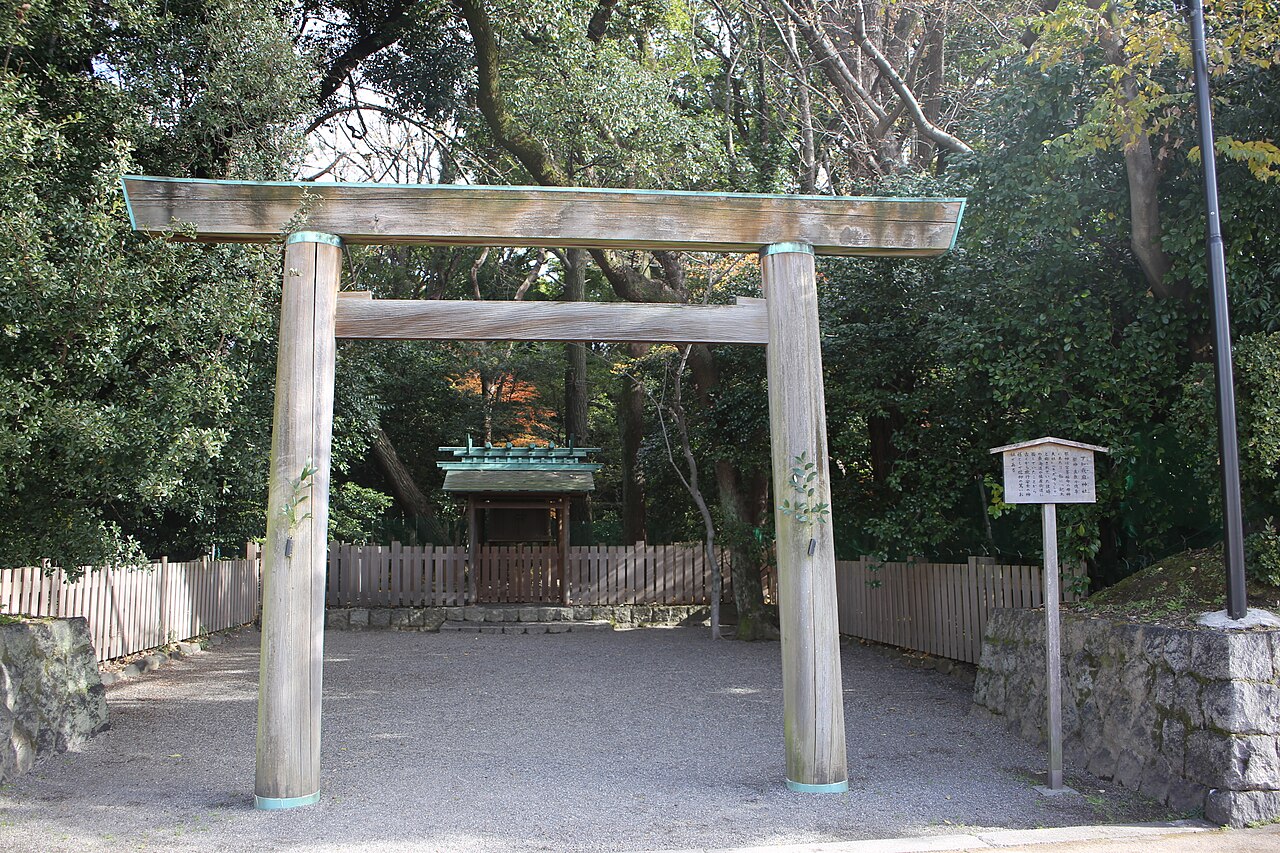
The shrine was rebuilt in the Shinmei-zukuri style in eighteen ninety-three, having formerly been in the Owari-zukuri style. Atsuta Jingu has its own name for its goshuin stamp; the main shrine gives the Atsuta Jingu stamp, and a second shrine gives its own together with that of another. A separate stop is a historical park built around the site of a boat landing on the old Miya post station, where a stone lantern and a time bell are among the things to see. Come for the swords and the donated treasures, and count the park as an addition for those curious about the post-station past.
Eating Nagoya Meshi From Kishimen to Hitsumabushi
Eating at Nagoya Castle is organised into two zones, the main gate area and the east gate area, where standard and long-established nagoya-meshi and new Nagoya food culture are offered. Inside the castle, one dining place builds its main menu around kishimen, a kind of udon with noodles stretched thin and flat.
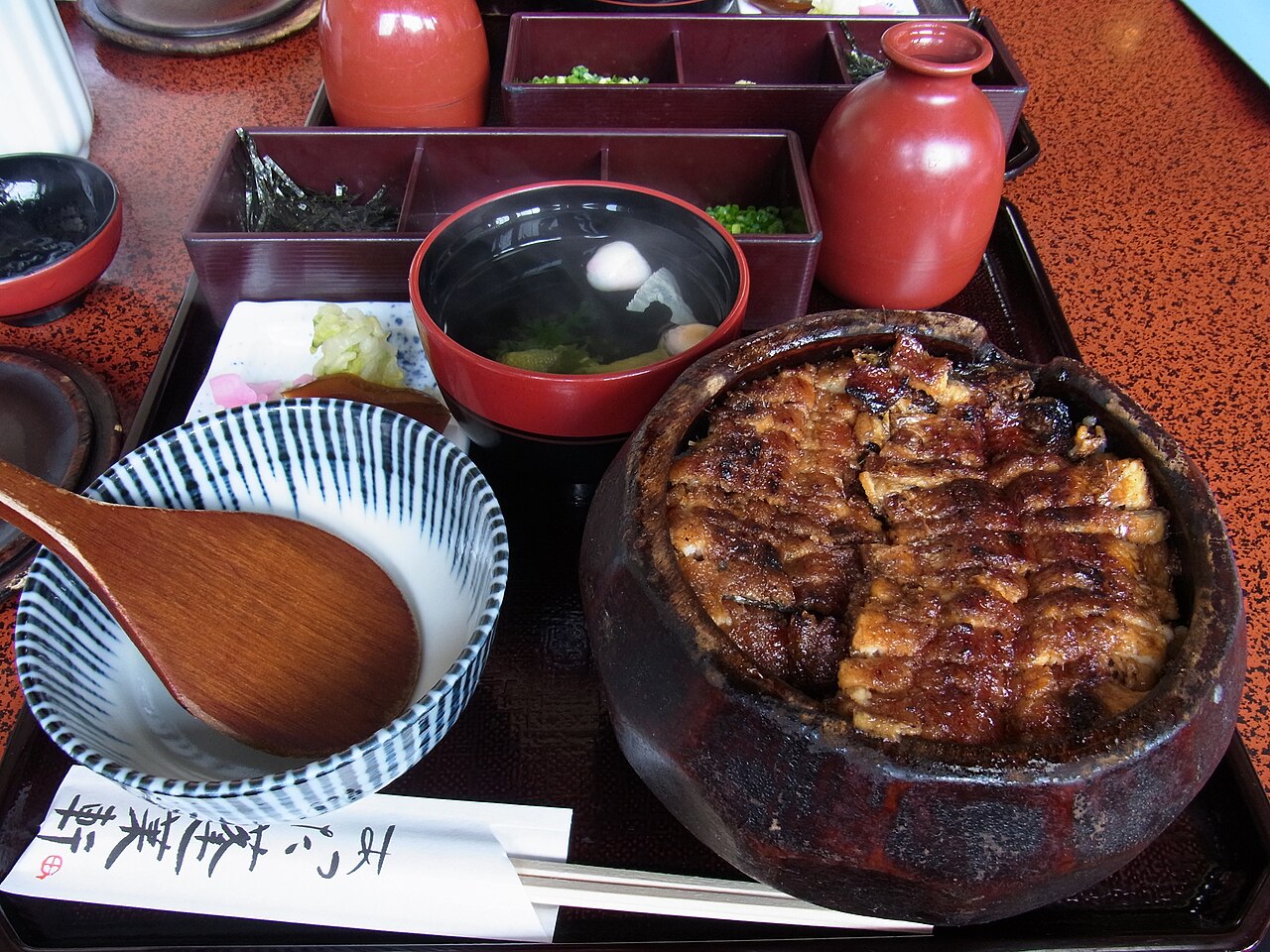
Mame miso, a soybean miso, runs through three of the dishes: miso katsu is a pork cutlet served with a sauce based on it, miso nikomi udon is udon simmered in a mame miso broth, and dote-ni is pork or beef offal simmered in the same miso. Tebasaki is deep-fried without batter, brushed with a sweet and salty sauce, and sprinkled with spices and sesame. Hitsumabushi is eel kabayaki cut into strips and served with hot rice in an ohitsu container.
Two further dishes sit outside the miso family. Taiwan ramen has a light chicken-bone-based soup, and teppan spaghetti is ketchup-flavored spaghetti served on a hot iron plate with beaten egg poured around it. For a first taste of the mame miso flavour, miso katsu or miso nikomi udon is the direct route, while kishimen is the dish tied to the castle's own dining place.
Getting to Nagoya Castle and Atsuta Jingu
New to rural buses and one-man trains? See how to ride them, step by step.
| Route | Item | Detail |
|---|---|---|
| Subway Meijo Line | Nagoyajo station, Exit Seven | Five-minute walk to Nagoya Castle |
| Meitetsu Seto Line | Higashi-Ote station | Fifteen-minute walk to Nagoya Castle |
| Nagoya Municipal Subway | From Nagoya Station | About fifteen minutes, one transfer |
| Meitetsu Nagoya Main Line | Jingu-mae station | Three-minute walk, east gate |
| Subway Meijo Line | Atsuta Jingu Nishi station, Exit Two | Seven-minute walk, west gate |
| JR Tokaido Main Line | Atsuta station | Eight-minute walk, east gate |
For an overnight stay in Nagoya, browse places to stay in Nagoya.
Hours and Fees
| Place | Item | Time or fee |
|---|---|---|
| Nagoya Castle | Admission | Adults one thousand yen; junior high school students and younger free |
| Nagoya Castle | Opening hours | Nine a.m. to four thirty p.m.; Honmaru Palace entry until four p.m. |
| Nagoya Castle | Closed days | December twenty-ninth to January first, subject to change depending on events |
| Nagoya Castle | Car park | Standard car two hundred fifty yen per thirty minutes or less |
| Atsuta Jingu treasure museum | Admission | Adults five hundred yen, children two hundred yen |
| Atsuta Jingu treasure museum | Hours | Nine a.m. to four thirty p.m.; entry until four p.m. |
| Atsuta Jingu treasure museum | Closed days | Last Thursday of each month and the day before; December twenty-fifth to thirty-first |
| Atsuta Jingu | Reception hours | From around seven a.m. until sunset |
Fees and hours were checked against official sources on 17 November 2026.
Thinking of staying overnight?
Compare places to stay near Nagoya, Aichi, Japan →
Disclosure: This post may contain affiliate links. If you book through them, we may earn a commission at no extra cost to you.