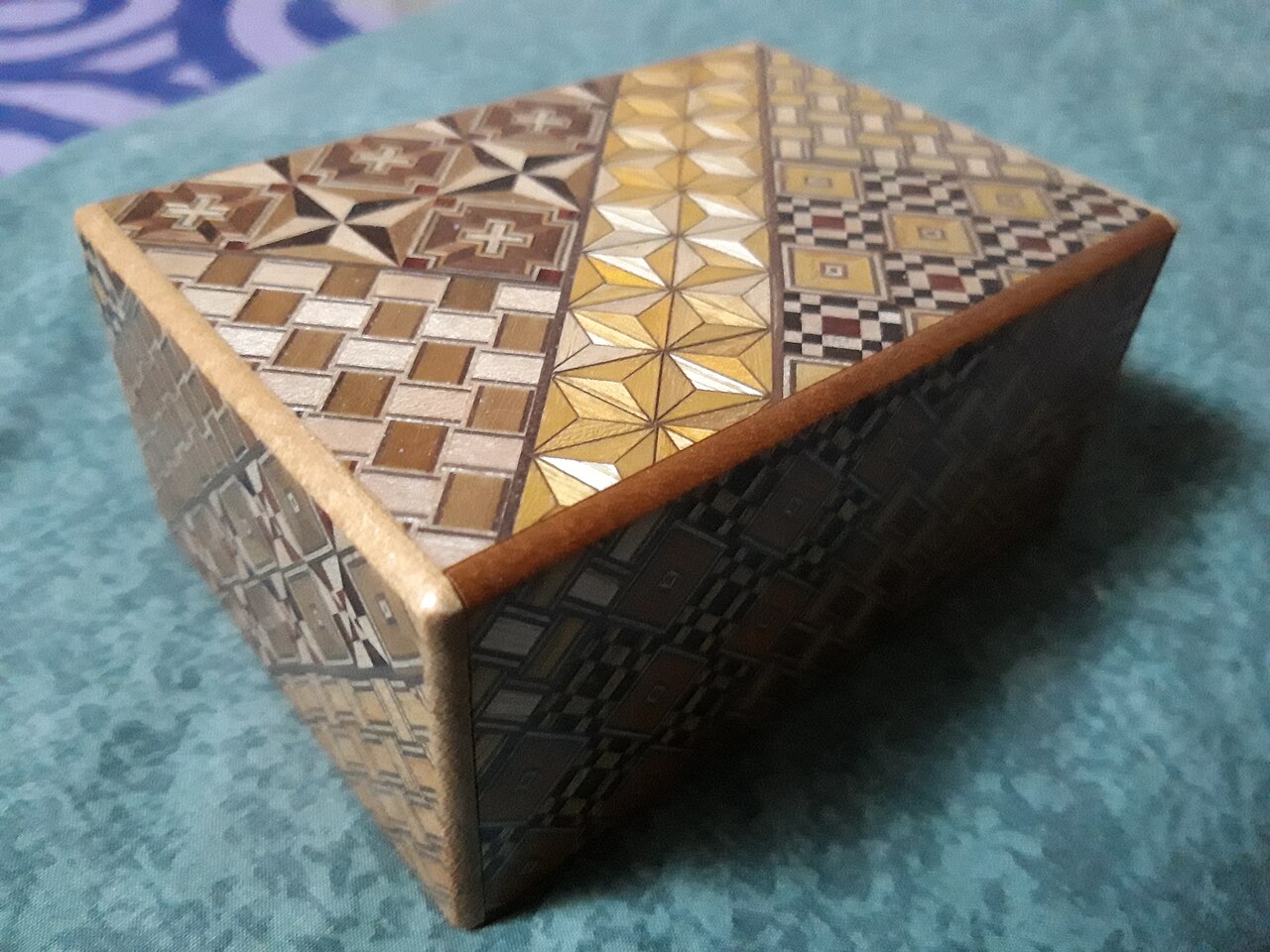
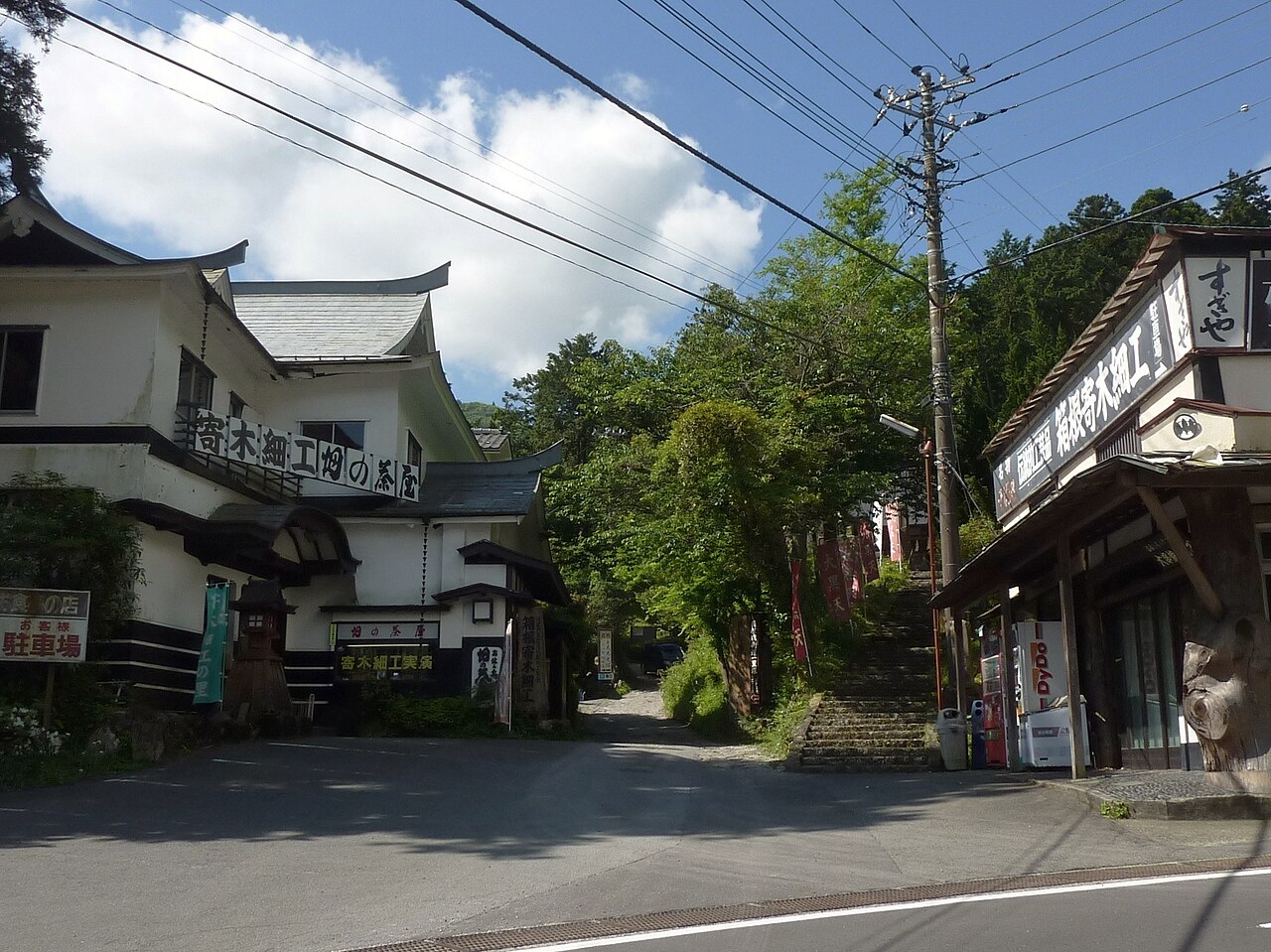
Hatajuku, in southern Hakone Town, is the birthplace of Hakone yosegi-zaiku, a wood marquetry craft that originated about two hundred years ago. At the Hatajuku Yosegi Kaikan visitors can make an original yosegi coaster, combining the parts as they like and gluing them together. Workshops, hands-on facilities and a museum now line up in Hatajuku, starting with the Kaikan, so the craft can be tried as well as seen. It is a place to learn marquetry by hand rather than through a shop window.
Making a Yosegi Coaster, and Where to Watch the Work Done
The hands-on part of a visit is the coaster. At the Hatajuku Yosegi Kaikan the kit contains six parts in each of three colors, and the coaster is finished by combining those parts as you like and gluing them together, eighteen trapezoid pieces in all.
Once the design is decided, the rest is only gluing with adhesive, and the coaster is finished in about ten minutes. The workshop as a whole takes about fifty minutes, which leaves room to think the pattern through.
The Kaikan also shows the tools and works of Hakone yosegi-zaiku, introduces the shops with workshops in Hatajuku and sells souvenirs, so it serves as a starting point for the rest of Hatajuku. The hall sits in a quiet setting surrounded by trees.
Among the workshops, hands-on facilities and museum lined up in Hatajuku, the Hamamatsuya main store is where demonstrations can be watched at any time, on the second floor. If you want to try the craft yourself, the coaster kit keeps the decisions to the pattern, since the rest is gluing; if you would rather watch than make, Hamamatsuya needs no timing, because the demonstrations can be viewed at any time.
Yosegi-zaiku: Thin Veneers, Solid Wood and a Craft Born Here
Yosegi-zaiku is a craft made by gathering pieces of wood together: precise woodworking that arranges the colors and grain of many natural woods into geometric patterns, which is why even the coaster kit comes in three colors rather than one.
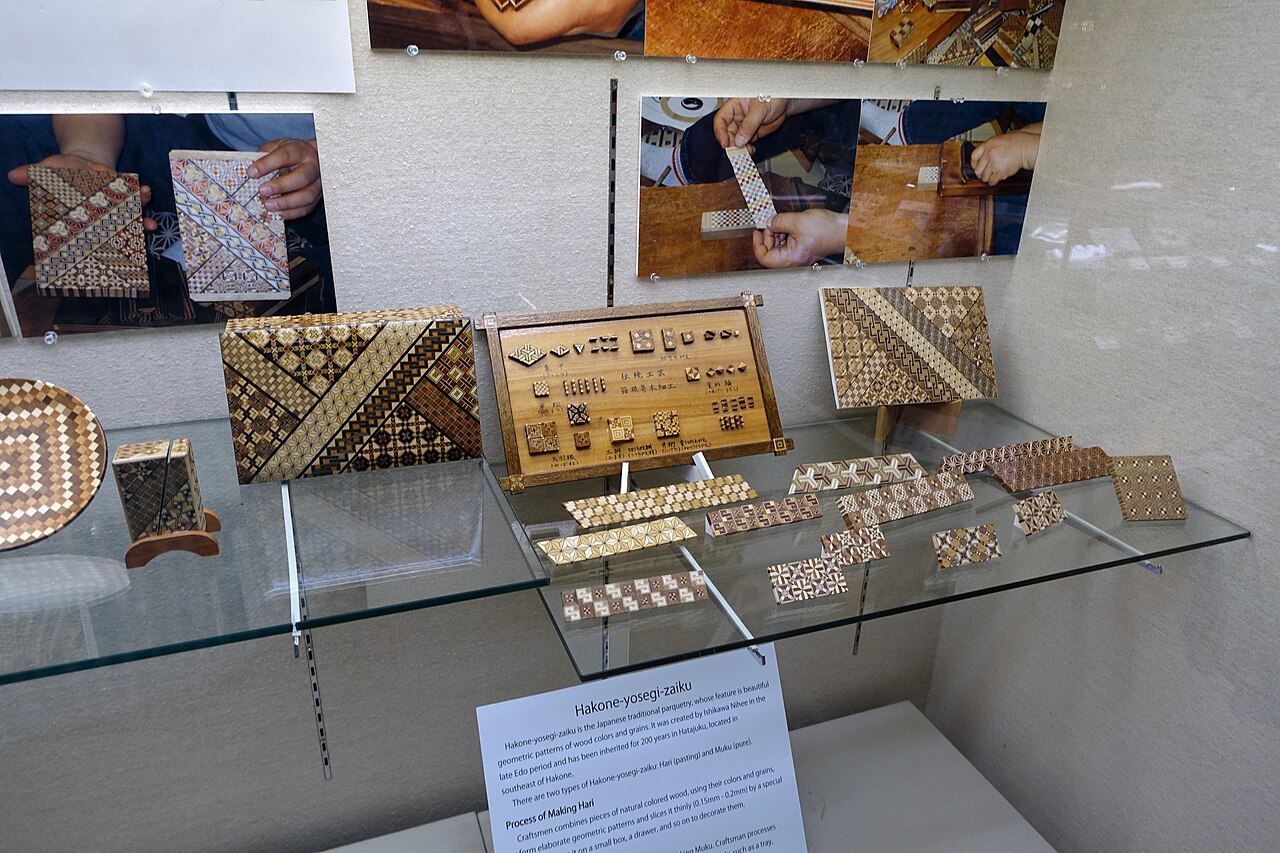
Two methods are used. In zuku-bari, a pattern board is shaved into very thin sheets with a special plane and the sheets are applied to the outside of small boxes as decoration. In muku-zukuri, the thick patterned board itself is worked directly into the shape of the product, hollowed out on a lathe.
Wood from the Hakone mountains, used before, can no longer be cut because the area became a national park, so it is now hardly used. Yosegi-zaiku was born in Hatajuku while it was still a post town, and the craft assembled as a coaster at the Kaikan is the one that took shape here. Ishikawa Nihei of Hatajuku is said to have started it by joining woods of different colors and grains from the varied trees of those mountains into trays and boxes, which the coaster kit still echoes.
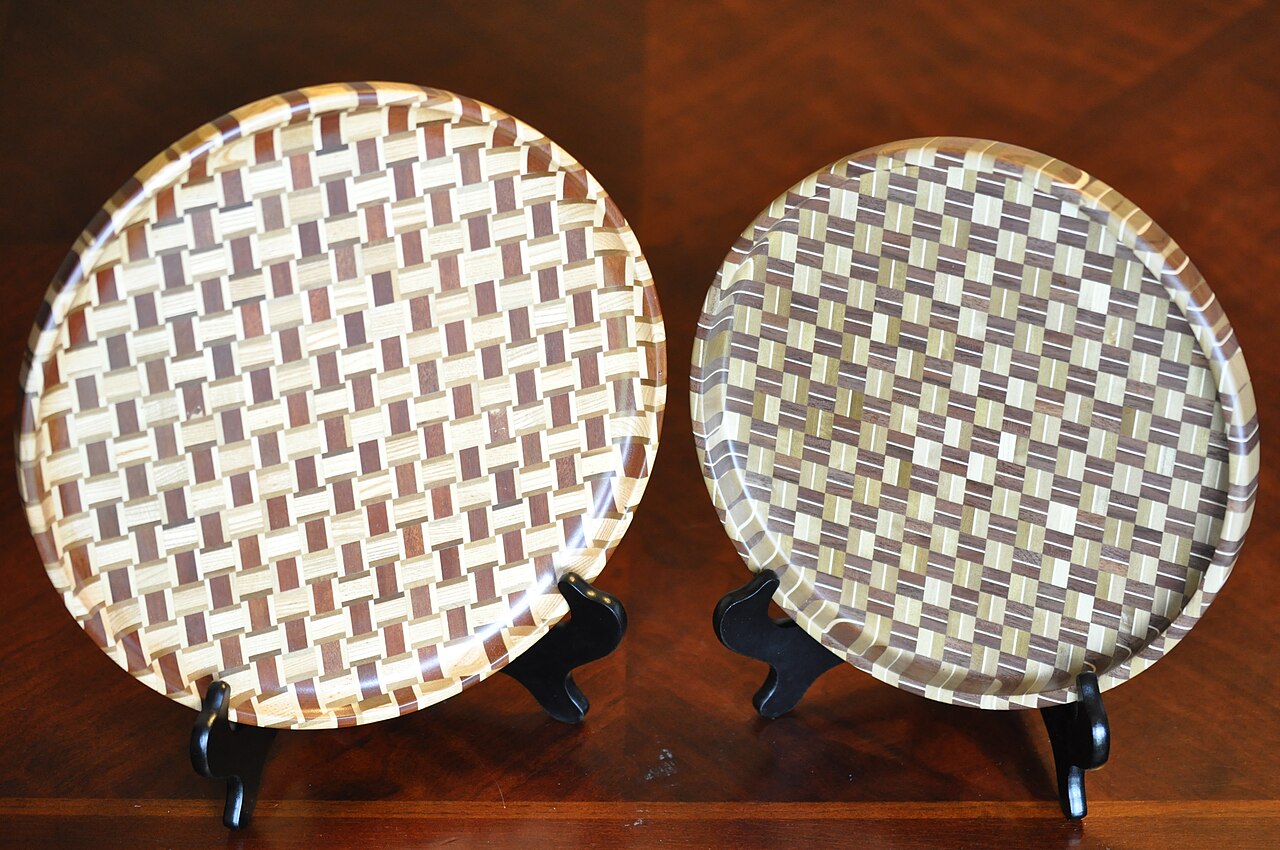
If you like seeing how a pattern is built, notice that the woods differ in material and hardness, which is why working them takes considerable skill; the coaster kit covers the combining and gluing side, while the planing of thin sheets and the lathe work are the parts to watch at a demonstration.
Hatajuku on the Old Tokaido
Travelers passed through Hatajuku as a midway point on the crossing of Hakone, and it was in that post town that yosegi-zaiku was born.
The stone pavement still remaining near Hatajuku was built by villagers on orders from the shogunate for that crossing, and the original design of the yosegi pattern is said to have been this stone pavement of the Hakone Old Tokaido, which links the pattern in a coaster to the paving nearby.
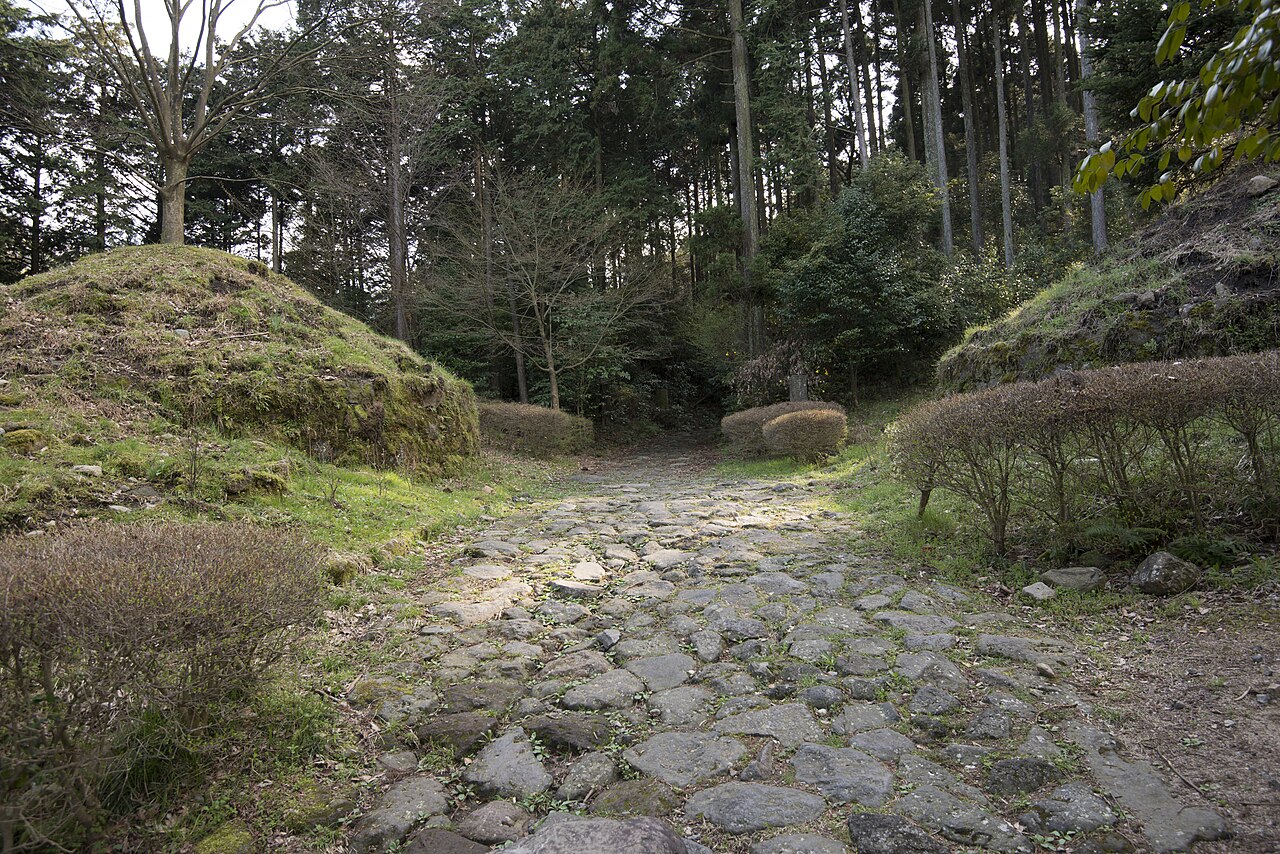
During maintenance work, the footpath through the Hatajuku-Yamane stretch of the Old Tokaido cannot be visited or walked, including the Ichirizuka milestone and the stone pavement there; the road to the Hatajuku trout fishing pond remains passable, and travelers are asked to detour via a prefectural road during the planned period listed below.
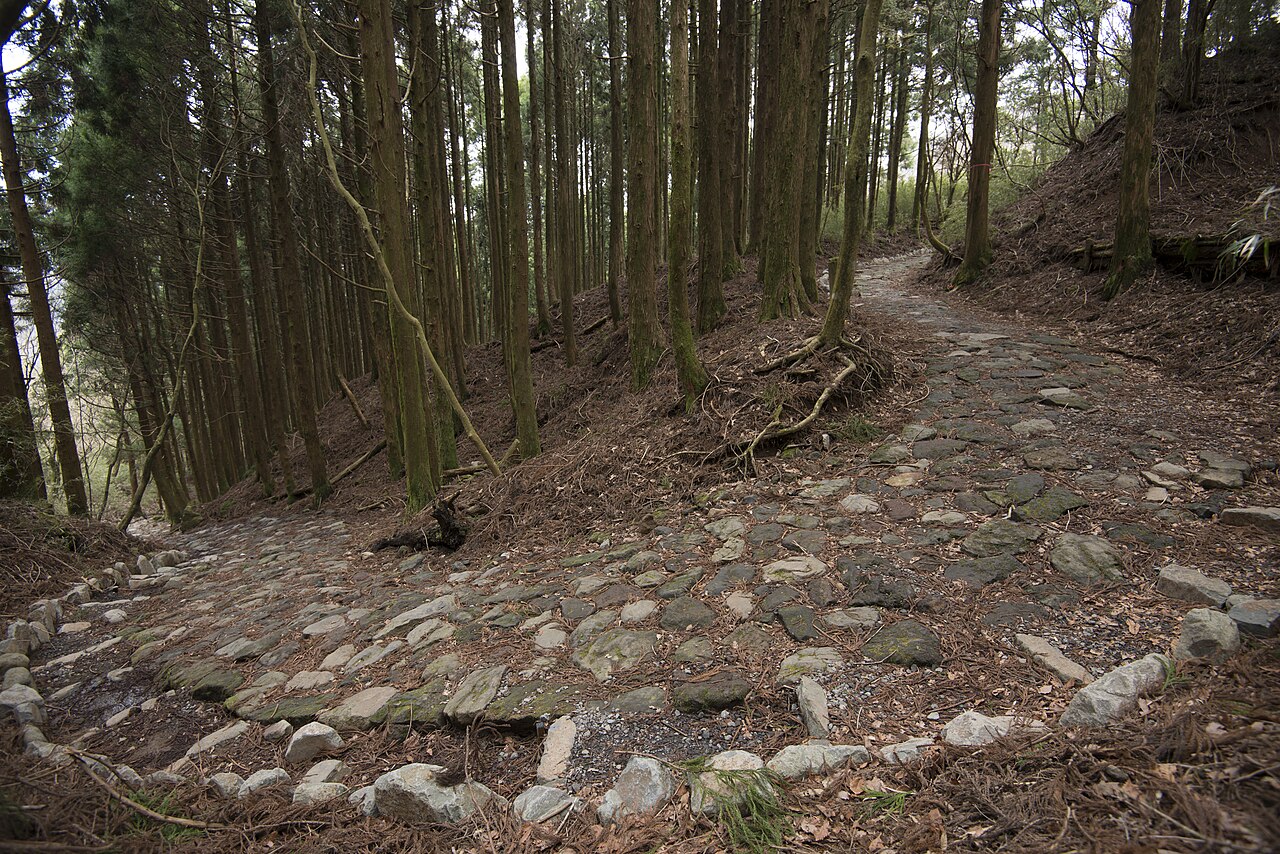
If walking the Old Tokaido was the plan, treat the Hatajuku-Yamane stretch as off the list during the maintenance work and give the time to the coaster at the Kaikan and the demonstrations at Hamamatsuya instead. For an overnight stay, there is a list of places to stay in Hakone.
Getting to Hatajuku
| Leg | How | Time or cost |
|---|---|---|
| Hakone-Yumoto Station, stop no. 4 | Hakone Tozan Bus, K route, bound for Hatajuku via the old highway | - |
| Hakone-Yumoto Station to the stop nearest the Kaikan | Hakone Tozan Bus, K route | 15 minutes |
| That stop to the Hatajuku Yosegi Kaikan | Walk | About 2 minutes |
| Hakone Shindo road to the Hatajuku Yosegi Kaikan | Car | About 5 minutes |
| Hamamatsuya main store | Car park | About 10 cars, consultation needed for 2 large buses |
| Hatajuku-Yamane stretch of the Old Tokaido | Closed for maintenance work | From 2026-08-17 to 2027-01-15 (planned) |
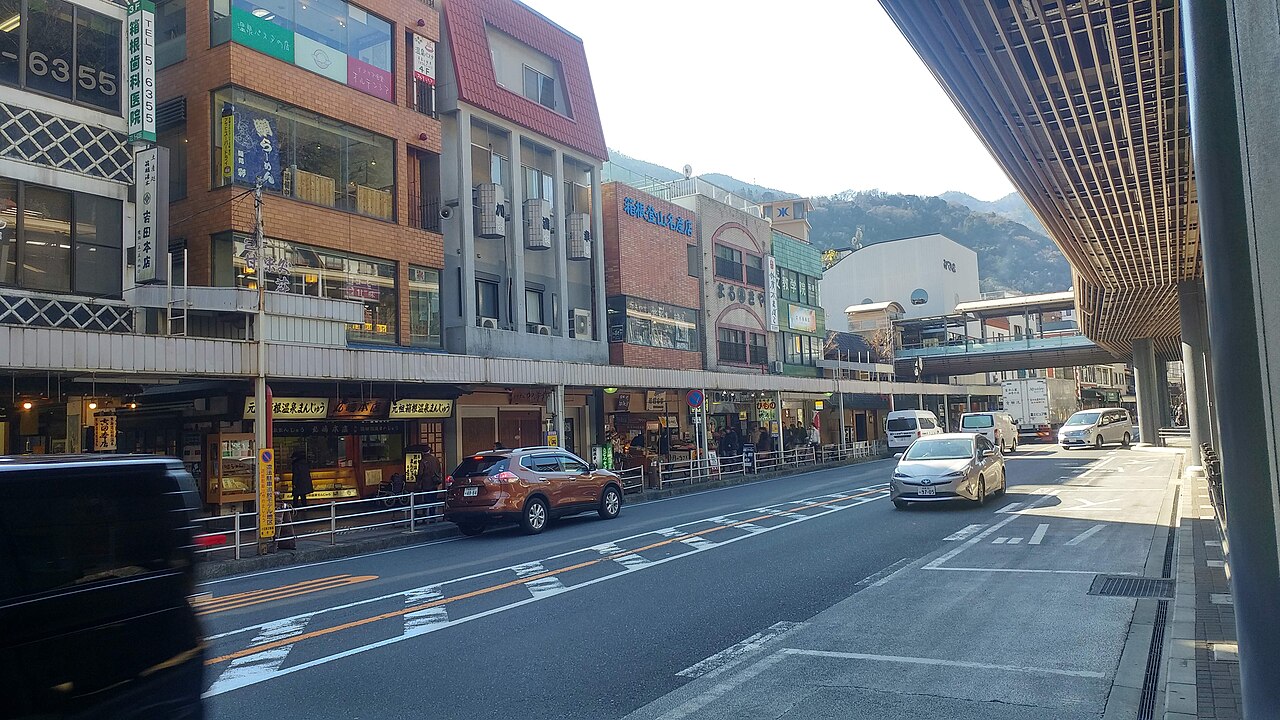
| Hakone Tourist Information Center | Walk from Hakone-Yumoto Station | 1 minute |
New to rural buses and one-man trains? See how to ride them, step by step.
Hours and Fees
| Place | What | Hours or fee |
|---|---|---|
| Hatajuku Yosegi Kaikan | Opening hours | 10:00 to 16:00 |
| Hatajuku Yosegi Kaikan | Closing days | Tuesdays and Thursdays, except public holidays, and over the year-end and New Year period |
| Hatajuku Yosegi Kaikan | Coaster-making workshop, per person, tax included | 1,600 yen |
| Hamamatsuya main store | Business hours | 9:00 to 17:30 |
| Hamamatsuya branch store | Business hours | 10:00 to 17:00 |
| Kanazashi Woodcraft shop | Business hours | 10:30 to 15:30 |
| Kanazashi Woodcraft shop | Closing days | Mondays and Wednesdays |
| Kanazashi Woodcraft | Coaster-making workshop, per participant | 1,650 yen |
| Hakone Tourist Information Center | Business hours | 9:00 to 17:45 |
The coaster workshop at the Kaikan can be booked online with no member registration, and online booking is accepted twenty-four hours a day.
Where to stay
Places to stay near Hakone, Kanagawa, Japan →
Disclosure: This post may contain affiliate links. If you book through them, we may earn a commission at no extra cost to you.