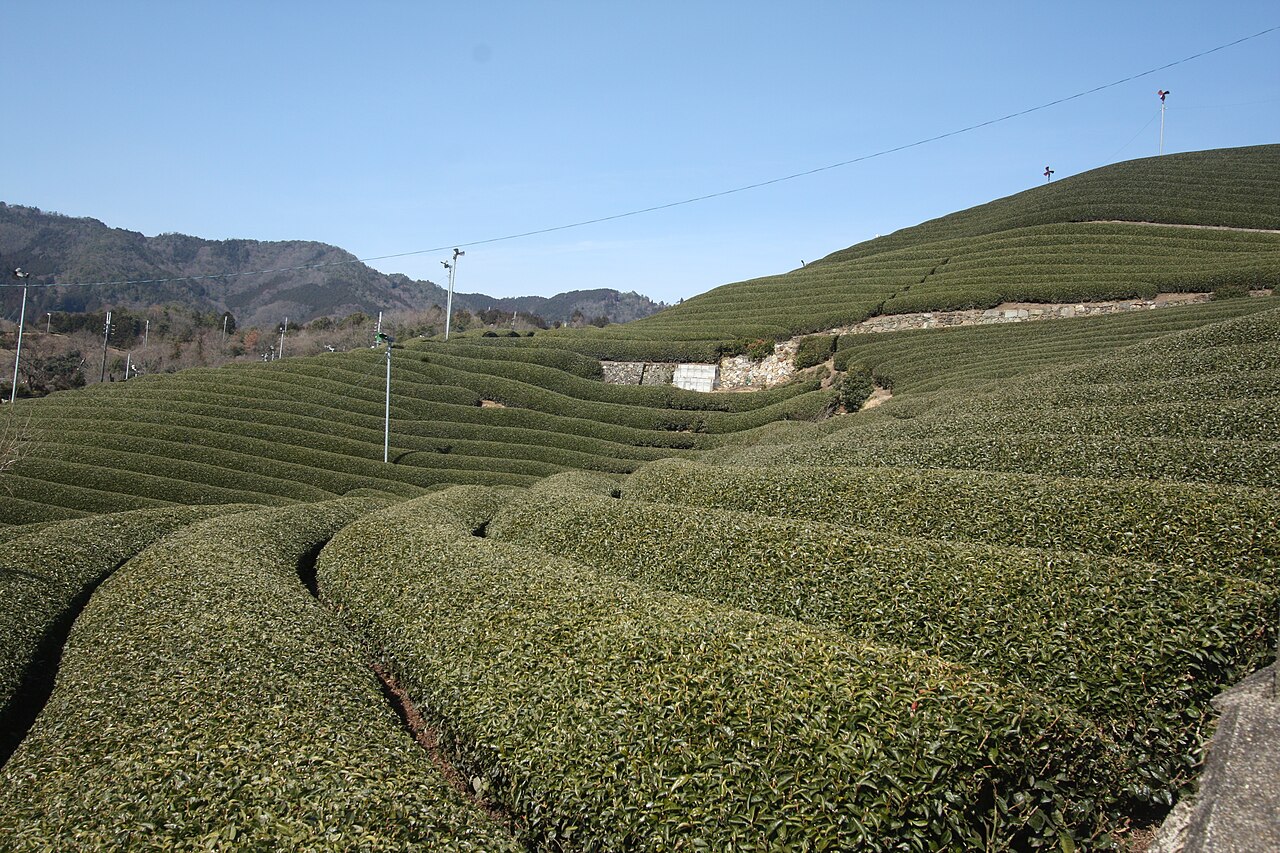
Wazuka, in southern Kyoto Prefecture, grows about half of the tea produced in the prefecture, and its tencha ranks among the top class nationwide. That harvest shapes what there is to do here. The tea-field slopes go back to the Kamakura period, and alongside them are a Chakabuki tasting game, dumpling and soap making with local tea, a driver-guided ride through the fields, and a lodging that serves tea kaiseki.
Wazuka's Tea Fields and the Priest Who Brought the Seeds
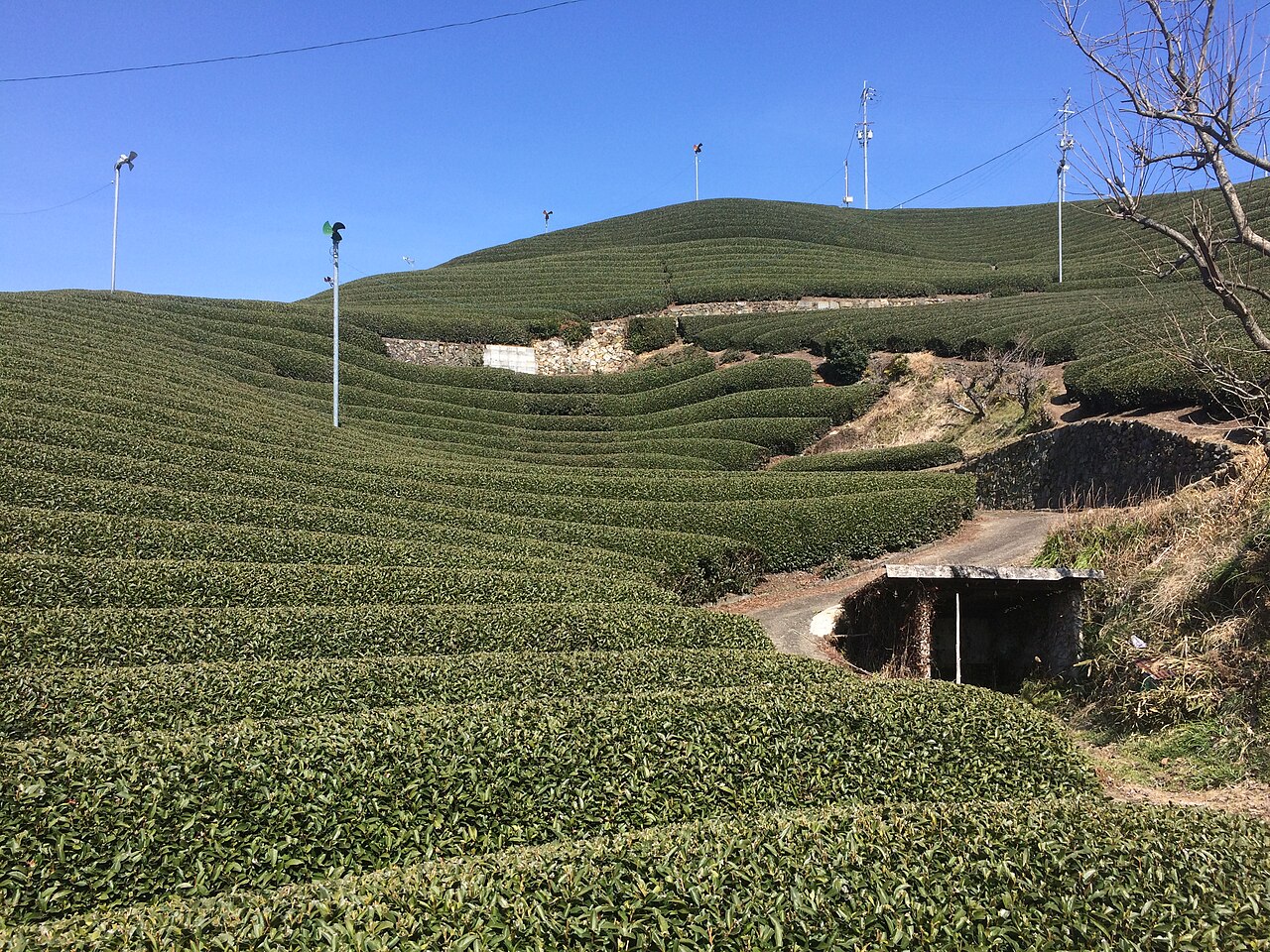
Tea cultivation in Wazuka is said to have begun in the Kamakura period, when a high priest planted tea seeds from another priest at the foot of a mountain. The landscape handed down since then is the first registration as a Kyoto Prefecture Landscape Heritage, and it is the view that greets visitors today. Photographs of the fields, designated as the first Kyoto Prefecture landscape asset, promote various teas.
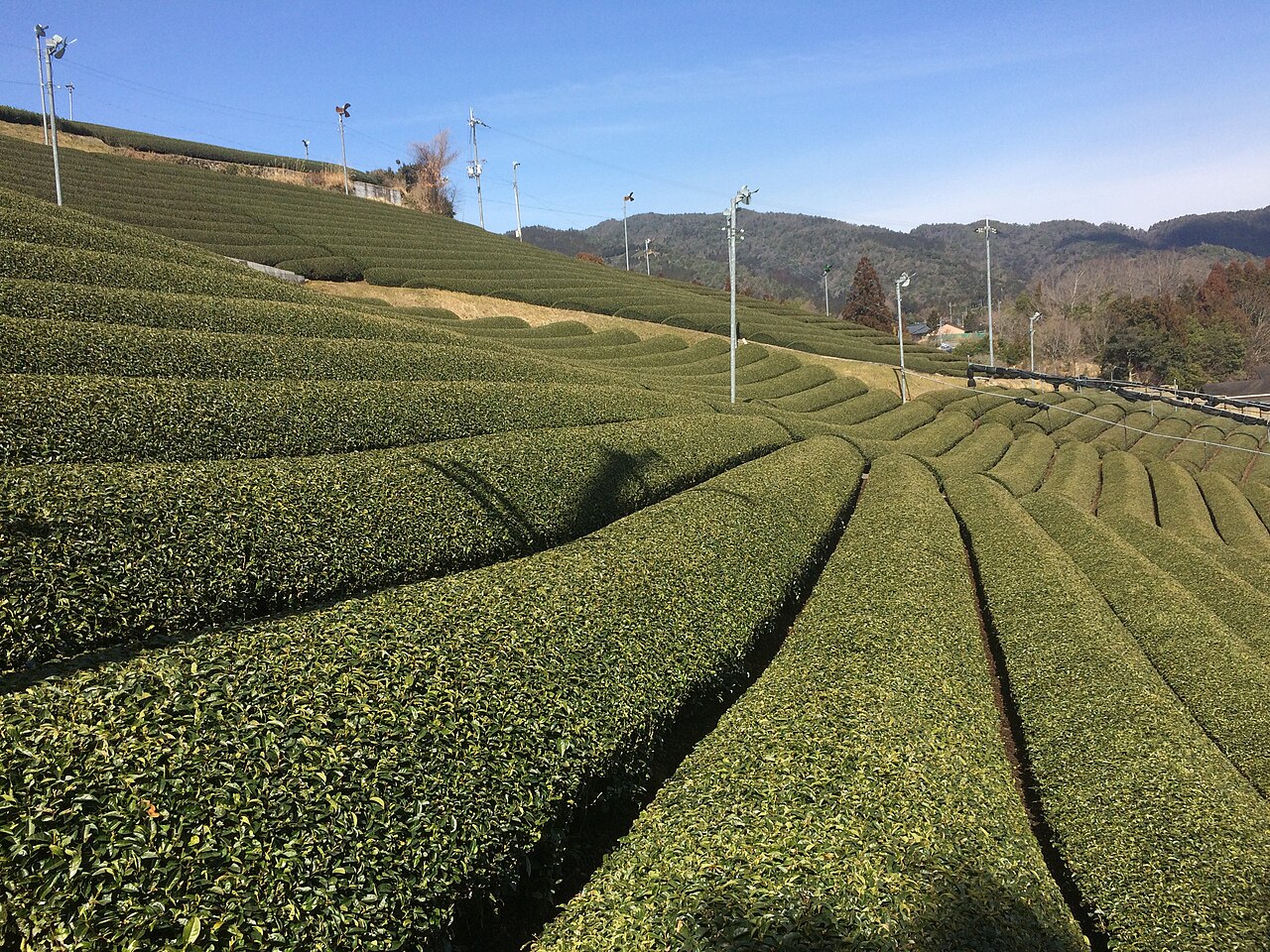
In spring a row of cherry trees at the tea fields is beautiful, seen together with fields that came through the cold winter. The fields can be seen on a hike or by rental bicycle, which keeps the landscape at a slow pace.
A river runs through the centre of Wazuka, forest is abundant, and fog forms easily. That fog wraps the leaves gently and acts as natural shade that draws out the umami. Once the sencha production method was developed, farmers specializing in sencha appeared, and from the mid-Edo period tea-protection policies helped production develop further.
If you want to see how the landscape and the tea are connected, start with the fields, where river, forest and fog all meet.
Green Slow Mobility, the Private Petit Walk and the Quiz Walk Rally
Green Slow Mobility, or Goochamo, is a driver-guided ride that starts and ends at the information center in town and goes as far as the tea-field landscape. Each trip uses one vehicle and carries up to four people, so the ride is close to a private outing. The ride takes about seventy minutes from the information center and back.
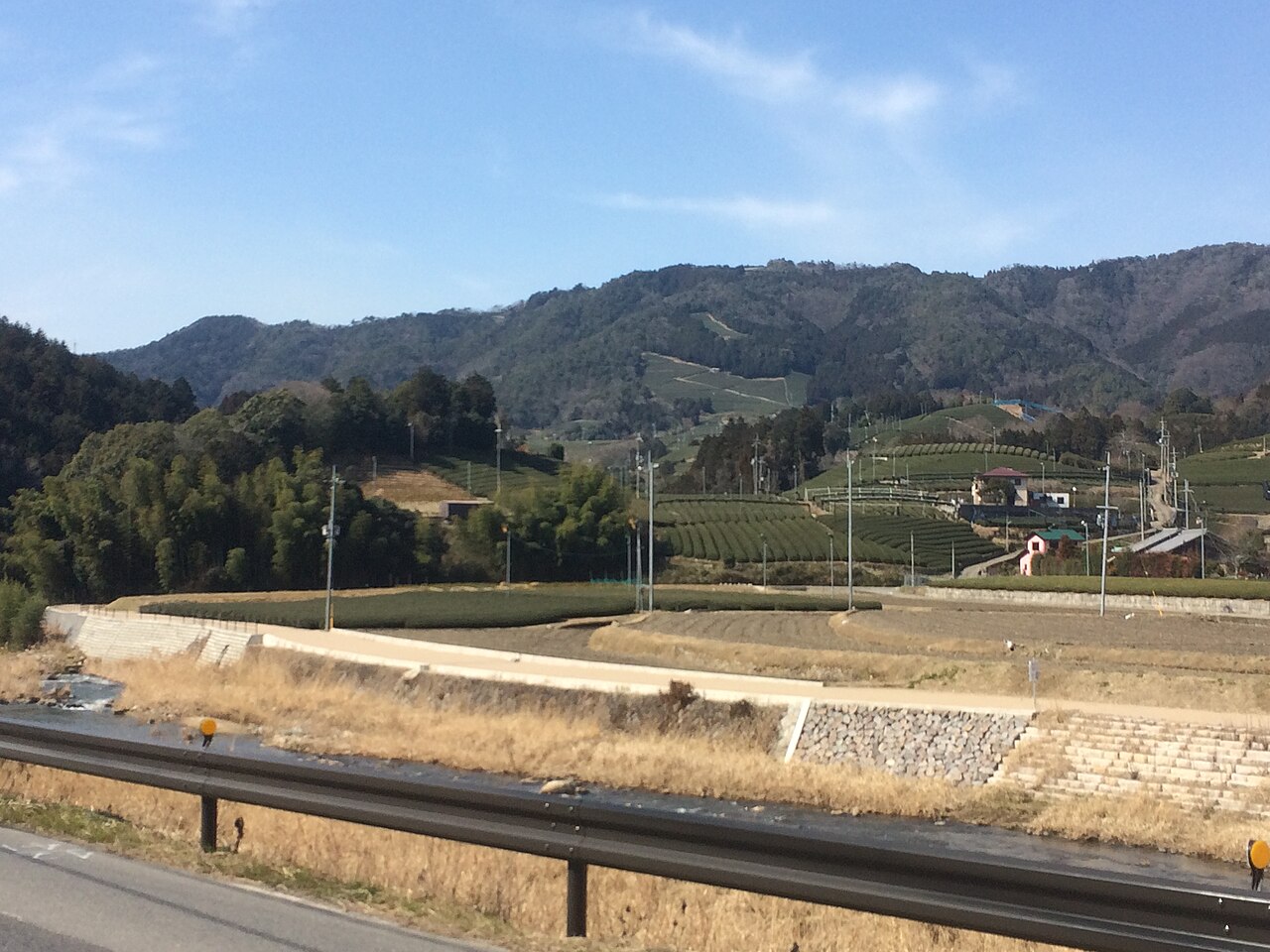
The private petit walk is a guided walk through the tea-field landscape, with the fields in view the whole way. A Japanese sweet from a Wazuka confectioner is included, which gives the walk a taste of the town as well as a view of it.
On the parent-and-child quiz walk rally, parents and children take on quizzes and missions while following a course map handed out at reception. The quizzes come in three age-based patterns, for small children, lower grades, and upper grades and above, chosen when signing up. After the rally, Wazuka tea is served at a lodging in town, a pause that rounds off the walk. Those who complete the rally receive a commemorative gift, and no guide accompanies the walk, so families set their own pace.
If you are traveling with children, the quiz walk rally is the natural pick, since the three patterns are matched to age and the course map does the guiding.
Chakabuki Tea Tasting in Wazuka
Chakabuki is a game in which players identify the characteristics of tea, much as in sake tasting. The game came to Japan from Song China in the early medieval period, with tea cultivation and manufacturing methods. It is said to have begun there as a contest to tell apart matcha production areas and the water used for brewing.
Normally two gyokuro teas, upper and ordinary grade, and three sencha teas, upper, middle and ordinary grade, are used. The brewer prepares all five under the same conditions: amount of tea, amount and temperature of water, and steeping time. Players look at the five kinds of leaf, then judge the brew's colour, aroma and taste.
Each tea is poured into small white porcelain cups, and after judging by sight, smell and taste, a tea-name tag goes into the voting box. Today it is held mainly among tea-producing areas and tea industry people, using gyokuro and sencha.
If you want to understand how tea is judged, Chakabuki lays the method bare: identical brewing, then a verdict by eye, nose and mouth.
Tea Dumplings, Tea Soap and Tea Picking in Wazuka
Tea dumplings come in three flavours here, sencha, hojicha and matcha, and making them is one of the hands-on programs. The dough is rolled and steamed, and the finished dumplings can be eaten on the spot or taken home as souvenirs. Including the steaming time, the dumpling program takes sixty minutes from start to finish.
In the tea soap program, locally grown tea is kneaded into soap, with attention paid to its scent and colour. A matcha art program includes a story about Wazuka and matcha, and a Japanese sweet to go with it.
The tea plant belongs to the camellia family and the fields stay green all year, while tea picking is limited to its own season. In that season, pickers take one bud and two leaves while touching the soft, springy new buds.
If you want to make something to take home, the dumplings and the soap are the two to choose, since both leave you with something made from local tea.
Wazuka Tea Cafe, a Tea Lodging and Yubune Forest Park
Wazuka Tea Cafe serves tea and sweets recommended by tea farmers, so the cup in front of you is one the growers chose. It is also a direct-sales shop that gathers the particular teas of Wazuka, with souvenirs to buy before leaving.
A tea lodging in town serves kaiseki meals made with tea and a tea bath with sencha floated in it. The lodging's concept is enjoying tea with all the senses, and the meal and the bath are how that plays out.
Yubune Forest Park is a natural park where river play and barbecue are the draws. Its grounds include a walking path for forest bathing and a mountain bike course that runs for Sundays only.
If you want to taste what the farms grow, start at Wazuka Tea Cafe, where the farmers' own picks are poured and the same teas can be bought to take home.
To stay overnight in the area, browse places to stay in Wazuka.
Getting to Wazuka
New to rural buses and one-man trains? See how to ride them, step by step.
| Leg | How | Time or cost |
|---|---|---|
| JR Osaka Station to JR Kamo Station | Yamatoji Rapid bound for Kamo | About 66 minutes, about two rapids an hour |
| JR Kyoto Station to JR Kamo Station | Miyakoji Rapid bound for Nara | About 60 minutes |
| JR Kamo Station into Wazuka | Nara Kotsu bus bound for Harayama | About 15 minutes |
Hours and Fees
| Place | What | Hours or fee |
|---|---|---|
| Green Slow Mobility (Goochamo) | Fee for an adult (junior high school age and up) | 1,000 yen |
| Green Slow Mobility (Goochamo) | Fee for a child (elementary school age and under); an infant rides free | 500 yen |
| Green Slow Mobility (Goochamo) | First trip, on Saturdays, Sundays and public holidays in set periods | 10:00 to 11:10 |
| Green Slow Mobility (Goochamo) | Last trip, with two more trips in between | 15:00 to 16:10 |
| Private petit walk | Fee per person | From 5,500 yen |
Fees and hours were checked against official sources on 8 November 2026.
Thinking of staying overnight?
Compare places to stay near Wazuka, Soraku, Kyoto, Japan →
Disclosure: This post may contain affiliate links. If you book through them, we may earn a commission at no extra cost to you.