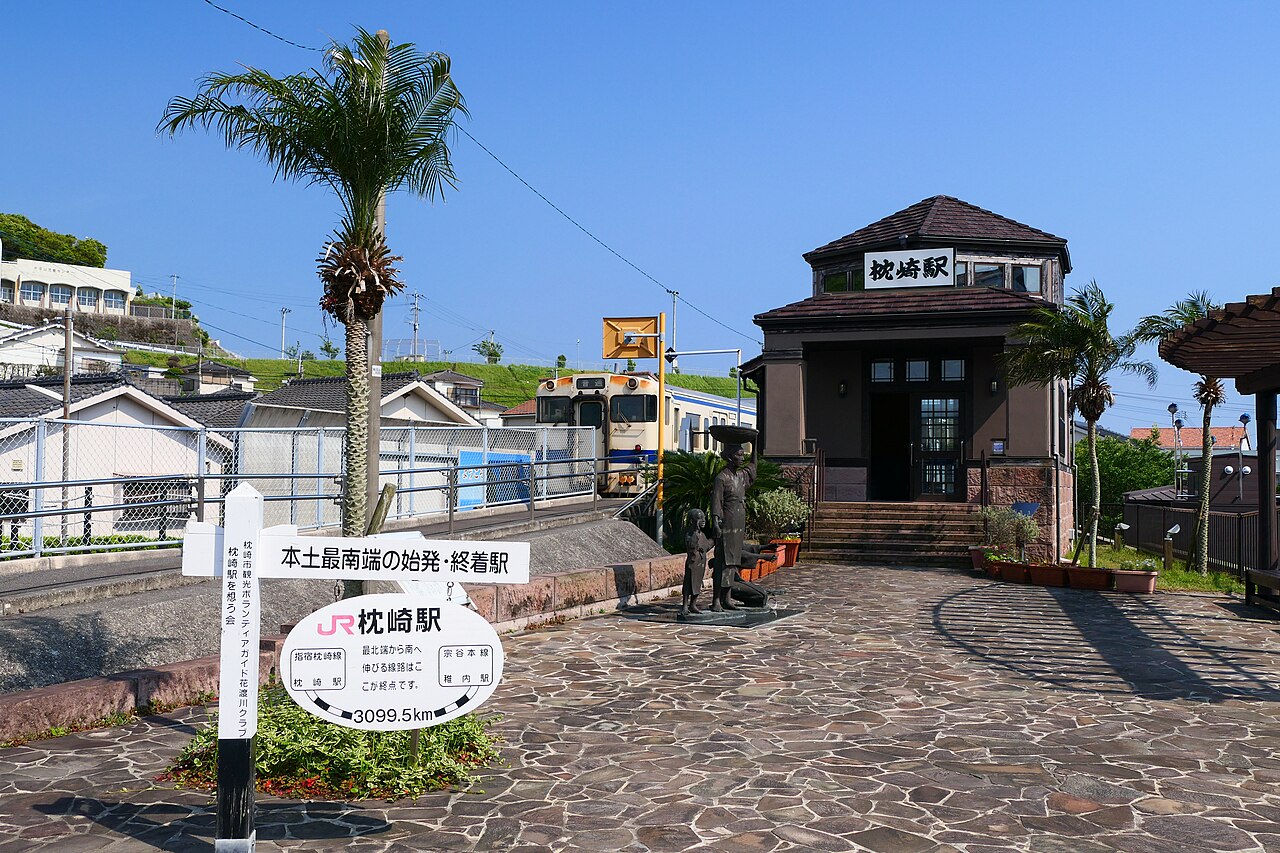
Makurazaki is where the Ibusuki-Makurazaki line comes to its end, and its name is bound up with katsuobushi, the smoked and dried bonito behind dashi. A special course lets visitors walk through a working katsuobushi factory. Offshore from Hinokami Park, the forty-two-metre Tategami rock rises out of the sea with Mt Kaimondake in the same view. The town's signature bowl, Katsuo Funado-meshi, took a Kagoshima Prefecture shopping-street gourmet grand prix.
Katsuobushi Classes and a Factory Visit
Katsu-ichi, a dashi shop and workshop in Makurazaki, runs five courses for visitors. One is a special course that takes you inside a katsuobushi factory, and another is designed for parents who want to learn about dashi for their children. Founded in Makurazaki at the southern tip of Kagoshima Prefecture, the company behind the shop is the one whose katsuobushi factory you walk through on that course.
The factory runs its stages of cutting, boiling, deboning and smoking one after another through the day, so one visit shows some stages and not all. If the cutting is the stage you came for, choose the Plus option, which adds an early-morning viewing of it. Expect the factory floor to be wet underfoot.
Katsu-ichi's katsuo senbei are crackers whose dough is kneaded with honkarebushi, katsuobushi that has been aged for close to a year. They took a Governor's Prize at a Kagoshima Prefecture marine products fair, and the scent of katsuobushi that spreads when the bag is opened is the first sign of why.
Straw-Grilled Bonito and the Harbour Market
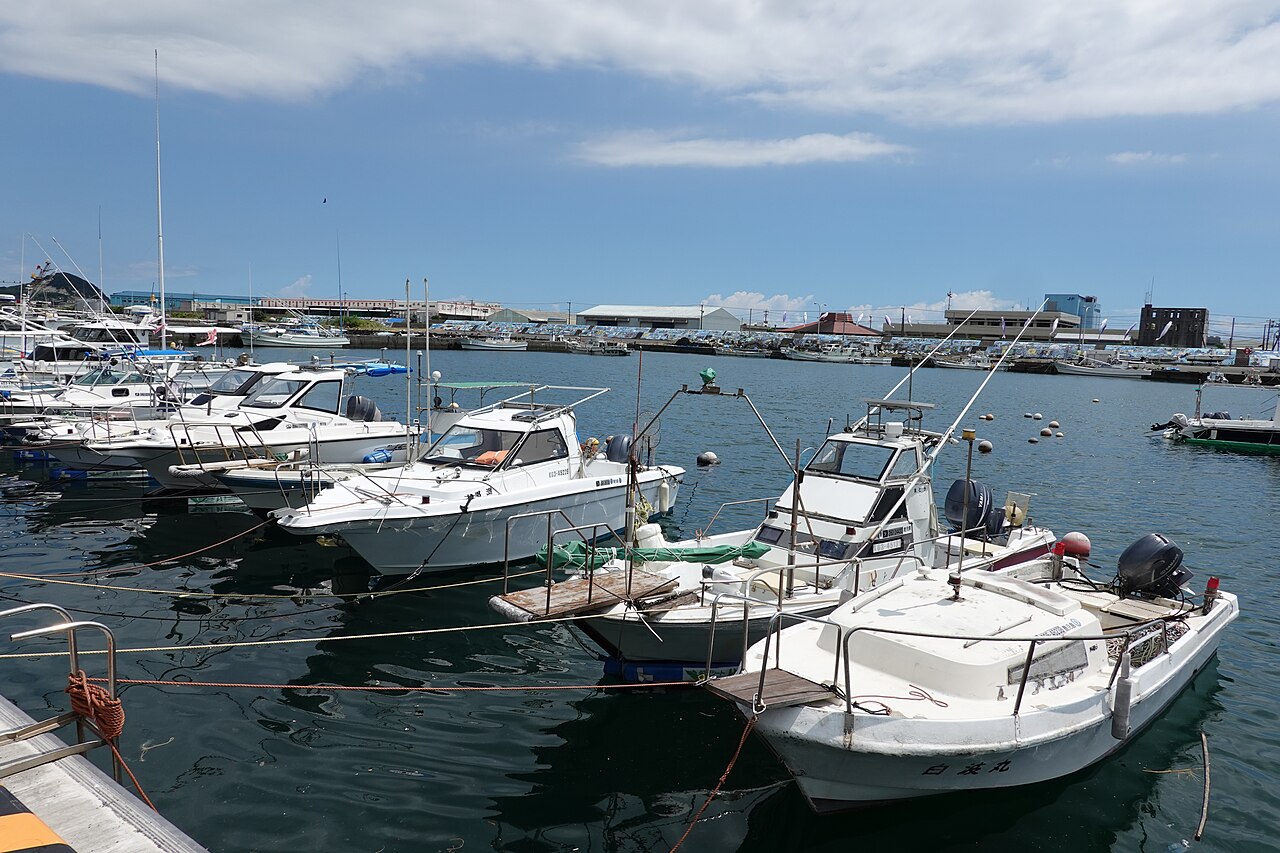
Makurazaki Osakana Center sits at the Makurazaki fishing port and sells fresh seafood bought from that port at its direct-sales outlet, alongside top-grade katsuobushi. Its Katsuo Yokocho sets out fish landed at the port that same morning, with processed marine products led by bonito.
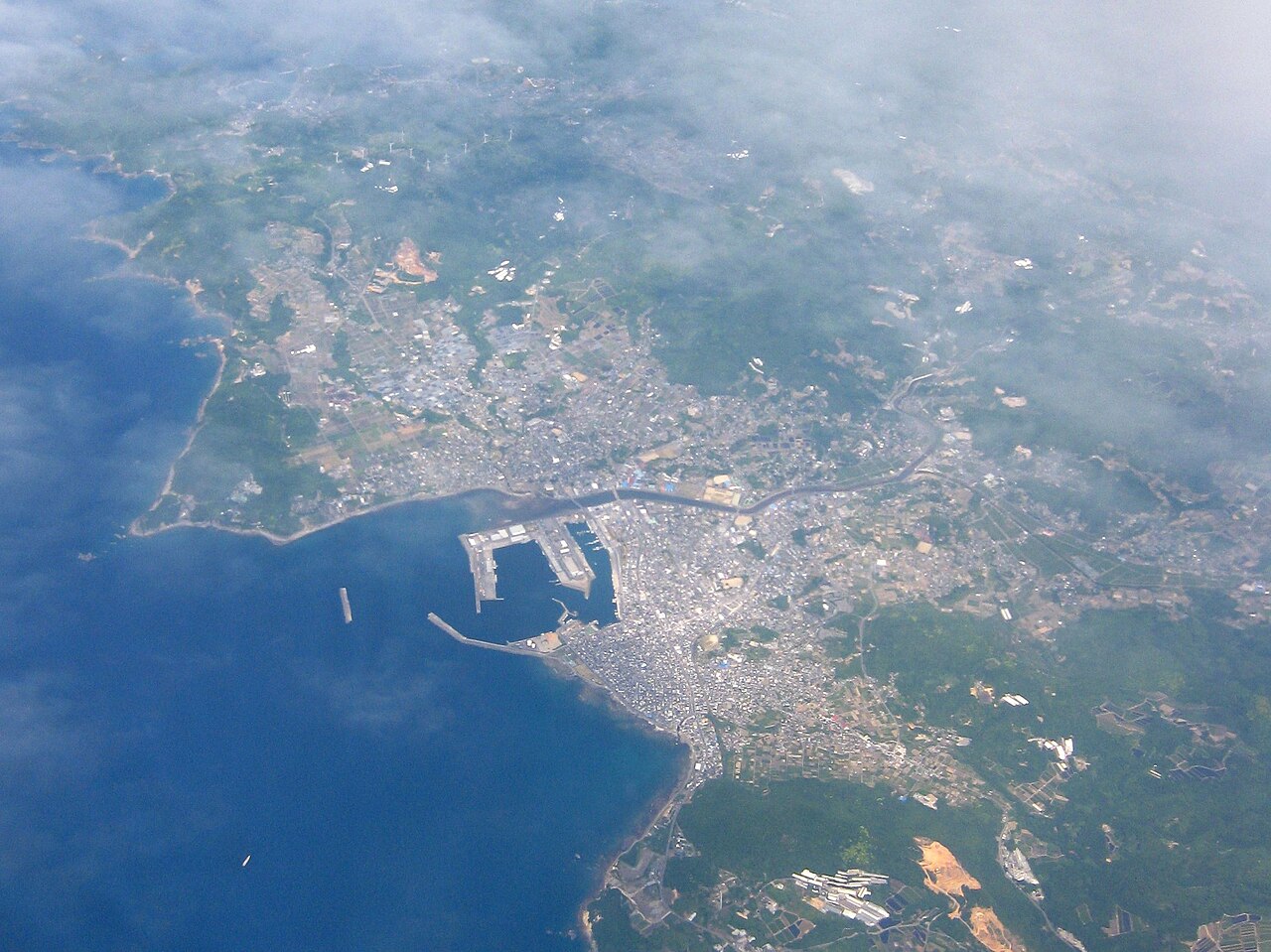
Handmade satsuma-age, Makurazaki tea, Makurazaki black tea and locally made seasonings are sold there too, as are Kagoshima souvenirs such as karukan and sweet-potato shochu. The center's own shop points visitors to frozen buen-katsuo, frozen charcoal-grilled bonito tataki, Makurazaki tea and freshly fried satsuma-age, and the freshly fried satsuma-age is the one to eat on the spot.
The straw-grilled tataki is sold by the skewer, and each skewer weighs one hundred to one hundred and twenty grams, about five slices of tataki. That makes one skewer a tasting rather than a meal, the right size for a stop between the market and lunch.
Bonito Bowls and Katsuobushi Curry
Katsuo Funado-meshi began as the galley meal that fishermen ate on board ship, and the modern-style arrangement of it now served at seven shops in town took the Kagoshima Prefecture shopping-street gourmet grand prix. The bonito seasoning and the toppings differ from shop to shop, so the same bowl is worth ordering twice. A seafood restaurant in town tops its special bonito bowl with bonito sashimi, straw-grilled returning bonito and seared bonito toro, and its bonito set meal adds salt-grilled belly skin and shutou, the salted entrails.
Makurazaki Katsuo Bushi curry is served at ten shops of the city's shopping-street federation, and every version keeps two rules, a roux built on dashi from Makurazaki-produced katsuobushi and a topping of katsuobushi, while everything else is each shop's own. One shop's version carries a deep bonito flavour with the sweetness held down and the fishy smell removed, another fries sashimi-grade bonito in a katsuobushi coating, and the Osakana Center's curry simmers beef in dashi made with plenty of arabushi.
The same seafood restaurant cooks alfonsino as shabu-shabu hotpot, simmered, as rice with tea poured over the fish, and as seared sushi. It also serves Kagoshima brand pork whose fat is fine-grained, with no gamey smell and plenty of umami.
Hinokami Park, Tategami Rock and the Southern Coast
Hinokami Park is the front gateway of Bonoma Prefectural Natural Park, and offshore from it stands the forty-two-metre Tategami rock with Mt Kaimondake in the same view. The place name Hinokami is said to derive from the land where a figure from the Kojiki and Nihon Shoki stopped on his journey, and that land is the shore you stand on to look at the rock and the mountain. The water around the park is also a rock-fishing spot.
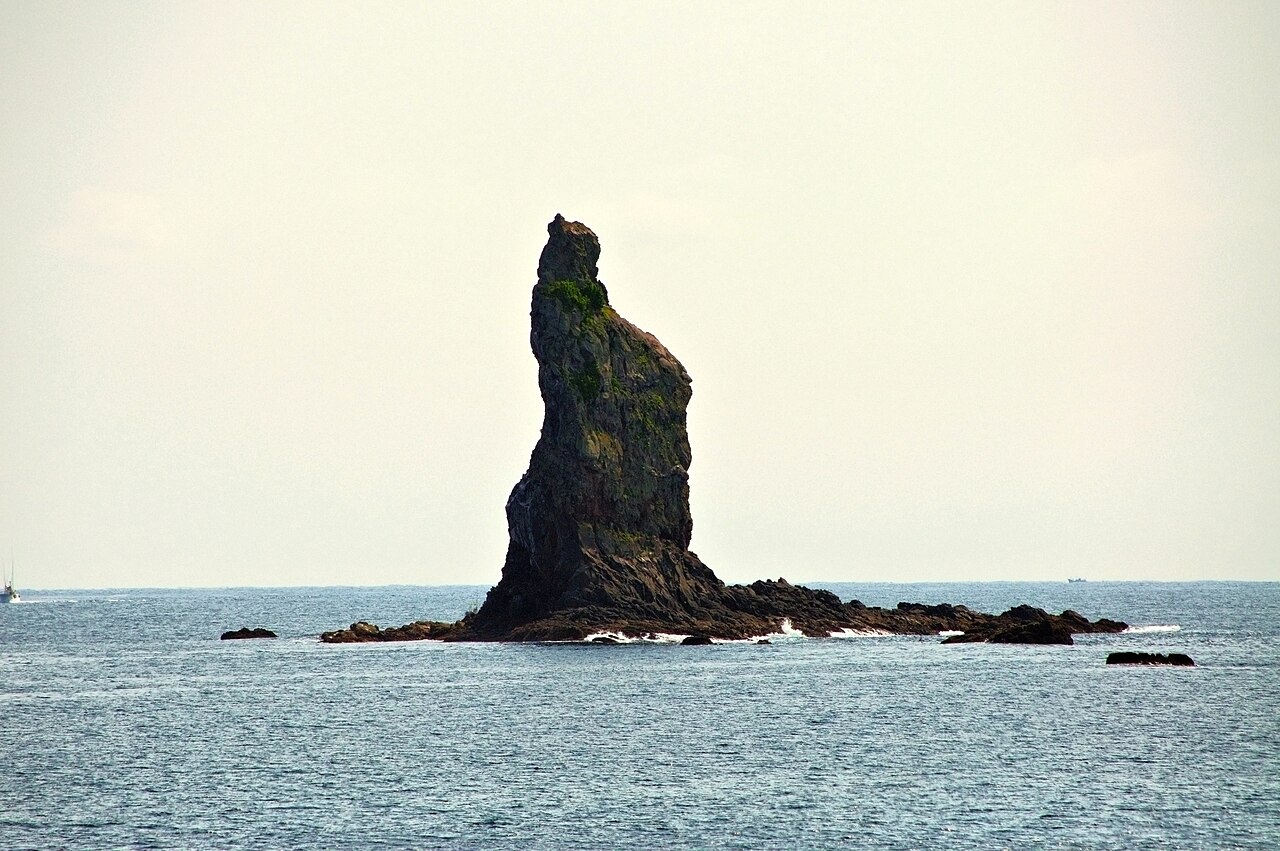
The shore here belongs to Satsunan Coast Prefectural Natural Park, and Mt Kaimondake can be seen from anywhere within it. Below a park further along the coast lies a white-sand beach with a clear sea, and its sand and river-mouth tidal flats are nesting ground for sea turtles and habitat for rare species. At high tide the sand narrows and the footing on the way to the coast is poor, so check the tide first and take the way down slowly.
A memorial lookout nearby was built in memory of those who were lost and in hope for peace, and the coast beside it is where scenes of a Japanese war film were shot. A volunteer guide group also leads visitors through the memorial. Those who want this coast at a slower pace, with Mt Kaimondake in view and the white sand at low tide, can look at places to stay in Makurazaki.
Two Shochu Distilleries
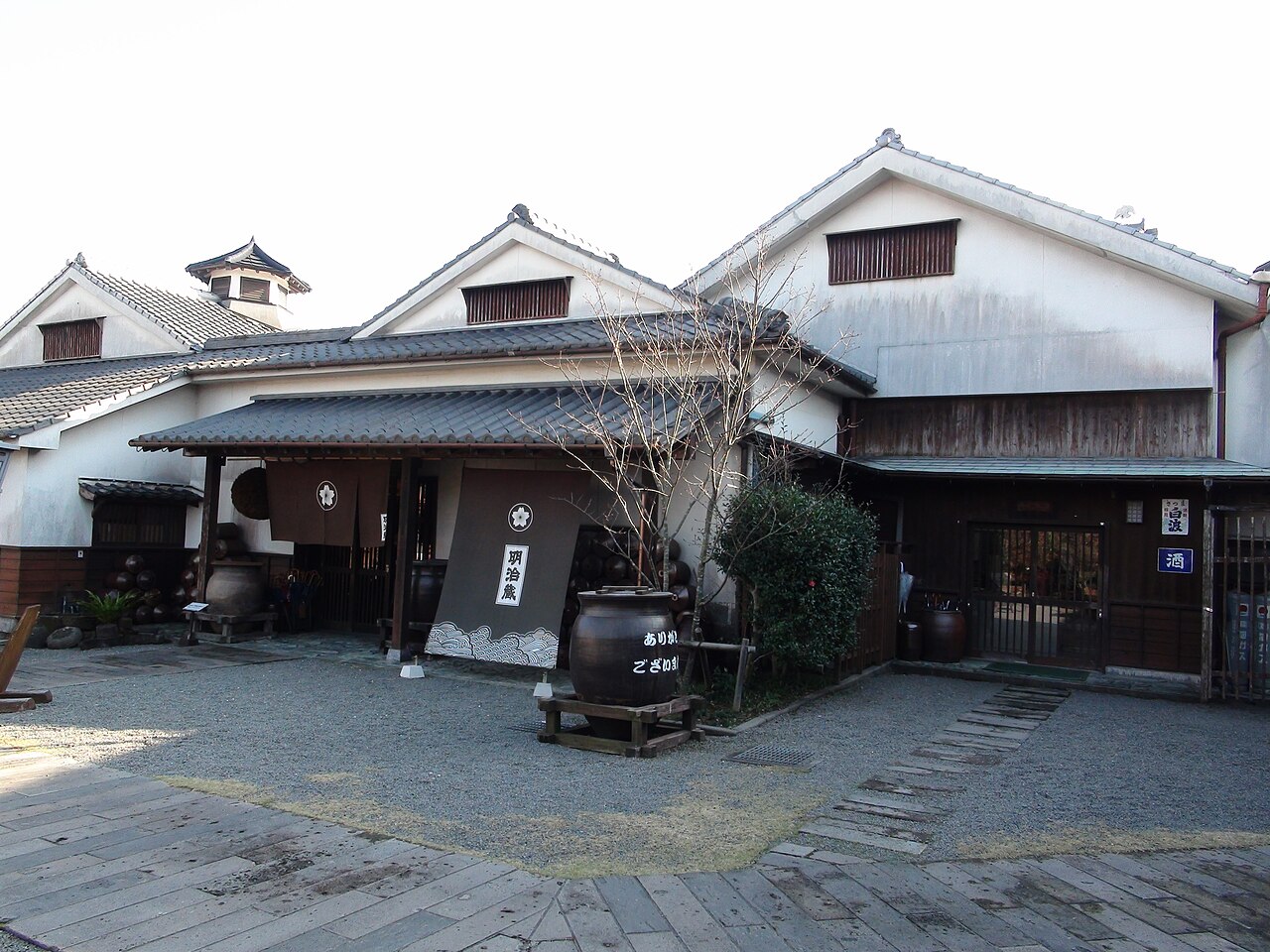
Satsuma Shuzo Meijigura is a shochu brewery that has continued since the Meiji era, and visitors step straight into the work site where the preparation happens and taste shochu there. The viewing comes without a staff explanation, so you look around at your own pace, and anyone who has driven is refused a tasting. Visitors on the guided course are asked not to film video.
The Hinokami distillery is the second stop, and its special plan takes you into an anechoic room. Its visitor center has an on-site bar for guests on a plan and a shop with a limited range of products specific to this distillery. With time for one, Meijigura suits a self-paced look and the Hinokami distillery suits those who want a set plan and its bar.
Where the Line Ends: Station-Front Finds
Makurazaki is the starting and terminal point of the Ibusuki-Makurazaki line, which passes through the southernmost part of mainland Japan, and the tourist information office beside the terminus sells an arrival certificate to mark that you reached the end.
The same office rents electric-assist bicycles, hands out manhole cards, and keeps tourist brochures and memory notebooks for visitors to leaf through. If you plan to ride around town, pick up the brochures first so the route is in your hand.
Getting to Makurazaki
| Leg | How | Time and estimate |
|---|---|---|
| Kagoshima to Makurazaki | Super limited-express bus (Kagoshima Kotsu) | About 1 hour 25 minutes; 3 round trips a day |
| Kagoshima to Makurazaki | Limited-express bus (Kagoshima Kotsu) | About 1 hour 33 minutes; 4.5 round trips a day |
| Kagoshima to Makurazaki | Ordinary bus (Kagoshima Kotsu) | About 1 hour 54 minutes; 1.5 round trips a day |
| Boarding in Kagoshima | East exit of Kagoshima's central rail terminal, stop 16 | Bound for Makurazaki |
| Rail from Kagoshima | Limited-period planned ticket on the my route app: JR Ibusuki-Makurazaki line round trip plus two digital coupons | Adult 4,260 yen; child 2,120 yen |
| Makurazaki Station to the dashi shop | On foot | About 3 minutes |
| Makurazaki Station to the Osakana Center and Meijigura | Taxi or car | About 5 minutes each |
| Makurazaki Station to the memorial lookout and the Hinokami distillery | Car or taxi | About 10 minutes each |
New to rural buses and one-man trains? See how to ride them, step by step.
Hours and Fees
| Place | What | Hours or fee |
|---|---|---|
| Dashi shop and workshop | Hours | 10:00-16:00 |
| Dashi shop and workshop | Course fees | Minimum fees from 3,300 yen to 8,800 yen per person |
| Osakana Center canteen | Hours | 11:00-14:00 (last order) |
| Osakana Center | Straw-grilled tataki | 1,500 yen per skewer |
| Satsuma Shuzo Meijigura | Hours | 9:00-16:00 |
| Hinokami distillery | Hours and closing day | 10:00-16:00; closed on Wednesdays |
| Hinokami distillery | Standard plan, adult | 2,000 yen |
| Tourist information office at the station | Rental bicycle and arrival certificate | Electric-assist bicycle 500 yen for up to 2 hours; arrival certificate 500 yen |
The dashi shop takes class bookings up to seven days ahead, does not accept classes over the year-end and New Year holidays, and adds a per-person surcharge for foreign customers. The Osakana Center is closed on the third Wednesday of every month, tataki skewers are booked by telephone the day before, and the Meijigura brewery is closed over the New Year holiday.
Where to stay
Places to stay near Makurazaki, Kagoshima, Japan →
Disclosure: This post may contain affiliate links. If you book through them, we may earn a commission at no extra cost to you.