Tobe sits at the southern end of the Matsuyama Plain in Ehime, where porcelain has been made for about two hundred and fifty years and is still made at about one hundred kilns. The making is not left to the potters: at the Tobe Town Pottery Creation Hall, visitors paint a piece, build one by hand or throw one on an electric wheel. Around the workshops, two halls show and sell the kilns' work, a stroll course leads through the pottery district, and a cafe in the hills pairs lunch with a gallery of the ware.
Make Your Own Tobe Ware: Painting, Hand-Building and the Wheel
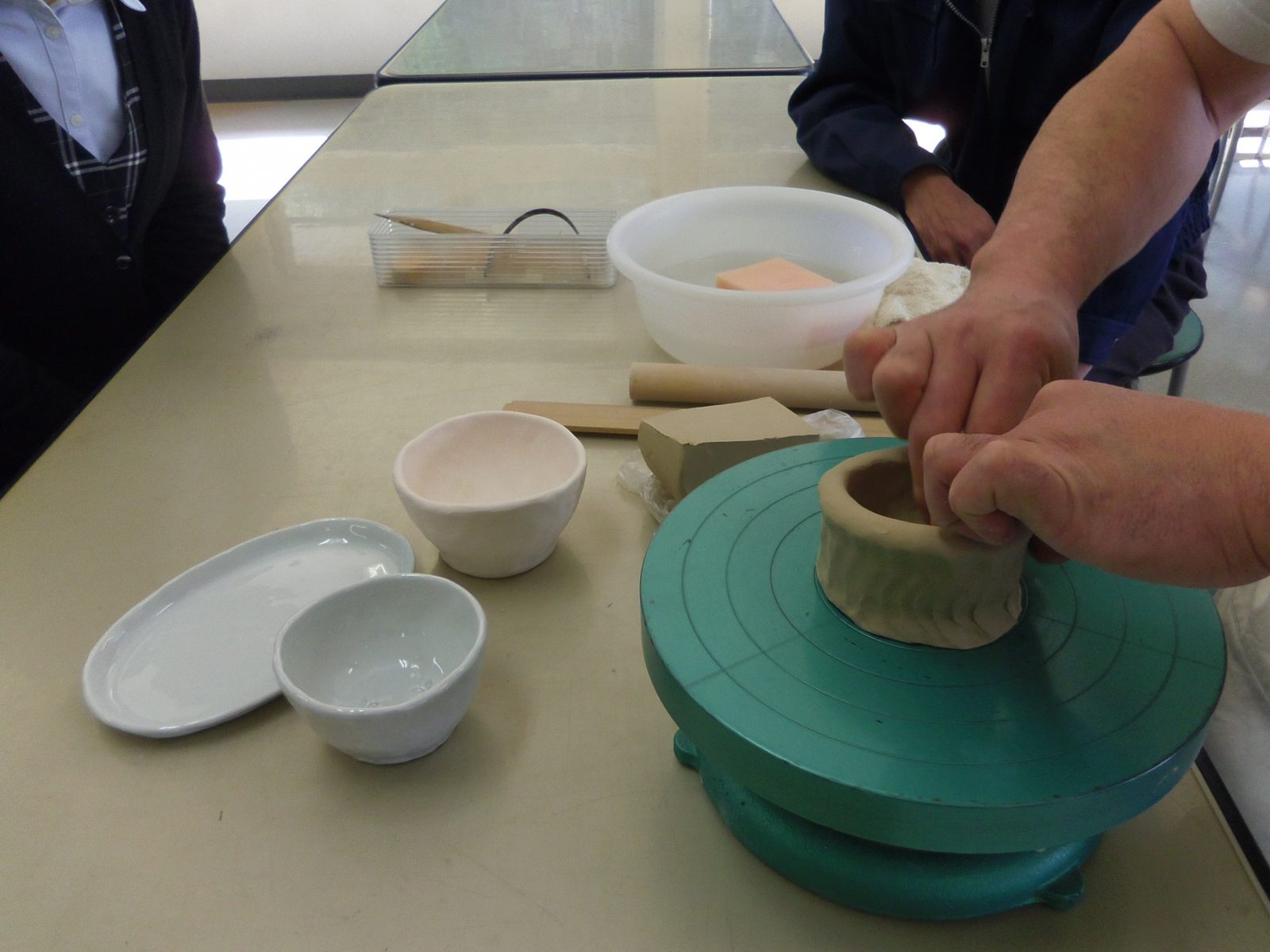
The Tobe Town Pottery Creation Hall offers Tobe ware making in three forms: painting, hand-building and throwing on an electric wheel. In hand-building, you pinch and spread the clay, tap it with a wooden spatula and finish one piece per person under guidance. Fingertips stretch and spread the clay into vessels and ornaments, while the wheel activity forms a vessel on an electric potter's wheel.
Painting begins with choosing a vessel from various shapes; shades of light and dark are then drawn on it with the gosu pigment. A hand-built piece that is not painted comes out pure white after firing, so the brush is a choice, not a requirement.
Painting takes from about thirty minutes to a two-hour sitting. The finished piece is ready in about two to three weeks, and posting it home is charged separately.
The second floor of the Tobe Ware Togeikan runs the same three activities: throwing on the wheel, hand-building and painting, with many kinds of vessels for painting that suit a travel souvenir. The Rural Craft Hall also offers the wheel from the fifth grade of elementary school upward.
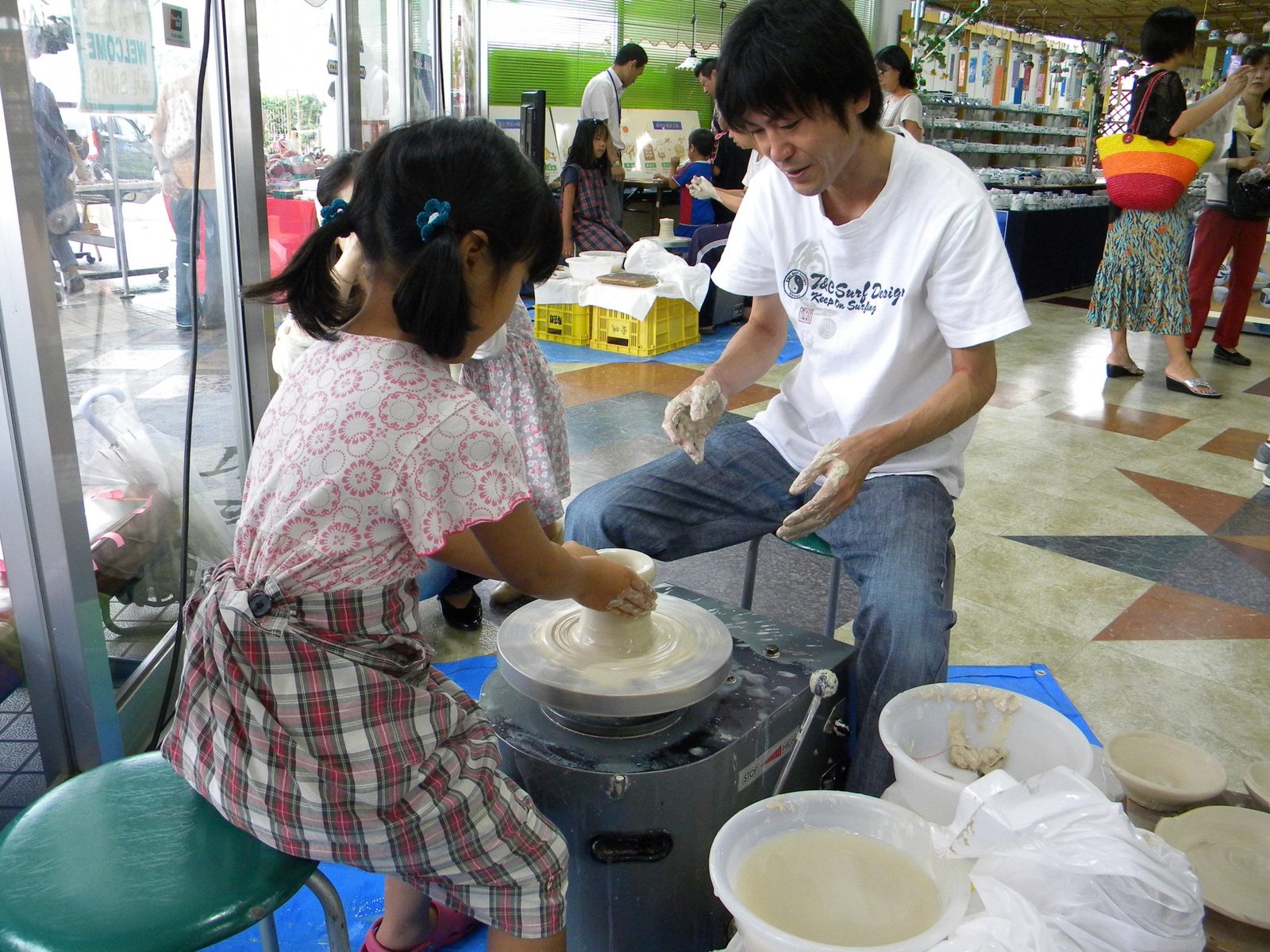
If you have not planned ahead, painting at the Creation Hall needs no arranging in advance, while hand-building and the wheel at the Togeikan do. If you want your own shape as well as your own brushwork, choose hand-building; the piece can be painted at a later date.
Two Halls of Tobe Ware: Togeikan and the Traditional Industry Hall
The Togeikan's ground floor has display corners for about thirty kilns, showing and selling everything from everyday tableware to one-off pieces, so you can compare kilns side by side before deciding what to carry home.
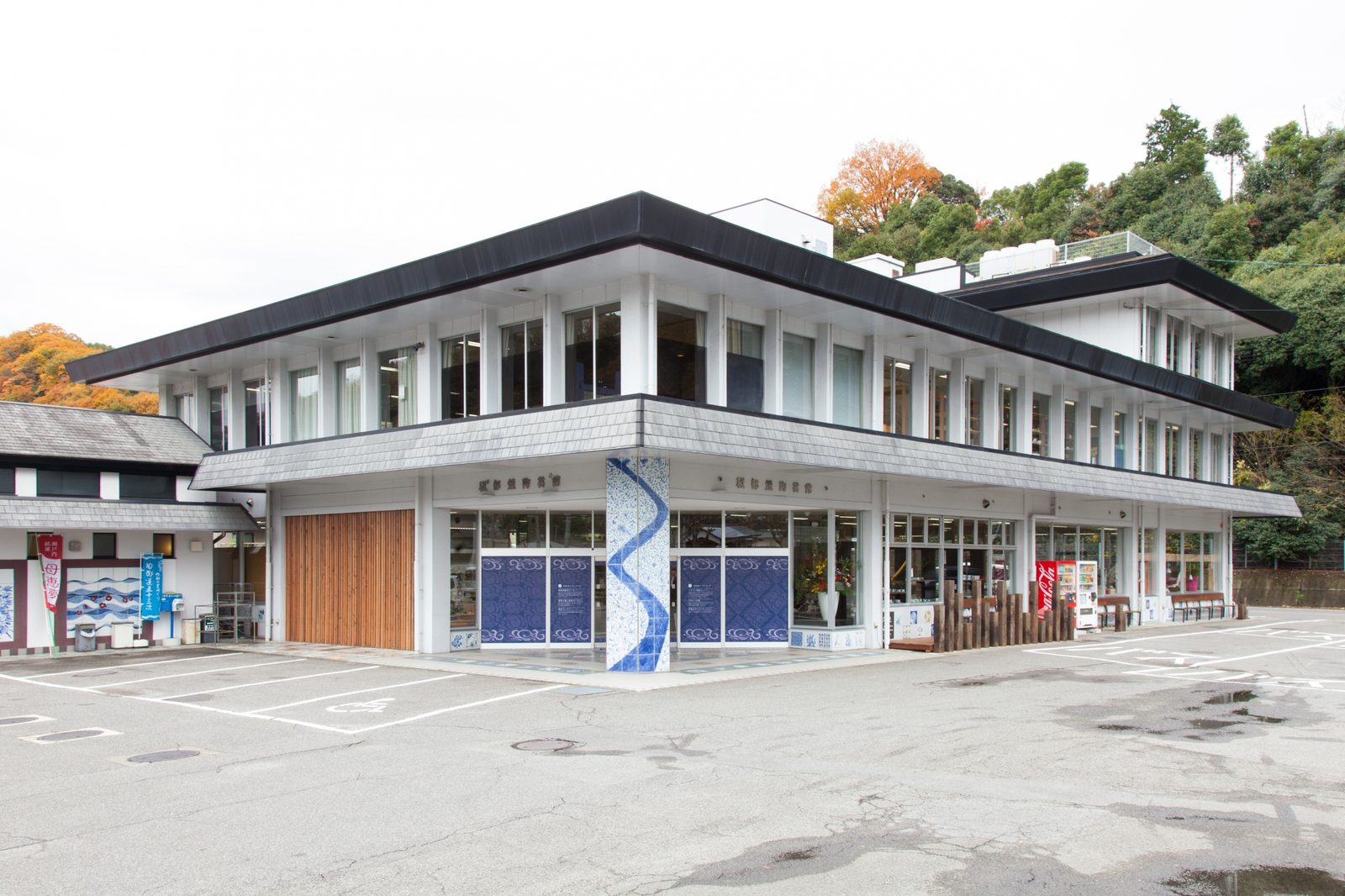
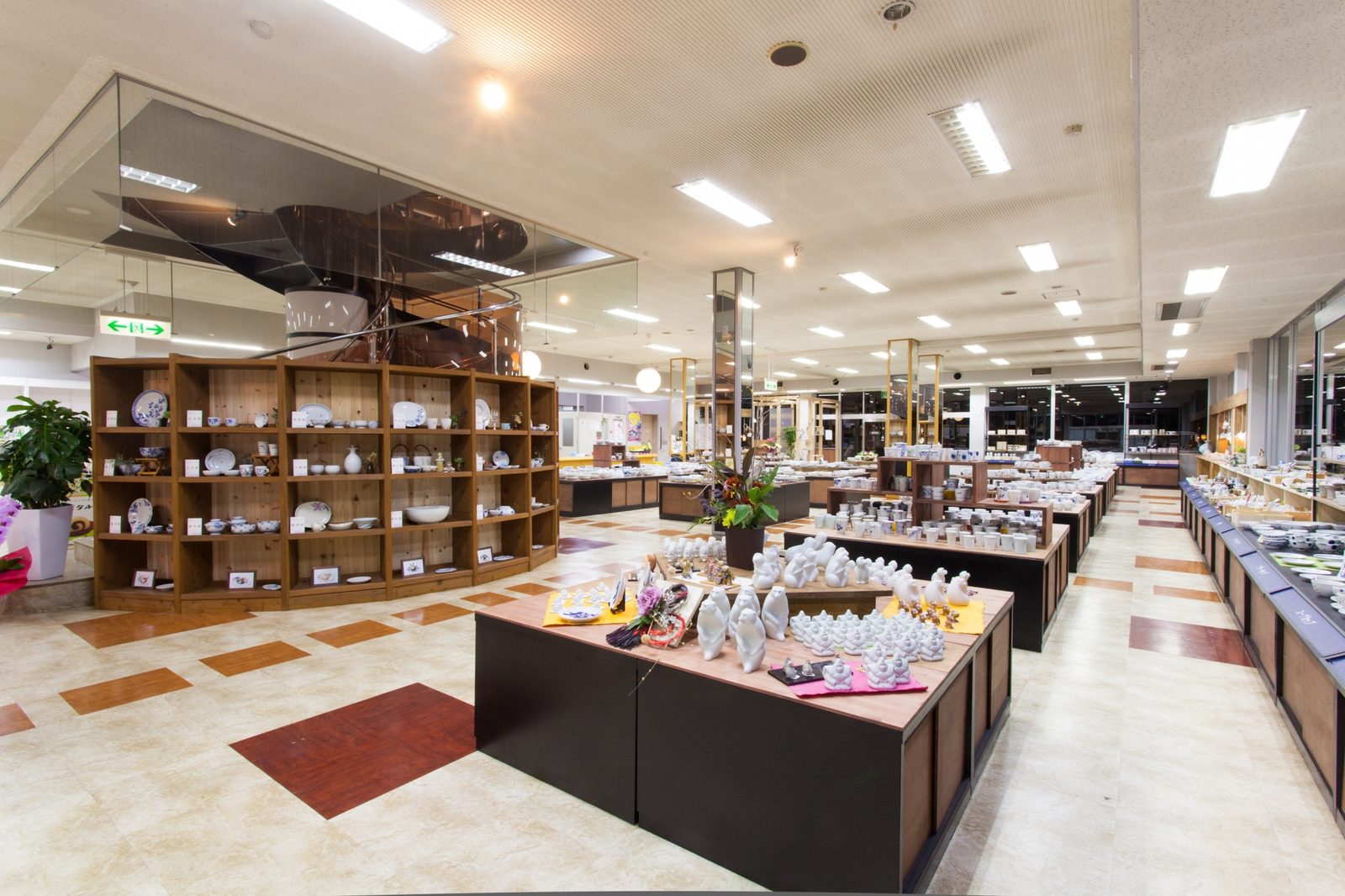
The Tobe-yaki Pottery Traditional Industry Hall sets the ware's past beside its present: it exhibits historical materials of Tobe ware, valuable pottery and excellent modern works. The ground floor displays and sells the works of about eighty kilns, and the second floor holds solo and group exhibitions. A room of preserved works shows pieces that carry the characteristics of their era and excel in technique, and a sister piece of the globe donated to the United Nations European headquarters in Geneva is on display.
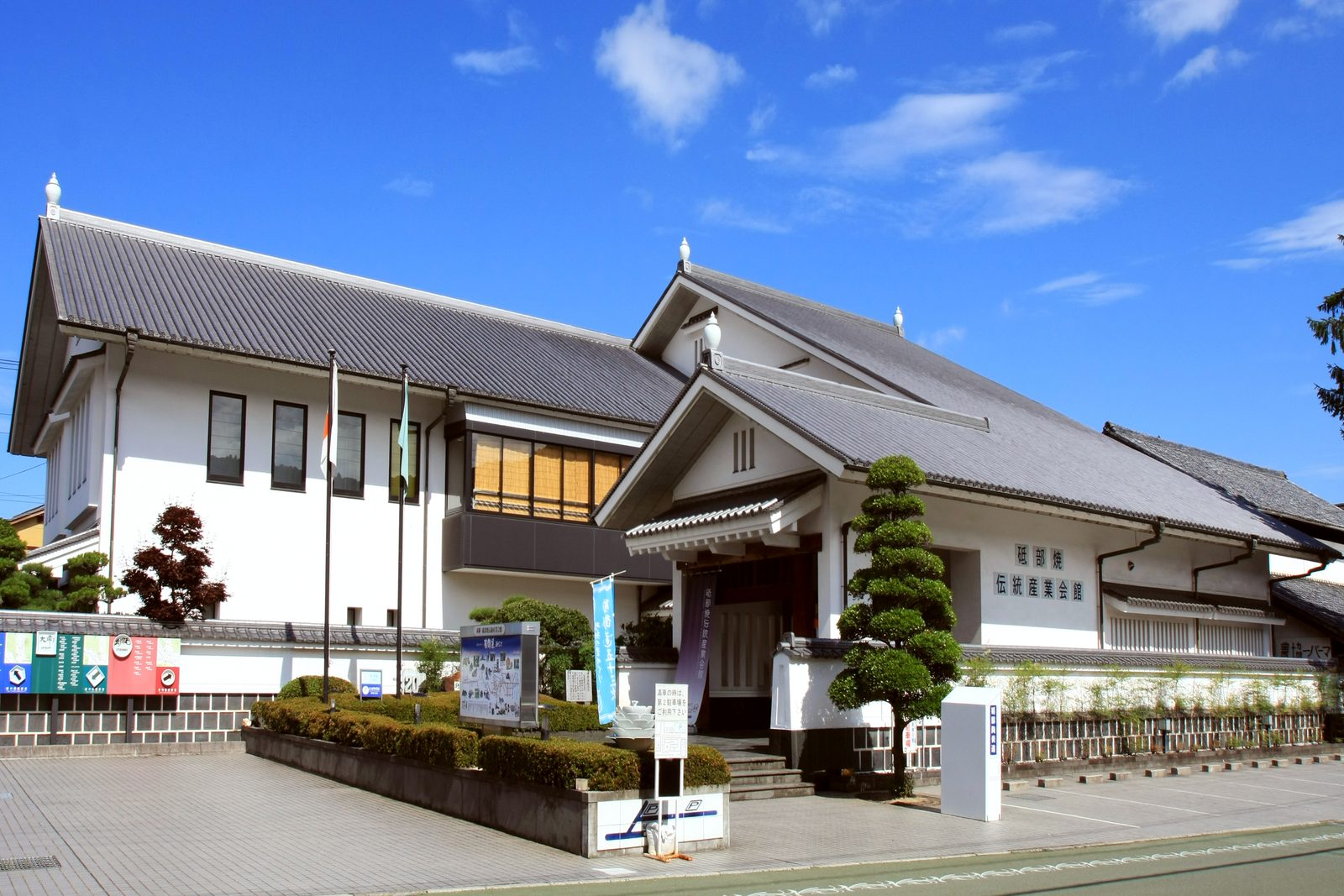
Porcelain production here began about two hundred and fifty years ago, and what that history produces is sturdy, practical tableware with gosu blue standing against clean white porcelain. The ware is simple and warm, easy to coordinate as everyday tableware, and in recent years colorful pieces, brooches and hair accessories have joined it. If you want the history before you buy, begin at the Hall; if buying is the point, the Togeikan's one floor is enough.
Walking the Pottery Village on Foot and by Bicycle
The stroll course starts at the Hall, where you take in the whole picture of Tobe ware before heading out, and runs about one hour. Walking the rural hills of the zone, you come across pottery art in many places and Tobe ware objects and notice boards along the way, and from two spots the pottery district can be seen in full view.
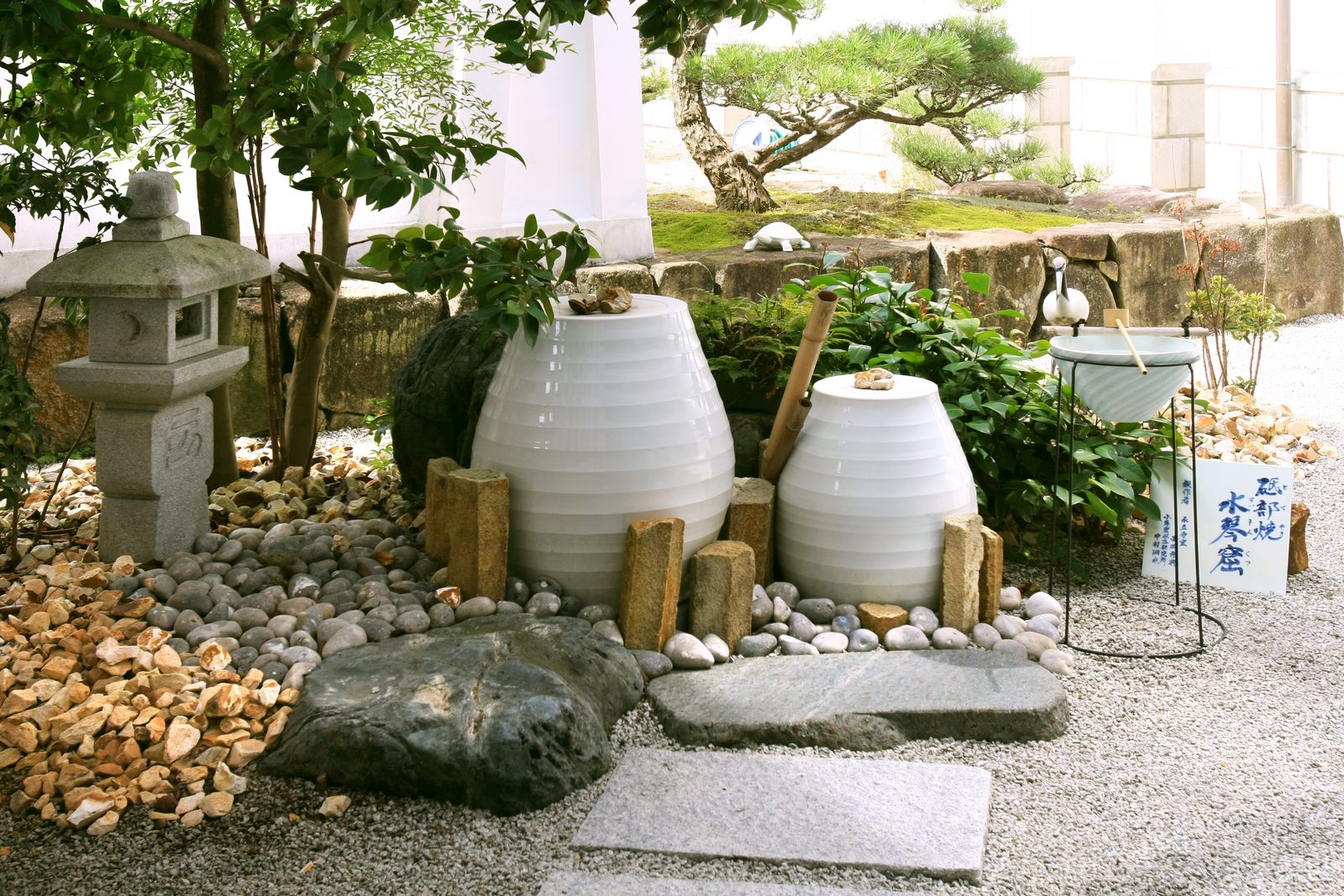
A suikinkutsu is a jar buried upside down, and you listen for water drops falling onto the water collected at its bottom. Handed down since the Edo period, it has a tone like a koto, and you can hear it in the courtyard of the Hall, the lobby of the town office and the back garden of a former village head's house, each a numbered stop on the pottery-road route. The Tobe ware version is an above-ground type, with the jar set above ground.
The Hall also has six electric-assist rental bicycles, each to be returned where it was rented. If walking suits you, begin at the Hall and follow the course; to cover more ground, take one of the bicycles.
Cafes, Lunch and the Seasons of Tobe
Cafe & Gallery Moegino, a log-house-style cafe in quiet mountain scenery, has a gallery of Tobe ware from about twenty kilns where pieces can be bought on the spot; its Moegino Special Curry puts chicken and vegetable curry on one plate with ten kinds of spice.
An old-house-style folk-craft cafe serves mornings, lunch and cafe items beside a small stone garden with a stream, and Cafe Rest Yui, on the Tobe and Iyo City border, serves an assorted lunch of hamburger steak, fried shrimp and omelette rice.
From late February to early March, the Nanaori plum festival is timed to the bloom of about sixteen thousand plum trees, with umeboshi, plum syrup and plum daifuku on sale. The Tobe ware festival comes in April, nagashi-somen in summer at the foot of Gongen-yama, and in autumn kilns gather at Togaido Yutori Park to sell face-to-face.
If you want pottery in the room as well as on the plate, plan lunch around Moegino, closed Monday to Thursday except on holiday Mondays, so a weekend suits it. If you would rather stay overnight, places to stay in Tobe is a place to start.
Getting to Tobe
Tobe adjoins Matsuyama on its south side, across the Shigenobu River.
| Leg | How | Time |
|---|---|---|
| Matsuyama City Station to the stop west of the Tobe Town Office | Iyotetsu route bus, Tobe line | About 45 minutes |
| JR Matsuyama Station to the Togeikan | Bus | About 40 minutes |
| Bus stop to the Togeikan | On foot | About 1 minute |
| Dogo Onsen to the Togeikan | Taxi | About 30 minutes |
| Central Matsuyama or Dogo Onsen to the Togeikan | By car | About 30 minutes |
| Matsuyama Interchange to the Tobe Town Office | By car | About 10 minutes |
| Kawauchi Interchange to the Togeikan | By car | About 20 minutes |
| Pottery Creation Hall to the Traditional Industry Hall | On foot | 4 minutes |
New to rural buses and one-man trains? See how to ride them, step by step.
Hours and Fees
| Place | What | Hours or fee |
|---|---|---|
| Tobe-yaki Pottery Traditional Industry Hall | Opening hours | 9:00 to 17:00 |
| Tobe-yaki Pottery Traditional Industry Hall | Weekly closing day | Monday |
| Togeikan | Opening hours | 9:00 am to 5:00 pm |
| Togeikan | Weekly closing day | Wednesday |
| Tobe Town Pottery Creation Hall | Opening hours | 9:00 to 17:00 |
| Tobe Town Pottery Creation Hall | Weekly closing day | Thursday |
| Tobe Town Pottery Creation Hall | Hand-building, one piece per person | 2,000 yen |
| Tobe Town Pottery Creation Hall | Painting | From 400 yen |
| Cafe & Gallery Moegino | Closed days | Monday to Thursday |
Where to stay
Places to stay near Tobe, Ehime, Japan →
Disclosure: This post may contain affiliate links. If you book through them, we may earn a commission at no extra cost to you.