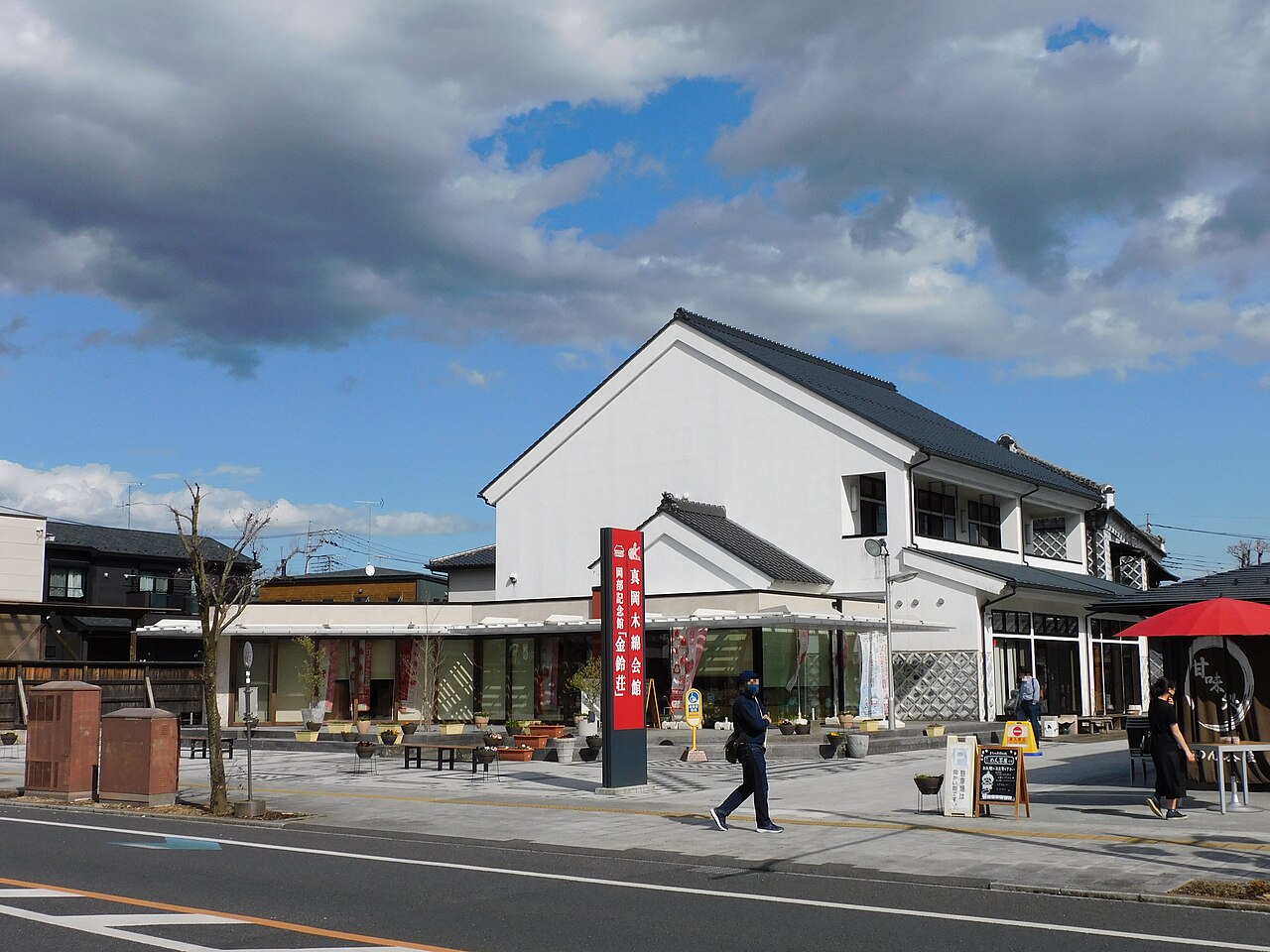
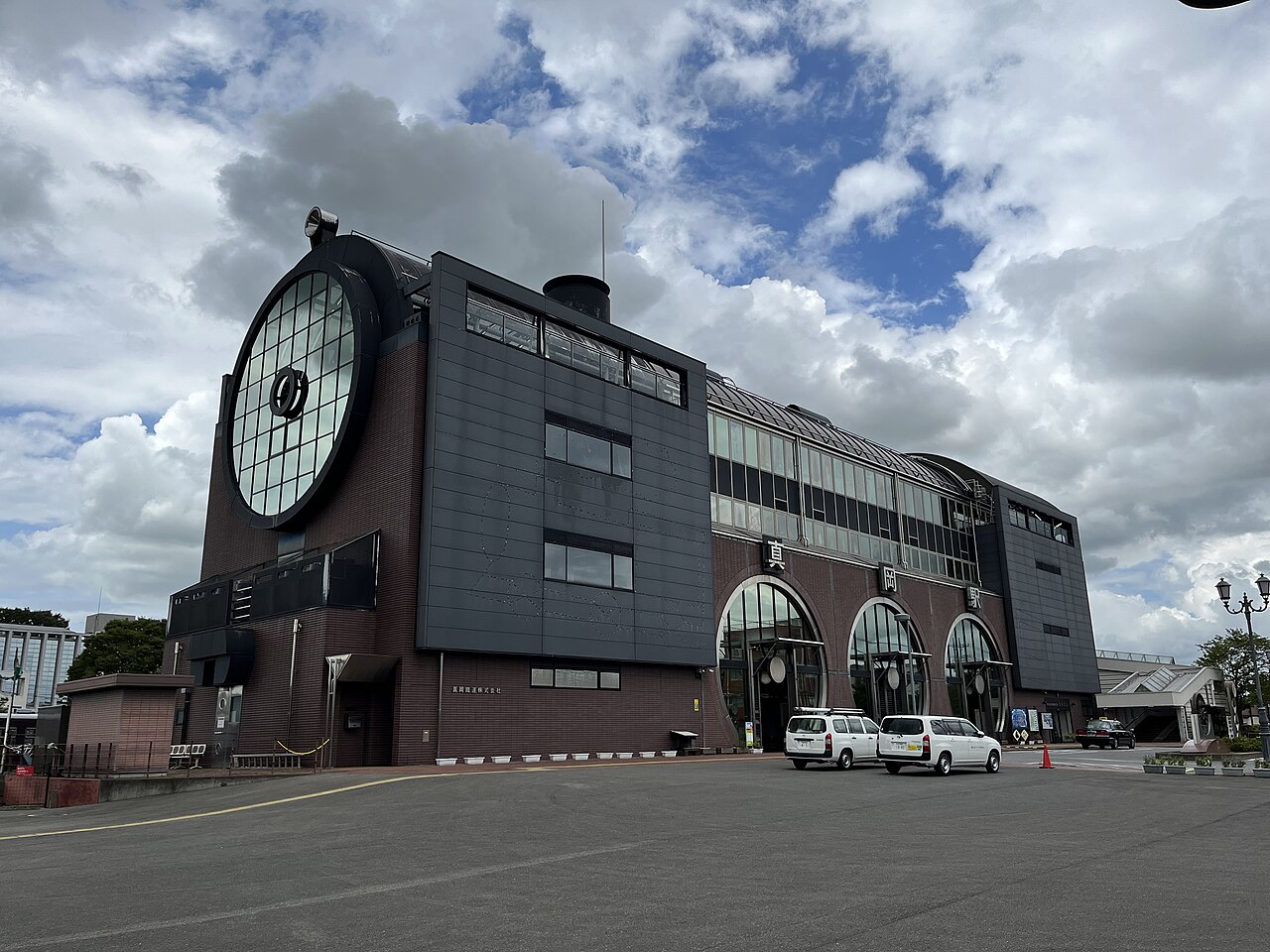
Moka, in Tochigi, is a cotton town. Its cloth, Moka momen, comes from good-quality cotton grown in the city and worked by hand through to the weaving; the result is sturdy, silk-like to the touch, with a luster and texture of its own. At the Moka Momen Kaikan, visitors take a turn at a simple loom and weave a coaster in thread colors they choose. The town also keeps a hall named for a steam locomotive nicknamed Kyuroku, where the engine itself can be boarded.
Weave Your Own Coaster at the Moka Momen Kaikan
At the Moka Momen Kaikan, a cotton hall where visitors weave and dye, you take a turn at a simple loom and, with the weavers' help, choose the thread colors and weave a coaster that is yours alone. The loom is simple enough that anyone can weave on it, which is why the coaster suits a first try at the craft.
The same dye that colors Moka momen is used for indigo dyeing, so visitors can also make an indigo-dyed handkerchief or bandana with a pattern of their own. Elsewhere in the hall, cotton products are on display and a viewing course follows how the cloth is made, from cotton grown and worked by hand through to the finished weave with its luster and texture. The shop inside sells goods made of Moka momen, among them coasters, pen cases, coin purses, business card holders and tote bags.
Book the coaster weaving by phone at least three days ahead. If weaving your own coaster is the point of the trip, settle that call first and let the displays, the viewing course and the shop fill the rest of the visit to the Kaikan.
Steam Locomotives: SL Kyuroku-kan and the SL on the Moka Railway
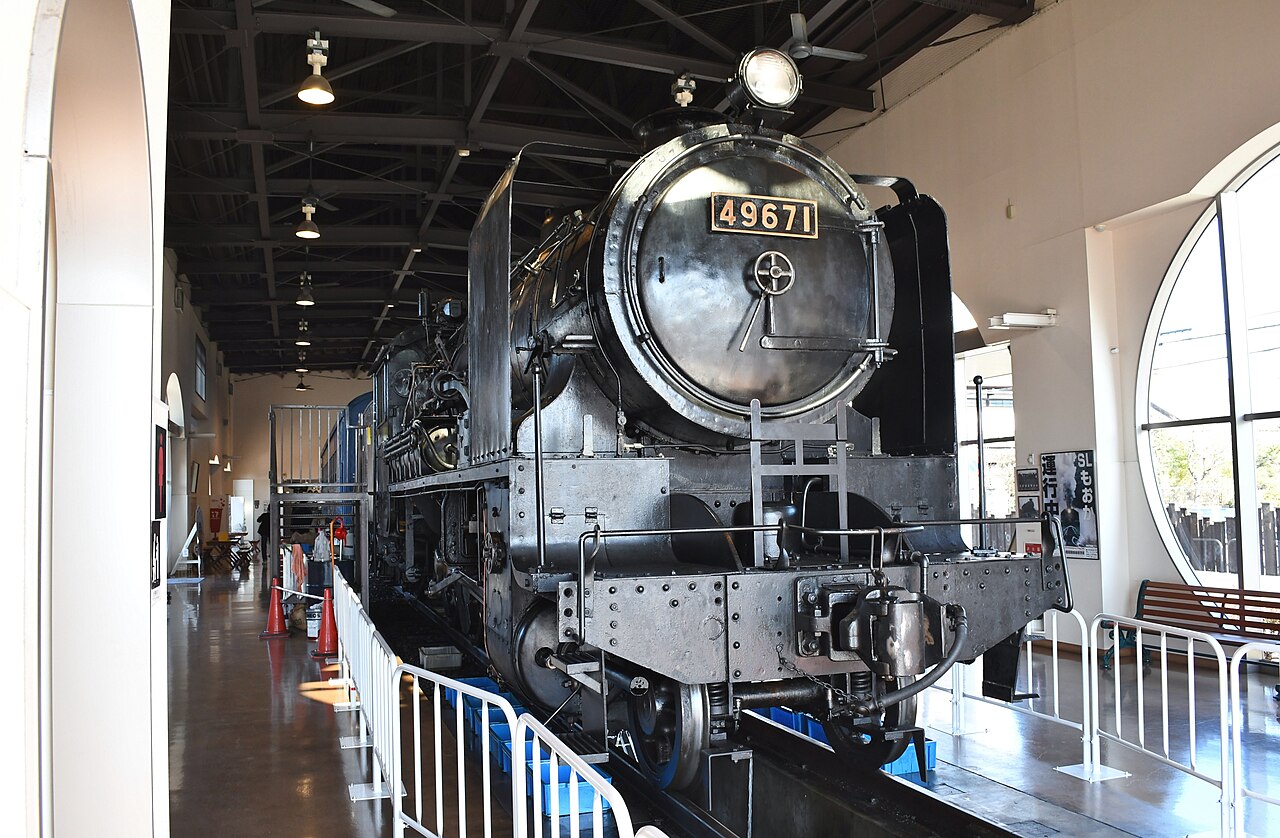
The SL Kyuroku-kan, a hall for a steam locomotive nicknamed Kyuroku, takes its name from the engine displayed inside it. Kyuroku once worked throughout Japan, and visitors can board it and look around, as they can the old-type passenger car also on display.
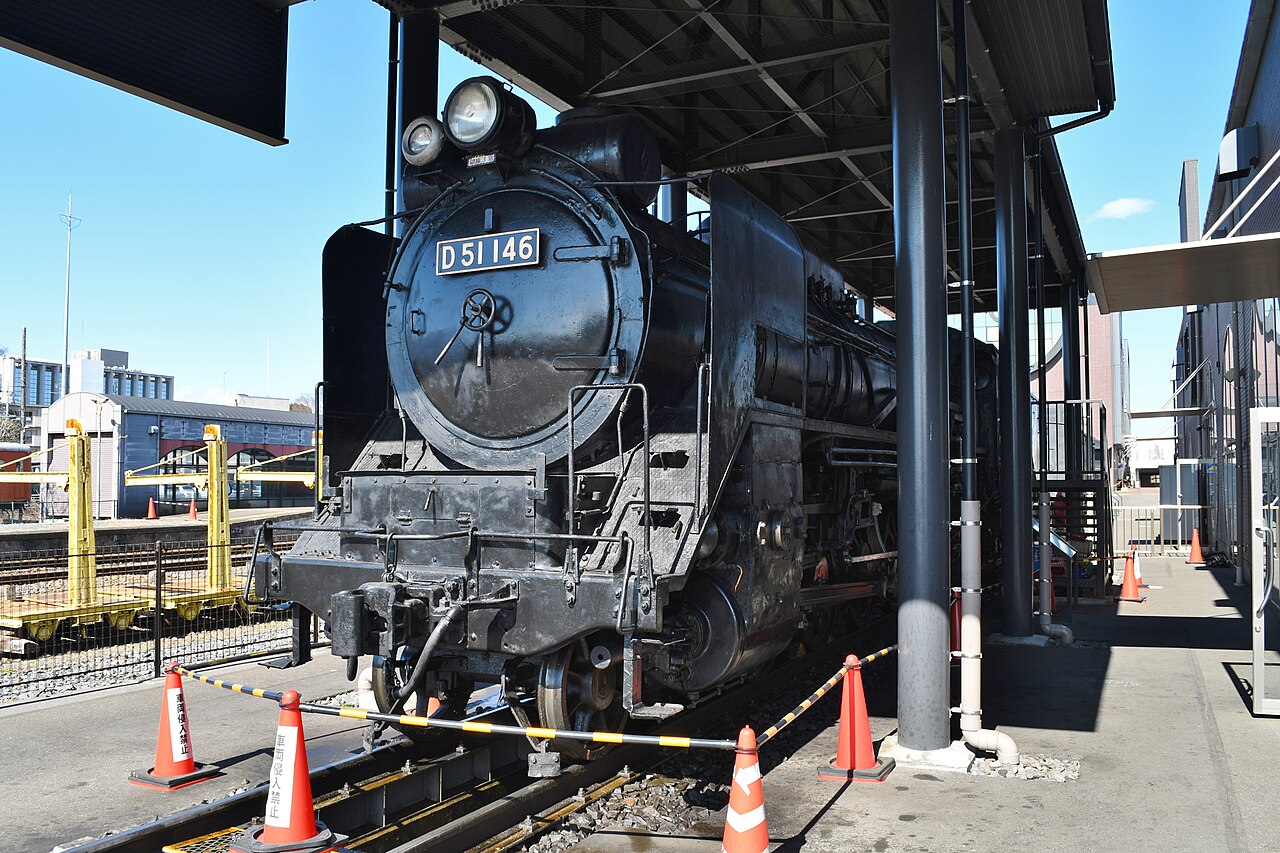
On Saturdays, Sundays and public holidays the hall runs Kyuroku under its own power, driven by compressed air, three times a day, so you can watch the engine move. The shop inside the hall sells SL goods.
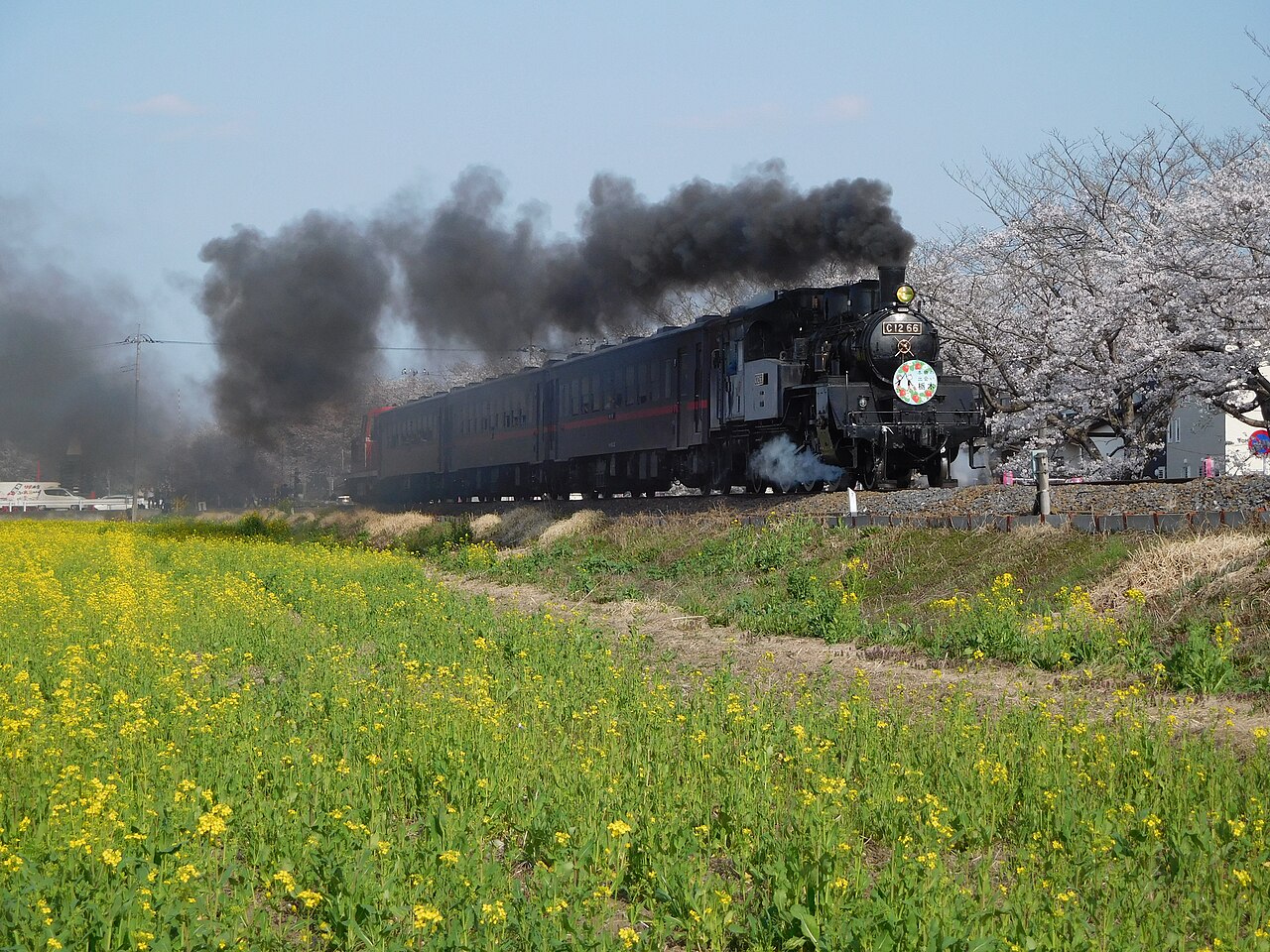
The SL, the steam locomotive that the Moka Railway runs between Shimodate and Motegi, makes one trip each way per day on every Saturday, Sunday and public holiday throughout the year, and also on Fridays during the summer holiday period. The railway building at Moka is itself shaped like a steam locomotive, and the Kyuroku-kan opened at its east exit. The hall is open from ten in the morning until six in the evening and closed on Tuesdays, or the next day when Tuesday is a public holiday. To see a steam locomotive move, whether Kyuroku on compressed air or the SL out on the Moka Railway, aim for a Saturday, Sunday or public holiday.
Old Merchant Houses, a Walking Course and Omae Shrine
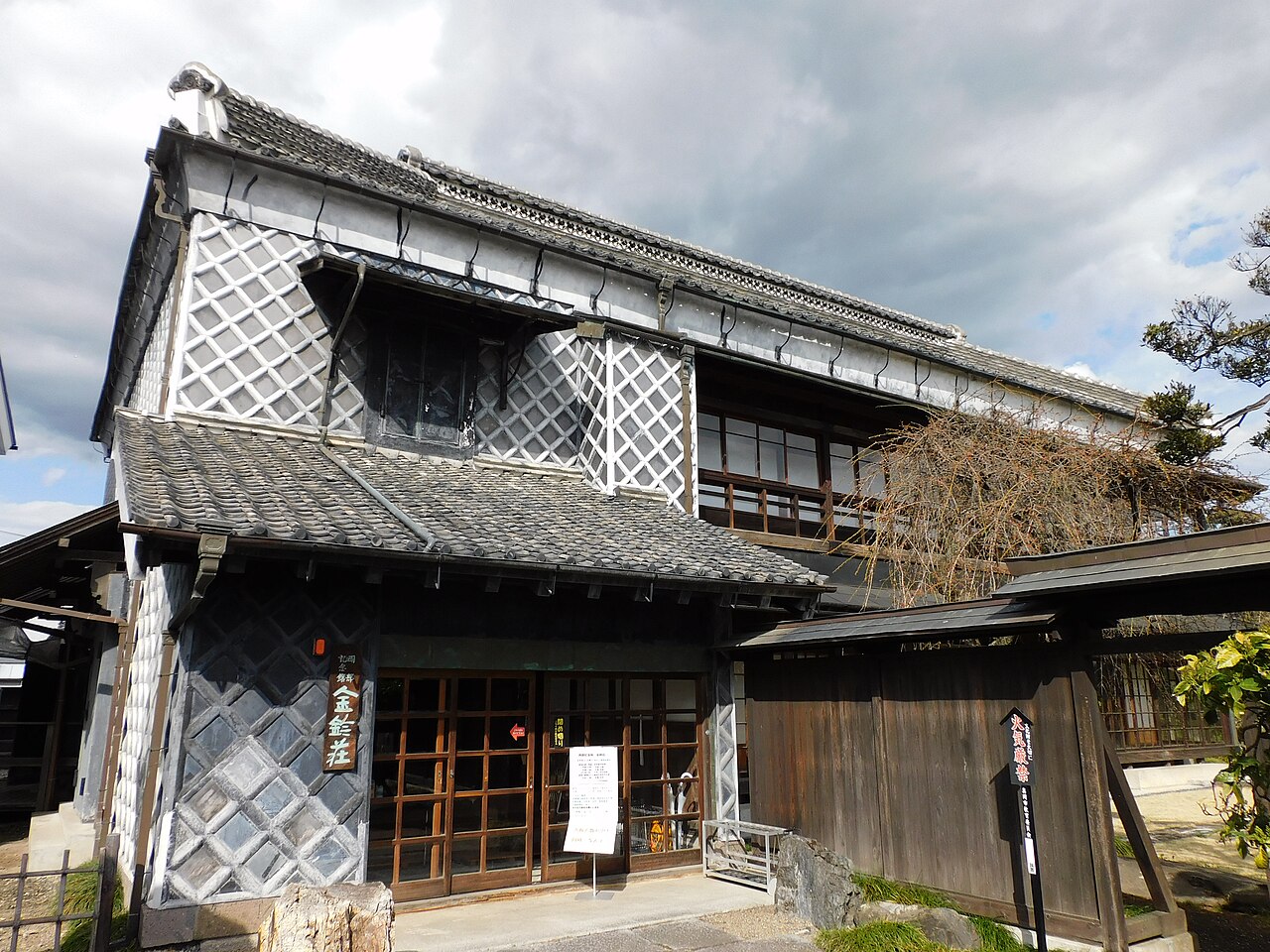
The Kubo Memorial Kanko Bunka Koryukan, a restored merchant complex in Moka's urban area, keeps old buildings of the former Kubo residence for the next generation. Visitors walk through what was built as a tourist information desk, a materials room, a restaurant, an art hall for the Kubo Collection and a products hall selling Moka City specialties, and among them stands an old merchant-style house.
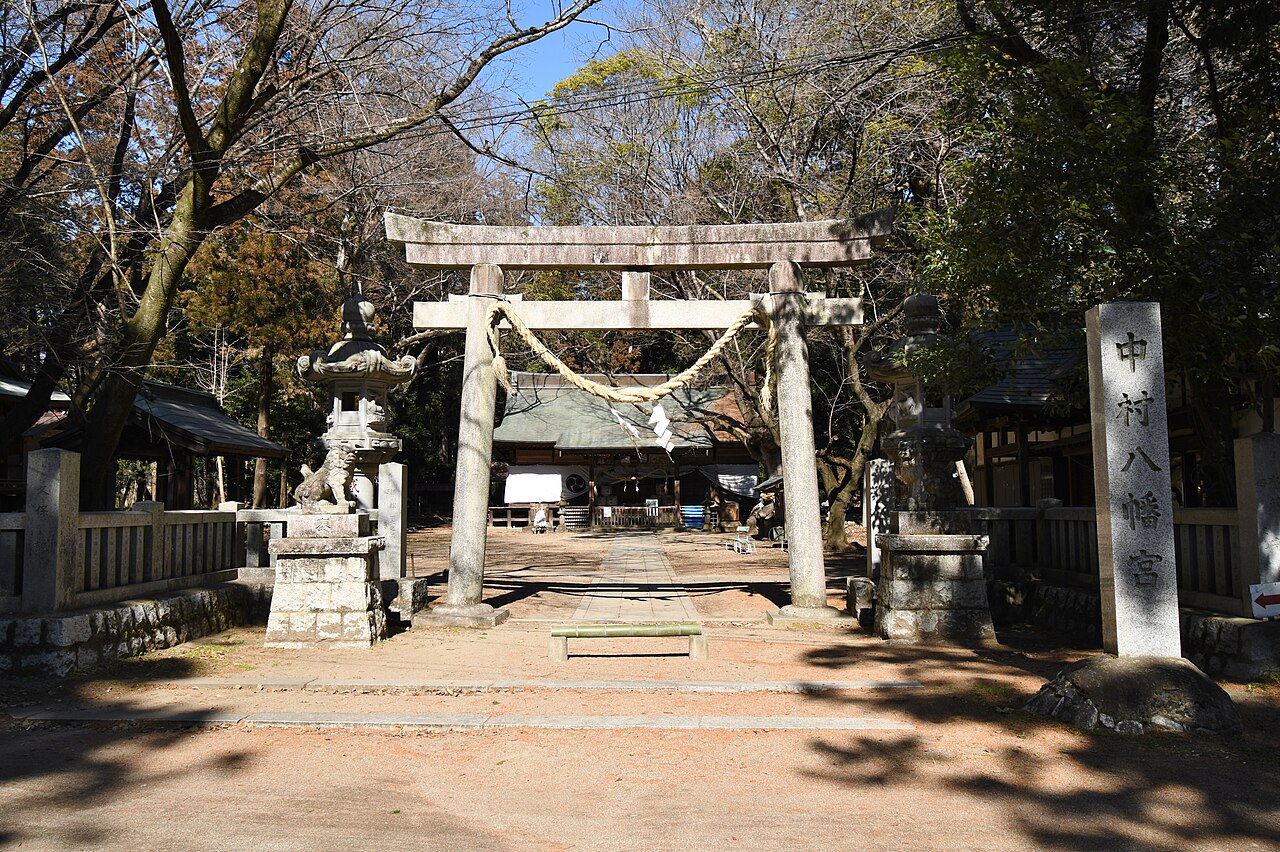
The city's Moka district walking course links these places on foot. It begins at a shrine on a hill, with a granite lantern in front and a torii at the foot of the slope, takes in the Kubo hall, and later pairs the Moka Momen Kaikan with Kinrei-so, an old merchant house, as one stop.
Omae Shrine, a shrine whose main hall, worship hall and heiden are national important cultural properties, carries colorful carvings throughout, and its deities are the gods of fortune Daikoku-sama and Ebisu-sama. If old buildings are what you came for, the Kubo hall and Kinrei-so share the walking course; if carvings are, Omae Shrine is the one to keep time for.
Cafe Lunches, Yakisoba and Strawberries
Momen Chaya, a cafe in the urban area of Moka, serves hamburgers, among them an avocado cheeseburger, along with pudding and cheesecake for afterwards. It is the sit-down choice for lunch on a day split between the loom and the locomotives.
Sakurai yakisoba, a yakisoba shop, serves at lunchtime and again at dinner time, and takes Wednesdays off unless the Wednesday is a national holiday. For strawberry sweets, a shop run by a strawberry farmer uses the owner's own fruit in its kezuri-ichigo and strawberry crepes.
A strawberry-picking farm grows its berries on raised benches set between wide aisles, a layout that makes the picking easier. For a sit-down lunch, Momen Chaya has the burgers and sweets; for something sweet to carry, kezuri-ichigo and crepes made from a farmer's own strawberries; and if picking your own appeals, the farm's raised benches make it easy work.
To give the loom one day and the locomotives and the walking course another, browse places to stay in Moka.
A Day in Moka, Stop by Stop
The SL Kyuroku-kan, at the east exit of the railway building, makes the natural first stop, since it is where you step off. The Moka Momen Kaikan is where visitors weave, at one of four fixed start times spread across the morning and early afternoon, with the workshop on view until four in the afternoon.
| Stop | What | Time |
|---|---|---|
| Moka Station | Staffed | 5:00 to 19:00 |
| SL Kyuroku-kan | Open | 10:00 to 18:00 |
| Moka Momen Kaikan | Coaster weaving start times | 10:00, 11:00, 13:00 and 14:00 |
| Moka Momen Kaikan | Workshop viewing | 10:00 to 16:00 |
| Momen Chaya | Open, last order at 16:00 | 11:00 to 17:00 |
| Kubo Memorial Kanko Bunka Koryukan | Open | 9:00 to 17:00 |
Momen Chaya is where visitors eat, from eleven in the morning with the last order taken at four in the afternoon, and the cafe is closed on Tuesdays. The Kubo Memorial Kanko Bunka Koryukan is where visitors finish the day, since it opens from nine in the morning and runs until five in the evening, later than the workshop viewing at the Kaikan.
If you only have an afternoon, book one of the two afternoon weaving slots first and fit the Kyuroku-kan around it, since the hall keeps going until six in the evening. If the point is to watch a steam locomotive move, come on a Saturday, Sunday or public holiday, when Kyuroku runs on compressed air and the SL is out on the Moka Railway; avoid Tuesdays, when the Kaikan, the Kyuroku-kan, the cafe and the Kubo hall all take the day off.
Getting to Moka
| Leg | How | Time or cost |
|---|---|---|
| Shimodate Station to Moka Station | Moka Railway, sixth station | About 26 minutes |
| Shimodate to Moka, adult ordinary fare | Moka Railway | 560 yen |
| SL ride, seat ticket on top of the fare | Moka Railway SL, adult | 500 yen |
| SL days | Saturdays, Sundays and public holidays | Throughout the year |
| Payment on the Moka Railway and the SL | Cash only | Suica, PASMO and credit cards not accepted |
| One-day pass, adult | Joso Line and Moka Railway line | 2,300 yen |
Seats on the SL are unreserved. Booking the SL seat ticket ahead on the Moka Railway website is recommended.
New to rural buses and one-man trains? See how to ride them, step by step.
Hours and Fees
| Place | What | Hours or fee |
|---|---|---|
| Moka Momen Kaikan | Closing day | Tuesdays, or the following weekday when Tuesday is a public holiday |
| Moka Momen Kaikan | Coaster weaving, city listing | 700 yen |
| Moka Momen Kaikan | Coaster weaving, tourist association listing | 1,000 yen |
| SL Kyuroku-kan | Closing day | Tuesdays, or the next day when Tuesday is a public holiday |
| Kubo Memorial Kanko Bunka Koryukan | Closing day | Tuesdays, or the following weekday when Tuesday is a holiday |
| SL seat ticket, child, one way | Moka Railway SL | 250 yen |
| Shimodate to Moka, child ordinary fare | Moka Railway | 280 yen |
Where to stay
Places to stay near Mooka, Tochigi, Japan →
Disclosure: This post may contain affiliate links. If you book through them, we may earn a commission at no extra cost to you.