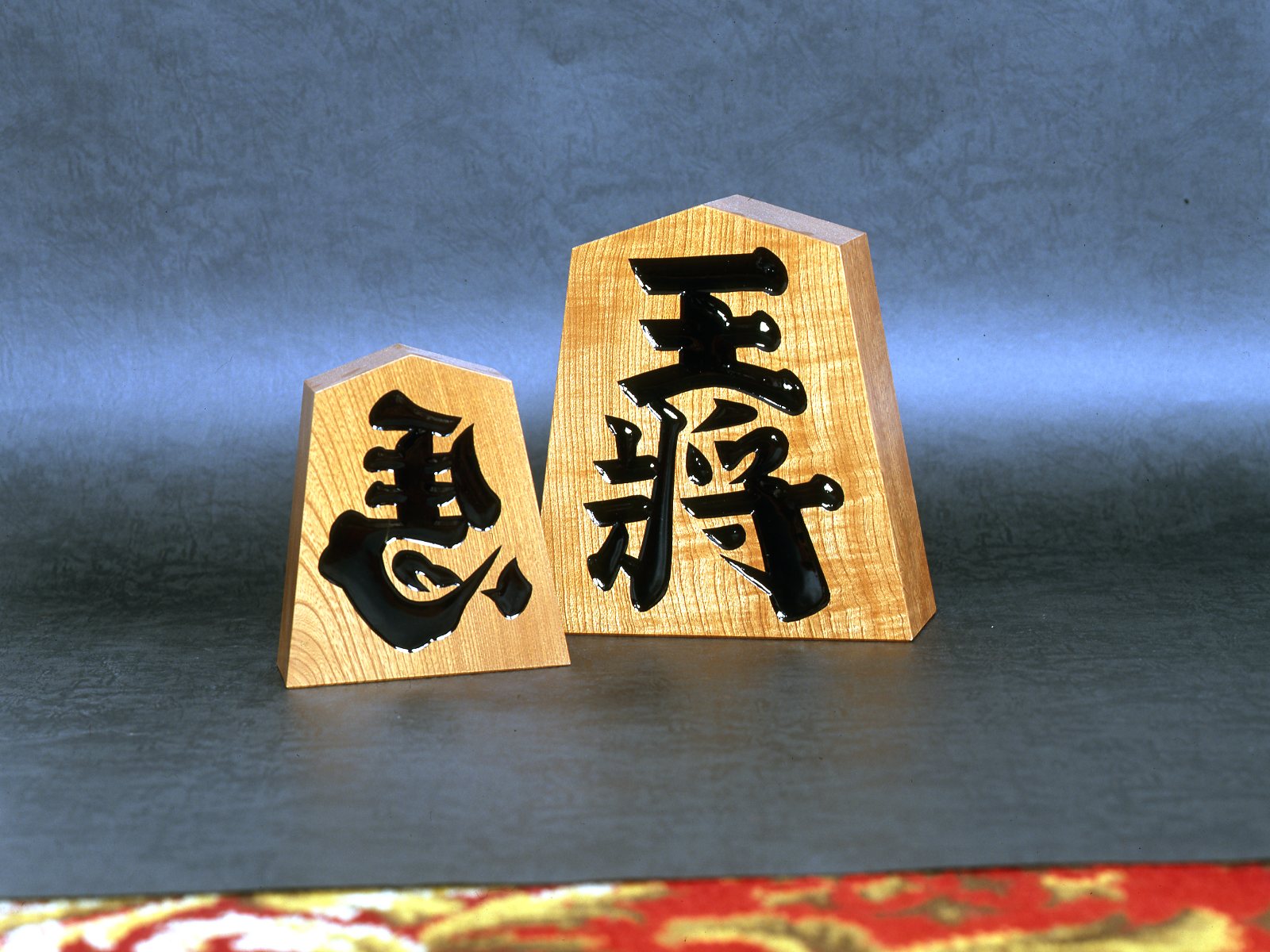
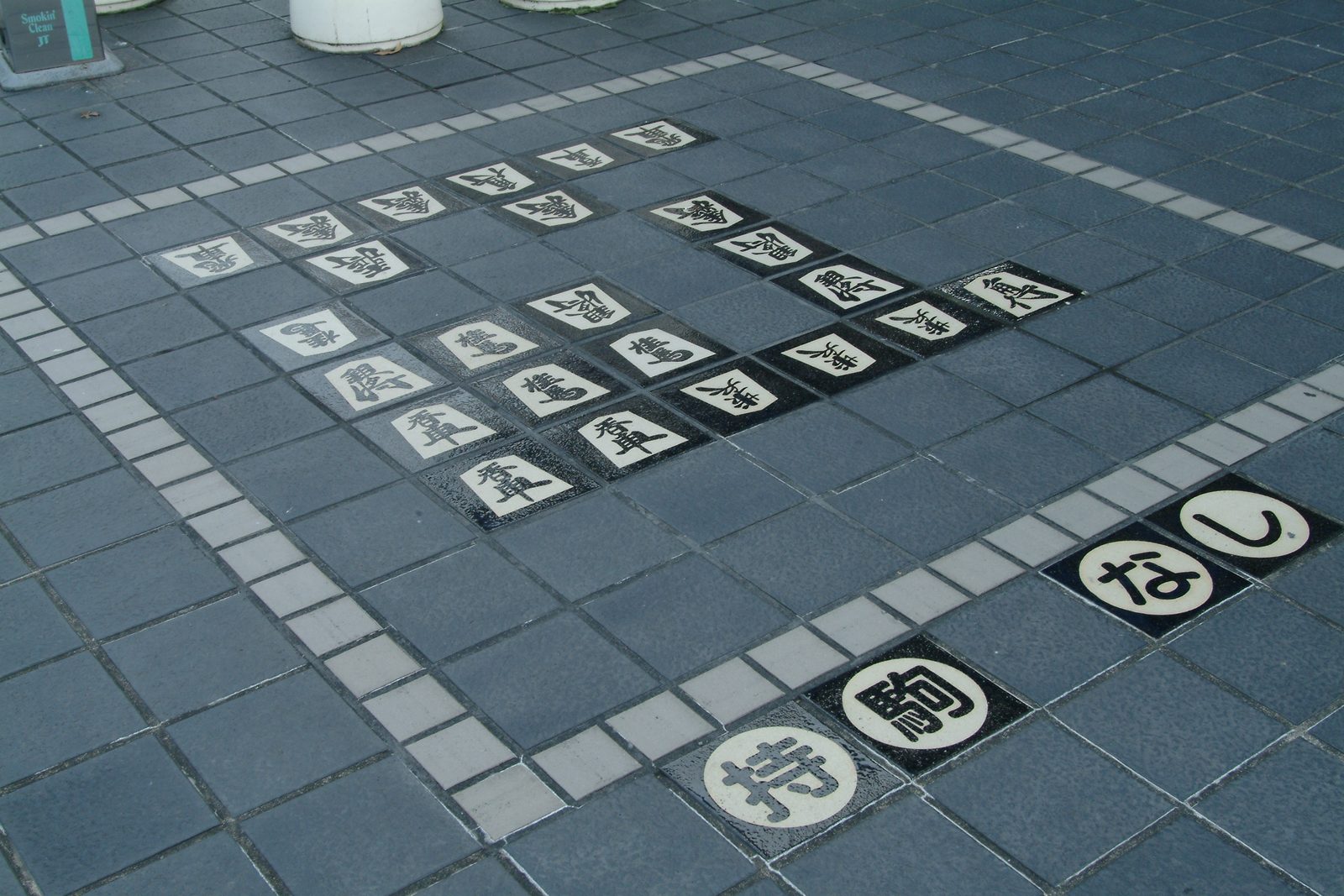
Tendo in Yamagata is a town of shogi pieces. The piece-making industry began when former Tendo clan samurai took it up as side work, and Tendo shogi pieces are designated a national traditional craft. At the workshops, visitors can try writing the character on a piece and watch the skilled work of the piece craftsmen, or take a course to carve one. The same town has the foot baths of Tendo Onsen, a museum on how a piece is made, human shogi in mid-April, and soba, fruit and wine.
Write or Carve Your Own Shogi Piece: Eishundo and Shogimura Tendo Tower
Eishundo, a shogi piece workshop, is where visitors can try kakigoma, the writing of a character on a shogi piece, while watching the skilled work of the piece craftsmen. Writing one character yourself, with craftsmen at work in the same workshop, is a direct way into the craft that gives the town its name, and it suits anyone who would rather handle a piece than look at one.
Shogimura Tendo Tower, a craft facility, runs a kakigoma course of its own and adds horigoma carving, a course in which you carve a shogi piece instead of writing on it. The same facility lists soba making and safflower dyeing, so a pair or a group that wants a second hands-on session has choices beyond the pieces.
Eishundo's kakigoma takes about thirty minutes. It accepts from one to twenty-four people and is reserved by telephone. The kakigoma course at Shogimura Tendo Tower takes about forty minutes. The horigoma course there is reserved ahead, for groups of two or more.
If you want to write, Eishundo's kakigoma is the shorter of the two writing courses; if you want to carve, or want a second craft on the same visit, Shogimura Tendo Tower is the one to reserve ahead.
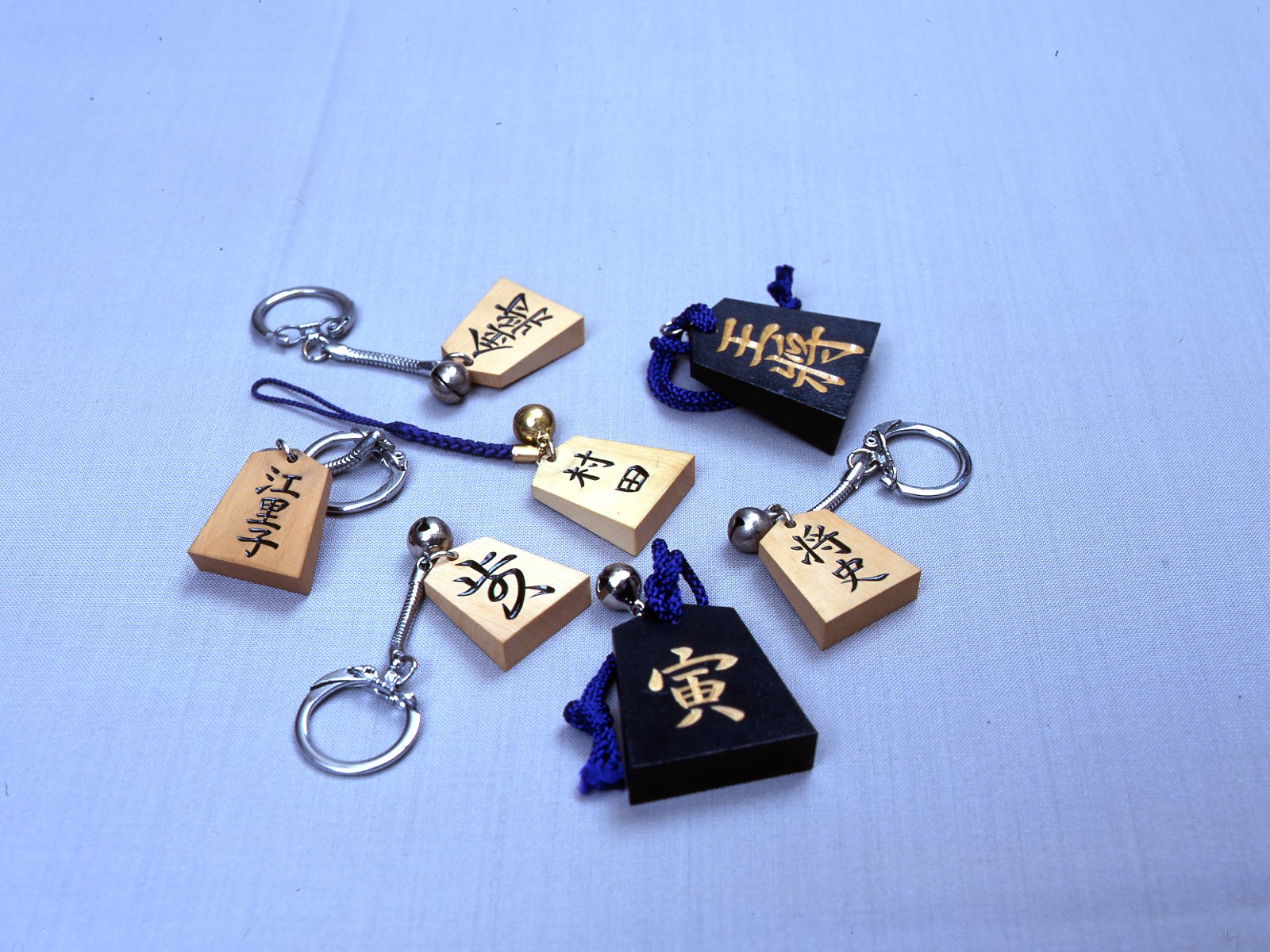
Soak in Tendo Onsen: Foot Baths, Tendo Hotel and Yupia
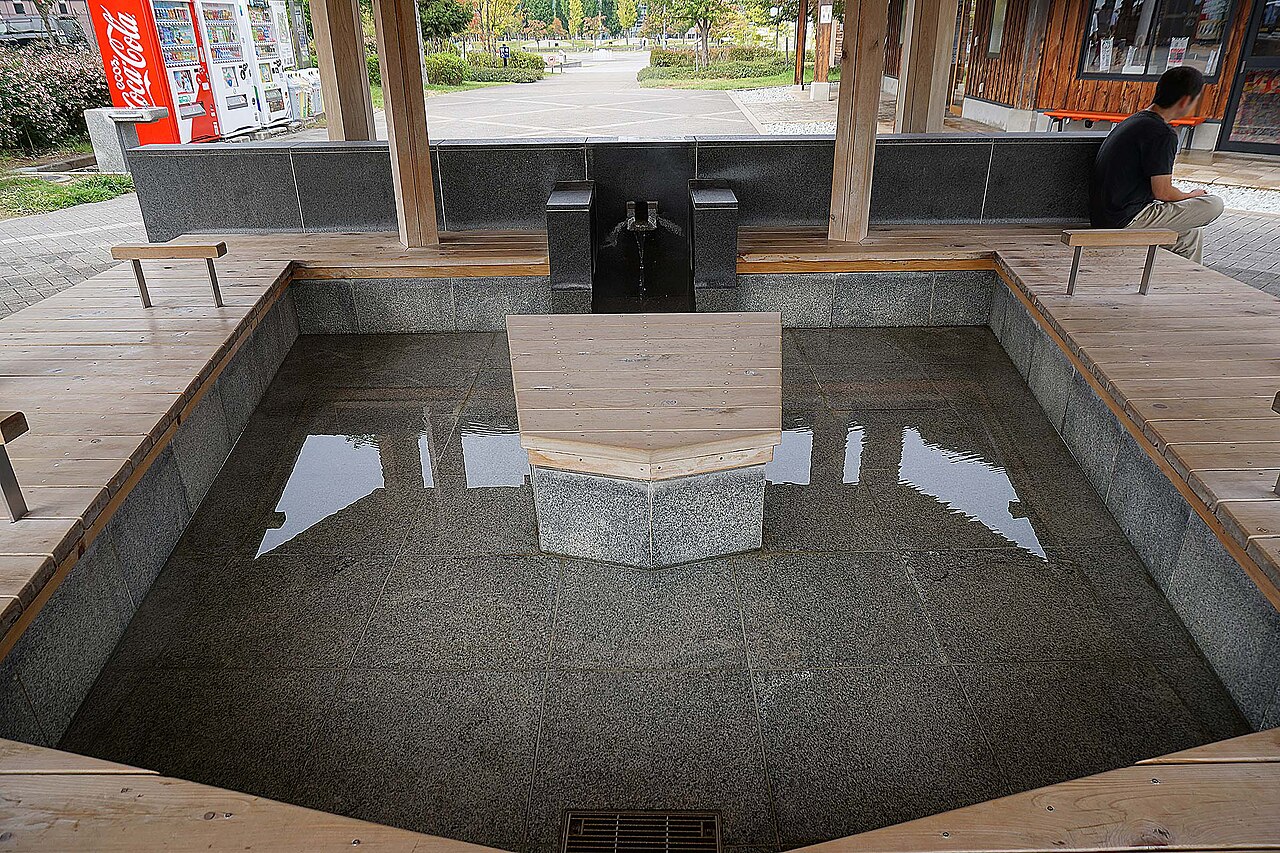
Ten-no-yu, Warabe-no-yu and Koma-no-yu, the three foot baths of Tendo Onsen, are free, so a soak at one of them fits between a writing course and a meal without any arranging.
Tendo Mogamigawa Onsen Yupia, a bathing facility, is the choice for a full bath rather than a foot bath. Its sauna is limited to people aged fifteen and over. Its large rest room, sixty tatami mats in size, can be used without reserving ahead, so there is somewhere to rest after bathing without arranging anything in advance.
Tendo Hotel, a hotel, takes day-trip plans by telephone or through its own website, and those plans come with a meal and room use. The foot baths cannot be used from ten in the morning until noon on Mondays and Thursdays because of cleaning. For a short stop, the foot baths ask for nothing; for a longer break, Yupia's rest room needs nothing reserved ahead, while a Tendo Hotel plan adds a meal and a room.
See How Pieces Are Made: Tendo City Shogi Museum
Tendo City Shogi Museum exhibits the origin of shogi and its introduction to Japan, the shogi of other lands, the piece-making process and the works of piece craftsmen. The craft on show began as side work for former Tendo clan samurai, and the works on display are what that side work grew into. For anyone who has just written a character at Eishundo, the process display places that single character inside the whole sequence of making a piece.
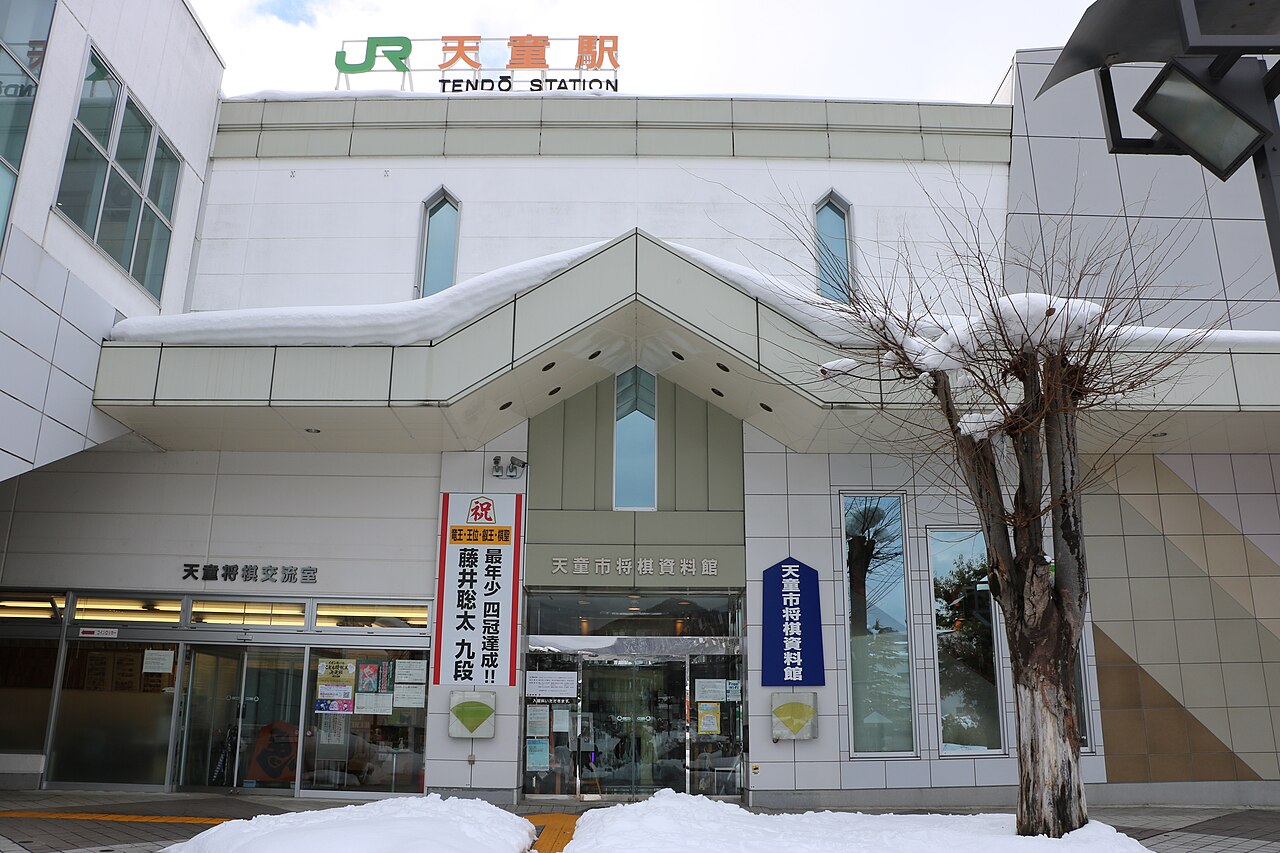
The volunteer guides of Warabe Koma Guide work from the guard room inside the JR Tendo building and from Wakamatsu-ji temple, which gives a visitor two places to meet a guide from the town.
The museum is next to the JR Tendo building, and Tendo Shogi Exchange Room runs on weekdays in the afternoon. If you want to see how pieces are made before you try one, start with the museum; if you have already written a character, it is the place to understand what the craftsmen were doing as you watched.
Human Shogi on Maizuru-yama
Human shogi at the Tendo Cherry Blossom Festival is held every year in mid-April over two days. The venue is the summit of Maizuru-yama, where about two thousand cherry trees bloom. Warriors in armor and attendants in kimono act as the pieces and move on a giant board, following the moves of professional and women's professional shogi players.
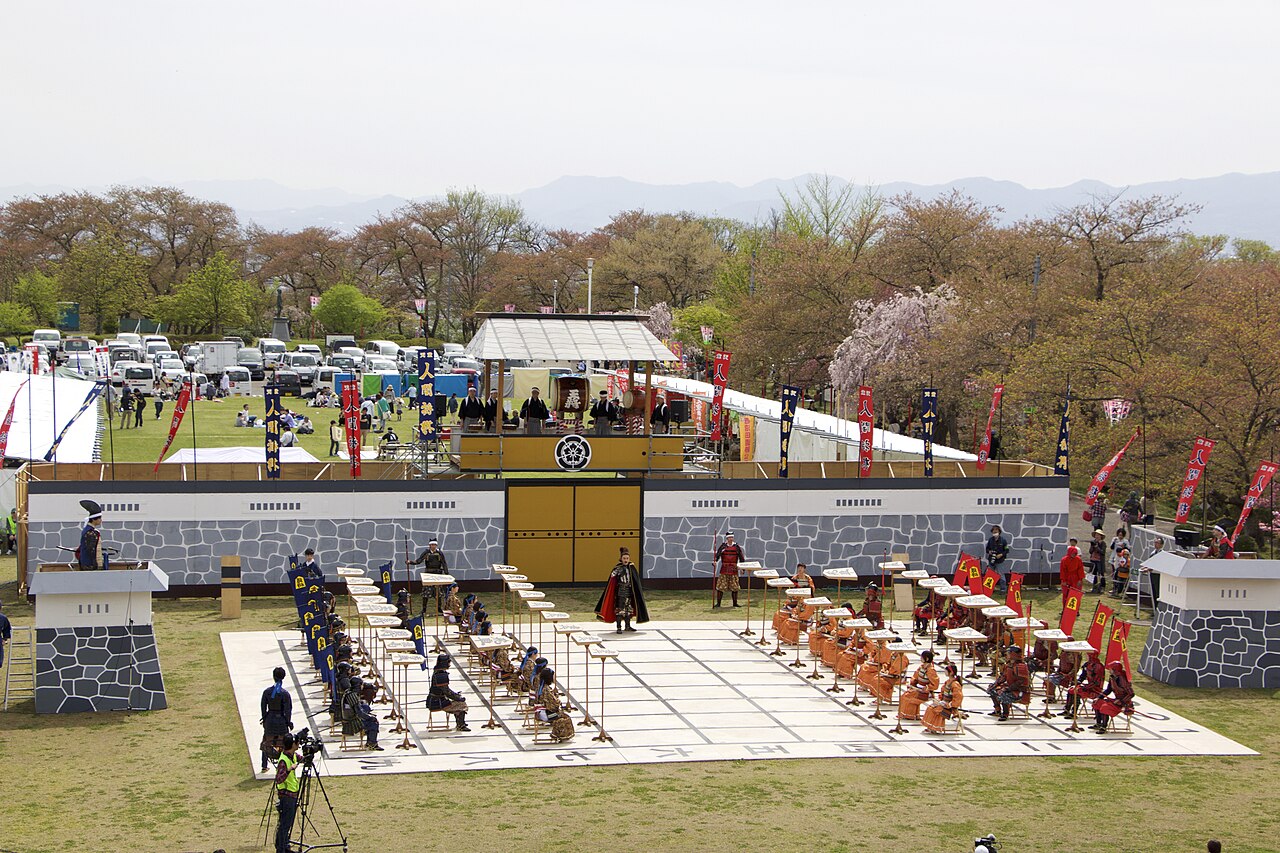
During the festival period, the weeping cherry trees planted along both banks of the Kurazu River near the hot-spring town are lit up when they are in full bloom. Against that backdrop of weeping cherries, a concert and traditional performing arts handed down in the city are presented, so the river gives the festival a second stage after the game on the summit.
If seeing the game is the point of the trip, plan around the festival's two days; the writing and carving courses, the museum and the foot baths do not depend on it.
Soba, Fruit and Wine in Tendo
Suisha Namasoba, a hand-cut soba restaurant next to Eishundo, mills no more soba than it will use that day and serves it freshly ground, freshly hand-cut and freshly boiled. Its tori-chuka is a ramen made with the soba broth and chicken. The restaurant is closed on the fourth Tuesday and Wednesday of every month, unless that day is a public holiday, and on New Year's Day.
Soba tied to the Tendo Oda clan was presented to the shogun family, and the town grew into one of the three major Tohoku dried-noodle production areas, the history behind the soba at Suisha Namasoba.
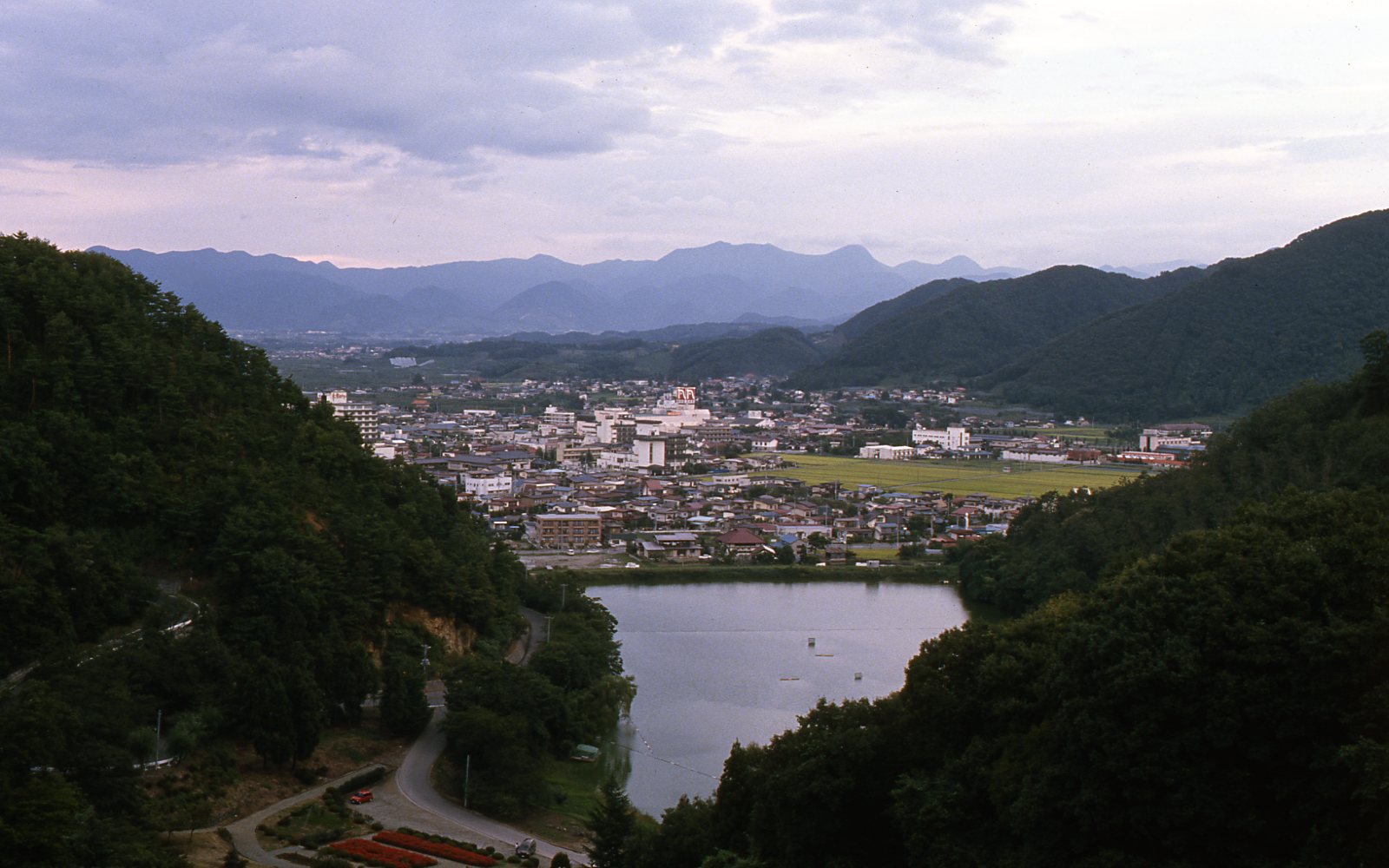
Tendo is also a production area of fruit: cherries, peaches, grapes and apples, with wine made from grapes grown in the city. Cherries run from early June to mid-July. Grapes and muscats start from mid-August. Apples follow from late August. La France pears, with their scent, sweetness and smooth texture, start from mid-November. Entering the orchards early or late is recommended to avoid the crowded times.
For a meal, Suisha Namasoba is the soba stop; for fruit, the season decides the visit. If you would rather stay overnight, places to stay in Tendo is a place to start.
Getting to Tendo
Tendo Station is served by the Yamagata Shinkansen and by the Ou Main Line.
| Leg | How | Time or distance |
|---|---|---|
| Tokyo Station to Tendo Station | Yamagata Shinkansen | About 3 hours |
| Yamagata Station to Tendo Station | Yamagata Shinkansen | About 10 minutes |
| Yamagata Station to Tendo Station | Ou Main Line | About 20 minutes |
| Yamagata Airport to Tendo | Liner, reserved in advance | About 25 minutes |
| Yamagata Airport to Tendo Onsen | By car | About 15 minutes |
| Tendo Station to Eishundo | On foot | About 10 minutes |
| JR Tendo to Tendo City Shogi Museum | On foot | Adjoining the JR building |
| Tendo Station to Tendo Onsen Travelers Lounge (e-bike meeting place) | On foot | About 15 minutes |
| Rental e-bike, Tendo Onsen Rental Cycle | One day | 2,000 yen |
New to rural buses and one-man trains? See how to ride them, step by step.
Hours and Fees
| Place | What | Hours or fee |
|---|---|---|
| Eishundo, kakigoma | Fee per person | 860 yen |
| Eishundo, kakigoma | Reception hours | 9:00 to 16:00, not 12:00 to 13:00 |
| Shogimura Tendo Tower, kakigoma | Fee per person, tax included | 1,500 yen |
| Shogimura Tendo Tower, horigoma | Fee per person, from, tax included | 2,300 yen |
| Tendo City Shogi Museum | Adult admission | 320 yen |
| Tendo City Shogi Museum | Hours | 9:00 to 18:00, entry until 17:30 |
| Tendo City Shogi Museum | Closing day | Third Monday of each month |
| Tendo Mogamigawa Onsen Yupia | Bathing fee, adult | 350 yen |
| Foot baths Ten-no-yu, Warabe-no-yu and Koma-no-yu | Hours | 6:00 to 21:00 |
Where to stay
Places to stay near Tendo, Yamagata, Japan →
Disclosure: This post may contain affiliate links. If you book through them, we may earn a commission at no extra cost to you.