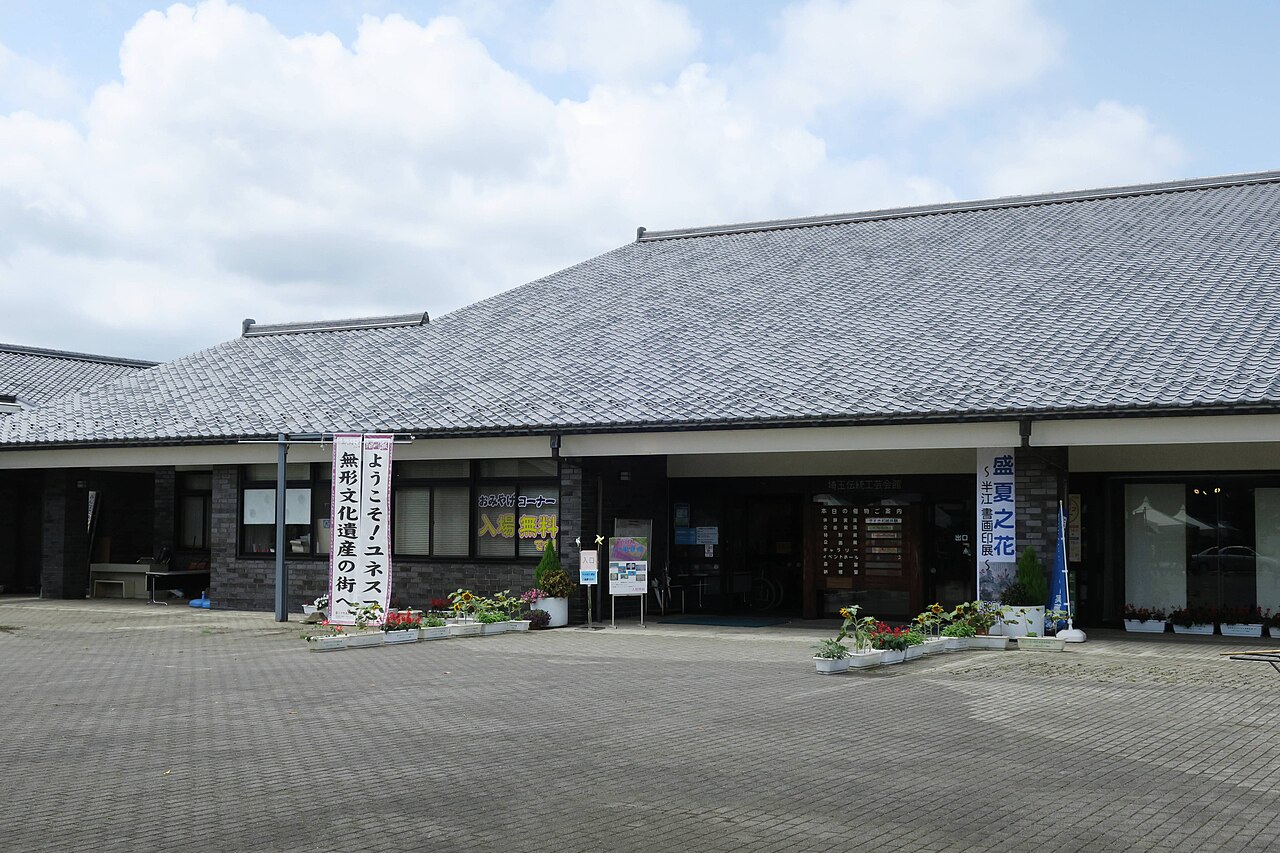
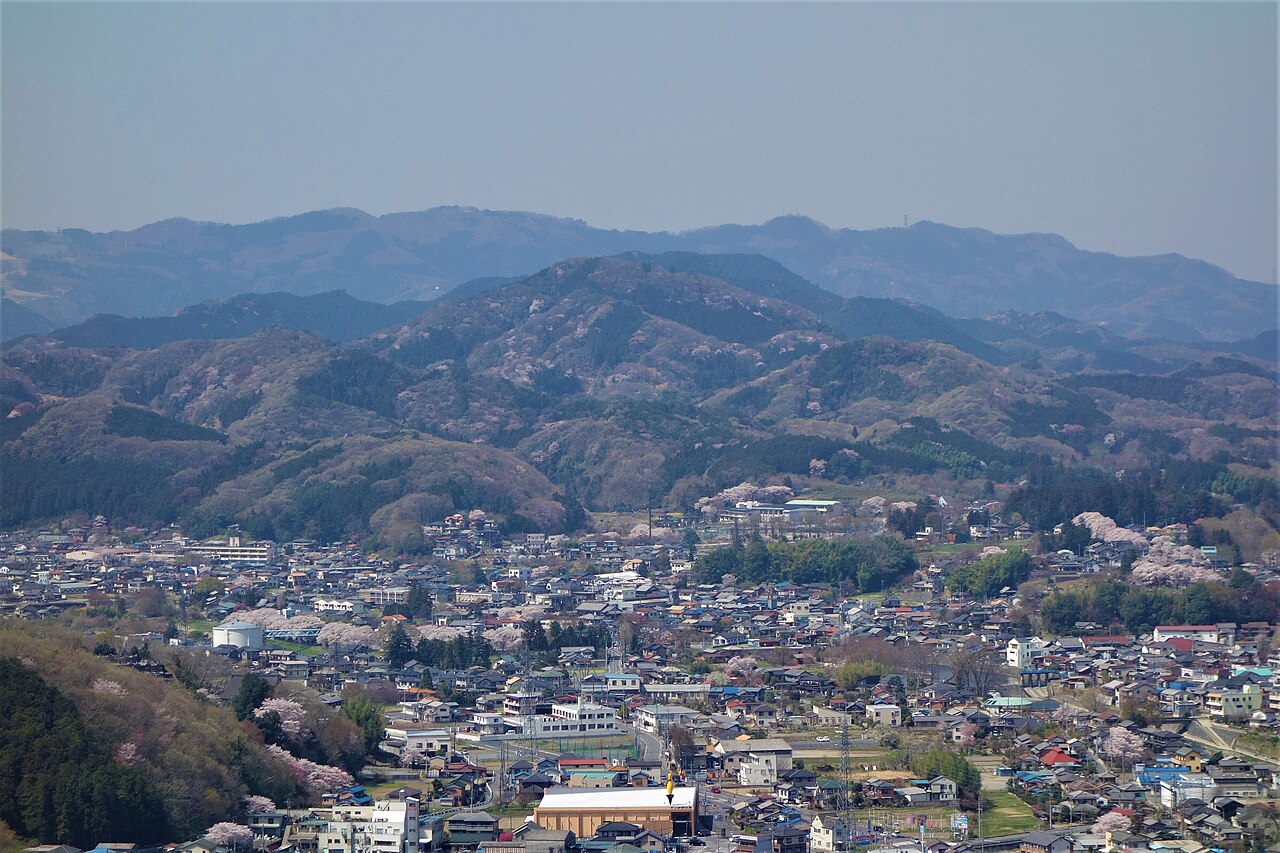
Ogawa sits inside the Sotochichibu mountains, with the Tsuki River running through the middle of town, and it has long prospered on Ogawa-washi paper, silk, joinery and sake brewing. Hosokawa-shi, the town's washi made from paper mulberry alone, is designated by the nation as an Important Intangible Cultural Property. Ogawa-washi keeps a plain, warm texture of its own after one thousand three hundred years of papermaking. The reason to come is to put your own hands to that paper, and then to sit down to the sake, wine and cooking of the same town.
Make Washi by Hand: Ogawa-machi Washi Taiken Gakushu Center and Michi-no-Eki Ogawamachi
At Michi-no-Eki Ogawamachi, a roadside station with a traditional crafts facility, you can take part in plain nagashi-zuki, the flowing-screen papermaking method. Nagashi-zuki works a bamboo screen in a rhythmic motion, and the sheet turns out relatively thin. The plain sheet is the one to pick if you want the method itself rather than a decorated result.
Beyond the plain sheet, the facility offers a nagashi pattern sheet, postcards, shikishi, a mini tapestry and a full-set option. These kinds suit a visitor who wants to try the paper once rather than commit to a course.
Ogawa-machi Washi Taiken Gakushu Center, a papermaking learning centre, is a building the prefecture of Saitama built as a washi research facility. Its one-day main course fills the day from mid-morning to mid-afternoon, with a one-hour lunch break in the middle.
The one-day course is arranged by telephone, by one week before the day. Course A and a four-day course are also on the centre's list. If you want a full day with the paper, the one-day course at the centre is the one to arrange ahead. If you want a single try, Michi-no-Eki Ogawamachi has several kinds to pick from, from postcards to a mini tapestry.
Hosokawa-shi Paper and Kadokura Washi-ten
Hosokawa-shi, the paper-mulberry washi long made by hand around Ogawa, began as a paper from Hosokawa village at the foot of Mount Koya and is on the UNESCO Representative List of the Intangible Cultural Heritage of Humanity. One account traces Ogawa-washi to hand-papermaking brought by Koryo settlers in Musashi Province, the hand-work that nagashi-zuki carries on.
A second hand method, turned slowly over metal, gives a relatively thick sheet where nagashi-zuki gives a thin one. Washi making is hard work in which colder weather and colder water give better paper, and a papermaking song was once sung between the tasks. Papermaking houses here once numbered more than seven hundred and fifty, when winter sun was worth a thousand gold pieces and the village was dyed white with drying paper.
Kadokura Washi-ten, a washi shop, is about a two-minute walk from Ogawamachi Station. If you want to see the paper before or after making it, Kadokura Washi-ten is an easy stop, and winter is the season the paper was made for.
Hearth Dango and Indigo Dyeing
Yoshida-ke Juutaku, a thatched farmhouse, is a large irimoya-zukuri house with an irori hearth in the wooden-floor room and a large kamado stove in the earthen-floor area. Around the lit hearth you make dango, two skewers per person, and grill them over the fire. Soba and udon meals are served inside the house as well.
On fine days you can sit on the engawa veranda and listen to wind chimes. The hearth and the veranda are the two places to settle in, one for skewers and one for chimes.
The indigo dyeing programme at UECHU includes one handkerchief or tenugui, and one more piece can be added. The programme takes groups of two to six people, so it suits a pair or a small party. If you want something to do with your hands that is not papermaking, the hearth dango at Yoshida-ke Juutaku and the indigo at UECHU are the two options, one with a meal served inside, the other with cloth you dyed yourself.
Sake Tasting and a Winery Tour
Ogawa's water comes down from the Chichibu mountains, and sake brewing is one of the trades the town has long run on. At Seiun Shuzo, a sake brewery, the premium tasting has you choose among the sakes, and each participant takes home one bottle of the sake they chose during the tasting.
Musashi Winery, a winery, grows its wine in Ogawa Town and ferments it with the town's native yeast, making simple, natural wine to which nothing superfluous is added. The winery tour covers the factory, the fields and the shop, with a tasting included. The fields belong in the visit because the wine is grown in the town, so you see where the bottle starts as well as where it is sold.
The Seiun Shuzo tasting is held every Saturday and Friday, so it fits a Friday or Saturday in town. If you would rather taste than make, the Seiun Shuzo tasting and the Musashi Winery visit are the two to plan around, and sake or wine is the choice to settle before you fix the day.
Lunch in Town: Futaba and Fukusuke
Kappo Ryokan Futaba, a kappo ryokan, serves Chushichi-meshi, a rice dish eaten with its own broth poured over it, like ochazuke. It came from a meeting with a key figure in the bloodless surrender of Edo Castle and is still the dish to order. Two of its buildings are registered national tangible cultural properties, and each June countless fireflies are released in its strolling Japanese garden for a firefly-viewing evening.
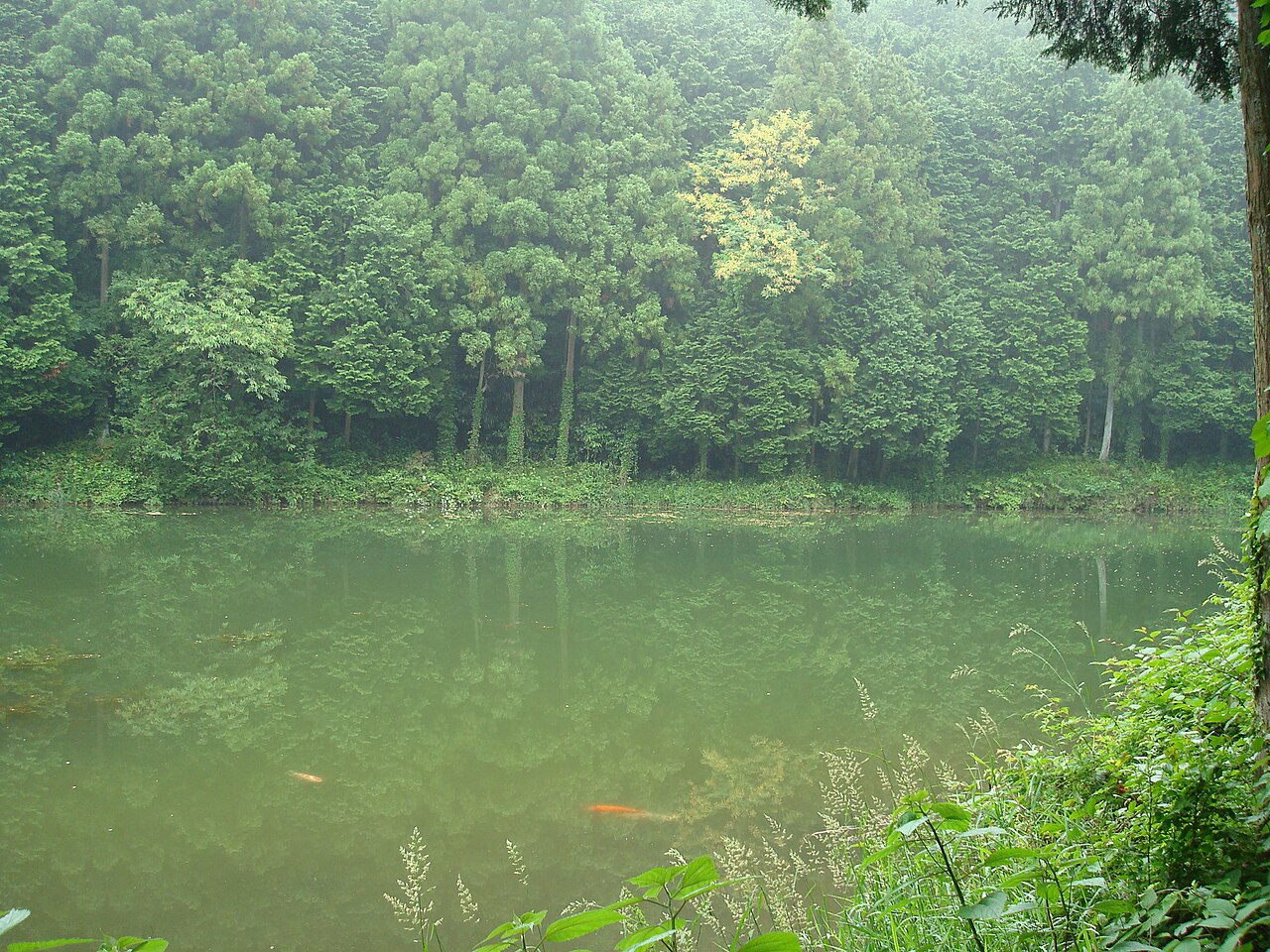
Fukusuke, an eel restaurant, takes the eel for its signature eel on rice from the in-shop tank and grills it kabayaki-style on the spot, a dish passed on by an oiran and carried on by the sixth-generation owner. Fukusuke was formerly a kappo ryokan, and its zodiac ceiling carving inside the door and fan-pattern corridor ceiling remain.
Futaba asks that lunch be arranged in advance. For a meal with a story, choose between Futaba's broth-poured rice and Fukusuke's eel grilled on the spot. If you would rather stay overnight, places to stay in Ranzan is a place to start.
Getting to Ogawa
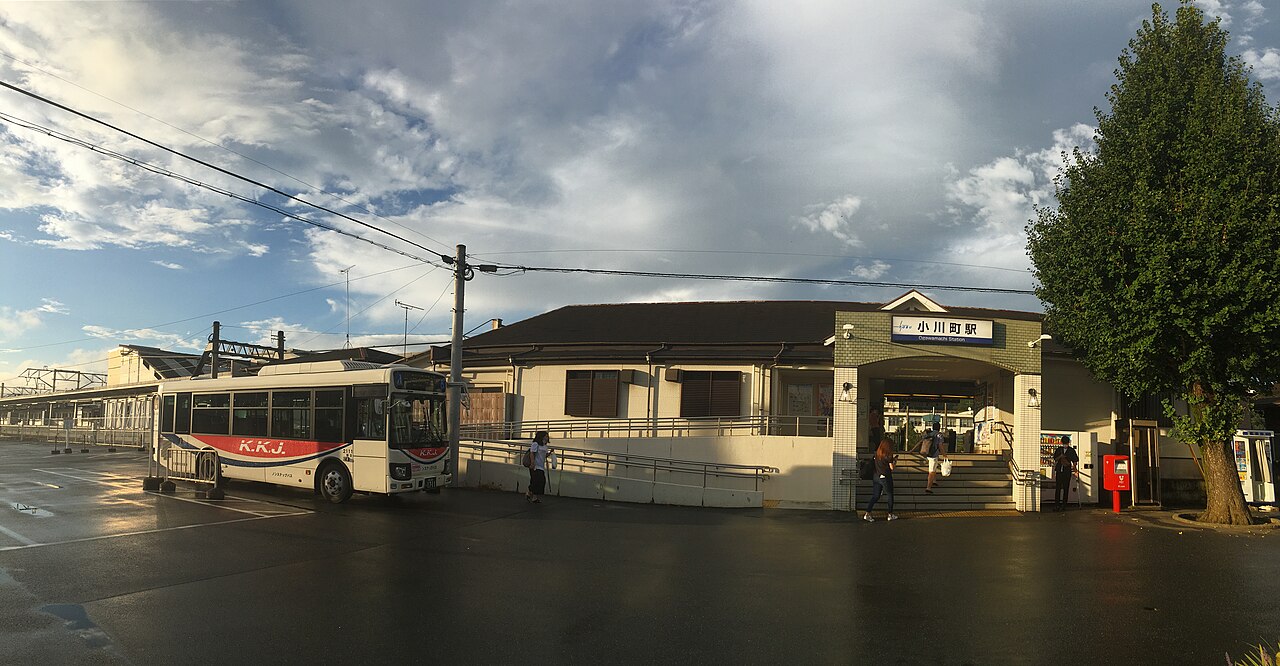
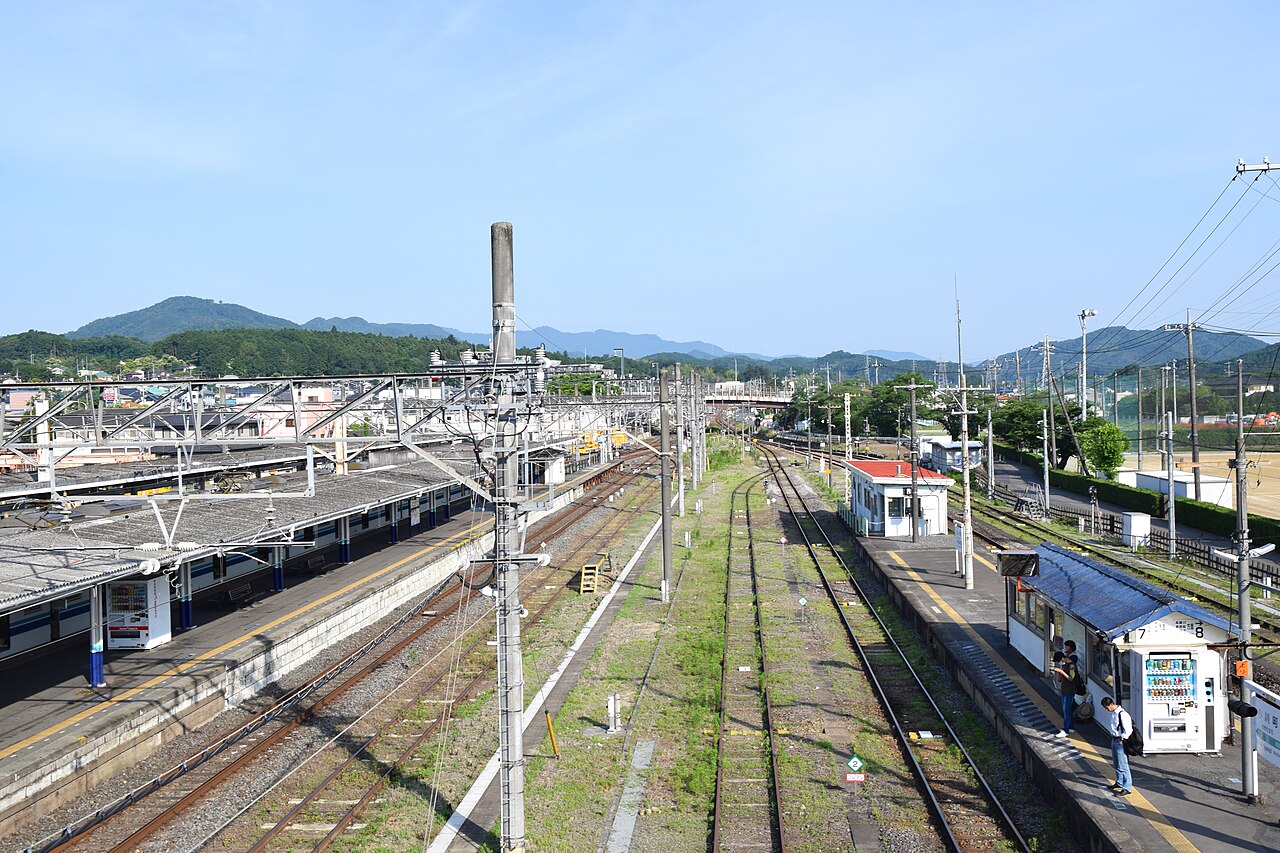
Ogawamachi Station is served by the Tobu Tojo Line and the JR Hachiko Line.
| Leg | How | Time or distance |
|---|---|---|
| Tokyo Station to Ogawamachi Station | By train | About 1 hour 30 minutes |
| Narita Airport to Ogawamachi Station | By train | About 2 hours |
| Haneda Airport to Ogawamachi Station | By train | About 2 hours |
| Ogawamachi Station to Ogawa-machi Washi Taiken Gakushu Center | On foot | 10 minutes |
| Ogawamachi Station to Kadokura Washi-ten | On foot | 2 minutes |
| Ogawamachi Station to Seiun Shuzo | On foot | 11 minutes |
| Ogawamachi Station to Musashi Winery | By car | 9 minutes |
| Ogawamachi Station to Yoshida-ke Juutaku | By rental cycle | About 5 km |
| Rental bicycle at Musubime | Per day | From 550 yen |
New to rural buses and one-man trains? See how to ride them, step by step.
Hours and Fees
| Place | What | Hours or fee |
|---|---|---|
| Ogawa-machi Washi Taiken Gakushu Center, one-day course | Fee | 5,000 yen |
| Ogawa-machi Washi Taiken Gakushu Center, Course A | Fee | 1,500 yen |
| Ogawa-machi Washi Taiken Gakushu Center | Hours | 9:00 to 16:00 |
| Ogawa-machi Washi Taiken Gakushu Center | Closing day | Tuesdays |
| Michi-no-Eki Ogawamachi, plain nagashi-zuki | Participation fee, tax included | 1,100 yen |
| Seiun Shuzo premium sake tasting | Fee per person | 6,600 yen |
| Musashi Winery tour | Fee per person | 1,500 yen |
| Yoshida-ke Juutaku, hearth dango-making | Fee per person | 1,760 yen |
| UECHU, indigo dyeing | Fee per person | 3,500 yen |
The washi workshop at Michi-no-Eki Ogawamachi is closed on Mondays and opens when the Monday is a public holiday.
Where to stay
Disclosure: This post may contain affiliate links. If you book through them, we may earn a commission at no extra cost to you.