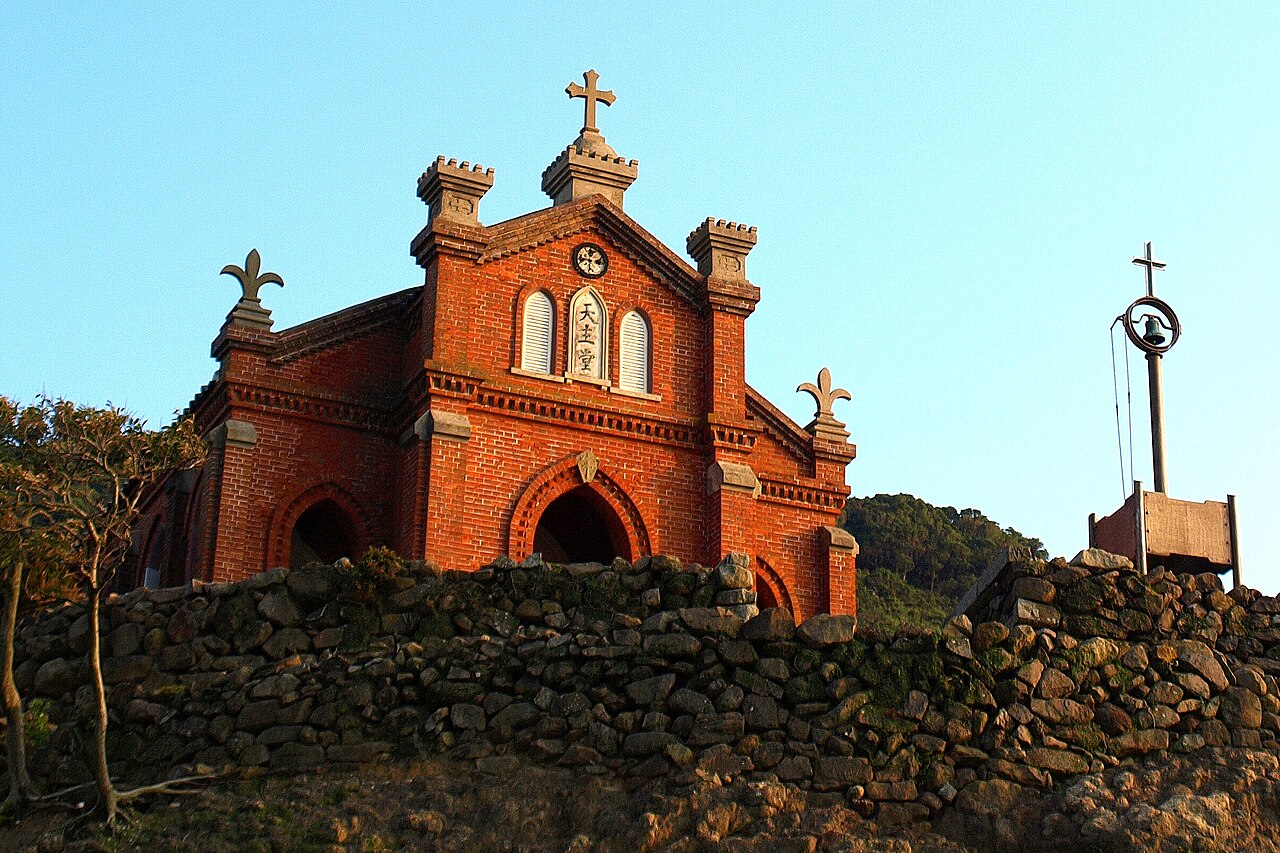
Ojika in Nagasaki keeps its stories where they happened. On Nozaki Island a village path leads to the ruins of a settlement where a shipping wholesaler of Ojika once sheltered hidden Christians, and behind a shrine there a tall rock stands stacked like a torii. Back on Ojika a white torii frames the blue sea above a pothole coast, and in fishing and farming homes guests learn local dishes and prepare fish beside their hosts.
Nozaki Island and the Village Ruins
Nozaki Island draws walkers onto a village path from the old church to the ruins of Funamori, a settlement begun in the late Edo period when a shipping wholesaler of Ojika sheltered hidden Christians and let them settle there. The families called their benefactor danna-sama, and their rugged satoji now carries visitors to the ruins before a return by sea.
The settlers once walked this dark path by the light of bamboo torches, and on the way to school older pupils took the younger ones by the hand; every move on Nozaki Island is still made on foot, so the same ground passes under your feet.
After the ruins a chartered boat meets walkers at the shore, and from the water you look back at the rock walls along the coast. If the settlement's story is what draws you, let this walk set the shape of your day on Nozaki Island.
The Shrine, the Standing Rock and a Priest House Lunch
The way to Oeishi begins with a visit to a shrine on Ojika, after which a chartered boat carries visitors across the water to Nozaki Island. From the shoreline the path passes a first torii, now collapsed, and a second, then climbs directly as a mountain path towards the shrine.
Behind the shrine building stands Oeishi, a tall rock with stones stacked like a torii, and at the spot where kagura was once danced a compass goes haywire because of a strange magnetic field. Travellers drawn more to the rock than to the village ruins can build their visit around this climb.
Lunch is taken at the priest house of the shrine in the Nozaki settlement, where a set meal of island ingredients is served while you look out at a dry landscape garden, seated on floor cushions in a tatami room. With a longer stay, the shrine, the climb to Oeishi and this lunch can be combined into a single plan.
Madara Island and the Pothole Coast
Madara, just west of Ojika and joined to it by a bridge, is where visitors look down into a deep pothole about ninety centimetres across at the top and about sixty at the bottom, where the incoming and outgoing sea turns round stones that scrape the rock wall and keep deepening the hole.
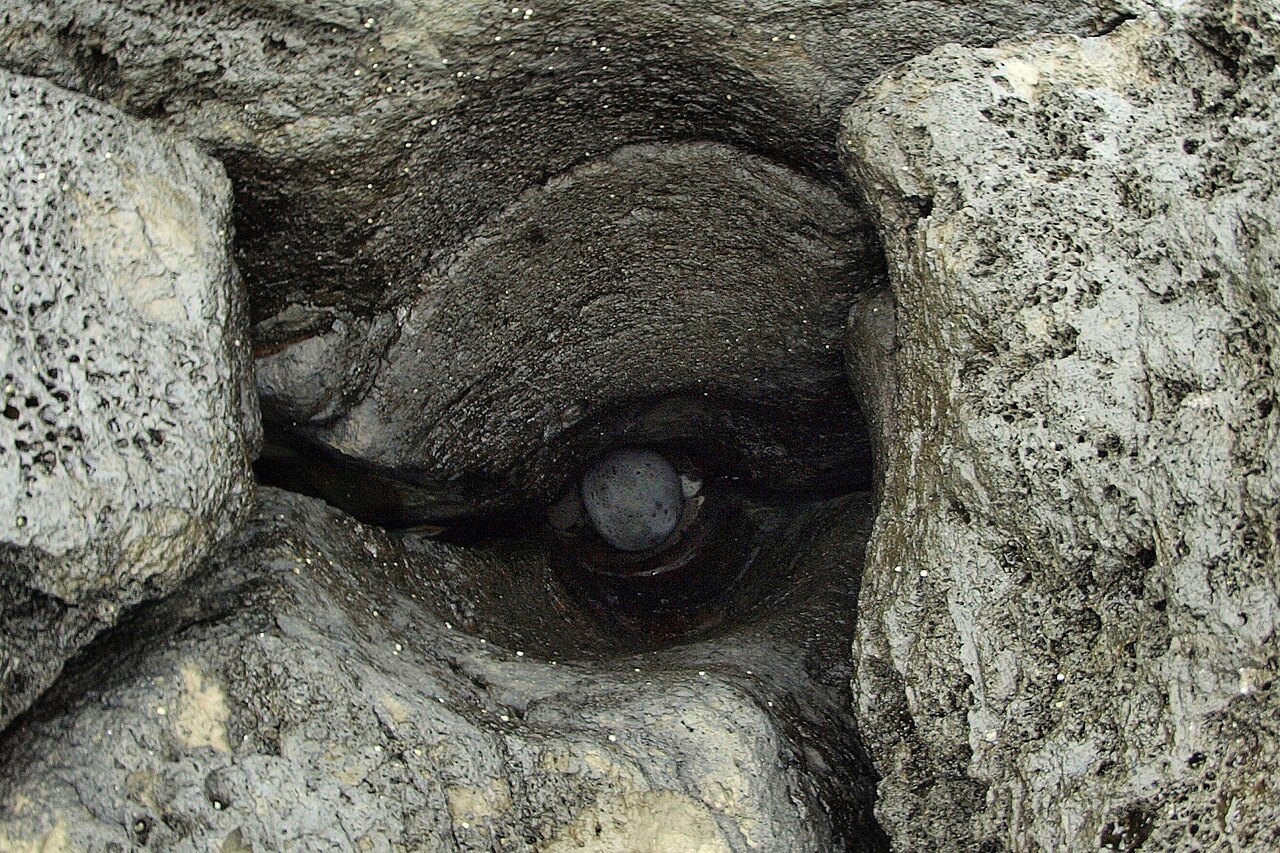
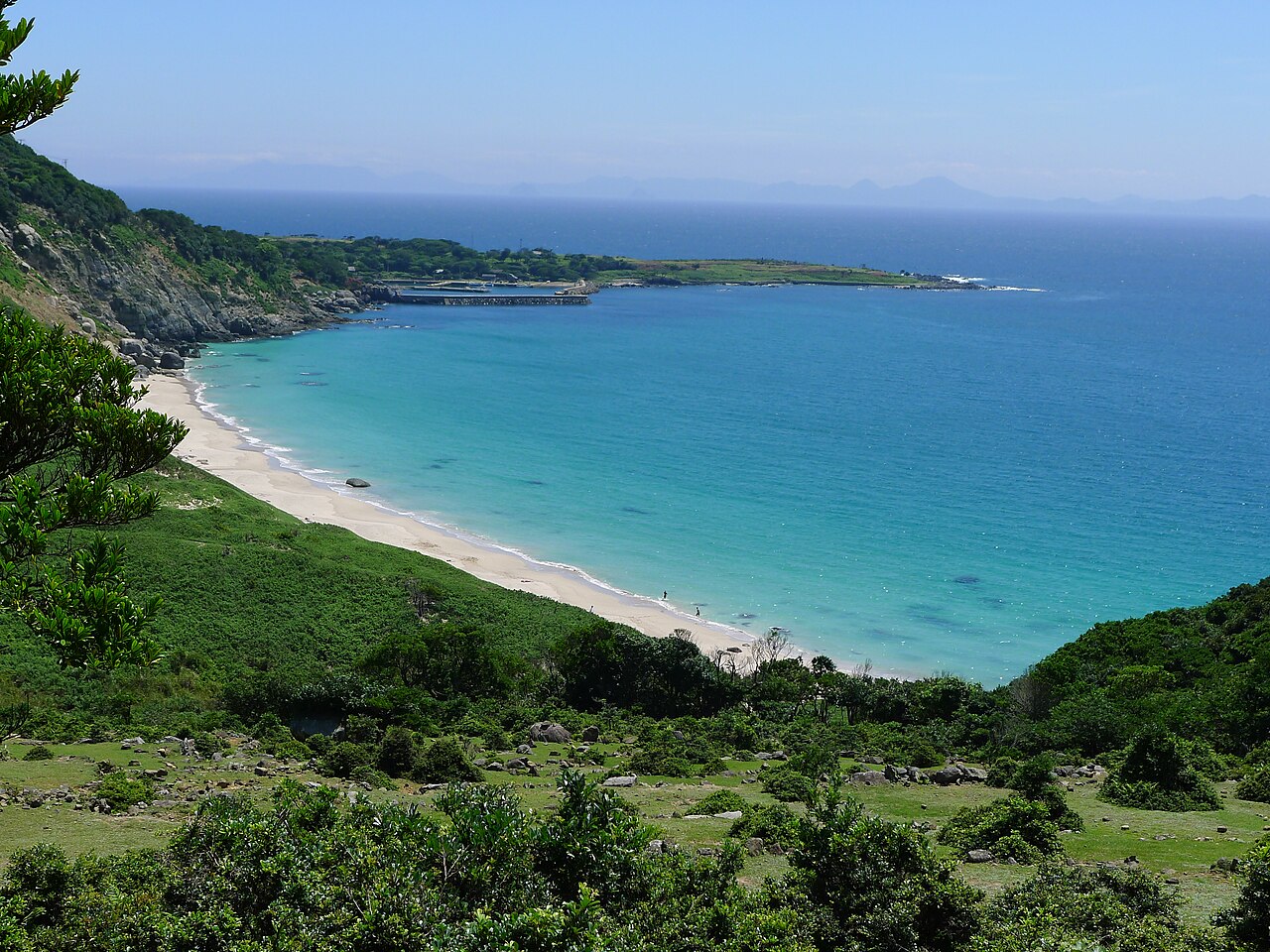
The smooth round stone past the torii is said to have been worn by the waves, and beyond the white gate the blue sea spreads out. From the sunset point on Yuyake Road the uninhabited islands of Ojika town can be taken in at a glance, and a wide ranch with cattle and a lighthouse stand nearby.
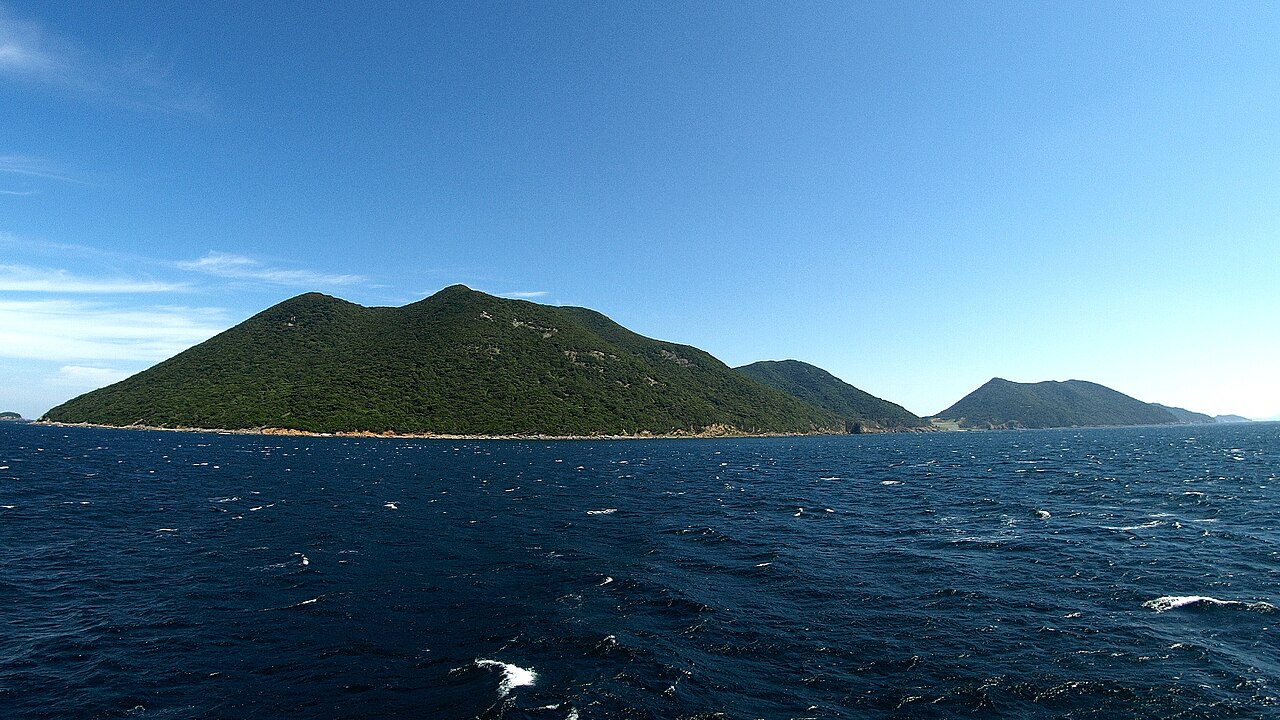
Ojika is made up of volcanic islands, with twenty-odd craters said to lie across the island and red soil underfoot. On the rocky area of a swimming beach, coloured coral and fish can be seen, and since the sandy beach is out of sight at high tide, low tide is the time to go, so plan a short day around that tide and end at the sunset point.
Fuefuki Lanes, a Temple and the Harbour Send-offs
Fuefuki, the centre of the town, is where walkers pass wooden houses from the Edo period onward behind windbreak walls of basalt. In the lanes beside the main street a stone arched bridge rises slightly over a culvert, and among the many Jizo and monuments some watch over children while others honour the dead and pray for the whalers.
A temple in town enshrines over fifty Buddha statues, among them a hidden Benzaiten said to be the work of Kobo Daishi and an eleven-faced Kannon. Its main hall shows treasures tied to the Hirado domain's ruling family, and those who prefer doing to looking can try making a zen garden or sit in zen meditation.
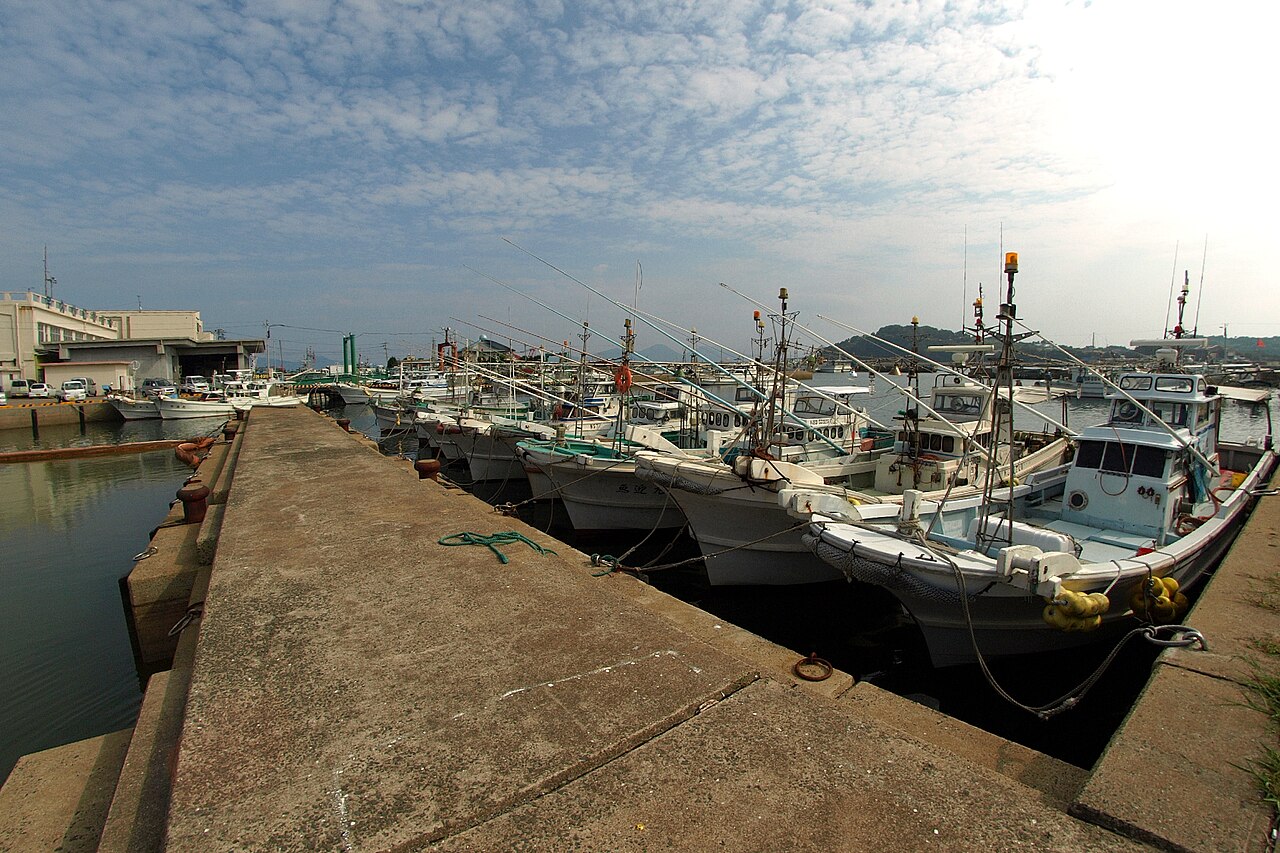
In spring the harbour fills with islanders who come to see people off each time a ship leaves, and the student council leads the cheering while the brass band plays. When firefighters leave, the women's firefighting corps trumpet squad plays to convey its thanks.
Home Stays and Old Houses
An old-house stay on Ojika is a whole house taken by one group at a time, one of several scattered among the island's settlements; in one of them the harbour shows through the windows, courtyard light comes into the living room, and the colours of the fishing boats and their engine sound are part of the stay.
On the main island and on Oshima about twenty ordinary households take minpaku guests, one group per house at a time, and guests cook with the host family, help with chores and learn local dishes, including how to prepare fish. One host catches horse mackerel of forty centimetres at the wharf and turns her catch into fried fish, furikake and kamaboko.
Visitors also fish for horse mackerel on the quay with island residents. A house to yourselves means the old-house stay; cooking beside a family means the minpaku. For a whole house, one group at a time, with the harbour in the window and courtyard light in the living room, browse places to stay on Ojika.
Island Meals
Ojika's old-house restaurant, converted from the mansion of a family that built its wealth on whaling and sake brewing, serves dishes of vegetables and fresh fish caught on the island, prepared to bring out the taste of the ingredients, and its course turns on seasonal ingredients such as sea urchin and turban shell.
On the main street a skewer izakaya in a building renovated from a house about eighty years old grills yakitori, pork belly and vegetables fresh to order, while island shops sell local foods such as kamaboko, namaribushi and aosa seaweed.
At an old-house stay visitors fillet seasonal island fish themselves, and a local island woman comes to cook island meals with the guests; the Hirama-sa marinated fish in the food set is wild-caught, dressed with Nagasaki soy sauce and plenty of ground sesame, with no chemical seasoning. In a house these shared dishes are the meal; in town, choose between the course and the skewers.
Getting to Ojika
| Leg | How | Time and estimate |
|---|---|---|
| Sasebo to Ojika | High-speed boat Sea Lady, departing Sasebo at 12:05 | Arrives 13:35; journey time 1:30 |
| Sasebo to Ojika | Ferry departing Sasebo at 10:40 | Arrives 13:55; journey time 3:15 |
| Ojika to Sasebo | Ferry departing Ojika at 7:45 | Arrives 10:20; journey time 2:35 |
| Hakata to Ojika | Ferry Taiko, departing Hakata at 23:45 | Arrives 4:40; journey time 4:55 |
| Ojika to Hakata | Ferry Taiko, departing Ojika at 13:10 | Arrives 17:50; journey time 4:40 |
| Hakata to the Taiko ferry terminal | Bus from the front of JR Hakata Station (Hakata Futo stop) | About 15 minutes |
| Sasebo Station to the Sasebo ferry terminal | On foot from JR Sasebo Station and the Sasebo Bus Terminal to Kujirase Terminal | About 8 to 9 minutes |
| Ojika to Nozaki Island | Town ferry Hamayu, departing Ojika at 7:25 on the regular timetable | Arrives 8:00 |
New to rural buses and one-man trains? See how to ride them, step by step.
Hours and Fees
| Place | What | Hours or fee |
|---|---|---|
| Nozaki Island walking tour | Fee per person | 6,000 yen (excluding tax) |
| Shrine and Oeishi rock tour | Fee per person | 15,000 yen (excluding tax) |
| Lunch at the priest house on Nozaki Island | Lunch plan | 5,500 yen per person including tax, the same for adults and children |
| Town ferry Hamayu to Nozaki Island | One-way fare | 520 yen for adults; 260 yen for elementary school children and younger |
| Island guide tour | Fee | 4,400 yen for adults (junior high school and older) |
| Old-house stays | Check-in and check-out | Check-in 14:00; check-out by 11:00 |
| Island restaurants | Closing days | Old-house restaurant closed Tuesdays, the second and fourth Wednesdays, and year-end and New Year; skewer izakaya closed Wednesdays, open every day in summer |
| Getting around Ojika | Bicycle rental at the ferry terminal | 6:30 to 18:00, first come on the day |
Where to stay
Places to stay near Ojika, Nagasaki, Japan →
Disclosure: This post may contain affiliate links. If you book through them, we may earn a commission at no extra cost to you.