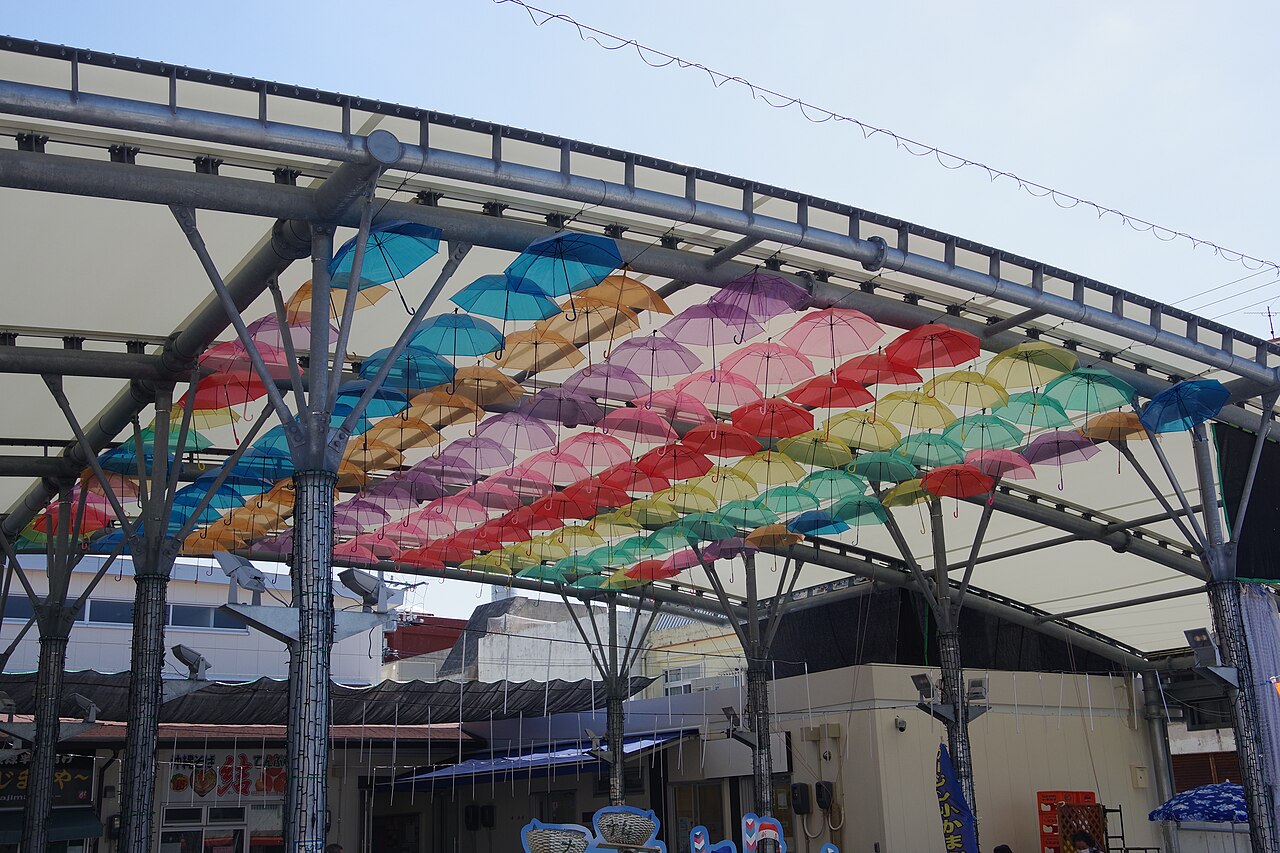
Itoman, on the southern coast of Okinawa Island, pairs hands-on Ryukyu glass making with a fresh-seafood market and the southern tip of the main island. At Ryukyu Glass Village you can take part in making Ryukyu glass, engrave a favorite illustration or text to design an original glass, paint the Okinawan guardian lion-dog and sea creatures, or make a treasure box with miniature glass. In town, Itoman Market Itomaru keeps the look of the former market, and a seasonal seafood bowl is served at its terrace seats. Cape Kyan, the southern cape of the main island, rounds off the day.
Making Ryukyu Glass at the Village
Ryukyu Glass Village is where the hands-on part of the day happens. The couple course lists glass making as a hands-on option, and the engraving option in the same course lets you draw a favorite illustration or text to design an original glass.
Two further courses take a different approach. In the gel glass course, visitors make a treasure box with miniature glass, and in the painting course the motifs are the Okinawan guardian lion-dog and sea creatures.
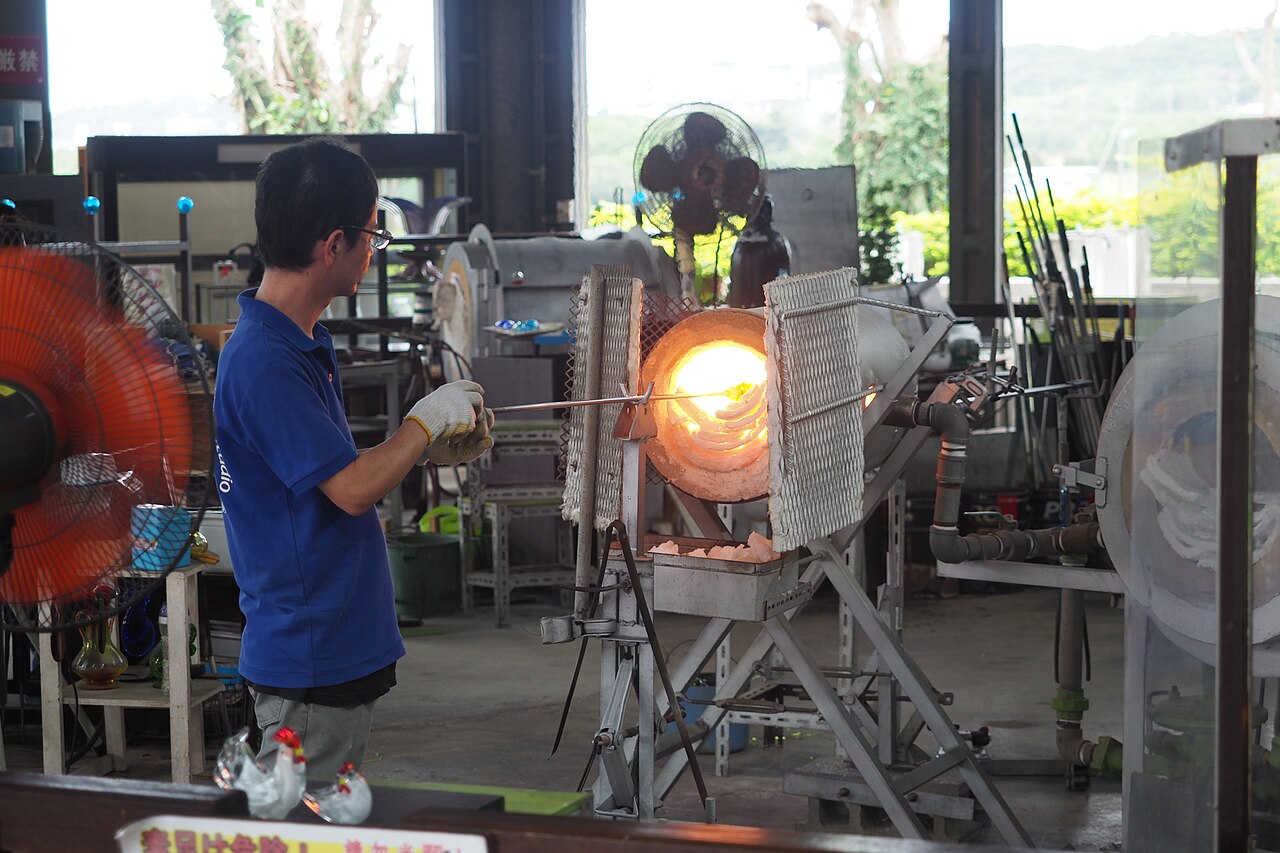
After making something, the shops on the site fill the rest of the visit. Fukuchi Shoten gathers food items from around Japan and also stocks fortune goods sold only there, while Ryukyu Glass Life Shop sells Ryukyu glasses, Okinawa Hotaru glass accessories and standard souvenirs. The RGC Factory on the site has live glass making as well.
The glass-making workshop itself takes about ten minutes of experience time, and reservations are taken from two weeks before the desired date, so Book a glass-making workshop once your dates are fixed. If you want to take home something you designed rather than chose, pick the engraving option, where your own illustration or text goes onto the glass; if you prefer a small keepsake, the treasure box from the gel glass course fits.
Eating and Strolling at Itoman Market Itomaru
Itoman Market Itomaru is a public market renovated in a modern style, and it works as a hub of exchange for the fishing town. The renovated hall keeps the look of the former market and holds fresh fish shops, meat shops and eateries, so the visit is as much about looking as about eating.
The named product here is Itoman kamaboko, and visitors stroll with it in hand before sitting down to a seasonal seafood bowl at the terrace seats. The inside of the facility has no steps and has accessible toilets, which makes it an easy stop with a stroller or a wheelchair.
If you want a quick seafood meal without a long sit-down, the seasonal seafood bowl on the terrace is the choice here, and the kamaboko is the snack for the walk between shops.
Seafood, Tofu and Fishing-Town Traditions
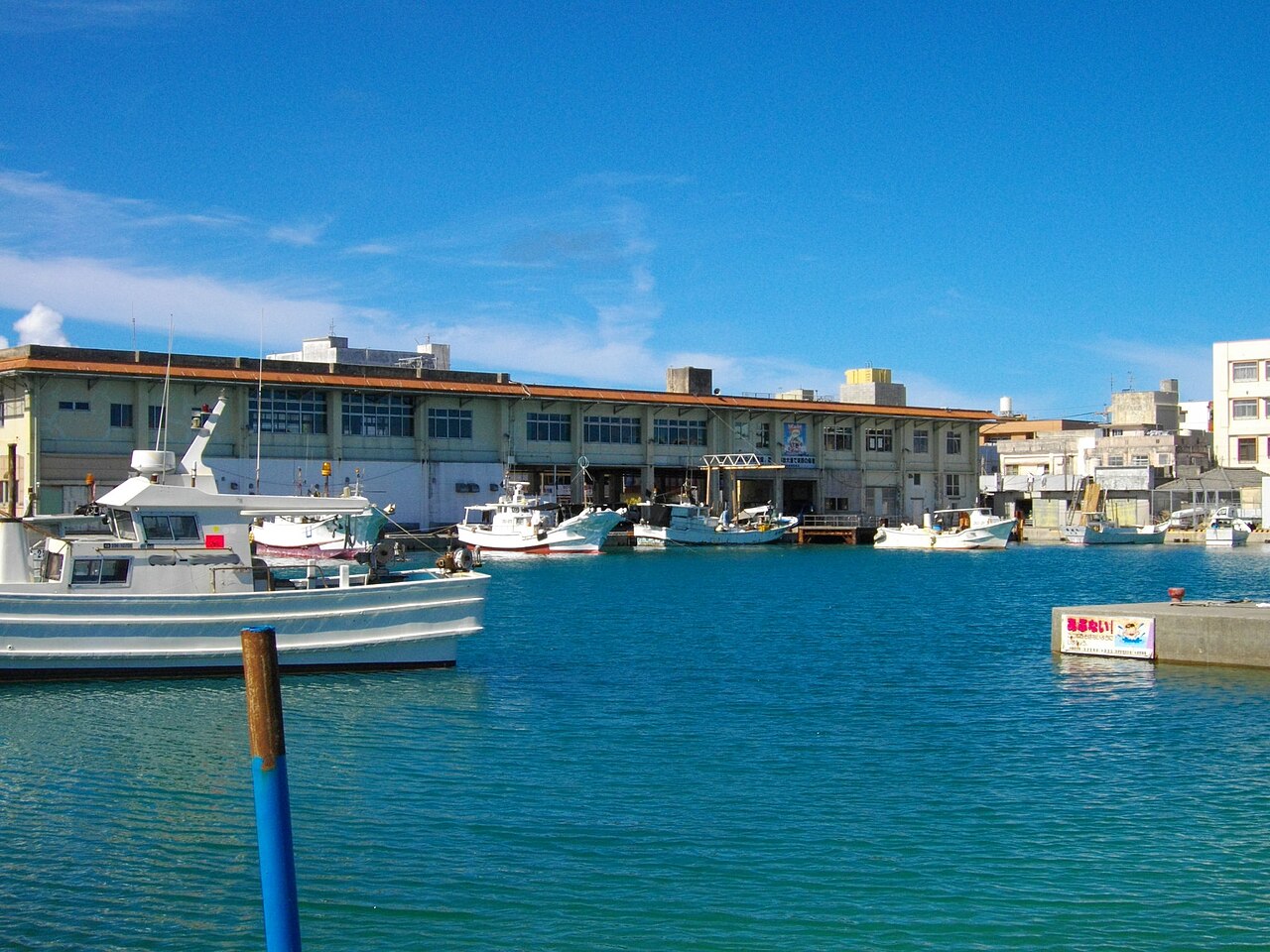
Itoman is a fishing town, and the places to eat and shop reflect it. A complex of five facilities on a large site brings together a city products center, a farmers' market and the seafood center of the Itoman fisheries cooperative, so one stop covers fish, produce and local goods.
The seafood center sells fresh seafood caught in the waters near Okinawa, and at some of its shops the food is cooked in front of the shop, so you can eat it on the spot. The farmers' market stocks farm produce, and a tofu shop in Itoman sells traditional Okinawan tofu.
The fishing-town story is on show at a private museum of Itoman fishermen's tools, where the collection includes the original form of underwater goggles, which originated in Itoman. Traditional events are held by the old lunar calendar, and at New Year the fishing boats in the harbor hang colorful flags. A beach in the city offers marine sports and barbecues, with shower rooms and locker rooms.
If you want to eat where the fish is sold, head for the seafood center and pick a shop that cooks in front of you; the farmers' market in the same complex covers the produce side.
Cape Kyan and the Southern Coast
Cape Kyan sits at the southern tip of Okinawa Island. A lighthouse and an observation deck stand on top of the cape, and from there the view takes in the Kyan and Arasaki coasts, a nationally designated place of scenic beauty and natural monument, and the blue sea beyond.
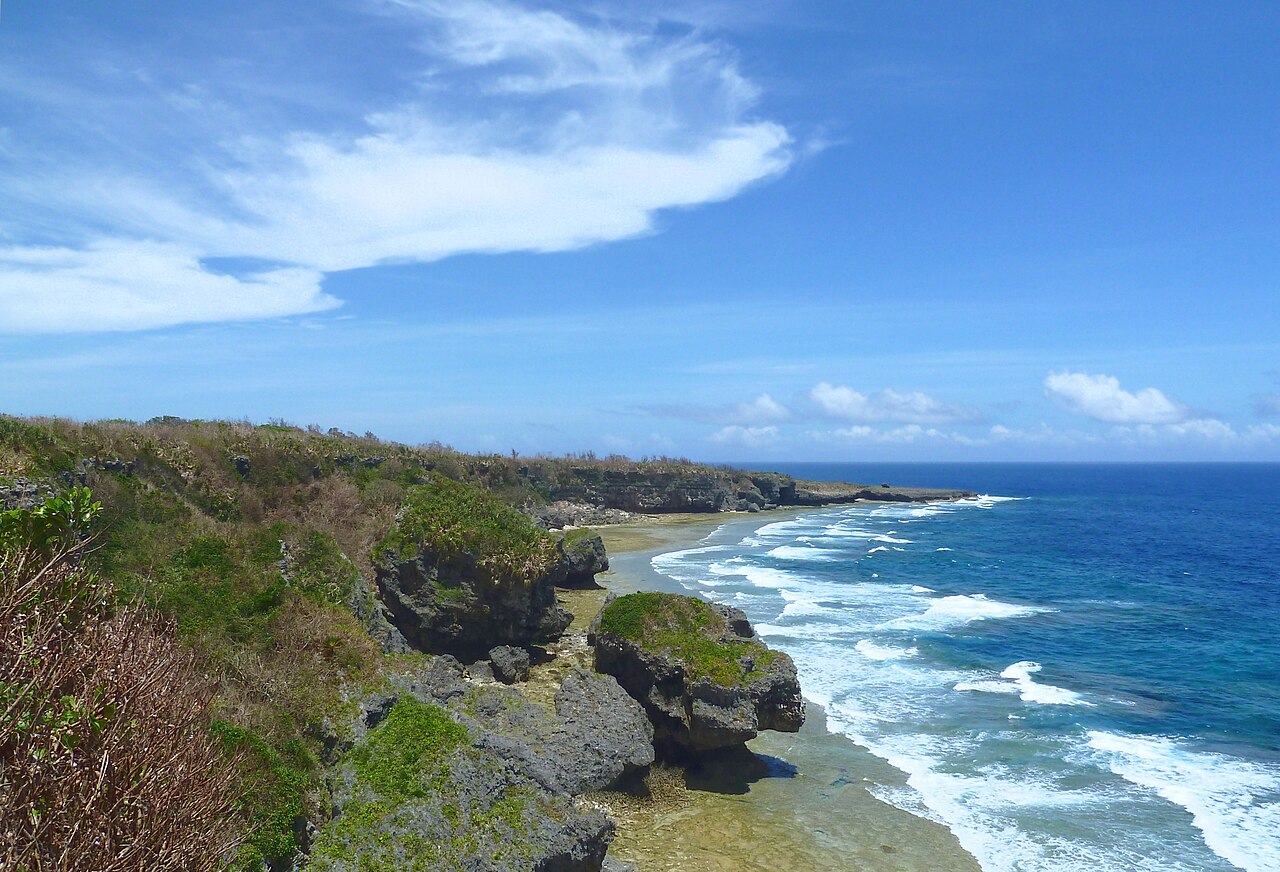
The Pacific Ocean and the East China Sea divide at this cape, so the water on either side belongs to a different sea.
The coast of the southern main island, including Cape Kyan, was the area of the last fierce battle of the Battle of Okinawa, and the surrounding area is designated as the Okinawa Battle Sites Quasi-National Park. A memorial monument stands at the tip of the cape.
If you want a wide view of the sea, the observation deck on top of the cape is the place to finish a day in Itoman.
If you plan to spend the night in the area, browse places to stay in Itoman.
Getting to Itoman
| Leg | How | Time or cost |
|---|---|---|
| Naha Airport to Ryukyu Glass Village | Car | About 25 minutes |
| Naha Airport to Itoman | Bus | About 40 minutes |
| Himeyuri Tower to Ryukyu Glass Village | Car | About 3 minutes |
| Parking at Ryukyu Glass Village | Car | Free, 100 cars |
By route bus, the number eighty-nine Itoman line from Naha Bus Terminal goes as far as Itoman Bus Terminal, and the onward connection from there needs to be checked before you set out. The Ryukyu Glass Village bus stop, which is not the terminal, is right in front of the facility, about one minute on foot.
New to rural buses and one-man trains? See how to ride them, step by step.
Hours and Fees
| Place | What | Hours or fee |
|---|---|---|
| Ryukyu Glass Village | Hours, no regular closing day | 9:30 to 17:30 |
| Glass-making workshop | Last reception | 16:00 |
| Glass-making workshop | Clear glass or clear mini bowl, base price | 4,400 yen |
| Glass-making workshop | Clear long glass | 5,500 yen |
Shipping for items bought in the facility is a flat one thousand five hundred yen nationwide, tax included. Wheelchairs and strollers can be borrowed, two of each.
Where to stay
Places to stay near Itoman, Okinawa →
Disclosure: This post may contain affiliate links. If you book through them, we may earn a commission at no extra cost to you.