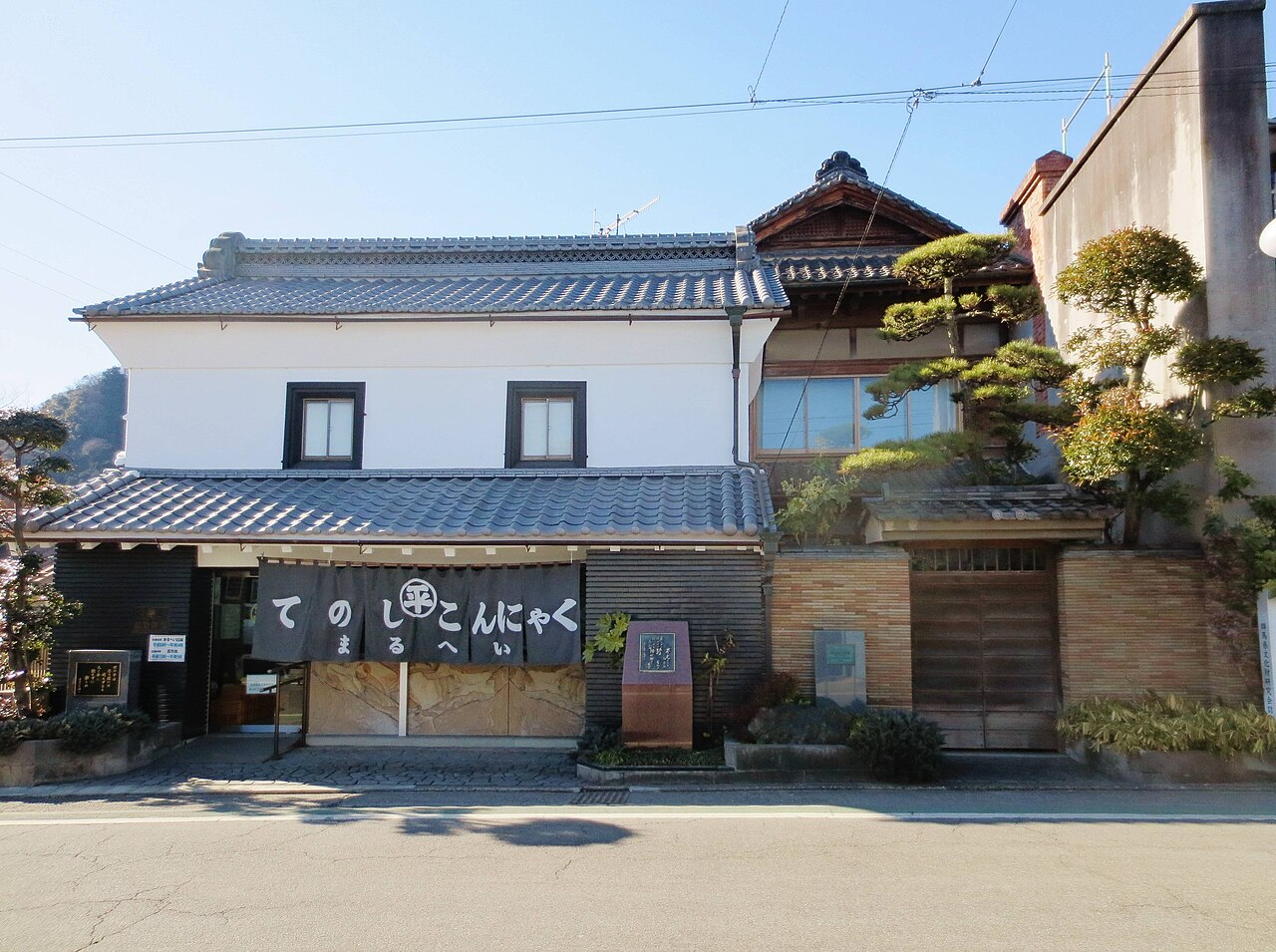
Shimonita is a town in Gunma where you knead your own konnyaku by hand and take the finished konnyaku home as a souvenir. The same town grows the Shimonita leek, which is at its peak every December, and its streets keep the look of the past, with nostalgic dishes that remain there. Farther out, the Arafune ice-wind cave is a cold store that used cold air from the terrain to adjust the hatching time of silkworm eggs. Between the kneading, the plate and the cave, this is a day for your hands and your appetite.
Make Konnyaku by Hand: Kneading, Shaping and Taking It Home
At the Shimonita konnyaku making session, you start from konnyaku powder, and the work runs through hand kneading, adding edible lime, shaping and boiling. The materials themselves are konnyaku potato flour and lime, with no specified allergens.
The staff single out the touch and smell of konnyaku in hands that have never worked it before. Groups that came before reached out hesitantly at the start, then kneaded in turns and finished a clean konnyaku together. In one group a three-year-old child worked hard at the kneading as well, so the work is within reach of small hands.
The session takes about sixty minutes. At the end, the finished konnyaku can be taken home as a souvenir. Groups have also eaten it together before carrying the rest home.
Individuals and families apply through the application form at least seven days before the date they want. If you want to leave Shimonita with something made by your own hands, put this session at the start of the day and let the leek harvest and the town's konnyaku dishes follow it.
More to Do With Your Hands: Pulling Winter Leeks, Shaping Pottery and Skipping Stones
The Shimonita leek harvest lets you pull leeks that have been grown for about fifteen months. It starts at the tourist information centre inside Michi-no-Eki Shimonita, then moves to a sightseeing farm right next to it. Staff guide you through a lecture on the leek and an explanation of the harvesting method, then the harvest starts and the group disbands on site afterwards. After the harvest, the leeks are eaten as daimyo-yaki.
The Shimonita leek is at its peak every December, and the harvest is limited to winter. The harvest itself takes about sixty minutes.
Pottery is a second way to use your hands here: Joshu Shimonita-yaki is made by hand from Shimonita clay with natural glaze, and the result is an original piece of your own. At Aoiwa Park, you learn how the stones formed while skipping them on the water.
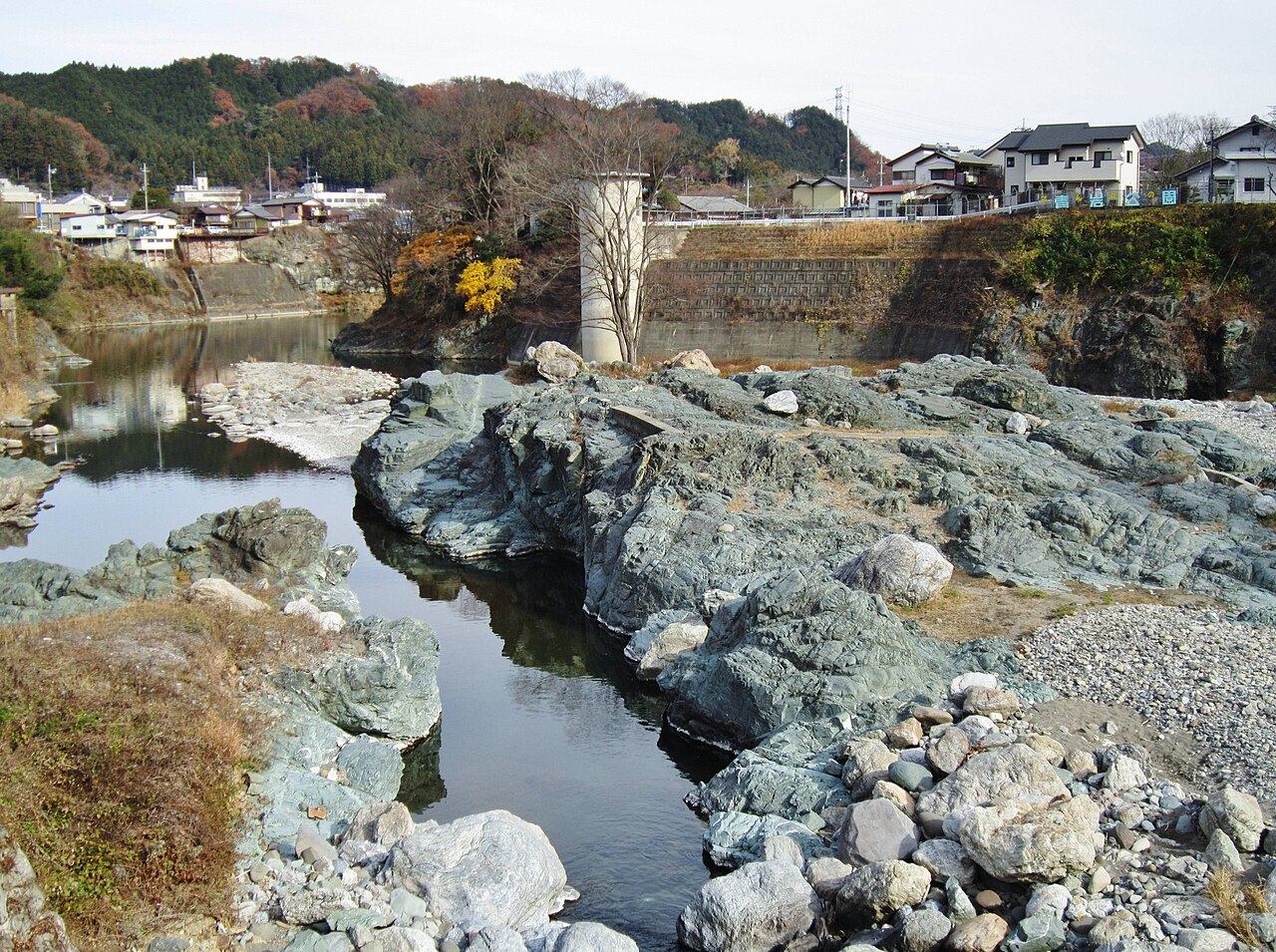
If you come in winter, plan the day around the leek harvest and the daimyo-yaki that ends it; pottery from Shimonita clay is a second way to work with your hands, with the stones of Aoiwa Park for the time left over.
Konnyaku and Leeks on the Plate
The Shimonita croquette is the dish for tasting what this konnyaku becomes: it uses a special konnyaku made in Shimonita, and the sweetness of Shimonita leeks and the flavour of shiitake linger in the taste. It can be bought at the konnyaku tourist centre.
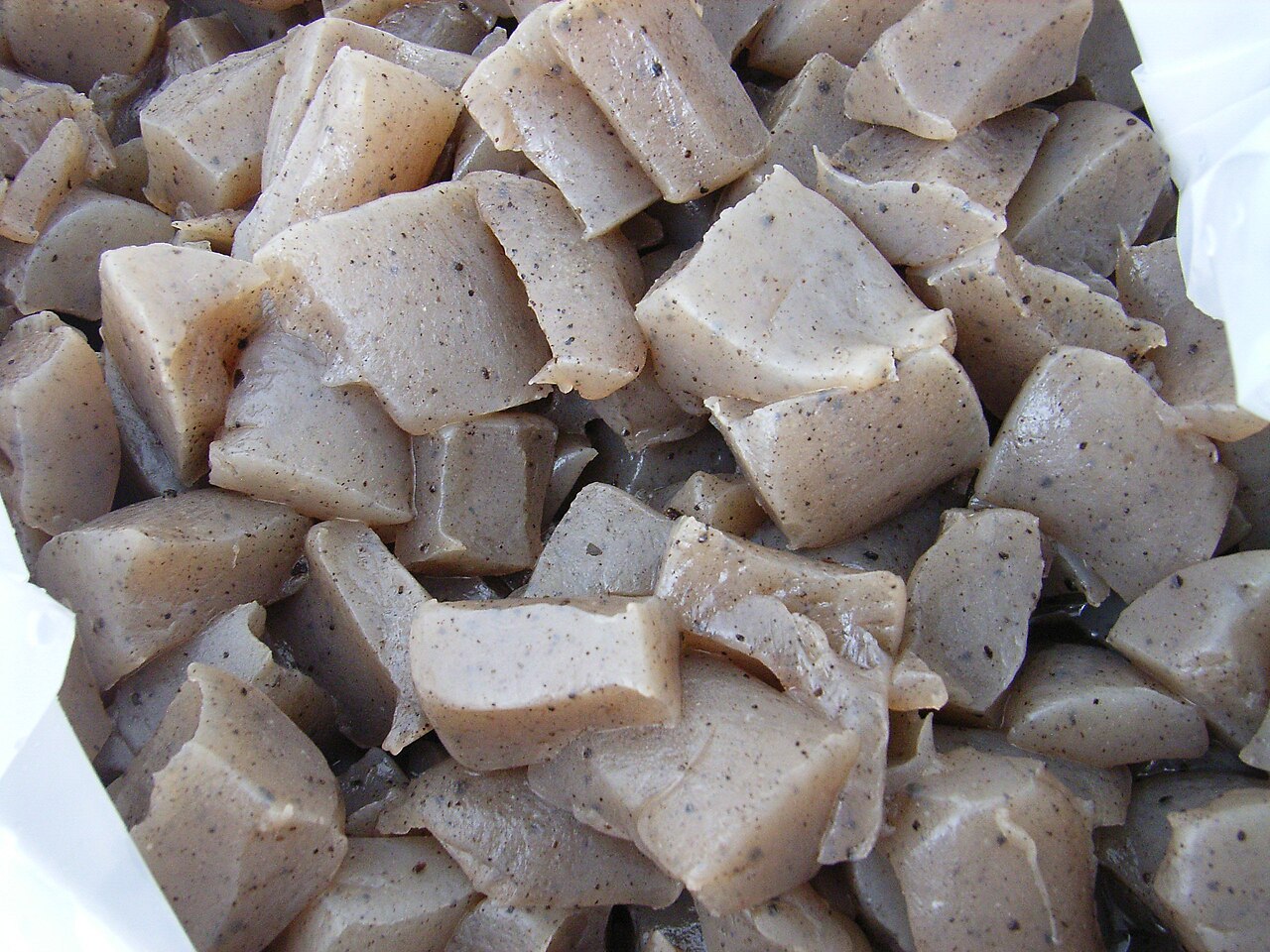
At one miso-oden restaurant, the signature miso oden uses house-made konnyaku and house-made sauce, and pork offal is simmered slowly in house-made miso with Shimonita leek and konnyaku. The restaurant at Michi-no-Eki Shimonita serves Shimonita leek ramen and set meals, with its Shimonita leek dishes available in winter only. A side-dish shop at the same Michi-no-Eki fries a croquette with konnyaku, Shimonita leek and local shiitake. Another restaurant serves a konnyaku-only course and a winter-only Shimonita leek sukiyaki.
The streets around the railway stop, the Showa retro gourmet street, keep the look of the past, and nostalgic dishes remain there. Konnyaku Park adds a konnyaku-dish buffet, its own making class and a look round the factory, plus a foot bath where the sound of five water spouts is heard.
If you want to taste what the harvest and the kneading turn into, the miso-oden restaurant and the Michi-no-Eki restaurant between them cover both; the croquette is the one to carry away.
The Arafune Ice-Wind Cave, Suwa Shrine and Kozu Ranch
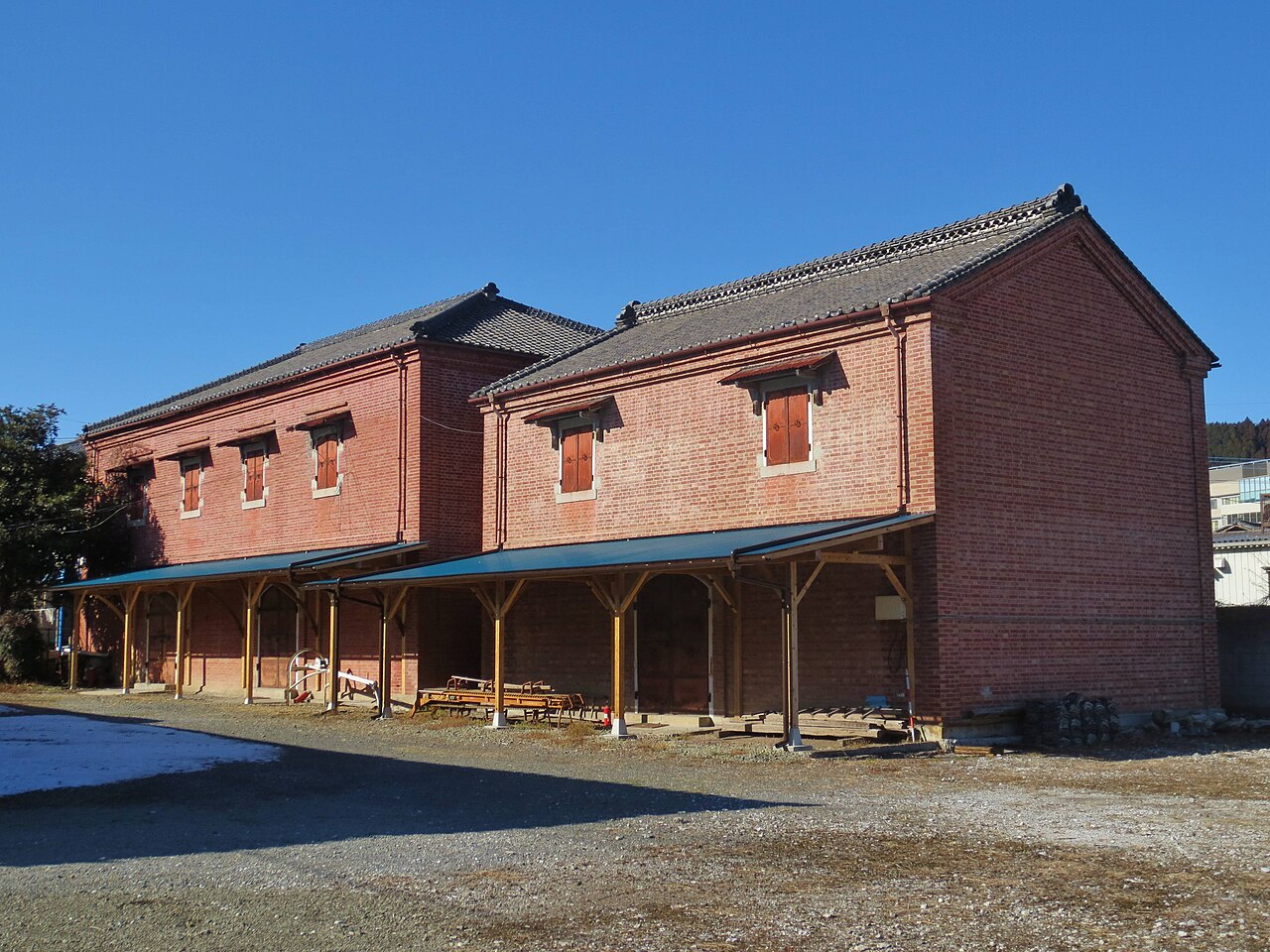
Arafune takes its name from a flat-topped mountain that looks like a warship afloat on rough waves, and the ice-wind cave of the same name is a cold store that used cold air from the terrain to adjust the hatching time of silkworm eggs.
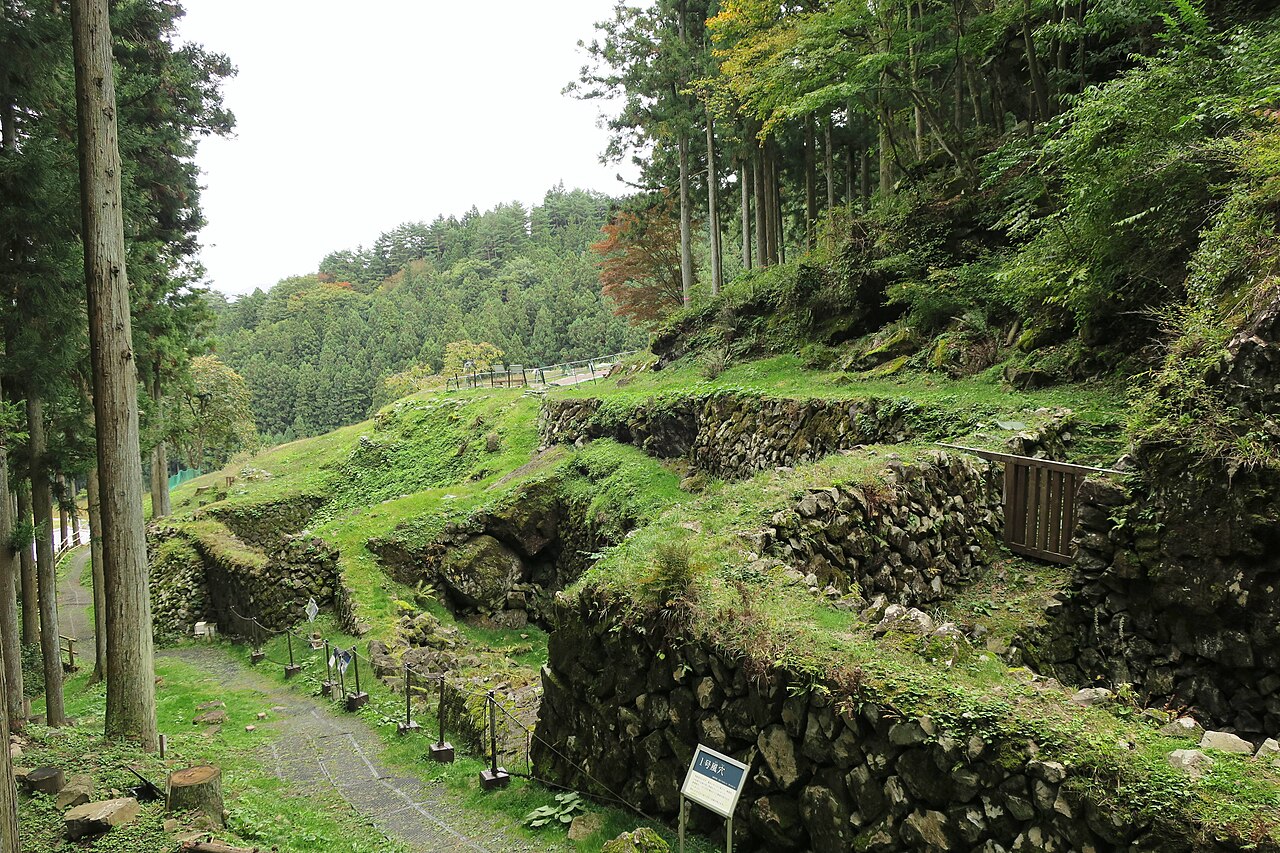
Behind the training hall site, striped layers in the rock face are the lake bed from before the Arafune lava erupted. At Ippai-mizu you can rest and taste water that springs from the lava plateau, and on a fine day Mount Asama is clearly visible from Tomoiwa.
Suwa Shrine was founded about four hundred years ago, and in its hall the floor breaks off partway and only the roof connects the buildings. Two large dragons are carved into the central pillar and beam, and the hall also carries peonies, cherry blossoms and lion parent-and-child pairs.
Kozu Ranch offers milking and butter making. In a typical year a highland ranch programme of one night and two days runs there in spring and autumn. If you have time for just one outing, the ice-wind cave pairs a cold-store story with cold air that still blows; the ranch suits anyone keen on milking. If you would rather stay overnight, places to stay in Shimonita is a place to start.
Getting to Shimonita
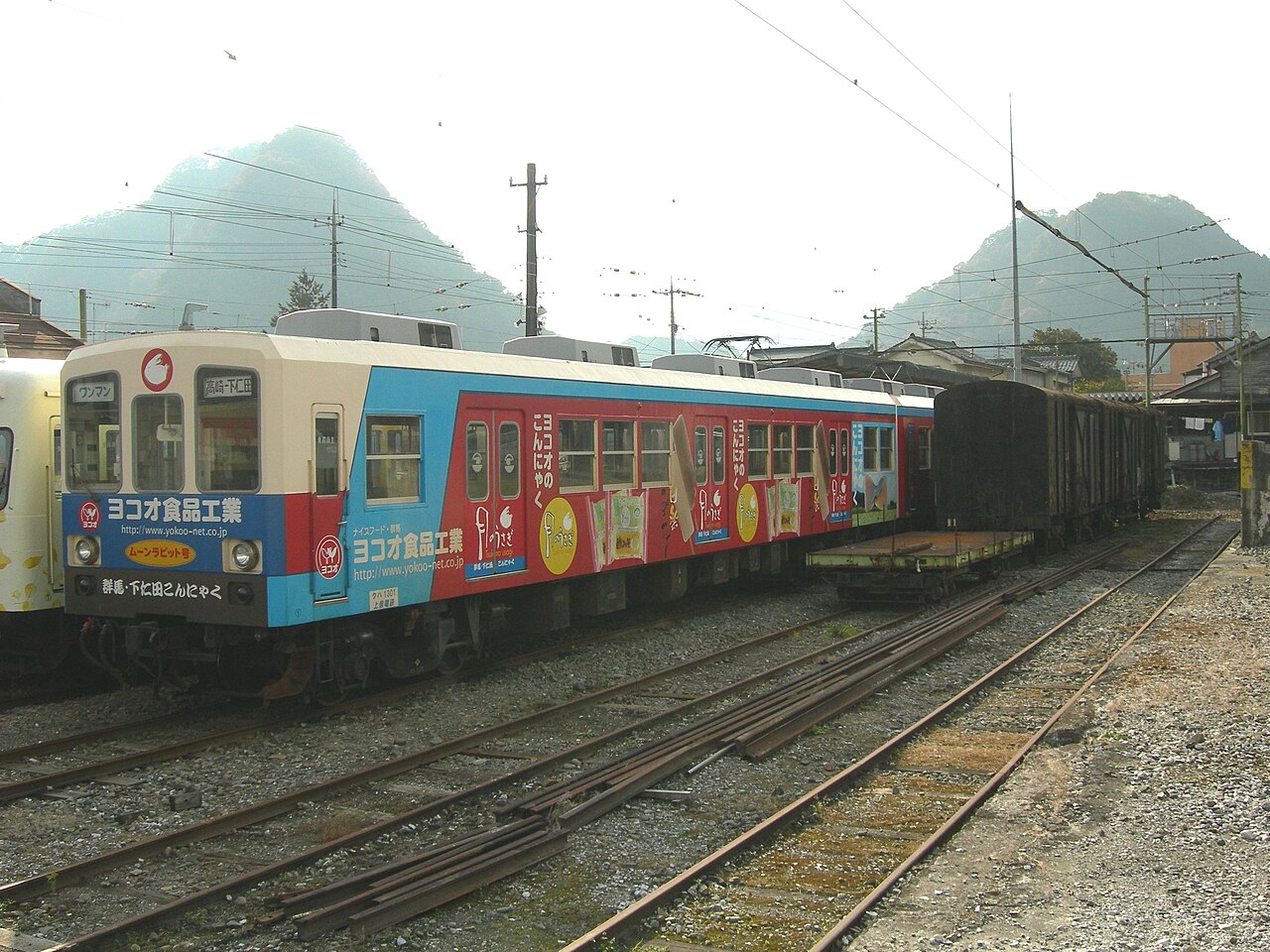
The Joshin Dentetsu railway runs from JR Takasaki Station to Shimonita Station, and the konnyaku making dojo is a short walk from there.
| Leg | How | Time or fare |
|---|---|---|
| JR Takasaki Station to Shimonita Station | Joshin Dentetsu railway | About 60 minutes |
| Takasaki to Shimonita, one way | Joshin Dentetsu railway | 1,130 yen |
| Shimonita Station to the konnyaku making dojo | On foot | 5 minutes |
| Shimonita IC to the konnyaku making dojo | By car | About 10 minutes |
| Shimonita IC to Kozu Ranch | By car | About 40 to 50 minutes |
| Paying on the line | Cash only; Suica, PASMO and other IC cards cannot be used | Not applicable |
| Stations without staff | Take a numbered ticket when boarding | Not applicable |
New to rural buses and one-man trains? See how to ride them, step by step.
Hours and Fees
Applications for the konnyaku making, the pottery workshop and the leek harvest go through the same application form.
| Place | What | Hours or fee |
|---|---|---|
| Konnyaku making | Individual rate, per person | 3,300 yen |
| Konnyaku making | Group rate, per person | 1,650 yen |
| Leek harvest | Held between | 11:00 to 14:00 |
| Joshu Shimonita-yaki pottery | Hand-building, from, per person | 3,000 yen |
| Joshu Shimonita-yaki pottery | Wheel, from, per person | 5,000 yen |
| Konnyaku making | Apply at least | 7 days before the date |
| Tourism association (phone and email) | Closing day | Wednesday |
| Kozu Ranch | Business hours | 8:00 to 17:00 |
| Miso-oden restaurant | Business hours | 9:00 to 18:00 |
Where to stay
Places to stay near Shimonita, Gunma, Japan →
Disclosure: This post may contain affiliate links. If you book through them, we may earn a commission at no extra cost to you.