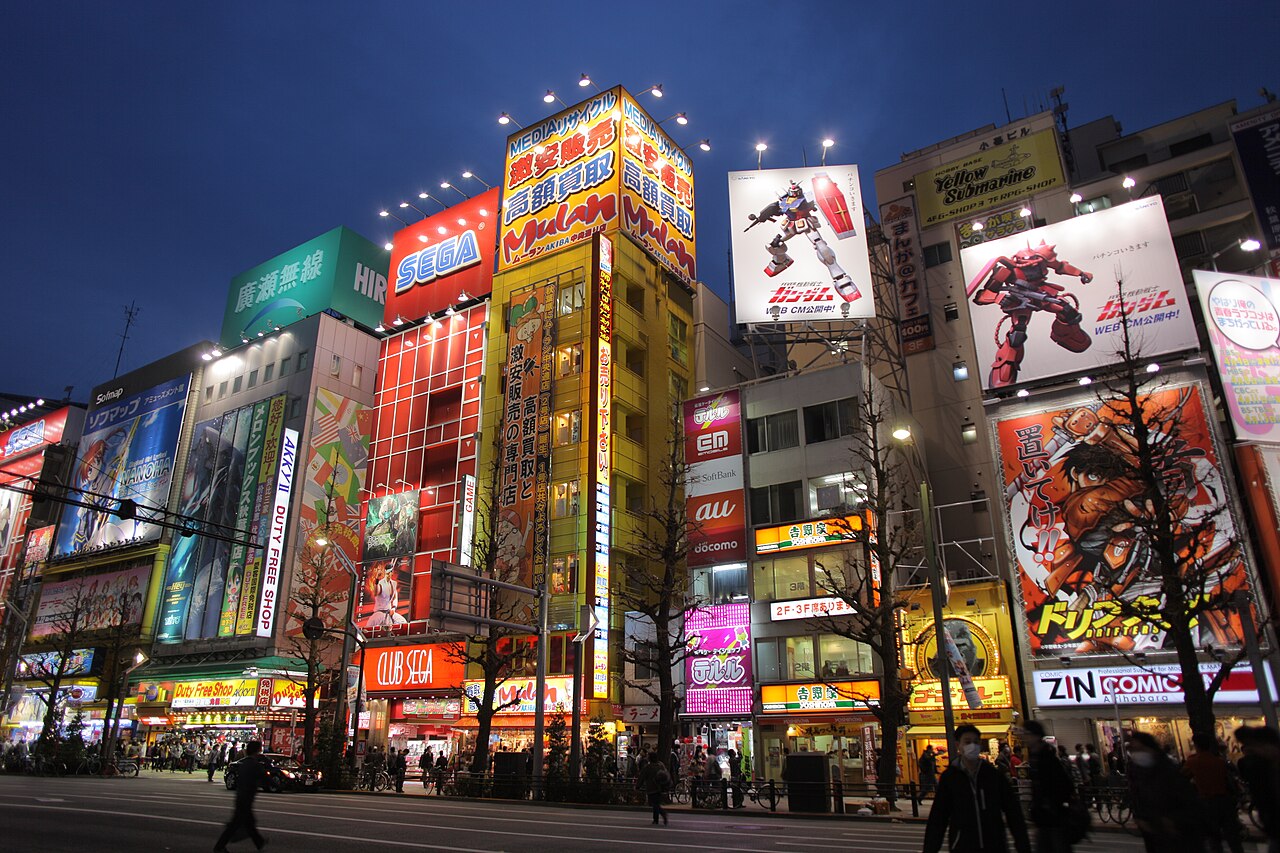
Akihabara puts two kinds of shopping under one roof: long-established shops for electric parts, audio and security gear share a building with newer Akiba culture shops for cards, figures, dolls and plastic models. An idol-only theater puts on live performances every day of the year. At Kanda Myojin, the cultural hall EDOCCO gathers a charm counter, restaurants, souvenir shops and a studio for traditional culture. The red-brick viaduct, stairs and platforms of the former Manseibashi stop now hold restaurants, cafes and shops.
With one afternoon, begin among the electric town shops, then continue to Kanda Myojin, which is about seven minutes on foot from the Electric Town exit, and keep the old viaduct for a meal at the end.
Gachapon, Idol Stages and Maid Cafes in Akihabara's Electric Town
Browsing one building is enough to see how the electric town works. Long-established shops for electric parts, audio and security gear trade there, and Akiba culture shops in the same building stock cards, figures, dolls and plastic models. Both kinds of browsing fit into one stop. The district began changing into an electronics town after the war, when returning soldiers set up street stalls selling industrial parts.
Gachapon reward repeat visits more than a single long session. One gachapon hall takes in about fifty new titles every month, so the lineup a visitor finds differs from the one on offer a month earlier. Elsewhere, a multi-tenant building groups cosplay, figure and anime goods tenants with a collaboration cafe, alongside shops for manga, idol goods and live houses.
That same building is the place to slow down, because its idol-only theater is a permanent venue that fills the whole spacious basement floor. Idol groups perform there every day of the year. A production team shapes each show with powerful sound and carefully designed lighting, so the staging is part of what the audience comes for.
Bench seating keeps the stage easy to see, so the dance and the facial expressions of the performers come across clearly from the audience side. After a live performance, the spacious lobby turns into the setting for handshake events and merchandise sales. For anyone curious about idol culture, this theater shows the performance and the meeting with fans in a single visit.
Maid cafes fit into the same walk as a shorter stop. At MAID MADE, guests can take Cheki photos with the maids, and those who choose a menu with a live show watch the maids perform. One rice omelet comes with a picture drawn in ketchup by the maid, and guests can ask for the picture they want.
Kanda Myojin: Shrine Grounds, Portable Shrines and a Shrine Cafe
Kanda Myojin gives the visit a different focus from the shop floors. Its three deities have long been regarded as deities of matchmaking, business prosperity, and protection from disaster and misfortune. With about thirteen hundred years of history behind it, the shrine is described as the guardian deity of the Kanda, Nihonbashi, Akihabara, Otemachi and Marunouchi districts, so the electric town is part of its home ground.
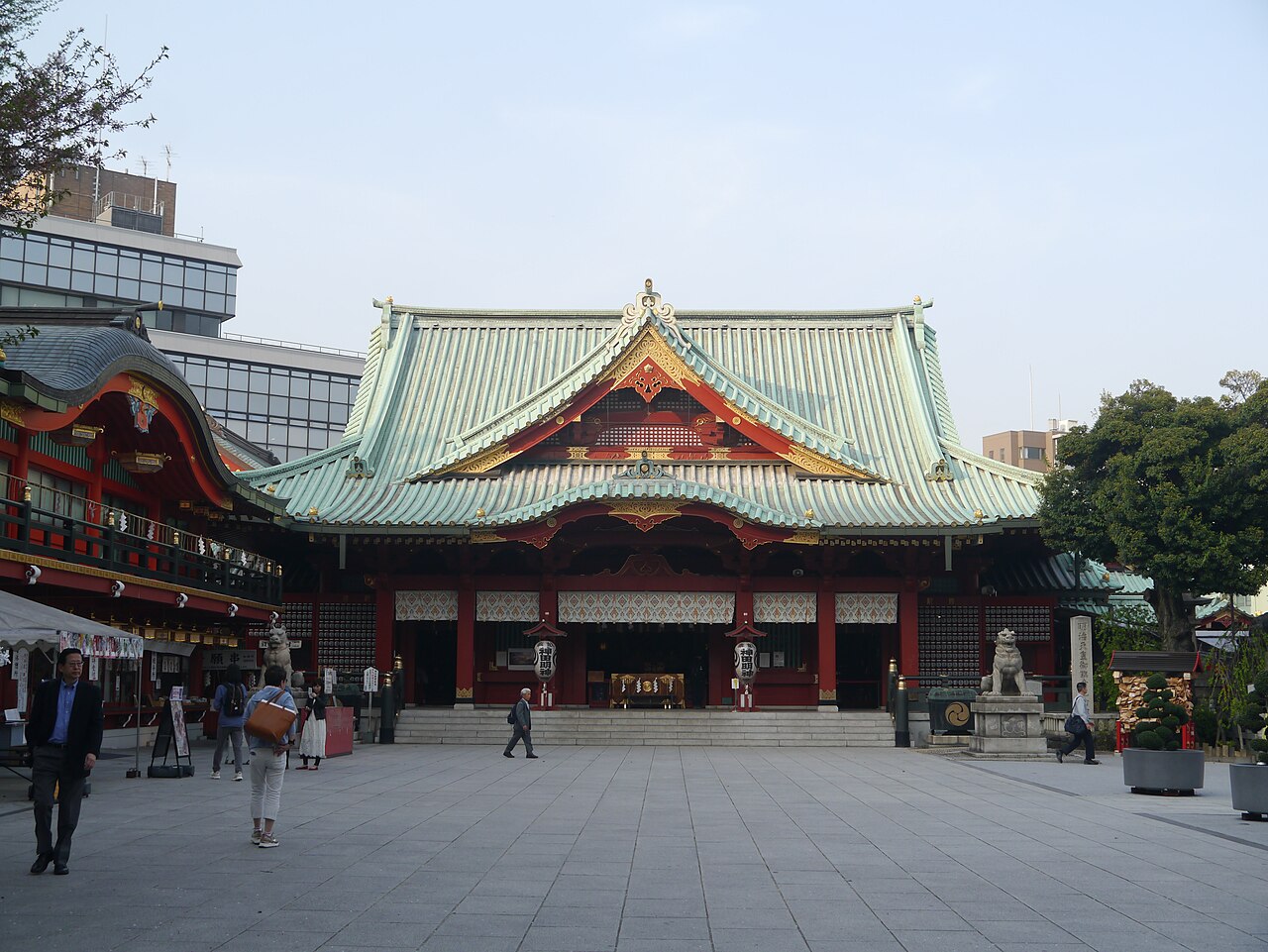
A storehouse in the grounds keeps about fifty portable shrines, each belonging to the parishioner groups of the districts the shrine watches over. That number explains why the shrine matters to the neighborhoods around it: the portable shrines are theirs, and the shrine is where they are kept together.
EDOCCO, the shrine's cultural hall, is the part to explore in detail. It holds a counter for charms and amulets, restaurants, souvenir shops, a hall, a studio for traditional culture and a room with a rooftop garden. EDOCCO SHOP IKIIKI sells Edo-themed goods, lucky charms and original products of the shrine, and timber from the Tama area serves as its base material.
The cafe inside changes character through the day, serving lunch and sweets in the daytime and oden with selected sake in the evening. Its parfait combines crisp, fragrant rice pieces with matcha ice cream, homemade shiratama, yuzu sauce, sweet adzuki beans and an original matcha mascarpone. Travelers who prefer a sit-down break to more shopping can make this the pause in the afternoon.
Yushima Seido extends the shrine visit for those with energy left. It lies on the way down from Kanda Myojin toward Ochanomizu, just before Hijiri-bashi bridge, and Confucius, the founder of Confucianism, is enshrined in its hall. Because it stands along that route, it joins the shrine visit without a separate detour.
The Old Manseibashi Viaduct and the Kanda River
The former Manseibashi viaduct once belonged to a stop on the Chuo Line between Kanda and Ochanomizu, and a commercial facility now occupies the structure. The remains were renovated rather than removed, so the red-brick viaduct, the stairs and the platforms are part of the building. Restaurants, cafes and shops fill it, making it a place to eat as well as to look.
Start with the library space, which introduces the former stop and the history of the surrounding area. A diorama model there recreates the stop as it was at that time, and related books are on display. One corner of the facility preserves a staircase built in nineteen twelve, when the stop began operating, together with wall surfaces and platforms.
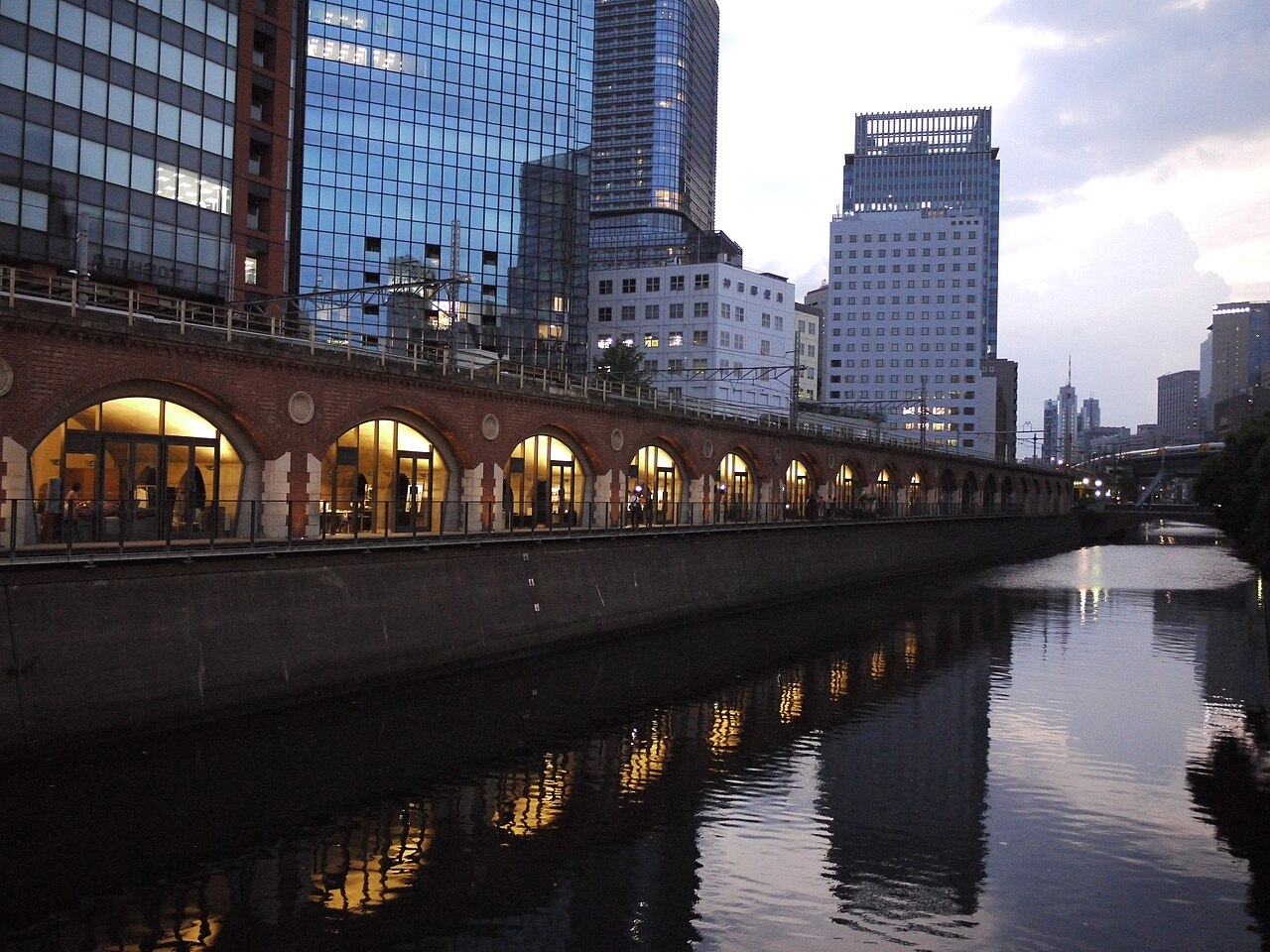
Seeing the diorama first and the staircase second gives the preserved parts a context that the shops alone would not. The order matters for visitors with an interest in railway heritage: the model shows the whole stop, and the stairs, walls and platforms are the pieces of it that remain.
The bridge of the same name is worth a look for its large Art Deco style main posts with bridge lamps. Inside the viaduct, one restaurant seats diners by glass-walled windows, where meals come with a view of Chuo Line services passing. For a traveler choosing a single meal in the area, that window is the reason to eat here.
Getting to Akihabara
New to rural buses and one-man trains? See how to ride them, step by step.
| Route | Item | Detail |
|---|---|---|
| JR Akihabara Station Electric Town exit | To Kanda Myojin | about seven minutes on foot |
| JR Ochanomizu Station Hijiri-bashi exit | To Kanda Myojin | about five minutes on foot |
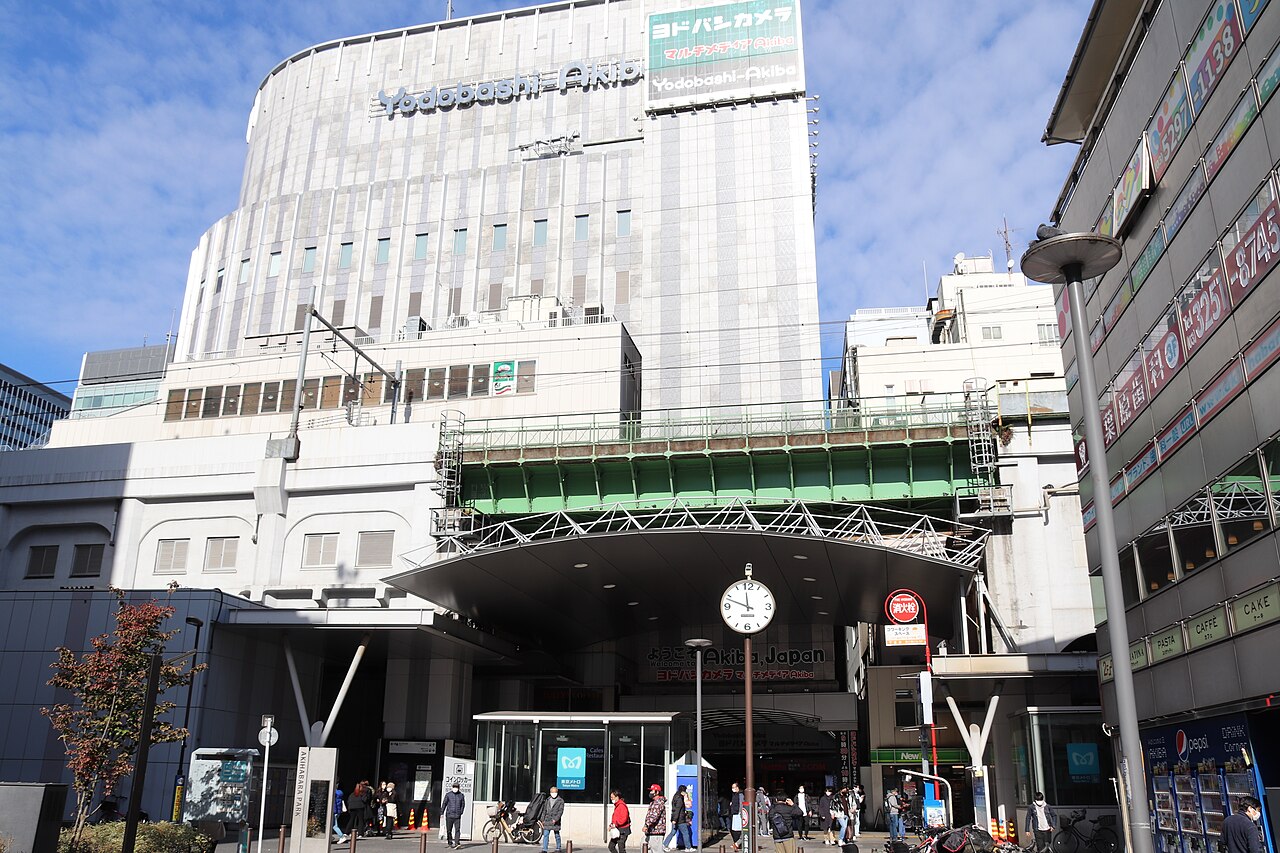
| Tsukuba Express Akihabara Station Exit A1 | To the building with the idol theater | about seven minutes on foot |
If you would rather stay overnight, places to stay in Akihabara is a place to start.
Hours and Fees
| Place | Item | Time or fee |
|---|---|---|
| Akihabara pedestrian zone | Sundays, October to March | one to five in the afternoon |
| Kanda Myojin shrine museum | Hours | nine in the morning to four in the afternoon, last entry at three forty-five |
| Kanda Myojin shrine museum | Admission | adults five hundred yen, students three hundred yen |
| Kanda Myojin cultural exchange hall | Hours | ten in the morning to four in the afternoon |
Fees and hours were checked against official sources on 19 November 2026.
Thinking of staying overnight?
Compare places to stay near Tokyo, Japan →
Disclosure: This post may contain affiliate links. If you book through them, we may earn a commission at no extra cost to you.