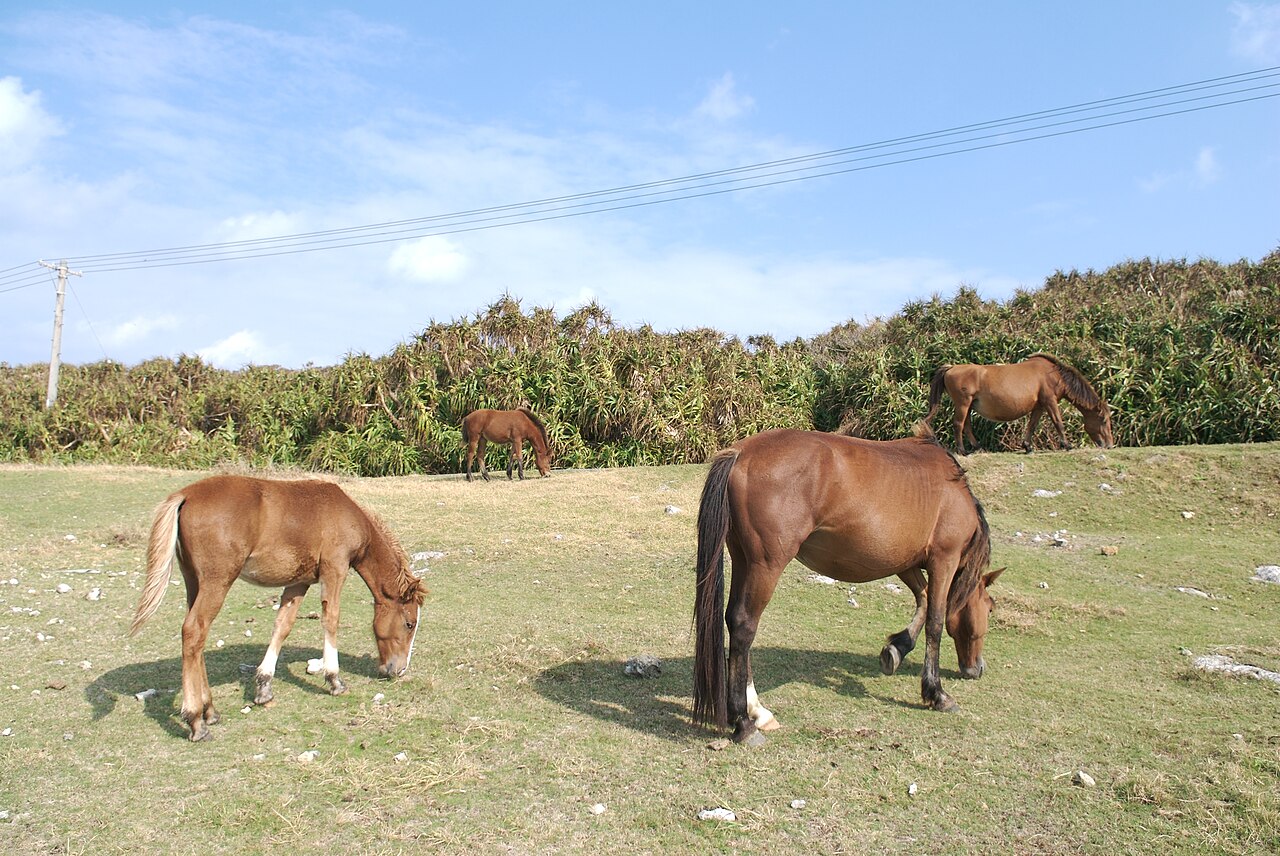
Hawksbill turtles and green sea turtles live in large numbers in the sea around Yonaguni Island. In the Yonaguni language, the island's horse is called chima-nma, meaning island horse. For travelers drawn to sea turtles and to a horse that carries a name in the local language, Yonaguni has both.
Irizaki and Agarizaki: the Westernmost Marker and the Lighthouse Cape
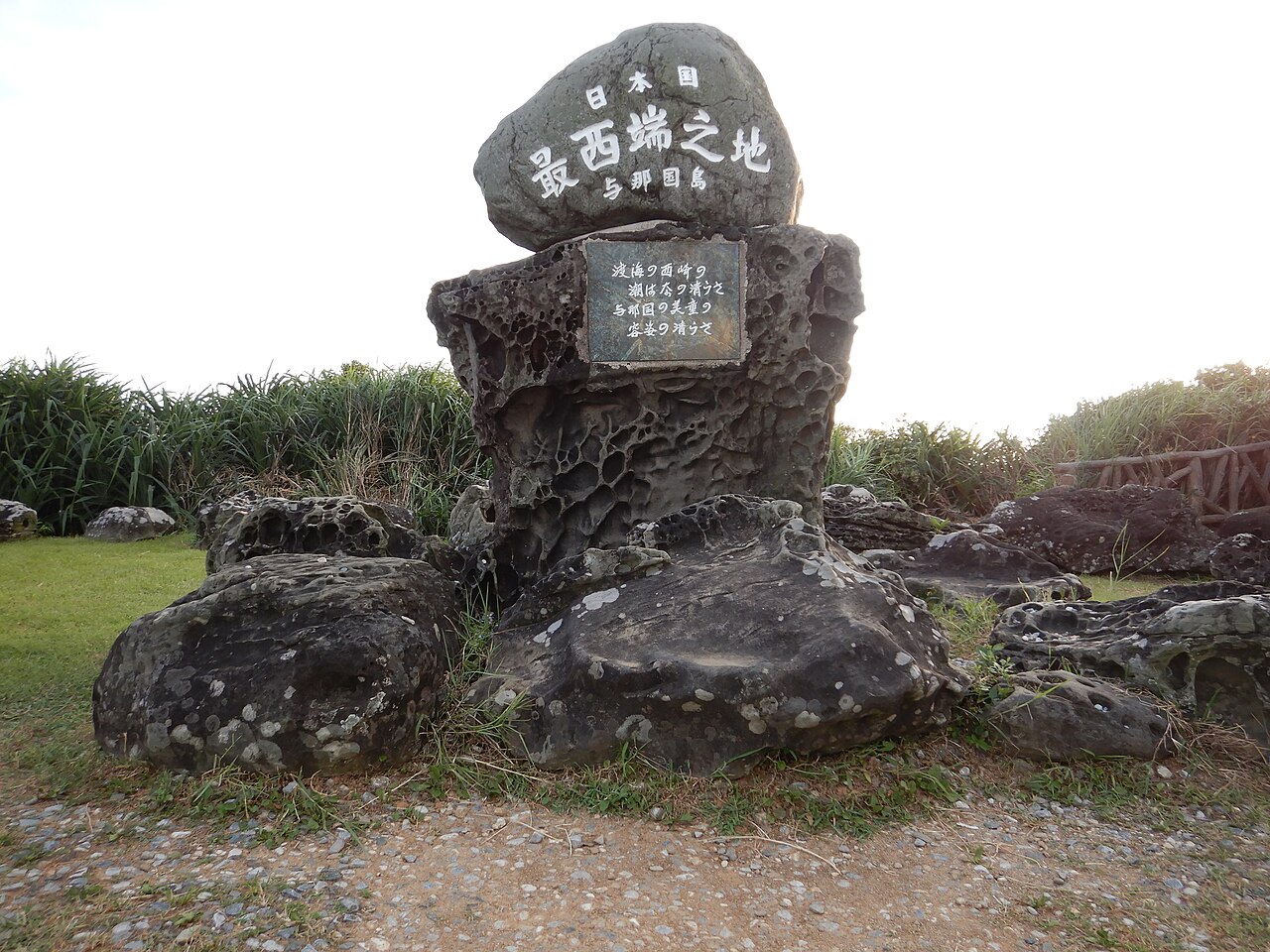
If the western edge of Japan is the draw, the marker at Irizaki and the lighthouse cape at Agarizaki are the two stops to plan around.
Irizaki has a monument marking the westernmost point of Japan. A lighthouse and an observation deck stand at Irizaki as well. Irizaki overlooks the sea at the national border, at the western edge of Japan.
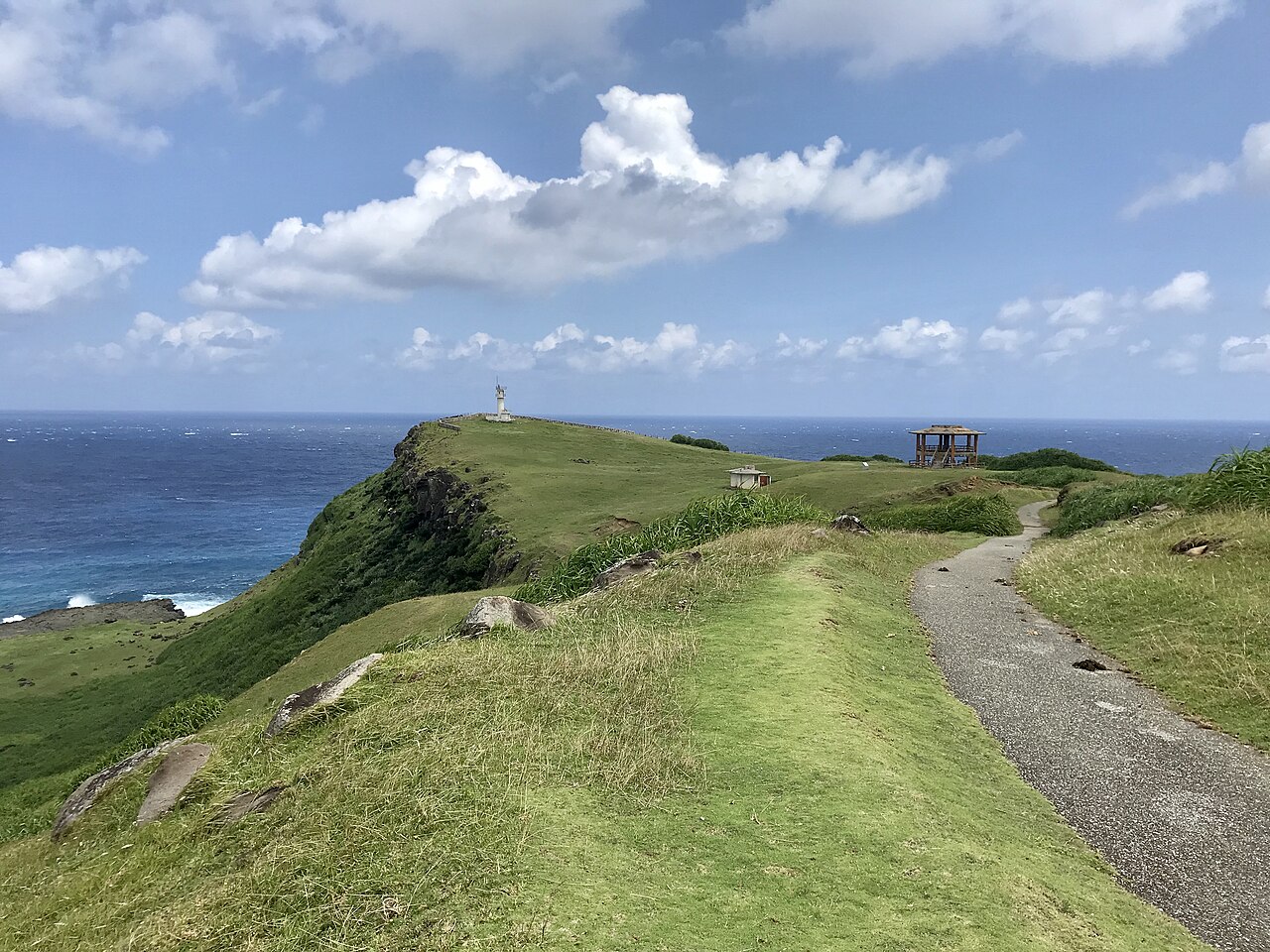
Agarizaki is a cape with sheer rock faces high above the sea. A lighthouse stands at the tip of Agarizaki, and an observation deck is provided there. On clear days Iriomote Island can be seen to the east from Agarizaki.
Sannunudai, Tachigami Rock and Kuburabari: Rocks Along the Coast
Sannunudai is a viewpoint and Tachigami Rock a standing rock on the coast, whereas Kuburabari is a huge rock with a gaping crack.
Sannunudai looks out on Gunkan Rock, and the view looks like a warship lying at anchor. Tachigami Rock stands on the coast in the southeast of the island. Tachigami Rock is the symbol of Yonaguni Island. Kuburabari is a huge rock with a crack that opens like a mouth.
Tindabana: the Sonai Lookout and the Spring Path
For a lookout over a village and the East China Sea, with a spring path behind it, Tindabana is the place to go.
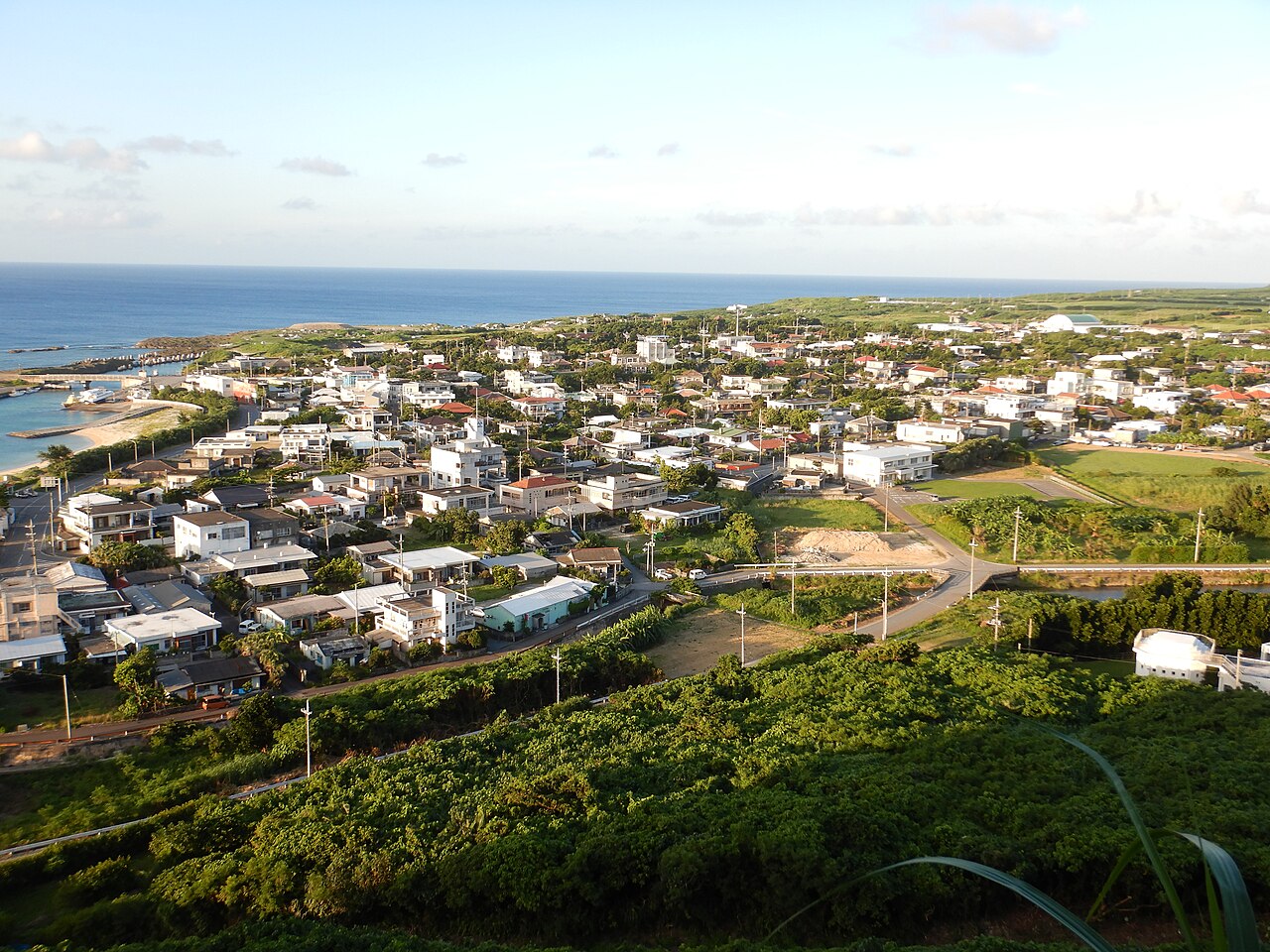
Tindabana is a natural observation deck over Sonai settlement, Nanta Beach and the East China Sea. The path to its inner part has abundant spring water. Coral uplift and erosion formed the terrain. Tradition says the residence of a female chief from the end of the fifteenth century stood here, and a cave carries a legend of a dog and a woman living together.
Seafloor Terrain, Drift Snorkeling and Sea Life Around Yonaguni
For the seafloor terrain, the choices are a semi-submersible boat, snorkeling when sea conditions are good, or a trial dive.
Jack's Dolphin is a semi-submersible sightseeing boat used to visit the seafloor terrain. MAKANA offers snorkeling, where visitors can look at fish and, if sea conditions are good, see the terrain on the seabed. A trial dive of that terrain is available too.
Yonaguni's drift snorkeling leaves the boat unanchored: swimmers drift with the tidal current and the boat follows behind them. The water around the island is not affected by rainwater because there is no large river, and it is described as having very high transparency. Medium to large fish are densely present because drive fishing, diving fishing and net fishing are not carried out.
Yonaguni Horses: Chimanma Hiroba and the Ranch
Chimanma Hiroba is where the horses can be met, and the ranch is where a first ride begins with a lesson.
Chimanma Hiroba lets visitors interact with Yonaguni horses and try horse riding. An NPO shelters and raises Yonaguni horses that have mental or physical disabilities. At Yonaguni Uma Kaze (U) Ranch, beginners receive a lesson before departure. Riders at the Ranch who pass a mini test go out for a walk on their own, and no lead-horse riding is offered.
Eating on Yonaguni: the Fisheries Cafeteria, Marlin, Wakana Soba and Azami Noodles
Fish dishes come from the fisheries cooperative cafeteria and a beer garden, soba from Wakana Soba.
Gyokyo Shokudo is the fisheries cooperative's own cafeteria, right in front of Kubura Port. The menu of locally caught fish includes sashimi set meals, fried set meals, rice bowls, azami noodles and ramen. The island's only ramen shop has moved here, so ramen comes with the fish. The interior was a filming location for a drama and film, and a signboard used in filming can be seen.
Wakana Soba serves Yonaguni soba with a homemade tonkotsu soup and sanmai-niku pork raised by the shop itself. The soba at Wakana Soba uses noodles from Maemori Soba, the only noodle maker on Yonaguni. Wakana Soba has raised tatami seating, chair seating and outdoor seating.
Kubura's fishing cooperative lands fresh marlin that can be eaten at a beer garden. Azami noodles made with Iriomote thistle grown in Yonaguni Island soil are sold as a commercialized product. Azami noodles are also served at restaurants on the island. Frozen azami noodles for souvenirs are sold at the fisheries cooperative shop at the airport and at another store.
Hanazake, Plant Dyeing and Kuba Leaf Crafts
Sake is for tasting at the Donan distillery, while plant dyeing and kuba leaf implements are things to make by hand.
Sakimoto distillery makes sake with a traditional hand-crafted method in a small team, using an old-style kettle still. At the Sakimoto distillery, brewers make awamori in the traditional way, touching the rice, koji and water directly. Sakimoto distillery produces a traditional hanazake permitted only on Yonaguni Island.
Donan distillery uses a traditional old-style pot still handed down through the long history of awamori. The distillery makes the sake by traditional hand methods with a small staff. Tasting is available at the factory, and factory tours may be available by reservation.
Tokumi Kobo dyes mainly with trees and flowering plants of Yonaguni Island, weaving the island's nature into its cloth. Tokumi Kobo also offers hands-on classes and sells bolts of cloth. The town's traditional crafts hall shows the production process and materials and sells small textiles and dyed goods. At a workshop for kuba palm leaves, visitors can try making traditional folk implements.
A Day Across Yonaguni: Pairing Agarizaki, Tindabana, Irizaki and the Sea
One day could pair the three lookouts, Tindabana, Agarizaki and Irizaki, and end with a meal at Gyokyo Shokudo. Tindabana is the village lookout, and Agarizaki and Irizaki are the two capes. The order among the three is open, and the pattern is views first and the meal afterward.
The sea outings, meaning Jack's Dolphin, MAKANA and the trial dive, could be kept for a second day. Tokumi Kobo's plant dyeing needs a booking ahead, so it suits a day fixed in advance. Yonaguni sea salt is made by boiling down seawater over a long time. Factory tours are possible while the Yonaguni sea salt factory is operating.
Getting to Yonaguni, Hours and Fares
New to rural buses and one-man trains? See how to ride them, step by step.
| Item | Details (as listed) |
|---|---|
| Ferry Yonaguni | Ishigaki departures Mondays and Thursdays at ten; Yonaguni departures Tuesdays and Fridays at nine; about four hours |
| Ferry fares, one way | adults three thousand six hundred ten yen; students two thousand eight hundred ninety; children one thousand eight hundred ten |
| Ferry tickets | sold only on the day, cash only; boarding at the counter thirty minutes before |
| Ryukyu Air Commuter | Ishigaki three flights each way a day, about thirty minutes; Naha about one hour twenty minutes |
| Tokumi Kobo plant dyeing | open ten to five; five thousand yen, two hours, reserve three days before |
| Sakimoto distillery | nine to five, lunch break twelve to one fifteen |
| Getting around | airport counter rental bicycles; e-bikes delivered free to the airport; Mumbu Rent-a-Car under two minutes on foot |
Ferry Yonaguni sails twice a week in each direction. Times, fares and hours above are as listed. Bicycles, e-bikes and rental cars are in the last row.