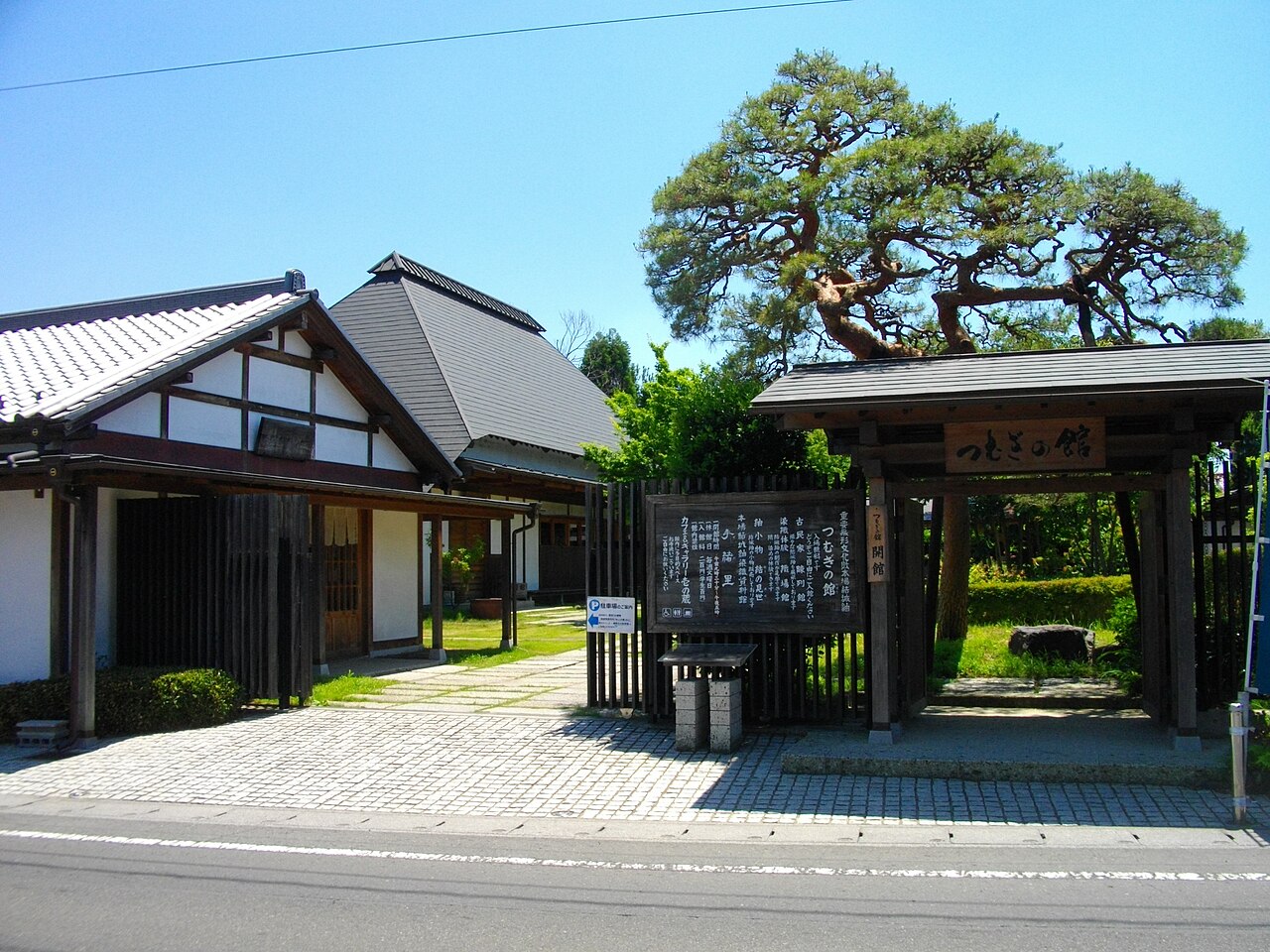
Yuki, in Ibaraki, is a town where the local silk cloth is something you can work with your own hands: at Tsumugi-no-Yakata, visitors choose a weft thread colour they like and weave a coaster. Thirty-one Misegura shop-front storehouses still stand in the town, and some of them are working wholesalers of Yuki-tsumugi silk or producers of miso and sake. These storehouses are scattered along the streets as what remains of the years when Yuki prospered as a commercial city on a shipping route. Between the loom and the storehouses there is yude-manju, the town's boiled sweet bun, which at Shinseido comes with a chewy skin around moderately sweet bean paste.
Weave a Coaster by Hand at Tsumugi-no-Yakata
At Tsumugi-no-Yakata, a Yuki-tsumugi weaving hall, the coaster session in Oribakan, the weaving hall on the grounds, begins with a decision: pick the weft thread colour you like, then weave it into a coaster. The order is set: choose the colour, hear how the loom is worked, weave the given length, cut the finished cloth off the loom, and receive it at the hand-over.
The coaster goes home with you the same day. Oribakan also runs a separate ji-bata weaving session, and that is the one piece that stays behind, since it cannot be taken home. The same hall offers weaving with floss silk thread and seasonal plant dyeing, indigo included. Before you leave, Yui-no-Mise, the shop and information desk, carries YUKI OKUJUN shawls and original small goods in silk that work as gifts.
The weaving itself takes about thirty minutes or more, and the time shifts with the number of people taking part. From reception to hand-over, allow sixty minutes or more.
Booking inquiries are taken until four in the afternoon, and not on Tuesdays, Wednesdays or over the year-end and New Year period. If you want something to carry home, choose the coaster, since the ji-bata piece cannot be taken away; if the loom itself is the point, ask for the ji-bata session.
More Looms, More Cloth: Tsumugi-no-Sato, Kyodokan and the Tsumugi Galleries
At Tsumugi-no-Sato, a weaving workshop, visitors pick one of fifteen looms, each set with warp threads in a different pattern, then a weft thread from about forty colours. Each row repeats: set the shuttle, work the treadles with both feet, pass the shuttle between the upper and lower threads, and beat the weft in with a tonton sound. Newcomers can start on a coaster set of two pieces within thirty minutes.
These looms are rebuilt from the takabata type, whereas Yuki-tsumugi proper is woven on a ji-bata with hand-spun thread and hand-tied kasuri. At Kyodokan, a hall where visitors try ji-bata weaving, the warp is tied to a back-strap and tension comes from the force of the waist. That loom is the type Yuki craftspeople use, and one of the conditions behind the designation of Yuki-tsumugi as an Important Intangible Cultural Property.
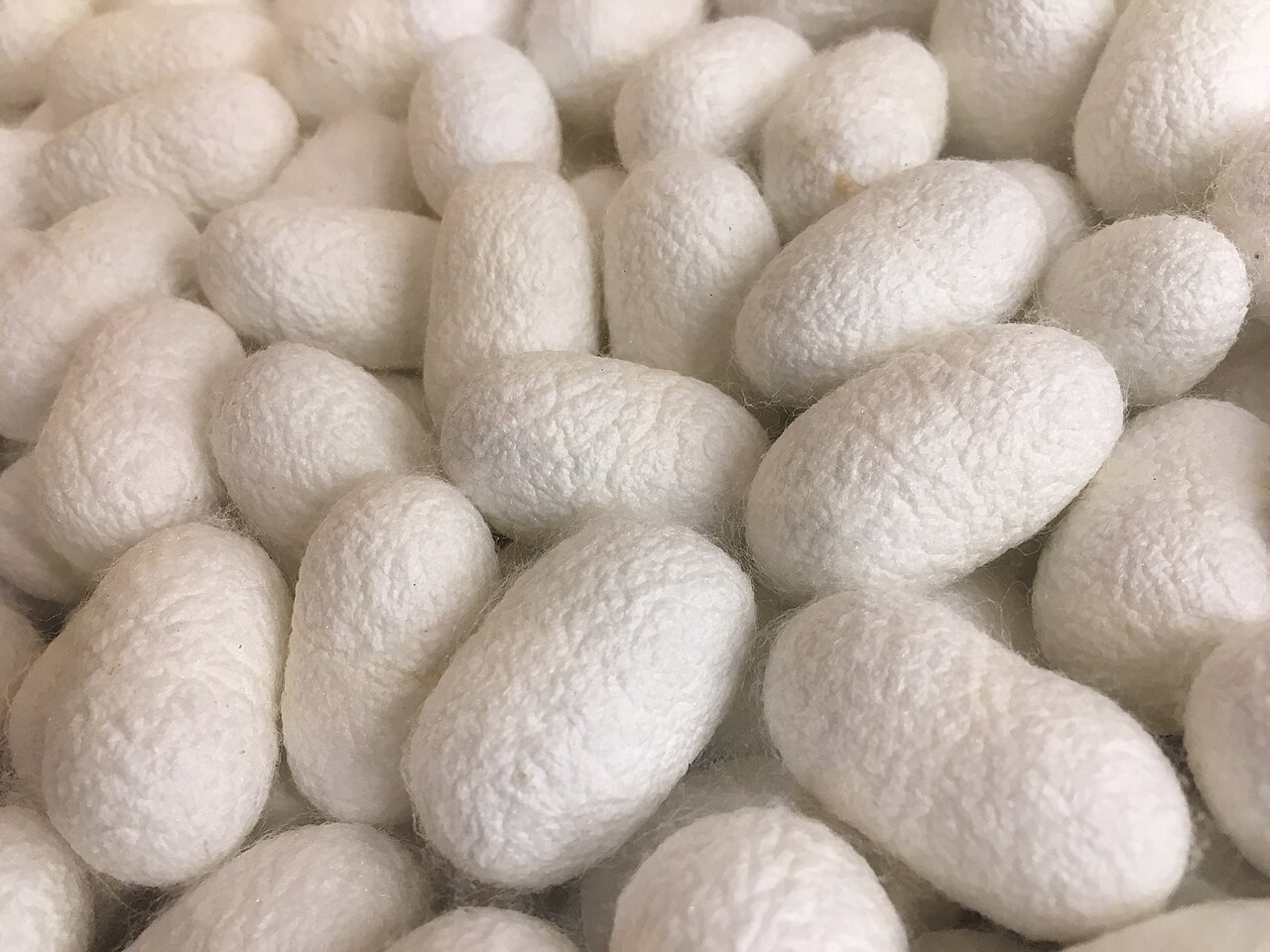
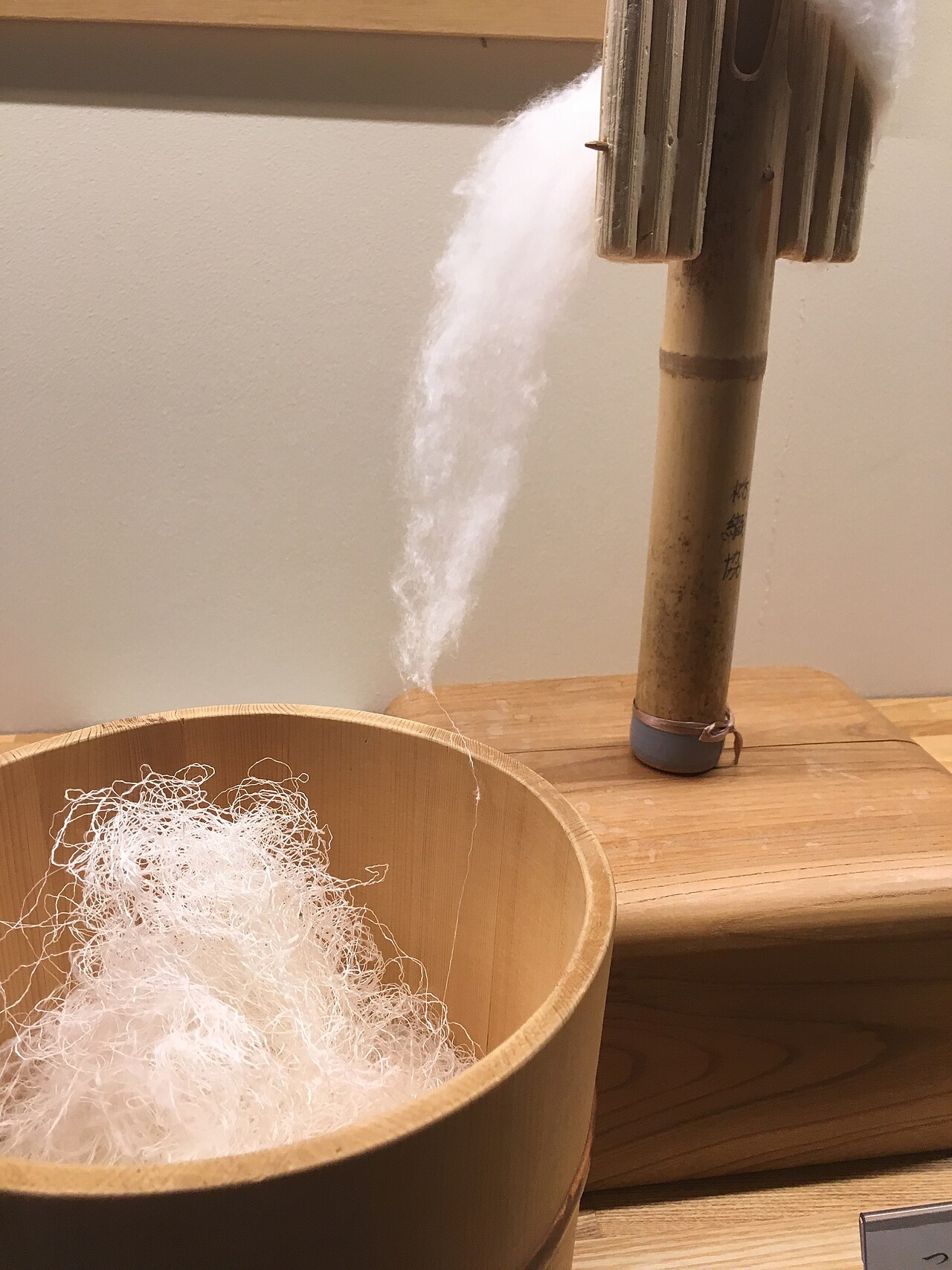
Kominka Chinretsukan, a gallery in a moved farmhouse one hundred and fifty years old, shows two hundred or more Yuki-tsumugi pieces at any time, plus seasonal exhibitions. At Yuki-shi Dento Kogeikan, a Yuki-tsumugi information centre, visitors try thread spinning and ji-bata weaving. Beginners can start at Tsumugi-no-Sato, while Kyodokan shows how Yuki-tsumugi proper is woven; if you would rather look than weave, Kominka Chinretsukan is the stop.
Misegura Streets, Sake and Miso
The city's Misegura-meguri course takes about one hour and is meant for the streetscape, not interiors. Along it, kura-built buildings still work as tsumugi wholesalers and long-established shops; Okujun, a Yuki-tsumugi wholesaler, has been shop and residence generation after generation. Yuki Kurabikan, an art gallery in two storehouses, shows local artists in the main storehouse and historical and cultural materials in the Sodegura.
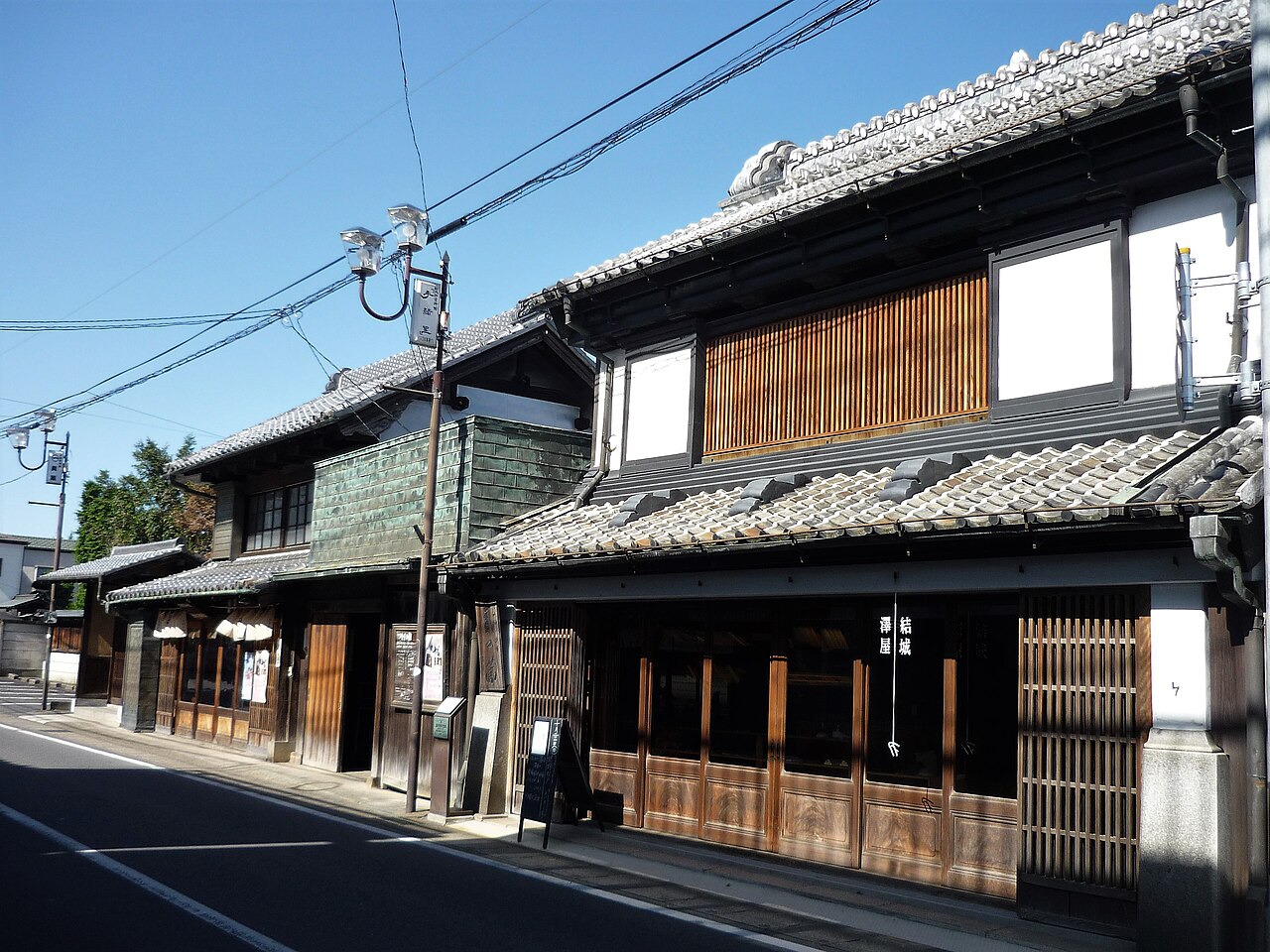
Yuki Sake Brewery, a sake brewery with four hundred years of history, brews with soft subsurface water of the Kinugawa river system, and its Ansei-gura storehouse is registered as a tangible cultural property. It is made by cold-season brewing, in mornings that are cold and air that is dry. Buyu, a second sake brewery, uses sake-brewing rice rather than table rice, koji rice included.
Akiba Koji Miso Jozo, a miso brewery in an earthen-walled storehouse kept at room temperature, makes Tsumugi-miso, its registered trademark, by traditional methods that rely on koji and attend to its scent.
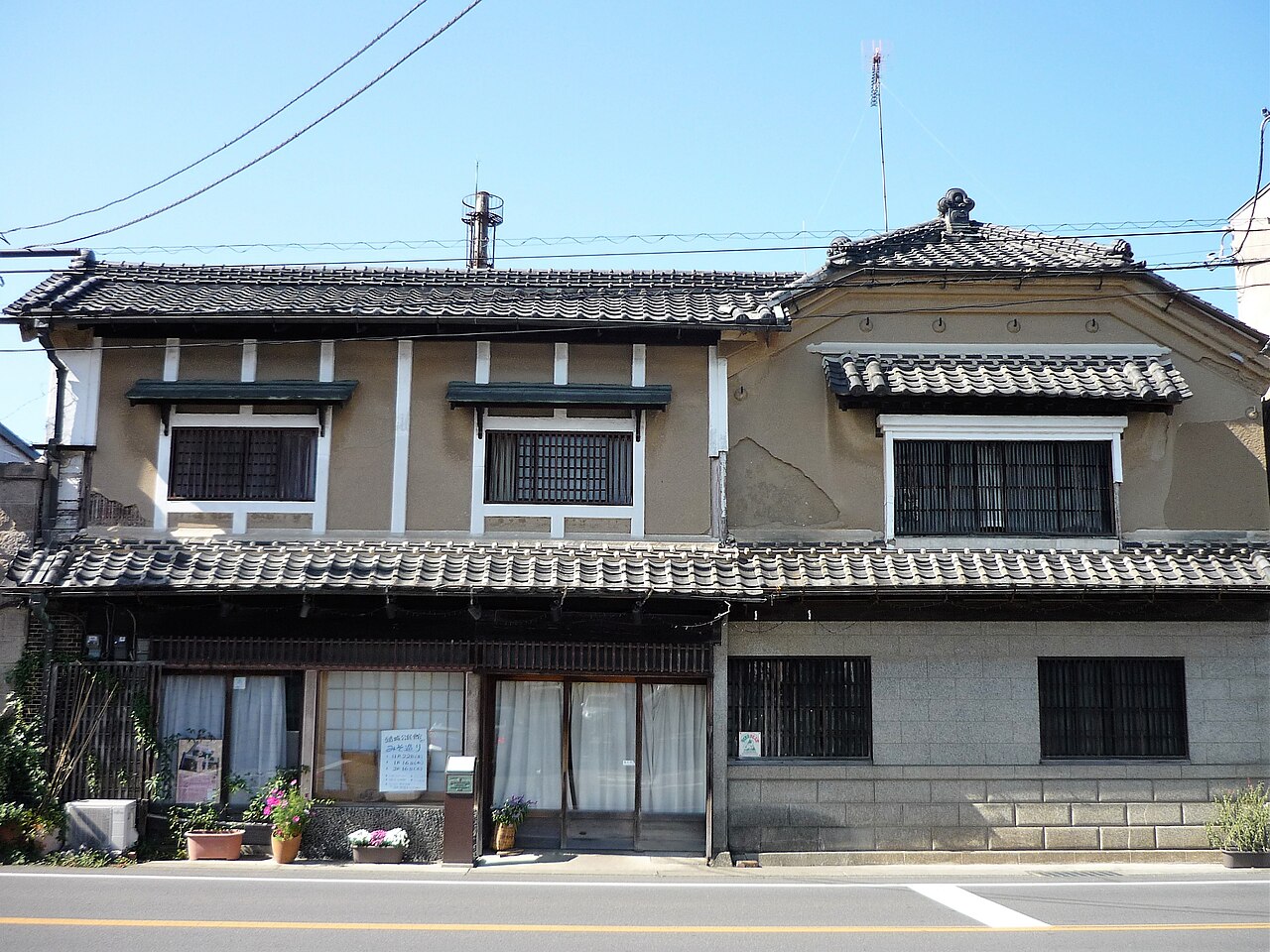
Yosa Buson stayed in Yuki for about ten years and left sliding-door paintings and haiku, and haiku monuments linked to him are scattered around the city.
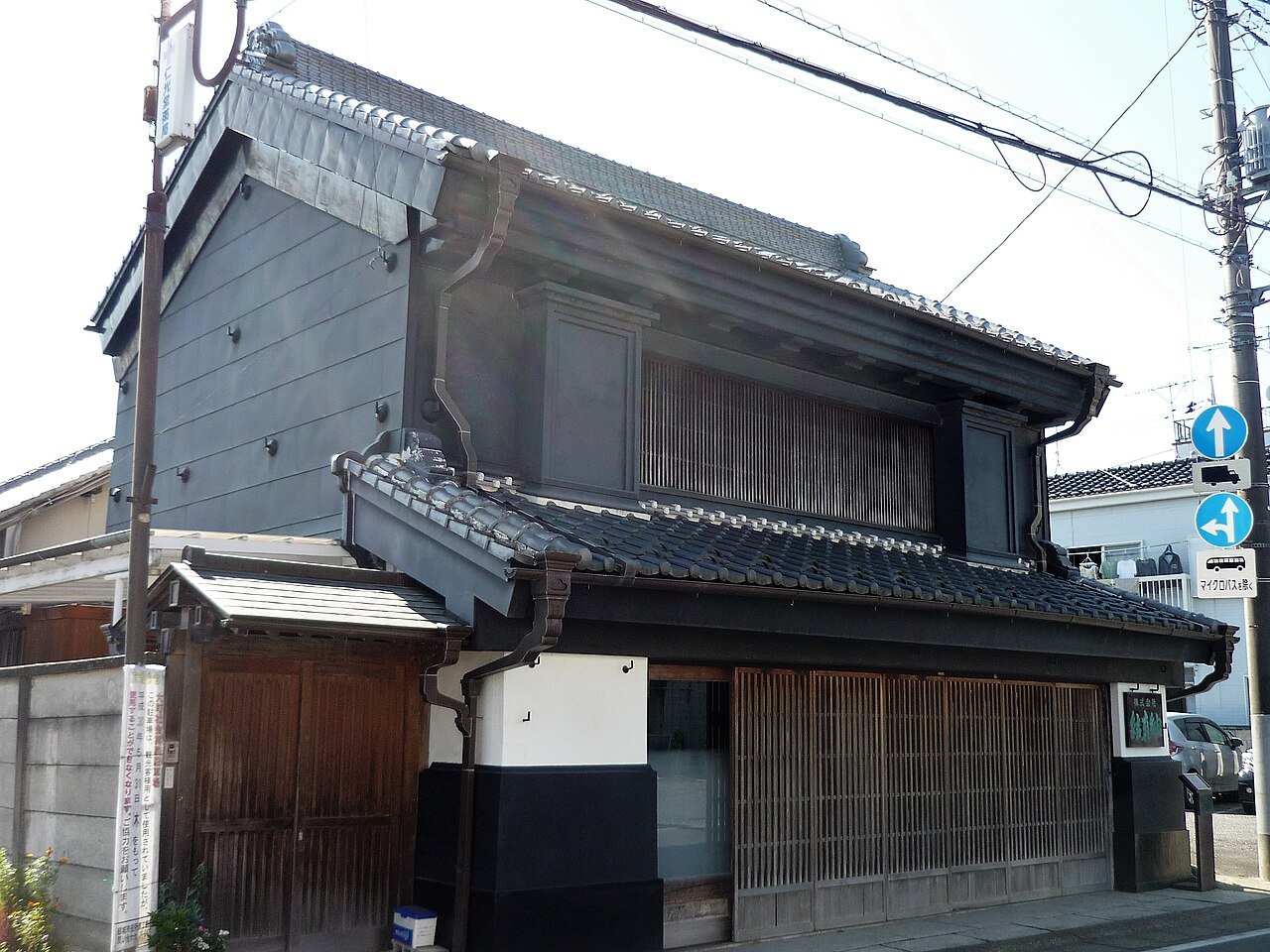
If you want to see the town rather than go inside, the Misegura course is made for streets, and the sake and miso storehouses show what the buildings are still used for; if time is short, walk the course and leave Yuki Kurabikan for later.
Yude-manju and Seasonal Daifuku
Yude-manju, boiled sweet buns, began in Yuki during an epidemic, when the lord of the time offered a portable shrine and served the buns to the people; at Shinseido, a Japanese-sweets shop, the bun still comes with a chewy skin around moderately sweet bean paste. One theory is that steaming would not finish before the portable shrine arrived, so the buns were boiled instead. On the day of the Takeda-Suga Shrine summer festival, households make yude-manju and offer them for good health and a good harvest.
Shinseido also makes seasonal whole-fruit daifuku in limited numbers, among them strawberry, tomato and chestnut, and their sale periods shift with the supply of ingredients. The shop's name joins the founder's given name with a wish for prosperity, and Kanmi Chakura, its Japanese-style cafe, serves a limited-quantity lunch.
Some shops run low on stock on a given day or close at short notice, so check before setting out. If you want a sweet with a story, start with the yude-manju at Shinseido, then ask about the seasonal daifuku. If you would rather stay overnight, places to stay in Yuki is a place to start.
Getting to Yuki
Yuki Station on the JR Mito Line is the starting point for everything above. Rental bicycles are collected at Yuki-shi Kanko Bussan Center.
| Leg | How | Time or distance |
|---|---|---|
| Yuki Station north exit to Tsumugi-no-Yakata | On foot | About 10 minutes |
| Yuki Station north exit to Kyodokan | Distance | 600 m |
| Yuki Station north exit to the tourist information desk | On foot | 1 minute |
| Yuki Station north exit to Yuki-shi Kanko Bussan Center, the rental bicycle pick-up | On foot | 2 minutes |
| Yuki Station north exit to Fujino-kura | On foot | 13 minutes |
| Tokyo area to downtown Yuki | By car | About 60 minutes |
| Rental bicycle | Per bicycle per day | 500 yen |
New to rural buses and one-man trains? See how to ride them, step by step.
Hours and Fees
| Place | What | Hours or fee |
|---|---|---|
| Oribakan, coaster weaving | Fee, including tax | 3,300 yen |
| Oribakan, ji-bata weaving | Fee per hour | 4,400 yen |
| Tsumugi-no-Yakata | Weekday hours | 10:00 to 16:00 |
| Tsumugi-no-Yakata | Closing days | Tuesday, Wednesday, year-end and New Year |
| Shiryokan, the Yuki-tsumugi history museum at Tsumugi-no-Yakata | Adult admission | 200 yen |
| Kyodokan | Weekday hours | 9:30 to 17:00 |
| Yuki-shi Dento Kogeikan | Hours | 9:00 to 16:00 |
| Tourist information desk | Hours | 10:00 to 14:00 |
| Shinseido shop | Hours | 8:00 to 18:00 |
The Tsumugi-no-Yakata times above are for weekdays, and Kyodokan keeps different times on Saturdays and public holidays.
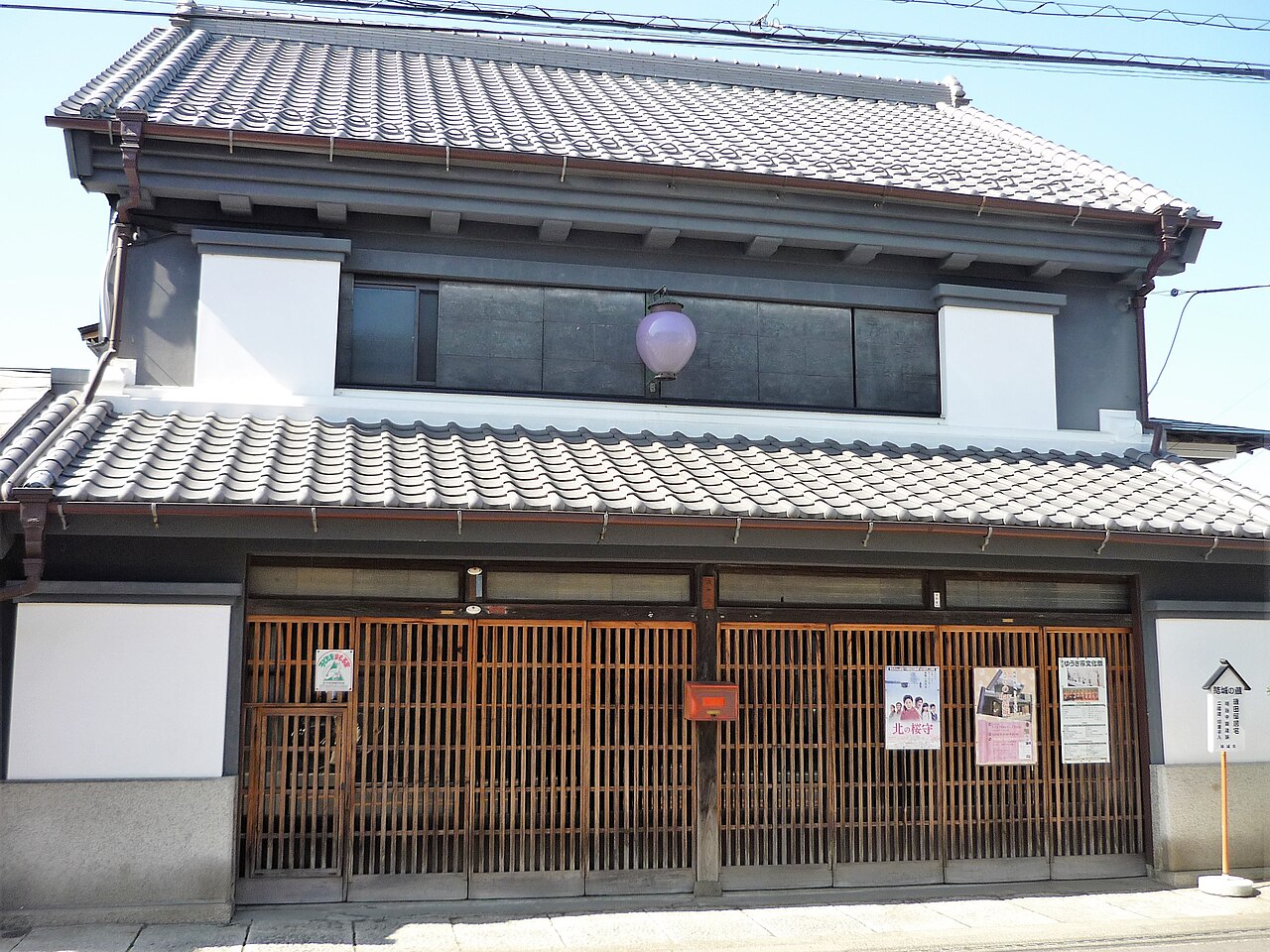
Where to stay
Places to stay near Yuki, Ibaraki, Japan →
Disclosure: This post may contain affiliate links. If you book through them, we may earn a commission at no extra cost to you.