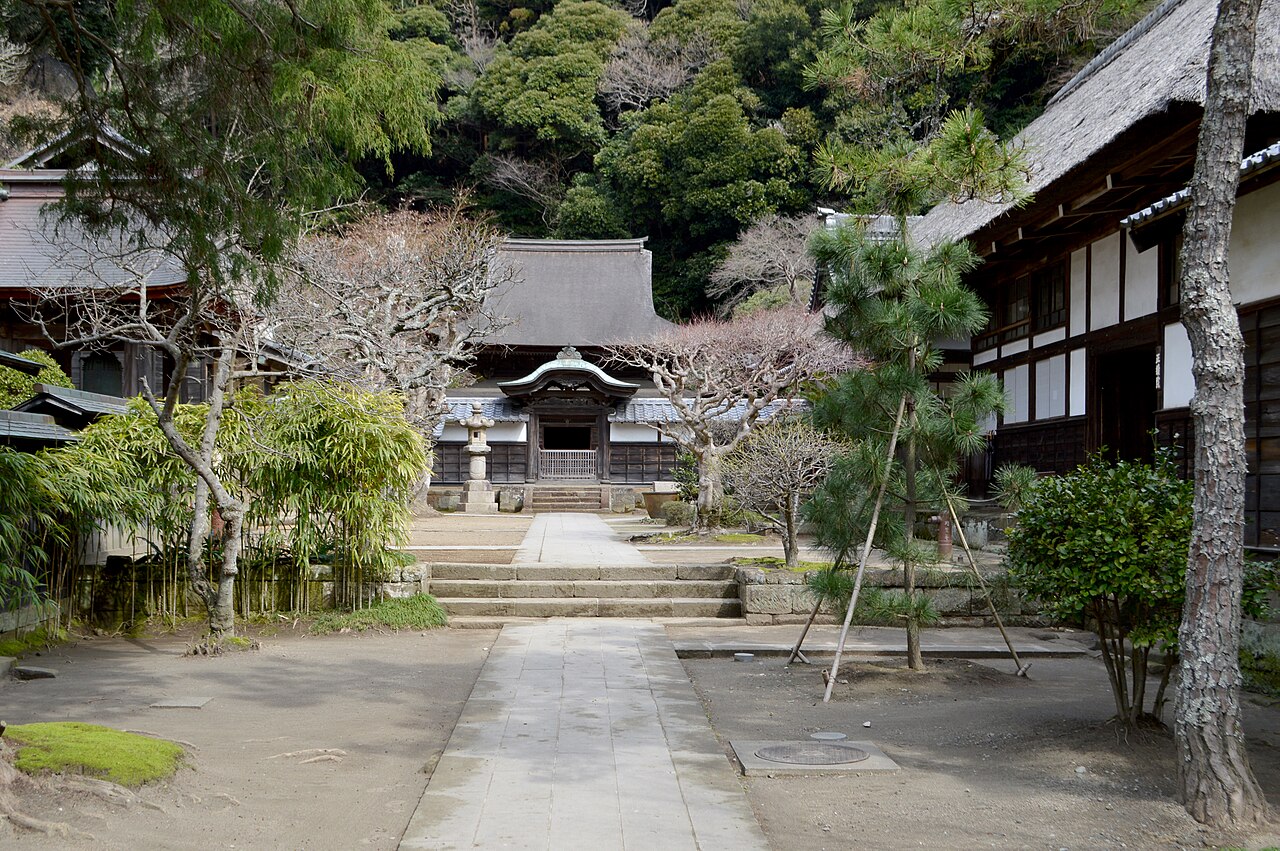
Kita-Kamakura is a place to begin the day inside a Zen temple: Engaku-ji holds a dawn zazen sitting in its Buddha hall every morning. The temple's buildings climb a valley from the Sanmon gate to the Buddha hall and the Hojo, while at Meigetsu-in hydrangeas grow in clusters along the approach. One way to work through the area is to start with the dawn sitting at Engaku-ji, climb the stone steps of Jochi-ji, walk the hydrangea approach at Meigetsu-in, stop for a Saturday talk or a session of sutra copying at Kencho-ji, and end with a bowl of kenchin-jiru. It is a morning of sitting, climbing and looking that suits a first visit to a Zen temple as much as a return.
Engaku-ji: Dawn Zazen and the Temple Climbing the Valley
Dawn zazen at Engaku-ji begins at six in the morning in the Buddha hall. No sign-up is needed, beginners are welcome, groups are not accepted, and you leave a donation in the box. First-timers gather beside the Buddha hall a little before the start.
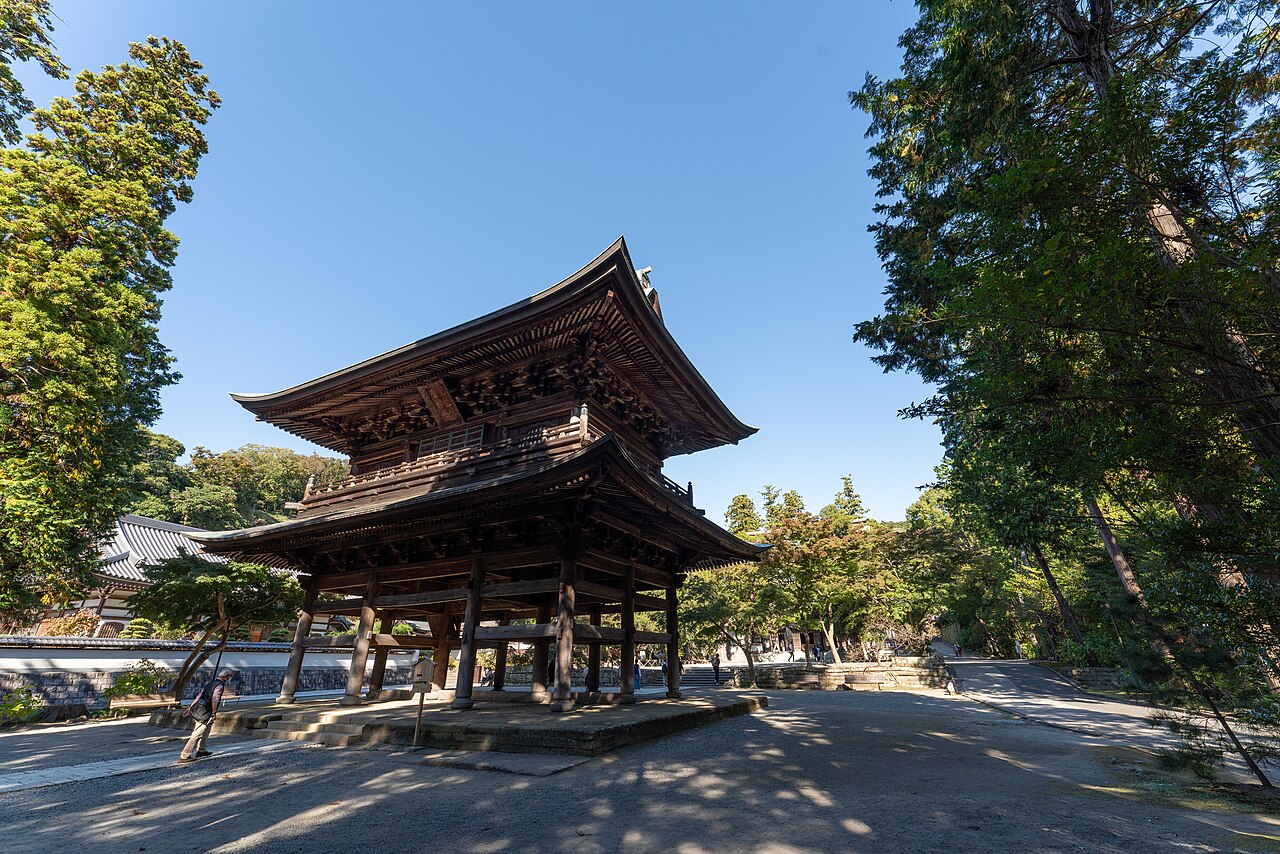
Elsewhere in Kamakura, early-morning worship at shrines and temples takes place in fresh sunlight and pleasant air, in a calm setting, and the dawn sitting puts you inside Engaku-ji at that hour. The Sanmon is said to symbolize the three liberations and to be the gate to the Buddha hall, the world of nirvana, and the grounds do climb from that gate along a yato valley to the Buddha hall and the Hojo. The Buddha hall ceiling carries the White Dragon painted by Moriya Tadashi.
Old juniper trees, a Natural Monument of Kamakura City, stand before the Hojo, with a garden around the shinji-ike pond behind. If you want a calm start to the day here, begin with the sitting, which asks a beginner nothing beyond turning up and a donation.
Jochi-ji and the Lanes Around Kita-Kamakura
At Jochi-ji the belly of the Hotei statue has been stroked by so many visitors that it is very smooth. The main gate stands among deep trees and bears characters said to be in the hand of Mugaku Sogen, founder of Engaku-ji, and the temple's stone steps climb from it.
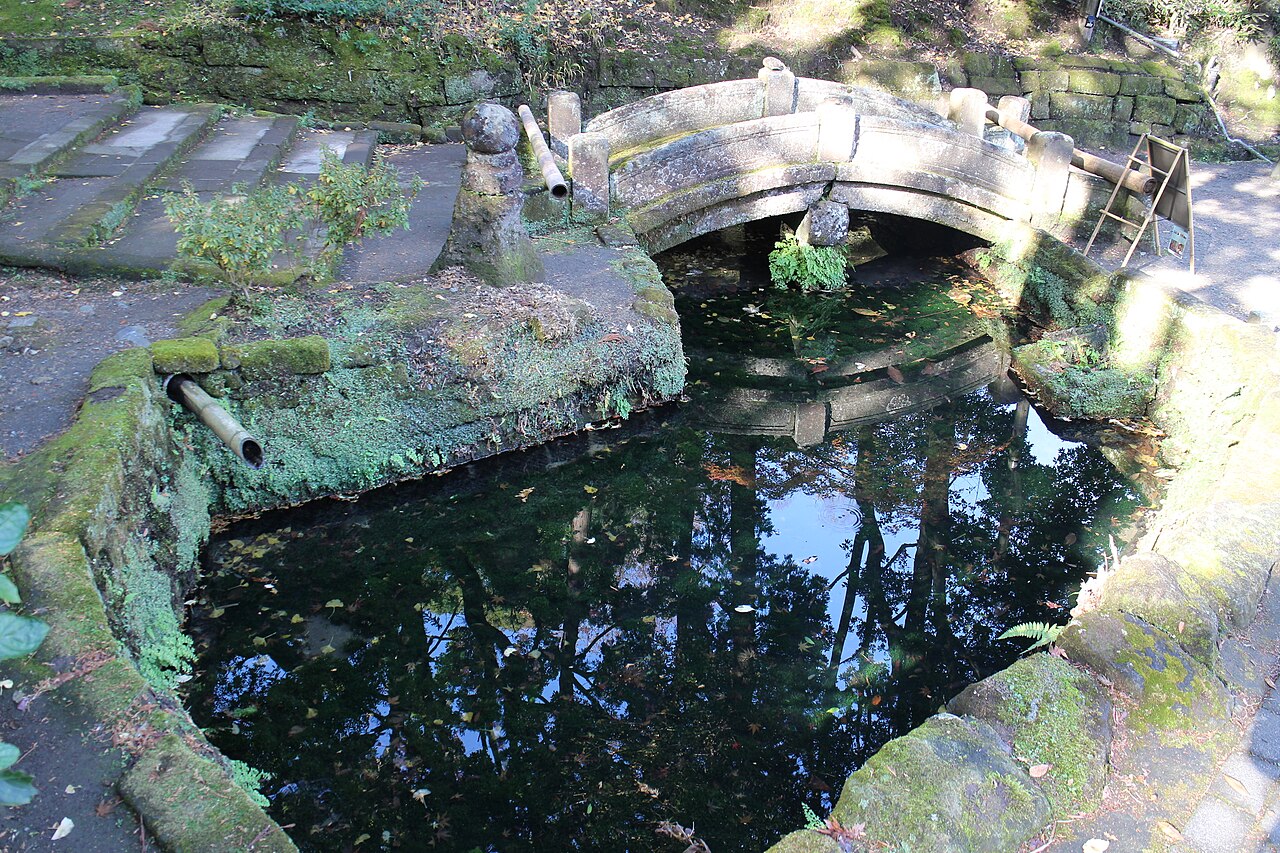
The Kamegayatsu Slope is still a road for everyday life and a nationally designated historic site. According to the legend, a turtle from Kencho-ji's Daikaku pond climbed this slope and turned back midway, hence its other name, Kamekaeri-zaka.
The Seseragi path in a forest park is a quiet course along a stream with the smell of green and water. Its walking paths circle a pond that began as an irrigation pond, through woods, wetland and grassland with living things from birds to insects, and wild birds fly in during winter. If you have time for a longer walk after the temples, the park is where to spend it. For more ideas for time in the city, you can browse Kamakura experiences on GetYourGuide.
Meigetsu-in: Hydrangeas and a Garden That Opens Seasonally
Along the approach to Meigetsu-in, roughly two thousand five hundred hydrangea plants grow in clusters. They grow beside the path rather than in a garden you enter, so you pass them on the way in. June is their season here, and it is also when the temple's usual timetable can change.
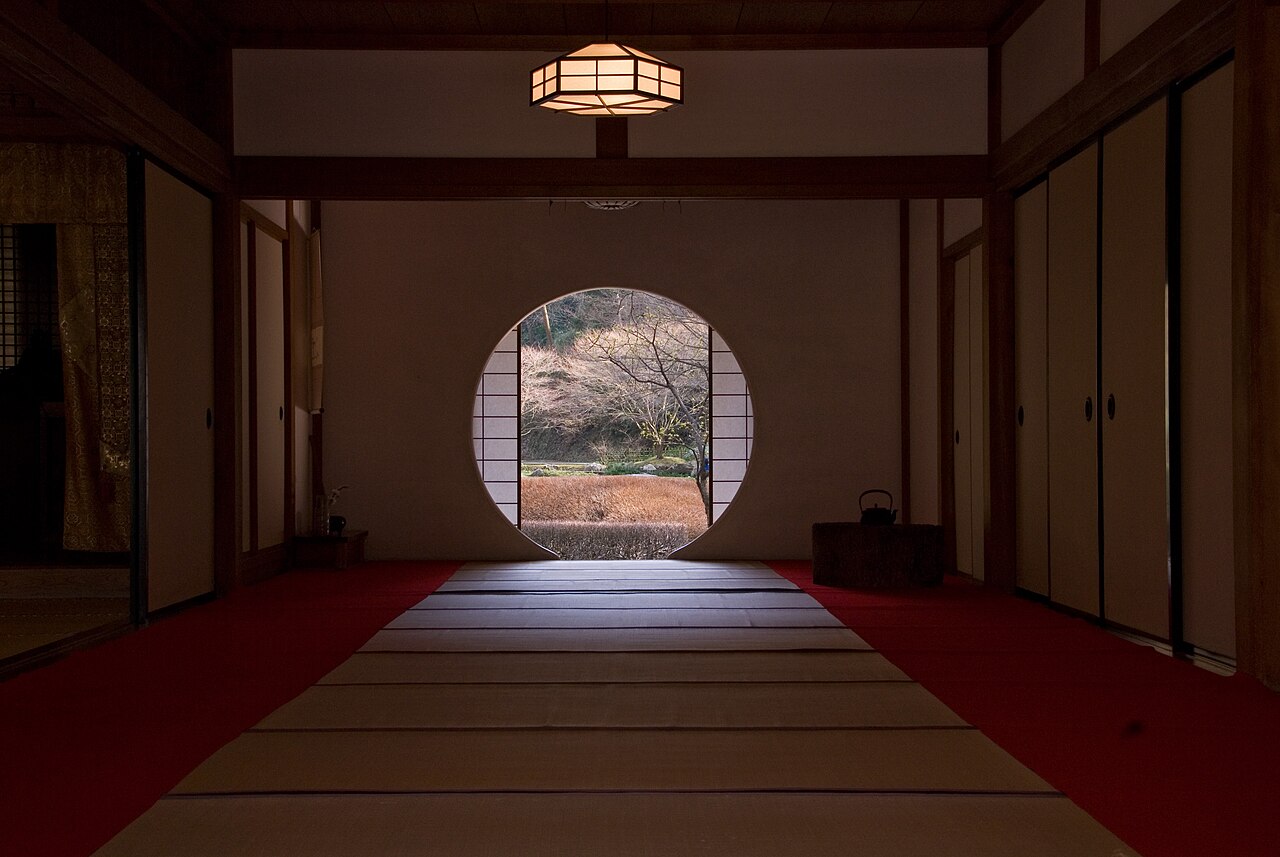
The garden behind the main hall is normally kept shut to visitors and is shown during the iris blooming season and the autumn leaf season, and at no other time. If that garden matters to you, time the visit for one of those two seasons, since it is not shown otherwise.
Kencho-ji: Zazen, Sutra Copying and Saturday Talks
Every Saturday a preacher of the Kencho-ji school gives a dharma talk under the Sanmon of Kencho-ji. The temple's general zazen sessions are held on Friday and Saturday afternoons. A zazen guidebook is handed out at the venue for a donation, and participants are asked to bring it with them. There is no set dress code, though loose-fitting clothing is recommended. Latecomers cannot join, so be in the zazen hall with time to spare.
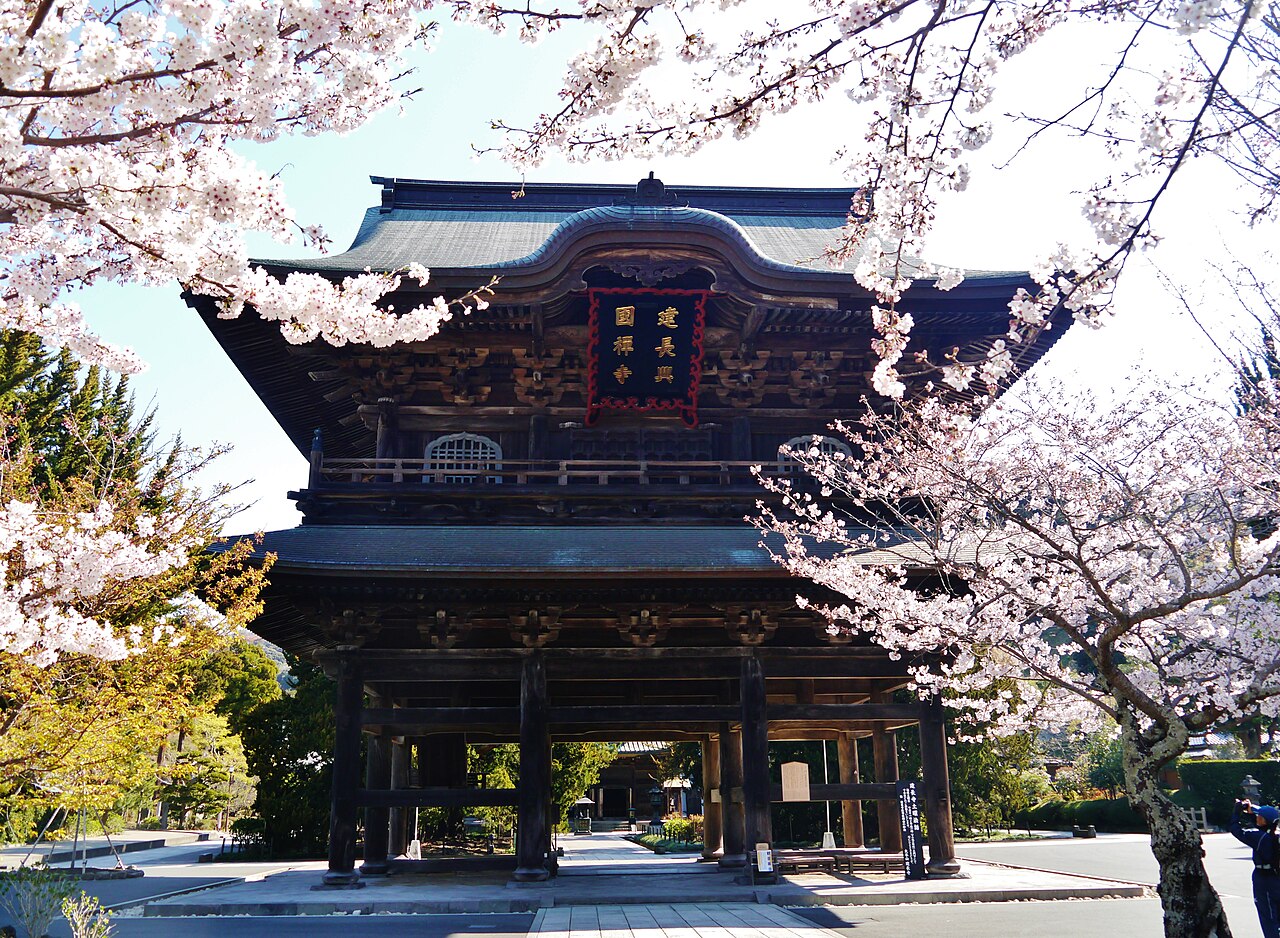
Sutra copying is held in the Hojo, though the place may change, and offers a choice between the Heart Sutra and the much shorter Enmei Jikku Kannon Sutra. Wheelchairs can enter as far as the front of the Karamon gate. If you prefer an afternoon at a temple to a dawn start, Kencho-ji's Friday and Saturday sittings are the counterpart to Engaku-ji's morning, and the sutra copying suits anyone who would rather write than sit still.
Kenchin-jiru, Honey Sweets and Steamed Manju
At Saryo Fuka the manju comes out freshly steamed and piping hot, filled with a lightly sweet chestnut paste. At Tenshin-an the Kamakura Gozen set includes kenchin-jiru made the way Kencho-ji taught it, whitebait rice, thick-rolled omelet and one-night-dried sea bream, with a dessert to finish.
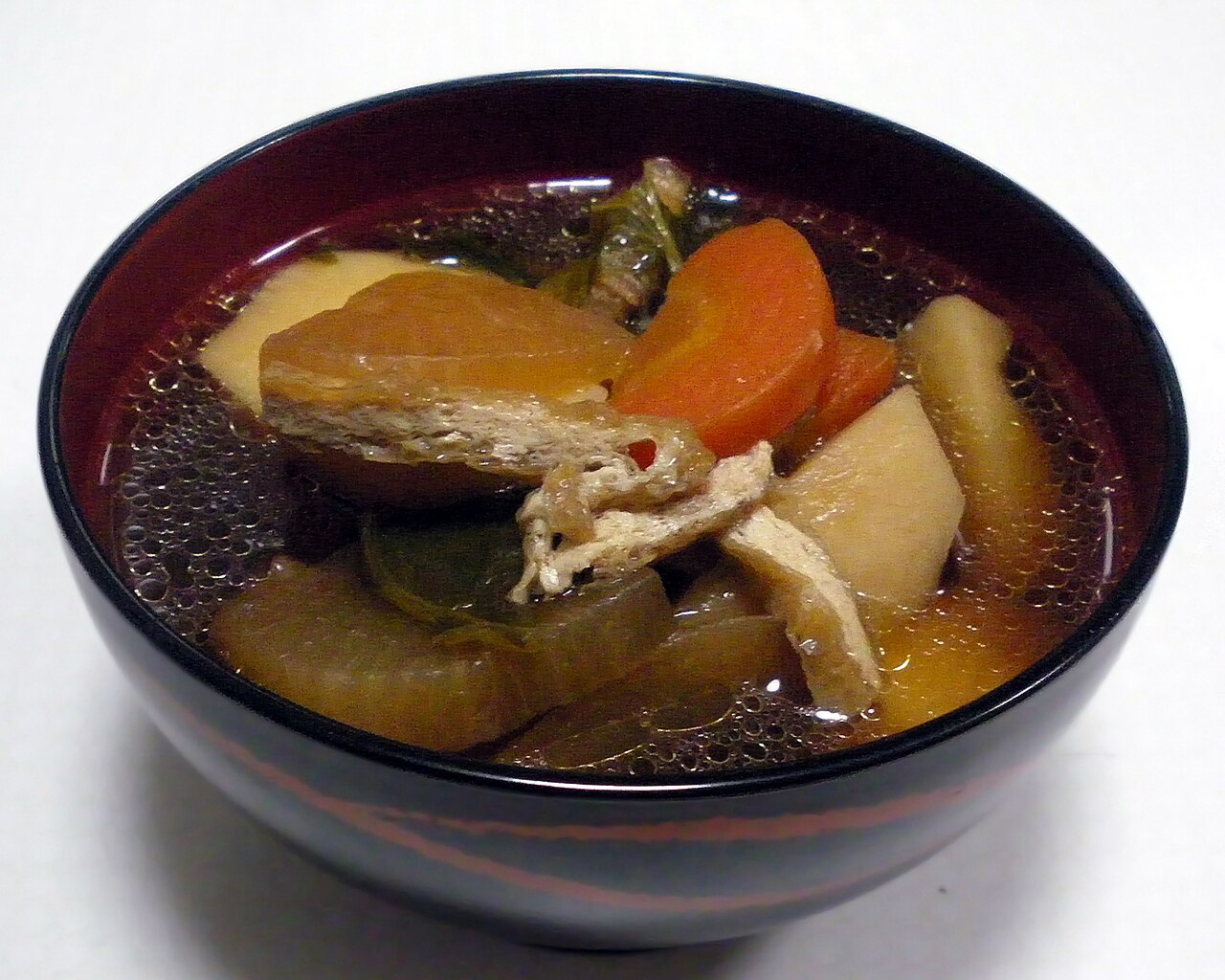
Kamakura vegetables, the colourful and often rare varieties grown around the city, go fresh into Tenshin-an's Kamakura honey curry, with the shop's own Kamakura honey worked in as a background flavor. The same honey, unheated, made without additives and gathered at Kencho-ji, goes into the shop's old-style Kamakura honey pudding.
An eel restaurant serves an eel rice box with a fluffy texture. The eel is steamed until plump, then dipped in the house sauce and grilled by hand. The sauce balances a soy sauce suited to eel with sugar and mirin and has a glossy look. If you want a full meal after the temples, choose between the Kamakura Gozen and the eel rice box; the manju is a sweet, not a meal. To be in Kita-Kamakura when the sitting starts, look at places to stay in Kamakura.
Getting to Kita-Kamakura
| Leg | How | Time |
|---|---|---|
| Kita-Kamakura Station to Engaku-ji | On foot | About 1 minute |
| Kita-Kamakura Station to Jochi-ji | On foot | About 8 minutes |
| Kita-Kamakura Station to Meigetsu-in | On foot | About 10 minutes |
| Kita-Kamakura Station to Kencho-ji | On foot | About 15 minutes |
| Kita-Kamakura Station to Kencho-ji | Bus bound for Kamakura Station, get off at Kencho-ji | About 5 minutes |
| Kamakura Station to Kencho-ji | On foot, or by bus | About 30 minutes on foot, 10 minutes by bus |
| Kita-Kamakura Station to Kamegayatsu Slope | On foot | About 10 minutes |
| Kita-Kamakura Station to Saryo Fuka | On foot | About 8 minutes |
| Kita-Kamakura Station to the forest park (south gate) | On foot | About 30 minutes |
The dawn zazen is not held on the first and fifteenth of each month.
New to rural buses and one-man trains? See how to ride them, step by step.
Hours and Fees
| Place | What | Hours or fee |
|---|---|---|
| Engaku-ji | Admission, March to November | 8:30 to 4:30 pm |
| Engaku-ji | Admission, December to February | 8:30 to 4:00 pm |
| Engaku-ji | Adult admission | 500 yen |
| Engaku-ji | Dawn zazen | Starts at 6:00 every morning |
| Jochi-ji | Admission | 9:00 to half past four; open every day |
| Jochi-ji | Adult admission | 300 yen |
| Meigetsu-in | Admission | 9:00 to 16:00 |
| Meigetsu-in | Adult admission | 500 yen |
| Kencho-ji | Admission | 8:30 to 16:30 |
| Kencho-ji | Admission | Adult 500 yen, child 200 yen; cash only |
| Kencho-ji | General zazen session | Friday and Saturday, 15:30 to 16:30 |
Engaku-ji does not permit tripods or monopods.
Where to stay
Places to stay near Kamakura, Kanagawa, Japan →
Disclosure: This post may contain affiliate links. If you book through them, we may earn a commission at no extra cost to you.