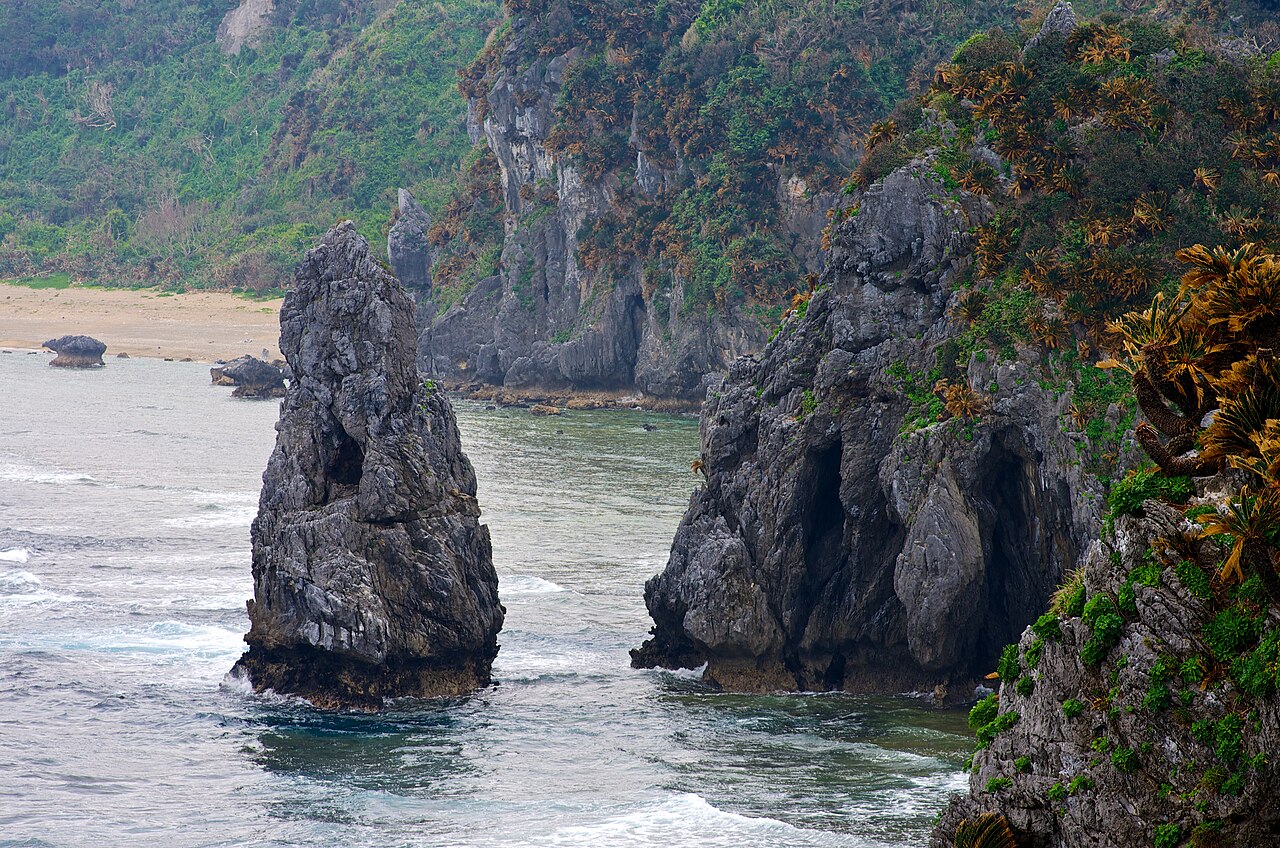
Climbing to the observation deck of the Cape Hedo Tourist Information Center puts a visitor at the northern tip of Okinawa's main island. Walking the course at ASMUI Hikes comes with tea at the Spirit Lounge. Inside the Ufugi Nature Museum, a diorama gallery is wrapped in the sounds of the Yanbaru forest. On clear nights, many stars can be seen at Kunigami Forest Park.
Cape Hedo: The Observation Deck, the Koyo Parlor and a Rock Face
Cape Hedo has an observation deck, a parlor with benches and a rock face to the south.
Going up to the observation deck starts inside the Cape Hedo Tourist Information Center, which stands at the cape in Yanbaru National Park. The information center itself is on the ground floor of the building, and the deck is on an upper floor above it. A visitor with little time at the cape can begin here, since both share the same building.
Taking a drink or a plate of Okinawa soba to a bench is the way to eat at the Cape Hedo Koyo Parlor. The parlor is near the entrance of the cape promenade and serves soft drinks, Okinawa soba and light meals. Visitors can have them on a bench while looking at the scenery, so a meal does not have to cut into time outdoors.
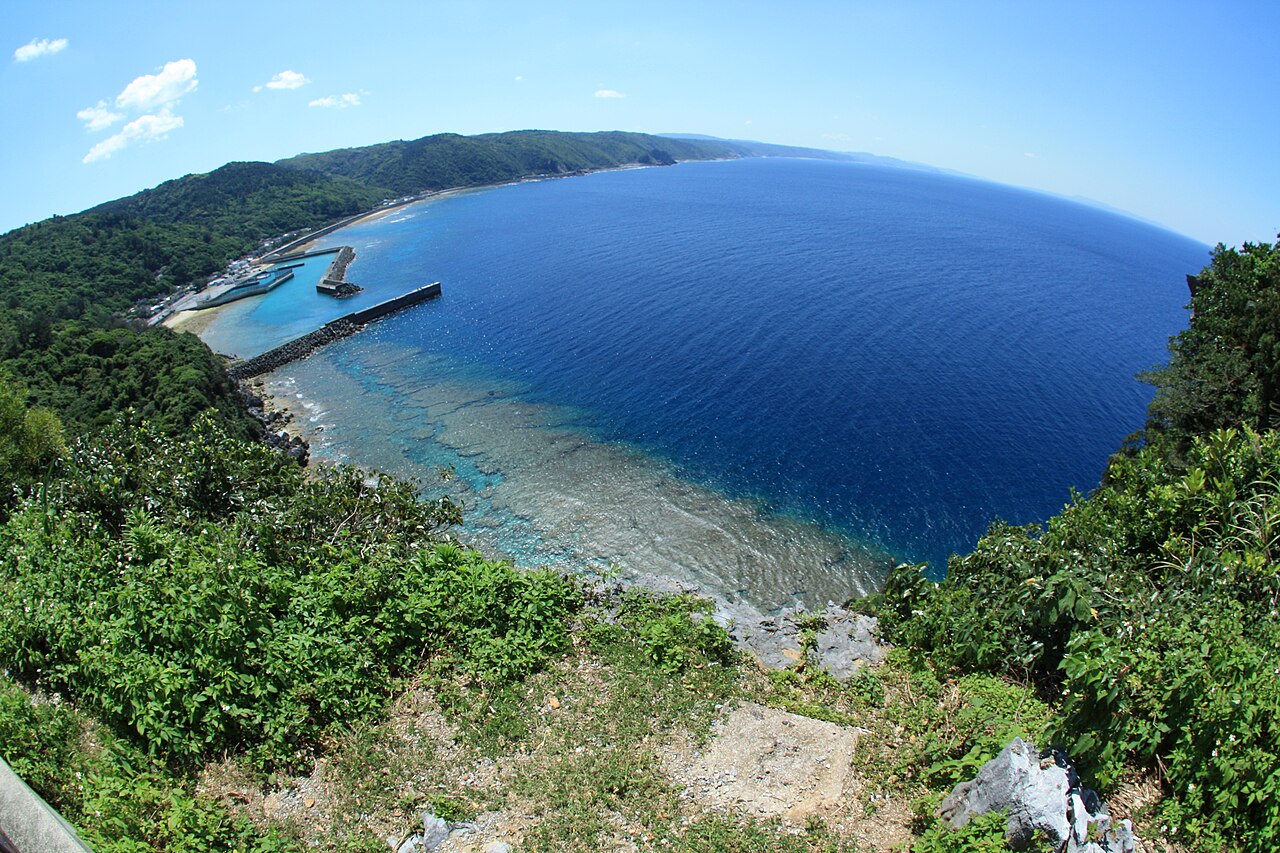
Heading south of Cape Hedo leads toward the Asumui byobu-iwa rock face. The rock face is covered by a variety of tall and low trees. In March, hamaudo is in full bloom at the cape, so a visit in that month adds flowers to the walk; outside March, the bloom should not be expected.
ASMUI Hikes: A Forest Course, a Lounge and the Gajumaru Road
ASMUI Hikes joins a theater room, a shuttle ride, a hiking course and tea at the Spirit Lounge.
Starting at the ASMUI Gateway, visitors pass through a theater room and then take a shuttle ride that arrives at the Spirit Lounge. A chronicle's myth of the founding of the country records Asumui as the place the god Amamiku created before any other. Hearing that story at the outset gives the rocks and trees ahead a context that goes beyond exercise.
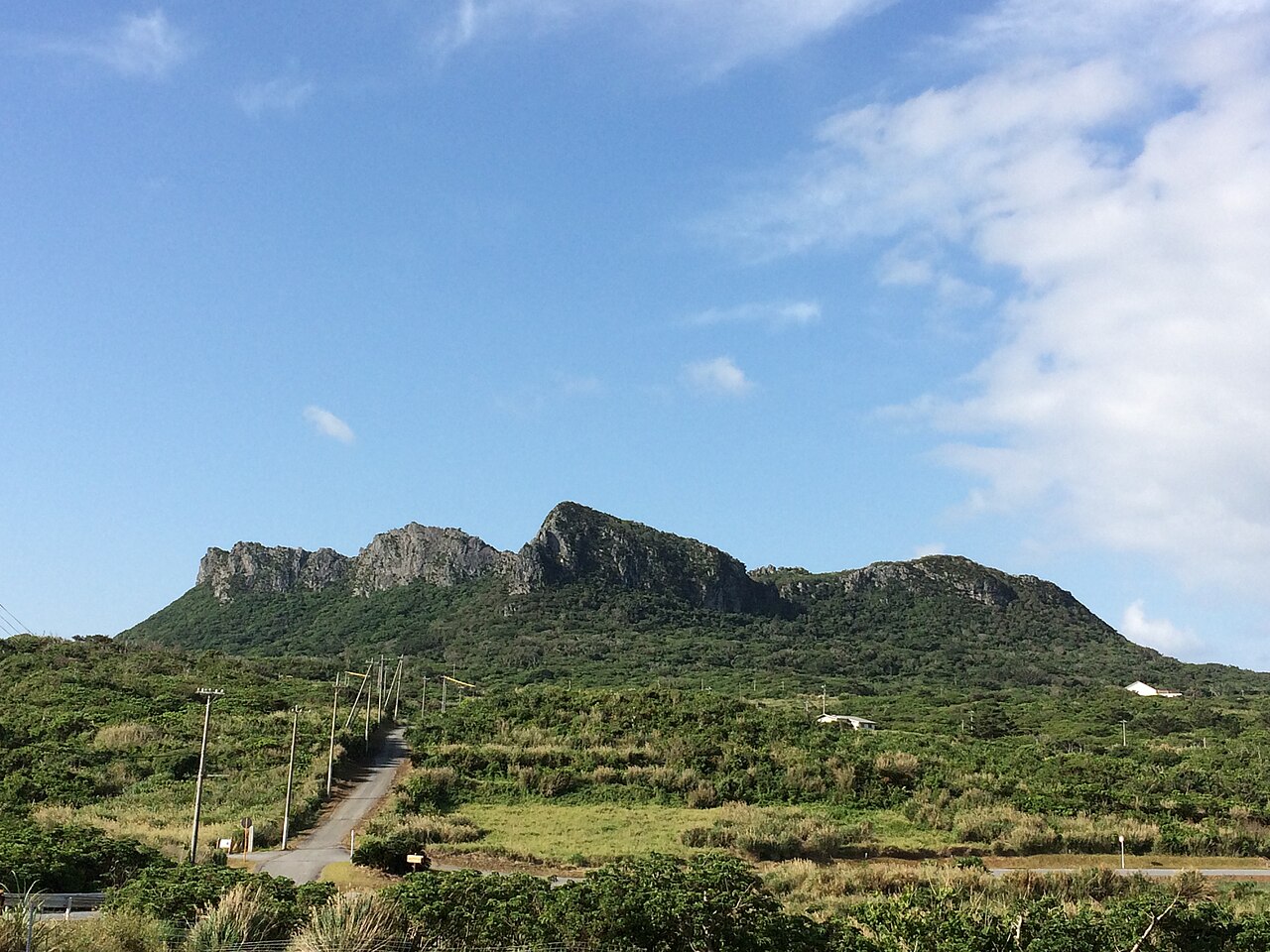
Choosing a route comes next. The Regular Course covers the longer run of numbered points, the Short Course skips part of that run, and the Gajumaru Road is a separate stretch with its own points. Sneakers are suggested, and sandals and shoes with heels are not permitted on the course. If time is limited, the Short Course keeps the later points of the Regular Course.
Walking in the ASMUI forest in autumn brings soft light and a pleasant breeze, different from summer. In that season the trees carry red and orange fruits, seasonal flowers are out, and butterflies and birds fly among the trunks. Okinawa has almost no autumn foliage of the kind that turns mainland mountains red and yellow, so the autumn walk is about fruit, flowers and flying creatures instead of leaf color.
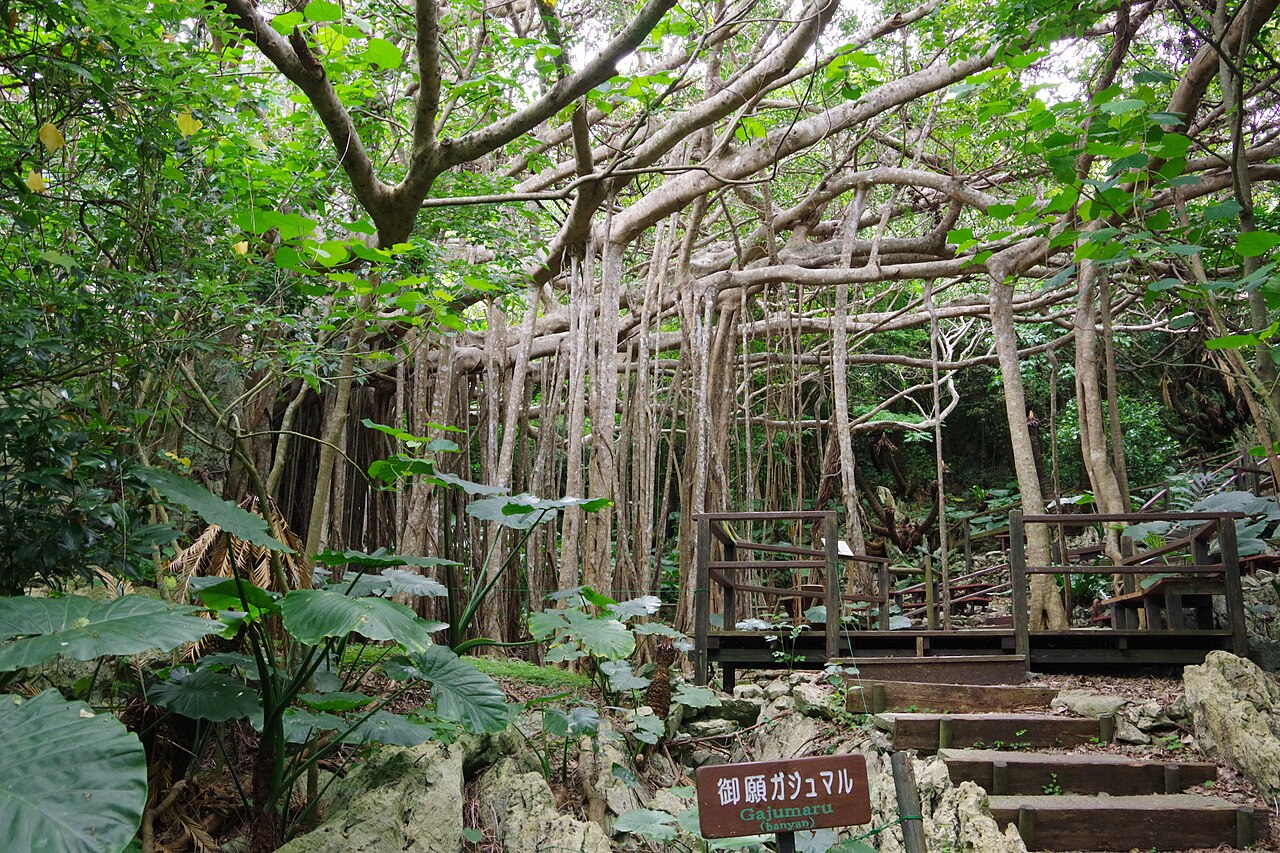
Having tea at the Spirit Lounge is part of the visit. The visit includes the hiking course, the shuttle ride, a petit guide tour, an audio guide and tea at the lounge. The lounge restaurant also sells Okinawa soba and other food, so a meal does not require leaving the grounds.
The Yanbaru Forest: Sounds at the Ufugi Nature Museum, a Forest Road and the Kuina
The Ufugi Nature Museum sets a diorama gallery inside the sounds of the Yanbaru forest.
Watching the Forest Theater means following images that spread across the floor and to the left and right. The Entrance Zone is a warm space made with timber from Yanbaru, and it holds objects of Yanbaru creatures. Seeing these rooms before a walk outdoors puts the creatures of Yanbaru in view ahead of time.
Looking at the diorama in the Forest Gallery shows animals that live in Yanbaru's woods and mountain streams. Visitors observe them while surrounded by the sounds of the Yanbaru forest. Day and night and the changing seasons are represented through sound and other effects, so listening for a while gives more than a passing glance at the display would.
Reading the gallery against the land outside helps, because Yanbaru National Park lies in the northern part of Okinawa Island. In its mountain areas an evergreen broadleaf forest spreads, and cloud forest is found near the ridge-line summits, which are frequently covered by cloud and are humid. Moss, ferns and epiphytes grow thickly in that cloud forest.
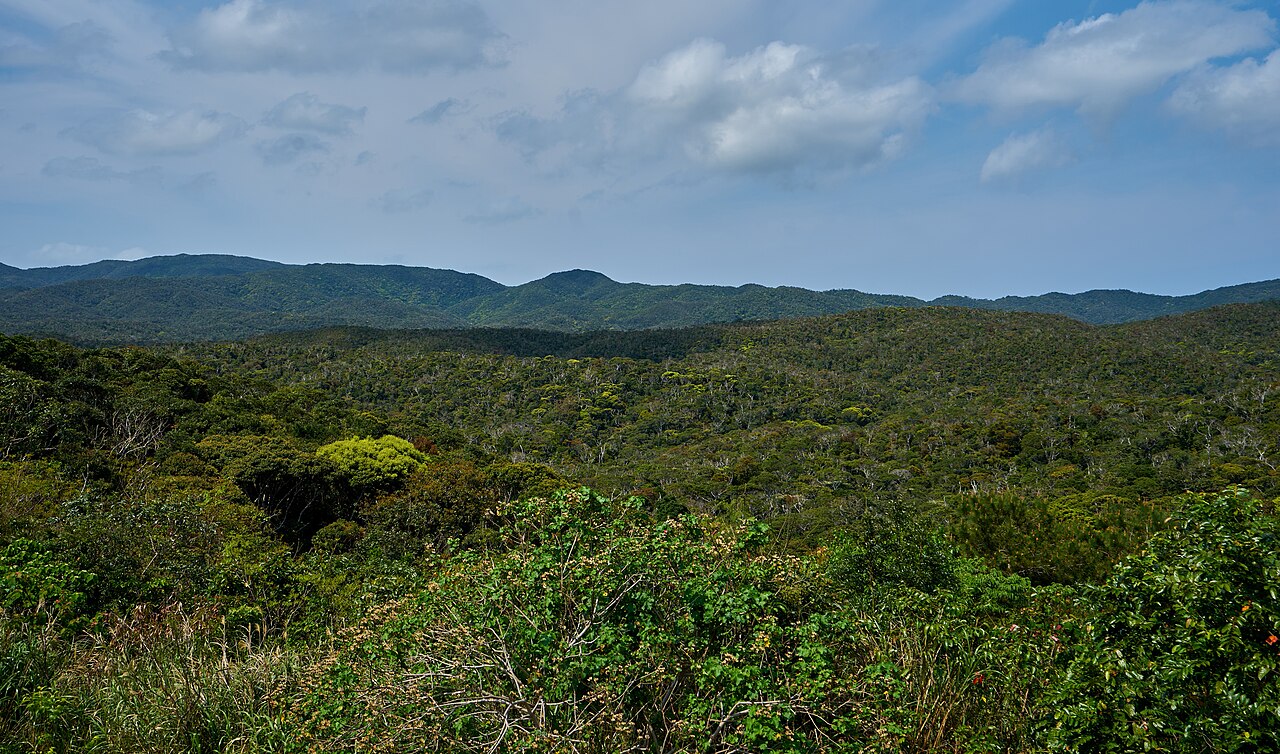
Walking the Ohkuni forest road is possible even in summer, because much of it lies under the canopy of tall trees. Sitting in the dappled light that filters through the leaves and looking up lets time pass slowly. For the bird itself, the Yanbaru Kuina exhibition facility is the only facility where the Yanbaru Kuina can be observed up close, and the Yanbaru Kuina observation tower is modeled on the village bird.
Night in Kunigami: Forest Tours, Stars and Sounds
Kunigami Forest Park runs night forest tours and stargazing tours with a telescope.
Joining a day forest walk or a night forest tour is the way into the woods at Kunigami Forest Park. On a night tour that records living things, participants record the types and distribution of living things in the park. The choice is between walking by daylight, exploring after dark and taking part in the recording.
Looking through a computer-controlled astronomical telescope is the center of the park's stargazing tour, which is run as a tour with an observatory. On clear nights many stars can be seen in the park. Among the Yanbaru trees, where there are no outdoor lights, the color difference between a white Jupiter and a slightly reddish Mars can be told apart.
Listening is part of an evening in Kunigami. From spring to autumn fireflies fly about, and the calls of the Yanbaru kuina and nocturnal animals can be heard like natural background music. A guide leads a stargazing tour on a beach while the sound of waves can be heard. Another tour program pairs constellation viewing and time with a telescope and binoculars with a brief sanshin performance related to the constellations.
Looking up for the Milky Way works in any season, since it can be seen in Kunigami all year round. In winter, Orion rises high in the eastern sky in the evening. In January, a full-moon forest event is held at Kunigami Forest Park, and a lottery is held if applications are numerous. For an overnight base before the trip north, see places to stay in Nago.
Getting to Cape Hedo and Yanbaru: Buses, Hours and Admission
New to rural buses and one-man trains? See how to ride them, step by step.
Details below follow the official guides.
| Item | Details |
|---|---|
| Cape Hedo Tourist Information Center | ten to five, no closing days; parking for seventy cars |
| ASMUI Hikes | nine thirty to five thirty, last entry four; adults two thousand five hundred yen; visit takes ninety to one hundred fifty minutes |
| Ufugi Nature Museum | ten to five; closed Mondays, public holidays, December twenty-nine to January three and June twenty-three |
| Yanbaru Kuina exhibition facility | high school students and older seven hundred yen; elementary and junior high students three hundred yen; closed Wednesdays |
| Naha Airport to Hentona by bus | express bus to Nago Bus Terminal about one hour forty; route bus sixty-seven to Hentona about one hour, one thousand seventy yen |
| Village bus from the Cape Hedo stop to Hentona | seven fifty-four in the morning and four thirty-four in the afternoon |
| Village bus from Hentona toward Cape Hedo | three in the afternoon; second trip five thirty in winter |
For another northern Okinawa day, see Churaumi Aquarium in Motobu. For a small island with a bridge, see Kouri Island.
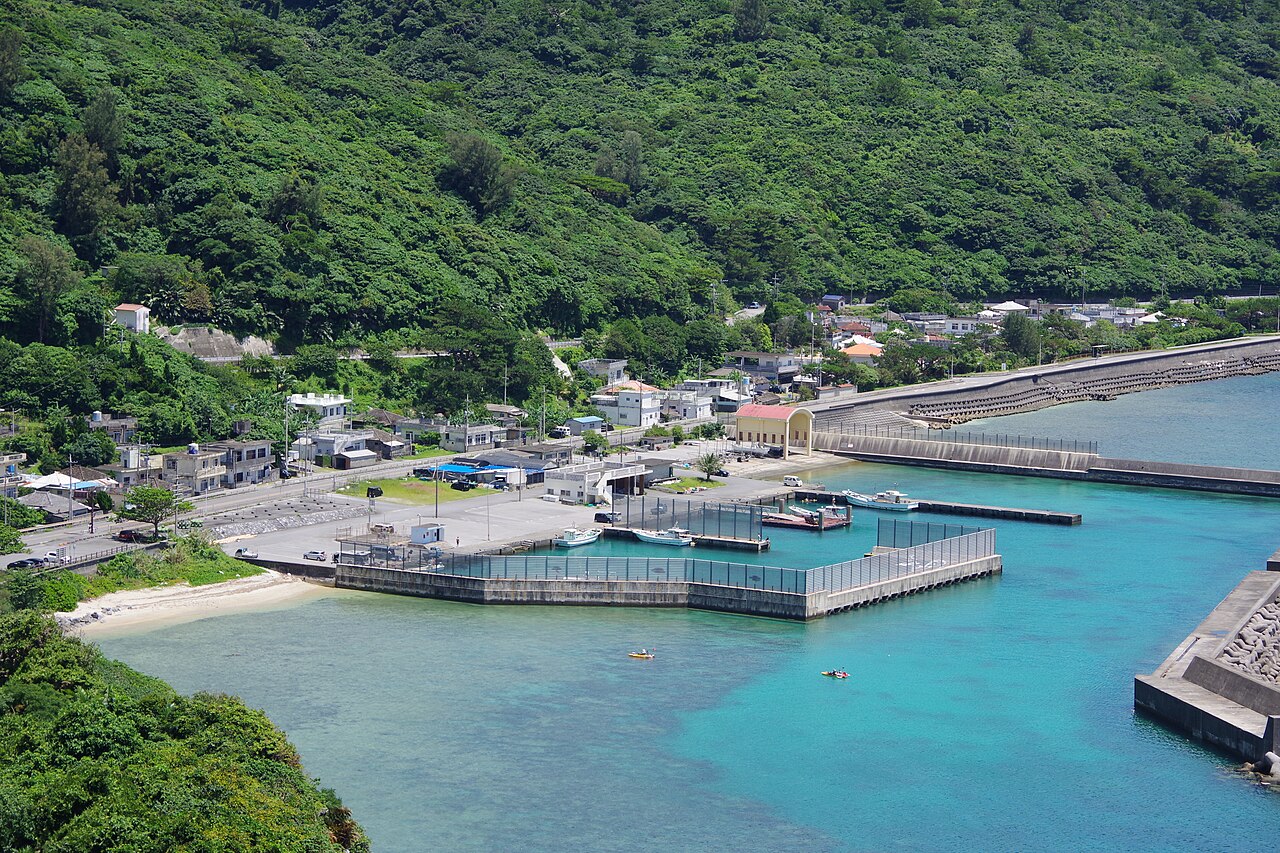
Thinking of staying overnight?
Compare places to stay near Nago, Okinawa, Japan →
Disclosure: This post may contain affiliate links. If you book through them, we may earn a commission at no extra cost to you.