Daigoji began when Shobo carved two Kannon statues, Juntei Kannon and Nyoirin Kannon, built a small hermitage and founded the temple. Sanboin, inside the same temple, was founded by Shokaku Sojo, the fourteenth head priest of Daigoji. Daigoji suits travelers who want painted rooms and a garden at Sanboin, a pagoda and a treasure hall, and a seat at the monks' daily rituals within the same temple grounds.
Sanboin: Sliding-Door Paintings and a Garden of Two Islands and a Waterfall
Sanboin is the part of Daigoji to take in room by room and from the garden side, whereas the lower precinct is ground to cover on foot.
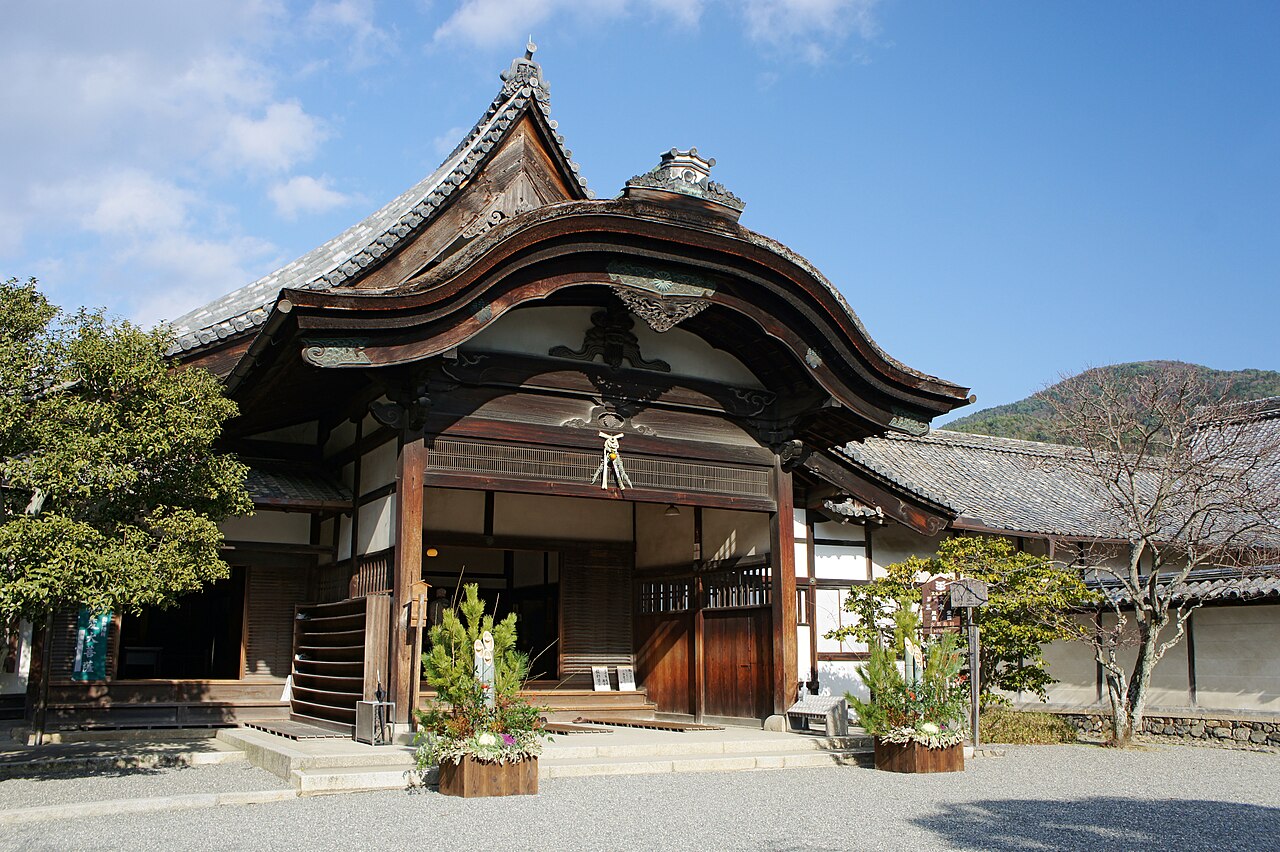
Stepping into Sanboin brings visitors to the Omote Shoin, where the lower room becomes a Noh stage when the tatami mats are lifted. In the Aoi no Ma, the sliding-door paintings show the Aoi Festival procession going from Shimogamo Shrine to Kamigamo Shrine. In the Akikusa no Ma, the sliding-door paintings show a wide landscape dotted with seven flowers.
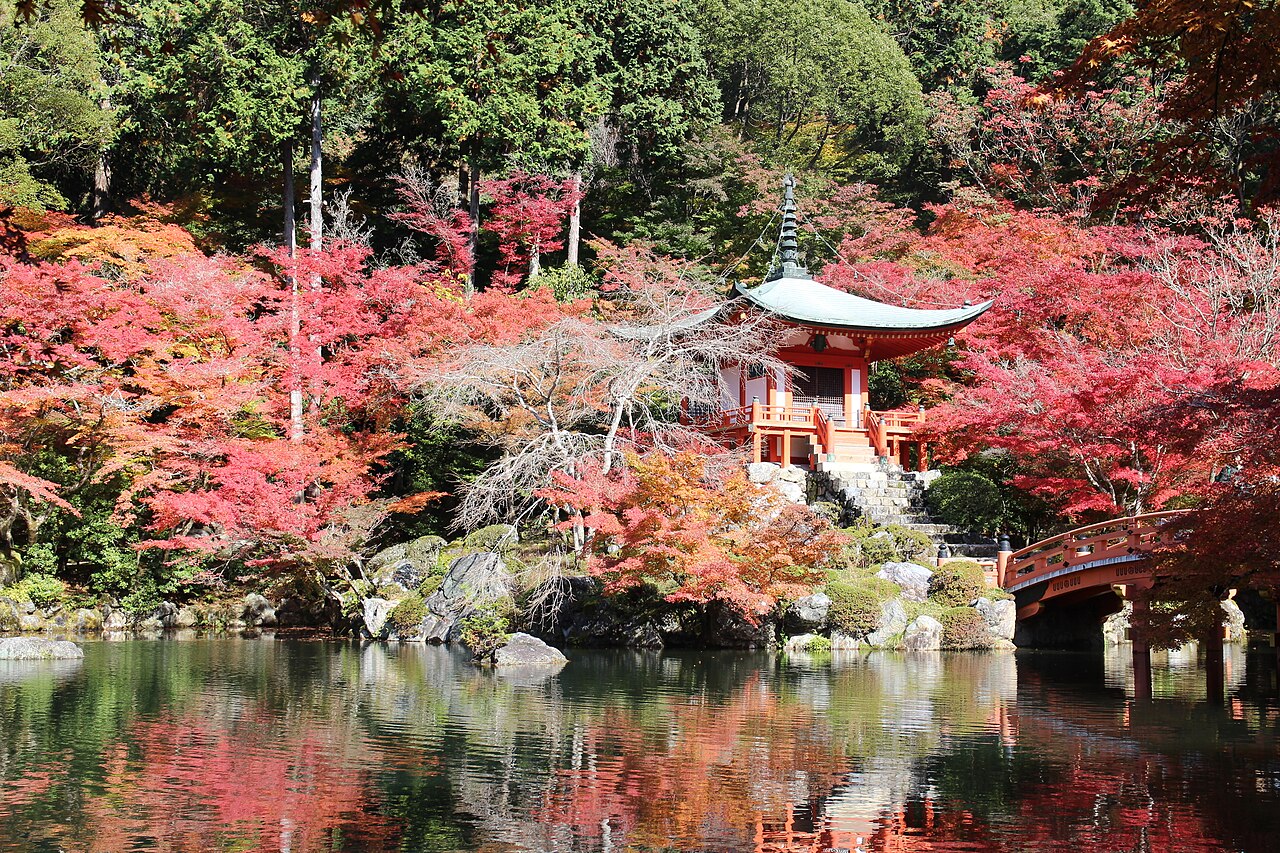
Looking across the Sanboin garden, pick out the two islands first: Tsurushima lies immediately west of Kameshima. The tea house Chinryutei stands in the southeast of the garden. The waterfall Sandan no Taki is at the southeast corner of the garden. The Sanboin shop currently serves as a rest area that anyone can use.
The Lower Precinct: Through the Niomon to the Pagoda, the Kondo and the Reihokan
For standing halls and a museum of temple treasures in one stretch, the ground beyond the Niomon is the part to choose, with the Five-Storied Pagoda, the Kondo and the Reihokan.
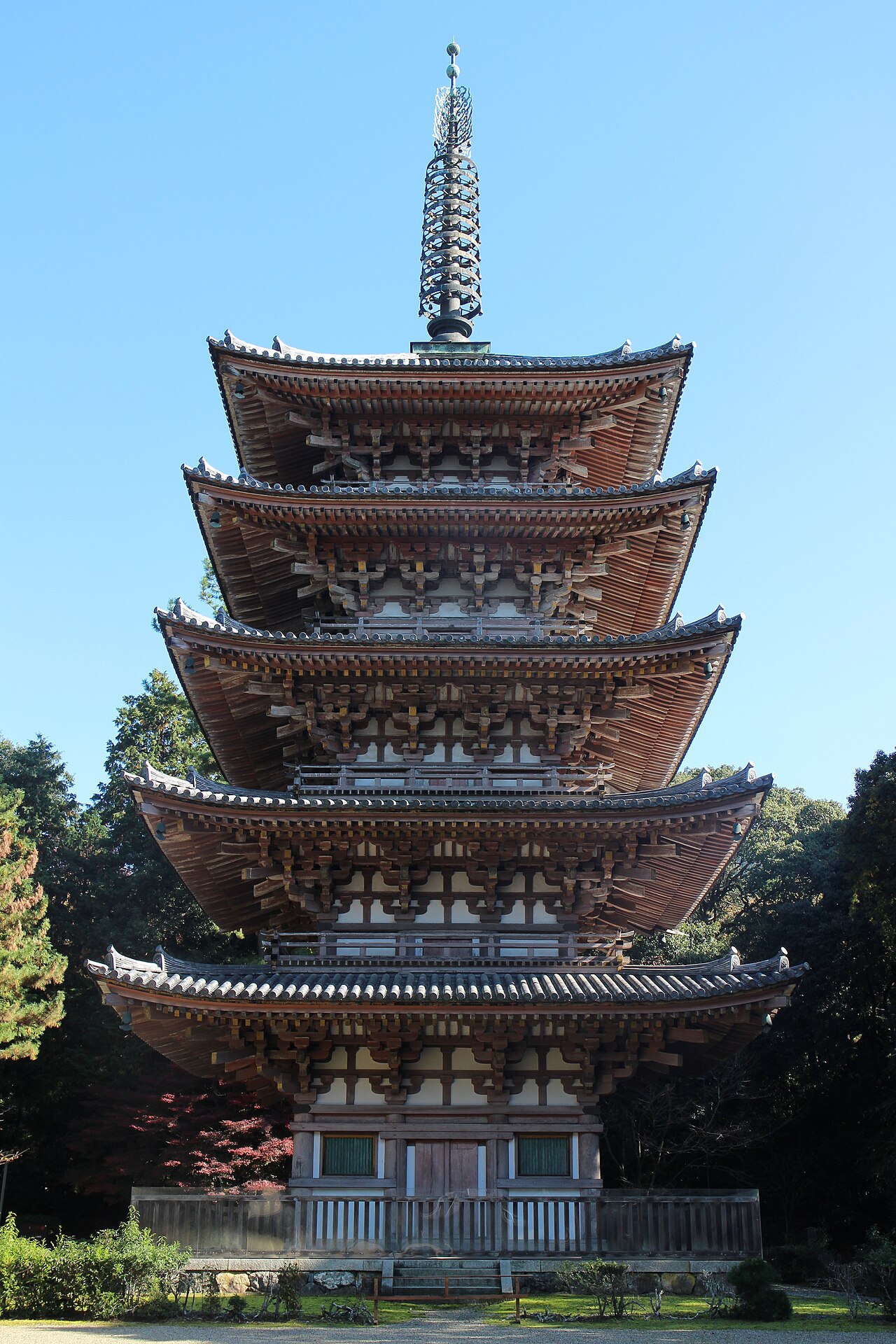
Heading for the Kondo brings visitors to the central hall of Daigoji. The seated Yakushi Nyorai enshrined in the Kondo is the principal image of Daigoji. At the Five-Storied Pagoda, the interior of the first story is painted with the Ryokai mandalas and the Eight Patriarchs of Shingon. The area around the pond where the Kannon-do stands is called Rinsen.
Looking around the Reihokan, the Treasure Hall of the temple, takes in Daigoji's preserved treasures in collections of carvings, paintings, craftworks and ancient documents. The Yakushi Triad, a National Treasure, is placed at the center of its large exhibition hall. Most temple treasures other than the buildings and the Buddhist images enshrined in the halls are kept in the Treasure Hall.
Returning to the Reihokan on a later visit can mean seeing different objects, because part of the treasures kept there is shown in turn. Special exhibitions are held there at set times of year. One part of the museum is reserved solely for special thematic exhibitions that support contemporary artists and designers.
Sitting In: Kannon Sutra, Goma Fire and Sutra Copying With the Monks
For taking a seat with the monks rather than looking on from outside, the Kannon-do and the Hoon-in are the two halls to head for.
Sitting down with the monks at the Kannon-do is something anyone may do, and those who take a seat recite the Kannon-kyo with them. The Kannon-kyo recitation session is held every day. A wooden-tablet stupa memorial service is held at the Kannon-do together with the recitation.
Joining the goma fire ritual at the Hoon-in is a matter of taking a seat, as anyone may sit in on it. The goma fire ritual prayer is held every day before the principal image, Fudo Myoo. In Shingon Buddhism temples, such a fire ritual burns wooden plates with prayers written on them as the monks chant or recite their prayers.
Listening comes before watching in that day's goma ritual at the Hoon-in, because the goma sticks are read aloud. The goma sticks are then burnt in the ritual. After the goma ritual, the seat is changed and a memorial service is held before Amida Nyorai.
Copying a sutra counts as a Buddhist practice at Daigoji. A sutra-copying session on the Heart Sutra takes place each month. The temple also holds a monthly memorial service at the pagoda and a monthly service for the founder, Shobo.
Cherry, Maple and a Cup of Tea: What the Grounds Offer Through the Year
For trees rather than halls, plan the visit around the cherry trees and the maples.
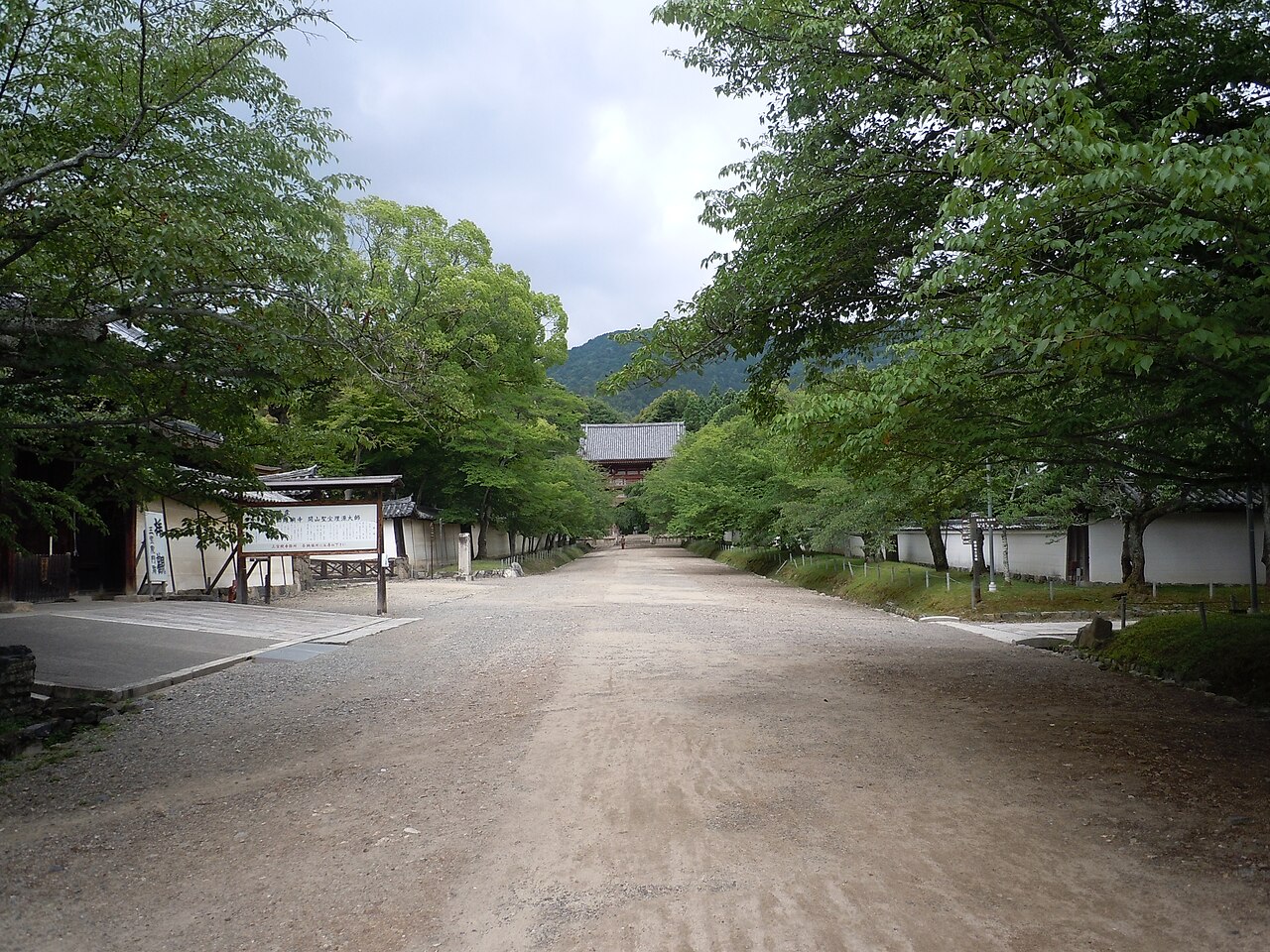
Walking on beyond the Niomon gate means passing through a tunnel of maple trees that lines the approach path. Visitors can walk the grounds while listening to birdsong. Visitors can also rest in a lawn garden.
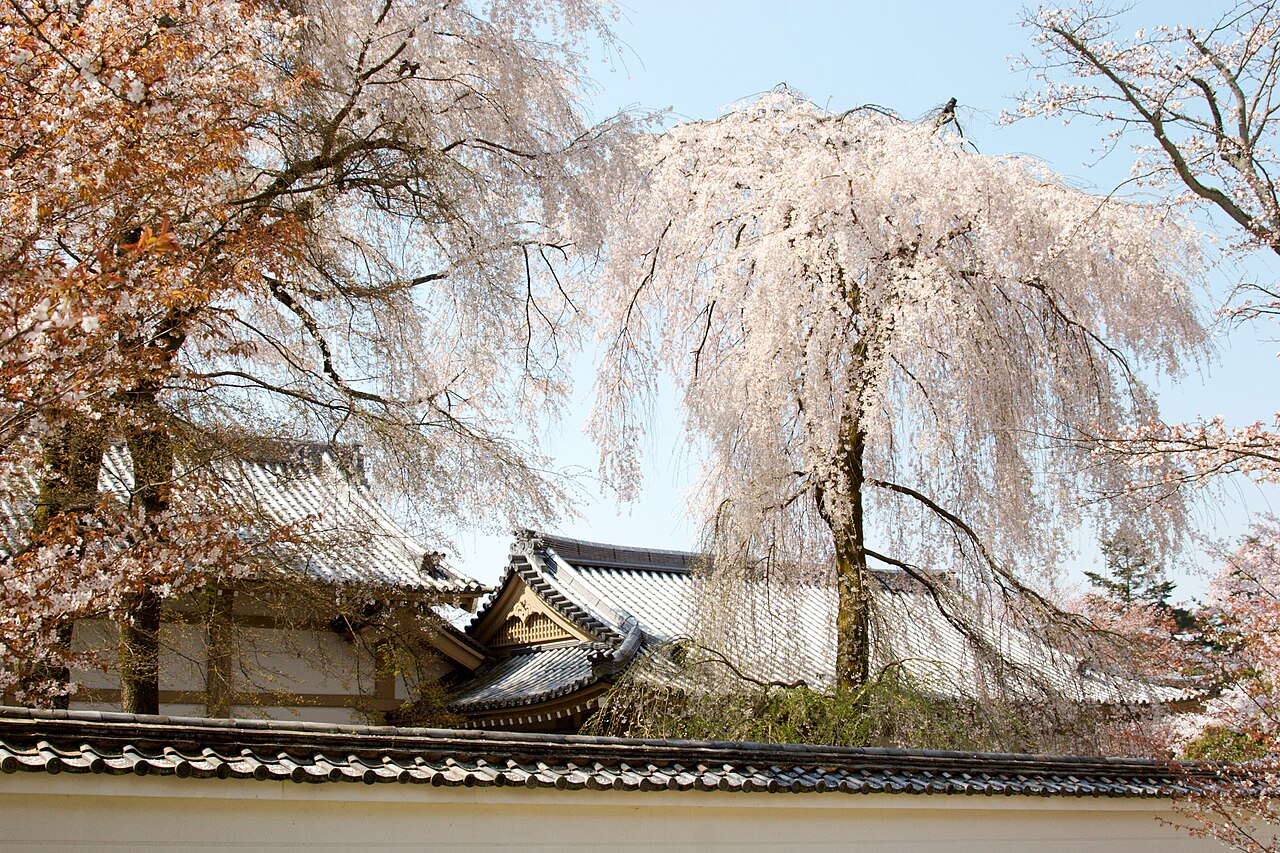
Looking for cherry blossom at Daigoji means looking at more than one kind of tree. In the cherry season, many cherry trees, including weeping cherry, Somei-Yoshino, mountain cherry and double-flowered cherry, bloom in turn in the temple grounds. The Daigo great weeping cherry at the Reihokan is a large tree with spreading branches.
Sitting down to eat does not mean leaving the temple, which serves two types of cuisine. Traditional cuisine made with seasonal ingredients is served at a teahouse in one corner of the precincts. A Japanese tea specialist from Wazuka, the main Uji tea-producing area in Kyoto, runs cafe menus using matcha and drip tea.
Planning a Day at Daigoji: Which Part to Walk First
Entering from the main gate and passing through the Niomon in front leads to the lower precinct. The named stops from there are the pagoda, the Kondo, the Kannon-do and the Reihokan, with Sanboin and the Hoon-in as the other two. Anyone who would rather be led round the grounds can take a guided tour of Daigoji.
The halls past the Niomon could come first, with Sanboin kept for the same visit and the Kannon-do or the Hoon-in fitted around a ritual. With a single afternoon, Sanboin, the Kondo and the pagoda could make the short list, with the Reihokan left for a second visit. Spreading the stops over two days is simpler from places to stay in Kyoto. Kamidaigo, the part of Daigoji up on the mountain, is closed to visitors for the time being.
Getting to Daigoji, Hours and Fees
New to rural buses and one-man trains? See how to ride them, step by step.
| Item | Details (as listed) |
|---|---|
| Kyoto Station to Yamashina Station | JR line, about five minutes |
| Yamashina Station to Daigo Station | Tozai Line, about ten minutes; the temple is about ten minutes on foot from exit two |
| From Rokujizo | Tozai Line about five minutes to Daigo Station |
| By bus | from Kyoto Station Hachijo exit, Kyoto Daigoji Line stop, about thirty minutes to the Daigoji stop |
| Admission hours | March to the first Sunday of December, nine to five; then to the end of February, nine to four thirty |
| Admission, adults | one site six hundred yen, two sites one thousand, three sites one thousand five hundred |
| Admission, junior high and high school | one site four hundred yen, two sites seven hundred, three sites one thousand |
Times and fees above are as listed. Admission reception ends thirty minutes before closing.
Thinking of staying overnight?
Compare places to stay near Kyoto →
Disclosure: This post may contain affiliate links. If you book through them, we may earn a commission at no extra cost to you.