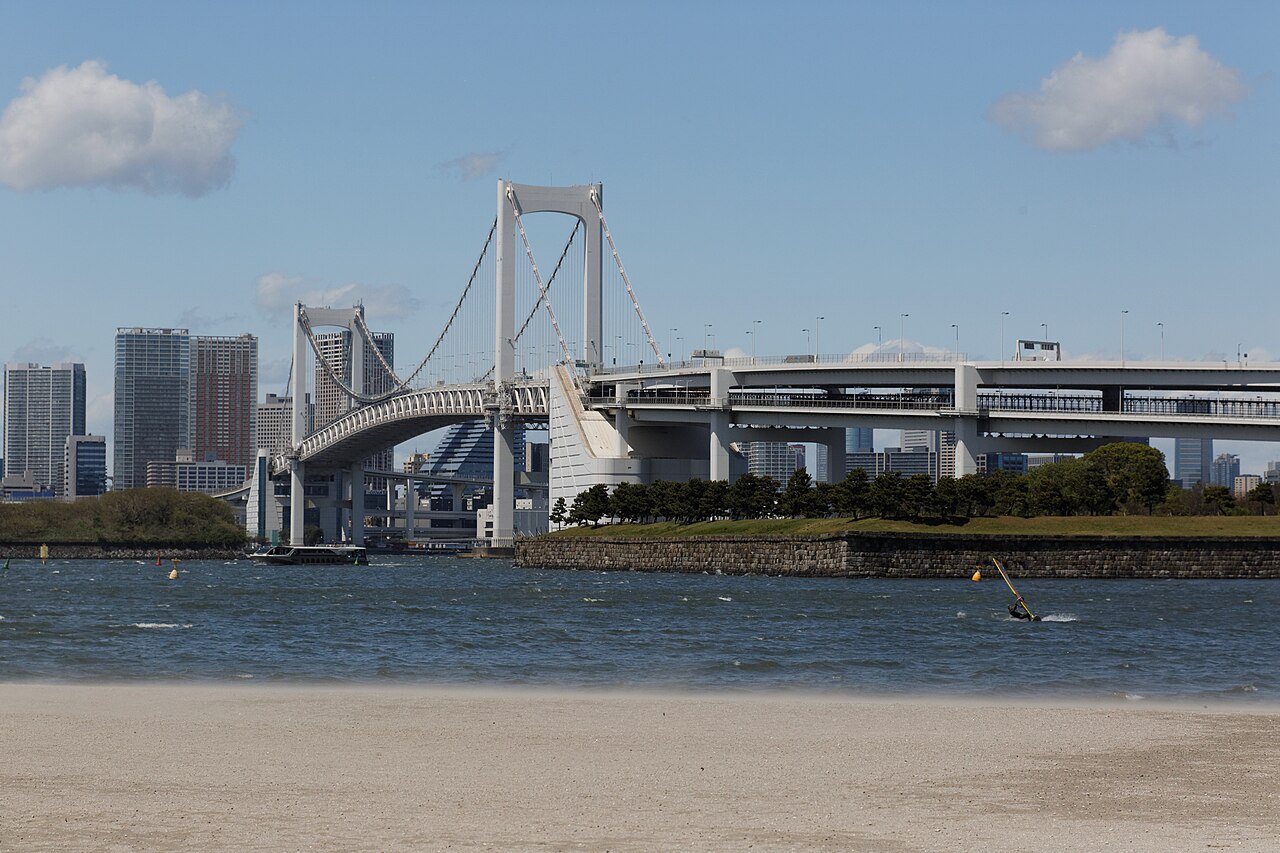
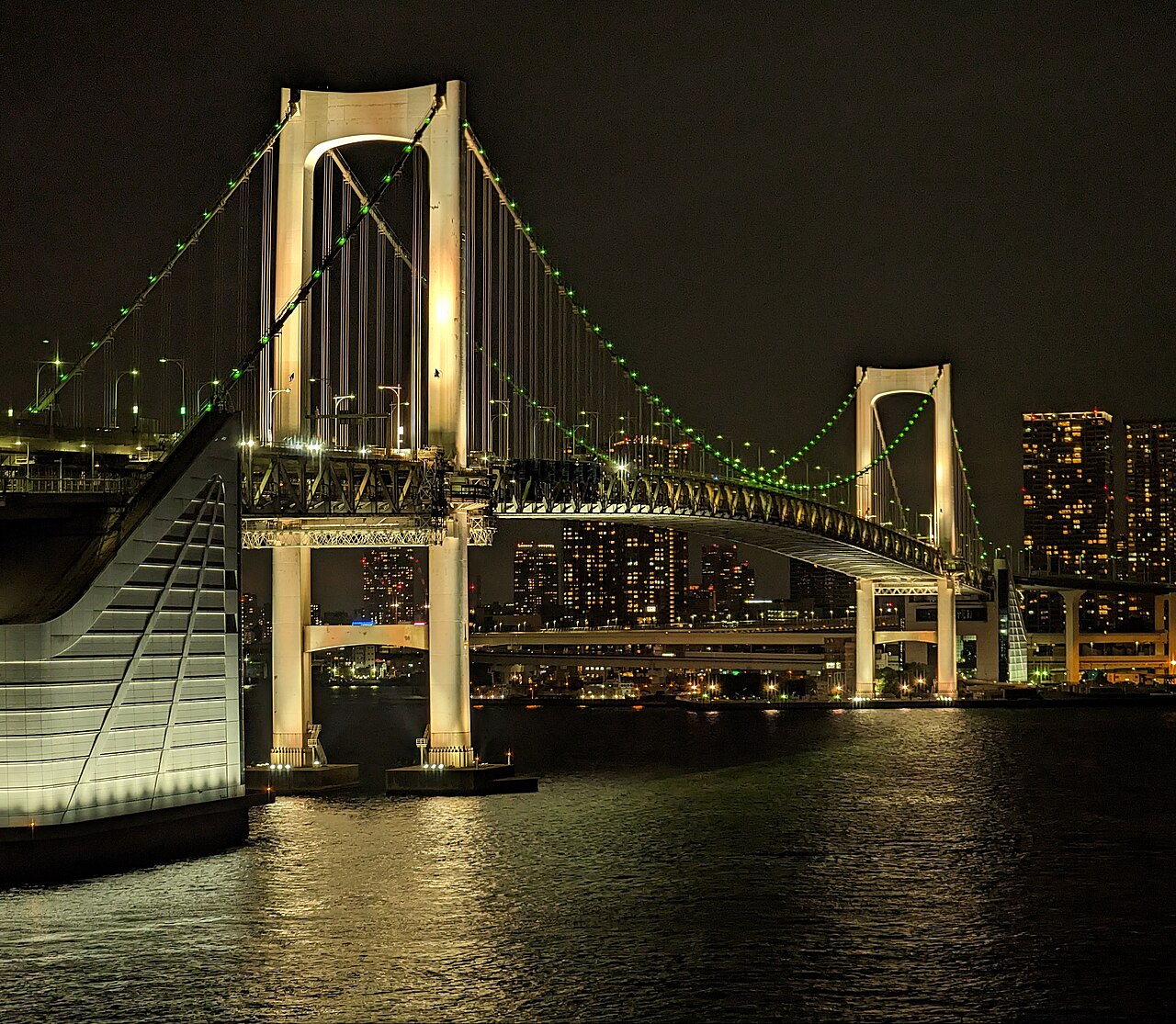
Stand at the west seaside of Odaiba Seaside Park and the Rainbow Bridge comes into full view. The bridge arches over Tokyo Bay and links Odaiba with the rest of Tokyo, and at night its multicolored lights are set against the glowing Tokyo skyline. Odaiba Beach gives central Tokyo an artificial sand beach. Odaiba also has large shopping facilities, including AQUA CITY ODAIBA and DECKS Tokyo Beach.
Odaiba suits anyone who wants bay views and shopping in one outing: pair the beach and the Rainbow Bridge view with the promenade park that links Aomi, Ariake and Daiba and connects commercial facilities with a promenade.
Odaiba Seaside Park: The Sandy Beach, the Fountain Show and the Rainbow Bridge View
Step onto Odaiba Beach and you reach an artificial sand beach in central Tokyo, where the white sand comes from Kozushima in the Izu Islands. Odaiba Seaside Park spreads sand and rocky beaches around an inlet, and it forms one park together with Daiba Park. The sandy beach at the water's edge and the lawn plaza both give a view of the scenery.
Look from the observation deck of the park and you see the Rainbow Bridge, Tokyo Tower, the Statue of Liberty, the cluster of high-rise buildings, the Shinagawa Daiba and the old breakwater. The skywalk gives another view. If time is short, start at the seaside of the west area, where the bridge is seen in full.
Walk across the Rainbow Bridge and the crossing takes a good thirty minutes. From its promenade you can see passenger ships on the sea and the night view of the waterfront sub-center area. Come back after dark and the multicolored lights of the bridge are set against the Tokyo skyline.
Watch Tokyo Aqua Symphony, an outdoor fountain show set against the backdrop of Tokyo Bay, which started at Odaiba Seaside Park in twenty twenty-six. The name points to harmony between the Tokyo waterfront scenery and the movement, music and lighting of the fountain. The lawn plaza in the west area of the park can be used for picnics.
The Statue of Liberty, Daiba Park and the Spherical Observatory at Fuji Television
Look for the Statue of Liberty at Odaiba and you find a replica made from a mould of the Statue of Liberty in Paris, which came to Odaiba Marine Park for about one year to mark the Year of France in Japan. The replica is also part of the view from the observation deck of Odaiba Seaside Park.
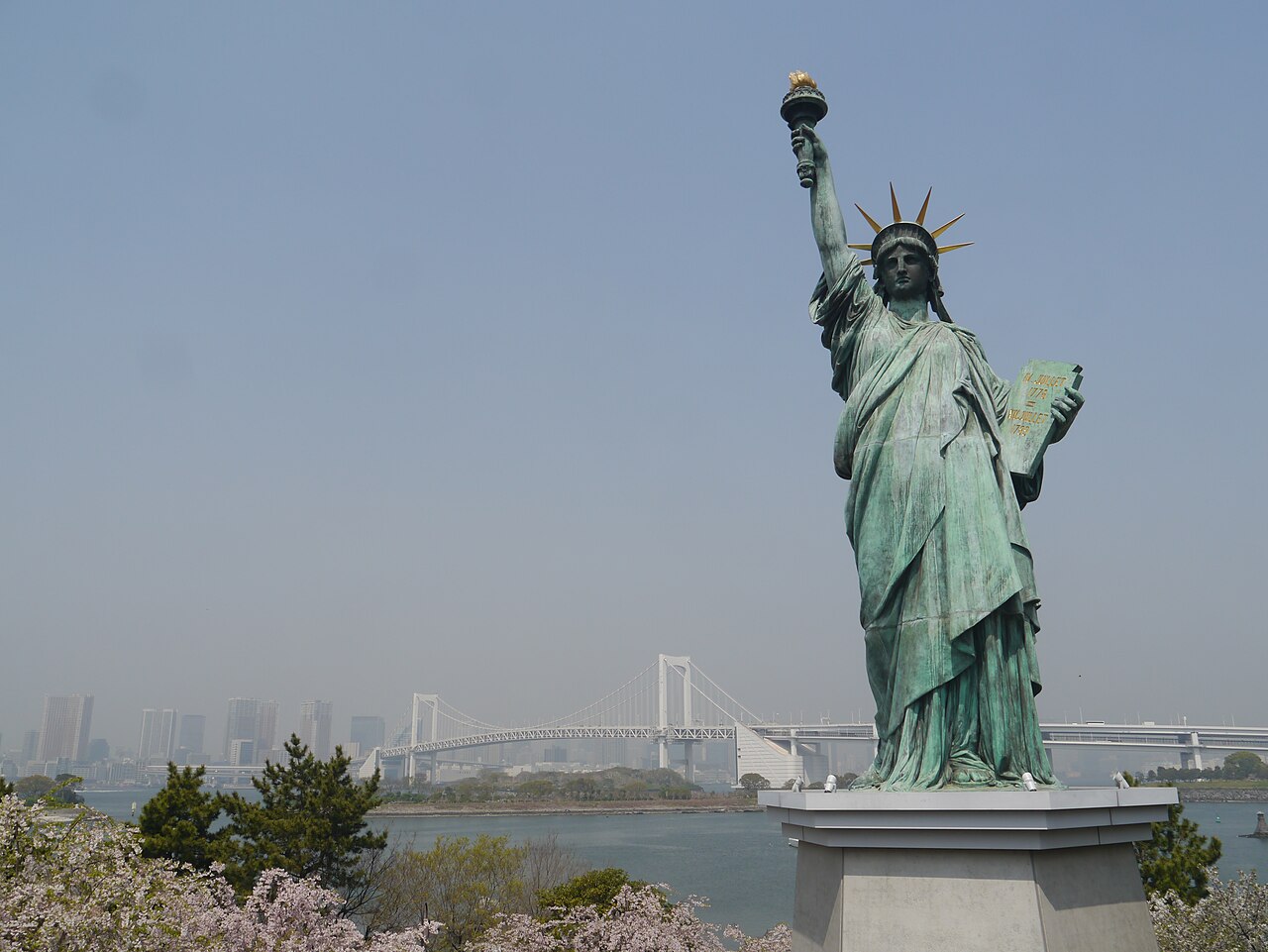
Walk around Daiba Park and you see stone walls enclosing the site, with an earthen embankment built on top. The park is the Third Daiba, the site of a sea battery built ahead of the arrival of the Black Ships at the end of the Edo shogunate. In the center, only the foundation stones of a barracks for the garrison remain.
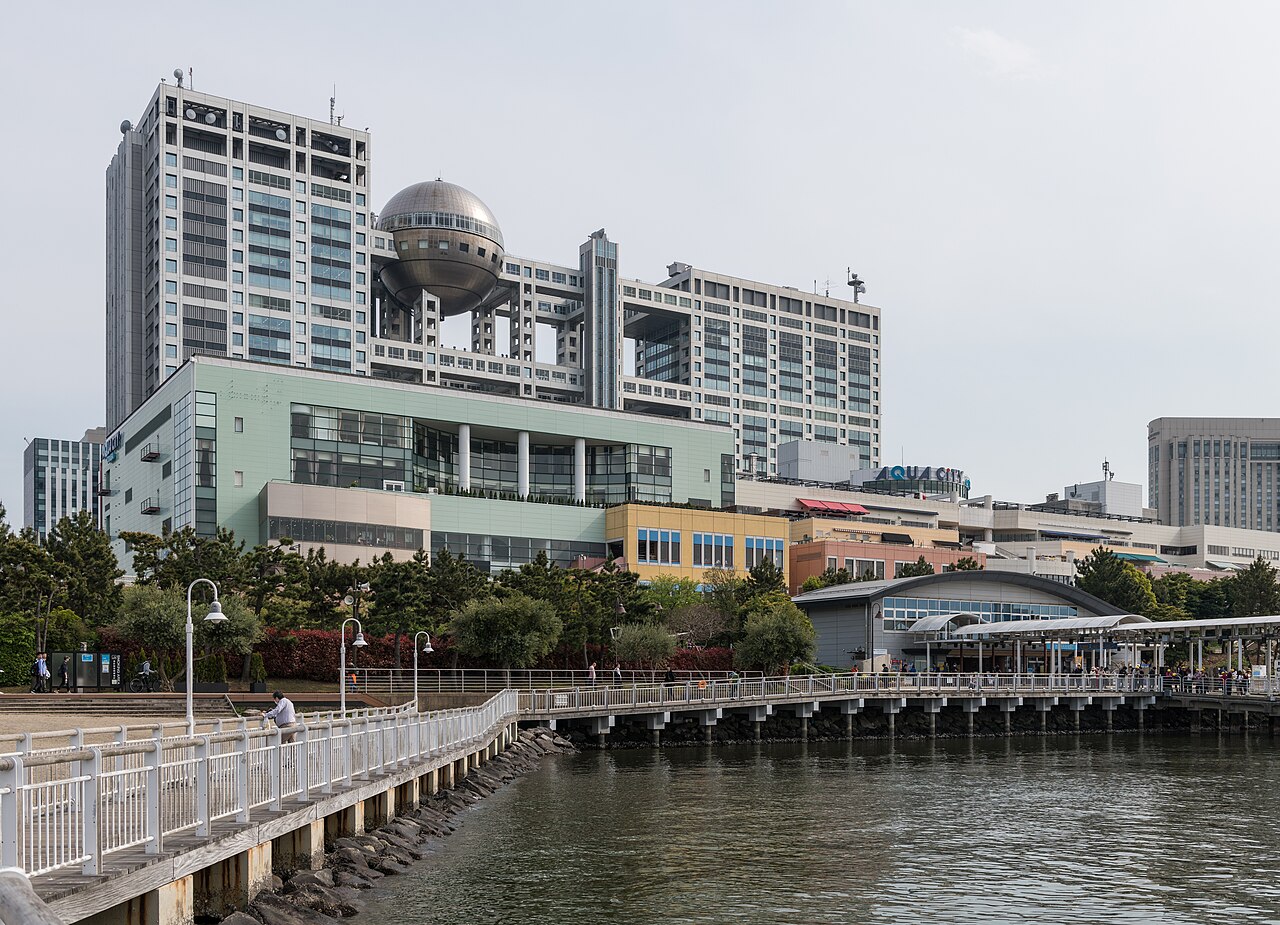
Look up at the Fuji Television headquarters and you find Hachitama, a spherical observatory on the twenty-fifth floor that Fuji Television opens to the general public. The observatory is known for its round shape, and its view covers about two hundred seventy degrees centered on the waterfront sub-center area. Choose this stop when the aim is a wide view over the district rather than a single sight.
Aomi: the Telecom Center Night View, Ship-Watching and the Bridges to Ariake
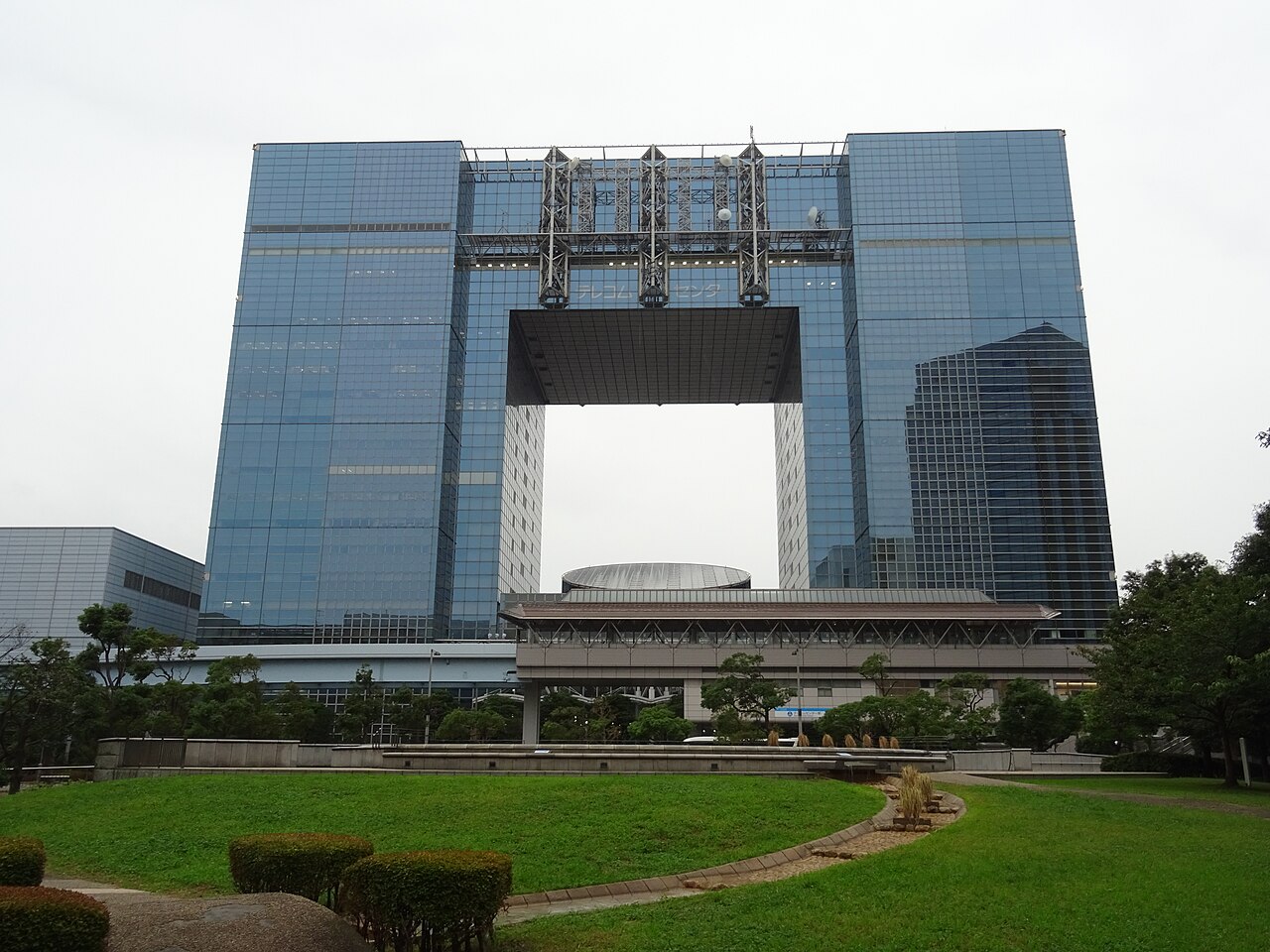
Look out from the observatory on the twenty-first floor of Telecom Center and you see Tokyo Tower, Tokyo Skytree, the Shinjuku new city centre and the Shinagawa wharf. The observatory is certified as a Japan Night View Heritage site, which makes it a stop to save for after dark. Sit at the tables and chairs set out in the spacious observation space, or use the binoculars by the windows.
Watch large container ships carrying international cargo from a pier park in Aomi, where cargo-passenger ships sailing to and from the Izu and Ogasawara Islands can also be seen every day. The observation plaza of the park overlooks ships moving along the Daiichi shipping channel of Tokyo Port. On clear days the ventilation tower of the Tokyo Bay Aqua-Line and the Boso Peninsula can be seen offshore.
Stroll the promenade that connects Aomi and Ariake with three bridges. On clear days Mt. Fuji can be seen from two bridges in the district. One bridge was built on the concept of festival bustle, and its lighting is designed after the standards of Edo firefighters and garden lanterns.
Follow another promenade from Telecom Center toward the Daiba area and you pass objects at various places along the way. A colorful large object also stands in front of one of the bridges. Treat this stretch as a link back toward Daiba rather than a destination in itself.
DECKS Tokyo Beach, AQUA CITY ODAIBA and Indoor Stops on the Waterfront
Look out from DECKS Tokyo Beach, which faces Tokyo Bay, and you see the bay and the Rainbow Bridge in a panoramic view. On clear days the sky and sea merge and Mt. Fuji can sometimes be seen in the distance. Dine at one of its restaurants that look out over Tokyo Bay if the view is the reason for coming.
Browse the two malls that make up DECKS Tokyo Beach, the Seaside Mall and the Island Mall, a complex centered on shopping and restaurants. One shopping street inside lets visitors step back into the Showa era. AQUA CITY ODAIBA is an entertainment shopping city with a cinema complex, which gives a second indoor option.
Stroll the promenade park that links Aomi, Ariake and Daiba, where Heaven Artists perform in designated areas. Look through the exhibits at a customs information plaza, which shows the history and methods of smuggling with evidence items that were actually used, and displays genuine and fake brand-name goods. A water science museum offers participatory exhibits on the appearance, properties and power of water.
Getting to Odaiba
New to rural buses and one-man trains? See how to ride them, step by step.
| Route | Item | Detail |
|---|---|---|
| Yurikamome | Shimbashi to Daiba, then to AQUA CITY ODAIBA | fifteen minutes, then a one-minute walk |
| Rinkai Line | Shinjuku to Tokyo Teleport, then to AQUA CITY ODAIBA | twenty-three minutes, then a six-minute walk |
| Limousine bus | Haneda Airport to Odaiba | thirty-five minutes |
| On foot | Odaiba Seaside Park from Odaiba Kaihinkoen Station or Daiba Station | about three minutes |
If you would rather stay overnight, places to stay in Tokyo is a place to start.
Hours and Fees
| Place | Item | Time or fee |
|---|---|---|
| The Rainbow Bridge promenade | Hours by season | April to October: nine in the morning to nine at night; November to March: ten in the morning to six in the evening; last entry thirty minutes before closing; closed on the third Monday of every month |
| AQUA CITY ODAIBA | Shops, food court and cafes | eleven in the morning to eight in the evening on weekdays; eleven in the morning to nine at night on weekends and holidays |
| AQUA CITY ODAIBA | Restaurants | eleven in the morning to eleven at night every day; some differ |
| DECKS Tokyo Beach | Shops, services, light food and restaurants | shops, services and light food: eleven in the morning to eight in the evening on weekdays, to nine at night on weekends and holidays; restaurants: eleven in the morning to eleven at night on weekdays |
| A customs information plaza | Hours | Monday to Friday, nine in the morning to five in the afternoon |
| Yurikamome | One-day and twenty-four-hour tickets | one-day ticket: eight hundred twenty yen for adults and four hundred ten yen for children; twenty-four-hour ticket: nine hundred yen for adults and four hundred fifty yen for children |
Fees and hours were checked against official sources on 19 November 2026.
Thinking of staying overnight?
Compare places to stay near Tokyo, Japan →
Disclosure: This post may contain affiliate links. If you book through them, we may earn a commission at no extra cost to you.