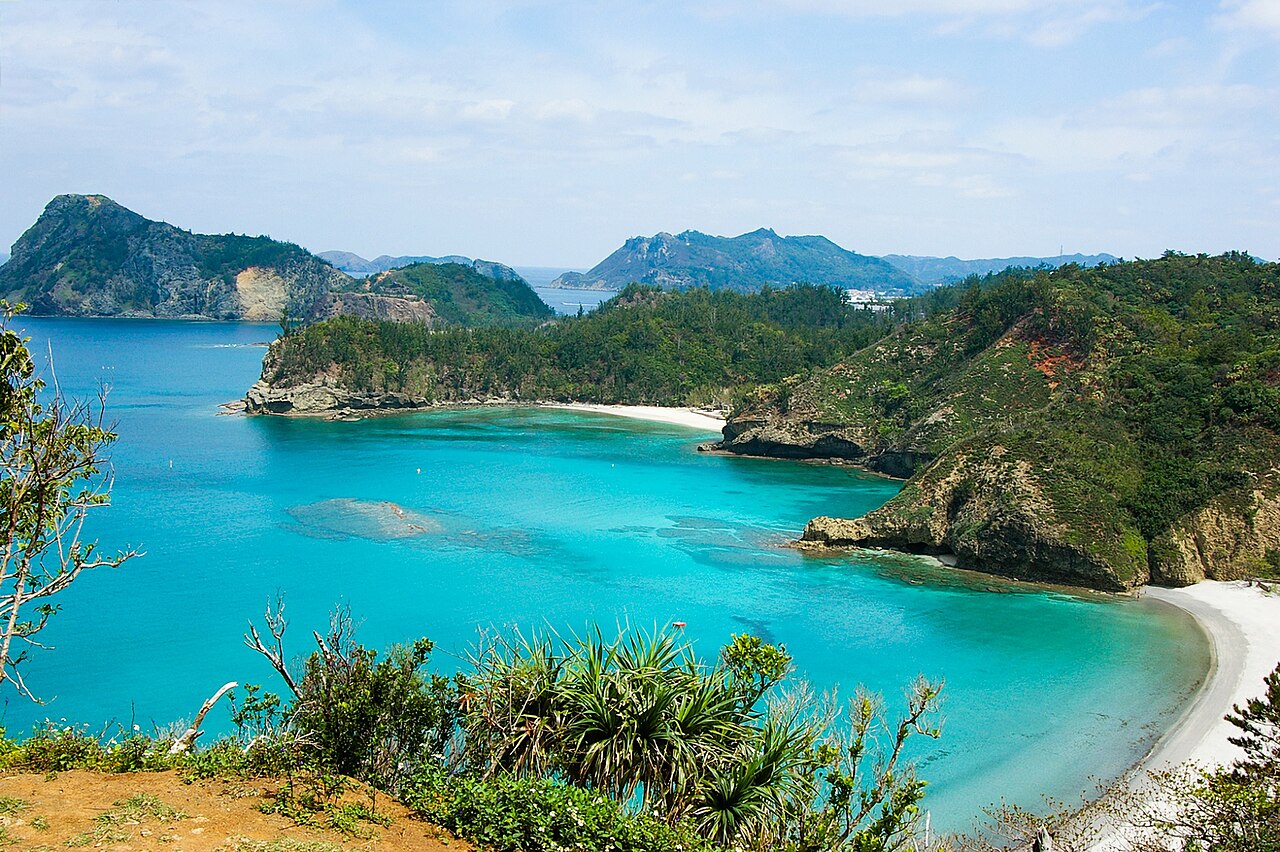
Minami-hando dolphins and long-beaked dolphins can be seen year-round in the waters near Ogasawara, where over twenty types of cetaceans migrate. In the night forest, visitors see the mushroom called Green Pepe, which glows faintly green, and the Ogasawara flying fox in flight. On Chichijima, pillow lava can be observed at Kominato coast. A traditional Ogasawara dish is island sushi, nigiri sushi made with white fish marinated in soy sauce and mirin.
The dolphins, the lava coast, the night forest and the island sushi each add something different, so they can be taken as four separate stops rather than one sight.
Whale Watching, Dolphins and Sea Turtles in the Waters Around the Ogasawara Islands
Whale watching is available in the waters around the Ogasawara Islands. Sperm whale watching is held from May to November, when the sea is stable. Humpback whales come from the northern sea from around the end of December to breed and raise their young. Humpbacks can also be observed from high places on land, and with luck whales are seen jumping offshore from an observation deck.
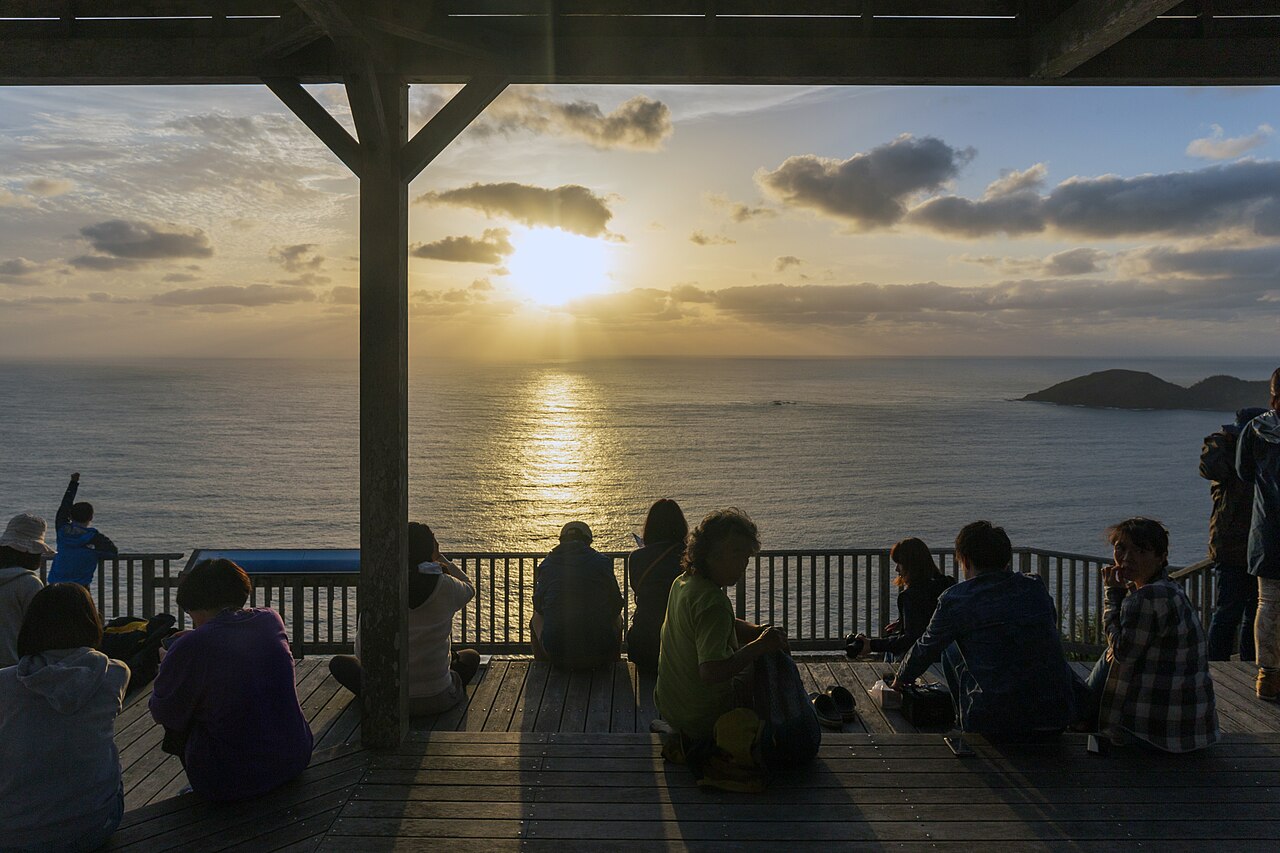
The Ogasawara Marine Center researches and conserves green sea turtles and keeps sea turtles year-round. At the sea turtle class, visitors can learn about sea turtles and touch them directly, including shell polishing. Sea turtles are seen in the sea throughout the year. Green sea turtles lay eggs around June to July, and the eggs hatch in August to September.
Dolphins can be met year-round, while whale watching follows the separate windows of the sperm whales and the humpbacks, so a trip planned around either whale can pair it with dolphins and turtles.
Minamijima, Heart Rock and Bonin Rock: The Stone Side of Chichijima
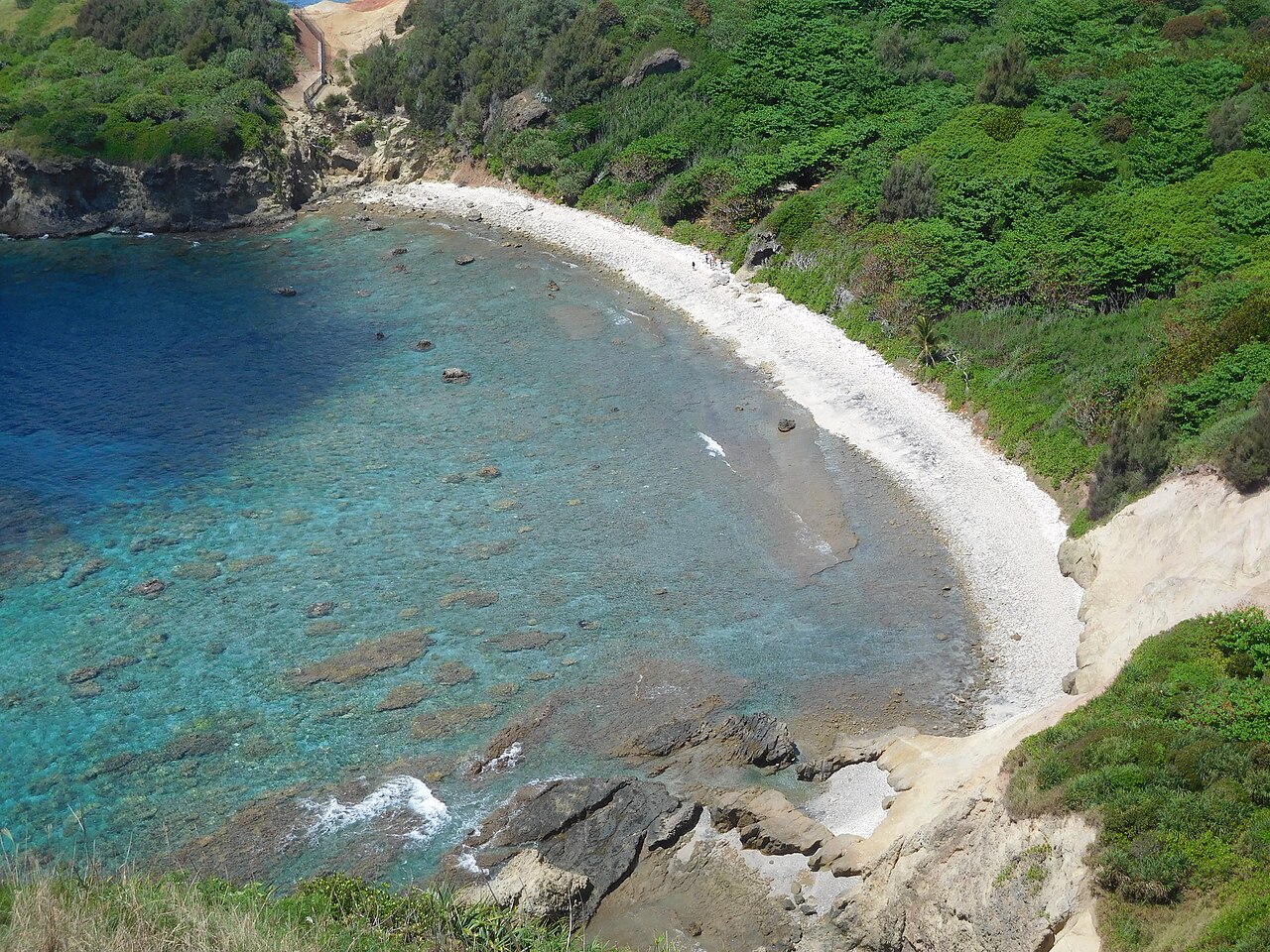
Minamijima is a small uninhabited island off the southwest of Chichijima with submerged karst limestone terrain. Its sights are sharp rocks called lapies and bowl-shaped depressions called dolines, among them Ogiike and Samege-ike. Visitors also see semi-fossilized shells of a snail said to have become extinct long ago. During the sea turtle egg-laying season, the footprints of turtles that came ashore to lay eggs are visible.
Heart Rock is the name given to a red rock face that looks heart-shaped when seen from the sea side. The rock lies in a forest ecosystem reserve, and a guide with forest entry permission accompanies visitors. Bonin rock, formed from cooled magma, can be observed on Chichijima at Miyanohama, the east coast of Tsurihama, and Hatsuneura to Ishiura.
Minamijima and Heart Rock are both rock landscapes, but one is a small island of sharp limestone and hollows, and the other is a single red face shaped like a heart.
Hahajima and the Forests: Nummulite Fossils, Tako-no-ki and Military Remains
Nummulites are fossils of large benthic foraminifera that once lived on the coast of Hahajima. Visitors see them at Nankinhama, Miyukihama, Kōmoridani and other places on Hahajima. An endemic Ogasawara bird lives only on Hahajima in the world.
Tako-no-ki can be seen in various places on both Chichijima and Hahajima. It bears a pineapple-like fruit that is very hard and not sweet, and its aerial roots extend like octopus legs. Air-raid shelters and anti-aircraft guns built by the former Japanese military for defense stand quietly in the forests. Three former Japanese military anti-aircraft guns remain in the jungle.
Where are the nummulite fossils? At the Hahajima places named above, whereas Tako-no-ki grows on either island, so the fossils belong to a Hahajima visit and the tree to both.
Green Pepe and the Ogasawara Flying Fox: A Night in the Forest
Green Pepe is a mushroom that grows wild in a hot and humid climate and glows green in the dark. In Ogasawara, it is often seen on nights after rain from May to November. A night tour with a guide is suggested for seeing the glowing mushroom.
The Ogasawara flying fox belongs to the group of bats called fruit bats and eats fruit, nectar and leaves. It is a designated natural monument. Visitors can meet nocturnal creatures on the seashore as well.
The forest at night holds Green Pepe and the seashore holds nocturnal creatures, which gives a night two settings to choose between.
Island Sushi, Akaba no Misoshiru and Ogasawara Coffee
Island sushi is served with mustard instead of wasabi. Red chili peppers are often served alongside sashimi in addition to wasabi. The red chili pepper is loosened with chopsticks and mixed into the soy sauce before the sashimi is dipped in it. Akaba no misoshiru is a miso soup made with the grouper-family fish akahata, which is called Akaba on the island.
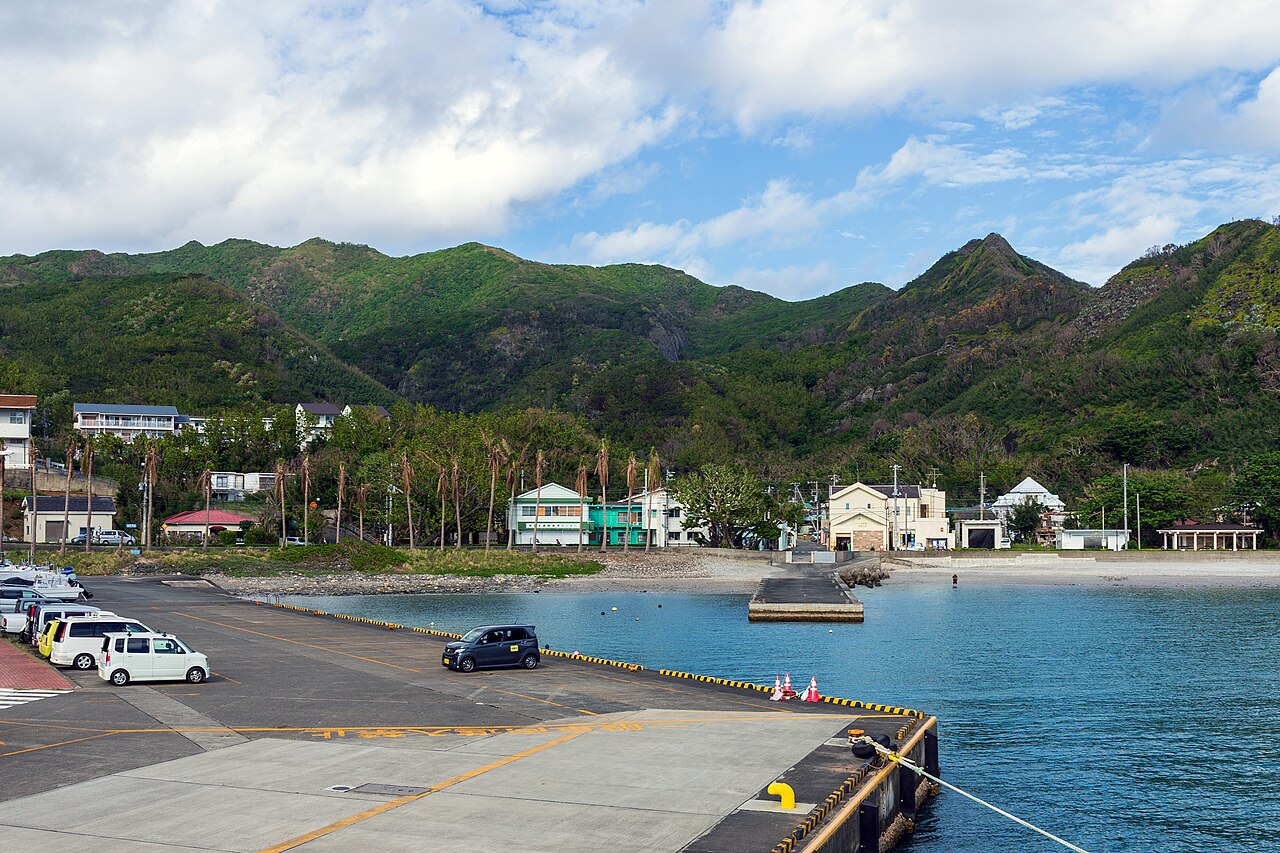
USK Coffee has terrace seats from which the coffee farm is visible directly in front. Ogasawara-grown coffee can be drunk at USK Coffee and Heart Rock Cafe on Chichijima. The taste and history of the coffee can also be learned about on a coffee tour at Nose Farm. Many restaurants, including diners, cafes and izakaya, are located around Futami Port.
Ogasawara rum is made from sugarcane, and a passion liqueur is made by adding passion fruit to rum. During passion fruit harvest season, some people split a passion fruit in two, pour rum over it and drink it together with the pulp. Tropical fruits grown on the islands include passion fruit, lemon, papaya, banana, buntan and starfruit.
If the plan is a first taste of the islands, island sushi is the traditional dish to begin with, and the coffee grown there can follow it.
One Day Around Chichijima: Heart Rock from the Sea, a Coffee Terrace, Island Sushi and a Night Forest
Heart Rock shows its heart shape from the sea side, which makes the red rock face a natural first stop of a day on Chichijima. USK Coffee can come second, with the coffee farm directly in front of its terrace seats. The two stops set a rock landscape beside a drink of Ogasawara-grown coffee.
Island sushi works as the meal of such a day, with mustard taking the place of wasabi. Night settles the last stop, because Green Pepe glows in the dark and a guided night tour is the suggested way into the forest. The four stops form an order to pick from, and how many fit into a single day depends on each visitor's plan.
The glowing mushroom shows after dark, so a stay belongs to the plan: see places to stay on the Ogasawara Islands.
Getting to the Ogasawara Islands, Hours and Fees
New to rural buses and one-man trains? See how to ride them, step by step.
The Ogasawara Visitor Center presents the nature, history and culture of Ogasawara, centered on its nature. Sticky rollers and mats are installed at trail entrances on Chichijima and Hahajima to remove small insects, seeds and soil stuck to clothes, shoes and luggage. The table below gives the crossing times, the village bus fares and lines, and the listed opening times.
| Item | Details (as listed) |
|---|---|
| Ogasawara-maru, Takeshiba Pier to Futami Port on Chichijima | twenty-four hours |
| Haha-maru, Futami Port to Hahajima | about two hours |
| Village bus fares | adult two hundred yen, child one hundred yen; one-day unlimited ride ticket, adult five hundred yen, child two hundred fifty yen |
| Village bus lines | the Ougiura line connects the Omura area, where the Ogasawara-maru arrives and departs, with the Sakaiura, Ougiura, Komagari and Kitafukurozawa areas; the circular line runs in a loop within the Omura area |
| Ogasawara SMILE Cycle | when a single use exceeds thirty minutes, three hundred ninety-six yen is charged for every additional thirty minutes |
| Ogasawara World Heritage Centre | open from nine in the morning to five in the afternoon when the Ogasawara-maru or a sightseeing boat is in port |
Thinking of staying overnight?
Compare places to stay near Ogasawara, Tokyo, Japan →
Disclosure: This post may contain affiliate links. If you book through them, we may earn a commission at no extra cost to you.