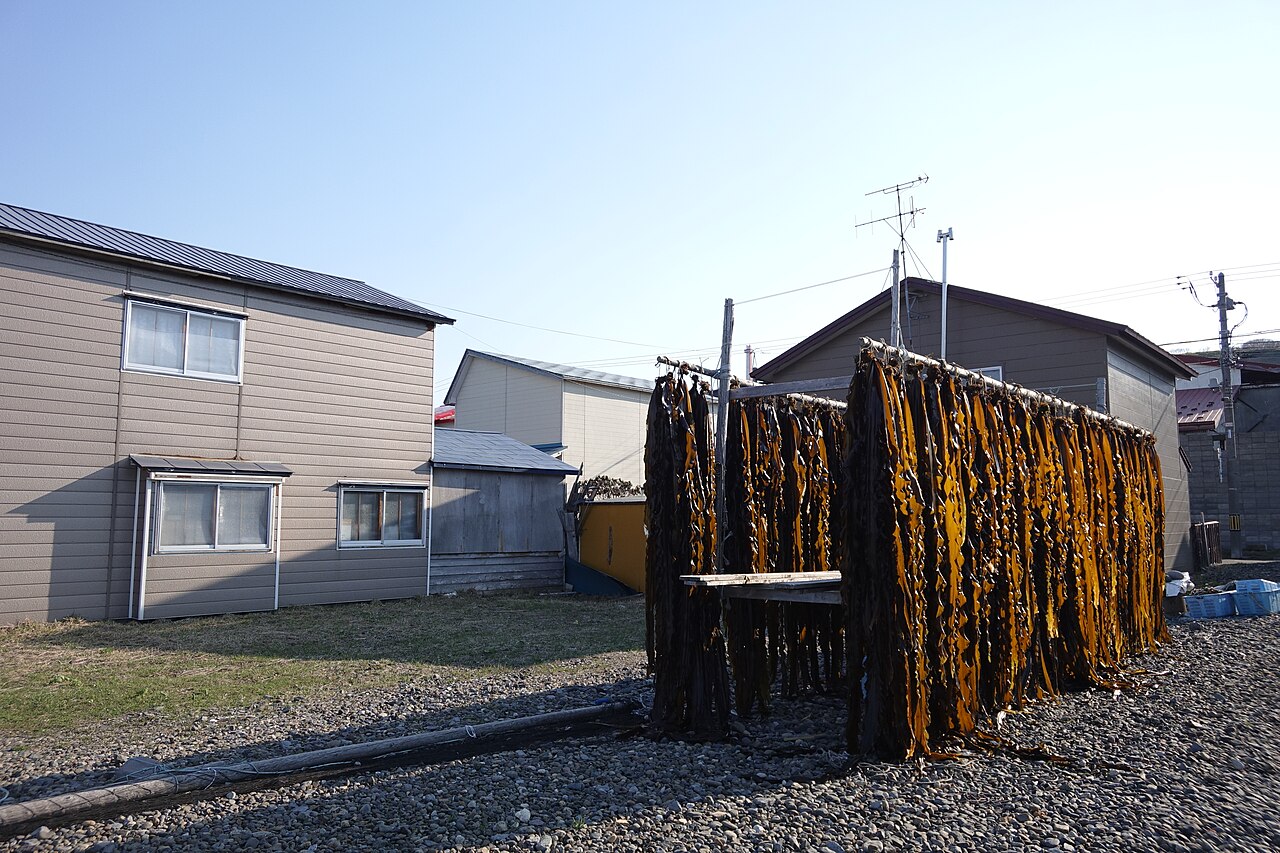
Rishiri kelp is a kelp with a long, narrow blade, and it grows on rocky bottoms. The broth it gives is clear, with a light saltiness. Cooks use it for high-class cooking and clear soups, and for Kyoto dishes such as senmaizuke and yudofu. On Rishiri Island the kelp belongs to the shore as well as the kitchen: once the kelp fishing opens, fishing scenes can be seen on clear, calm days. Visitors can buy kelp at the Rishiri Fishery Cooperative store and at the Rishiri Kanko Shoji souvenir shop, join a kelp souvenir making experience, and crack fresh sea urchin with the tools island fishermen use.
Rishiri kelp on the shore: where it grows and the fishing scenes
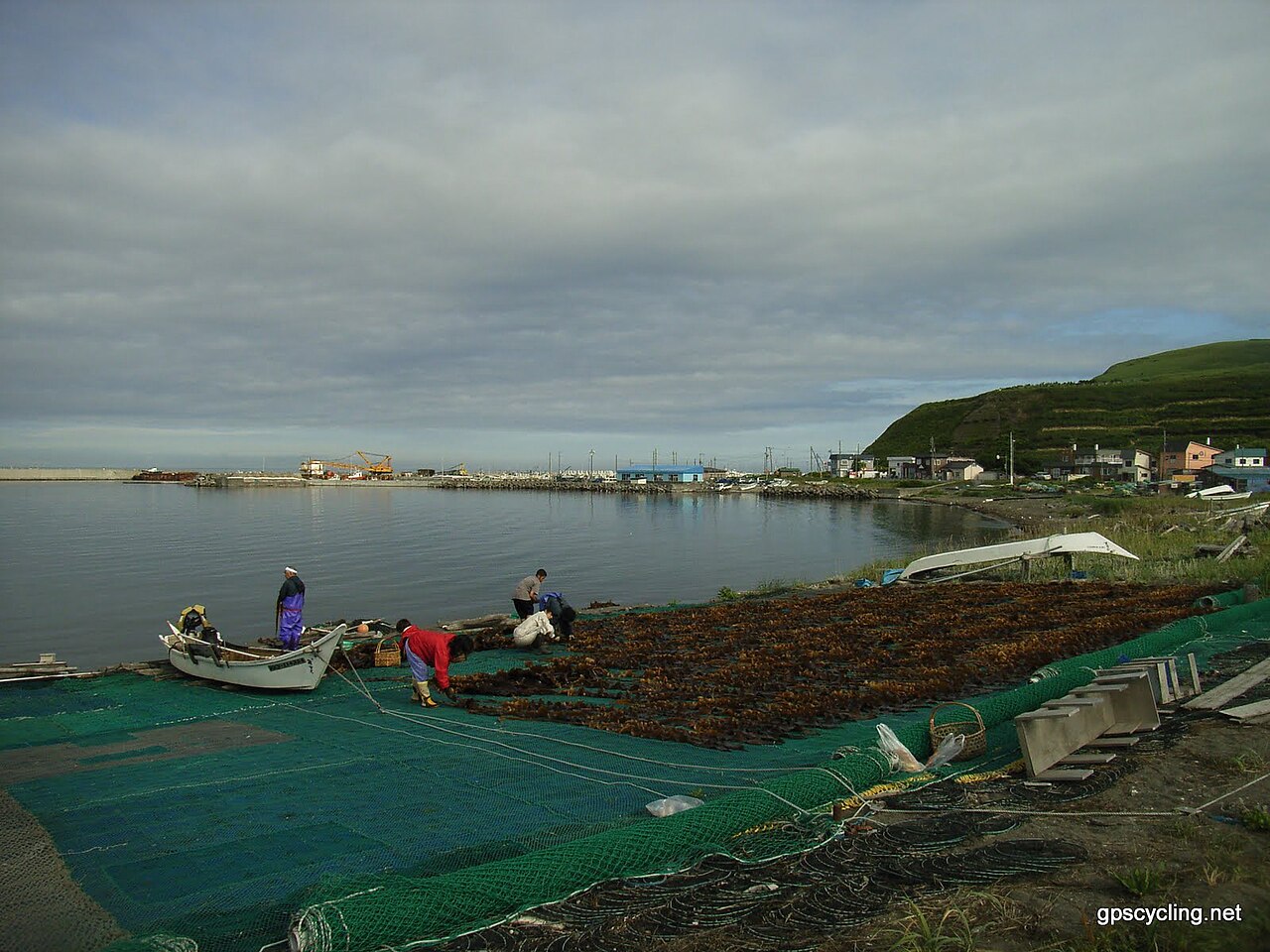
Rishiri kelp begins in the sea around the island, and the coast is where a visitor first meets it. Once the Rishiri kelp fishing opens, kelp fishing scenes can be seen on Rishiri Island on clear, calm days. The weather decides the view, so it helps to keep a flexible day in the plan and head for the coast when the sky is clear and the sea is calm.
Hokkaido states that Rishiri kelp grows on rocky bottoms. The Hokkaido Research Organization states that the Rishiri kelp fishing ground reaches a maximum depth of about fifteen meters, and that the main fishing grounds are between half a meter and seven meters deep.
Kelp shares this coast with other seaweed. Wild seaweed, including kannori and funori, is picked along the coast of Rishiri Island.
Rishiri kelp in the kitchen
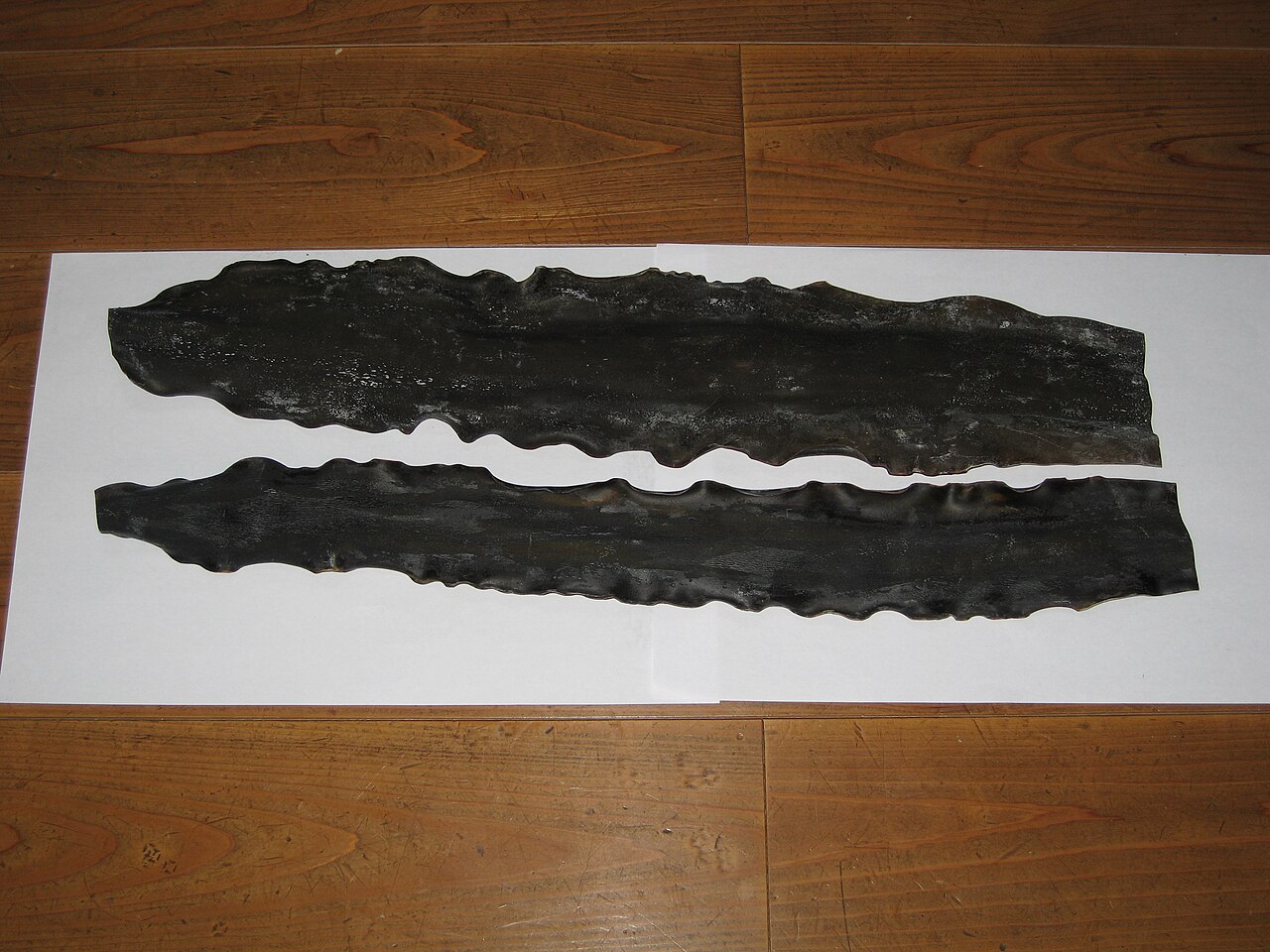
Rishiri kelp has a long, narrow blade shaped like a bamboo leaf. The Hokkaido Research Organization states that the life span of Rishiri kelp is two years.
Rishiri kelp broth is clear with a light saltiness. Hokkaido states that Rishiri kelp is used for high-class cooking and clear soups, and also for Kyoto dishes such as senmaizuke and yudofu. If you want to understand the kelp by taste, a clear soup is a sensible place to start, since it is one of the uses Hokkaido names.
The kelp is also eaten in other forms. Rishiri kelp is processed into oboro kelp and tororo kelp. Rishiri Fuji Town also presents a soft edible kelp suited to kelp rolls and briefly simmered dishes. For a traveler deciding what to carry home, that gives a choice between kelp for broth, processed kelp, and soft kelp meant for eating.
Making and tasting on the island
A kelp souvenir making experience is offered, so a visitor can take part in making a kelp souvenir instead of choosing one from a shelf.
The second activity is about sea urchin. Visitors crack fresh sea urchin and remove the shell themselves, using the fishing tools that island fishermen actually use, and eat it on the spot. Both activities run in a set season, and the details are in the table further down.
Sea urchin also comes in forms that travel. Rishiri Fuji Town's steamed canned sea urchin has a rich sweetness and a smell of the shore brought out by heating. The town also presents a raw sea urchin product made by soaking freshly caught sea urchin in salt water of the same concentration as seawater.
The Rishiri Fishery Cooperative also has frozen items, and its raw sea urchin, abalone and squid can be eaten raw after thawing and are provided all year round. If your visit misses the season for the cracking activity, the canned and frozen products are a way to taste the island's sea urchin.
Compare options
See partner pricing and availability →
Disclosure: This post may contain affiliate links. If you book through them, we may earn a commission at no extra cost to you.
Where to buy Rishiri kelp, and the hours
Rishiri Kanko Shoji is a souvenir shop right in front of Senhoshi Misaki Park. It stocks a wide range of processed kelp products, starting with Rishiri kelp. During the shop's winter break, it takes only kelp shipping orders.
The Rishiri Fishery Cooperative store stands at the port in Rishiri Fuji Town and is run directly by the Rishiri Fishery Cooperative. It sells seafood such as sea urchin, kelp and fish, along with souvenirs and sake. The cooperative's processed products include lightly salted overnight-cured sea urchin, canned steamed sea urchin and salt-water sea urchin packs. The store is about a three-minute walk from Umi no Eki Oshidomari.
If kelp is the main purchase, start with Rishiri Kanko Shoji for its range of kelp products. If you want sea urchin and fish alongside kelp, the cooperative store carries them. Times can change, so use the table below as a guide and confirm the details before you set out.
| Place or activity | Hours | Days or season |
|---|---|---|
| Rishiri Kanko Shoji shop | Eight-thirty to five in the afternoon from June to September; nine to five in the afternoon in May and October | Late May to early October |
| Rishiri Fishery Cooperative store | Eight-thirty to five in the afternoon | Closed on Saturdays and Sundays |
| Kelp souvenir making | Nine-thirty to four-thirty, with last reception at four in the afternoon | From the first of June to the thirtieth of September |
| Sea urchin cracking | Nine-thirty to four-thirty, with last reception at four in the afternoon | From the first of June to the thirtieth of September |
The kelp souvenir making experience costs two thousand yen including tax. The sea urchin cracking experience costs two thousand yen including tax for one kitamurasaki urchin. A sea urchin cracking session takes up to thirty minutes of your day.
Sea urchin: the season and the limits
When the sea urchin fishing opens on Rishiri Island, fresh sea urchin can be eaten. The Minato Beer Garden has stalls selling grilled sea urchin, octopus and scallops, and it includes sea urchin picking. The Minato Beer Garden is held every year in the middle of July.
The season has limits. Sea urchin fishing on Rishiri Island is strictly regulated and runs for only about three months a year, to protect the resource. If fresh sea urchin is the reason for the trip, plan around the fishing season and confirm the timing before you settle your travel days.
Before you go
A visit built around kelp fits inside a wider trip to the island, and the guides below cover the rest. Sailings link Wakkanai and Rishiri, and Rishiri and Rebun. For the island itself, see the Rishiri Island guide. For a bowl that uses the island's kelp, see the Rishiri ramen guide.
If you are planning a longer trip, see the Rishiri, Rebun and Sarobetsu guide. If you want to climb the mountain itself, see the Mount Rishiri hiking guide. If you want a base on the island, you can browse places to stay on Rishiri Island. Check official information before visiting.