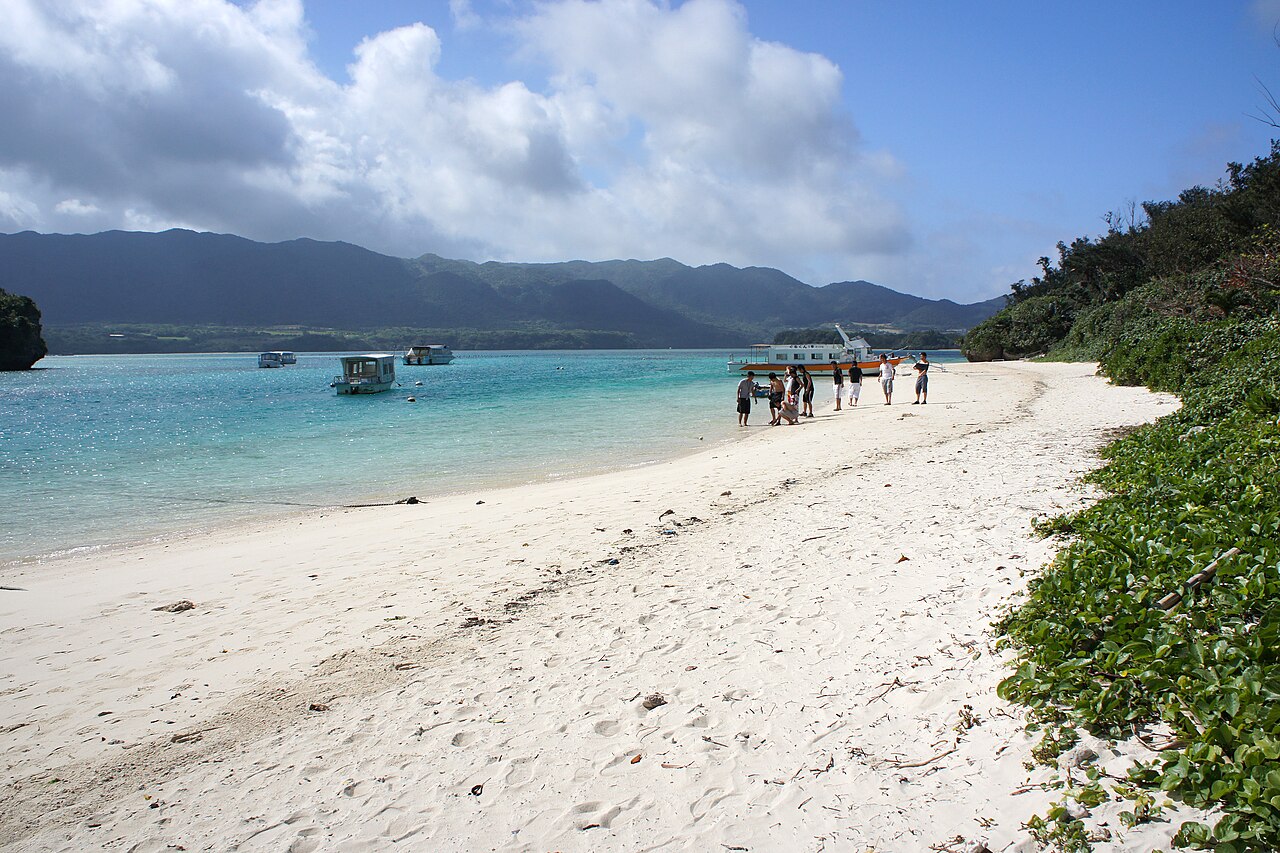
In the seas around Ishigaki Island in Okinawa, manta rays and sea turtles can be seen. Kabira Bay spreads a white sand beach and an emerald green sea into a single panorama. Underground, the Hall of Gods Sculpture in Ishigaki Island Limestone Cave holds a large stone pillar and numerous stalagmites. Overhead, eighty-four of the eighty-eight constellations shine over Ishigaki, the Southern Cross among them.
Travelers who want sea, cave and sky together can pair the emerald water of Kabira Bay with the stalagmites of the limestone cave and the star-sky reserve, certified as an area with little light pollution.
Kabira Bay, Yonehara and Sukuji Beach: Glass-Bottom Boats, Coral and Snorkeling
Kabira Bay has a white sand beach and an emerald green sea, and the bay is designated a national place of scenic beauty. The glass-bottom boat tour takes visitors to see various corals, colorful tropical fish and sea turtles, along with the scenery of Ishigaki Island seen from the bay. The boat ride takes about thirty minutes.
Yonehara coast is home to many corals, fish and other living creatures, and it forms part of Iriomote-Ishigaki National Park.
Sukuji Beach has a white sand beach that continues along the shore.
Jelly Fish takes visitors snorkeling with a guide, entering the water from the beach, where sea turtles and Nimo can be seen. It also holds sea kayak outings to the Blue Cave.
For the panorama of white sand and emerald sea, start at Kabira Bay; for corals, tropical fish and sea turtles, take the glass-bottom boat; and to get into the water on Ishigaki Island, go snorkeling with the Jelly Fish guide.
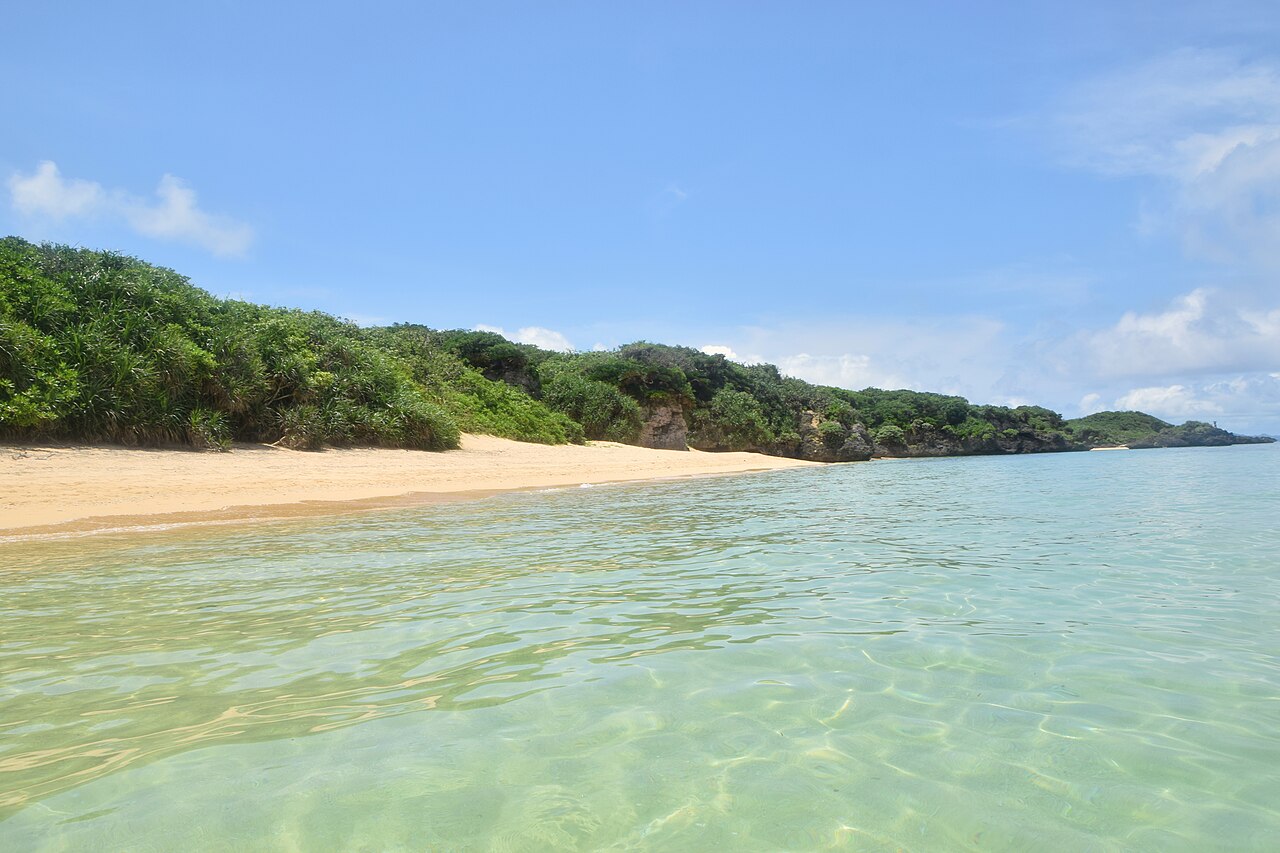
Ishigaki Island Limestone Cave and Sabichi Cave: Stalagmites, Shell Fossils and a Mozuku Bowl
Ishigaki Island Limestone Cave has illumination fitted in part of the cave. Fossils such as giant clam shells can be seen inside. In the Hall of Gods Sculpture, a large stone pillar stands among numerous stalagmites.
Ishigaki Island Limestone Cave also has a cafeteria attached to the cave that serves Okinawan home-style cooking. Its mozuku bowl is made with minced Agu pork and thick mozuku seaweed grown in Yaeyama. The grounds include a shop as well.
Sabichi Cave lets visitors walk in until the sound of the sea and the scent of the tide become noticeable. Ihara Bay, tinted emerald green, then opens out ahead.
Anyone choosing between the two can pair the stone pillar and shell fossils of Ishigaki Island Limestone Cave with a mozuku bowl at its cafeteria, or choose Sabichi Cave for the sound of the sea and the emerald bay beyond.
Starry Skies Over Ishigaki Island: Dark-Sky Reserve, Observatory and Star Tour
Ishigaki was certified as a star-sky reserve by the International Dark-Sky Association in twenty eighteen, as an area with little light pollution. Eighty-four of the eighty-eight constellations shine over the island, and the Southern Cross is one of them.
Ishigaki Island Astronomical Observatory has a rooftop that offers a view of the Yaeyama islands.
Ishigaki Island Hoshizora Farm runs a star tour in which visitors sit in reclining chairs. A specialist star guide uses a laser pointer to introduce the seasonal stars and constellations. The farm stands on a cape surrounded by the sea, with a view of the whole sky in three hundred sixty degrees.
Between the two, the observatory rooftop is the choice for a view of the Yaeyama islands, and the Hoshizora Farm star tour is the choice for a guide who points out the seasonal constellations.
Capes, Lookouts and Nagura Anparu: Tamatorizaki Observatory, Kannonzaki Lighthouse and a Ramsar Wetland
Hirakubo Peninsula, in the northeast of Ishigaki Island, runs out to a cape at its northernmost tip.
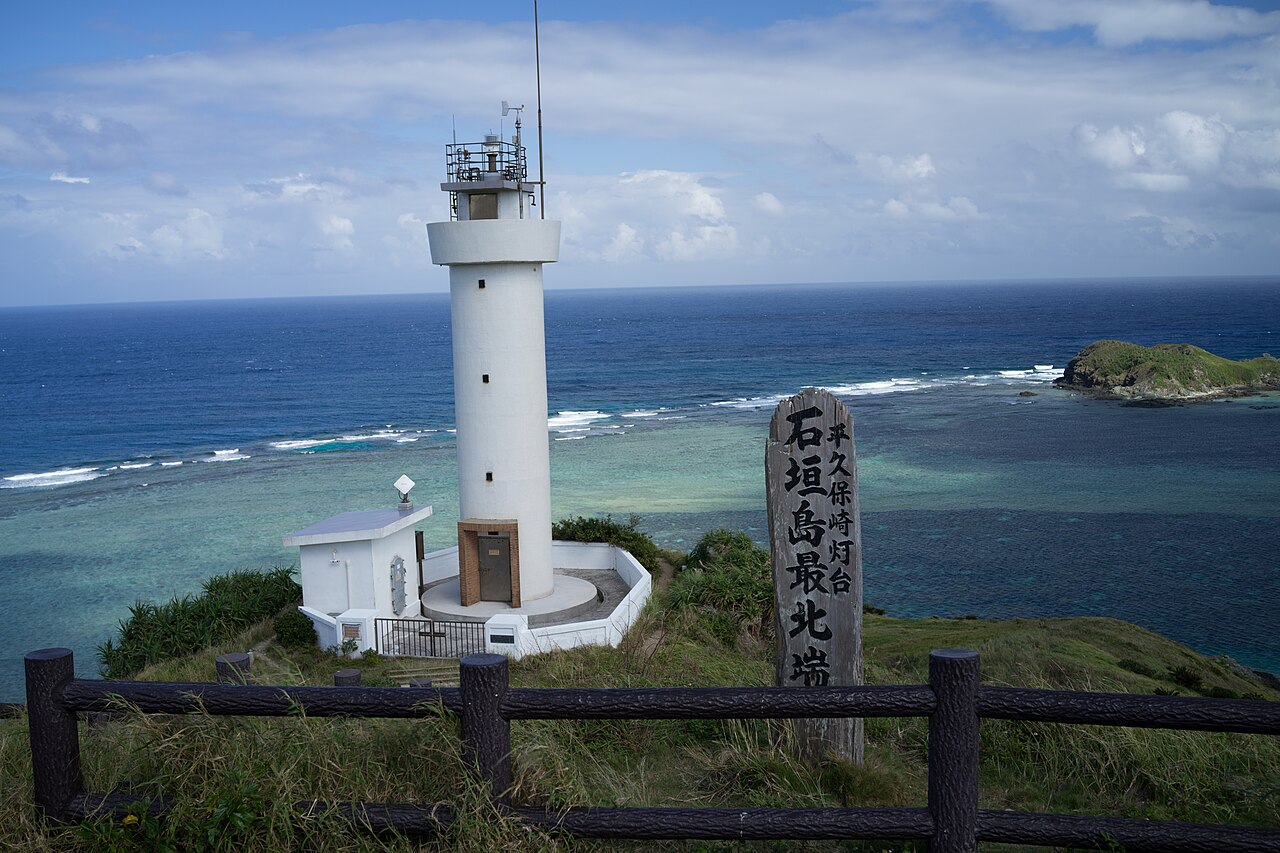
Tamatorizaki Observatory looks out over Ihara Bay on the left, with Hanna-dake straight ahead and the coral reef on the right. Hibiscus flowers bloom year-round along the walking path that leads to it.
Ugamizaki Lighthouse stands at the tip of Ugamizaki. Many people come to the cape at sunset to see the sun go down over the remote islands.
Kannonzaki Lighthouse lets visitors see the silhouette of Kohama Island to the west and, beyond it, Iriomote Island. A large gazebo there allows them to look at the scenery while avoiding the sunlight.
Nagura Anparu is the wetland, sandbar and tidal flat around the point where the Nagura River flows into the sea. Visitors can see rare crabs and fish up close among the subtropical creatures living there. The wetland was registered under the Ramsar Convention in two thousand five, and bird watching, shellfish gathering at low tide and fishing are done here.
Which one to pick depends on the view: Tamatorizaki Observatory for Ihara Bay with Hanna-dake ahead, Kannonzaki Lighthouse for the silhouettes of Kohama Island and Iriomote Island, and Nagura Anparu for rare crabs and fish up close.
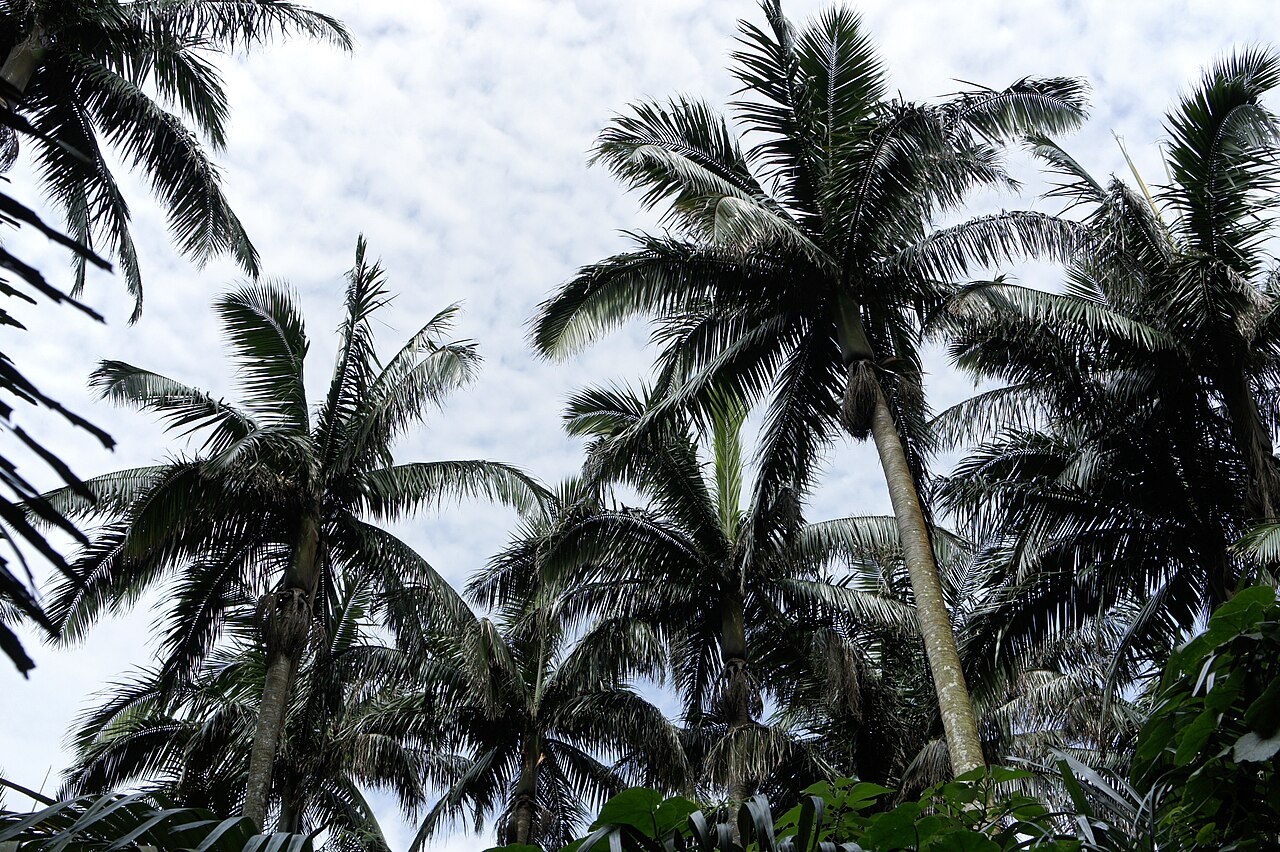
Island Food, Old Houses and Sanshin Evenings: Ishigaki Beef, Yaeyama Soba and Gelato
Pozaa-obasan serves homemade dishes made with natural ingredients at a restaurant surrounded by nature. The restaurant stands on a hill near Kabira Bay, with the coral reef spread out in front of it.
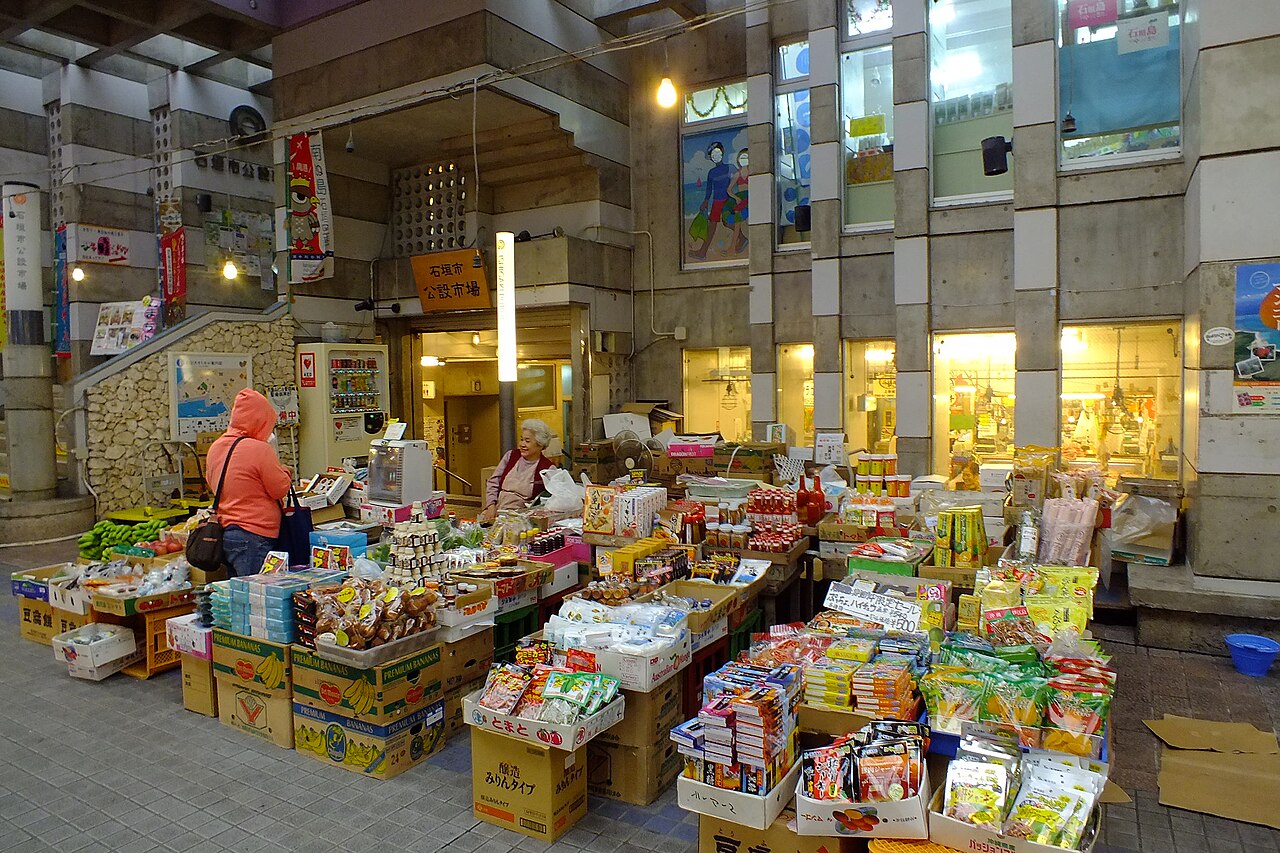
Ishigaki Mirumiru Honpo sells gelato made with island fruit and freshly squeezed milk from its own production. Beef bowls and hamburgers made with island beef are served there too.
Ishigaki Yaima Village lays part of its mangrove walk out as a wooden deck, so visitors can observe without dirtying their feet. Audio guidance explaining local culture and the village plays in each old house.
Miyara Donchi has a dry-landscape garden designated a national place of scenic beauty.
Funakura no Sato has a courtyard where visitors can stroll and a souvenir gallery they can use. Live sanshin singing is offered there in the evening.
Torin-ji was founded in sixteen fourteen at the instigation of the Ryukyu king.
For a hillside restaurant facing the coral reef, pick Pozaa-obasan; for gelato and island-beef bowls, Ishigaki Mirumiru Honpo; for live sanshin in the evening, Funakura no Sato. Elsewhere on Ishigaki Island, Ishigaki beef and island vegetables are eaten on a wooden deck under a sky full of stars, and Yaeyama soba and garlic shrimp are sold at a terrace-style food court.
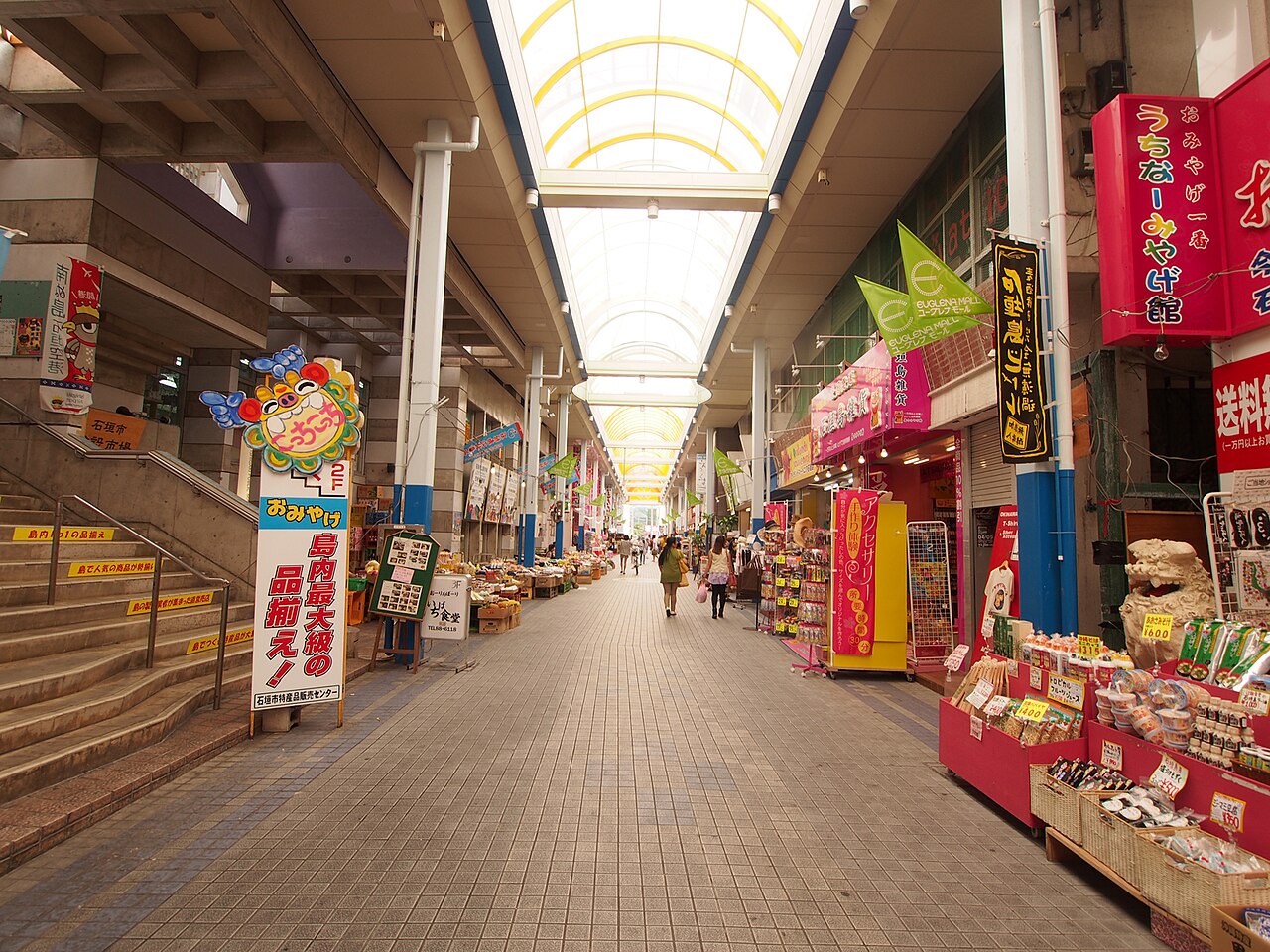
One Day Around Ishigaki Island, in Order of the Hours
The hours of four spots line up in this order from morning to night, though the list does not promise that all four fit into one day.
- Kabira Bay sends out its first glass-bottom boat at nine in the morning, with departures every fifteen minutes.
- Ishigaki Island Limestone Cave is open from nine in the morning to half past six in the evening, with last admission at six.
- Funakura no Sato offers live sanshin singing from half past six in the evening.
- Ishigaki Island Hoshizora Farm lists its star tour for nine to ten at night.
Funakura no Sato is closed on Wednesdays, so the evening stop needs another day of the week.
Getting to Ishigaki Island
New to rural buses and one-man trains? See how to ride them, step by step.
| Route | Item | Detail |
|---|---|---|
| Plane | From Naha Airport to Ishigaki Island | about one hour |
| Bus | Ishigaki Airport to the Ishigaki Port Offshore Islands Terminal, Azuma Unyu, one way | five hundred fifty yen; round trip, adults one thousand yen and children five hundred yen |
| Bus pass | Azuma Unyu one-day pass, valid twenty-four hours | adults one thousand yen, children five hundred yen; three-day Michikusa pass, adults two thousand yen and children one thousand yen |
| Payment | Route buses | cash or a contactless-payment credit card only; transport IC cards, Edy and WAON cannot be used |
If you would rather go with a guide, tours that start from Ishigaki are listed on a booking site.
Hours and Fees
| Place | Item | Time or fee |
|---|---|---|
| Glass-bottom boat at Kabira Bay | Departures and fares | first boat at nine in the morning, every fifteen minutes; last boat at five in the afternoon; adults twenty-three hundred yen; children twelve hundred yen |
| Ishigaki Island Limestone Cave | Hours | nine in the morning to half past six in the evening, last admission at six; no regular closing days |
| Ishigaki Island Astronomical Observatory | Hours | ten in the morning to ten at night; closed on Mondays and Tuesdays |
| Ishigaki Island Hoshizora Farm | Star tour hours | nine to ten at night |
| Funakura no Sato | Hours | eleven in the morning to two in the afternoon and five to ten in the evening; closed on Wednesdays |
| Pozaa-obasan | Hours | eleven in the morning to two in the afternoon |
Fees and hours were checked against official sources on 20 November 2026.
Compare options
See partner pricing and availability →
Disclosure: This post may contain affiliate links. If you book through them, we may earn a commission at no extra cost to you.