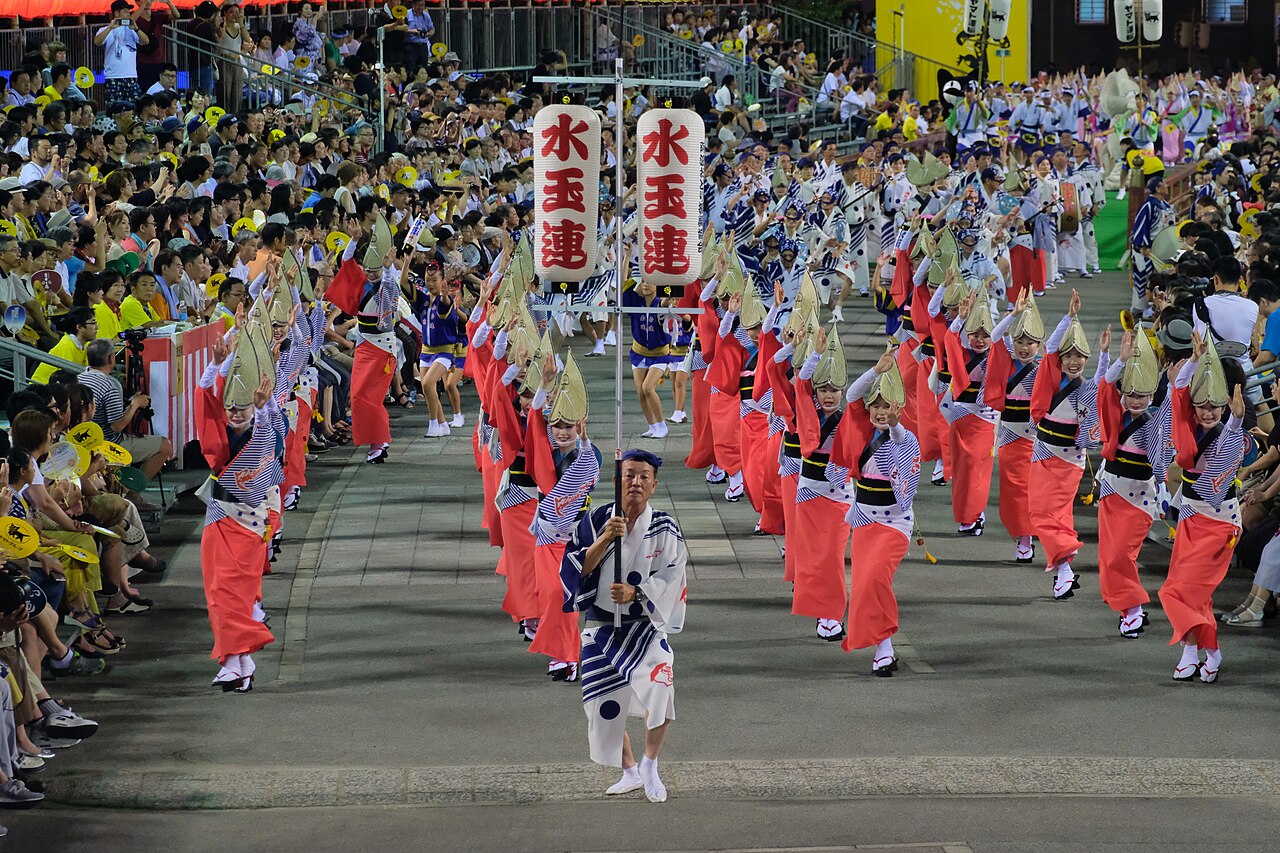
During the festival, Tokushima takes on a carnival-like atmosphere. Troupes of dancers called ren parade through the streets, accompanied by musicians playing traditional instruments, and the whole central area of the city is swept up in dancing. Outside those dates the dance can still be watched and tried at Awa Odori Kaikan.
How the Awa Odori Is Danced
Watch the men and you see a low posture, knees and feet pointing outward. The women usually perform in tight formation, balancing on the front of their wooden geta sandals with their hands held high. Men are usually dressed in happi, a short festival coat, while women dress in colorful kimono and amigasa, a braided straw hat with a half-moon shape.
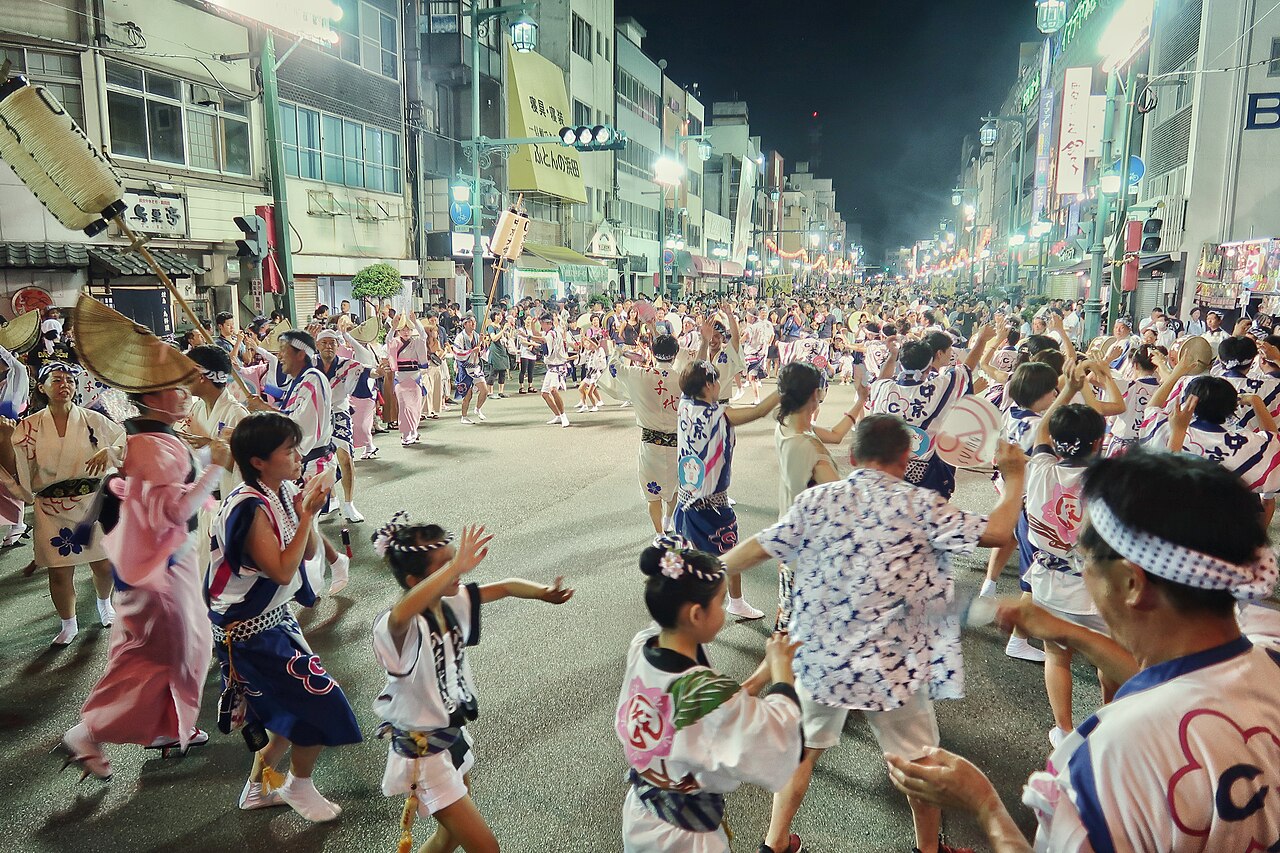
The sound comes from narimono, an ensemble of traditional instruments playing lively music in double-time: bass and rhythm drums, a flute, a shamisen and a handheld gong that sets the tempo. Ren parade through the festival streets with one or more members in the lead carrying a bamboo pole hung with takahari chochin, paper lanterns that show the troupe's name.
There is also an allocated time during the festival when the niwaka-ren, a drop-in team, appears and everyone is invited to join in. A saying sums up the tradition: raise your hands, move your feet, and that is Awa Odori.
Awa Odori Kaikan: Watching and Joining In
Awa Odori Kaikan is where the dance can be seen outside the Obon season, and its Awa Odori Hall is a dedicated hall for watching it. During the performance the dancers give a lecture on Awa Odori.
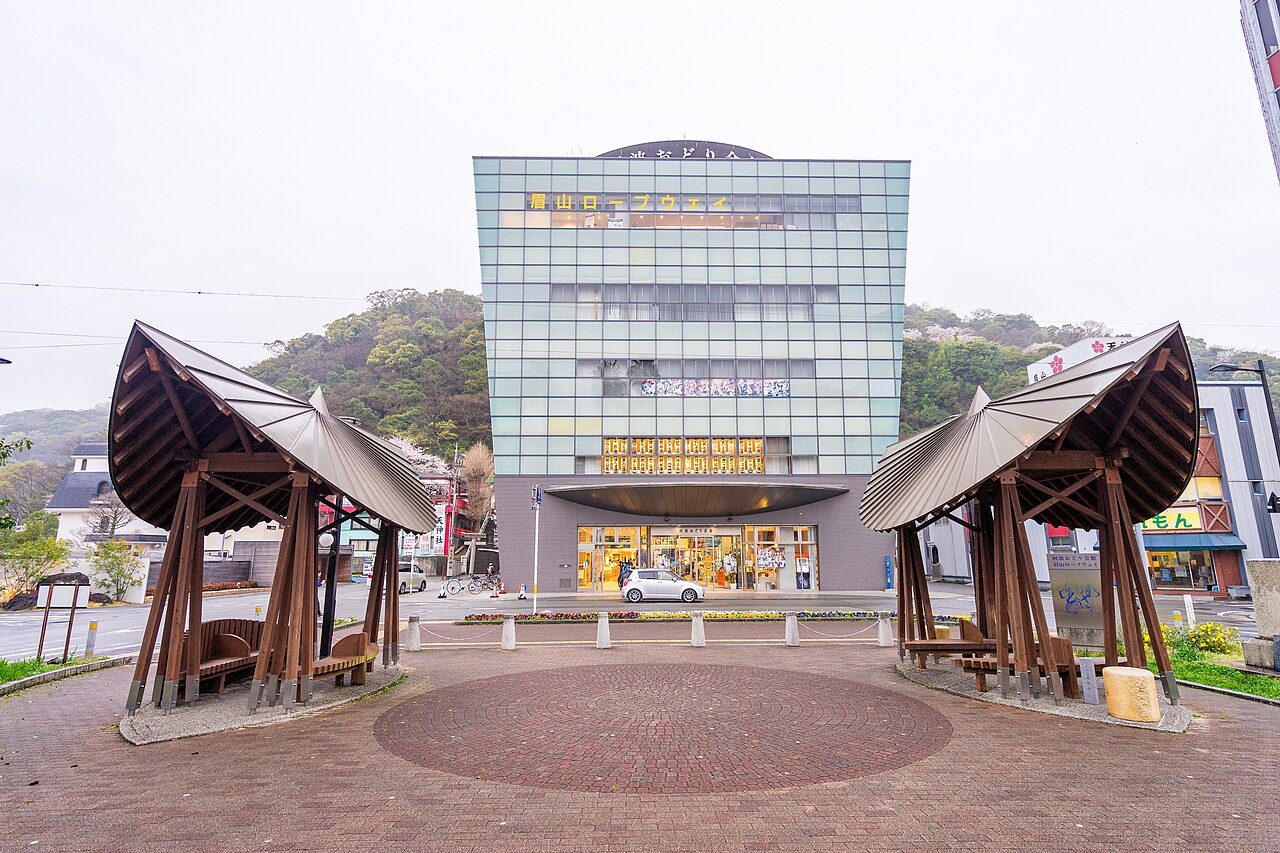
Both the daytime and evening shows include a participation corner in which the audience dances Awa Odori under the guidance of the dancers. The evening show features an uninhibited, powerful men's dance and a delicate, graceful women's dance with a stylish strength, performed by thirty-three dance groups that take turns day by day.
In the museum, visitors can see costumes, props and narimono instruments of past and present, violins among them, while photographs and documents tell the story of the dance's origin and its changes up to the present.
Hyotanjima Boat Ride and the Shinmachi Riverside
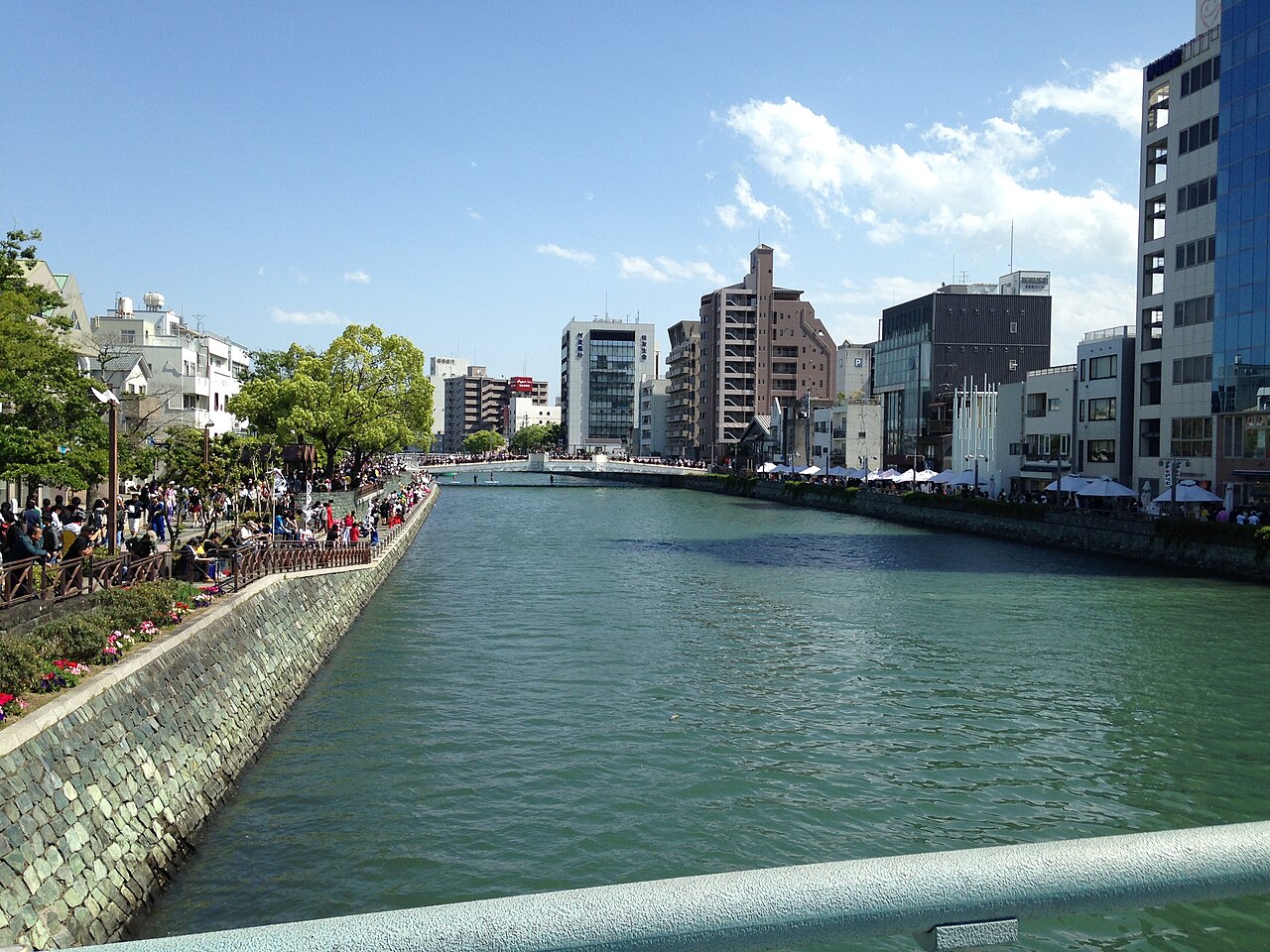
The Hyotanjima circuit boat circles Hyotanjima, a sandbar in central Tokushima surrounded by the Shinmachi River and a second river. The cruise runs without a roof, so passengers can wave to people walking in the park and take in the view of Mt. Bizan from the water. Tokushima has a reputation as a windy city, and on the boat the wind hits the whole body even more.
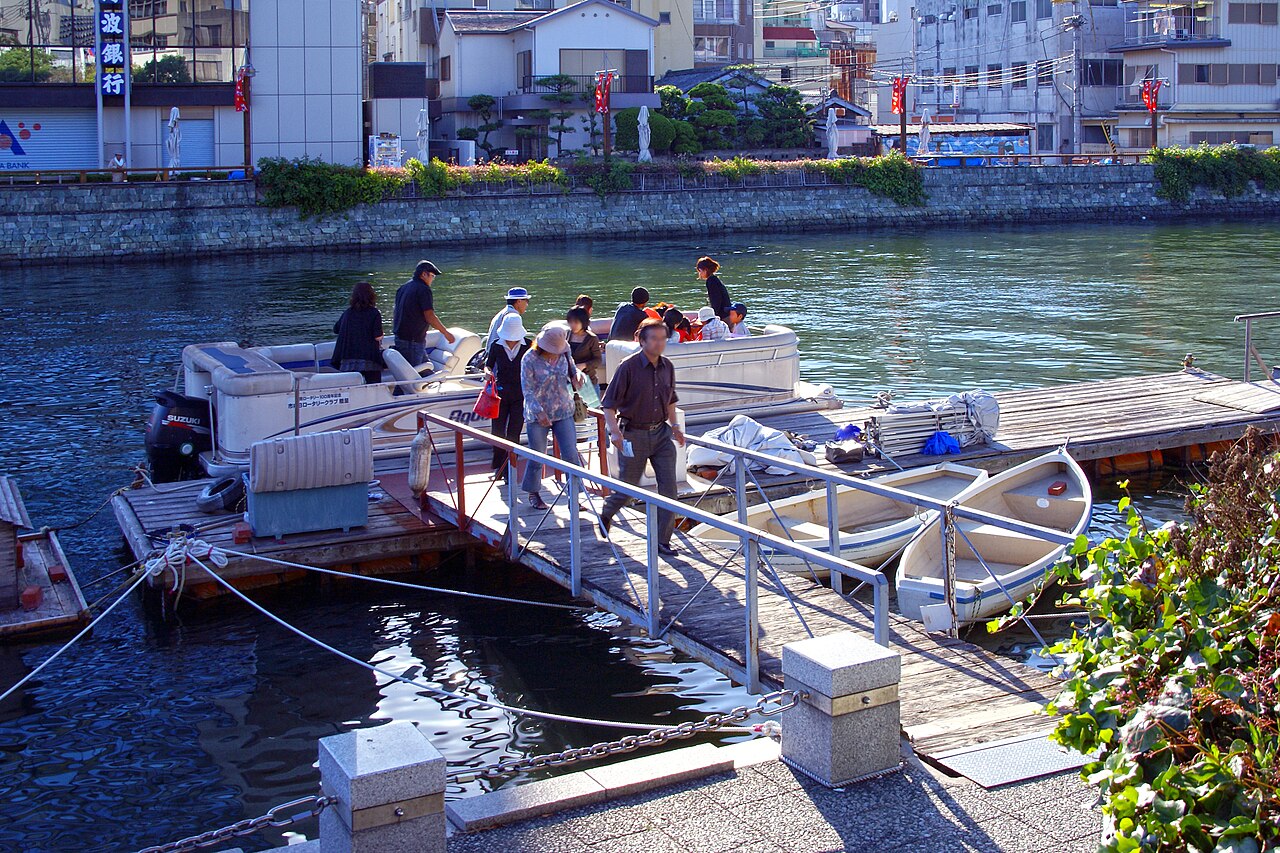
Around the cherry blossoms, blossom viewers, people taking graduation photos and nursery-school children have gathered and waved warmly to those on the boat. Further along, the boat meets a low bridge.
Shinmachi River Waterside Park shows a different face by day and by night: water art such as spring water, waterfalls and fountains by day, and illuminations that light the park at night. Across the river is a boardwalk of warm, gentle wood, busy with various events.
Mt. Bizan Ropeway and the Castle Park
The Awagin Bizan Ropeway starts from the fifth floor of Awa Odori Kaikan and reaches the summit of Mt. Bizan in about six minutes. From the car window, cherry blossoms and autumn leaves on the mountain and the Tokushima cityscape can be seen close at hand. From the observation deck of Bizan Park at the summit there is a beautiful night view, and on a fine day Awaji Island and the Kii Peninsula can be seen in the distance. The night view was selected as one of Japan's one hundred night views. Mt. Bizan, the symbol of Tokushima City, is recited in a verse of the Manyoshu.
In the castle park, Washi Gate is a restoration of the main gate of the former Tokushima Castle that once stood on this ground, and a Momoyama-style garden was built for the Hachisuka family, lords of Tokushima.
Tokushima Ramen, Sudachi and Sweets
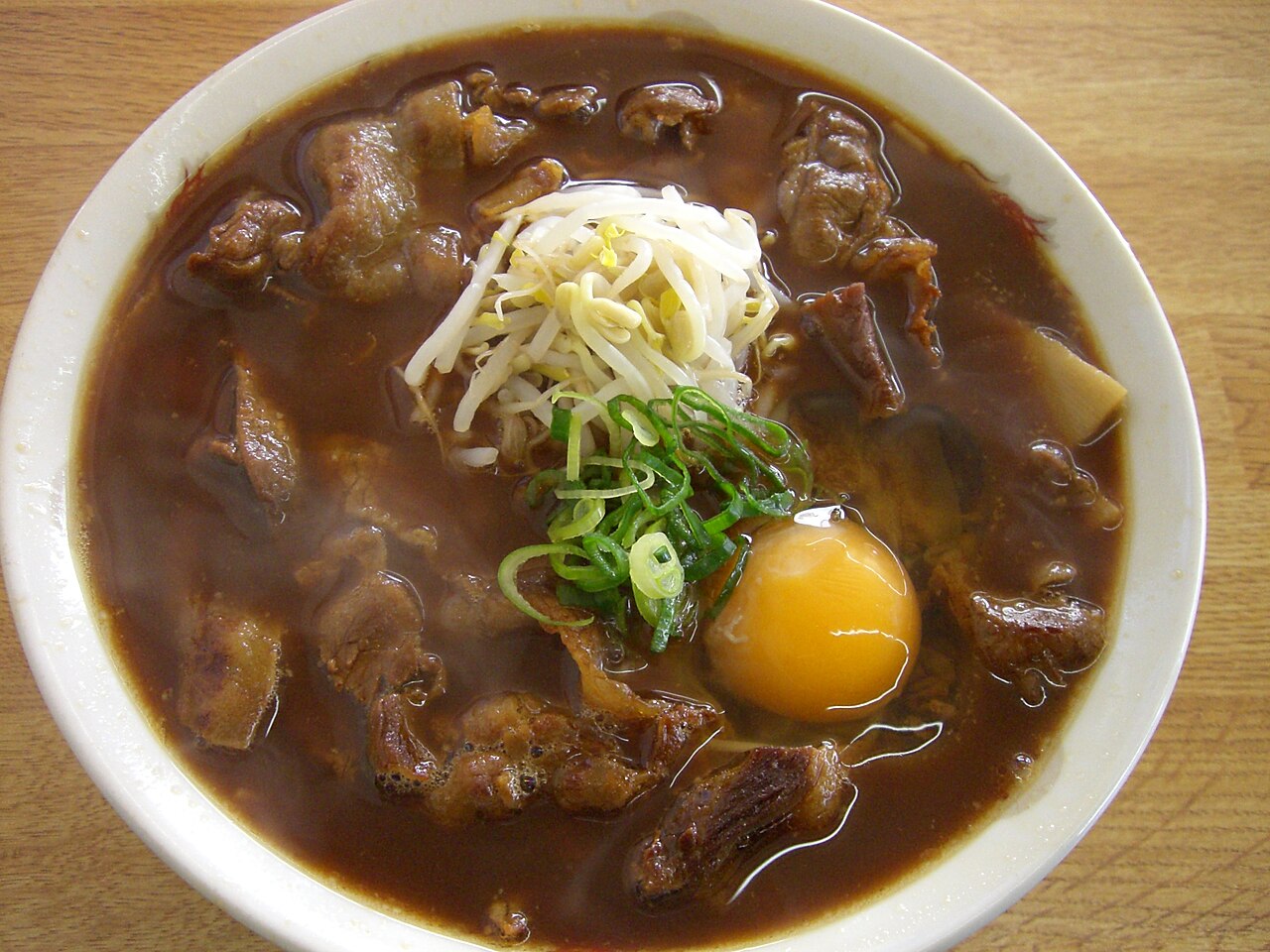
Tokushima Ramen has a brown soup, pork belly and raw egg toppings, and a style of eating it together with rice. The soup varies by shop, with brown, yellow and white types of broth. At one shop the soup is slightly sweet, a pork-bone and soy sauce base combined with chicken-bone soup, and the bowls come topped with sweet-and-savory simmered pork belly, menma and green onion, with a raw egg as an option.
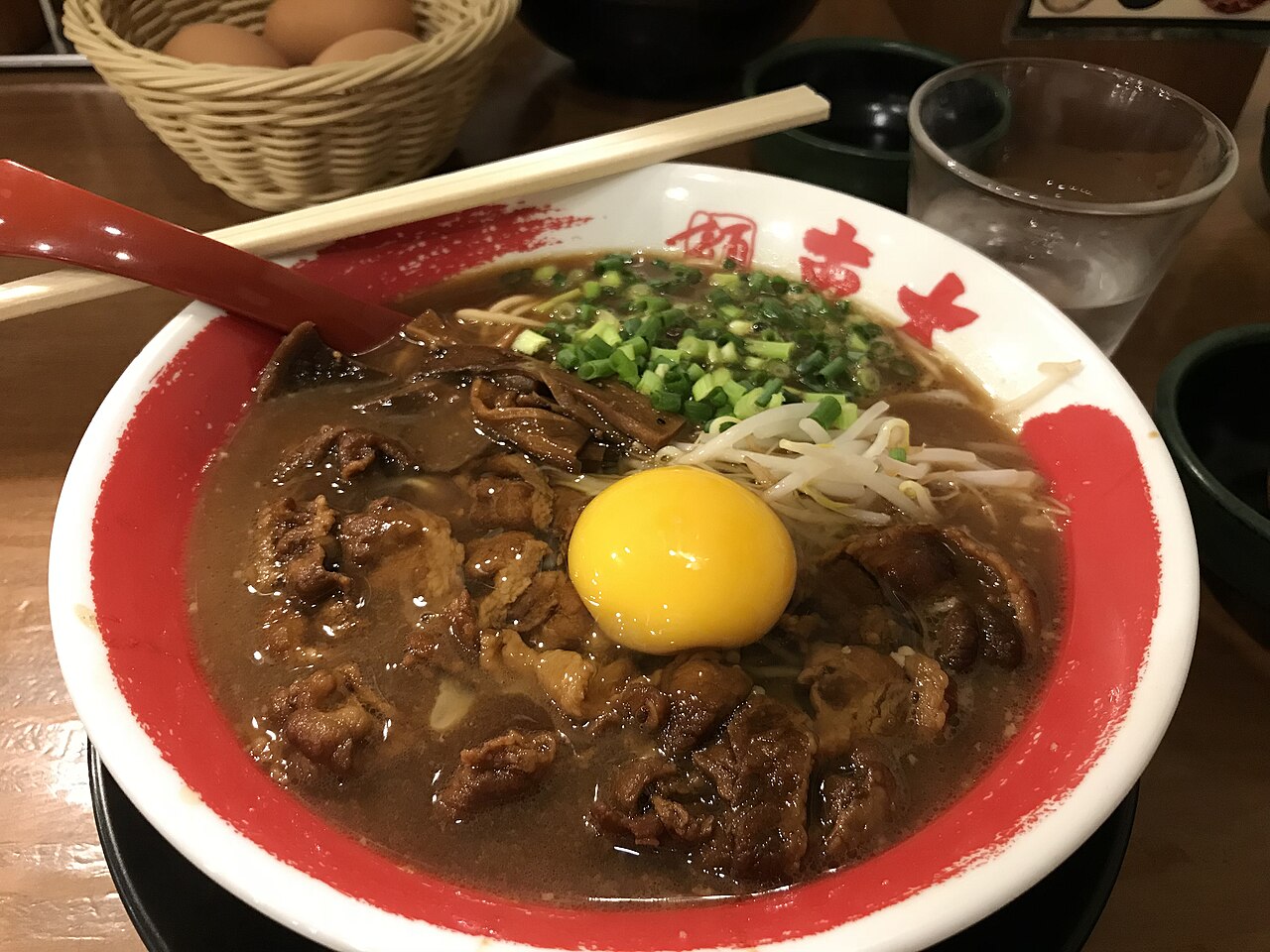
Elsewhere a raw egg is set out on the table to crack into the bowl, which adds mildness and changes the taste.
Sudachi has a refreshing fragrance and a distinctive mellow sourness, and it goes with any dish, from sashimi and salt-grilled fish to pickles. Takechikuwa is fish paste wrapped around bamboo and grilled, and the Tokushima way is to squeeze sudachi over it and bite into it as it is, the taste of the sea joined by the scent of green bamboo. For something sweet, Awa Uiro is made from rice flour, adzuki beans and sugar and has a chewy, springy bite and a mild sweetness, paired with sencha or bancha tea. At a cafe, shaved ice is layered in many tiers like a parfait, combining fruit from the prefecture with handmade ingredients, and comes as a set with bancha tea that leaves a clean aftertaste.
To stay overnight in the area, browse places to stay in Tokushima.
Getting to Tokushima
New to rural buses and one-man trains? See how to ride them, step by step.
| Leg | How | Time and fare |
|---|---|---|
| From Tokushima Awa Odori Airport to Tokushima Station | Taxi | About thirty minutes; about five thousand yen as an example fare, which varies with the driving route and traffic congestion |
| From the Kanto area to Tokushima Awa Odori Airport | Plane from Haneda Airport | About one hour ten minutes |
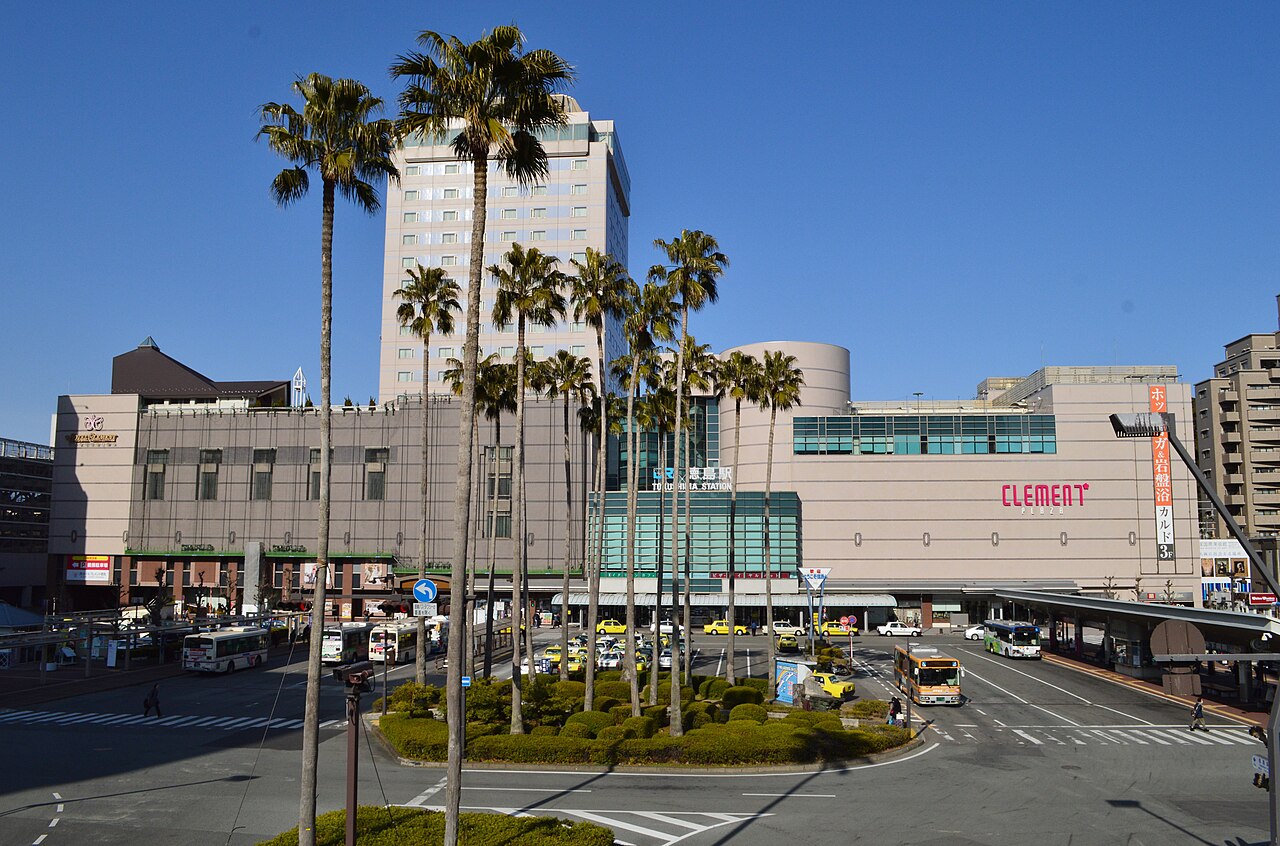
| From the Osaka area to Tokushima Station | Expressway bus | About two and a half hours to three hours |
| From Tokushima Station to Awa Odori Kaikan | On foot, after getting off the JR train | About ten minutes |
Hours and Fees
| Place | What | Hours or fare |
|---|---|---|
| Awa Odori Hall daytime show | Show times | Eleven in the morning; two in the afternoon; three in the afternoon; four in the afternoon, each show running for forty minutes |
| Awa Odori Hall daytime show | Admission | Adults one thousand three hundred yen; elementary and junior high school students seven hundred yen |
| The museum in Awa Odori Kaikan | Hours and admission | Nine in the morning to five in the afternoon, with entry until a quarter to five; adults five hundred yen, elementary and junior high school students three hundred yen |
| Hyotanjima circuit boat | Fare and departures | Adults eight hundred yen, junior high school students six hundred yen, elementary school students and younger four hundred yen; departs every forty minutes from eleven in the morning, with the last departure at three forty in the afternoon |
Fees and hours were checked against official sources on 11 November 2026.
Thinking of staying overnight?
Compare places to stay near Tokushima, Japan →
Disclosure: This post may contain affiliate links. If you book through them, we may earn a commission at no extra cost to you.