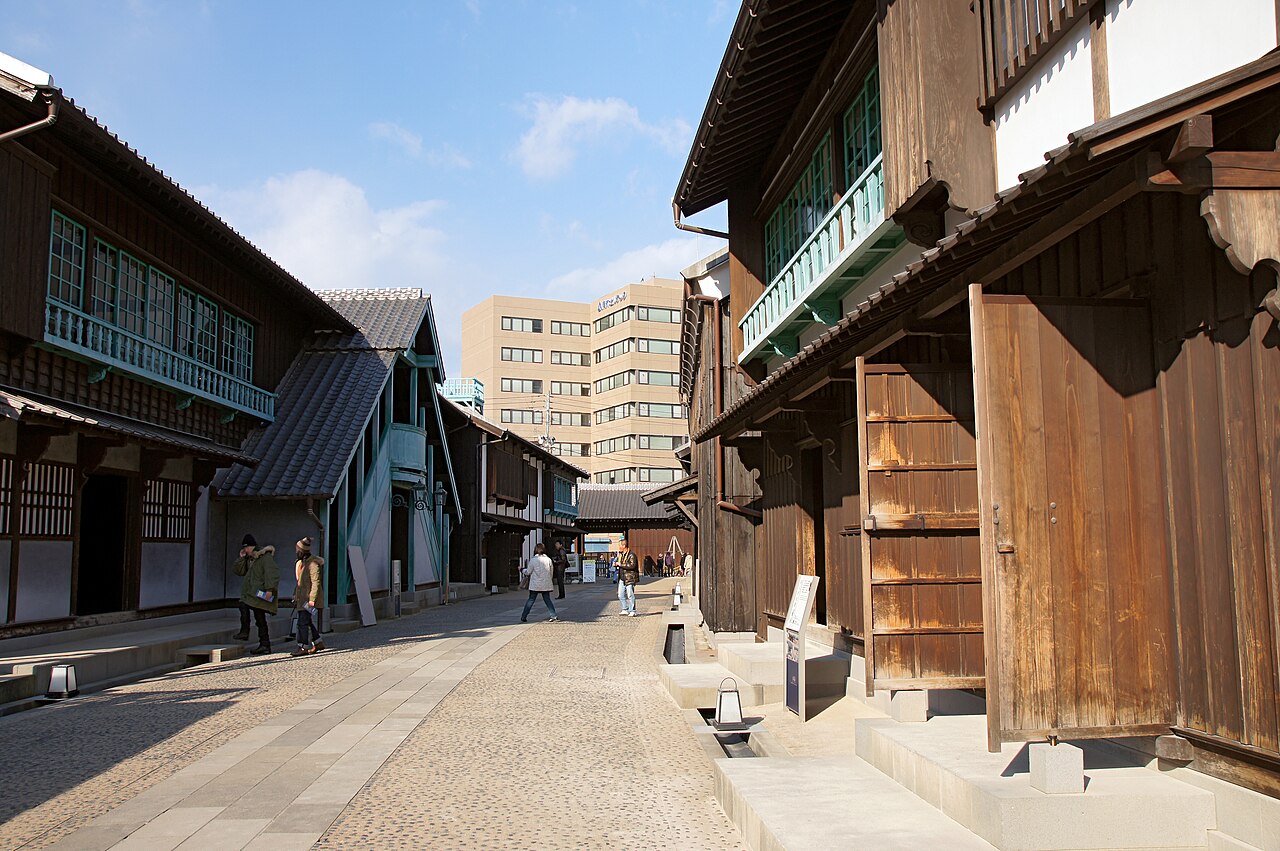
The Dejima Omote-mon Bridge is the way onto Dejima, and visitors cross it to enter and leave the island just as people did in the past. Dejima is an artificial island built by order of the Tokugawa shogunate. The rest of the day belongs to the table, with champon at Shikairo and castella from Fukusaya.
Dejima: Trying a Kimono in the Retro Townscape
Dejima's guided visit is led by history staff who come dressed as the gatekeepers of the island. A kimono can be rented on the island as well, and the retro townscape then serves as the backdrop for photographs. Between the gatekeepers' costume and the rented kimono, the island's past is worn rather than merely looked at. Dejima also holds a model of itself, a miniature Dejima built at one-fifteenth scale.
Dejima Hoppen, the kimono rental shop, sits inside the nationally designated historic site, in a room on the second floor of one of its buildings. Choosing a kimono and being dressed there takes about twenty minutes. The shop is easier to reach from the water gate on the Dejima tram stop side.
Shikairo Champon: Where Nagasaki Champon Began
Shikairo's champon is a noodle dish built on a soup drawn from chicken bone and pork bone. Into that soup go plenty of seafood and produce from the mountains and the sea around Nagasaki. At Shikairo the broth is chicken bone blended with a little pork bone, finished light but with depth. Chen Pingshun, the founder of Shikairo, is the person who created champon.
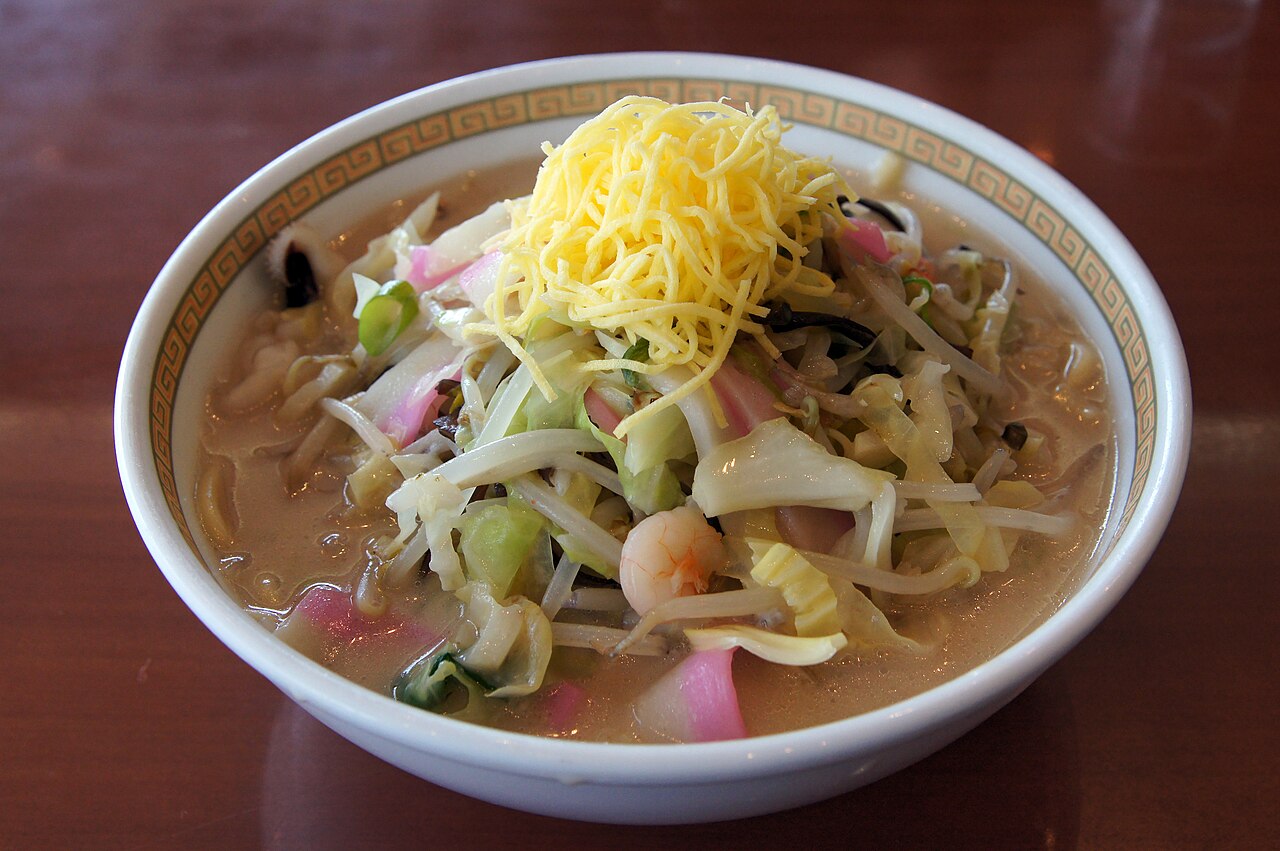
The ingredients are stir-fried all at once in a high-heat Chinese wok, and the soup is poured in over them. The noodles go into the wok right after the soup. Chen Pingshun wanted a dish for the Chinese students and overseas Chinese compatriots who had come to Nagasaki, one that was filling and nourishing while staying cheap. The same founder, who came from Fujian Province, devised sara udon for them as well as champon. Sara udon with thick noodles sits on the Shikairo menu beside the champon.
At another shop in the city, the champon comes with a bowl heaped with hanpen and bean sprouts, and the soup is slightly clear. There the chicken bone and pork bone are used in about equal measure, and the soup is very light. The taste of seafood spreads through the mouth with a sip of that soup.
A third shop simmers its soup base for more than half a day and uses chicken bone alone. Its noodles are its own, smooth and chewy, and they are slow to soften in the bowl. Chen Pingshun did not register a trademark for champon, wanting many people to eat it, and the dish spread across the country. Ordering the Shikairo bowl at lunch and the third shop's bowl at dinner puts the little pork bone of the first beside its absence in the second.
Fukusaya Castella, Sara Udon and Turkish Rice
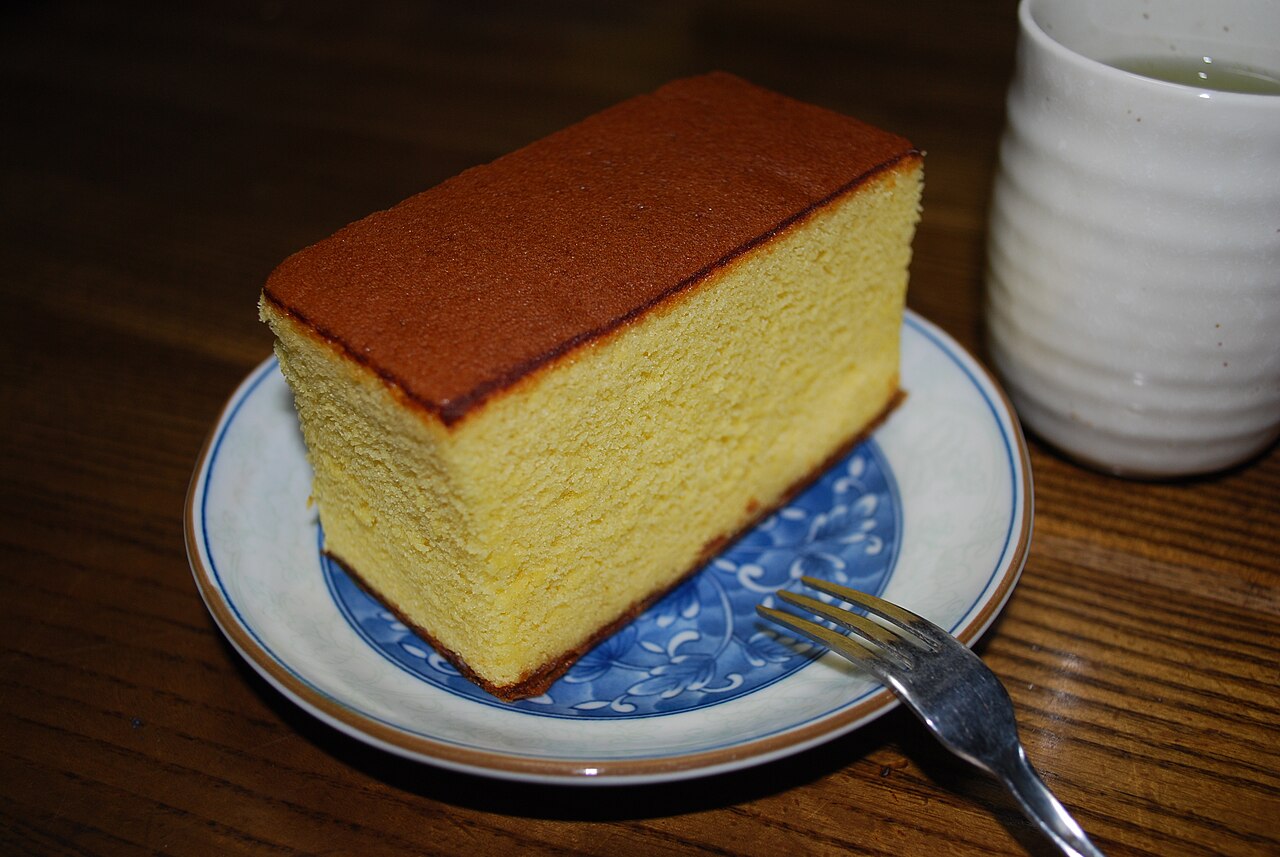
Fukusaya's Hollander Cake begins with the traditional castella dough and adds cocoa to it. Walnuts and raisins then go on top of the cake. The cake is baked under a direct flame, and that flame brings out its flavor and fragrance. Each cake is hand-made, so the sugar coating differs by season and from one cake to the next. A single baker takes the whole process from start to finish. The twelfth-generation head of the shop devised the Gosan-yaki castella, with its own care applied to the eggs. The thirteenth generation made a castella from egg white alone and another from egg yolk alone.
Sara udon with thin noodles was devised as a soupless version of champon, with a thickened topping laid over fried thin noodles. Sara udon with thick noodles originally used the same thick noodles as champon, and in Nagasaki choosing the thick noodles is the insider's choice.
Turkish rice layers its ingredients in three colors, and one of several explanations of the name is that tricolore turned into Turkey. One restaurant makes its Turkish rice with noodles specially ordered for the pasta and with top-grade rice. Another shop plates it with spicy pilaf beside a crisply fried cutlet, and a fried egg goes on top of the cutlet.
Hatoshi is shrimp paste sandwiched between slices of bread and fried.
To stay overnight in the area, browse places to stay in Nagasaki.
Getting to Dejima
New to rural buses and one-man trains? See how to ride them, step by step.
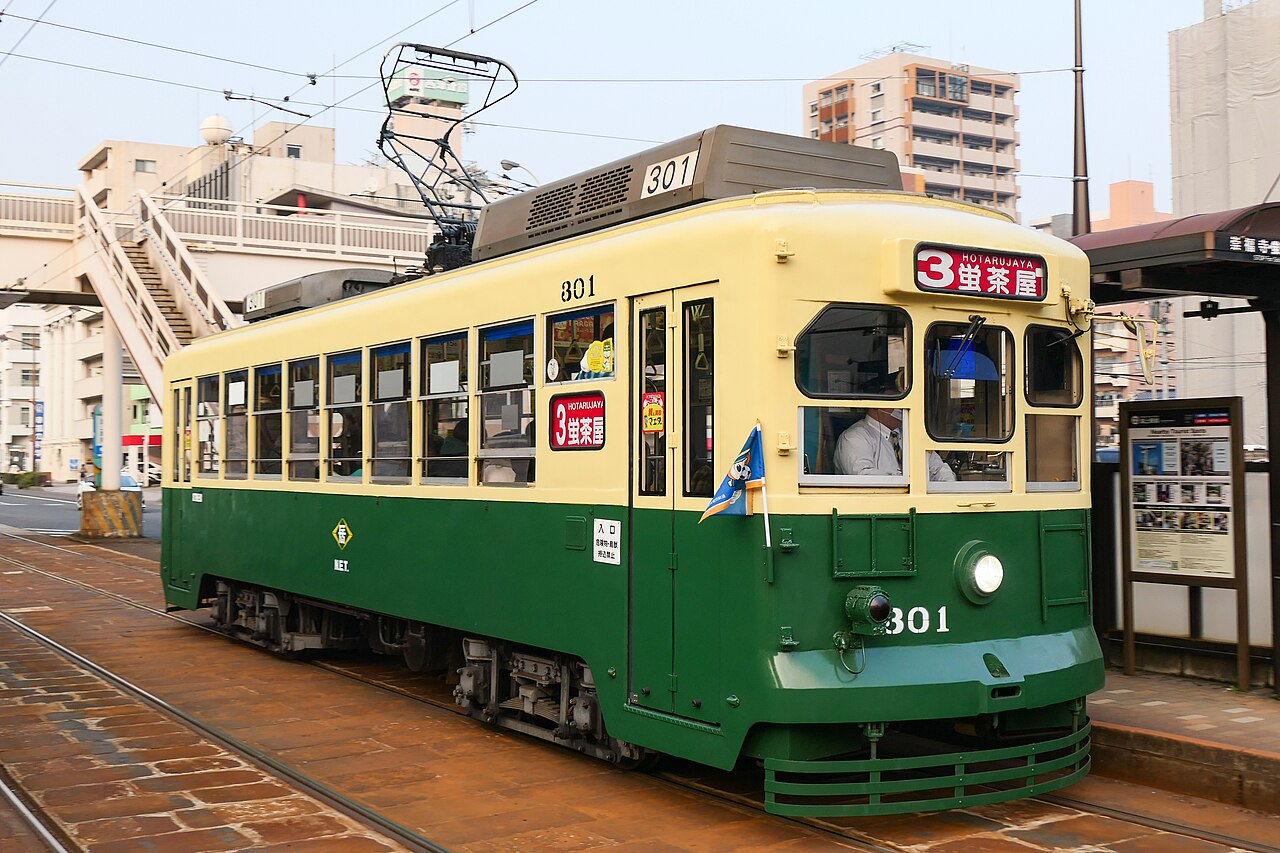
On the Nagasaki Electric Tramway, the Nagasaki Ekimae stop is printed in English as Nagasaki Station.
| Leg | How | Time or cost |
|---|---|---|
| From the Nagasaki Ekimae tram stop to Dejima | Nagasaki Electric Tramway | About five minutes by tram, then a short walk |
| From the Dejima tram stop to Dejima | On foot | About one minute |
| From the Nagasaki Ekimae Minamiguchi bus stop to the Dejima bus stop | Bus, route seventeen | About four minutes by bus, then about one minute on foot |
| From the airport to Nagasaki Station | Airport bus | About forty-three minutes. Adults one thousand four hundred yen and elementary school students seven hundred yen, one way, with no round-trip fare. |
Hours and Fees
| Place | What | Hours or fee |
|---|---|---|
| Dejima | Admission | Adults one thousand one hundred yen, with no group discount. Elementary, junior high and high school students five hundred fifty yen. |
| Dejima | Hours | Eight in the morning to nine at night, with last admission at eight forty in the evening |
| Dejima Hoppen | Kimono rental | Five thousand five hundred yen. Ten in the morning to five in the afternoon, with last reception at three in the afternoon. |
| Nagasaki Electric Tramway | Fares | Flat fare of one hundred fifty yen for an adult per ride, whatever the section. Flat fare of eighty yen for a child per ride. One-day ticket six hundred yen for an adult. One-day ticket three hundred yen for a child. |
Fees and hours were checked against official sources on 10 November 2026.
Thinking of staying overnight?
Compare places to stay near Nagasaki →
Disclosure: This post may contain affiliate links. If you book through them, we may earn a commission at no extra cost to you.