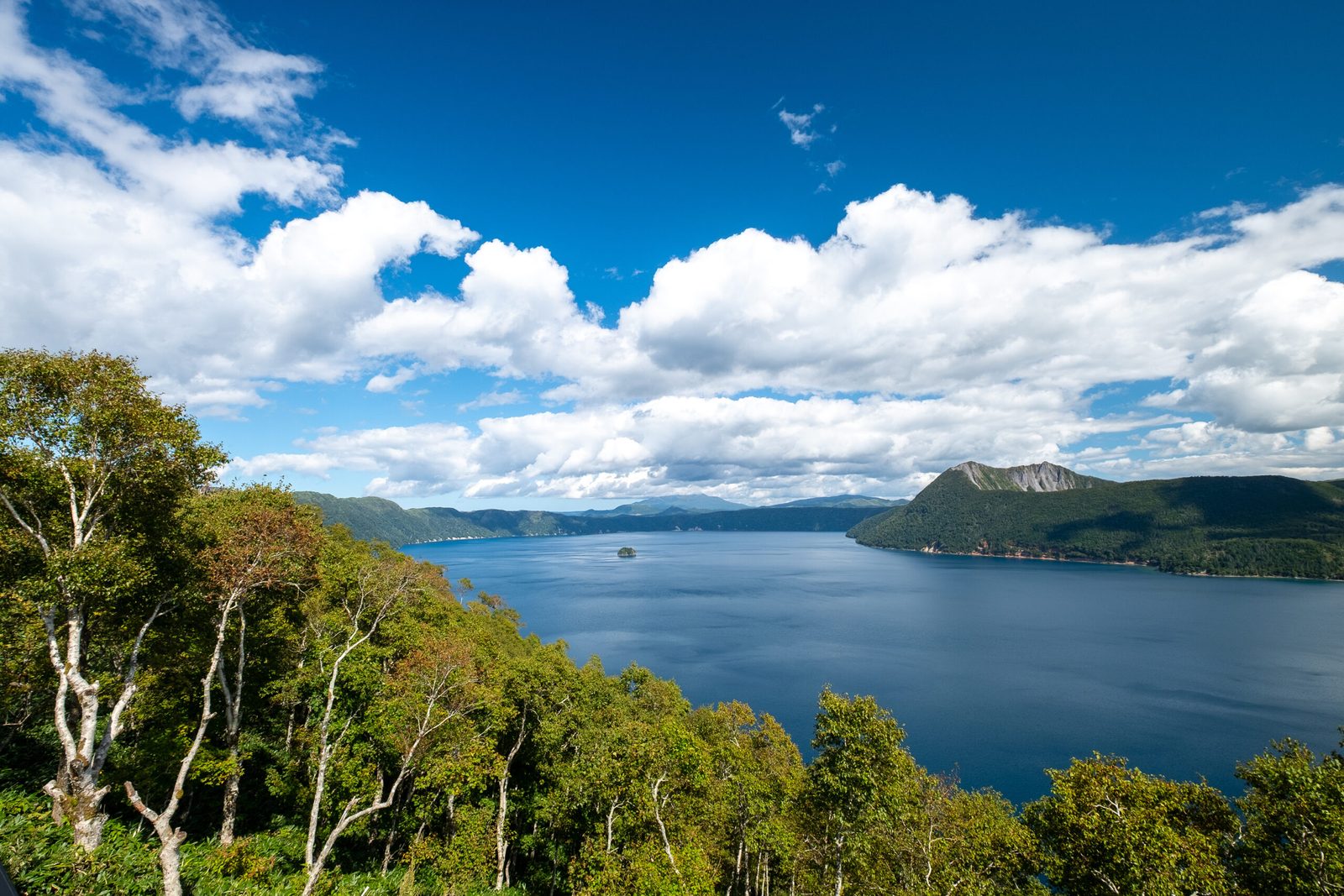
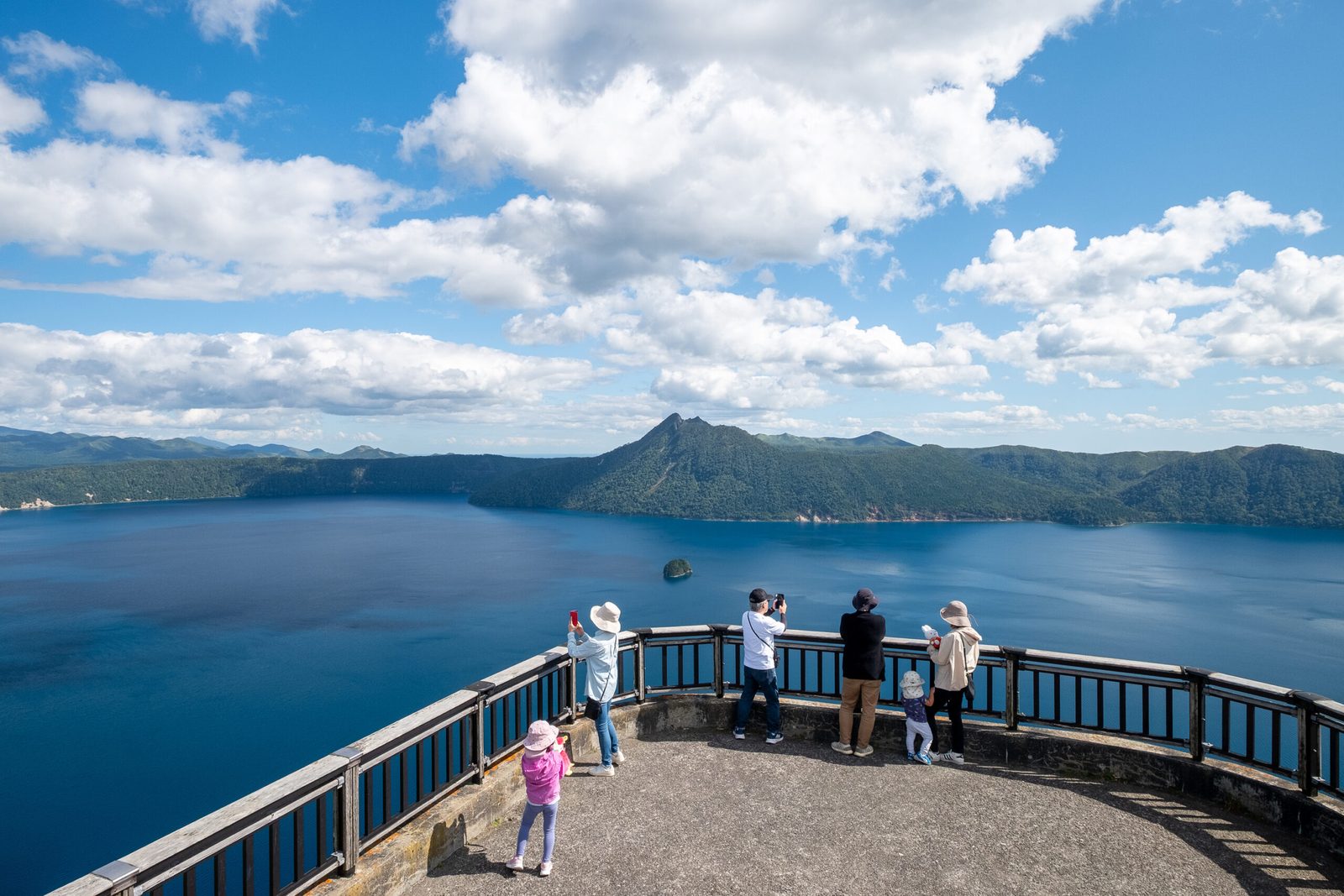
From Lake Mashu Kamuy Terrace, attached to the first observation deck, visitors look down on a lake ringed by steep walls that nobody can descend. The rooftop terrace stays in use after dark for looking at the stars from its benches. Called Kamuito in the Ainu language, Lake Mashu suits travelers who want to see a caldera lake from above.
For this season, the Mashu Iozan Sky Road, the drive course that passes the third observation deck, is closed for winter from November second to April sixteenth, and the Kussharo-Mashu lakeside line between the first observation deck and Kawayu from three in the afternoon on November second. The entrance gate of the Ura-Mashu observation deck is scheduled to be shut from nine in the morning on October thirtieth until the same hour on April twentieth. The forest road to Kaminoko Pond is closed from ten in the morning on November thirtieth, a date that may shift with the weather, and its reopening date is undecided.
Looking Out from the First Observation Deck and Kamuy Terrace
Starting at Kamuy Terrace suits anyone who wants to sit with the lake in view, in the lounge or on the tiered rooftop. Visitors look out over water surrounded by steep walls. The deck area sits on high ground, so it is colder and windier than the foot of the hill.
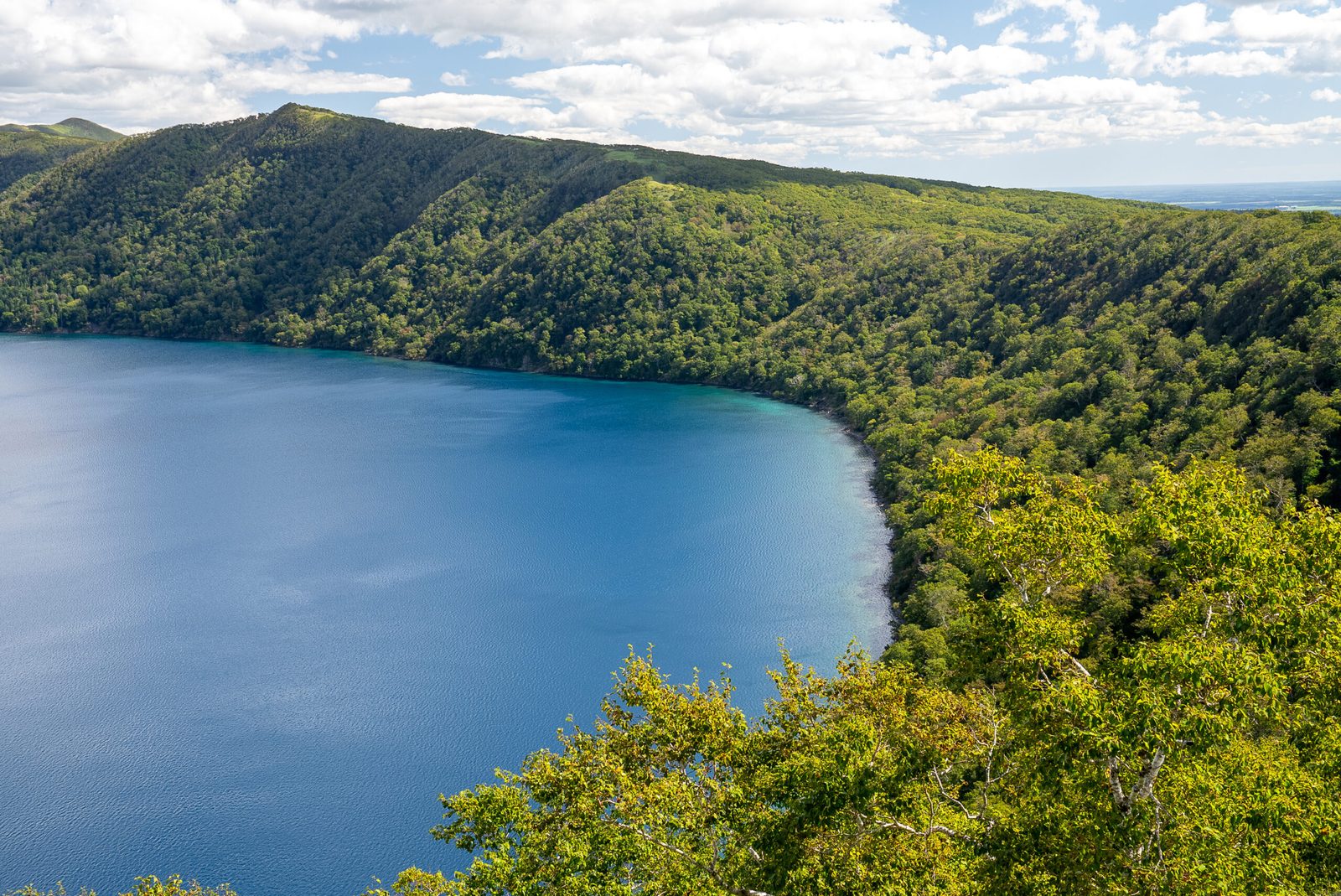
Looking toward the middle of the lake, visitors pick out Kamuishu, the central island. The part above the water is the top of a volcano. Its name in the Ainu language means an old woman who became a god.
Sitting in the Lake Mashu Lounge keeps the water in front of the seat. Visitors use a central table modeled on the lake's surface. Large glass windows face the lake.
Taking a break here means choosing among items named for the lake. Visitors take Mashu Blue soft serve, flavored with ramune and milk yogurt, or Mashu Kiri soft serve, made with Hokkaido vanilla mix and outer rim source water. Potato dumplings and a soy coffee of roasted Teshikaga soybean extract are sold too.
After Dark on the Kamuy Terrace Rooftop: Stars and Glowing Stones
Watching the stars here follows an order: wait until the eyes adjust and the outline of Kamuishu appears, then turn to the constellations. Visitors sit on the installed benches and look at the stars on clear nights. Away from the town in Teshikaga the darkness is total.
Standing at the front deck, visitors wait for their eyes to adjust to the darkness. Kamuishu and the silhouette of Mt Mashu then become faintly visible. In dense fog the whole sky looks covered by a white haze. Water droplets form on the sofas depending on the humidity.
Walking around the rooftop at night, visitors see luminous stones glowing faintly blue. They are placed around the terrace in great numbers. The display is paused during the snow season.
Joining a guided star session begins with the northern constellations. The guide then searches for the seasonal constellations across the whole night sky with a pointer. Solo travelers are accepted for reservations.
Mist, Cloud Sea and the Sky Road Drive Around the Caldera
Choosing an early morning in summer, with a clear sky and little wind, gives cloud-sea seekers their chance from the rooftop or the third deck. Visitors look down on cloud collected inside the caldera. It forms over the Pacific off Kushiro and a south wind carries it inland into the lake basin.
Watching the lake around daybreak from summer into autumn, visitors see mist over the water. The lake stays relatively low in temperature all year, so summer warmth heating the air above it brings updrafts and fog. Daybreak turns colder than expected, and not only in spring and autumn.
Looking out from the third observation deck takes in the Kussharo caldera as well. When the season and conditions match, visitors see a double sea of clouds there. Several decks in the Mashu and Kussharo area overlook fog pooled at the caldera floor.
Following the Mashu Iozan Sky Road toward Iozan turns the caldera rim into a drive course. Between the decks, drivers look left across the Kussharo caldera, and Lake Kussharo comes into view. Ezo red foxes, Ezo deer and Steller's sea eagles are seen from the car window.
Winter at Lake Mashu: Tree Frost and Snowshoe Walks
Timing a snowshoe walk for the early morning from late January to February gives the chance of tree frost on the outer rim. Visitors see Mashu Frost when severe cold and mist rising from the lake overlap and fine ice crystals attach to the trees. It appears on fine, weak-wind mornings after a sharp temperature drop, not every day.
Watching the rim on a winter morning means temperatures far below freezing, in which mist freezes easily. Supercooled fog droplets hit the tree branches and freeze at that moment. The frost builds slowly in still air, unlike rime ice, which grows in strong wind.
Renting snowshoes at Kamuy Terrace or Iozan MOKMOK Base comes with trekking poles and snow covers. From the terrace, walkers follow the course to the third deck, and a longer route leads toward Mt Mashu. Rental is offered in the snow season and can end when the snow melts.
Stopping for a rest on the Mt Mashu snowshoe route lets sweat cool, even on a sunny day. Walkers who stand without moving turn cold quickly. Sitting on snow chills the body too, and a mat is suggested.
Joining a guided outer rim snowshoe program, listed for mid-January to February, is another way onto the snow. SOMOKUYA runs snow trekking with snowshoes and nature skis around the Kussharo and Mashu calderas. It also runs a midwinter canoe program on the upper Kushiro River.
The Far Side: Kaminoko Pond and the Ura-Mashu Observation Deck
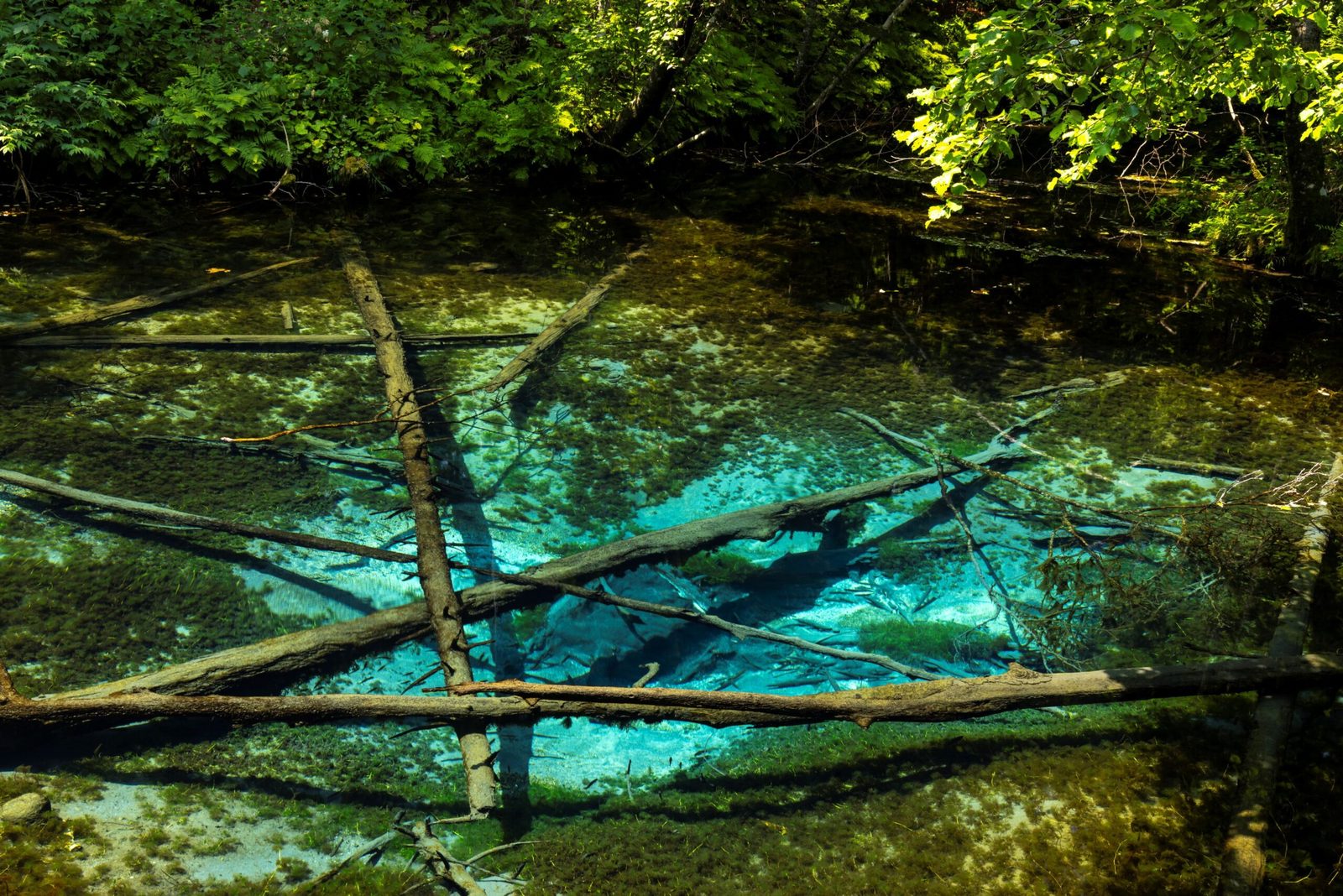
Looking from the decks shows the lake from above, while Kaminoko Pond, said to be fed by its groundwater, puts sunken trees close at hand. Visitors see the bottom through the water of this small pond. The water stays low in temperature all year, so fallen trees lie sunk like fossils without rotting. Dolly Varden char swim among the trunks.
Driving from Kiyosato, visitors follow the Mashuko-Shari line toward Nakashibetsu, turn onto Hatoi forest road and continue to the entrance marked with the Kaminoko Pond sign. Drivers go slowly because the road shoulder crumbles easily, and large and medium-sized vehicles are not allowed. Mobile phone signal is weak around the pond.
Climbing the steps of the wooden Ura-Mashu observation deck gives a view from the side opposite the first and third observation decks in Teshikaga. The Ministry of the Environment built this deck new so that visitors see the lake easily. It stands at the town border with Nakashibetsu.
Getting to Lake Mashu, Hours and Fees
New to rural buses and one-man trains? See how to ride them, step by step.
The lake lies in Teshikaga, and places to stay near Lake Mashu are listed for the area.
| Item | Details (as listed) |
|---|---|
| Kawayu Visitor Center to the first observation deck | about thirty minutes by car on Route fifty-two; the lakeside line is closed in winter (see above) |
| Sightseeing bus Pirika from Kushiro | daily April eighteenth to December twentieth this season; leaves Kushiro Station at eight; thirty minutes at the first deck |
| Winter sightseeing bus White Pirika | daily January ninth to March thirty-first; leaves Kushiro Station eight thirty; thirty-minute stop; adult fare from Kushiro eight thousand yen |
| Parking at the first deck | five hundred yen per passenger car from May first to October thirty-first; free from November first to April thirtieth |
| Kamuy Terrace rooftop | listed as open twenty-four hours except in bad weather |
| Snowshoe rental | one thousand one hundred yen per person per day; cash only; return to the same facility by noon the next day |
| Ura-Mashu observation deck | thirty-seven kilometers from Kiyosato town center by road toward Nakashibetsu; parking lot for fifteen vehicles, free |
Thinking of staying overnight?
Compare places to stay near Teshikaga, Hokkaido, Japan →
Disclosure: This post may contain affiliate links. If you book through them, we may earn a commission at no extra cost to you.