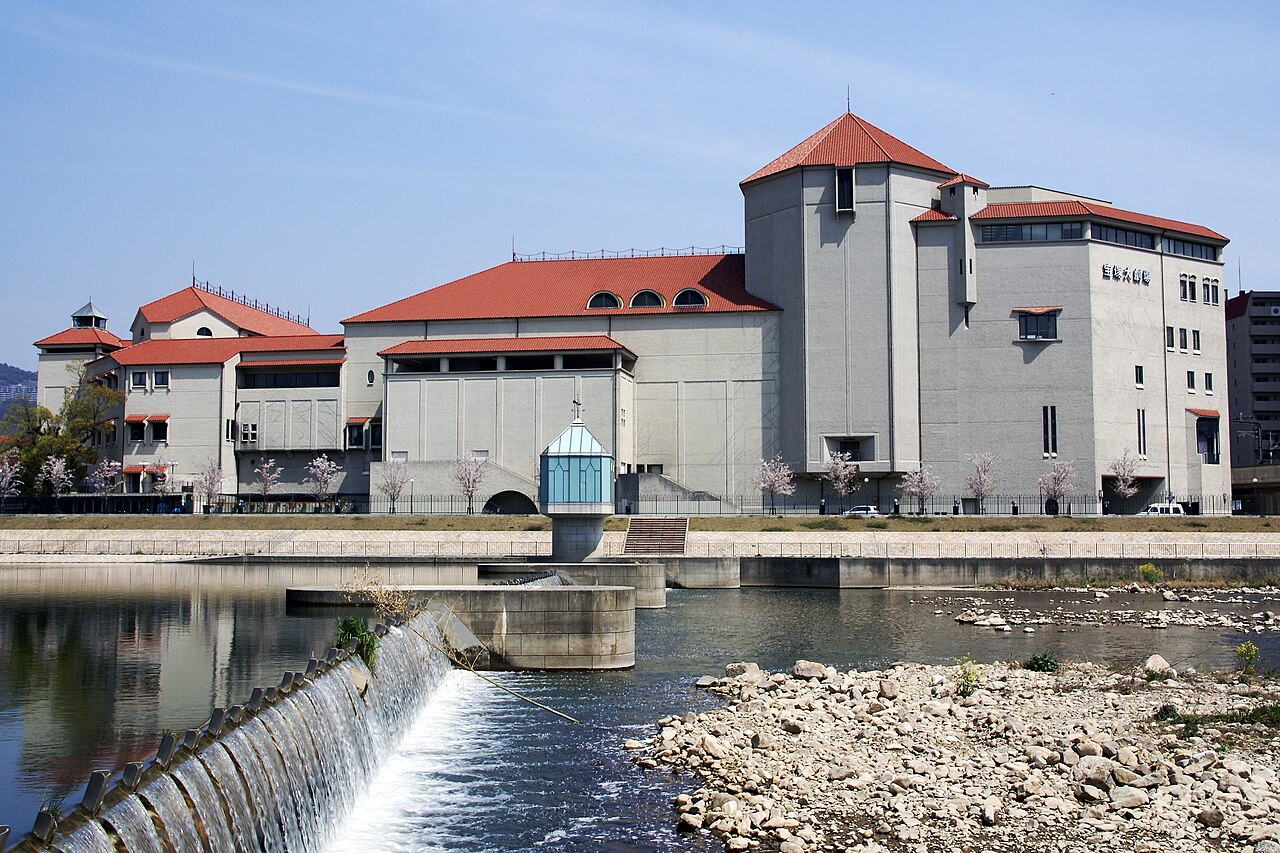
Watching a Takarazuka Revue performance means a play and a show, with live music from the revue's own orchestra. Visitors can try on a stage costume in a photo studio at the Takarazuka Grand Theater, then walk the flower promenade to the entrance. The theater shop bakes ningyoyaki on show, and the day can move on to temple paths in the hills. Nakayamadera and Kiyoshikojin Seichoji are linked by a mountain trail with stone markers, and Kiyoshikojin sells a strawberry baumkuchen.
Watching a Revue and Trying On Stage Costumes at the Grand Theater
The Takarazuka Grand Theater pairs a play-and-show revue with a costume studio and a hall of costumes and props.
Watching a performance at the Takarazuka Grand Theater usually means a program in parts, a play and then a show. The Takarazuka Revue Orchestra plays live at these performances. The entrance lobby has a red carpet, and the Grand Theater was built as a dedicated home for the revue.
Trying on a replica stage costume happens at Salon de Takarazuka Stage Studio, a photo studio where visitors pose in the outfit. The studio runs sessions with or without stage makeup, and the makeup course needs an advance reservation. Booking for the costume shoot begins at the start of the month before, and slots can fill up relatively early. The session without makeup takes walk-in visitors when slots are available.
Looking around the revue's hall of fame brings visitors to stage costumes and props used in recent performances. A corner there shows the big feathers of the finale up close, with a set modeled on the grand staircase as a backdrop for commemorative photos. Visitors can hold shan-shan designed in each troupe's color, and handprints of each troupe's previous top star are on display. Arriving in the morning leaves time for the Stage Studio, the hall of fame and the Quatre Reves shop before noon.
Strolling the Flower Promenade and Snacking Around the Theater
The flower promenade leads to a theater lobby, restaurants and a shop where ningyoyaki is baked on show.
Strolling in from the town's rail stop, visitors pass a townscape of orange tile roofs and a promenade lined with seasonal flowers. Photo spots at the theater include the area in front of the decorative panels on the exterior wall and the lobby. Restaurants in the flower promenade shopping area sell lunch before the show starts.
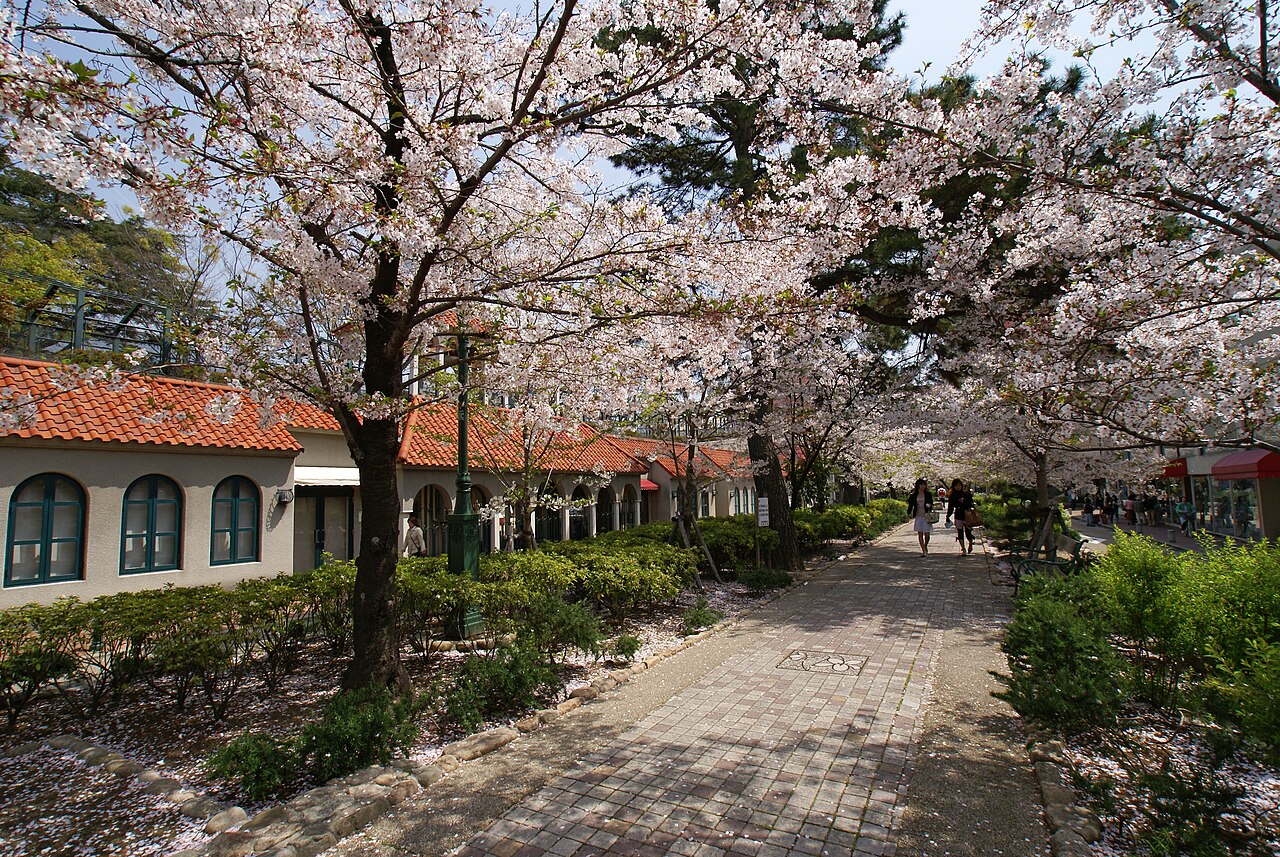
Snacking during the intermission starts at a stand-style lounge inside the theater's entry gates, which serves light meals and drinks. In the lobby, the gelato stand Bonheur offers desserts and gelato themed on the performance, and the cafeteria Fleur adds performance desserts and a dessert plate for a pair. With a reservation, meals at the in-theater restaurants can be set to match the intermission.
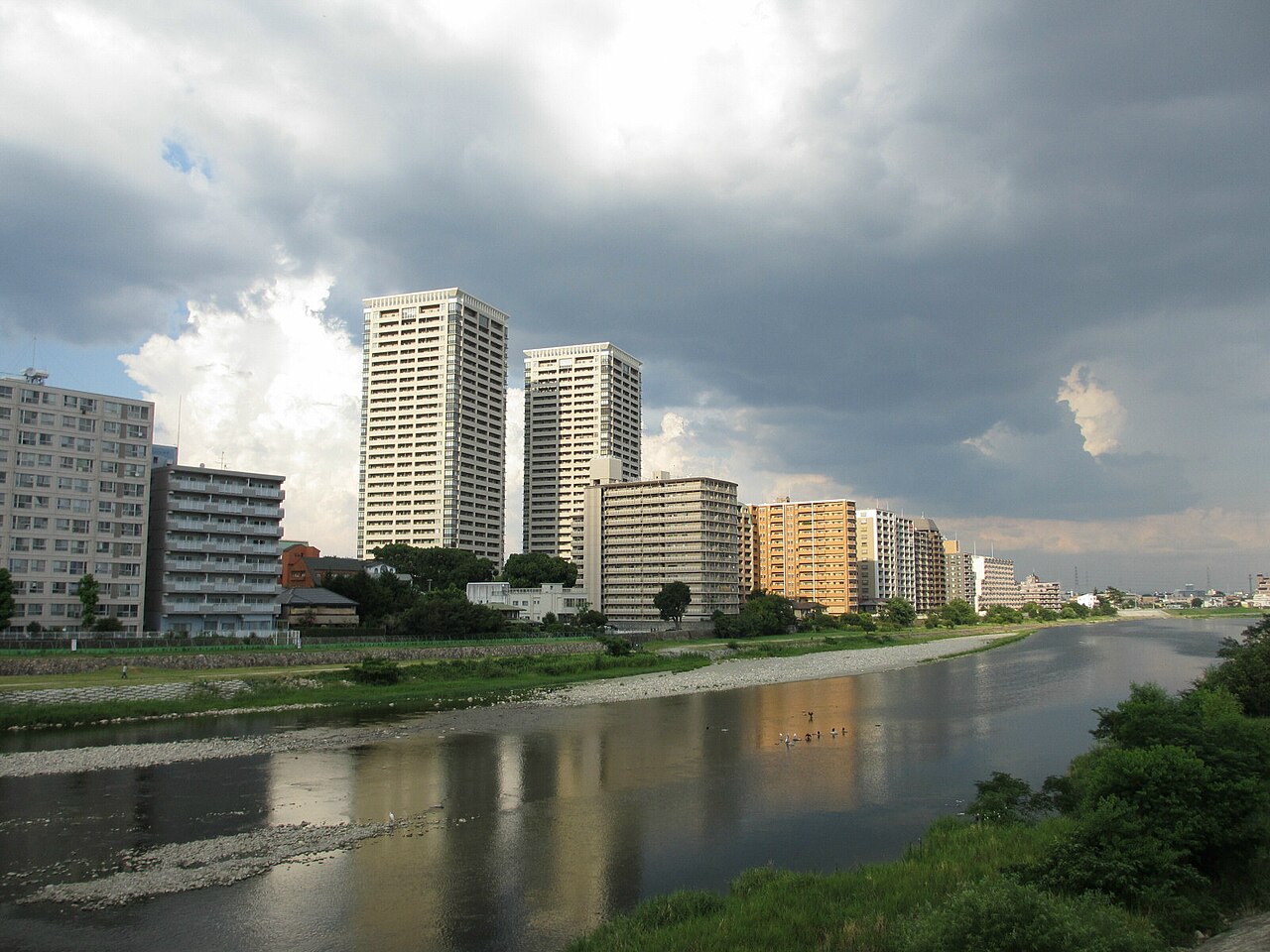
Sitting down at the Takarazuka Hotel gives a choice between Ferrier and Kusunoki. Ferrier is a Western-style restaurant with dishes themed on the revue and its performances. Kusunoki, a Japanese restaurant, has table seats facing the Mukogawa River and private tatami rooms, and it serves makunouchi bento, dishes using ingredients of the season, and sweets.
Browsing the Revue Shop turns up sweets made for the Grand Theater, performance-limited sweets and small items such as handkerchiefs and pouches. A corner of the shop demonstrates and sells freshly baked ningyoyaki. Takarazuka Onsen bath salts are another souvenir: a version reproducing the spring quality of Kinpo-sen, and another based on Ginpo-sen with color and fragrance arrangements added. The Takarazuka Hotel shop sells them.
Climbing the Pilgrim Trail from Nakayamadera to Okunoin
Nakayamadera's wooden pagoda, the spring at Okunoin and a mountain trail make a walk with several stops.
Walking the approach from the temple gate to the main hall at Nakayamadera means passing pots of seasonal flowers. The wooden pagoda carries decorative roof tiles shaped like grasshoppers, dragonflies and dragons at the corners of each story, and its blue color represents the Azure Dragon that governs the east. Nakayamadera was founded by Prince Shotoku as a Kannon sanctuary.
Circling the lucky gods inside the temple grounds takes a dedicated mount sheet printed with their images, or a goshuincho the visitor already owns. At the gate, the Nio statues stand on the south side and the lion and guardian dog on the north. Many straw sandals are offered around the Nio statues, with a wish for strong legs and hips.
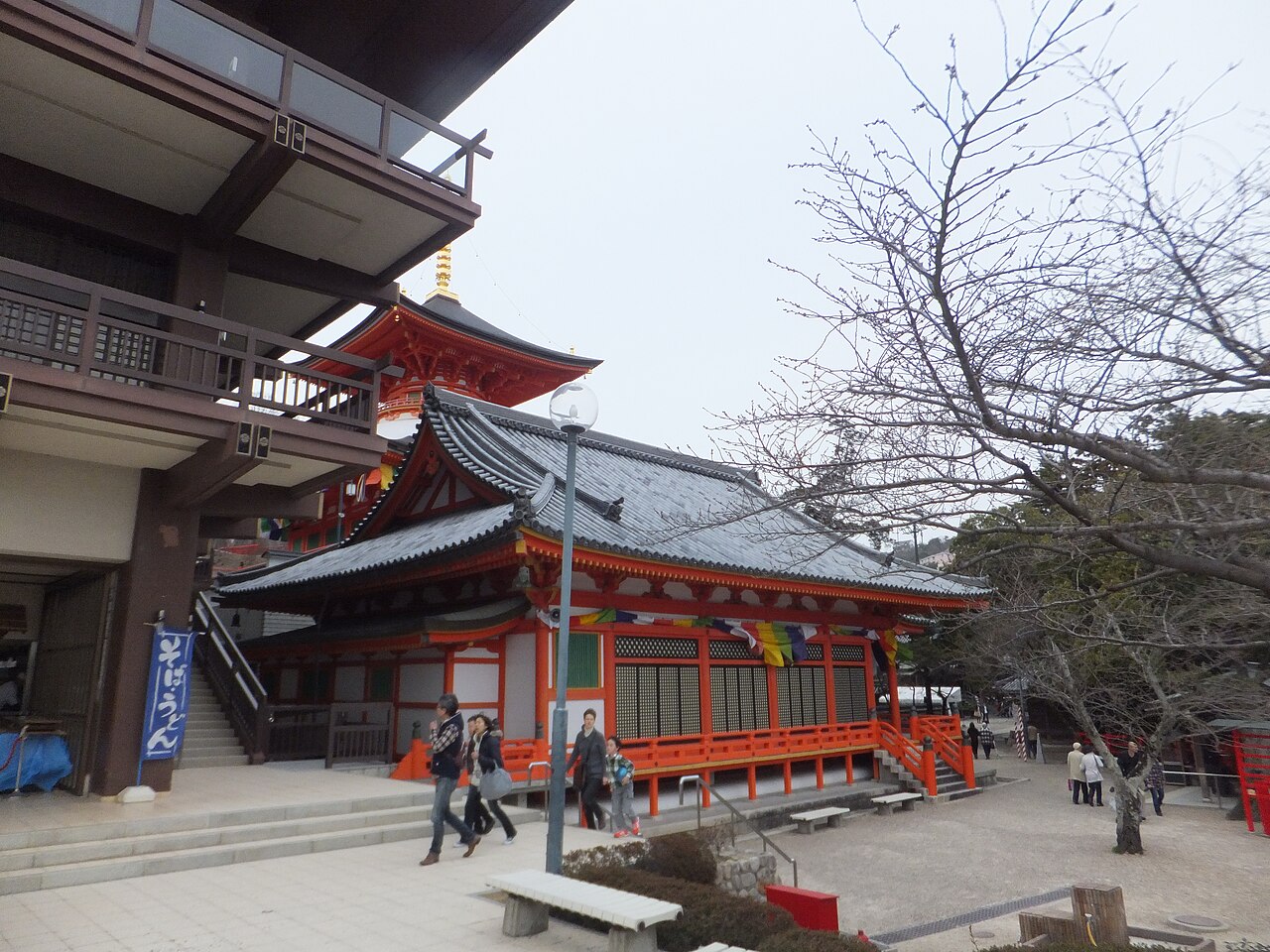
Climbing to Okunoin starts on a gentle mountain path beside Kannon Chaya, at the back on the west side of Nakayamadera, and follows stone markers upward. The approach carries the chirping of various wild birds. From Meoto Iwa, a huge rock, the view reaches toward the center of Takarazuka; the Osaka plain spreads out below the park there, and Mount Rokko shows through a gap in the trees.
Washing a pebble found on the way in the Daihisui water, which wells up beside the Okunoin hall, turns it into a wish stone carried as a charm. Visitors also bring bottles for the water and can receive the Onegai Ishi amulet. The descent to Kiyoshikojin Seichoji follows a fairly wide gravel road, and Yasuragi Hiroba on the way down suits a lunch break.
Kiyoshikojin Seichoji: Ginkgo Trees, a Stroked Statue and Strawberry Baumkuchen
Kiyoshikojin Seichoji offers ginkgo trees, a statue to stroke and a strawberry baumkuchen.
Stroking a seated statue in front of the main hall is the hands-on custom at Kiyoshikojin Seichoji. A folk belief says that stroking the statue cures illness. The principal image Dainichi Nyorai is enshrined at the front of the hall, with Fudo Myoo on the left and Kobo Daishi on the right.
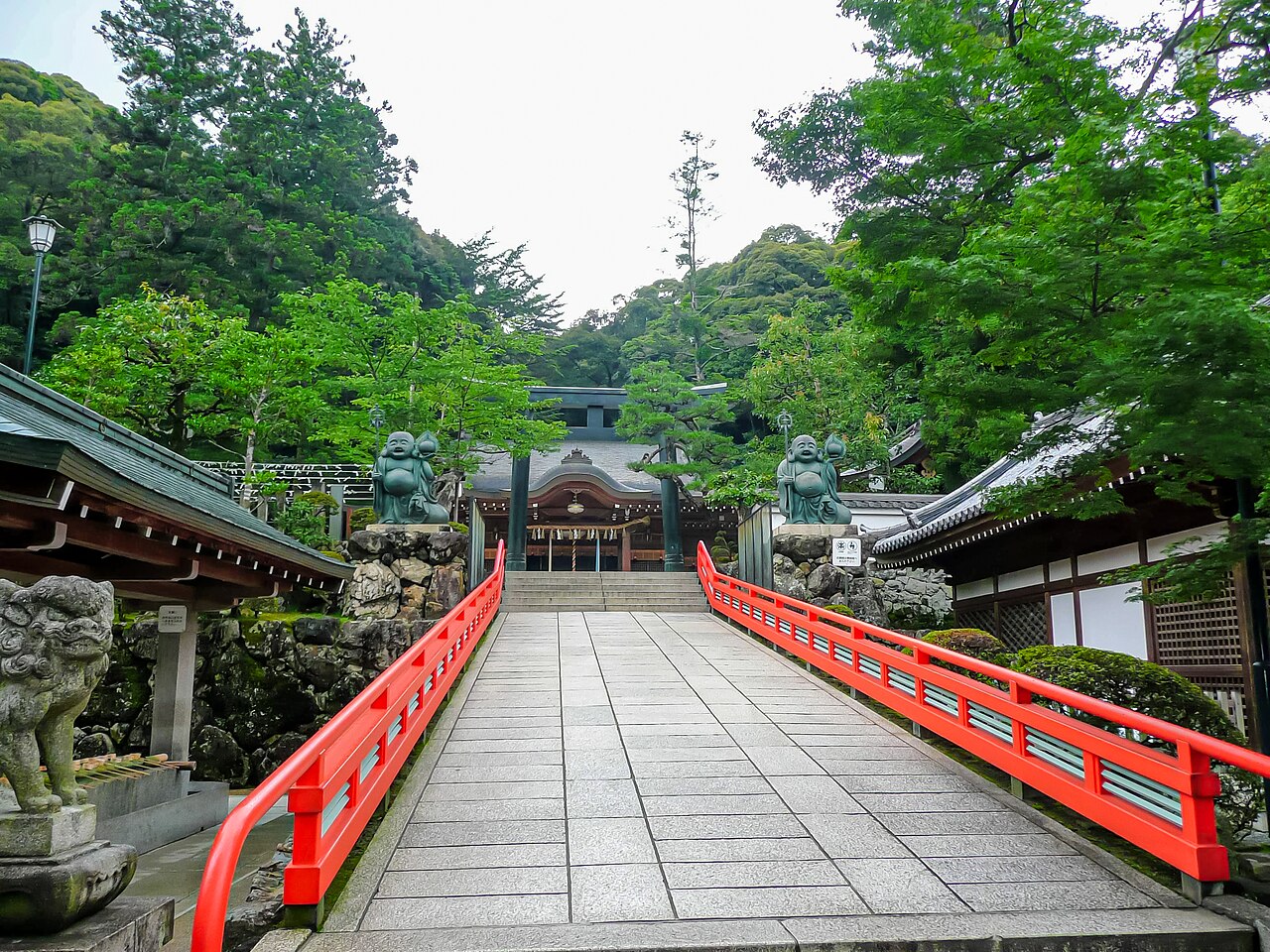
Pausing under the large ginkgo trees at the center of the precinct puts visitors beside a Takarazuka city natural monument. The temple shop sells a strawberry-flavored baumkuchen. The flavor is on sale for a limited period, so it is worth checking the shop before leaving the grounds.
Stepping into the Shiryokan, visitors find the history and events of Seichoji introduced, along with planned exhibitions of temple articles. Its annex exhibition room mainly displays works by Tomioka Tessai, whose pieces held by the temple include paintings, calligraphy, decorated vessels and hand-made pottery. The front garden of Seikoden holds named stones from Kibune, Kurama, Tenryu and Iyo, places associated with Tessai, and a Usuzumi cherry tree transplanted from Gifu Prefecture.
Getting to Takarazuka, Performance Dates and Hours
New to rural buses and one-man trains? See how to ride them, step by step.
Dates below follow the theater and temple guides.
| Item | Details |
|---|---|
| Grand Theater pause in performances | no performances from November twenty-third to December eleventh; theater shops and restaurants are closed except as listed on the official news page |
| Next performances | December twelfth to January twenty-fourth, then January thirtieth to March fourteenth |
| Tickets | Web ticket service with a common ID; by phone while seats remain; theater counter on the day while seats remain |
| From Osaka | Hankyu express from Umeda to Takarazuka takes about thirty-five minutes; JR rapid from Osaka takes about thirty minutes |
| Nakayamadera access | about one minute on foot from Hankyu Nakayama-Kannon Station; about ten minutes from JR Nakayamadera Station |
| Kiyoshikojin Seichoji gate | open every day from five in the morning to nine at night; about fifteen minutes on foot from Hankyu Kiyoshikojin Station |
| Kiyoshikojin bus | runs on Sundays and holidays, none from April first to September thirtieth; adult one way two hundred fifty yen |
For another hot spring town in Hyogo, see the Arima Onsen day trip. For an overnight visit, compare places to stay in Takarazuka.
Thinking of staying overnight?
Compare places to stay near Takarazuka, Hyogo, Japan →
Disclosure: This post may contain affiliate links. If you book through them, we may earn a commission at no extra cost to you.