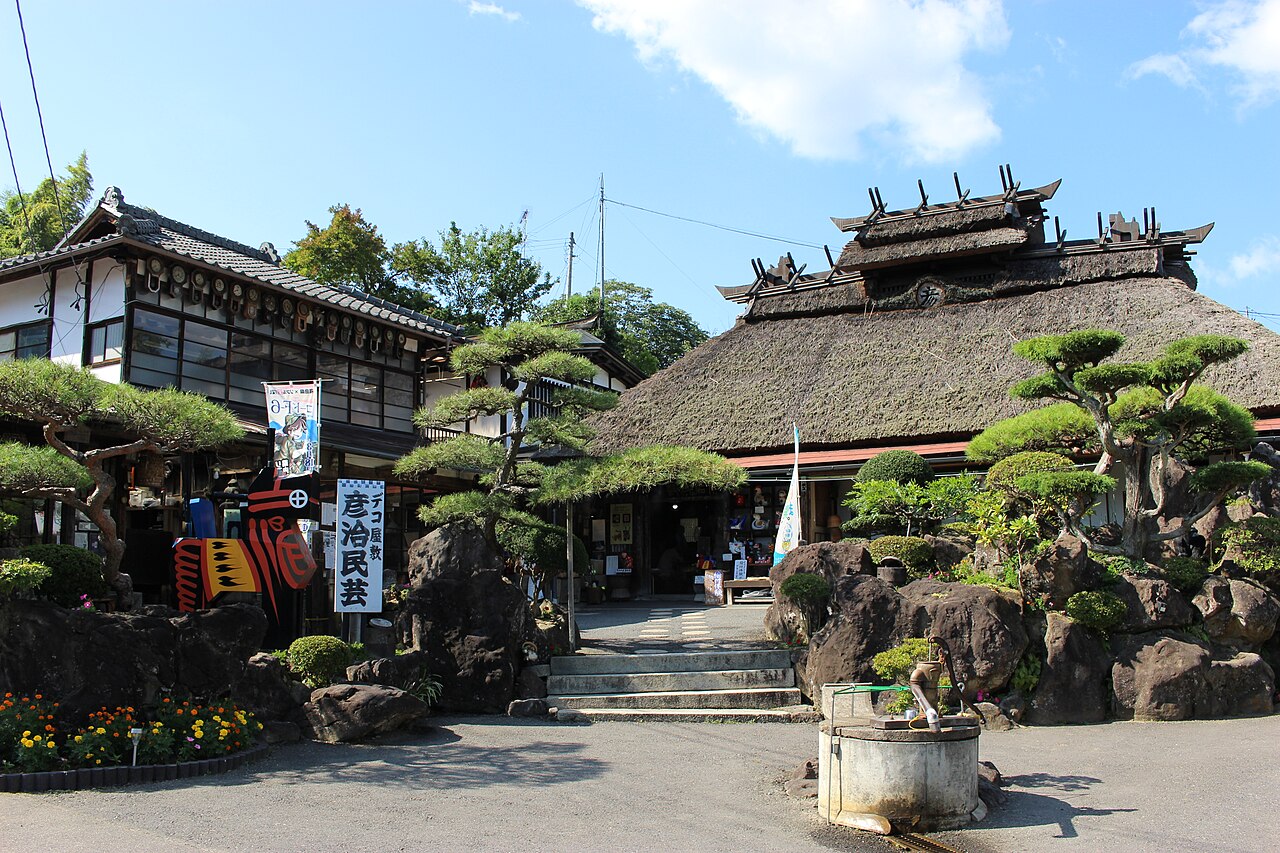
At Takashiba Deko Yashiki, visitors paint Fukushima local toys such as Miharu-goma and hariko masks, and end up with an original toy of their own. A finished sample serves as the reference, and the colours visitors paint onto each piece are entirely their own choice. Visitors can also watch hariko and daruma being made at the Deko Yashiki workshops, and the finished works are sold there.
Painting Miharu-goma and Hariko at Daikokuya
Daikokuya is accepting visitors for its hariko painting workshop, and the choice begins with which piece to paint. In the zodiac course, visitors choose from thirteen kinds, the twelve zodiac animals plus the ukkari neko cat. In the mask course, visitors pick and paint a face such as Ebisu or Daikoku. Okame and Hyottoko are the other two faces that the same mask course puts forward. The Miharu-goma that visitors paint here is a wooden-horse craft made to reflect the days when the Miharu area was a horse-producing region.
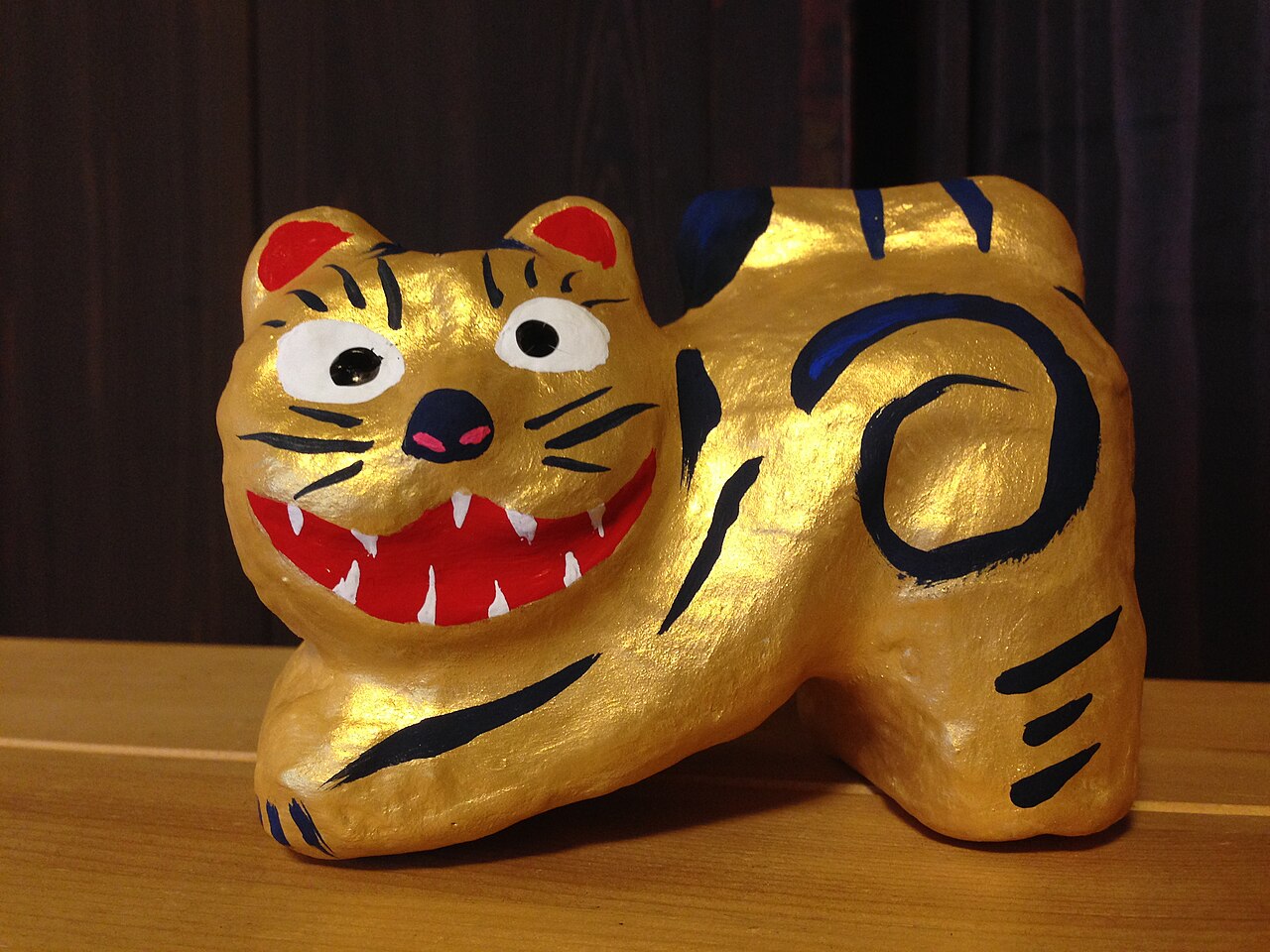
In the mini daruma course, visitors paint a small mini daruma instead of a horse or a mask. If the painting is not finished within the session, the piece goes home with its owner just as it is. Bad weather changes nothing, because the painting session takes place indoors in any case.
The Daikokuya wood workshop works with loud noise, so visitors normally watch the work from outside rather than from within. At the Daikokuya workshop, the hariko for the next year's zodiac animal are started from around autumn of the previous year.
Hikoji Mingei, Ebisuya and Oichi-jaya in Takashiba Deko Yashiki
Hikoji Mingei is the only house among the Deko Yashiki houses that makes Miharu-goma from wood carving through to painting. Visitors are welcome to watch the Miharu-goma being carved and painted on the spot. The same workshop also lets them watch hariko pieces being made, such as the next year's zodiac animal and masks. Visitors can also paint their own Miharu-goma or zodiac hariko piece at Hikoji Mingei. The Hikoji Mingei shop where visitors watch and paint stands under a thatched roof.
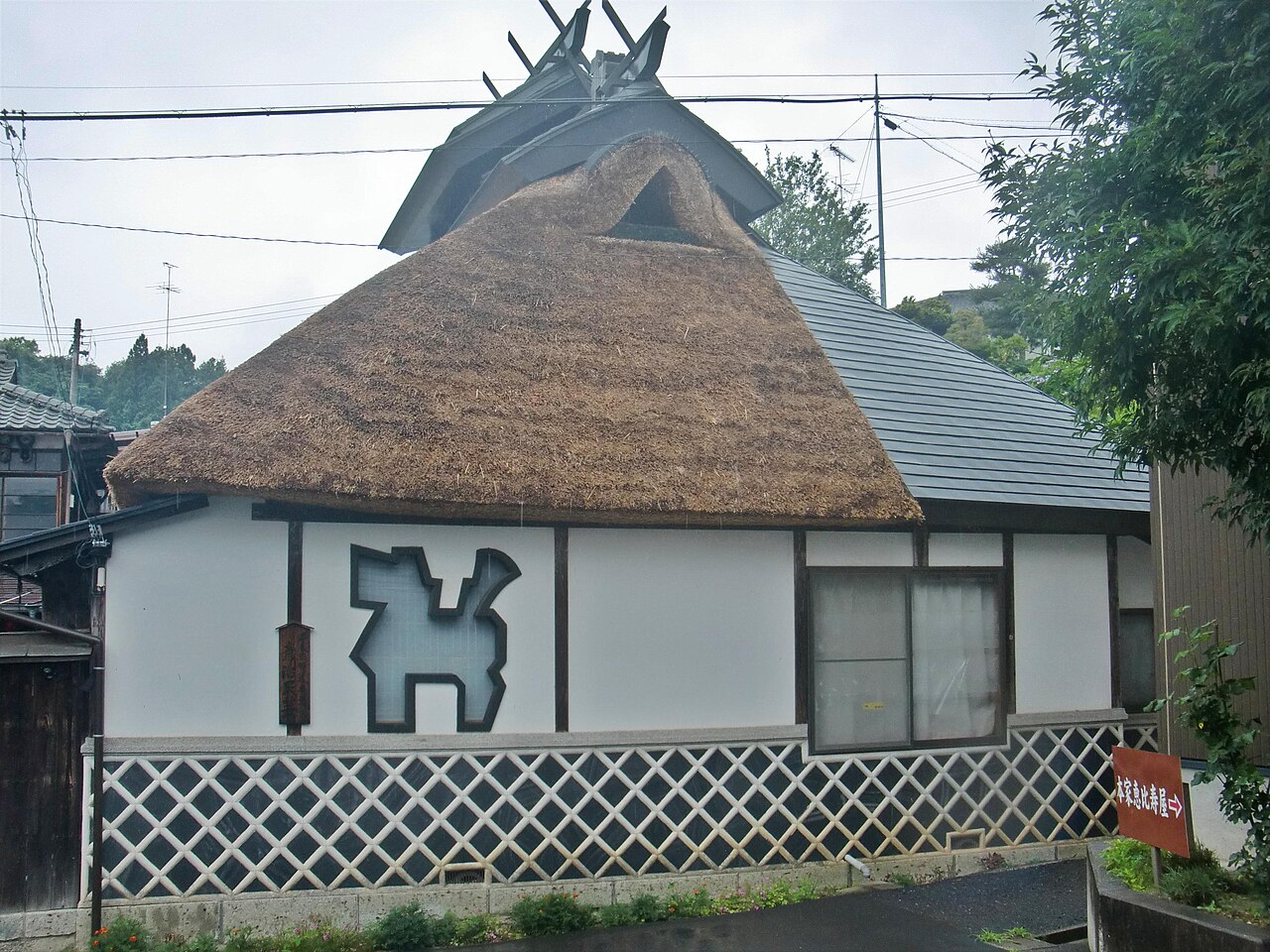
The pieces of each Deko Yashiki house differ in shape and expression, so visitors check with their own eyes and buy what they like. Hikoji Mingei also makes and sells other folk crafts, such as Miharu daruma and masks, in the same shop as the horses. Ebisuya, another shop in Takashiba Deko Yashiki, stocks Miharu daruma in both large and small sizes. Ebisuya makes its hariko and similar pieces by hand, keeping to the traditional way of working.
Oichi-jaya serves dattan soba, and every soba on its menu has become dattan soba. The Deko Zaru Soba is a set of zaru soba and a Miharu triangle of fried tofu. Another soba on the menu comes warm, with mountain vegetables and fried mochi in the bowl. The vanilla soft cream at Oichi-jaya is a premium vanilla made with fresh cow's milk. The dattan soft cream is made with dattan soba tea, so the roasted aroma of the tea meets a vanilla that is not too sweet.
Miharu Town: Takizakura, Kyodo Ningyokan and Chuka Soba
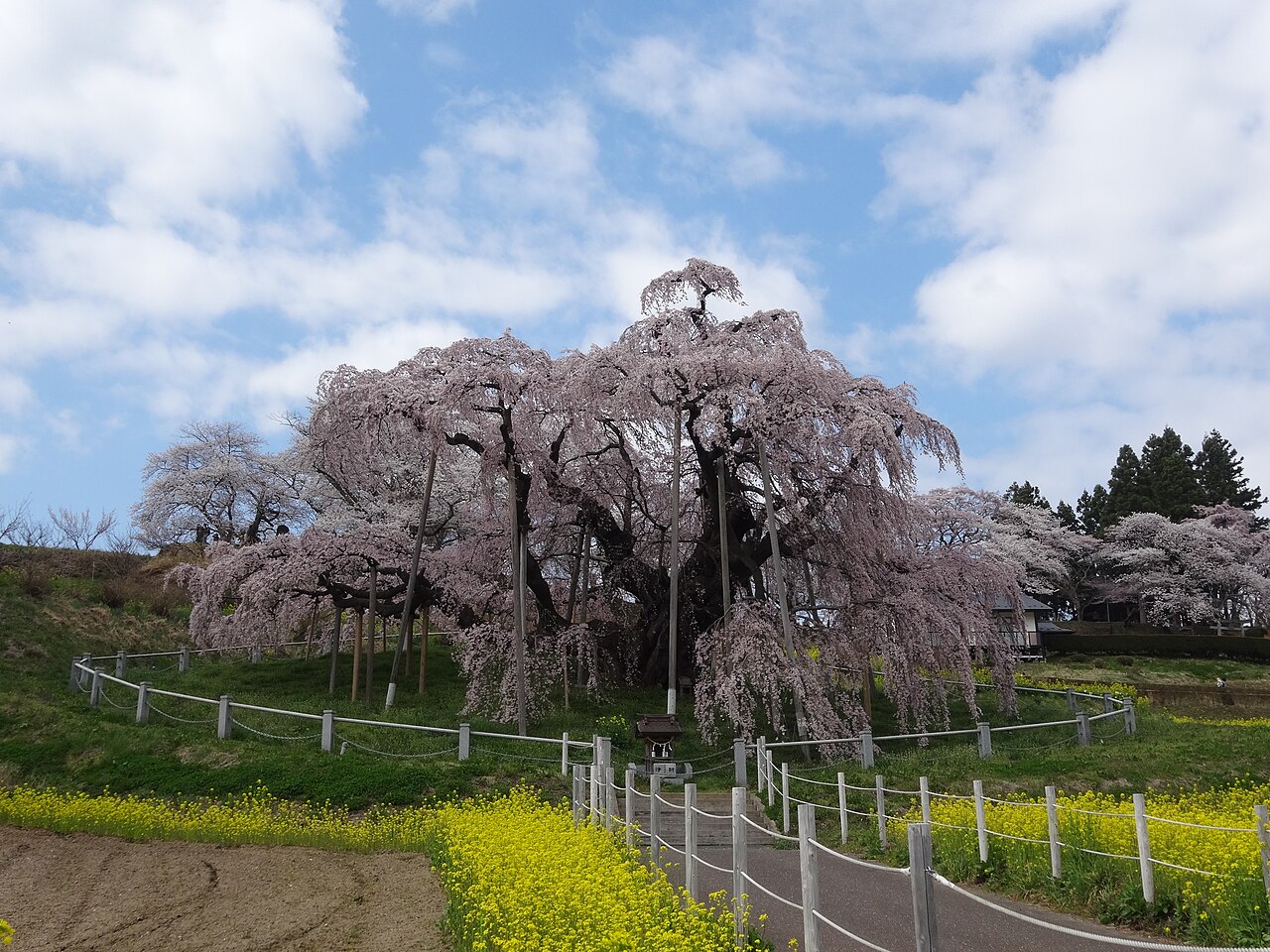
In the blooming season, Takizakura opens countless small light-pink flowers on branches reaching in every direction, so the tree looks like a flowing waterfall. In spring, two weeping cherry trees bloom within the grounds of a temple in the town as well. Takizakura and the temple pair are part of about ten thousand cherry trees that stand in Miharu town.
Kyodo Ningyokan, a museum made from storehouses, lines up Miharu hariko dolls and Miharu-goma inside. The same storehouses hold Tohoku clay dolls and kokeshi, part of a wider display of Tohoku regional folk toys. Inside the storehouses, visitors also find a staircase chest and sliding-door paintings by a local painter of crane pictures. At the town's history and folklore museum, the permanent exhibition sets out a reconstructed old merchant shop front and a farmhouse hearth. The exhibition space there has no glass enclosure, so nothing stands between the visitor and the hearth.
A kimono walk through the castle town of Miharu comes with a professional photographer taking photos along the way. Visitors can also rent a bicycle to take in the Miharu scenery and ride the juzu temple round. In autumn, bright red leaves add colour to the temple grounds and around the town. For a meal, Honjin serves old-fashioned chuka soba made with soy sauce from a long-established soy sauce shop of the same name. The Honjin chuka soba can be ordered with either thin noodles or medium-thick noodles, whichever suits the eater.
To stay overnight in the area, browse places to stay near Miharu.
Getting to Takashiba Deko Yashiki
New to rural buses and one-man trains? See how to ride them, step by step.
| Leg | How | Time |
|---|---|---|
| From Tokyo to Koriyama Station | Tohoku Shinkansen | About eighty minutes |
| From Koriyama Station to Miharu Station | JR Ban-etsu East Line | About thirteen minutes |
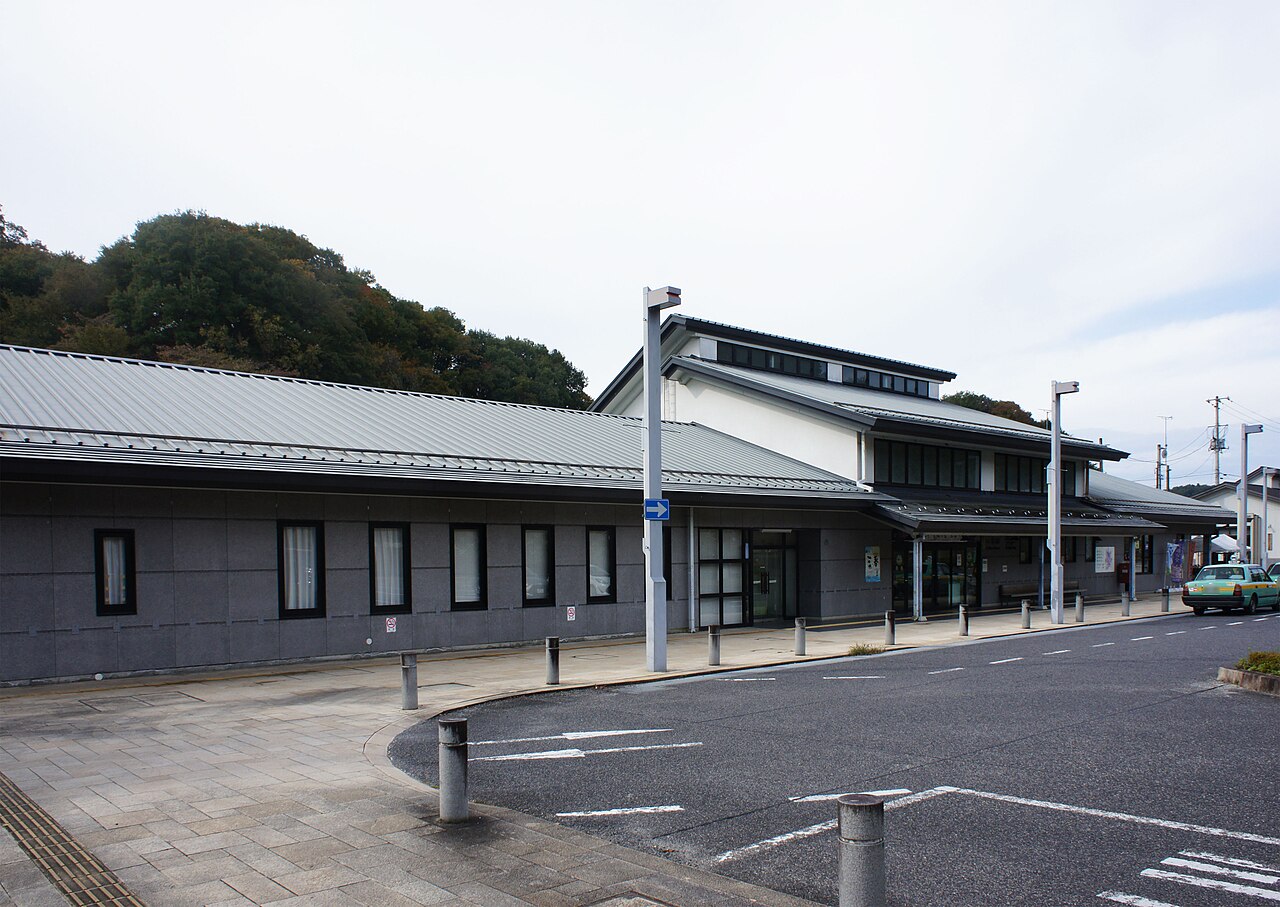
| From Miharu Station to Takashiba Deko Yashiki | Taxi | About ten minutes |
| From Koriyama Station to Takashiba Deko Yashiki | By car; parking for fifty regular cars and five large buses | About twenty-five minutes |
Hours and Fees
| Place | What | Hours or fare |
|---|---|---|
| Daikokuya | Painting courses, tax included | Miharu-goma one thousand seven hundred sixty yen; Miharu-goma about twenty to sixty minutes; mask one thousand five hundred forty yen; mask about twenty to sixty minutes; zodiac one thousand three hundred twenty yen; zodiac about thirty to sixty minutes; nine in the morning to five in the afternoon |
| Hikoji Mingei | Shop hours and painting experience | Ten in the morning to five in the afternoon, four in the afternoon on Saturdays, Sundays and holidays; closed on Thursdays except in the cherry blossom season and over the year-end and New Year period; painting experience listed for February to November, other times by consultation |
| Miharu Kyodo Ningyokan | Winter closure | Closed from December to the end of February; open for a single day, the third Sunday of January |
Fees and hours were checked against official sources on 10 November 2026.
Thinking of staying overnight?
Compare places to stay near Miharu, Fukushima, Japan →
Disclosure: This post may contain affiliate links. If you book through them, we may earn a commission at no extra cost to you.