Shinjuku holds a garden, an alley of grill shops and a night view within one district. In Shinjuku Gyoen, rose beds of about one hundred varieties and five hundred plants enclose a central lawn, a landscape garden sets tulip trees and Himalayan cedars around a wide lawn, and a Japanese garden holds a Chinese-style building and two tea houses. Omoide Yokocho gathers about sixty restaurants centered on motsuyaki and yakitori. After dark, the south observation deck of the Tokyo Metropolitan Government Building overlooks the night view.
Because the garden's last entry in autumn and winter is at four in the afternoon and the night view waits for dark, the garden fits first, with the skewers and the observation deck after it.
Roses, Lawns and the Japanese Garden at Shinjuku Gyoen
Start in the formal garden of Shinjuku Gyoen, where a carefully pruned topiary stands at the center of a central lawn. Rose beds enclose that lawn on four sides, and about one hundred varieties and about five hundred plants grow in them, so one circuit of the lawn passes roses in red, crimson, pink, yellow and white.
The landscape garden works differently. Its lawn is wide, and tulip trees, Himalayan cedars and other giant trees stand dotted around its edges. The contrast with the formal garden is the reason to see both: one is arranged around a pruned centerpiece and flower beds, the other around a broad lawn and the size of its trees.
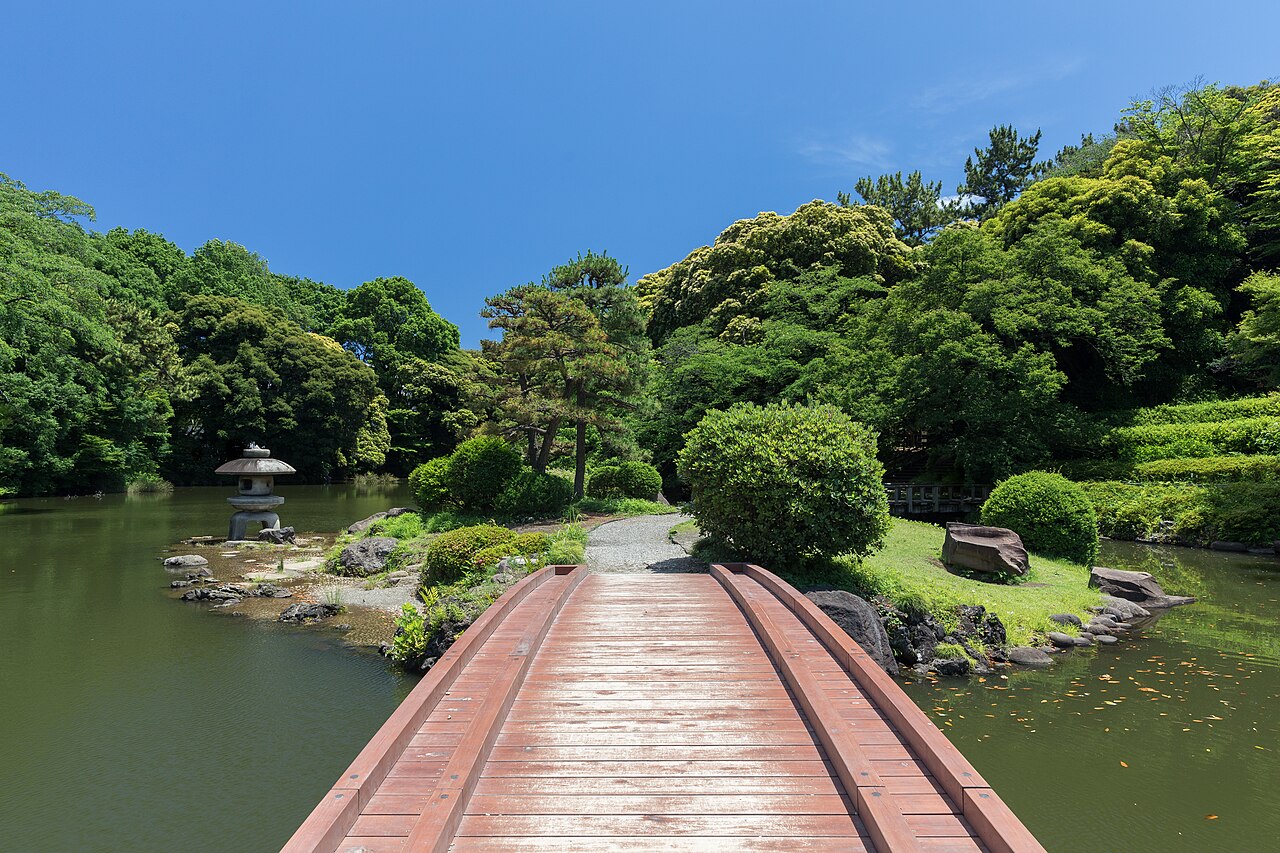
The Japanese garden was originally built as a duck-hunting ground before it took its present form. Its Chinese-style building has a red roof and white eaves that curve upward, and it comes into view on a walk through the garden, which also holds two tea houses, Rakuutei and Shotentei. With time for only one of the three gardens, this one adds buildings to the planting.
Cherry Trees, Aerial Roots and Orchids in Shinjuku Gyoen
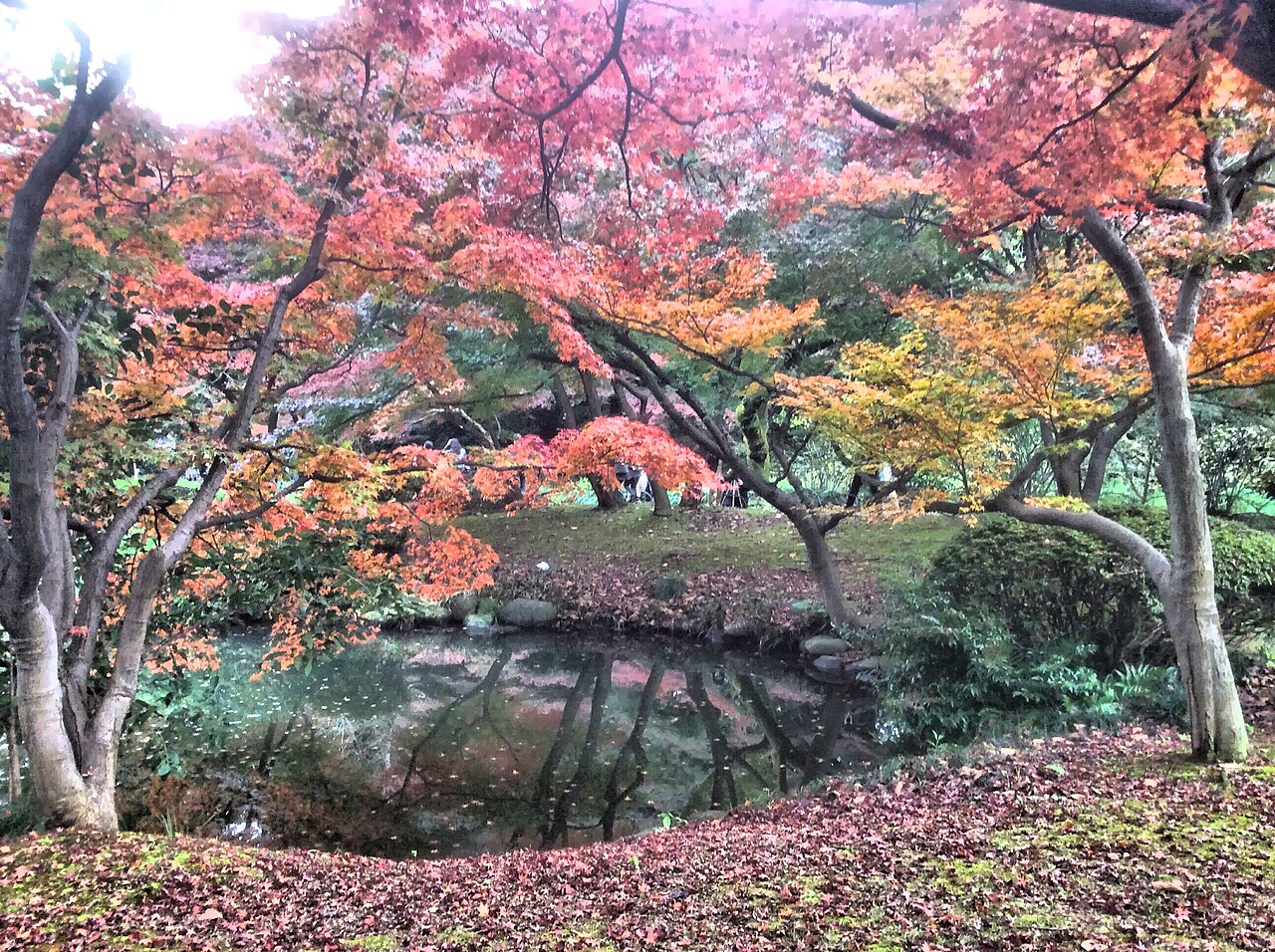
Cherry trees in Shinjuku Gyoen number about nine hundred, in about seventy varieties that range from early to late bloomers, so the blossom is not tied to one variety. One double-flowered variety blooms twice, in October and in March. Another flowers from late March to early April, when the surface of the middle pond reflects the blossom. A third bears large, deep pink flowers that ripple like frills.
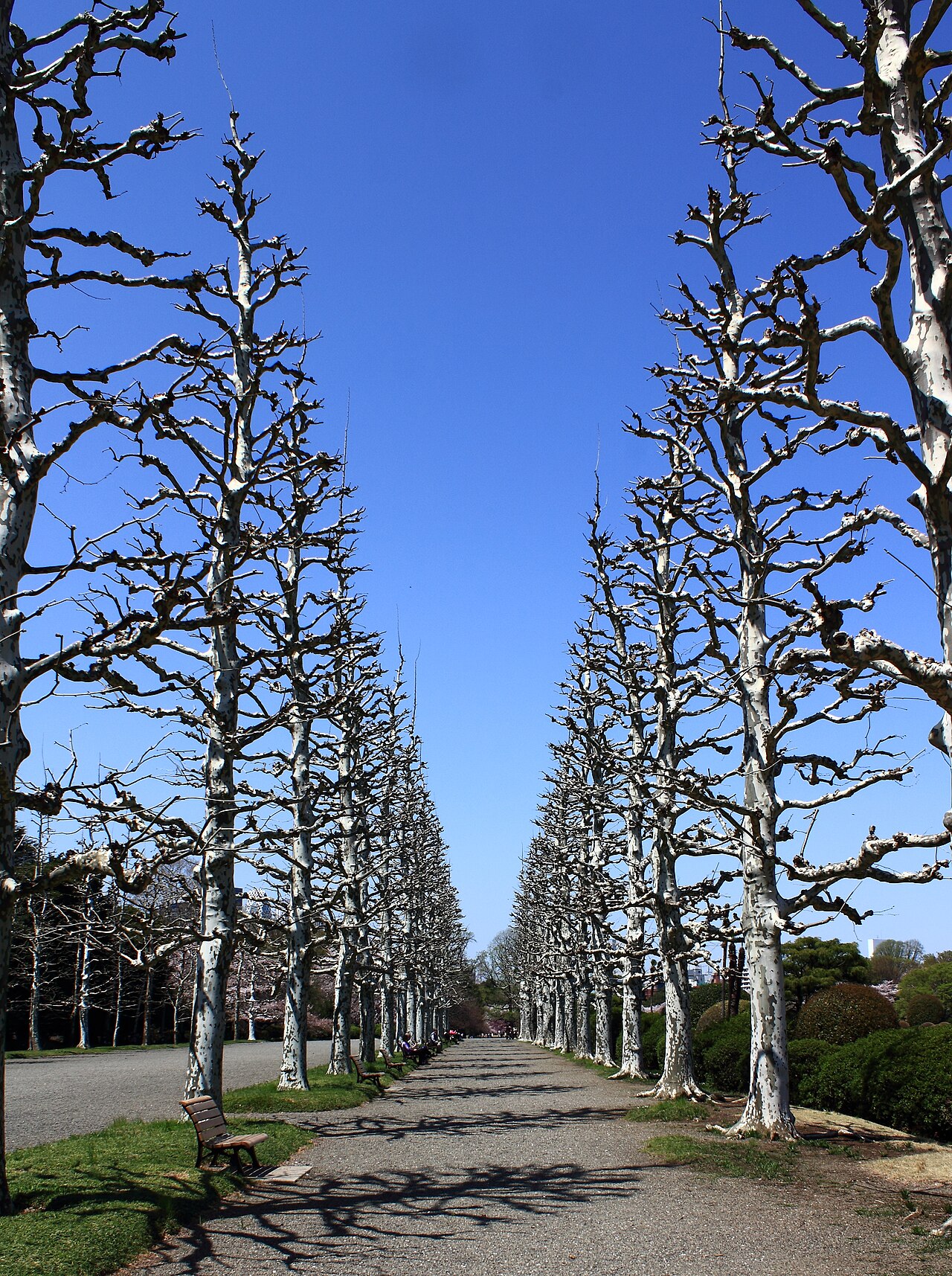
Most of the plane trees in Shinjuku Gyoen belong to a single kind, and a grove of another species lines the outer path that leads away from the Shinjuku Gate. That species prefers humid places and grows aerial roots that push up out of the ground, so the thing to look for is at foot level instead of overhead.
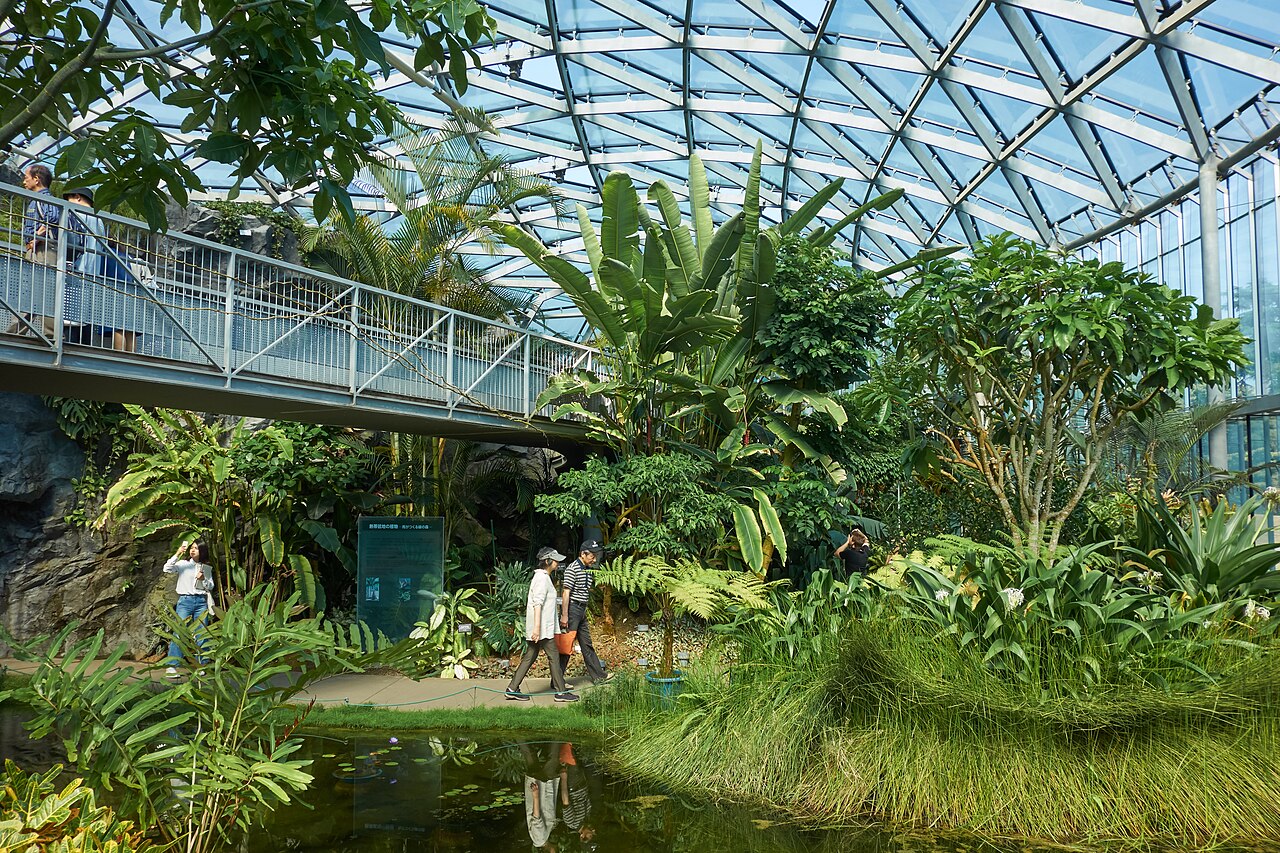
The greenhouse adds orchids to the walk. In the middle of November every year it displays about two hundred pots submitted by orchid enthusiasts, alongside orchids grown in the garden. A behind-the-scenes visit guided by greenhouse staff goes into the cultivation rooms, normally kept out of public view, and covers how orchids and endangered plants are raised.
Skewers, Lanterns and Narrow Shops in Omoide Yokocho
Eating in Omoide Yokocho means choosing among about sixty restaurants, centered on motsuyaki and yakitori shops, so grilled offal and chicken skewers are the usual order. With the ticket shops included, the street counts about eighty shops. They line the lane in a Showa-retro style with chochin lanterns lit, which makes the alley something to look at as well as a place to eat.
The shops are divided by a single door panel, a layout inherited from the early market, and many of them today have walls joined to the shop next door. At one eel skewer shop the menu is basically a single set course, several cuts of skewer are served without being chosen one by one, and alcohol is limited to three cups whatever the type.
Omoide Yokocho is said to have originated from a black market built on burned-out ground right after the end of the war. House rules differ from door to door: some shops ask for one dish and one drink per person, or limit a group to ninety minutes. For a first visit, a shop with a set course removes the need to choose from a menu.
Shinjuku After Dark: Neon, Night Views and a Tower of Entertainment
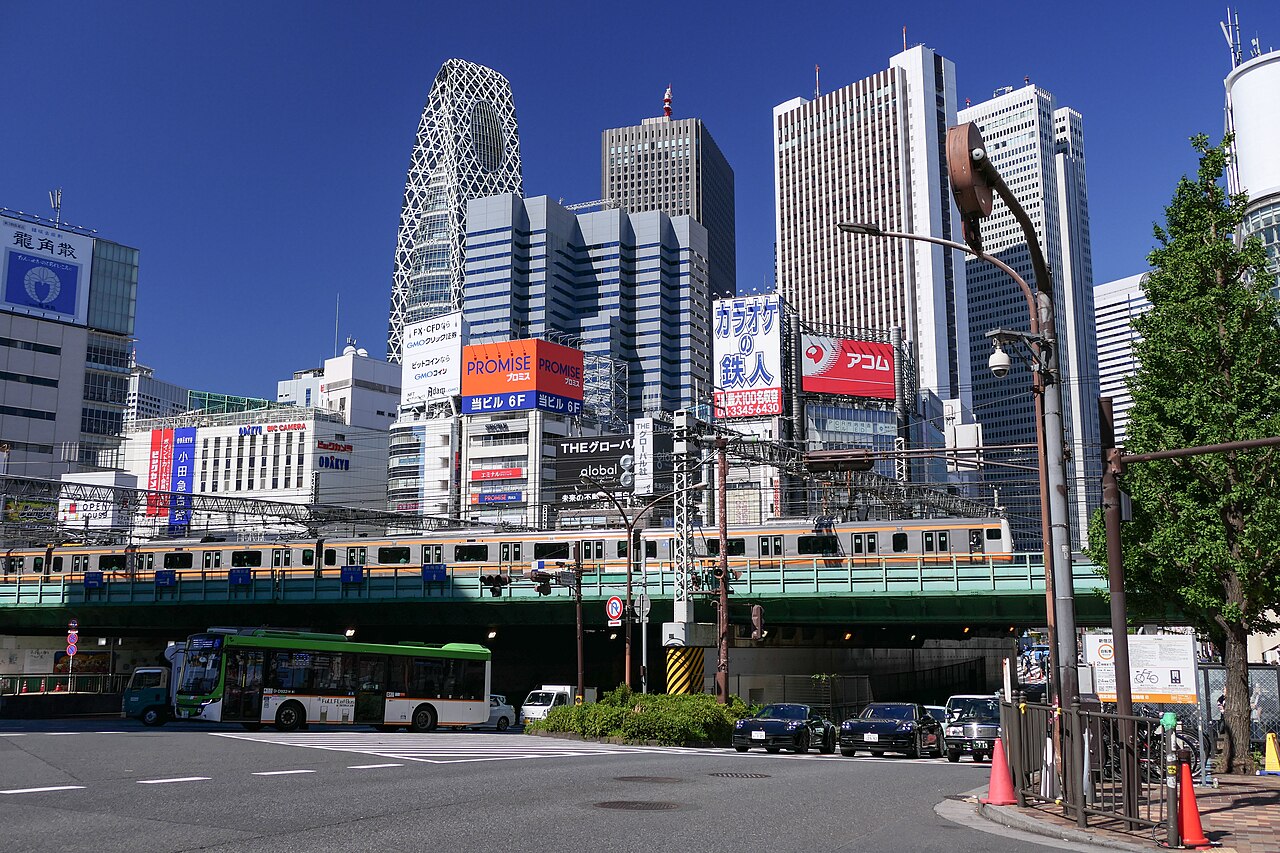
Neon is the first thing to look for after sunset. From a footbridge over a main avenue, the neon lights that illuminate the Shinjuku streets spread out toward the east. A back-street district shows a different side of the night, where street lamps give a warm look when seen after dark. Taking in both sets the wide view against the close one.
For height, the south observation deck of the Tokyo Metropolitan Government Building, renovated in twenty nineteen, overlooks the night view. The observation room takes in Tokyo from above, and Mt. Fuji can sometimes be seen on clear days. Restaurants on the upper floors of high-rise buildings and hotels pair dinner with night views, and one quarter packs small bars closely together.
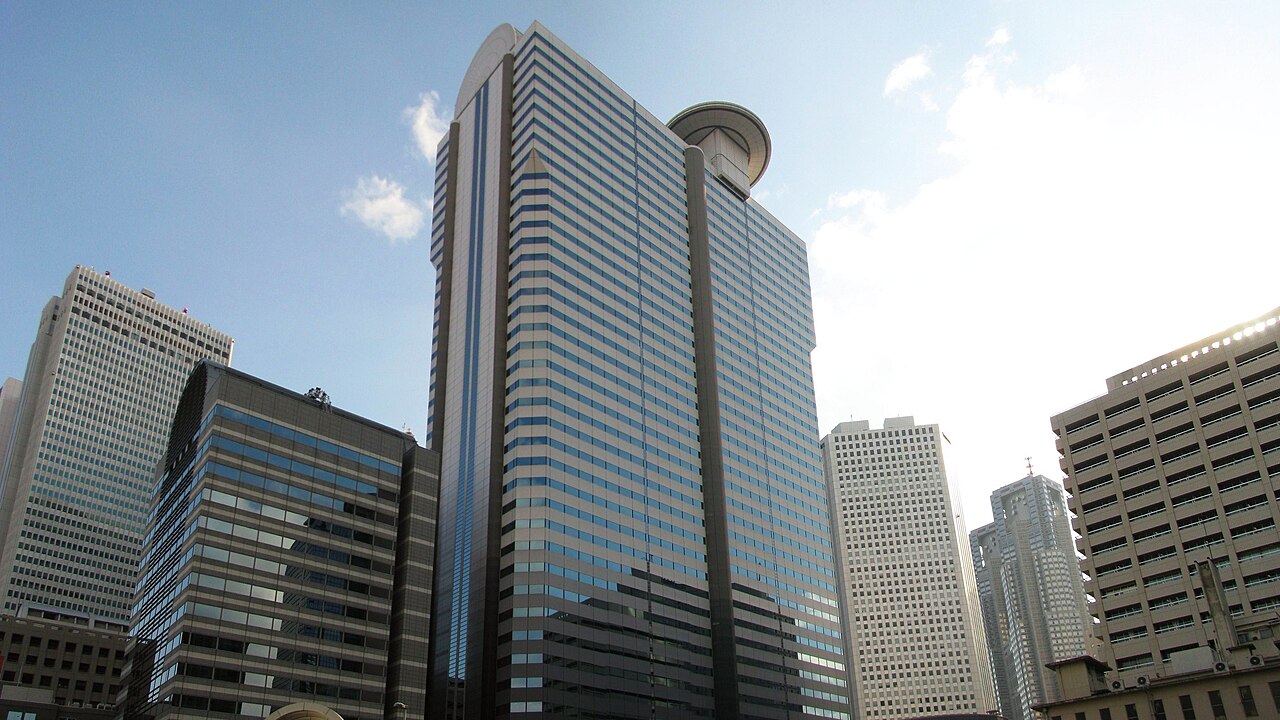
A tower complex that opened in twenty twenty-three combines a hotel with a cinema, a theatre and a live hall across forty-eight floors above ground. A festival-themed food hall has ten food stalls, and every night it holds performances and events with a stage, a DJ booth, a mirror ball, karaoke and magic. THEATER MILANO-Za is a live entertainment theatre with about nine hundred seats.
Getting to Shinjuku
New to rural buses and one-man trains? See how to ride them, step by step.
| Route | Item | Detail |
|---|---|---|
| JR Chuo Line Rapid | Tokyo Station to Shinjuku Station | about fourteen minutes |
| JR Narita Express | Narita Airport to Shinjuku Station | about eighty minutes |
| Walk from the south exit of JR, Keio and Odakyu Shinjuku Station | To the Shinjuku Gate of Shinjuku Gyoen | about ten minutes on foot |
| Walk from JR Shinjuku Station | To Omoide Yokocho | about one minute on foot |
If you would rather stay overnight, places to stay in Shinjuku is a place to start.
Hours and Fees
| Place | Item | Time or fee |
|---|---|---|
| Shinjuku Gyoen | Hours, October to mid-March | nine in the morning to four thirty in the afternoon, last entry at four |
| Shinjuku Gyoen | Closed | Mondays (the following weekday if Monday is a holiday), and the year-end and New Year period |
| Shinjuku Gyoen | General admission | five hundred yen |
| Shinjuku Gyoen | Ages sixty-five and over, and students from high school up | two hundred fifty yen |
| Tokyo Metropolitan Government Building observation room | Hours | nine thirty in the morning to eleven at night, last entry thirty minutes before closing |
Fees and hours were checked against official sources on 19 November 2026.
Thinking of staying overnight?
Compare places to stay near Tokyo, Japan →
Disclosure: This post may contain affiliate links. If you book through them, we may earn a commission at no extra cost to you.