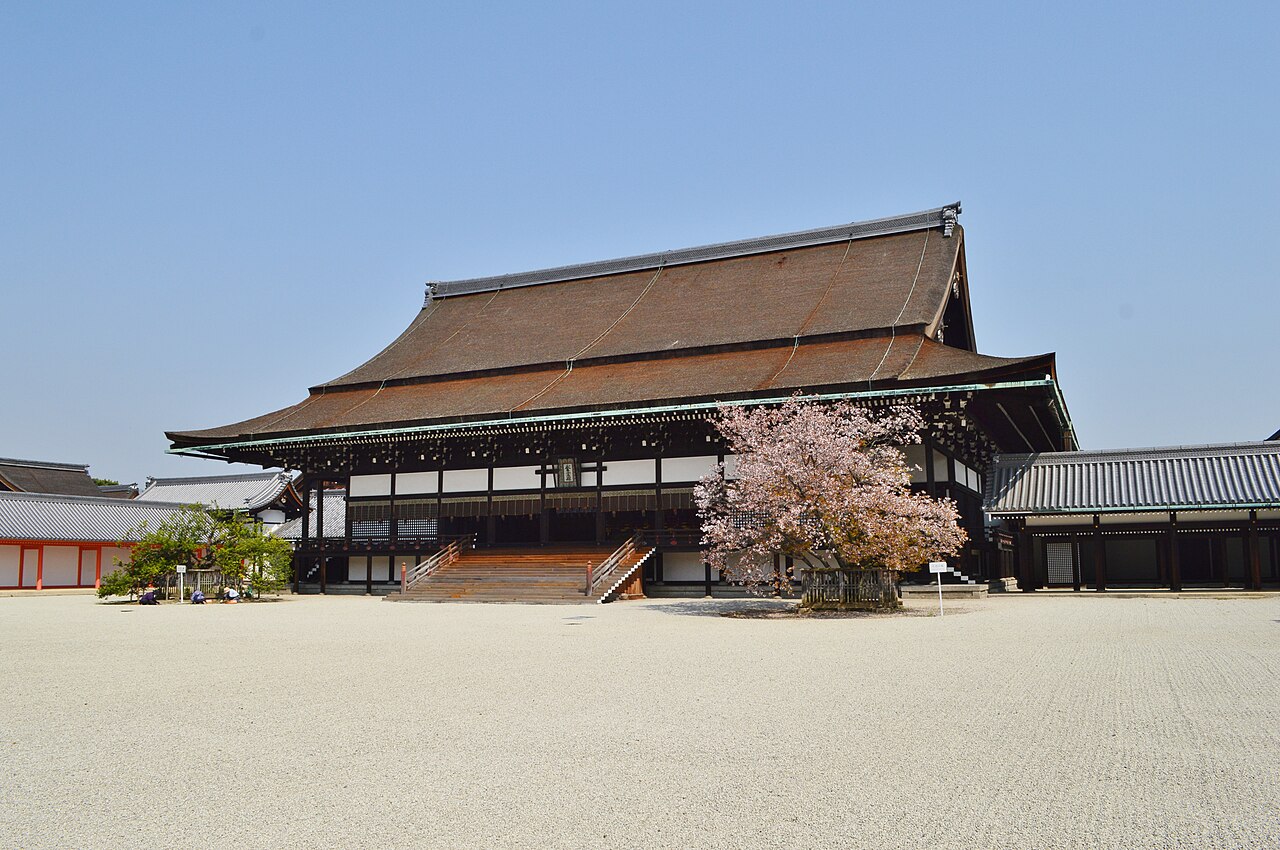
From the terrace seats on the east side of the rest house at Nakadachiuri, Kyoto Imperial Palace can be seen among the park's trees. At Demizu no Ogawa, a stream in the west-central part of Kyoto Gyoen, visitors can play in the water. Along Rekishi Fureai no Michi, a sheet of paper held over a small textured stand and rubbed with a pencil brings up part of a picture. Shusui-tei, once a detached tea-gathering house, still has two tea rooms of ten mats and three mats.
For visitors who want the palace seen from among the trees, a pencil rubbing on a historical path and the rooms of a tea house, Kyoto Gyoen holds all three inside one park.
Kyoto Imperial Palace: Entering by Seishomon Gate and the Palace Buildings
Kyoto Imperial Palace is entered through Seishomon Gate, the gate that visitors use to reach the palace grounds. The grounds are covered with gravel. Alongside viewing at their own pace, visitors are offered guidance by staff in Japanese, English and Chinese.
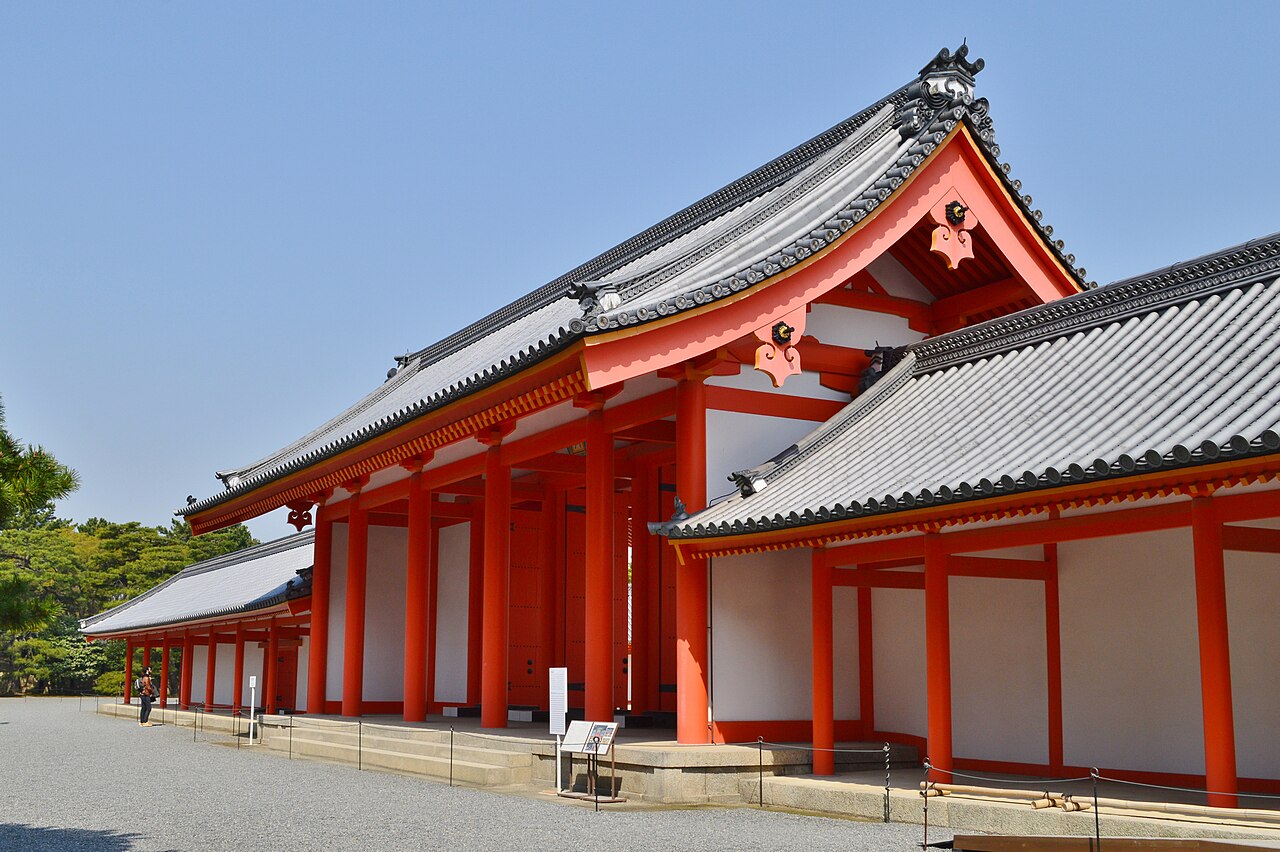
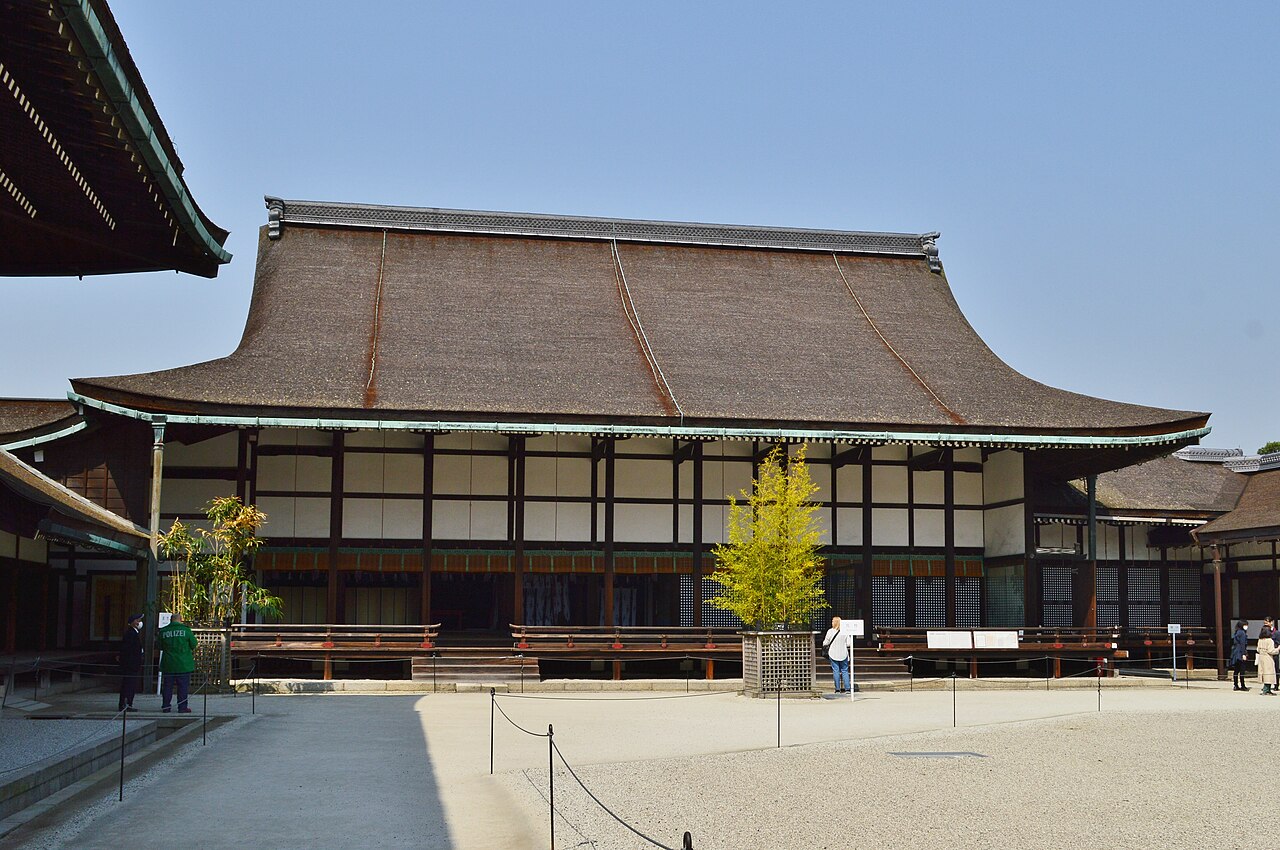
Kyoto Imperial Palace's current buildings were rebuilt after earlier ones burned repeatedly, and they follow the form of the Heian-period dairi. The walls and sliding doors that divide the rooms of those buildings are painted with people, flowers and birds, animals, and landscapes. Kyoto Gyoen surrounds both the palace and Kyoto Sento Imperial Palace.
If the palace comes first, the entry at Seishomon Gate and the staff guidance in three languages are the two things to plan around.
Kyoto Gyoen: Haha to Ko no Mori, Demizu no Ogawa, Shusui-tei and the Kyoto State Guest House
Haha to Ko no Mori, a forest in the northeast of the park, has a bird bath that small birds visit. Visitors read books on nature themes at its forest library, choosing them as they like. The forest was made on the model of a satoyama near Kyoto, so that visitors can easily be in contact with nature.
Demizu no Ogawa, a stream, was made so that visitors can be in contact with water. Well water forms the stream and flows softly between the trees. The stream lies in the west-central part of Kyoto Gyoen.
The Konoe residence site, home of the Konoe family that produced many regents and chancellors, has about sixty large weeping cherry trees. Weeping cherry trees grow in a group near the site, and one stands on the lawn east of the stream. Packed lunches can be eaten in the park's rest houses at Nakadachiuri, Tomikoji and the Konoe residence site.
Rekishi Fureai no Michi traces the sites of historical stages scattered within Kyoto Gyoen. Twenty-two komafuda-style information boards stand where historical heritage from the Heian period to the present is imagined to have stood. At eighteen of the boards, visitors hold a sheet of paper they have brought over a small textured stand and rub with a pencil until part of a picture appears.
Shusui-tei has a sukiya-style shoin-zukuri building that was used mainly as a detached tea-gathering house. Outside its visiting days and the year-end and New Year period, tea gatherings, haiku gatherings and noh chant gatherings can be held there with prior application. Kujo-ike pond and Shusui-tei are among the historic remains inside the earthen embankment that encloses the park.
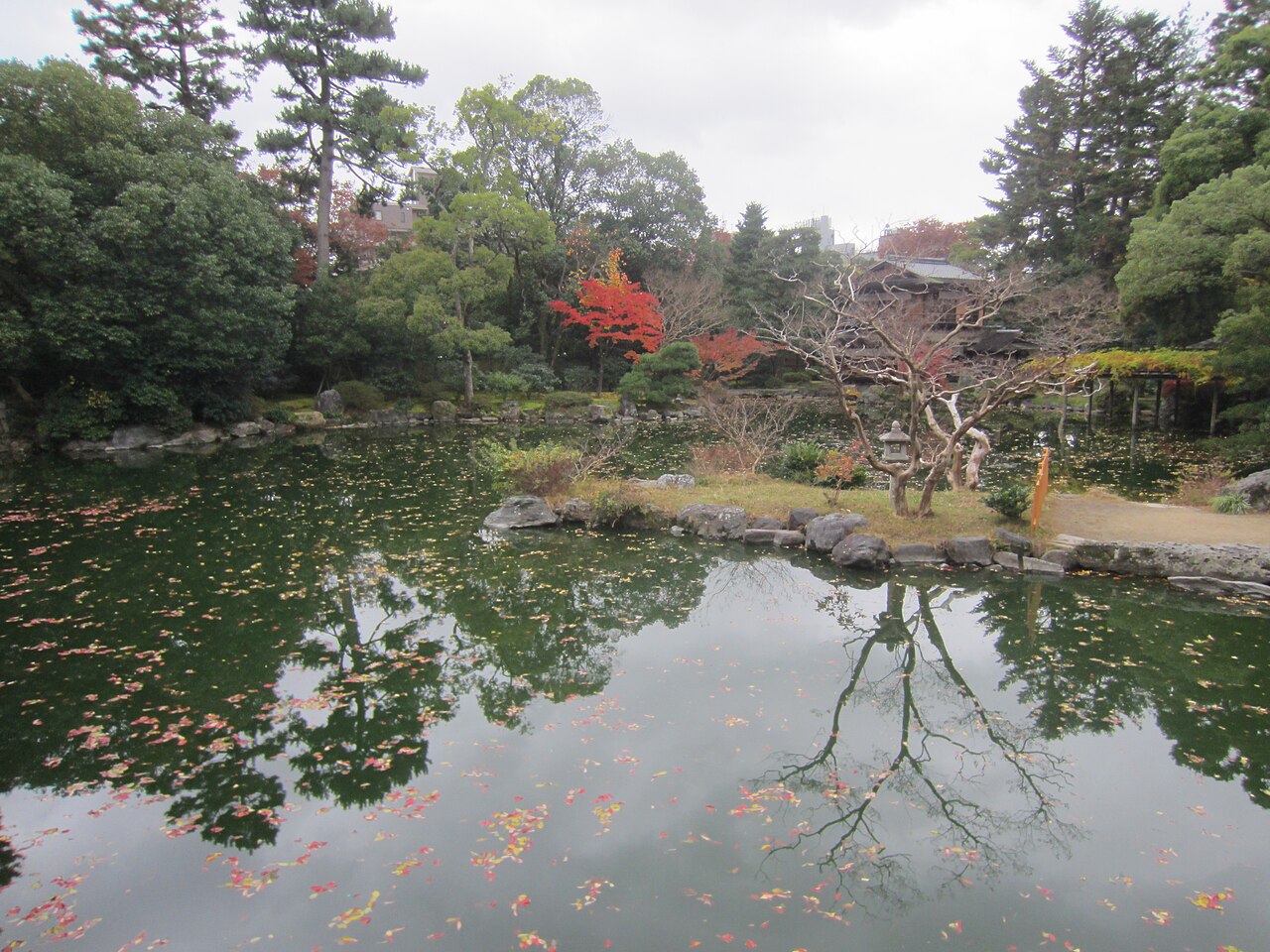
Kyoto State Guest House is seen with a guide leading visitors to each room. The garden is arranged around a large pond, with the greenery of the Gyoen as borrowed scenery. At the corridor bridge the pond's water depth changes, dividing it into a sea section with islands and a rice-paddy section planted with nebikigusa. The bridge ceiling is shaped like an inverted boat bottom, high in the center and low at both ends, and is made of Yoshino cedar.
Demizu no Ogawa and Haha to Ko no Mori are places to touch water and read about nature, whereas Shusui-tei and the Guest House garden are settings of tea rooms and a large pond.
A Half Day Around Kyoto Imperial Palace: Seishomon Gate, Demizu no Ogawa, Shusui-tei and the Guest House Pond
One half day could take in Seishomon Gate, Demizu no Ogawa, Shusui-tei and the Kyoto State Guest House. Seishomon Gate is where visitors enter, onto grounds covered with gravel, and staff there offer guidance in Japanese, English and Chinese. The stream is where visitors can play in the water, which was made to be touched. Shusui-tei keeps its two tea rooms, one of ten mats and one of three.
At the Guest House, a guide takes visitors from room to room, and the garden there has the greenery of the Gyoen as its borrowed scenery. Packed lunches can be eaten in the park's rest houses. Kyoto Gyoen contains the palace as well as remains of the residences of imperial family branches and court nobles.
For a longer visit, see places to stay in Kyoto. There are also tours listed for Kyoto Imperial Palace.
Getting to Kyoto Imperial Palace, Hours and Fees
New to rural buses and one-man trains? See how to ride them, step by step.
| Item | Details (as listed) |
|---|---|
| Kyoto Imperial Palace (as listed) | year-round without advance application, via Seishomon Gate; closed Mondays (next day if a holiday), December twenty-eighth to January fourth |
| Palace tours (as listed) | about fifty minutes; English at ten in the morning and two in the afternoon; guidance also in Japanese and Chinese |
| Shusui-tei (as listed) | Thursday to Saturday except year-end and New Year; nine thirty to three thirty; three hundred yen, high school students and older |
| Kyoto Gyoen (as listed) | about sixty-five hectares around the palace; can be entered freely at any time |
| State Guest House tour (as listed) | adults two thousand yen; university students fifteen hundred yen; junior and senior high school students seven hundred yen |
| State Guest House hours (as listed) | nine thirty to five, reception ending three thirty; children of elementary school age or younger not permitted |
| Karasuma Line subway (as listed) | Imadegawa Exit three, five minutes on foot, nearest the palace reception; Marutamachi Exit one, five minutes, nearest Shusui-tei |
Fees and hours above are as listed for each place. State Guest House fees above are for the guided tour. The two subway exits above are the ones listed as nearest to the palace reception and to Shusui-tei.
Thinking of staying overnight?
Compare places to stay near Kyoto →
Disclosure: This post may contain affiliate links. If you book through them, we may earn a commission at no extra cost to you.