Renting a car in Japan for the countryside turns on a few checks: the permit beside your licence, tolls and fuel, and in winter the tires. Rules differ by rental company and by road, each police force words the permit's time limit in its own way, and the ones set out here are examples rather than rules for the whole country.
Bring an International Driving Permit issued under the Geneva Convention on Road Traffic, or, if your licence comes from Switzerland, Germany, France, Belgium, Monaco or Taiwan, a Japanese translation of it. Take an ETC card with the car, check whether a regional expressway pass fits your route, and in winter book winter tires.
Which permit lets you drive: IDP or translation
The first decision when renting a car in Japan is which document to carry beside your licence.
JAF confirms that an International Driving Permit issued abroad under the Geneva Convention on Road Traffic of 1949 lets its holder drive a vehicle in Japan under Japanese law. Permits issued under other treaties, such as the 1968 Vienna Convention, are not valid in Japan, JAF adds. So look at the treaty named on your permit, not only at its title. Toyota Rent a Lease Sapporo accepts permits from member countries of that Geneva Convention when they are shown together with the passport.
The second route is a translation. Toyota Rent a Lease Sapporo treats a licence from Switzerland, Germany, France, Belgium, Monaco or Taiwan, carried with its Japanese translation, as good for driving for one year after landing in Japan. JAF charges six thousand yen, tax exempt, for a Japanese translation attached to an existing licence to drive a vehicle. Kyoto Prefectural Police counts a foreign licence with a Japanese translation attached as usable for one year from the day of landing in Japan or until the licence expires, whichever is shorter.
Each police force words the time limit in its own way. Kyoto Prefectural Police gives an International Driving Permit one year of use counted from the day of landing in Japan, or until the permit expires, whichever is shorter. Tokyo Metropolitan Police Department requires the permit to be within one year of issue and within one year of landing in Japan. Ibaraki Prefectural Police sets the validity period of the permit at one year from the date of issue. If your permit was issued well ahead of your trip, compare its issue date with your landing date before you book a car.
Tolls, ETC cards and regional expressway passes
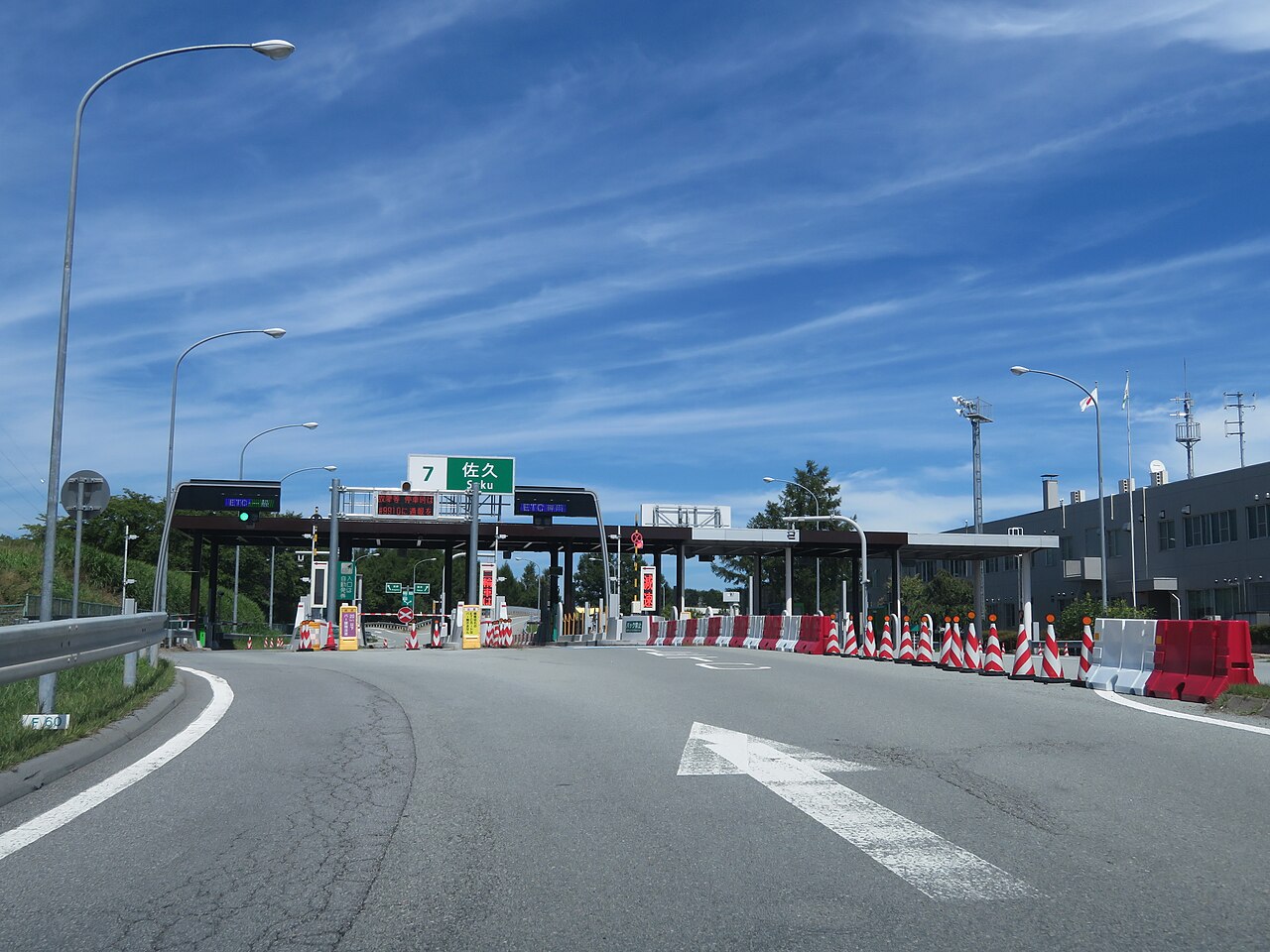
Toyota Rent a Car adds an ETC card to a rental for five hundred and fifty yen per rental. Each of the regional passes below works through the ETC system, so the card comes first.
Hokkaido. The Hokkaido Expressway Pass gives unlimited use of Hokkaido's expressways through the ETC system at one flat rate. The four-day pass is seven thousand seven hundred yen for ordinary passenger cars and six thousand two hundred yen for light vehicles. The eight-day pass is fifteen thousand four hundred yen and twelve thousand three hundred yen for the same two classes, in that order. The Hokkaido Expressway Pass does not include the vehicle rental or the ETC card. The pass page gives the normal one-way toll for an ordinary passenger car from New Chitose Airport to Hakodate, via Onuma Koen IC, as five thousand five hundred and thirty yen. Set that single toll against the pass when you sketch your route. If you are staying in Sapporo and want a base before you drive, you can browse places to stay in Sapporo.
Tohoku. The Tohoku Expressway Pass works the same way on Tohoku expressways, with unlimited use through the ETC system at a flat rate. Its four-day rates are eight thousand five hundred yen for a standard size vehicle and six thousand eight hundred yen for a light vehicle. Its eight-day rates are seventeen thousand yen and thirteen thousand six hundred yen, in the same order.
Niigata. The Niigata Expressway Pass gives unlimited use of Niigata expressways through the ETC system at a flat rate. A three-day Niigata pass costs six thousand two hundred yen for a regular-sized car and four thousand nine hundred yen for a light vehicle, and the rental of the vehicle and ETC card is not included.
Filling up: full service or self service
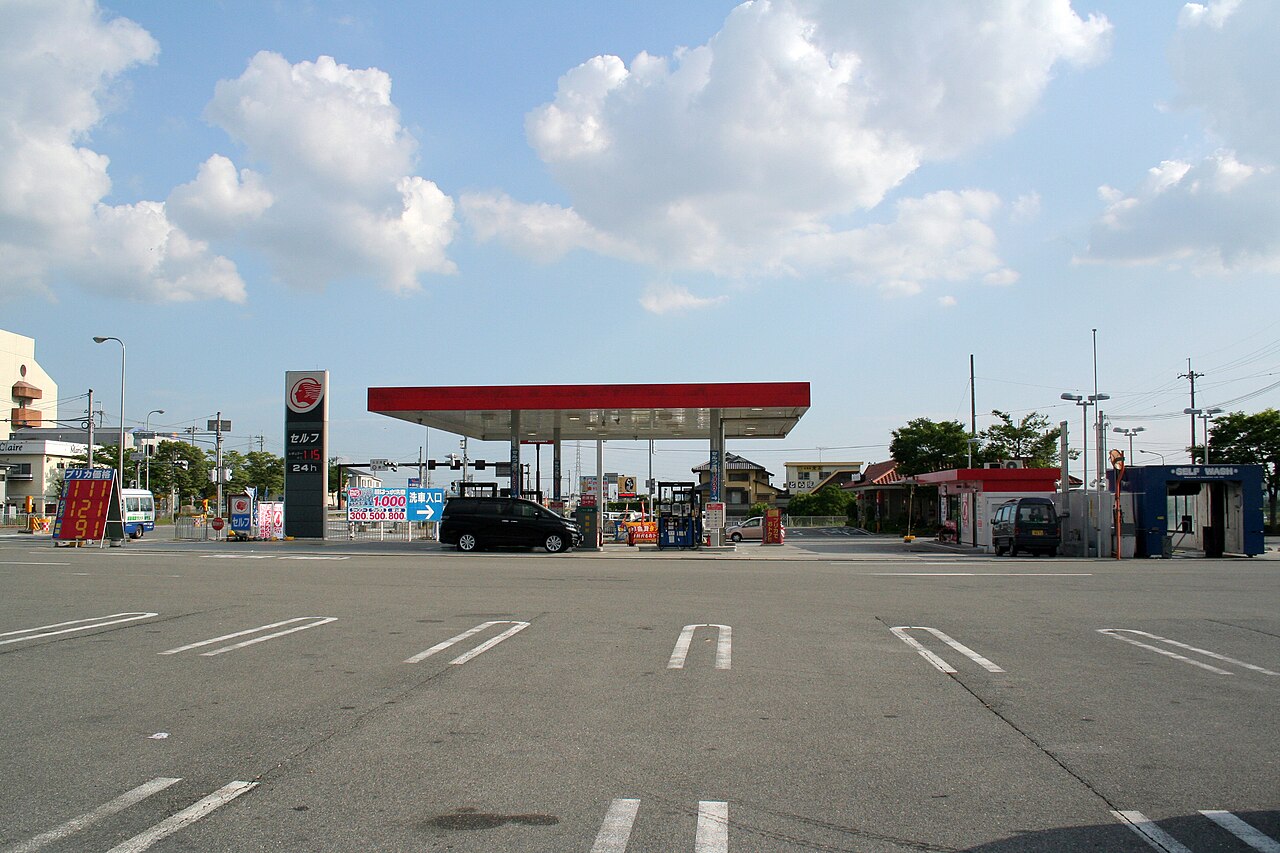
Toyota Rent a Car sorts fuel stops in Japan into two kinds: full service, where an attendant fills the tank on request, and self service, where the driver fills the tank.
Toyota Rent a Car gives "twenty liters, regular" as an example of what to say when ordering fuel at a full-service gas station. Toyota Rent a Car gives "two thousand yen, regular" as the example for ordering by amount of money at a full-service gas station.
At a self-service pump, Toyota Rent a Car notes that refueling stops automatically when the tank becomes full. If you would rather not handle the pump, choose full service and keep one of those phrases ready.
Winter tires, chains and slower roads
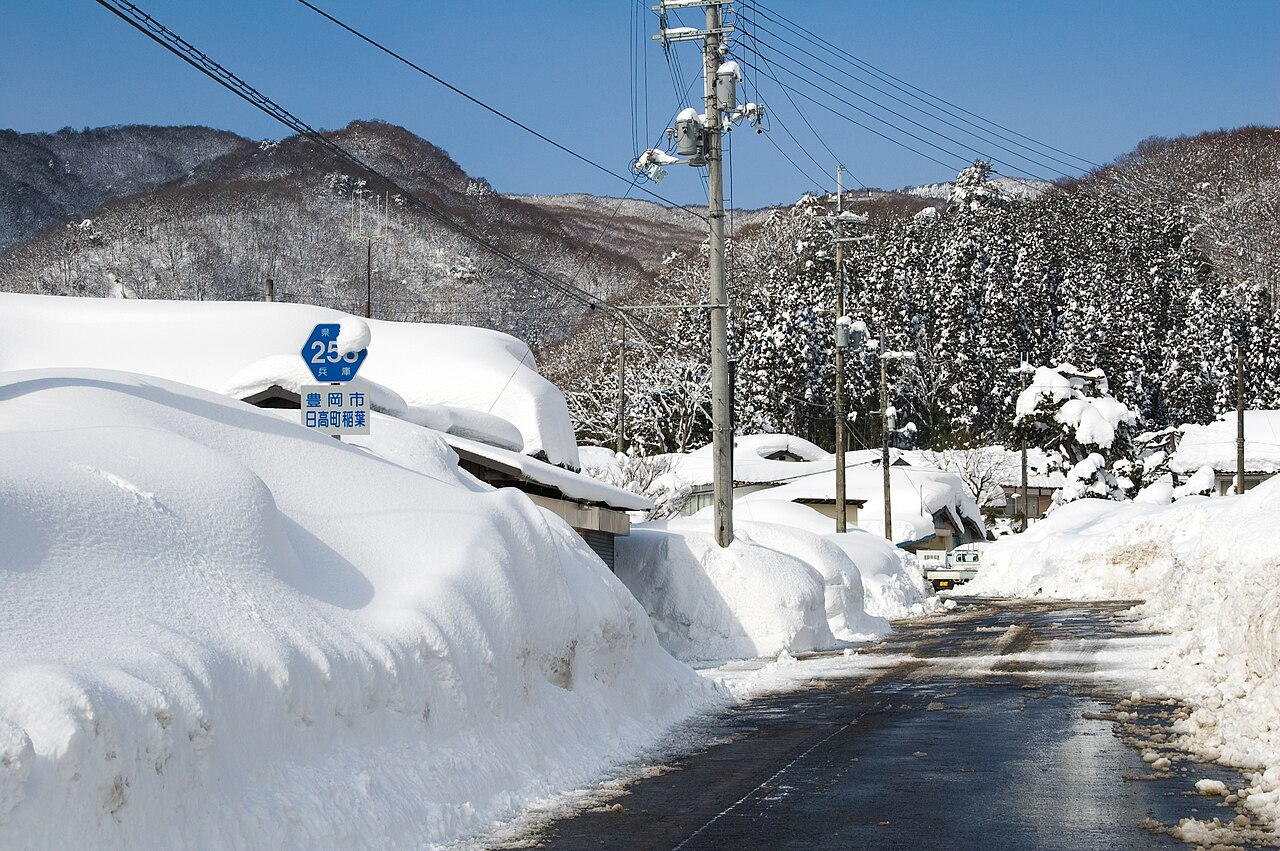
NEXCO Central warns that travel speed on winter expressways may be limited to fifty to eighty kilometers per hour because of poor road conditions or poor visibility. Plan a winter day with that slower pace in mind.
Under NEXCO Central's winter tire regulations, non-slip devices such as winter tires, including studless tires, or tire chains have to be fitted to drive on the winter expressway. NEXCO Central also points out that even with winter tires such as studless tires, a vehicle cannot run without a tire chain. The tire chain is basically mounted on the drive wheel, in NEXCO Central's explanation.
That makes tires and chains a question for the rental company. Depending on the rental location, Toyota Rent a Car may provide winter tires or snow chains as standard equipment or as an optional item that has to be booked in advance. During the winter season, Toyota Rent a Car's winter tires can be booked online. Nippon Rent-A-Car has winter tires among its available options, alongside child seats. Settle both items at the time you book the car. For winter planning, see the guide to winter travel in rural Japan.
Michi-no-Eki: the stops along a country drive
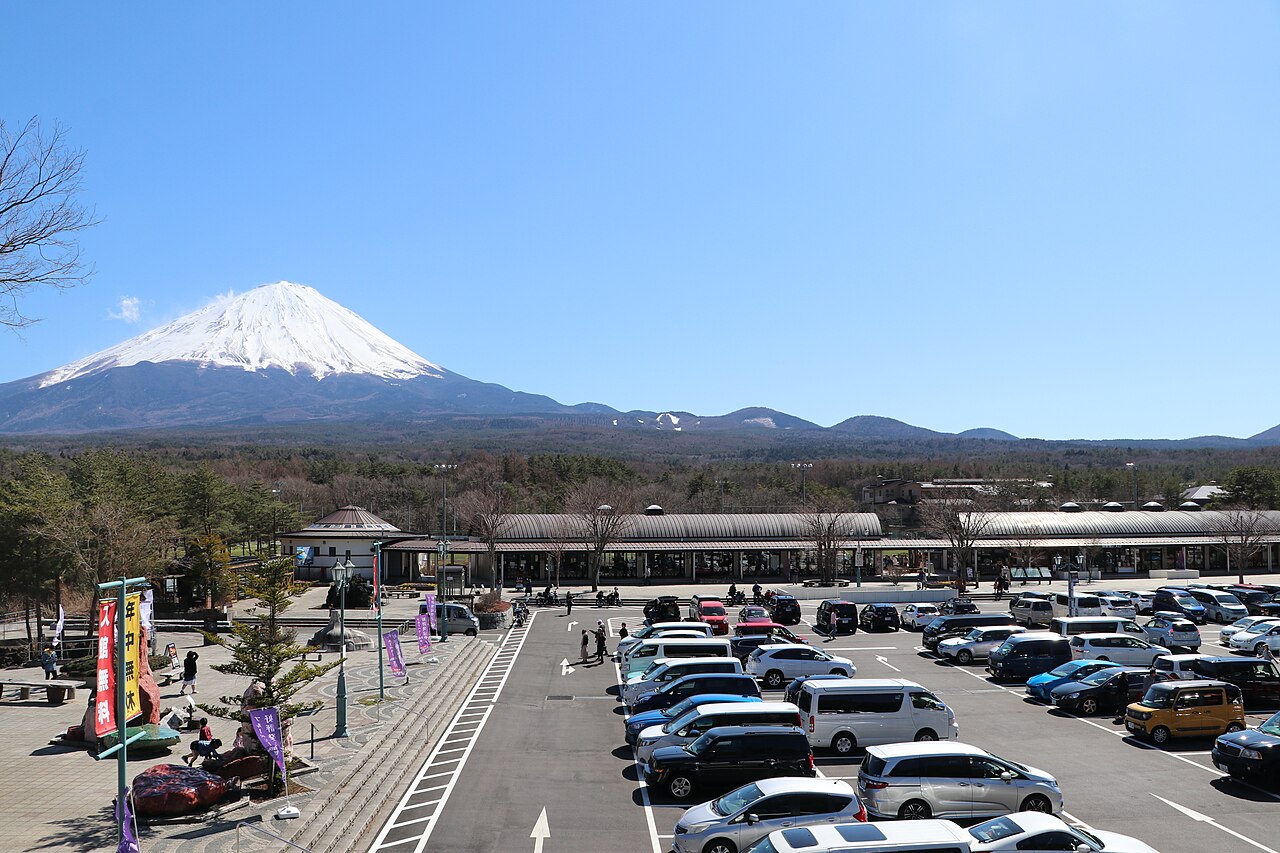
The National Michi-no-Eki Association defines a Michi-no-Eki as a facility meant to give drivers a comfortable road traffic environment and to bring local liveliness. That double purpose is the reason to pull in during a country drive: the stop is meant for the driver and for the place it stands in.
The network consists of one thousand two hundred and thirty-four Michi-no-Eki across Japan, by the association's count. MLIT's registration history shows that the first one hundred and three Michi-no-Eki were registered together. With a network of that size, a Michi-no-Eki can be the planned pause on a long drive.
One-way returns and before you go
ORIX Rent-A-Car's one-way rental is a system for returning the rental car to a site other than the booked pick-up site. ORIX Rent-A-Car requires one-way returns to be made during business hours, eight in the morning to eight in the evening, excluding Hokkaido and Okinawa. Time the last leg of the drive around that window.
Read one more term before you sign. For vehicle damage, Toyota Rent a Car holds the customer responsible for the first fifty thousand yen as a deductible.
If you would rather not drive, see the guide to getting around without a car. For planning what to carry, see the guide to cash in rural Japan. Check official information before visiting.