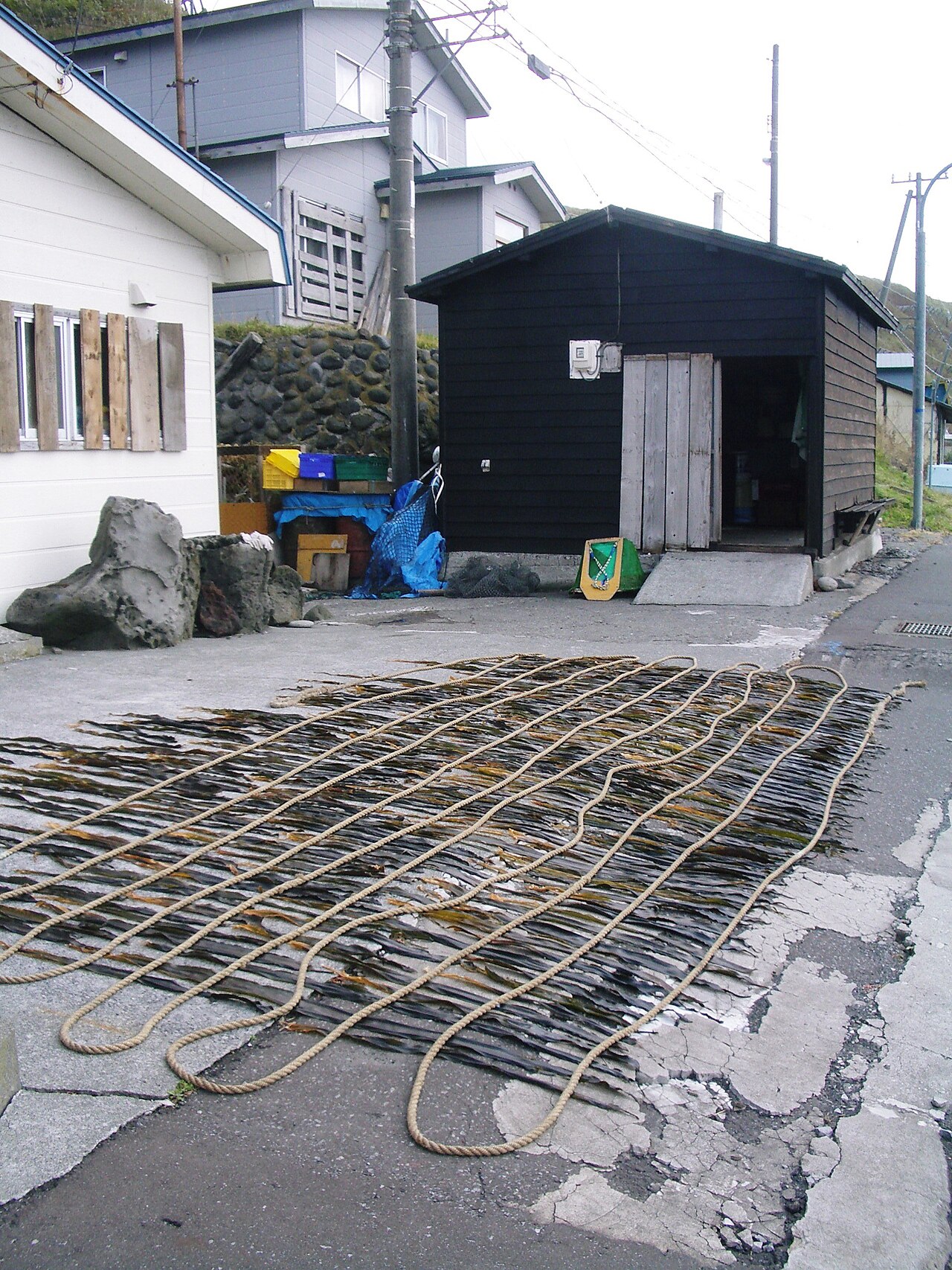
Ramen on Rishiri Island comes with the island in the bowl, starting with broth drawn from Rishiri kombu. The shops here are six, spread across Kutsugata, Oshidomari, Senposhi and Oniwaki, and each has a bowl of its own.
Rishiri Ramen Miraku in Kutsugata makes its ramen with Rishiri kombu broth and soy sauce grilled until just before it burns. Sato Shokudo in Oshidomari serves Rishiri seaweed ramen in kombu stock, and shops in Kutsugata, Senposhi and Oniwaki add other bowls. Days and times differ by shop, and the last section sets them side by side.
Rishiri Ramen Miraku in Kutsugata: kombu broth and grilled soy sauce
If the words rishiri ramen brought you to this page, Miraku is the shop that carries them in its name. It stands in Kutsugata, and its bowl uses plenty of Rishiri kombu harvested in the nearby sea. The kitchen also prepares its ramen with clear spring water that comes from the snowmelt of Mount Rishiri. Kelp from the sea and water from the mountain tie this bowl to the island from both directions.
The bowl to know by name is the yakishoyu ramen, a grilled soy sauce ramen built on a sweet Rishiri kombu broth base and soy sauce grilled until just before it burns. It is also the bowl the shop itself recommends, which settles the choice on a first visit. If kombu broth is what draws you to Rishiri ramen, this pairing of broth and grilled soy sauce is the place to start.
Miraku has forty-four seats, and bookings are possible. That is worth knowing when you are travelling as a group and want to sit down together. The days and times for the shop are gathered in the list near the end of this guide, so the bowl itself can stay the subject here.
Sato Shokudo in Oshidomari: Rishiri seaweed ramen in kombu stock
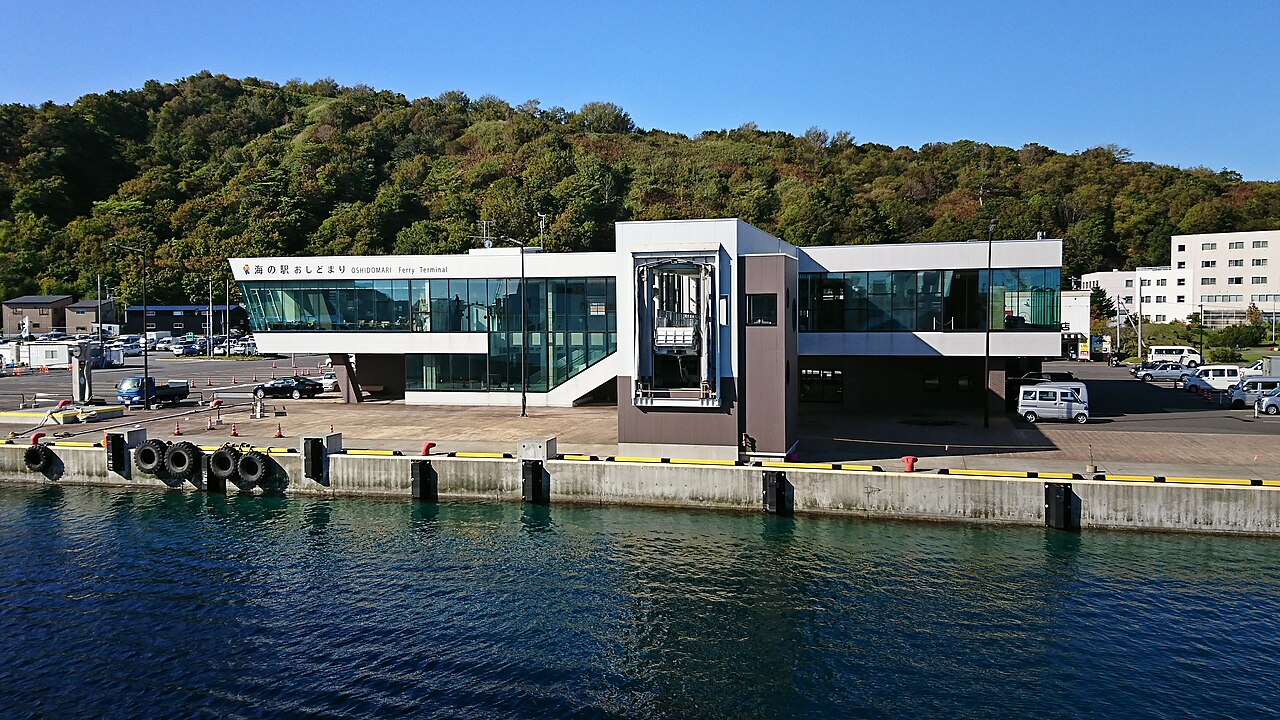
Sato Shokudo in Oshidomari serves Rishiri seaweed ramen, a bowl whose soup is flavoured with Rishiri kombu stock and topped with wakame, funori and ginnansou seaweed. Where Miraku pairs kombu with grilled soy sauce, this bowl pairs kombu stock with a seaweed topping. The two shops show two different ways that Rishiri kombu reaches a bowl of ramen, and a trip that takes in both Kutsugata and Oshidomari lets you compare them.
The shop runs from April to October. If Rishiri seaweed ramen is the reason for your trip, set your dates inside that season before you plan anything else around it. The time of day for this shop sits with the others in the list near the end of this guide.
Compare options
See partner pricing and availability →
Disclosure: This post may contain affiliate links. If you book through them, we may earn a commission at no extra cost to you.
Around the island: Wasurenagusa, Nagisa, Marui Shokudo and Kawaichi
The remaining shops are spread across Kutsugata, Senposhi and Oniwaki, and each one has its own bowl. Shokudo Wasurenagusa in Kutsugata is the shop with the broad menu, a wide range of Chinese dishes that takes in scallop ramen, set meals and zangi. Its ra-yu tanmen is made with chili oil that the shop prepares in house. The Shimakko ramen is a seasonal bowl served only in summer, so it is one to look for on a summer trip.
Ajidokoro Nagisa, also in Kutsugata, recommends a ramen that it calls the Nagisa Special, and it serves deep-fried pork as well. With Miraku, Wasurenagusa and Nagisa all in Kutsugata, this is the district where you can choose between a kombu and grilled soy sauce bowl, a scallop bowl, a chili oil bowl and a house ramen without moving on.
Marui Shokudo in Senposhi keeps to noodles and nothing else, with ramen, udon and soba on the menu. Its ramen has a soup with a pronounced stock and an old-fashioned seasoning. That makes it the shop to choose when you want a short menu of noodles rather than a broad one.
Ajisai Kawaichi in Oniwaki has ramen on its menu alongside chamen, a local dish of the Soya area, katsu curry and omelet rice. It suits a mixed table where one person wants ramen and another wants rice or curry. The chamen also gives you a regional dish to try next to the ramen.
Days and times shop by shop
The list below sets each shop side by side.
- Rishiri Ramen Miraku (Kutsugata). The shop is open from half past eleven in the morning to two in the afternoon, and until half past two in the afternoon only from June to September. It is closed on Thursdays.
- Sato Shokudo (Oshidomari). The shop is open from nine in the morning to four in the afternoon.
- Shokudo Wasurenagusa (Kutsugata). The shop is open from eleven in the morning to two in the afternoon for lunch and from five in the evening to nine in the evening for dinner. Its regular closing day is Monday.
- Ajidokoro Nagisa (Kutsugata). The shop is open from six in the evening to eleven in the evening, and its closing days are irregular.
- Marui Shokudo (Senposhi). The shop opens from half past eleven in the morning and is closed on Tuesdays.
- Ajisai Kawaichi (Oniwaki). Kawaichi is open from eleven in the morning to two in the afternoon.
Read the list against your own day on the island before you settle on a bowl. A shop that serves around midday fits a different plan from one that serves in the evening, and the closing days differ from shop to shop.
Before you go
Miraku's own page gives about fifty minutes by plane from Okadama Airport in Sapporo. For the island itself, see the Rishiri Island guide. If you are also planning time in Wakkanai, see the Wakkanai guide. If you are also heading to Rebun Island, see the Rebun Island guide. If you want a base on the island, you can browse places to stay on Rishiri Island. Check official information before visiting.