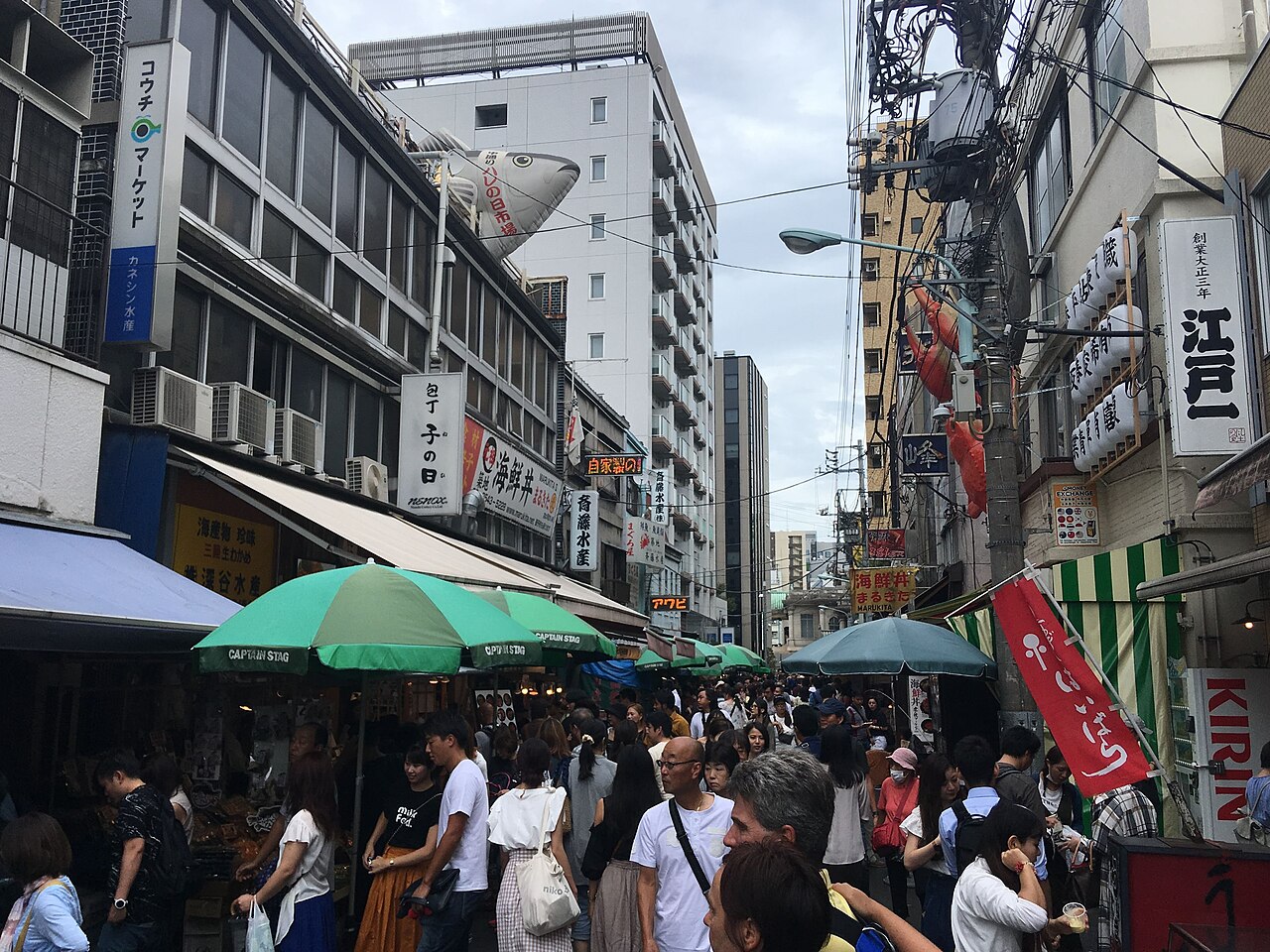
Eat nama-maguro on the spot at Tsukiji Outer Market in Tokyo, a general market where specialty shops for many kinds of Japanese food are gathered. Look for tamagoyaki, the Japanese omelette folded into a block from thin layers of egg cooked in a rectangular pan. Skewers of A-five-rank wagyu are grilled to order. At Namiyoke Inari Shrine, a lacquered wooden lion head looks down on the heads of a dragon and a tiger.
For visitors who come to eat, the order is simple: begin at the shrine that the market's own recommended plan puts first, then turn to the shops for tuna, omelettes and skewers.
Tuna, Tamagoyaki and Dried Fish: What the Shops of Tsukiji Outer Market Sell
Eat the nama-maguro at a tuna shop, where it is sold to be eaten on the spot. The market also has fresh tuna for sashimi and frozen tuna for preserving, and one tuna shop sells mainly fresh natural hon-maguro. For something to eat right away, pick the nama-maguro or a rolled omelette in an eat-up-size portion; the frozen tuna and the himono are the preserved kind.
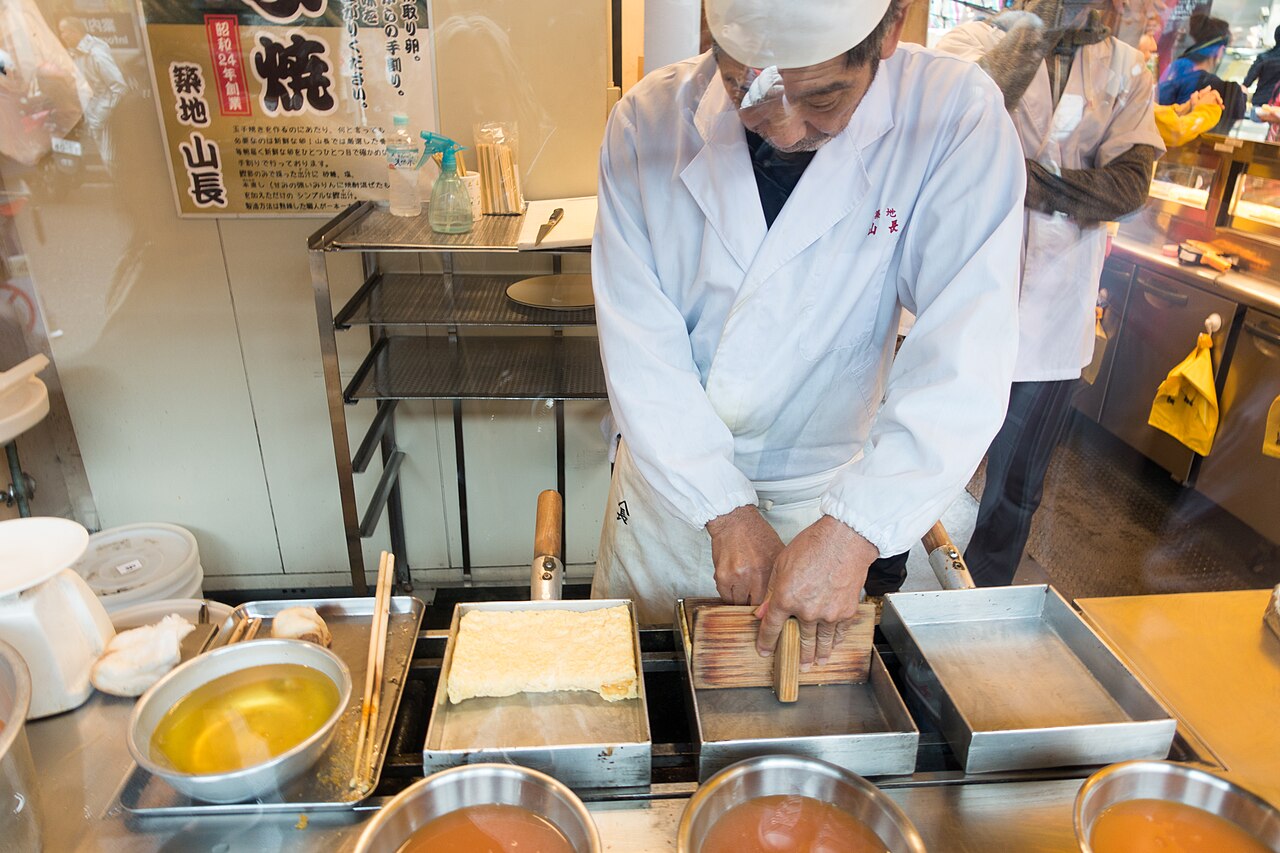
Look for the tamagoyaki, made by cooking thin layers of egg in a rectangular pan and folding them into a block. At one specialty shop for thick rolled omelettes, professional craftsmen grill them one by one, using fresh eggs and handmade methods. Another rolled-omelette shop also offers its omelettes in eat-up-size portions.
Browse the himono, fish that has been salted and air-dried in a traditional process for long-term preservation. The shops also sell many kinds of tsukudani, and one fish shop lists fresh fish, assorted sashimi and, for winter, fugu. Together they show the range of the market, where about four hundred sixty shops sell fresh fish, vegetables and fruit, meat, dried goods, seasonings and cooking tools.
Look through the narrow lanes and small shops for ingredients and tools chosen from a professional viewpoint. The market discourages group activity, so a large party fits these lanes better when it splits up. The market itself recommends a visit in the morning.
Sushi, Rice Bowls, Skewers and Oysters: Eating in the Lanes and the Food Court
Eat the wagyu skewers at the skewer shop that grills them to order. The shop lists sirloin and rump skewers of A-five-rank wagyu as well as seafood skewers. The market asks visitors to eat and drink inside shops or at designated places, because eating while walking inconveniences passers-by.
Try the oyster bar, which stocks seasonal oysters from all over Japan so that visitors can compare one production area with another. A sea urchin shop works the same way, listing a rice bowl and a sashimi plate that each compare five kinds of sea urchin.
Choose the food court when each person wants a different dish: it gathers long-established Tsukiji shops, and its menus run from seafood rice bowls and Western food to ramen, soba, tempura and coffee in a casual setting. Decide by what the meal is for: the skewers for meat grilled to order, the food court for a rice bowl, and the oyster bar for comparing production areas.
Namiyoke Inari Shrine: Lion Heads, a Snake Stone and the Seven Lucky Gods
Start at Namiyoke Inari Shrine, the local guardian deity of Tsukiji. The market's own recommended plan sends visitors here first, so see the lion heads before the shops and then turn to the lanes. The shrine is said to have calmed the waves during reclamation work, and it was founded in sixteen fifty-nine.
Look at the pair of lion heads from the front of the main hall. Behind the main hall is a wooden lion head finished in gold lacquer, a cultural property of Chuo Ward, set so that it looks down on the heads of a dragon and a tiger. The lion hall houses a large lion, and the shrine there enshrines four deities.
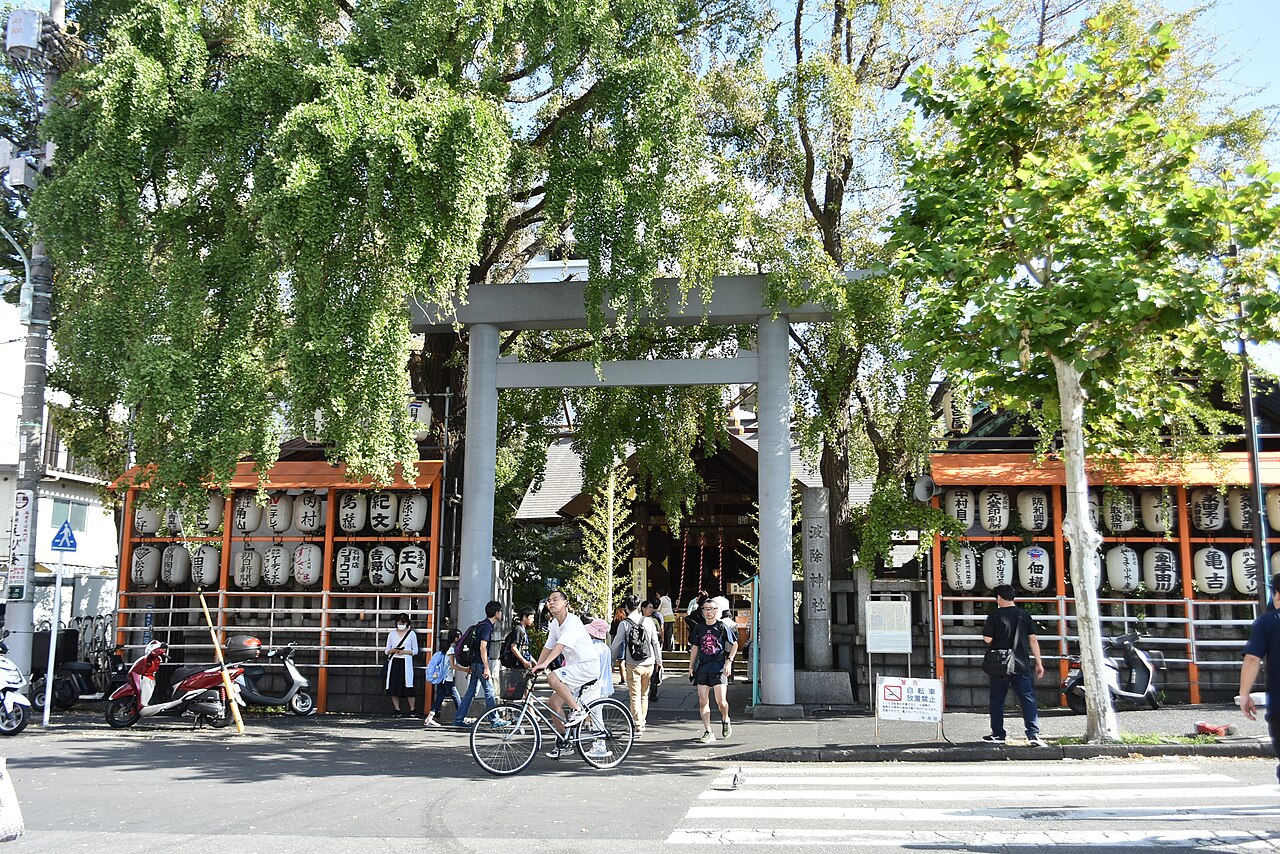
Stroke the snake stone, which is said to raise one's fortune with money. Worshippers place a wish skewer in a basket on the tongue of the large lion in the lion hall. At one small shrine here, someone keeps replacing the red apron.
Aim for the seventh day of the month if the Seven Lucky Gods are the reason to come: on that day one deity's statue is shown, and the goshuin carries a picture of that month's deity. At the Tsukiji Lion Festival, which began with huge heads of a dragon, a tiger and a lion being carried around, stalls line both sides of the road from the shrine to the main street.
Tsukiji Uogashi, the Rooftop Barbecue Terrace and Tsukiji Hongwanji
Browse Tsukiji Uogashi, a fresh-food market of about sixty shops, among them retail stores run by wholesalers who operate in Toyosu. General customers as well as commercial customers can use its third-floor food court. The rooftop plaza holds events such as barbecues.
Talk with the owners of the specialty shops, since those conversations can deepen what a visitor knows about choosing ingredients, seasonal information and cooking tips. A direct-sales market for marine products brings in goods from businesses and fishing cooperatives across Japan.
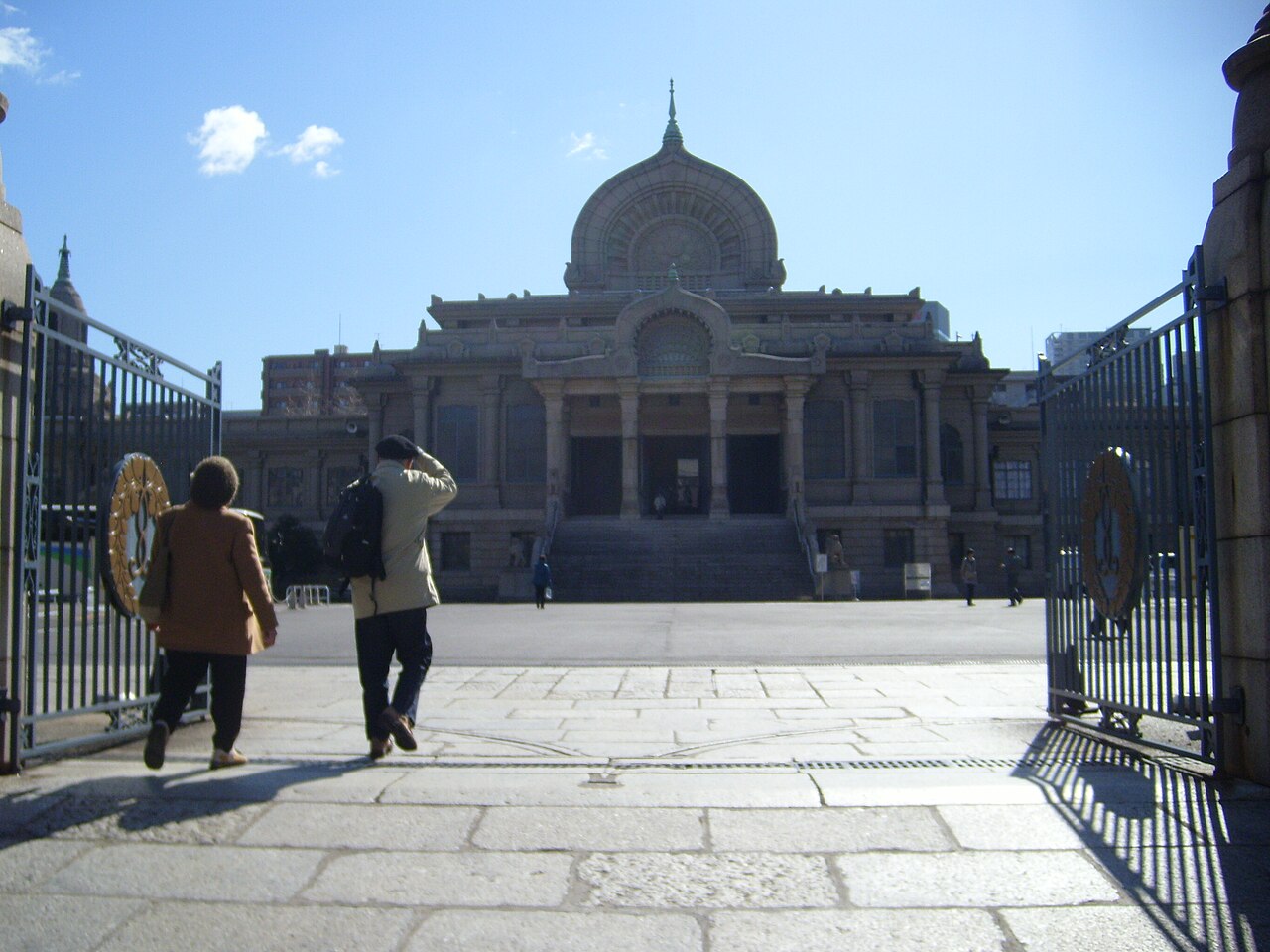
Look at the stone main hall of Tsukiji Hongwanji, built in the ancient Indian style and a nationally registered tangible cultural property. Pair a meal at the Tsukiji Uogashi food court with the temple: in the temple-town days its approach road continued as far as today's Tsukiji Outer Market.
Getting to Tsukiji Outer Market
New to rural buses and one-man trains? See how to ride them, step by step.
| Route | Item | Detail |
|---|---|---|
| Subway | Toei Oedo Line Tsukijishijo Station, exit A-one, to the market | about one minute on foot |
| Subway | Tokyo Metro Hibiya Line Tsukiji Station, exits one and two, to the market | about one minute on foot |
| On foot | Tsukiji Station to Namiyoke Inari Shrine | seven minutes |
| On foot | Tsukijishijo Station to Namiyoke Inari Shrine | five minutes |
If you would rather stay overnight, places to stay in Tokyo is a place to start.
Hours and Fees
| Place | Item | Time or fee |
|---|---|---|
| Tsukiji Outer Market | Normal sales time | nine in the morning to two in the afternoon |
| Tsukiji Outer Market | Early morning | six to nine in the morning is mainly for business purchasing, and professional buyers have priority until nine |
| Namiyoke Inari Shrine | Goshuin | listed at five hundred yen each |
| Namiyoke Inari Shrine | Individual prayer | from seven thousand yen per wish; prayers are received from nine to eleven forty in the morning and from one to four twenty in the afternoon |
Fees and hours were checked against official sources on 20 November 2026.
Thinking of staying overnight?
Compare places to stay near Tokyo, Japan →
Disclosure: This post may contain affiliate links. If you book through them, we may earn a commission at no extra cost to you.