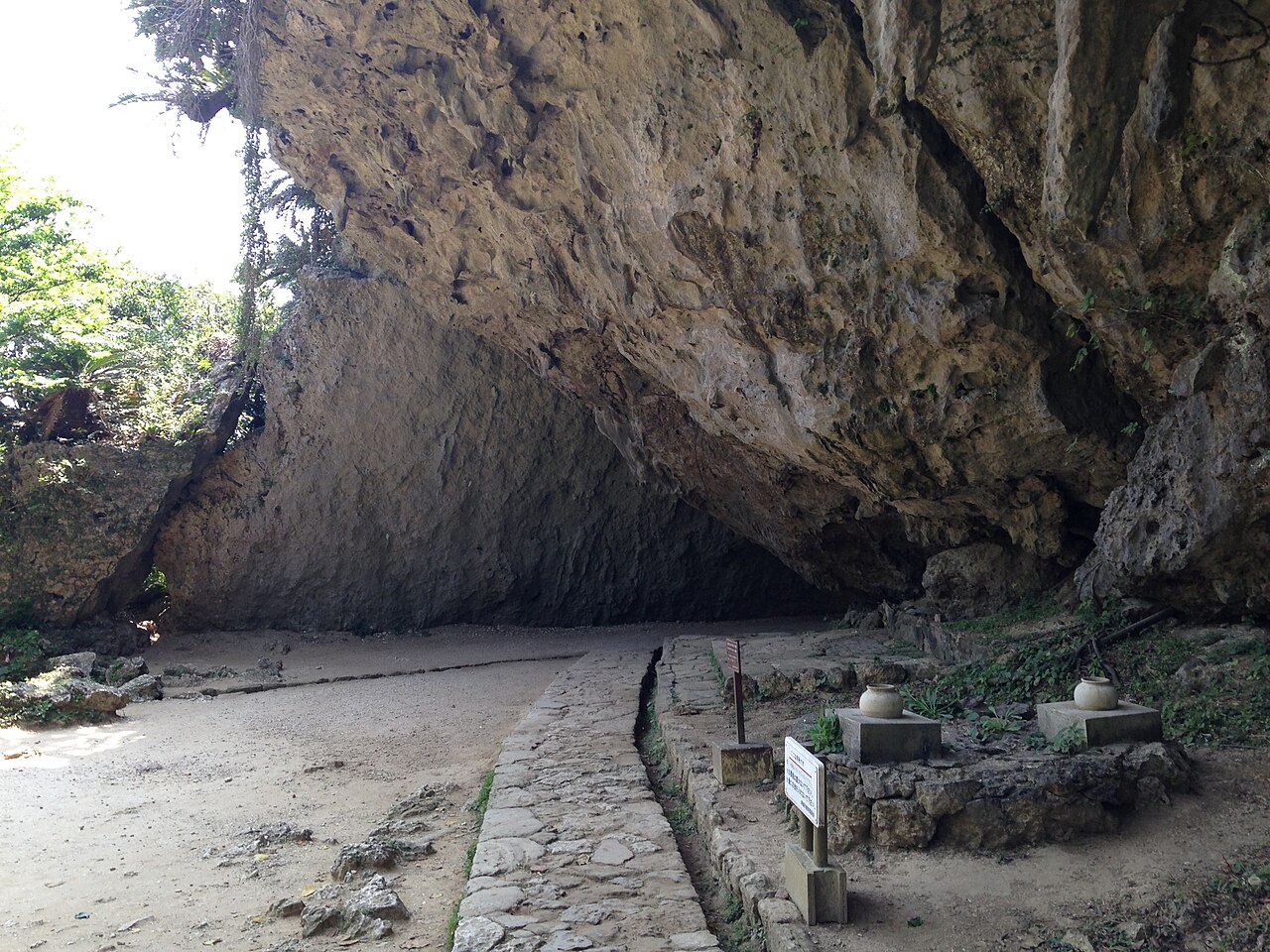
A visit to Sefa Utaki means walking a stone-paved approach path, climbing a wooden staircase to the gate Ujo-guchi and continuing up a slope to the first sanctuary, Ufugui. Inside are precincts called ibi, where the trees, the land and the space itself are treated as sanctuary. The reason to come is that this is where the Ryukyu king prayed for national prosperity and peace and for bountiful harvests.
The area beyond the gate Ujo-guchi is off limits to visitors from the second of November twenty twenty-six to the fifth of January twenty twenty-seven (planned), and admission is free during that period. The paths described below beyond that gate apply outside that period.
Setting Out with a Hat, a Capped Bottle and the Right Shoes
If the sunlight on the way from the parking lot to the entrance is a concern, carry a parasol or a hat and a bottle that closes with a cap.
Buying a ticket comes before the walk, because tickets are not sold at Midori no Yakata Sefa, the entrance to the utaki. Visitors buy them from the machine beside the ticket window at the Nanjo City Local Products Center. The restroom there is worth using, as the utaki has none. Next comes the walk up to Midori no Yakata Sefa.
Walking from the parking lot to the entrance brings strong sunlight, and parasols or hats are recommended as a measure against heat stroke. Long sleeves are advised for visitors concerned about sunlight and insects. Many visitors still tour in short sleeves or shorts. The dress request is to avoid clothing that bares the shoulders, back or belly.
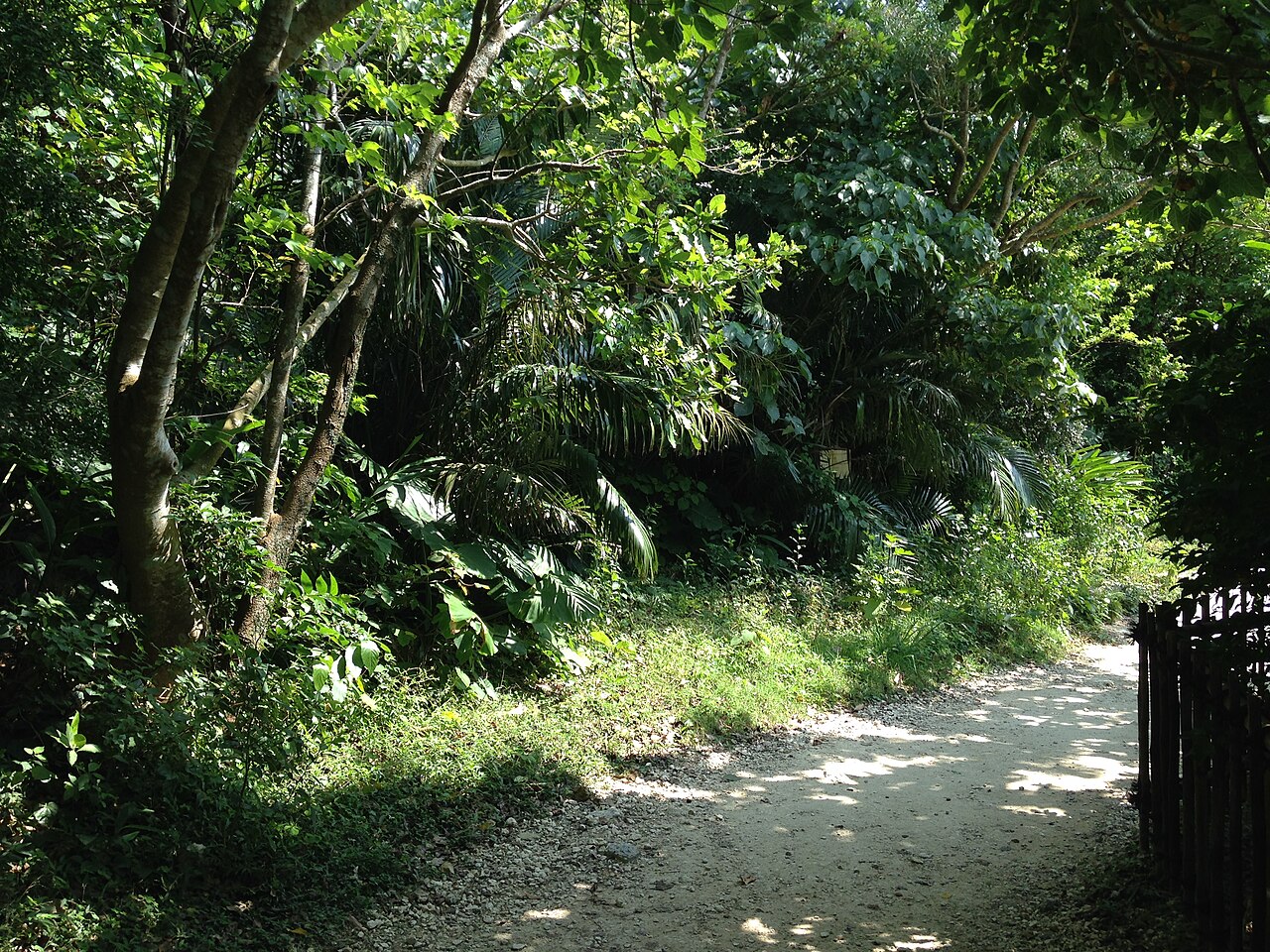
Borrowing loaner footwear is the step for anyone arriving in high-heeled shoes. Visitors change into it at the entrance at no charge, to protect the paving of the approach path. Food and drink, gum and candy included, may not be carried in. A bottle with a secure cap may be brought in as a measure against heat stroke.
Stone Paving, Wooden Steps and the Uphill Route to Ufugui
The climb by staircase and paved path to the massive rock of Ufugui suits visitors who arrive in comfortable clothing and footwear made for walking.
Climbing the staircase is how the route begins, since it lies before Ujo-guchi. Visitors then walk up the Ujo-guchi road, which is paved, into the grounds of Sefa Utaki. A massive rock is reached at the top of that walk. The rock is Ufugui, a name that means large hall.
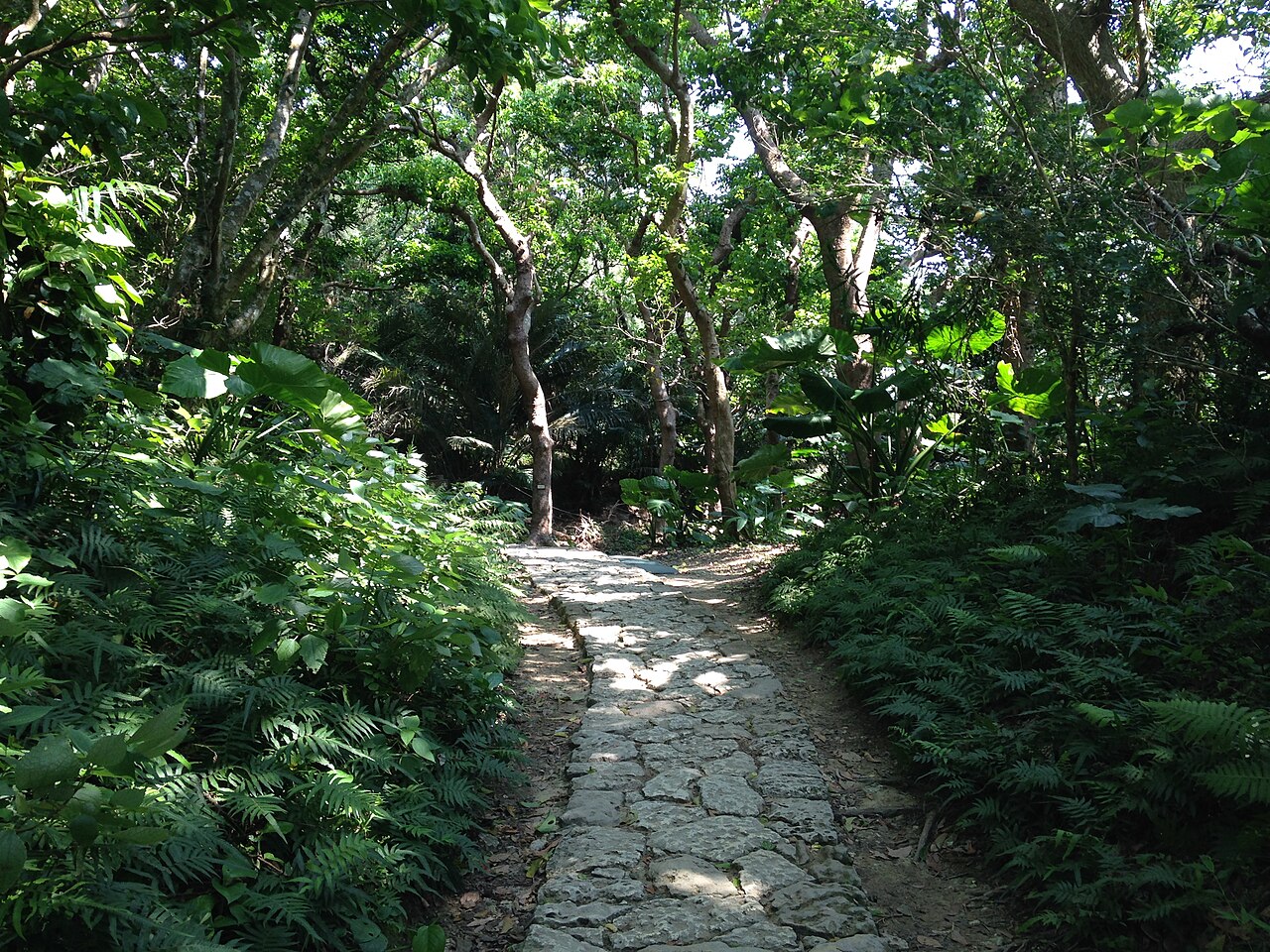
Walking beyond Ujo-guchi means taking an uphill slope up to Ufugui. The path continues as paving underfoot, with some steps along it. Handrails are installed along part of the route, not all of it. Some places on the route have poor footing.
Wearing footwear that is easy to walk in is what visitors are asked to do. Sports shoes are preferable on this path. Operating a smartphone or a photography device while walking is not allowed. Wheelchairs and strollers cannot enter the utaki.
Yuinchi, the Triangular Tunnel of Sangui and the Places Visitors Cannot Enter
Go on from Ufugui to Yuinchi and as far as the tunnel of Sangui, and stay out of the off-limits areas, which include the altar and Sangui itself.
Looking around the grounds, visitors see mostly rocks and greenery. Sefa Utaki lies among dense forest and rugged rock formations, where people of earlier times worshipped and nature itself was the object of faith. There are six sacred areas called ibi inside.
Reaching Yuinchi comes next after passing Ufugui. Yuinchi is where the deity of the hearth is enshrined. Sangui, further along the walk from the entrance reception, is a tunnel formed by gigantic rocks leaning against one another. The gap between the rocks is triangular.
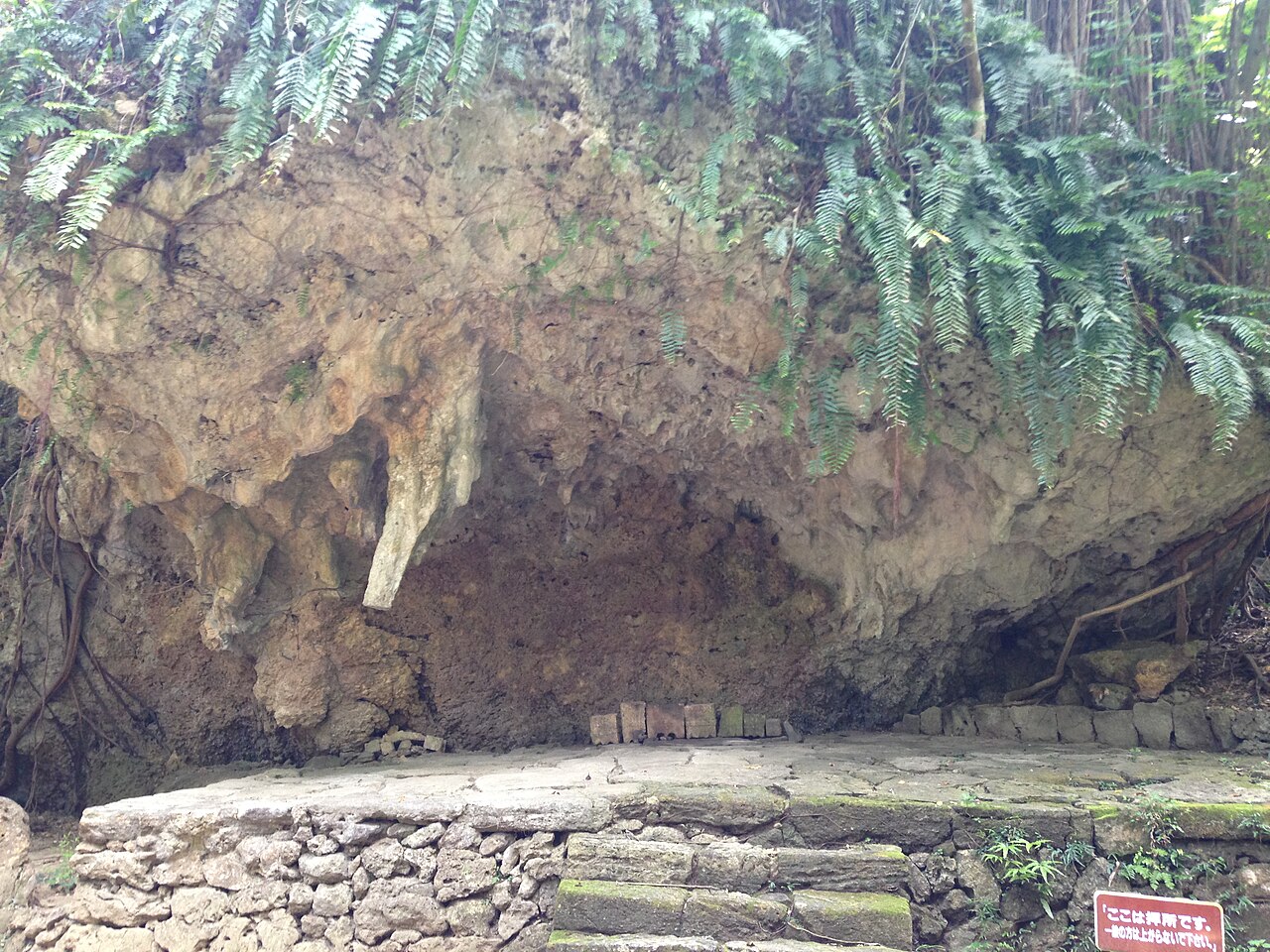
Looking near Sangui, visitors see stalactites hanging down from overhangs. Pots are positioned to catch the water that drips from them. Beyond the tunnel is a place of prayer from which Kudaka Island is visible in the sea to the east.
Staying out of the off-limits areas is part of the visit, and entry beyond the Sangui entrance is restricted for general worshippers and sightseers. The rocks and stones are not to be climbed, damaged or removed. Visitors may not touch or move the incense burners and jars, or the sacred water.
Joining a Guided Walk and Hearing the Stories of the Utaki
Walk with a specialist guide to hear the myths of Sefa Utaki along the way, or keep to the same route at a pace of your own.
Joining the tour means walking with a specialist guide along the approach path inside the utaki. The tour is conducted in Japanese. Taking part adds time to a visit, as the table at the end of this page shows.
Listening to the guide, visitors hear myths about Sefa Utaki. The guide also tells of the history of the Ryukyu Kingdom. The spiritual culture of the kingdom is another subject the tour covers.
Reserving in advance is recommended for anyone who wants to join. Participants are asked to come to the ticket window before the reserved time. That window is the one where admission tickets are bought.
Keeping Voices Low and Visiting the Ganju Nanjo Exhibition
Inside the utaki, keep your voice down and leave people who are praying unphotographed; for the background, turn to the exhibition and screening at Ganju Nanjo.
Keeping from calling out to people who are praying is asked of every visitor, and photographing them is not allowed either. Shouting, playing audio and using musical instruments that disturb other visitors are also ruled out. Sefa Utaki is described as a place that visitors may come to in order to seek stillness of the heart.
Visiting Ganju Nanjo adds an exhibition and a screening about Sefa Utaki. Ganju Nanjo is next to the place where tickets are sold. Electric-assist bicycles are available for rental there, and coin lockers are beside it.
Getting to Sefa Utaki, Hours and Fees
New to rural buses and one-man trains? See how to ride them, step by step.
Entry may be restricted when a weather advisory or warning is issued. Rooms near the utaki are listed in places to stay around Nanjo.
| Item | Details (as listed) |
|---|---|
| Opening hours | March to October nine to six; November to February nine to five thirty; last ticket sales and last entry come earlier |
| Closed days | six days a year: the first to third of the fifth and the tenth lunar months, when no one may enter |
| Admission | adults six hundred yen; ages seven to fifteen three hundred; six and under free; groups of twenty or more five hundred each |
| Tickets | sold beside the Nanjo City Local Products Center parking lot, not at the entrance; about five hundred metres, seven to ten minutes on foot |
| Bus from Naha | Toyo Bus line three three eight, Naha Bus Terminal stop seven; about sixty minutes to the nearest stop; ten minutes on foot from that stop |
| By car or taxi from Naha Airport | car about thirty kilometres or fifty minutes; taxi about fifty minutes; taxi fare about five thousand yen |
| Time needed | fifty to sixty minutes including the move from the ticket office; a guided tour adds about twenty minutes |
Thinking of staying overnight?
Compare places to stay near Nanjo, Okinawa, Japan →
Disclosure: This post may contain affiliate links. If you book through them, we may earn a commission at no extra cost to you.