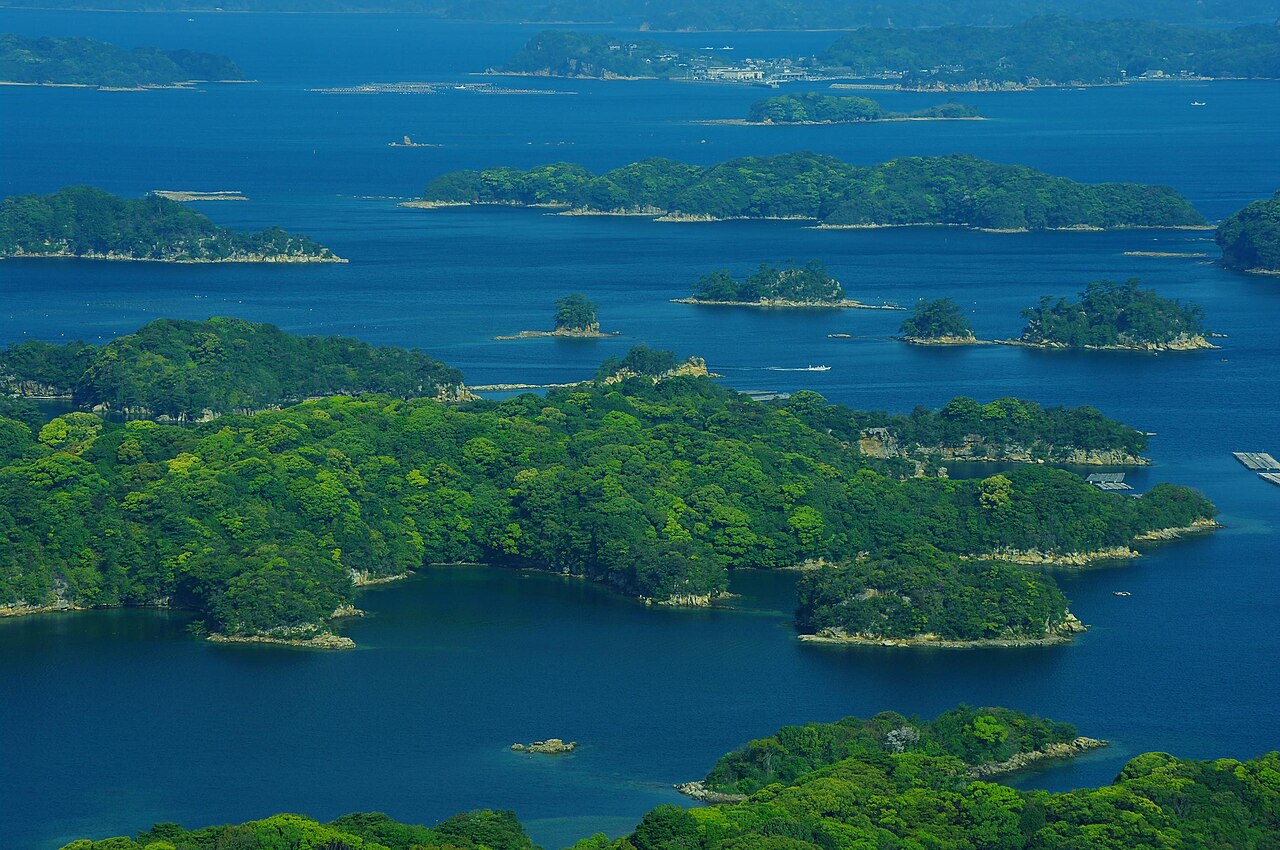
Kujukushima, the island group off Sasebo in Nagasaki Prefecture, takes its name from a word that means too many to count. From Tenkaiho Observatory the islands spread across a sweep of one hundred and eighty degrees, and cruises on large and small sightseeing boats bring you close to the same islands and their coast. One way to work through the area is to start with the panorama from an observatory, then get onto the water by cruise or by sea kayak at Kozasa-ura, and finish with Kujukushima oysters at a sea-side hut and a lemon steak, the dish that began in Sasebo.
Tenkaiho Observatory: The Kujukushima Islands Spread Out Below
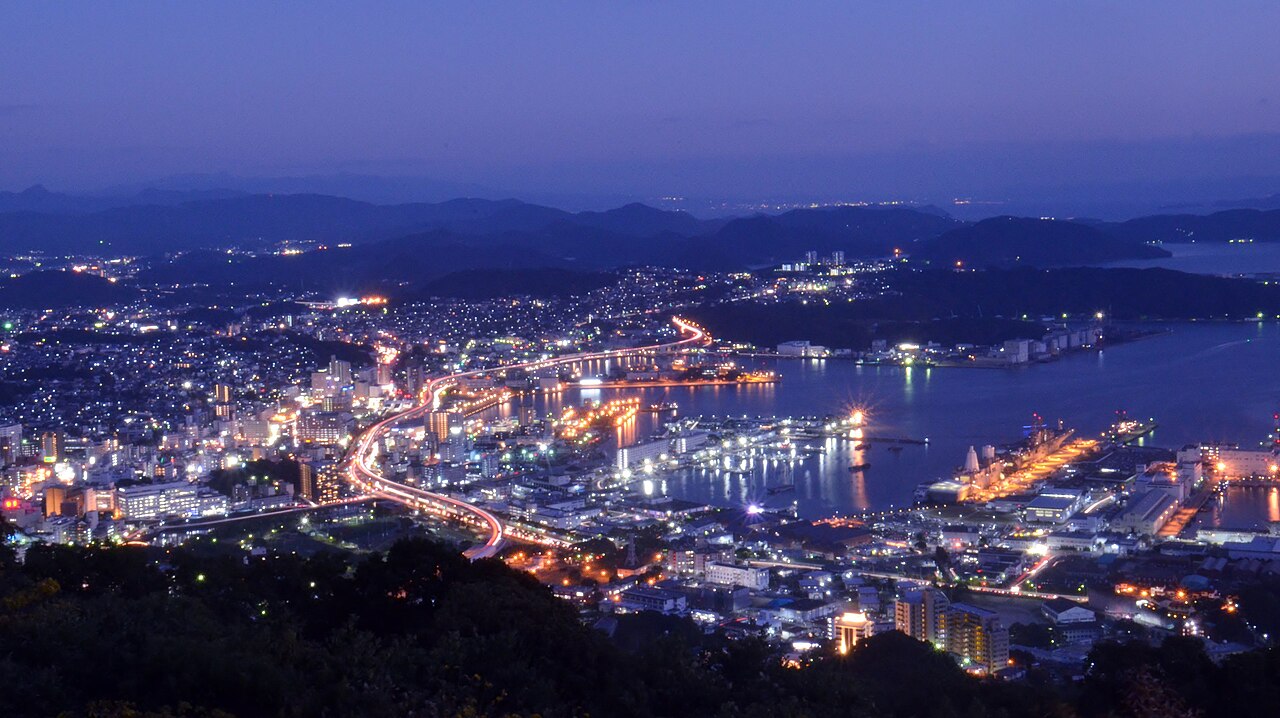
Tenkaiho Observatory takes in Kujukushima as a whole, the islands spread out in a sweep of one hundred and eighty degrees. At midday the sea around the islands shines, and in the evening the sun sets over Kujukushima, so the deck gives two pictures depending on when you come. The islands and Sasebo Port lie right below the observatory and can be seen close at hand.
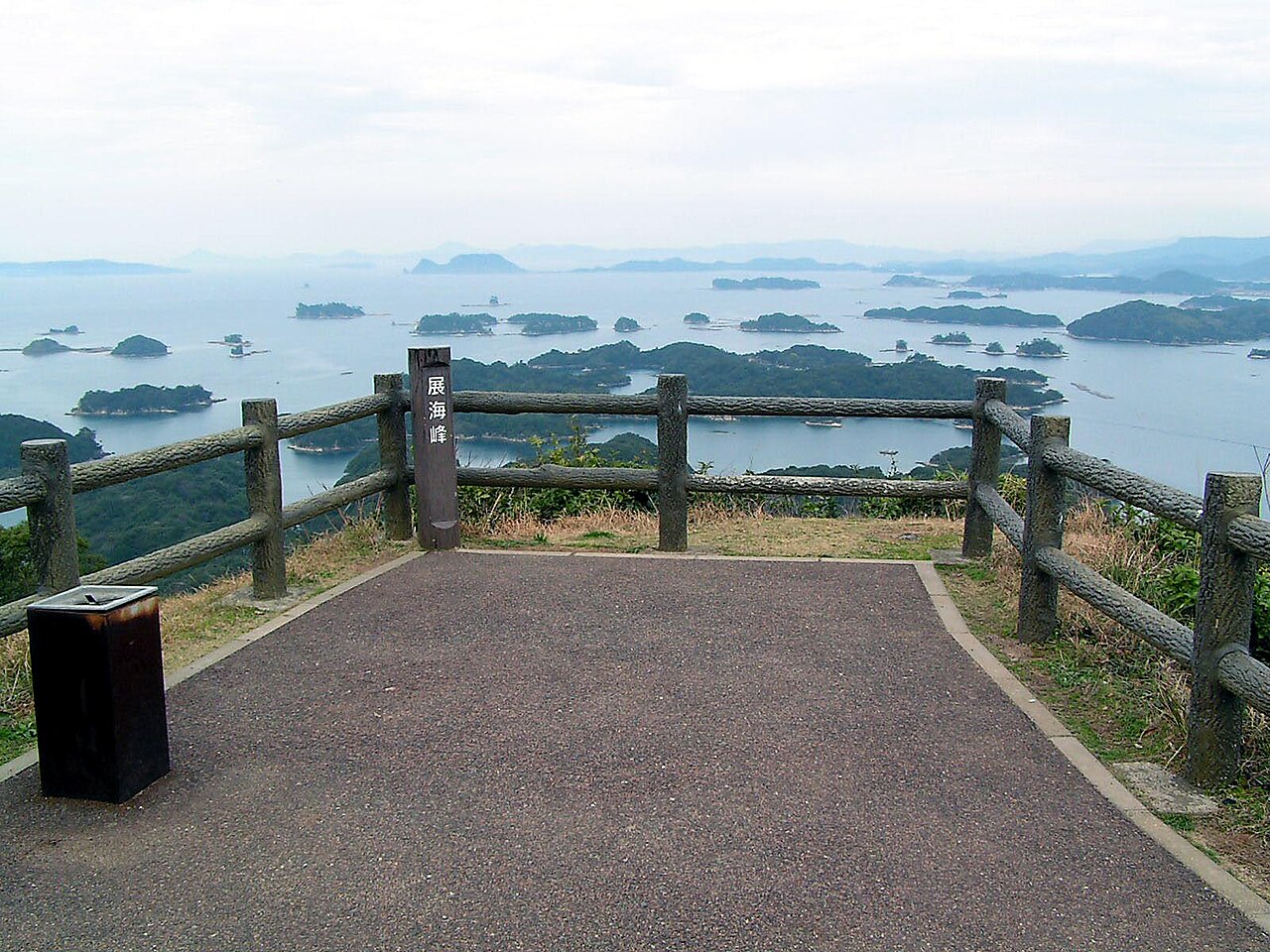
Below the observatory is Kujukushima Kanko Park, and from its Viewing Hill, a lawn hill, the wide panorama of Kujukushima can be seen again from lower down. The Kujukushima monument in the park is a popular photo spot. Visitors rest under one-touch tents put up as sun shade, walk dogs, and play frisbee or fly kites on the lawn. If you want to stay a while with the islands in view rather than look and move on, the lawn hill and its tents are the place to settle.
More Viewpoints: Ishidake, Funakoshi, Yumihari-dake and Takashima Banoku
The sea of Kujukushima is a deep emerald green. Ishidake Observatory turns a full three hundred and sixty degrees, and photographers, professional and amateur, come for the islands below. The island scenery at the start of a Hollywood film was shot from here, and it is the same spread you see from the deck.
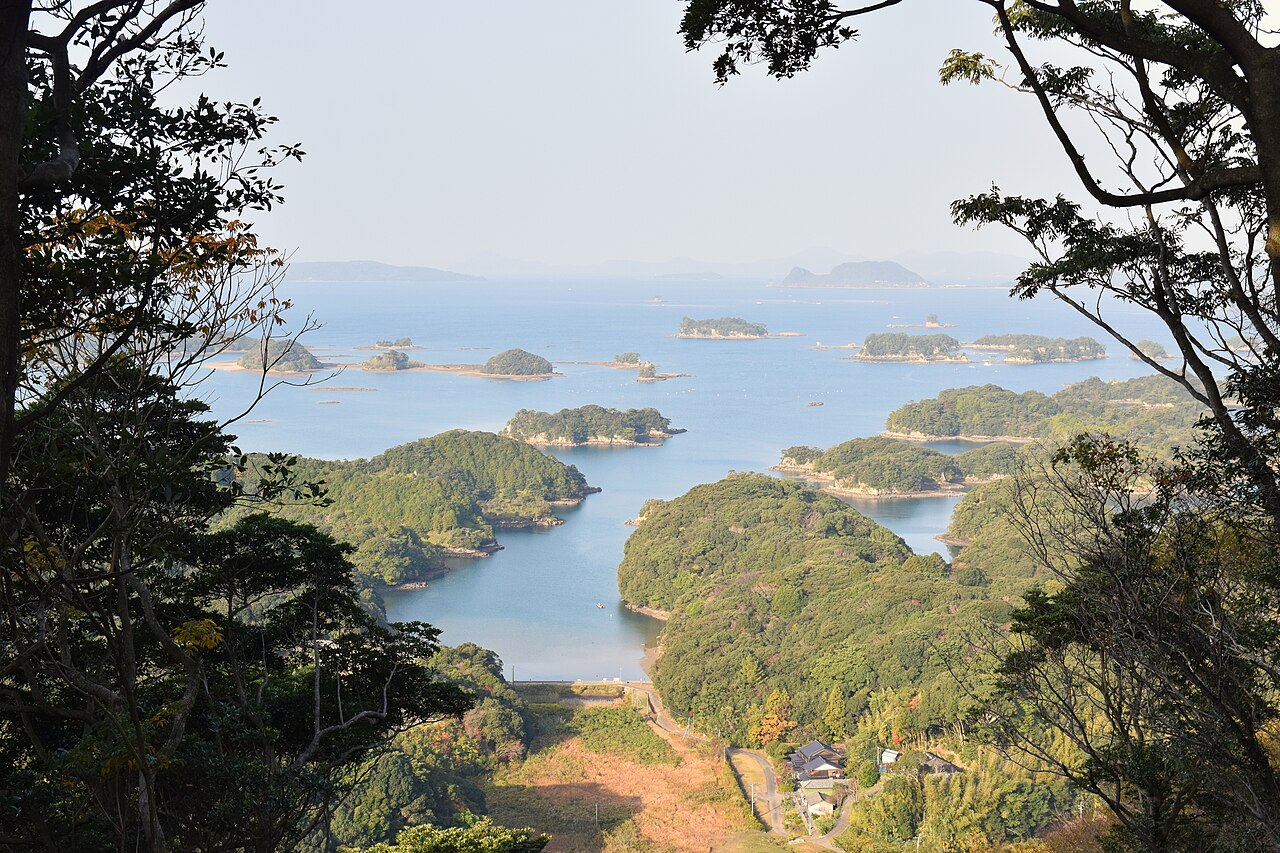
Funakoshi Viewpoint looks like an ink-wash painting even on a rainy day, and its steps have been removed so wheelchair users can come. Yumihari-dake Observatory takes in Sasebo's nature and urban area in one view. From there the Goto-nada sea and the islands lie west, Sasebo Port with its deep inlet south, and the urban area east.
Takashima Banoku is one of the Kujukushima Eight Views, with Hirado and the Goto Islands nearby and the sunrise over Kujukushima. If you want the islands all round for a photograph, choose Ishidake; for sea, port and city at once, Yumihari-dake; for the sunrise, Takashima Banoku.
On the Water: Cruises, Kayaks and the Sound of the North Coast
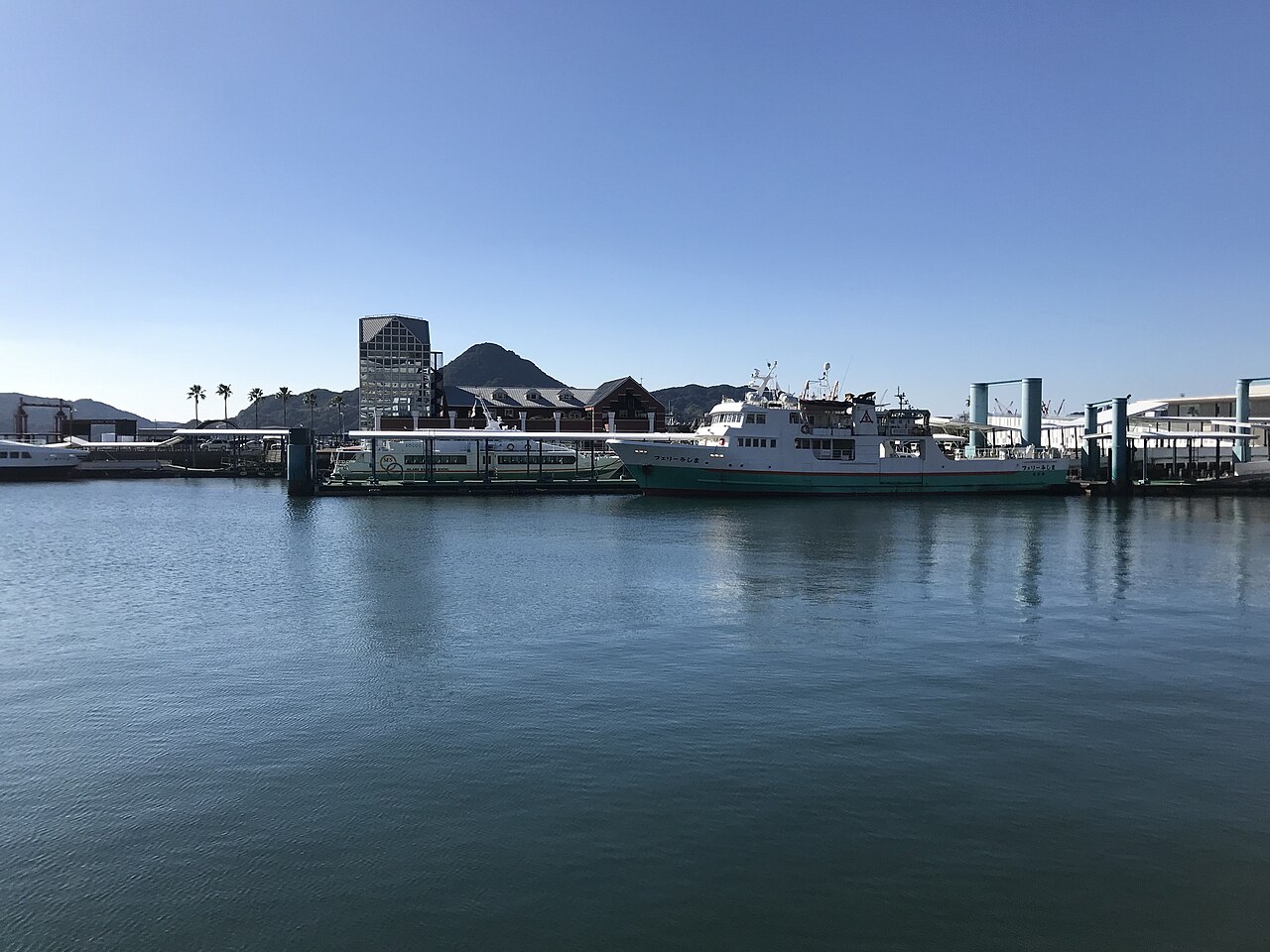
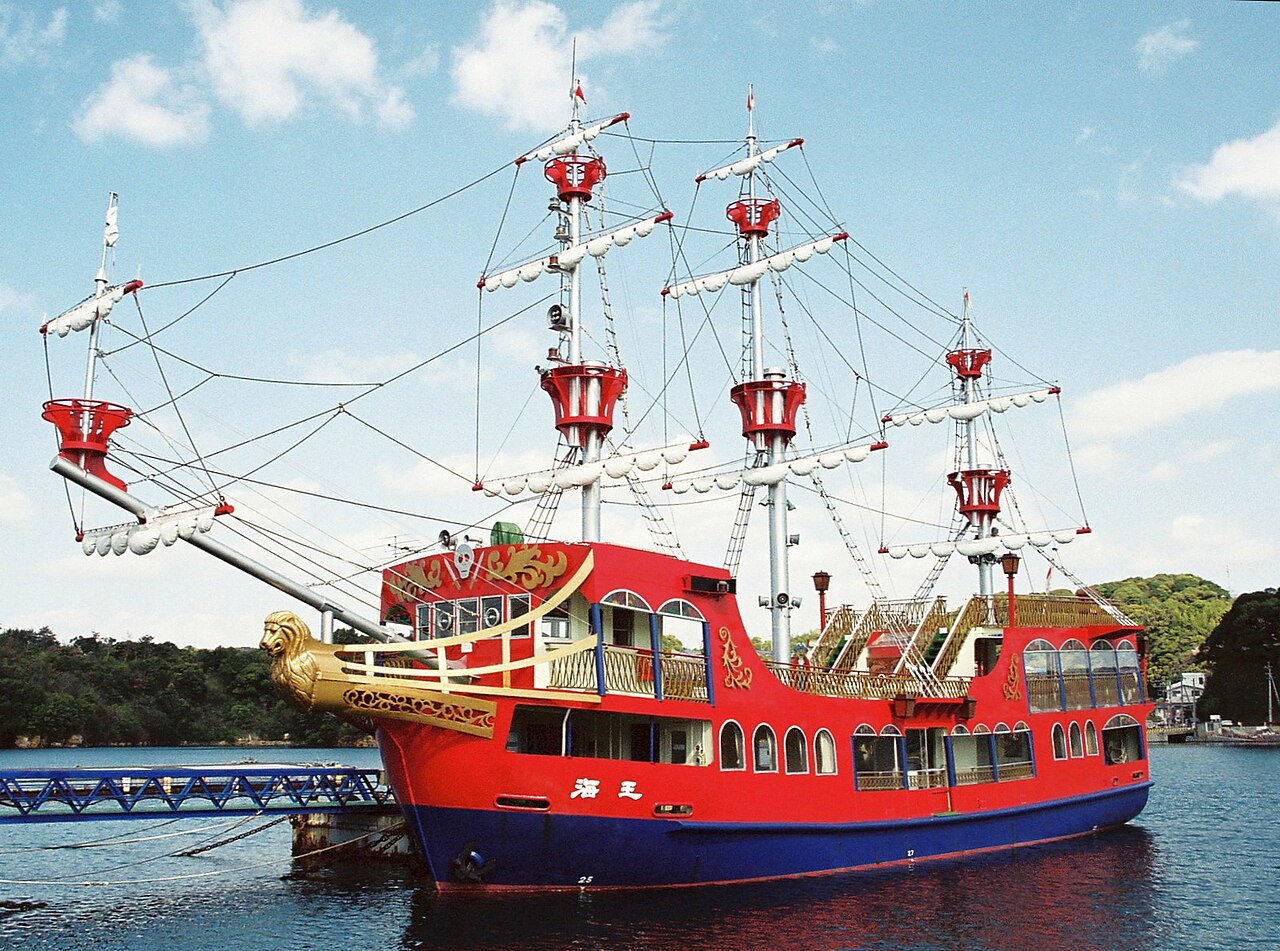
Islands in a calm, emerald-blue sea stand out distinctly here, and the scenery shifts with season and time of day. Large and small sightseeing boats cruise close to the islands, four of them inhabited, and the coast. The Pearl Queen regular service takes about fifty minutes, the sunset cruise about an hour.
Sea kayaks go out from Kozasa-ura, where the waves are calm. When the paddling stops, nothing is left but the sound of waves and the voices of birds; it is very quiet. The sea's clarity changes with the season, and boar and deer sometimes show their faces.
On the north coast, a seaside park's walkway brings the shore close up, where waves sound gentle but strong against rock carved slowly over a long time. Depending on season and time of day, a sunset can be seen. To be on the water rather than above it, take the cruise for the islands or the kayak to stop and listen.
Kujukushima Oysters and Seafood from the Sea
Kujukushima oysters have a plump texture and a rich flavour. The sea here has calm waves and a large tidal range, which suits oyster farming, and the oysters come into season from late October. From October to March they can be eaten at sea-side oyster-grilling huts, as they are, with soy sauce, or with a rice vinegar made with daidai.
Uchiwa lobster miso soup gives off a rich aroma that rises with the steam. The uchiwa lobster caught off Sasebo has thick, fluffy flesh. Hiramasa from the Kujukushima waters has a crunchy texture and a refined fat.
Nagasaki herb mackerel has no blue-fish odour, with moist fat and firm, springy flesh. Eaten as sashimi it has no smell at all, and sweetness and umami spread in the mouth. If oysters are on your list, go in their season and eat them plain first, then with the daidai vinegar, before turning to the lobster soup and the mackerel.
Lemon Steak, Soy Milk and Other Sasebo Food
Lemon steak began in Sasebo as a steak that spread through the US Navy's influence, reworked to suit Japanese tastes. Thinly sliced beef goes onto an iron plate, and a lemon-flavoured, soy-based sauce is poured over just before it finishes cooking. The taste is refreshing, with plenty of lemon juice. It arrives sizzling on a hot iron plate, the sauce splashing and sputtering.
Sasebo soy milk is a sweet soy milk sold in a rocket-shaped container. It is said to date from a tofu shop sweetening soy milk with sugar for children when sweets were scarce. It has a refreshing, sports-drink-like lightness you can gulp down, and frozen it turns light and crunchy. If you want a dish that began in Sasebo, order the lemon steak and listen for the plate, then pick up a soy milk. To take in the observatories, a cruise and the oyster huts without hurrying, look at places to stay in Sasebo.
Getting to Sasebo and Kujukushima
| Leg | How | Time |
|---|---|---|
| Nagasaki Airport to Sasebo Station | Shared jumbo taxi | About 55 minutes |
| Nagasaki Station to Sasebo Station | JR Seaside Liner, no transfer needed | About 1 hour 45 minutes |
| Hakata Station to Sasebo Station | JR Limited Express Midori | About 1 hour 50 minutes |
| Sasebo Station to the stop for Kujukushima Kanko Park (Tenkaiho) | By bus | About 40 minutes |
| Sasebo Station to Yumihari-dake Observatory | By bus; the observatory is right at the terminus stop | About 25 minutes |
| Sasebo Station to Pearl Sea Resort and the aquarium | By route bus | About 18 to 25 minutes |
| Route bus fare listed on the cruise operator's access page | Adult 390 yen, child 200 yen | Not listed |
| Express bus departures from Sasebo Station | Listed as 9:31, 10:31, 12:31, 13:31 and 14:31 | Not listed |
| Express bus departures from Pearl Sea | Listed as 9:59, 10:59, 12:59, 13:59 and 14:59; the last listed departure is 14:59 | Not listed |
| Aikura Port to Takashima (for Takashima Banoku) | By ferry | About 20 minutes |
The last listed express bus from Pearl Sea leaves at fourteen fifty-nine.
New to rural buses and one-man trains? See how to ride them, step by step.
Hours and Fees
| Place | What | Hours or fee |
|---|---|---|
| Pearl Queen regular service | Departures | At around 10:00, 11:00, 12:00, 13:00, 14:00 and 15:00 |
| Pearl Queen regular service | 12:00 departure | Does not run in some seasons |
| Pearl Queen regular and sunset cruises | Adult fares listed | 2,200 yen, 2,000 yen and 1,100 yen |
| Relax Cruise regular service | Fares listed | Adult 2,400 yen (high school and older), child 1,200 yen (age 4 to junior high school) |
| Sea kayak session | Fee | 900 yen for a one-person kayak, 1,800 yen for a two-person kayak |
| Sea kayak session | Start times | 10:00, 11:00, 12:00, 13:30, 14:30 and 15:30; reception until 10 minutes before each session |
| Marine sports base at Kozasa-ura | Hours | 10:00 to 18:00 |
| Marine sports base at Kozasa-ura | Sea kayak charge | 150 yen for a single-seat kayak, 330 yen for a two-seat kayak, for up to 2 hours |
| Sea-side oyster hut | Hours | 9:00 to 17:00, last order 16:00 |
| Sea-side oyster hut | Kujukushima set | 2,500 yen, with 1kg of Kujukushima oysters, a special oyster chowder and two grilled oyster rice dishes |
| Soy milk maker | Hours | 9:00 to 17:00, closed Wednesdays and Sundays |
Where to stay
Places to stay near Sasebo, Nagasaki, Japan →
Disclosure: This post may contain affiliate links. If you book through them, we may earn a commission at no extra cost to you.