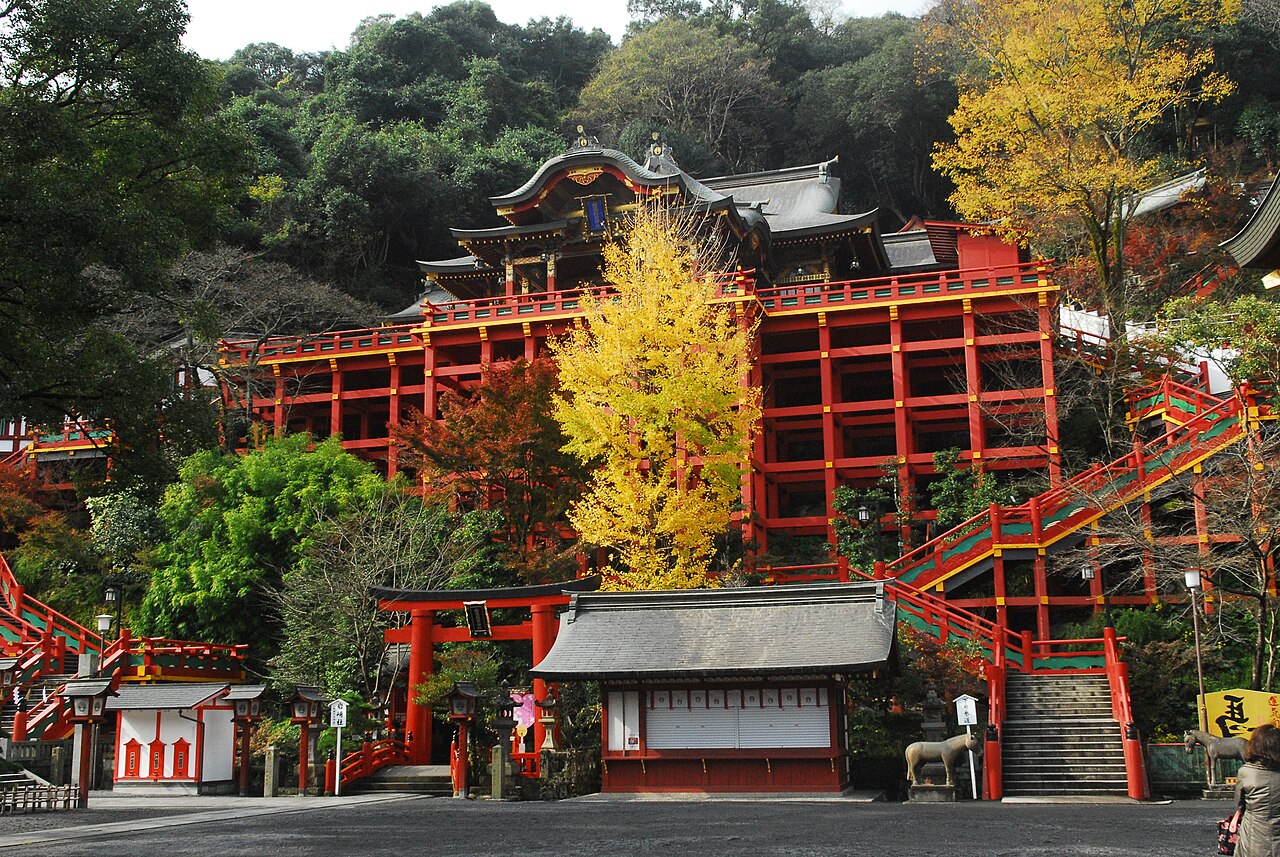
Kashima, in Saga, pairs a thatched-roof fishing village near the Ariake Sea with a brewery quarter where about forty kinds of sake, shochu, fruit liqueur and amazake can be compared at one counter. In a pickle storehouse over one hundred years old, bare wooden pillars and huge old barrels stand in dim light. Across the city, the lacquered, brightly coloured halls and tower gate of Yutoku Inari Shrine have earned it the name Chinzei Nikko.
The Thatched Lanes of Hizen-Hama-juku
Hizen-Hama-juku starts on the right bank of the Hama river, where a thatched-roof townscape spreads out in a fishing village near the Ariake Sea. Fishermen still live here, and their thatched houses stand densely packed along narrow lanes. With little time, make those lanes the spine of the walk; a short loop takes in many of the houses.
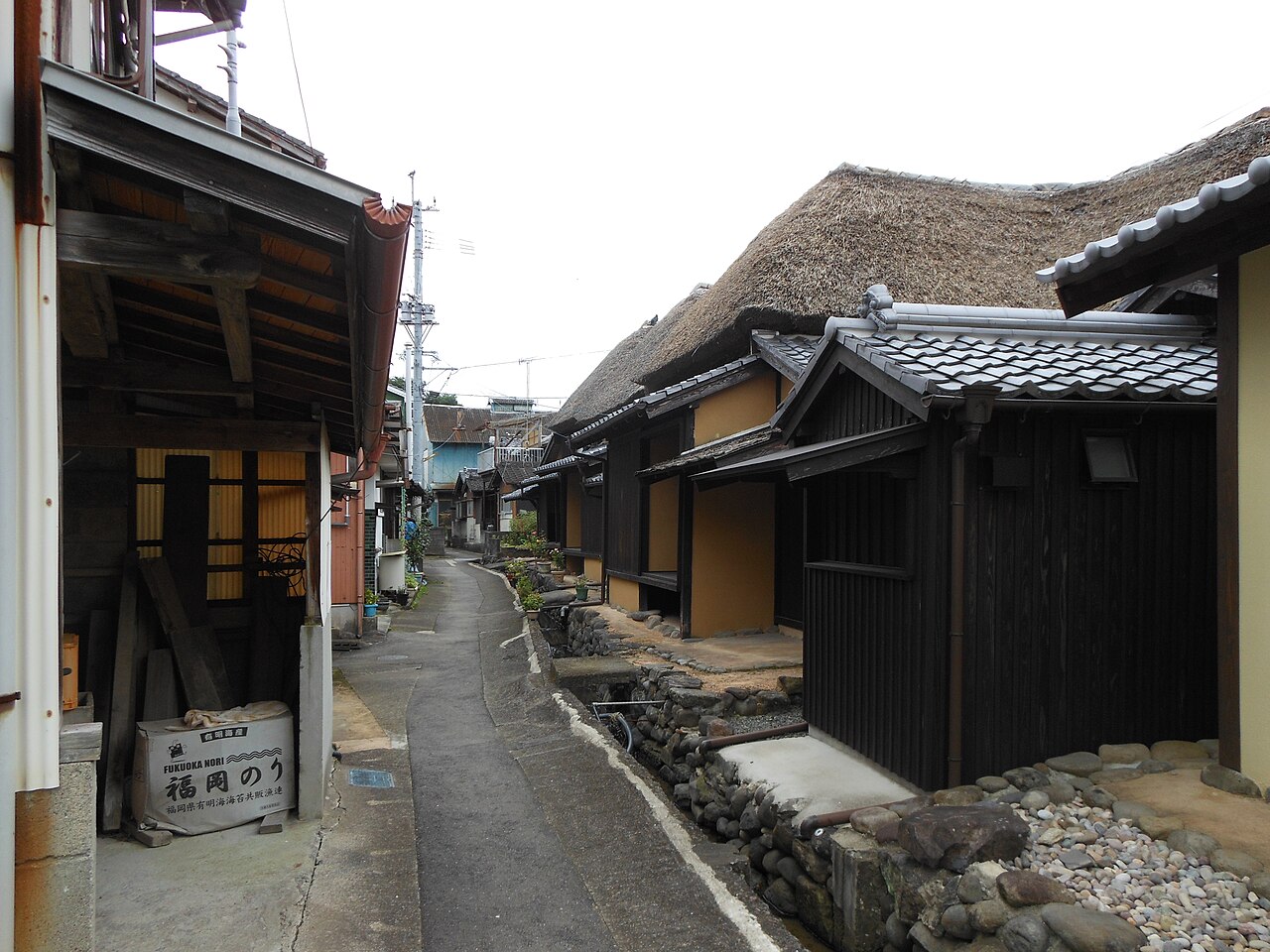
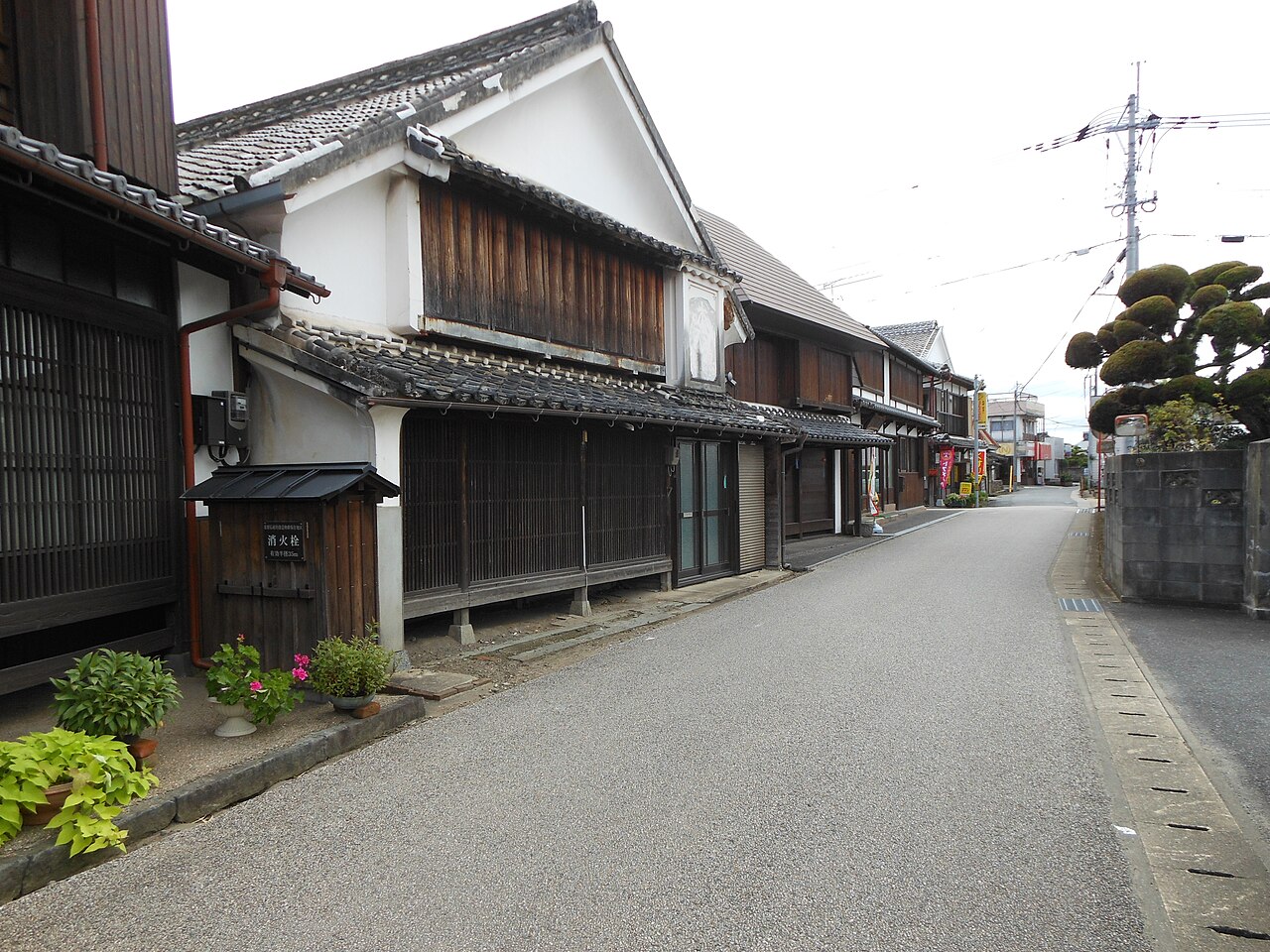
Since the Edo period, merchants, sailors, blacksmiths and carpenters filled this townscape with life, and the lanes a visitor walks today are the ones that held that bustle. Hizen-Hama-juku also flourished as a post town, and many Edo-period buildings still stand along the same lanes.
With the nearby Sakagura-dori, the townscape is a nationally designated preservation district for historic buildings, so thatched houses and white brewery walls belong to one stroll. Guides explain the history, buildings and sake of Hizen-Hama-juku to anyone from a lone visitor to a full group.
Sakagura-dori: White Walls and Brewery Doors
Sakagura-dori runs about six hundred metres past white-walled buildings, large sake breweries and samurai residences. The area grew from the Edo period onward around brewing sake, soy sauce and the like, and that trade put the long white walls in front of visitors today. Those white-walled buildings double as photo spots, so the street serves a camera as well as a stroll.
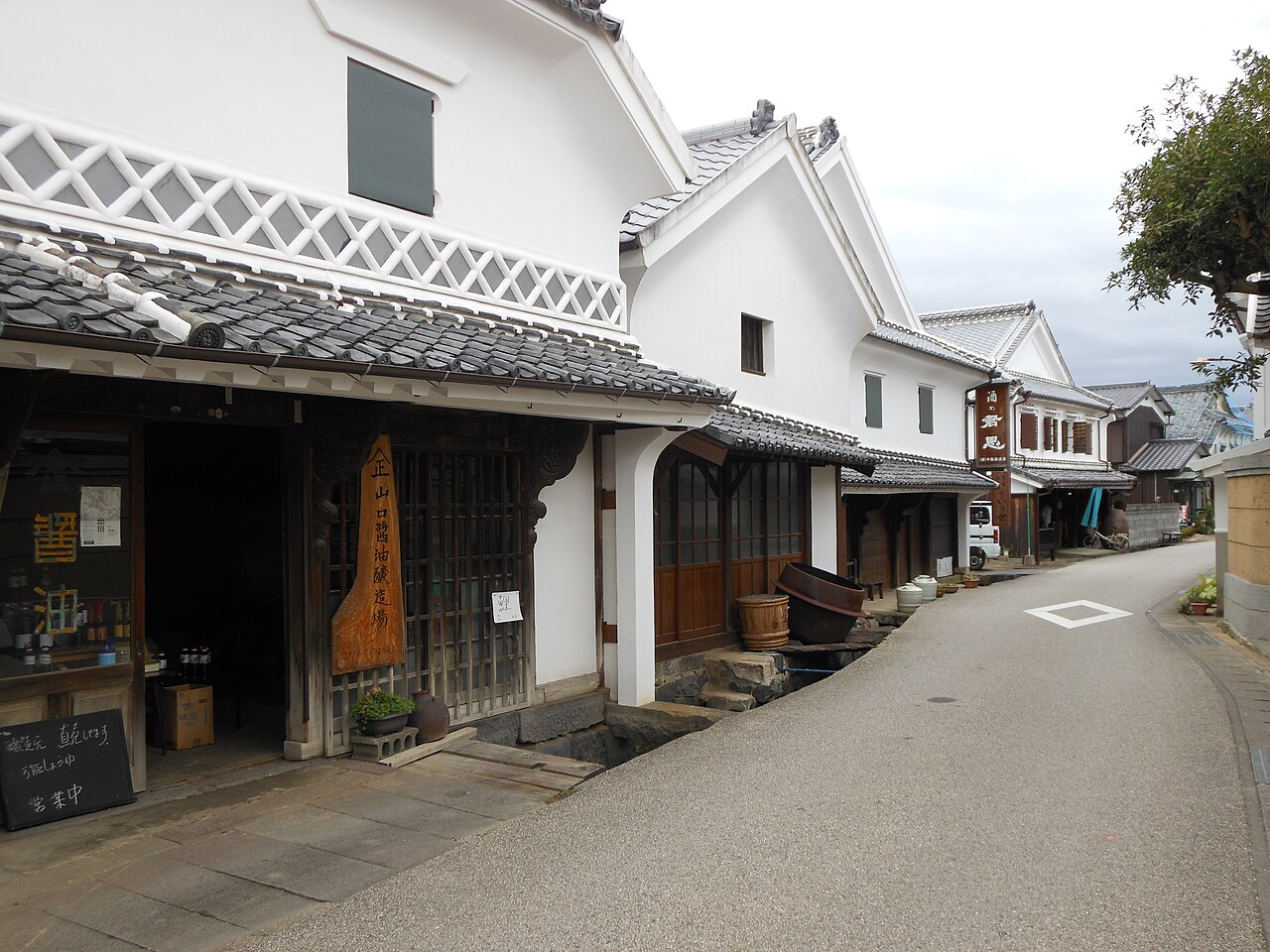
Step into the pickle storehouse, over one hundred years old, and its age shows in bare wooden pillars, huge barrels once used for the work, and dim light that faintly reaches the interior. Three sake breweries run by two sake-making companies still produce on this street, so brewing here goes on behind the doors rather than in memory.
At Hizen-ya, visitors can step inside the working brewery. It also sells its own sake and shochu, and a retro room there displays nostalgic dolls and household appliances for anyone who wanders in. With limited time, pair the pickle storehouse with one brewery interior.
Tasting Your Way Through Kashima Sake
Kashima tasters have six breweries to work through, all in one city and centred on Hizen-Hama-juku, which once flourished as a post town. Sake has been brewed here since the Edo period with clear water from the Tara mountain range and good rice, and each cup poured today still begins with those two things.
At Hizen-ya, about forty kinds of sake, shochu, fruit liqueur and amazake can be compared at the counter, and the lineup runs on to sweet potato shochu. At the Kashima breweries the tasting comes with the brewers themselves, who talk with visitors as they taste, and some also set out their high-grade brands for a separate tasting.
The breweries can be strung together on foot, turning the tasting into a walk through town. Traditional sake brewing is on UNESCO's intangible heritage list, and in Kashima it is something to taste. Choose by what can be compared at the counter: the wide lineup at Hizen-ya suits a first visit, the high-grade pours a return.
Yutoku Inari Shrine and Its Lacquered Halls
Yutoku Inari Shrine greets visitors as one of Japan's three great Inari shrines, with Fushimi Inari Taisha in Kyoto and Kasama Inari Shrine in Ibaraki, and people pray here for business prosperity, family fortune, journeys and matchmaking. The grounds hold the Romon gate, the Kagura hall and the main hall, all lacquered and so brightly coloured that the shrine is called Chinzei Nikko.
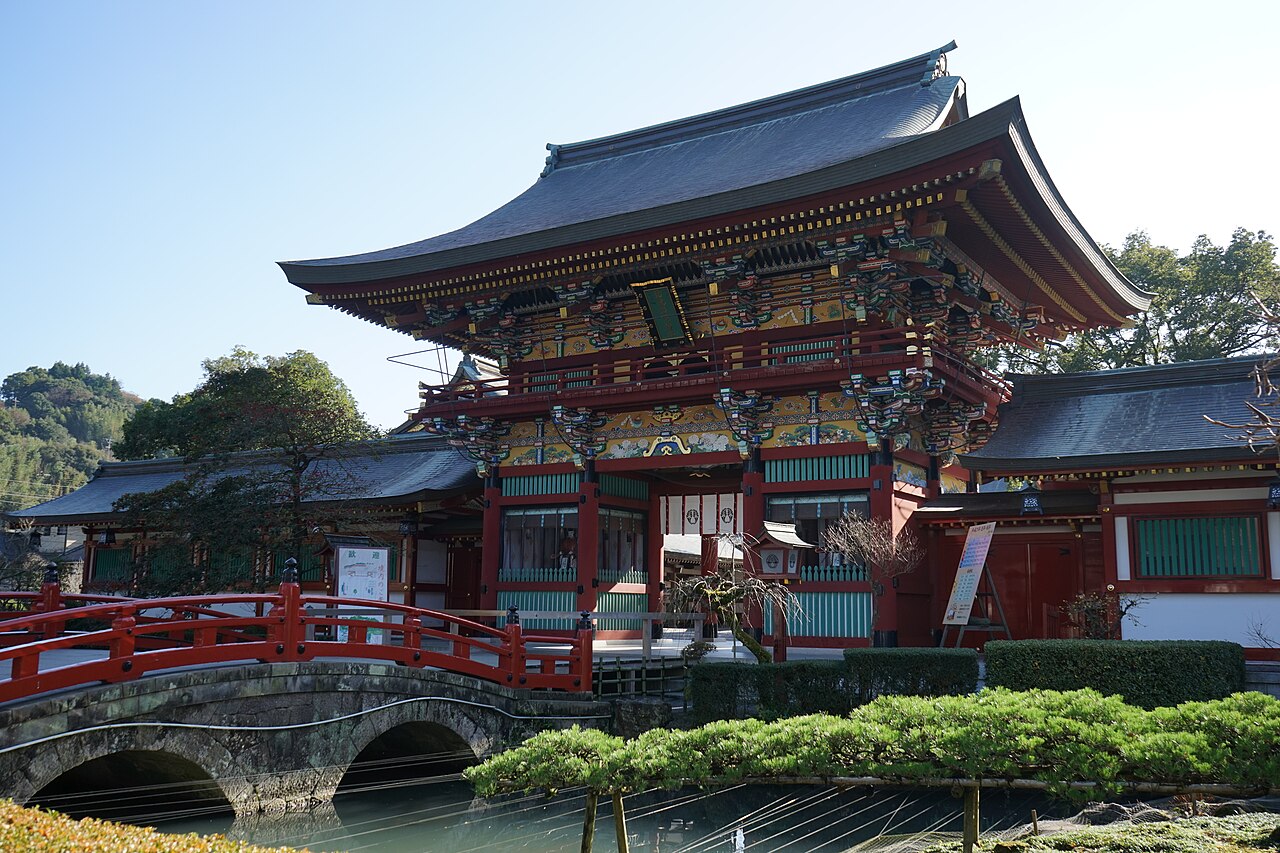
Beyond the main hall, vermilion torii gates run on toward the inner shrine, a path given over to the Inari deity, venerated here as guardian of food, clothing, shelter and everyday life. Omiyame-no-Okami, who danced before the heavenly rock cave, is honoured here for arts and skills, and the Kagura hall is the building to pause at with that story in mind.
In autumn, maple and ginkgo leaves turn the grounds red and yellow. Once the leaves have gone, the wax-flower beside the tower gate and the peonies in the Japanese garden take over with their fragrance. With little time, go straight to the torii path beyond the main hall; the lacquered halls at the front are taken in on the way.
Festival Nights on the Sake Street
Hizen-Hama-juku hosts a night market in its historic townscape, and on that night the street, which dates from the Edo period, changes its atmosphere and is decorated brightly. Seeing the same lanes after dark is a reason to linger past the tasting counters.
When the breweries of Hizen-Hama-juku hold a joint kurabiraki with tasting and sales, stalls line Sakagura-dori and kakuuchi corners and local folk performances are held along the street. Kakuuchi means drinking sake while standing, and at the kakuuchi corner a visitor picks a brand, tells the staff, and watches that sake go into the glass.
Many breweries and pickle storehouses remain here, and the Kuragura festival is named for the wish that visitors leave dazzled by the historic streets, the sake and the shows. To see the Edo-period street decorated and bright after dark, look for places to stay in Kashima and let the evening run.
Local Plates and Brewery Sweets
Kinton Shokudo feeds visitors on sara-udon, ramen and katsudon built on a soup of local pork bones simmered long and slow. It also serves set meals, and in the evening it turns into an izakaya, a place to end a day of tasting rather than start one.
Sake-brewery curry is simmered with Saga wagyu beef and junmai sake, and a shochu cake soaked in a brewery's own shochu follows it, so the brewing reaches the plate as well as the glass. A local maker steeps mainly Kyushu vegetables slowly in high-quality sake lees for its sake-lees pickles, a way to carry the breweries home.
Pickles from seasonal ingredients are finished mellow, and a rolled sweet wraps pink bean paste in a soft dough of the shop's own devising. A few breweries still brew in Hizen-Hama-juku itself, so the sweets come from the same lanes as the sake. With one meal to spare, take the sara-udon at Kinton Shokudo and carry a shochu cake away for later.
Getting to Kashima
| Leg | How | Time and estimate |
|---|---|---|
| Hakata to Hizen-Kashima | Limited express Kasasagi from JR Hakata Station | About 57 minutes. Unreserved seat 3,130 yen (basic fare 1,930 yen plus limited express charge 1,200 yen) |
| Saga to Hizen-Kashima | Limited express Kasasagi or a local train from JR Saga Station | Limited express about 19 minutes. Local train about 30 minutes |
| Hakata to Hizen-Kashima | Local train from JR Hakata Station | About 120 minutes |
| Nagasaki to Hizen-Kashima | Shinkansen, limited express and local trains from Nagasaki Station | About 1 hour 30 minutes |
| Fukuoka Airport to Hakata | Subway from Fukuoka Airport Station | About 5 minutes |
| Saga Airport to the shrine | Connecting bus to Saga Station Bus Center, or an airport limousine taxi to the shrine | Bus about 35 minutes. Limousine taxi about 50 minutes |
| Hizen-Kashima Station to Yutoku Inari Shrine | Bus from Kashima Bus Center, or from the Hizen-Kashima Station bus stop to Yutoku Jinja-mae and a walk along the shopping street | Bus about 10 minutes. Walk about 5 minutes |
| Hizen-Hama Station | Walk to Sakagura-dori; to the shrine by bicycle or on foot | Walk about 6 minutes. Bicycle about 15 minutes. On foot about 40 minutes |
New to rural buses and one-man trains? See how to ride them, step by step.
Hours and Fees
| Place | What | Hours or fee |
|---|---|---|
| Sakagura-dori guided walk | Course fees, reception and closing day | 60-minute course 2,000 yen per guide for 1 to 20 customers. 90-minute course 2,500 yen. 120-minute course 3,000 yen. Held year-round, closed every Tuesday. Reception 10:00 to 15:00 |
| Hizen-ya brewery | Hours | 9:30 to 17:00 |
| Sachihime brewery | Hours and closing days | Closed January 1 to January 3, otherwise year-round. Hours 9:00 to 16:00, brewery tours until 15:00 |
| Kashima sake brewery tourism weekend | 2027 dates | 27 and 28 March 2027 |
| Kinton Shokudo | Closing days | Closed Tuesdays and Wednesdays |
| Takeya Shokudo | Hours and orders | 11:00 to 18:00; 17:00 is the last order. Orders taken by telephone |
| Standing sake corner at the autumn Kuragura festival | Cost per cup | About 200 yen to 400 yen |
Where to stay
Places to stay near Kashima, Saga, Japan →
Disclosure: This post may contain affiliate links. If you book through them, we may earn a commission at no extra cost to you.