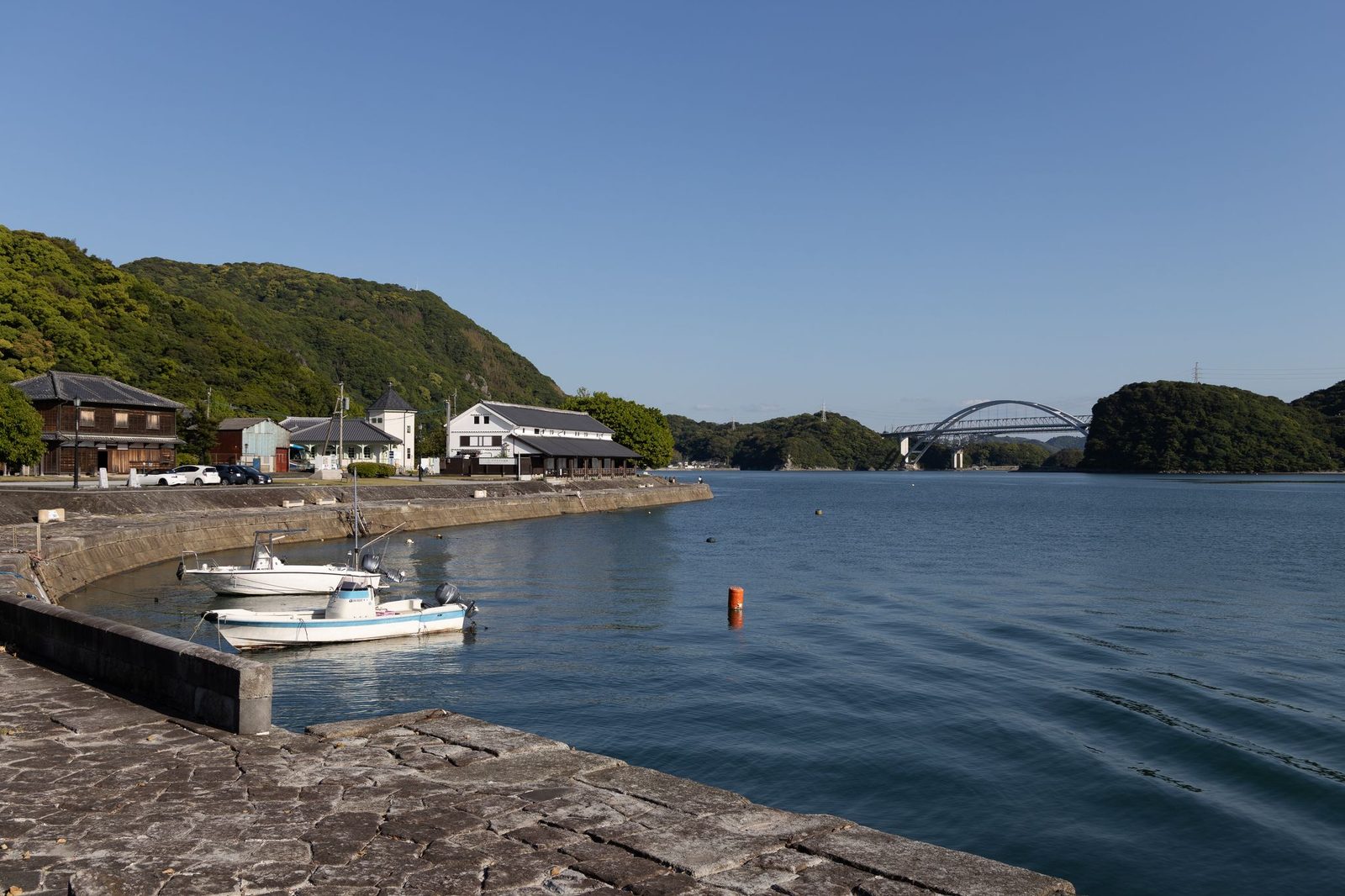
Misumi West Port is registered as a World Heritage Site as one of the Sites of Japan's Meiji Industrial Revolution. Stone-built quays and Meiji-era buildings remain along the water, and the retro townscape between them can be walked. The port is not a single monument but a small townscape, where a pier, water channels, a former hotel, a former court and a coffee shop in an old warehouse stand together. What follows takes those pieces one at a time.
Mulder's Stone Pier and Drainage Channels
The Dutch engineer Mulder designed Misumi West Port, and Amakusa stone masons built the stone pier and drainage channels faithfully to his plan. Misumi West Port is one of the three great Meiji ports, alongside Nobiru Port in Miyagi Prefecture and Mikuni Port in Fukui Prefecture. The pier, the channels and the buildings laid out as a new city plan can be seen as they were at the time.
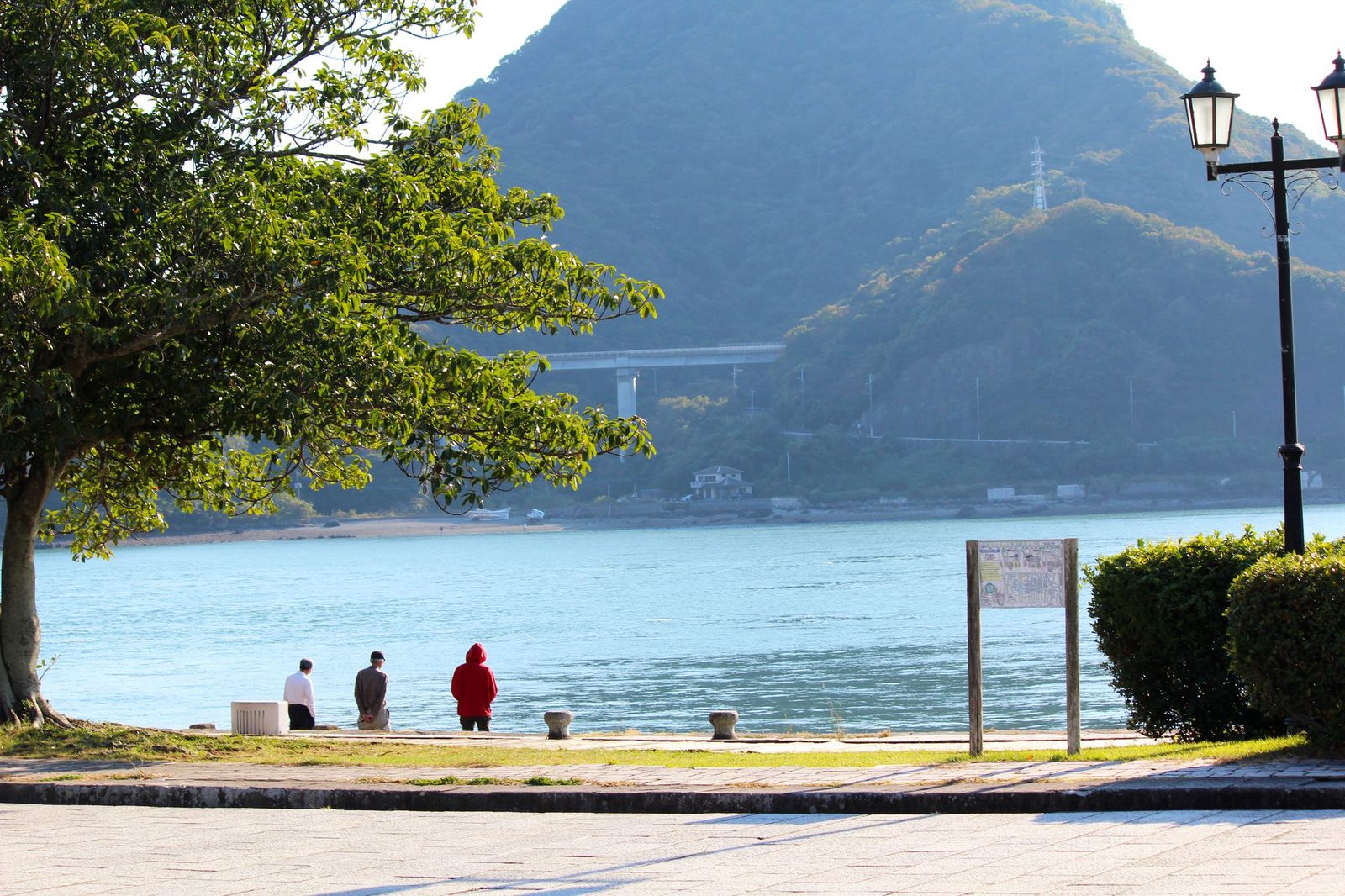
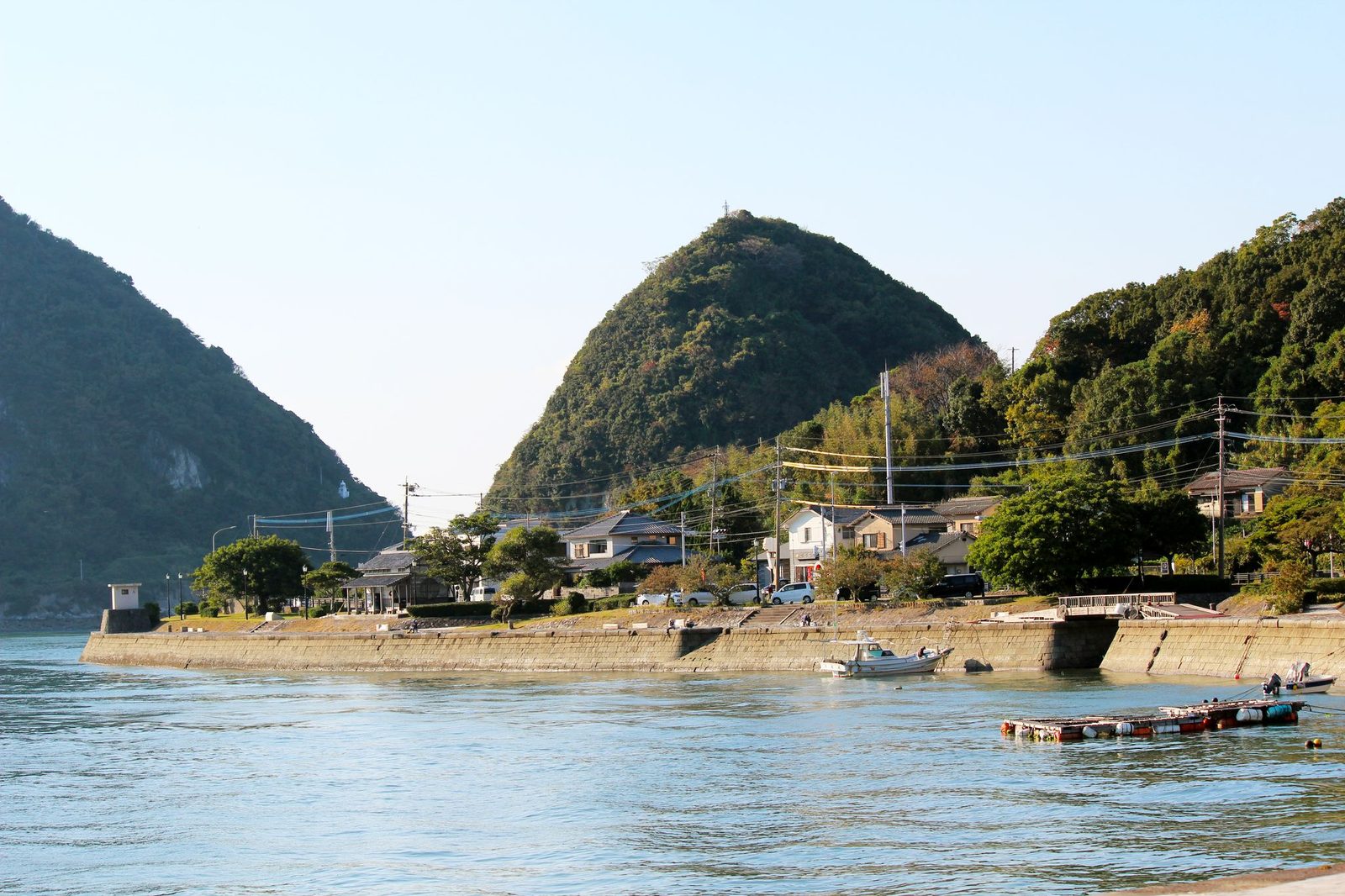
Mulder's design used many curves, and the channel widths and road widths were drawn at a scale far beyond the Japanese standards of the time. The quay wall is built of sixteen courses of cut stone, with large stones laid alternately along the top and held stable by their own weight.
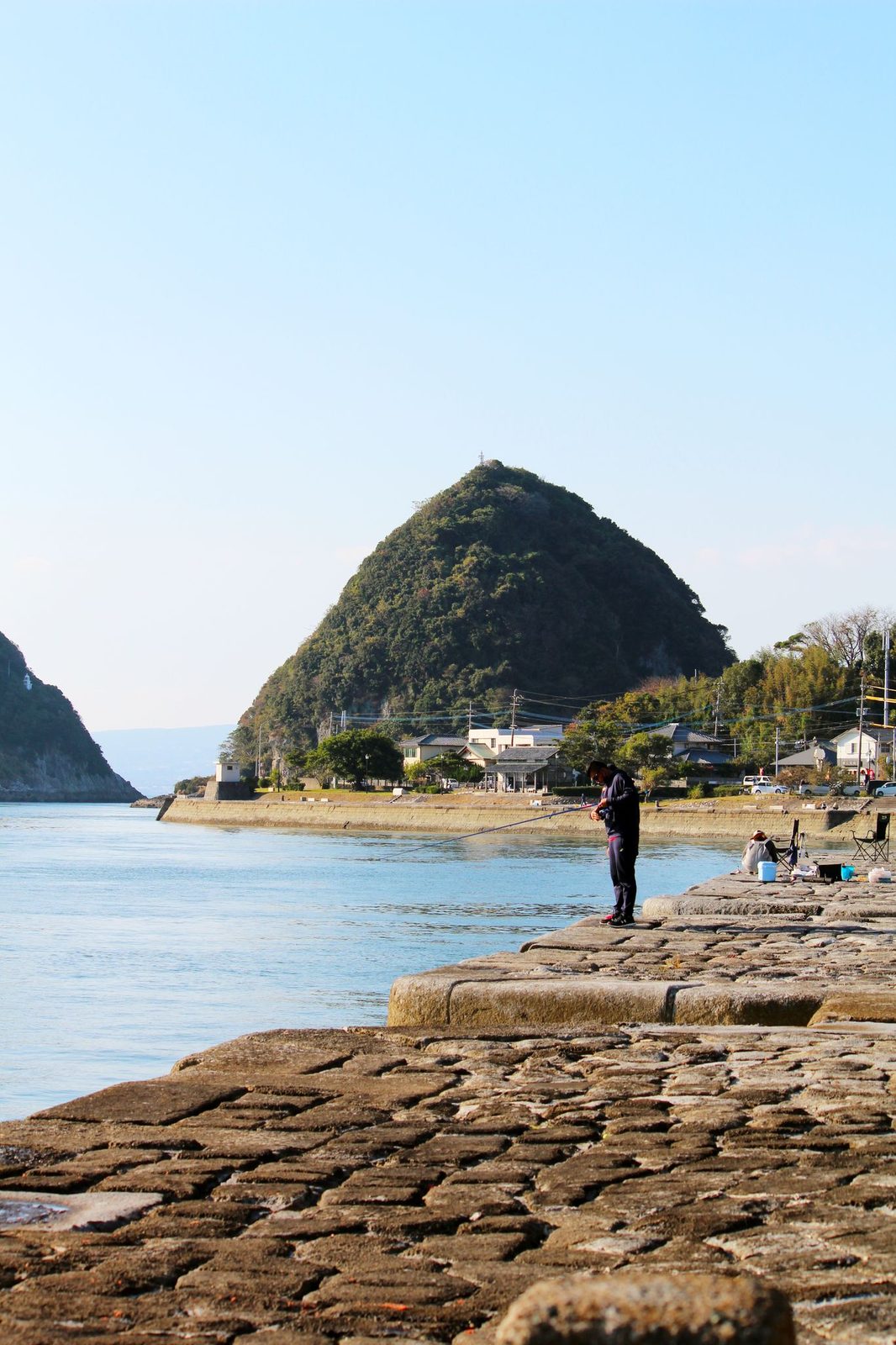
According to the newspapers of the time, eighteen steamships lay anchored offshore to mark the opening, and lantern lights along the quay stayed lit into the night as the celebrations went on. After the port opened, large steamships came and went often, and merchants carried cargo on their shoulders to the maritime warehouse at the pier. The old streets are stone-paved and easy to walk, and the stone walls of the channels look like a stage set from the Meiji era.
If you like places where the craft is still visible, start here and walk slowly: the cut stone, the curves and the stone-paved streets are what the rest of the port is built around.
Urashimaya, the Meiji Hotel Linked to Koizumi Yakumo
Urashimaya is a Meiji-period hotel now used as a rest area, and it stands among the buildings that keep a Meiji appearance. The inn is linked to the novelist Koizumi Yakumo, which adds a literary thread to a port built on stone and shipping.
Inside, pale green is set against white, and the building can be used as a rest area between walks. Pamphlets about Misumi town and similar materials are placed inside. Visitors can pose partway up the staircase for photos, and looking out from inside feels as if you were spending time in a foreign country.
At night Urashimaya is lit up, so the building can be seen lit after dark. If you want a place to pause between walks, this is it: a Meiji-period hotel kept as a rest area, with pale green and white inside and a staircase worth a photo.
Hou-no-yakata and Takada Kaisoten, the Old Court and Shipping Agent
Hou-no-yakata is the former Misumi court, set up in Misumi town together with the district office, now the Uki City Kyushu Maritime Academy, as the centres of administration and justice for the area. The court building, the records warehouse and the waiting room remain to the present day.
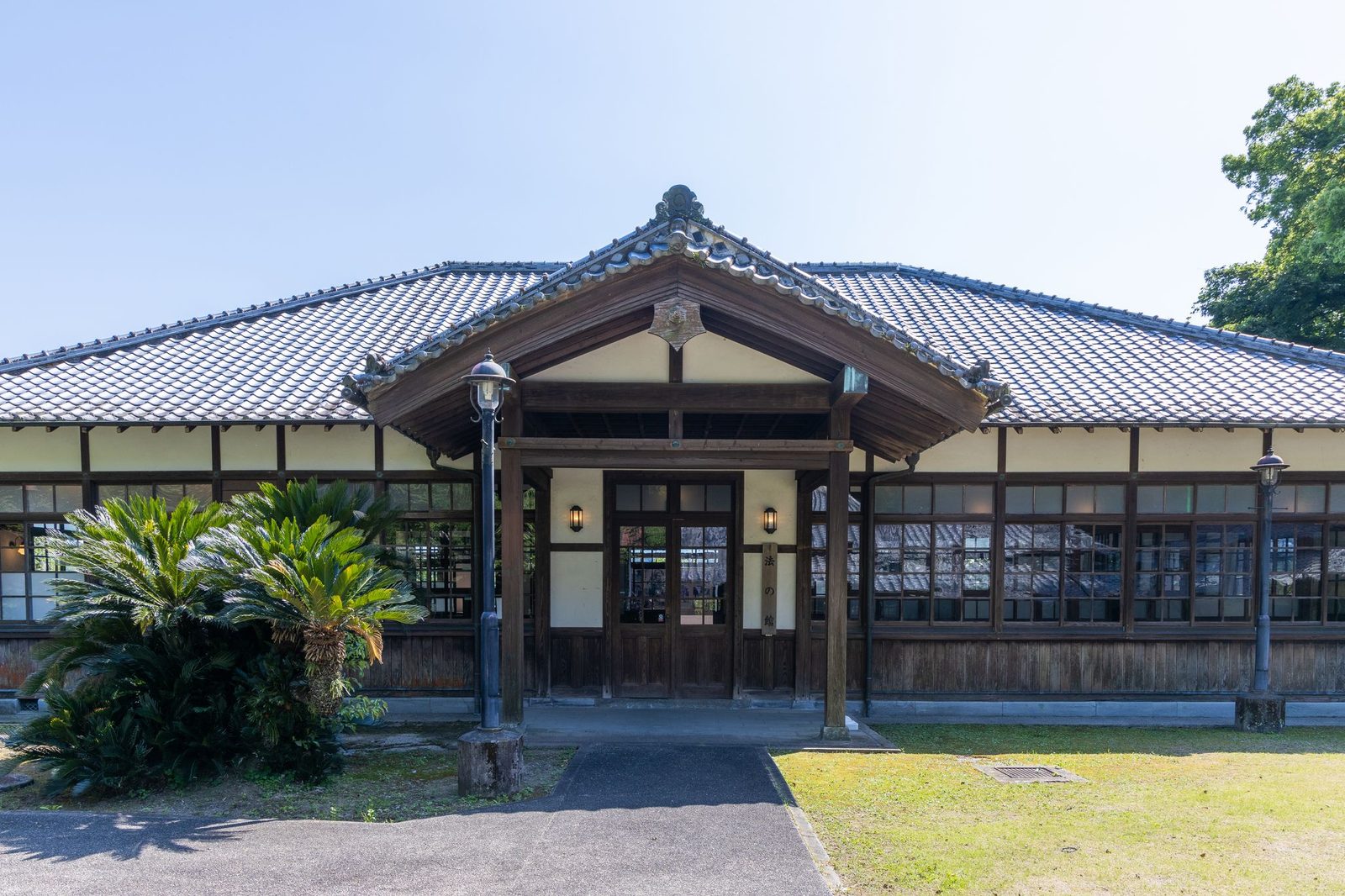
Inside Hou-no-yakata, panels in the exhibition on the history of law explain the types of courts and how trials work. The port has been used for filming various movies and dramas, and Taisho-era Western-style buildings stand in a line with restored ones.
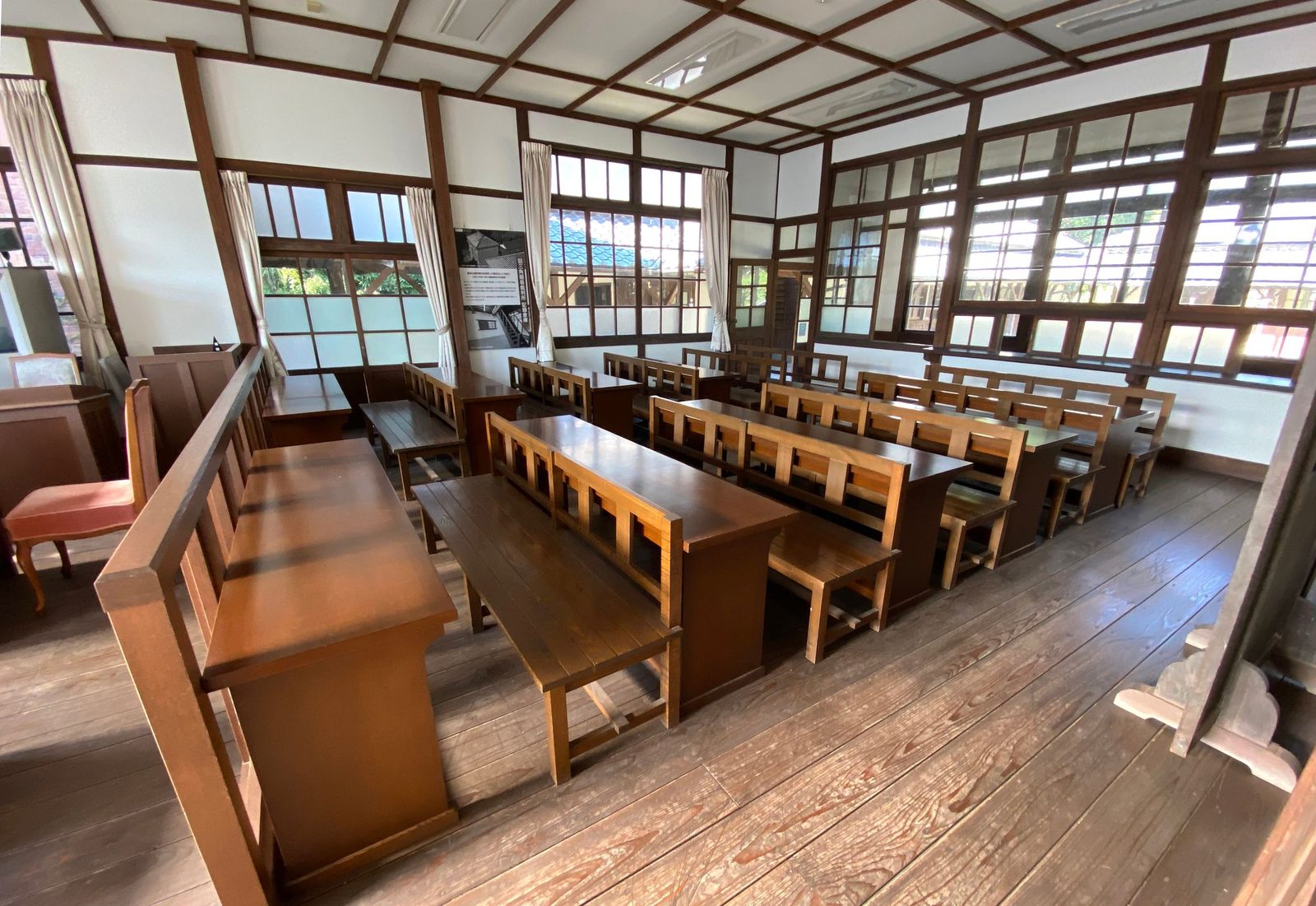
Takada Kaisoten, the shipping agent run by Takada Giman, handled cargo and passengers with the four ships it owned. Visitors can see inside, where each floor has six rooms.
Beyond Hou-no-yakata toward the mountain, a path begins that climbs to an old lookout. If you like buildings that explain how a port town ran, pair these two: the court shows the side of law and administration, and the shipping agent with its four ships shows the side of cargo and passengers.
Amaterasu Coffee and the View toward Tenjo Bridge
Amaterasu Coffee serves coffee inside a maritime warehouse built when the port was first constructed. The name joins ama, the sea and sky spreading before the shop, with terasu, a wish to keep lighting the surroundings and all of Misumi West Port. The shop is meant as a starting place for people strolling through Misumi West Port Park.
Inside hang star-constellation objects made by gaju, a sculptor born in Amakusa, Kumamoto. The menu includes a hot dog with Amakusa Daio sausage and tomato ketchup, an original blend coffee, fried bread coated in kinako and soft serve ice cream. The staff recommend the charcoal latte and the Amaterasu sandwich.
The sea in front of the port links the Ariake Sea and the Yatsushiro Sea and has been calm since ancient times. From the port, Tenjo Bridge and Tenmon Bridge, which link Uki City and Kami-Amakusa, can be seen, and at night a lit-up view different from the daytime one appears. On days when the sea is calm there is a chance of seeing finless porpoises, and locally it is said that seeing one brings happiness.
Mount Misumi, in Misumi-machi at the tip of the Uto Peninsula, has well-maintained walking paths. From the lookout at its summit, the World Heritage port, the first of the Amakusa Five Bridges and a panorama of the Ariake Sea and the Yatsushiro Sea can be seen in one view.
If you want to end the visit with the sea in view, finish at Amaterasu Coffee, where the sea and sky spread before the shop, and keep Mount Misumi for a day with more time.
To stay overnight in the area, browse places to stay in Uki.
Getting to Misumi West Port
New to rural buses and one-man trains? See how to ride them, step by step.
| Leg | How | Time or cost |
|---|---|---|
| JR Misumi Station to the port | Bus, getting off at the stop in front of the port | About 5 minutes |
| JR Misumi Station to the port | Taxi | 1,000 yen at most |
| Kumamoto Station | Rapid Amakusa bus | 1,090 yen |
| Matsubase Interchange, or central Kumamoto city | Car | About 50 minutes, or about 60 minutes along National Route 57 |
Hours and Fees
| Place | What | Hours or fee |
|---|---|---|
| The port park | Hours | Open 24 hours |
| Hou-no-yakata | Hours | 9:00 to 17:00 |
| Amaterasu Coffee | Hours | 10:00 to 17:00 |
| Guide at the port | Fee | 2,000 yen per guide |
Fees and hours were checked against official sources on 8 November 2026.
Thinking of staying overnight?
Compare places to stay near Uki, Kumamoto, Japan →
Disclosure: This post may contain affiliate links. If you book through them, we may earn a commission at no extra cost to you.