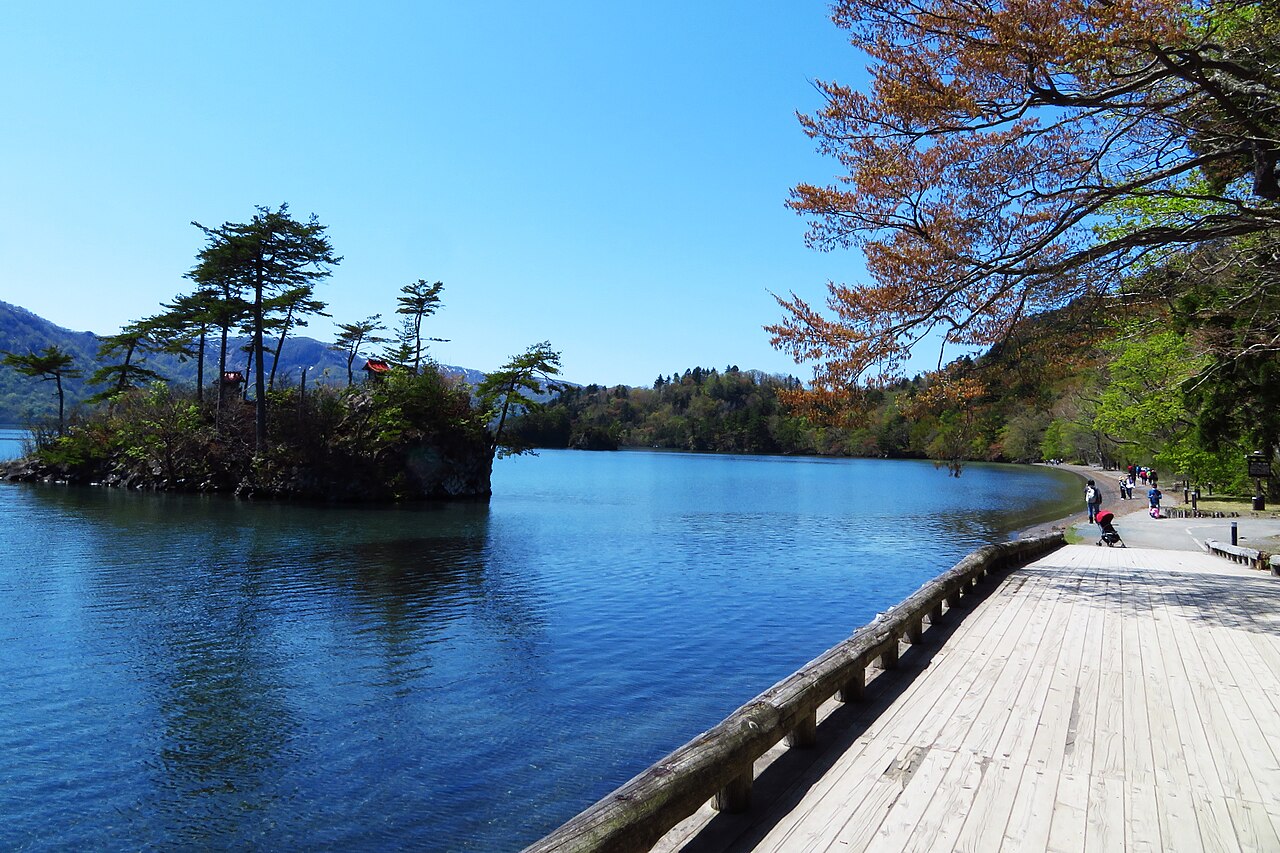
Morning on the Yasumiya shore of Lake Towada begins with cold clear air and a rising sun that tints the water golden. Birdsong echoes there, and the Otome-no-zo, the Maiden statue, stands on the same lakeshore. Come for a shore to walk from morning to night, viewpoints on the rim and lake fish such as himemasu.
The Yasumiya Lakeshore from Morning to Night, and Along the Circuit Path
If a morning is available, spend it on the Yasumiya lakeshore, where only natural sounds are heard and the shore is quiet.
Walking with a nature guide is how the Towada Lake Nature Guide Club runs its morning nature walk around Yasumiya. The guide explains nature, history and geography while the group walks along the lakeshore and around the Maiden statue. The walk is cancelled in rain or bad weather.
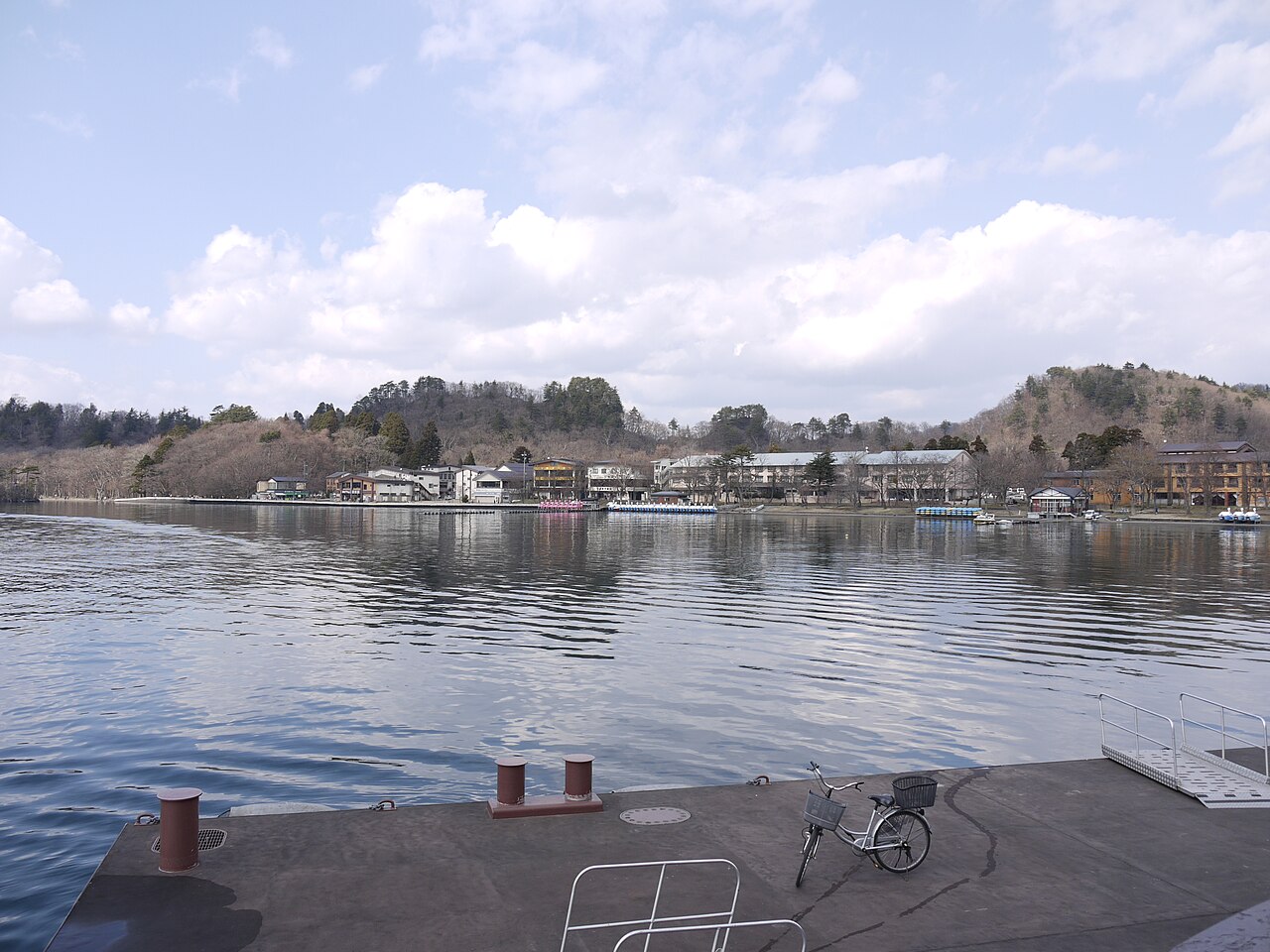
Stepping onto the shore in the morning, visitors meet cold clear air as the rising sun tints the lake water golden. Birdsong echoes, and the sound of the ground underfoot adds rhythm. Nothing but natural sounds is heard at this time of day, and it is quiet.
Looking at the water at midday, visitors see the sunlit surface sparkle while the green deepens in color. The air by then carries the scent of nature and the warmth of the sun. At night countless stars twinkle and moonlight falls softly on Lake Towada.
Following the lakeside circuit path in spring, walkers pass under overlapping beech and maple branches that form a tunnel of fresh green. Looking up, they see sunlight filtering through the leaves sparkle and fall like a shower. In autumn the area around the lake turns red and yellow, and the leaves are reflected on its surface.
Towada Shrine, the Maiden Statue and the Lakeside Footlights
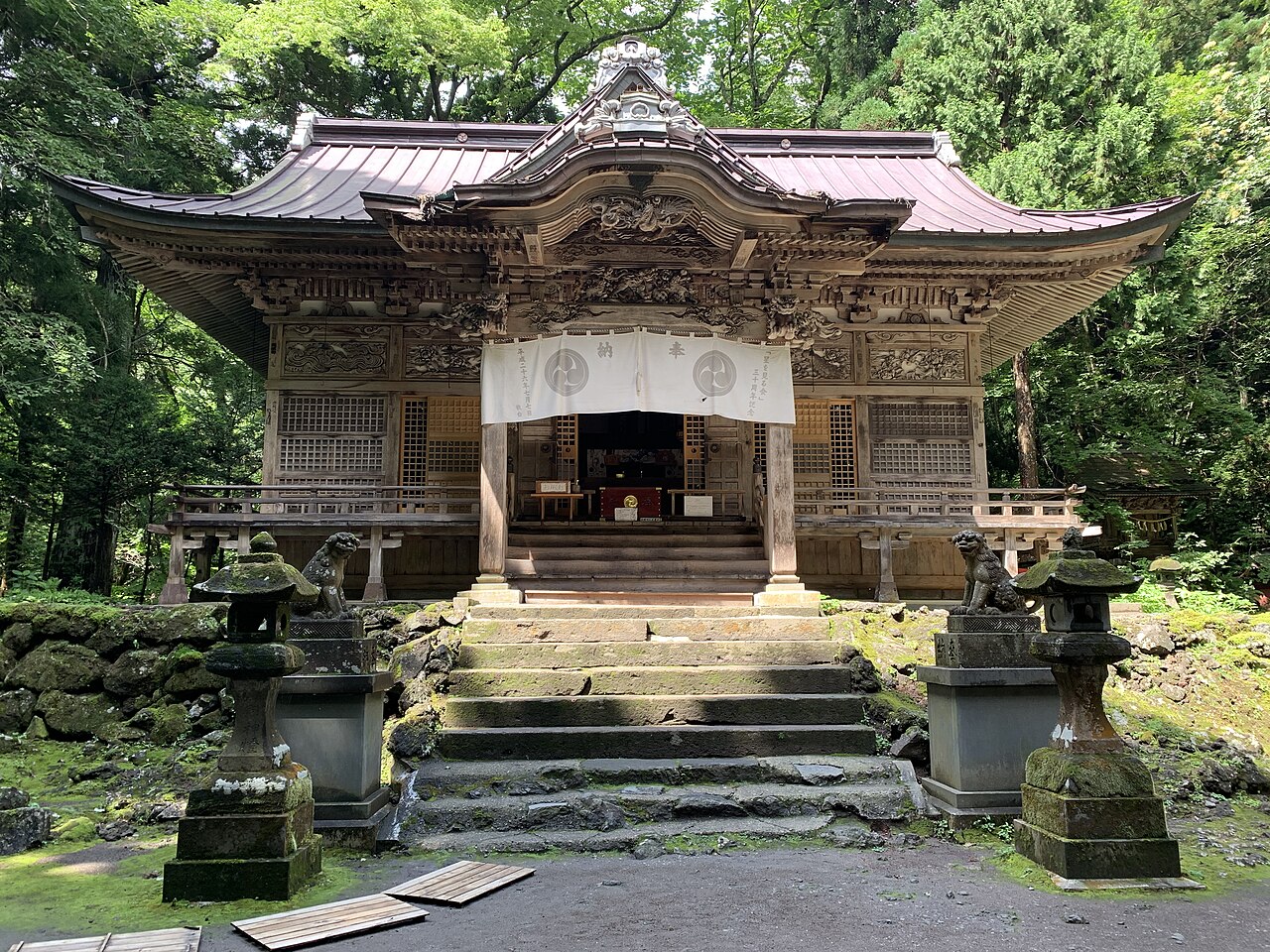
The Maiden statue stands on the lakeshore at Yasumiya while Towada Shrine sits behind Yasumiya, so the shrine approach branches off the walk to the statue.
Walking toward the Maiden statue, visitors first reach a fork where the approach to Towada Shrine begins. Then, further along, an orderly stand of cedar trees and a hand-washing pavilion shaped like a dragon god come into view at the shrine entrance. The shrine is located behind Yasumiya.
Standing before the Otome-no-zo, visitors see two nude maidens facing each other. The statue was Takamura Kotaro's last work. A large rock mass is seen on its right side, and the cracks in the rock surface formed when the lava cooled and hardened.
Writing a wish on washi paper comes first in the shrine's fortune-telling. It is said that the wish will come true if the paper sinks when thrown into the lake at a spot behind the shrine. The ladder to that spot is currently not passable, so the paper can be thrown in from the lakeshore in front of the statue.
Following the promenade from the Maiden statue, walkers have solar footlights lighting the path underfoot. The footlights, in place for part of the year, run as far as the Akita prefectural border. From observation decks and the opposite shore, the lakeshore appears studded like scattered jewels.
Cruises, Canoes and Winter on the Lake
Choose between the sightseeing boat, which tours a peninsula from Yasumiya, and a canoe, from which the water and fallen trees at the shore can be touched.
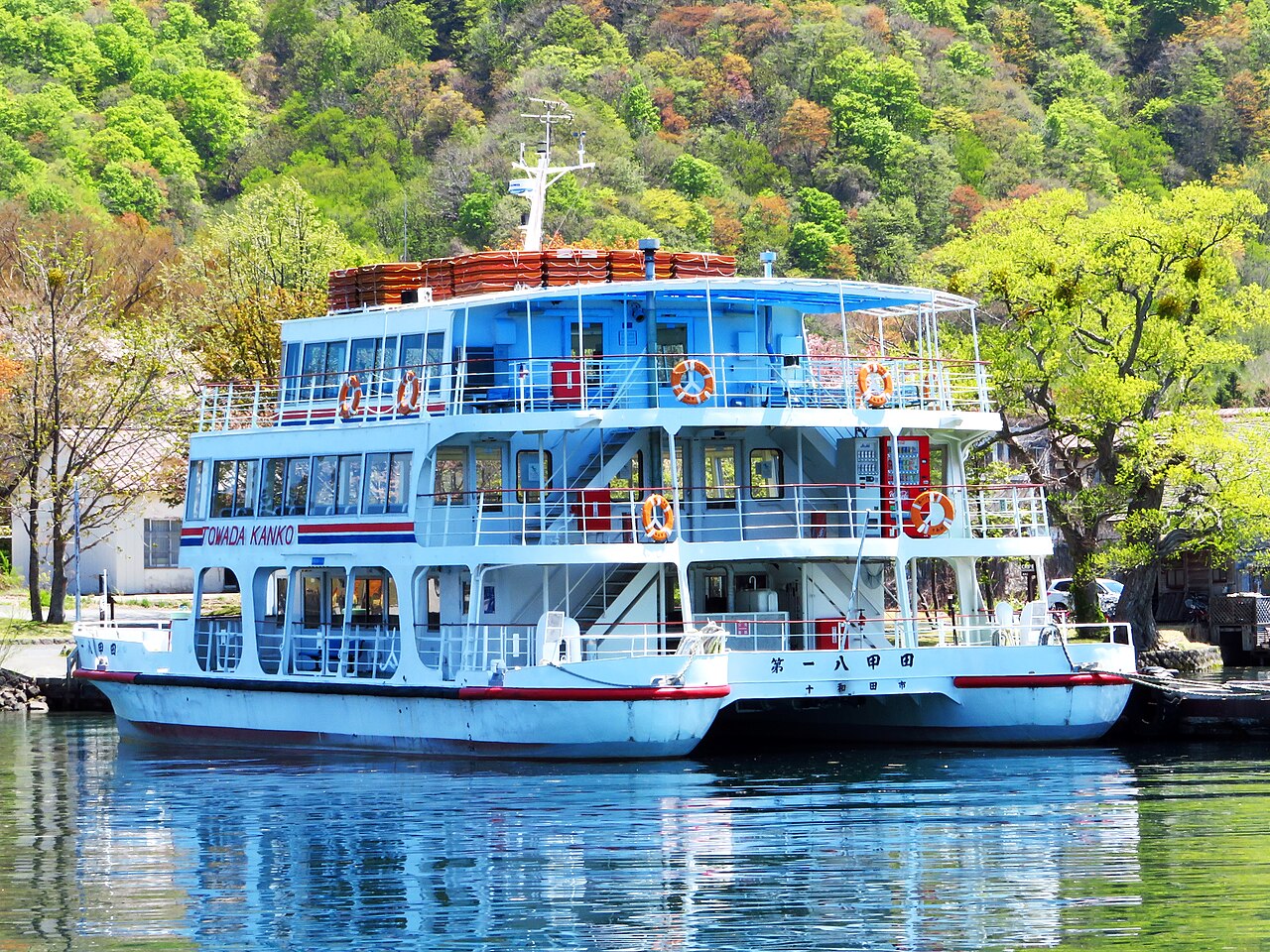
Boarding the sightseeing boat at Yasumiya, passengers follow a course that tours the Ogura Nakayama Peninsula and returns to Yasumiya. Sightseeing boats also depart and arrive between Nenokuchi and Yasumiya. Reaching the fortune-telling spot behind Towada Shrine requires a boat departing from Yasumiya, and wishes can be made from the boat.
Paddling a Canadian canoe on the Towadako Guidehouse canoe tour, participants cross the lake themselves. On the early-morning canoe tour, the paddle is heard grasping the water with each stroke, in crisp air and silence with no wind and a still lake surface. A down jacket or fleece is asked for on that tour because the temperature is low.
Joining the Towadako Guidehouse winter canoe tour, participants ride a double canoe that a guide steers. There the forest on the outer rim is decorated with snow flowers, lotus-leaf ice forms beside the lake and curtains of spray ice line the shore. The lake is often rough from freezing winds off Mount Hakkoda, but it is completely still at times.
Visiting in winter, travelers find the Lake Towada Winter Story, held each winter, decorating the lake in the snow with fireworks and light shows. The event also features local performing arts, local dishes and drinks inside a kamakura. On the same operator's snow rambling tour, participants walk through a snowy forest on walking skis or snowshoes.
Viewpoints Around the Lake: Hakko-toge, Kankodai and Onabeyama
Head to the west side for the Hakko-toge viewpoint, where the lake surface is blue, and to the Utarube side for Kankodai and Onabeyama.
Driving through the broadleaf forest belt to Hakko-toge, travelers see a deep blue lake surface suddenly spread out ahead. Hakko-toge is the end point of the forest road. From its observation deck the outer rim is visible directly ahead, with Kushigamine of South Hakkoda behind it.
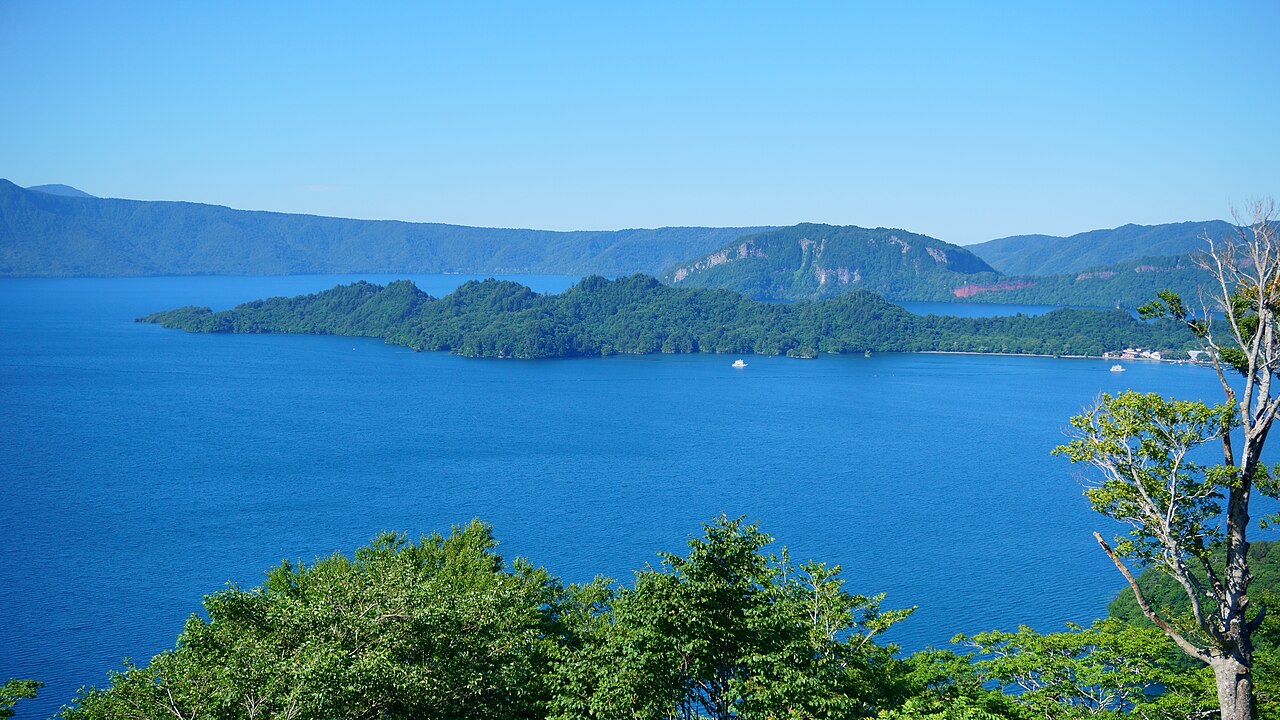
Continuing along the forest road from Hakko-toge toward Kosaka, drivers come to the Shimeitei viewpoint on the way. The west lake seen from Shimeitei has a heart-like shape. Two peninsulas are seen ahead with deep perspective.
Stopping at the pass between Utarube and Yasumiya, visitors stand at Kankodai, which faces Nakanoumi. Following the national route from Nenokuchi toward Hirosaki and climbing the Nanamagari slope leads to Onabeyama. On fine days Mt. Iwate and the skyline of Hachimantai are seen far off from Onabeyama.
Himemasu, Wakasagi and Other Tastes of Lake Towada
Anyone who wants to eat fish from the lake can start with himemasu (kokanee), which is served at most minshuku and restaurants.
Eating himemasu as sashimi, carpaccio or sushi, diners meet a sweetness and a soft, smooth texture on the tongue. The fish is a small salmonid with a silver body and bright orange flesh that spends its whole life in the lake. Himemasu is also eaten as shioyaki, fry and tempura, and some establishments serve specially devised menus.
Tasting wakasagi raised in Lake Towada, diners find it light in flavor without off-tastes. Kanroni of freshly caught wakasagi with roe has a rich sweet-savory seasoning and a popping texture. The whole wakasagi kanroni can be eaten, including head, innards and bones.
Looking beyond fish, visitors find mountain vegetables such as udo, fuki, bamboo shoots and warabi around Lake Towada in spring. Mizu with a refreshing texture is harvested in summer, and mushrooms such as maitake, nameko and mukitake in autumn. Acacia honey from Kosaka has a soft sweetness and a clean aftertaste.
Getting to Lake Towada, Boats and Hours
New to rural buses and one-man trains? See how to ride them, step by step.
Buses from Aomori, Shin-Aomori and Hachinohe reach Yasumiya without a transfer, and places to stay around Lake Towada are listed for the shore.
| Item | Details (as listed) |
|---|---|
| JR Bus to Yasumiya | from Aomori Station, Shin-Aomori Station and Hachinohe Station, without a transfer |
| Sightseeing boat | from Yasumiya to Yasumiya around the Ogura Nakayama Peninsula; season listed as end of April to mid November |
| Yasumiya ticket office | inside the Lake Towada Tourism Exchange Center, from nine; service fifty-one tickets sold on board from eight thirty |
| Yasumiya early-morning nature walk | six to seven, about one hour; Thursday to Monday in the season announced each year; cancelled in rain |
| Hakko-toge viewpoint by car | about thirty minutes from Kosaka IC on the Tohoku Expressway; or from the Towada interchange via Route one hundred three |
| Shimeitei viewpoint | about fifteen minutes on foot from the Hakko-toge viewpoint |
| Summit trail from the Utarube trailhead | about one hour thirty minutes on foot |
Thinking of staying overnight?
Compare places to stay near Towada, Aomori →
Disclosure: This post may contain affiliate links. If you book through them, we may earn a commission at no extra cost to you.