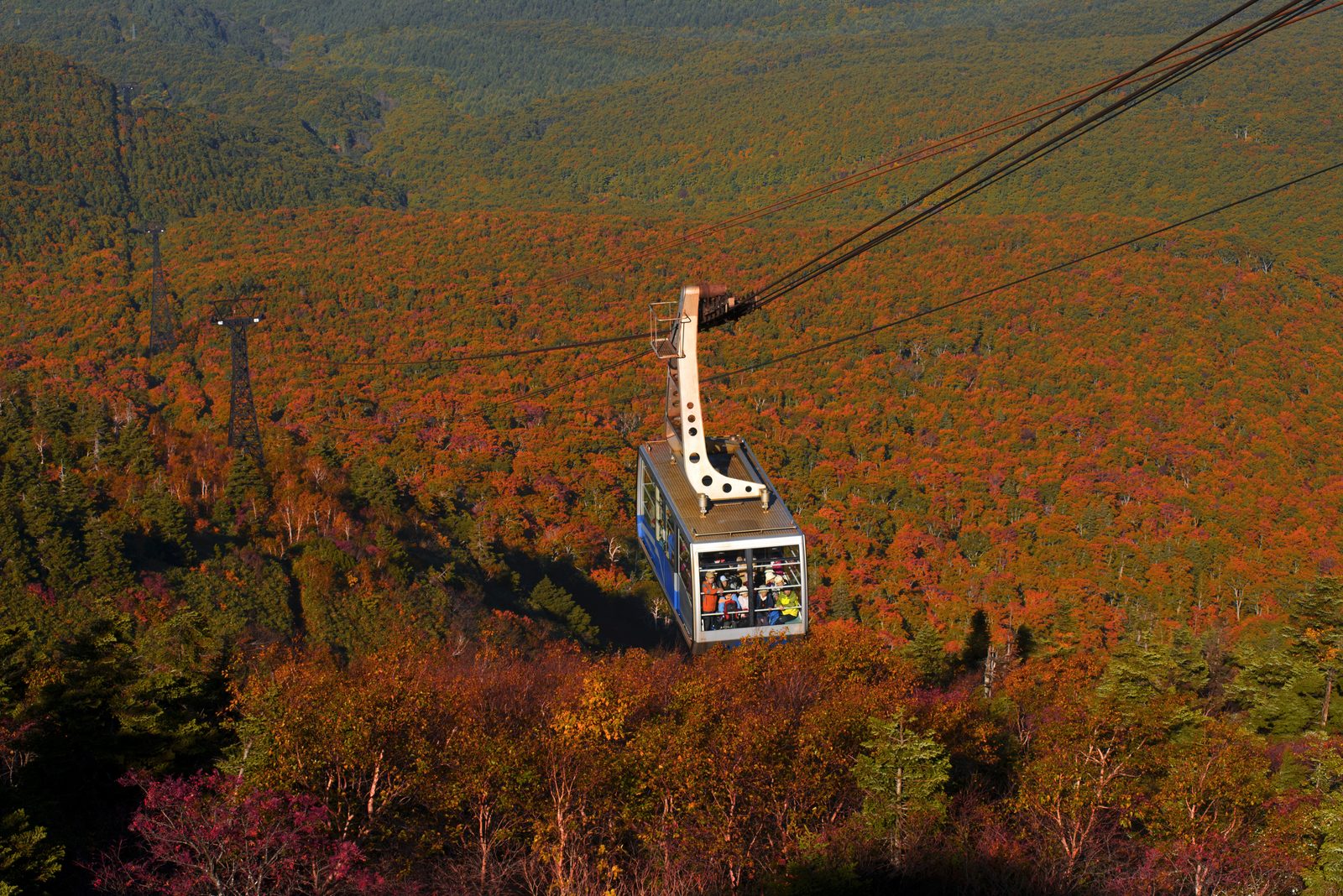
Hakkoda, in Aomori, is a mountain area where a sulphur hot spring, a pond of volcanic hot water, a ropeway and winter snow come together. Steam rising at Sukayu Onsen wraps the autumn beech and maple, Jigokunuma holds hot water beside an explosion crater, and ice and snow turn the Aomori firs into snow monsters each winter. One way to work through the area is to begin with the steam and smell of sulphur at Sukayu Onsen, then look at Jigokunuma and the water-lily marsh of Suirennuma, then ride the ropeway for its seasonal colour, and finish with a bowl of soba on a sardine broth.
Sukayu Onsen: Steam, Sulphur and the Hiba Thousand-Person Bath
Sukayu Onsen announces itself by smell: sulphur hangs in the air, and a torii gate marked for Yakushi Shrine stands beside it. Steam rises thickly and wraps the red and yellow beech, oak, maple and Dakekamba birch.
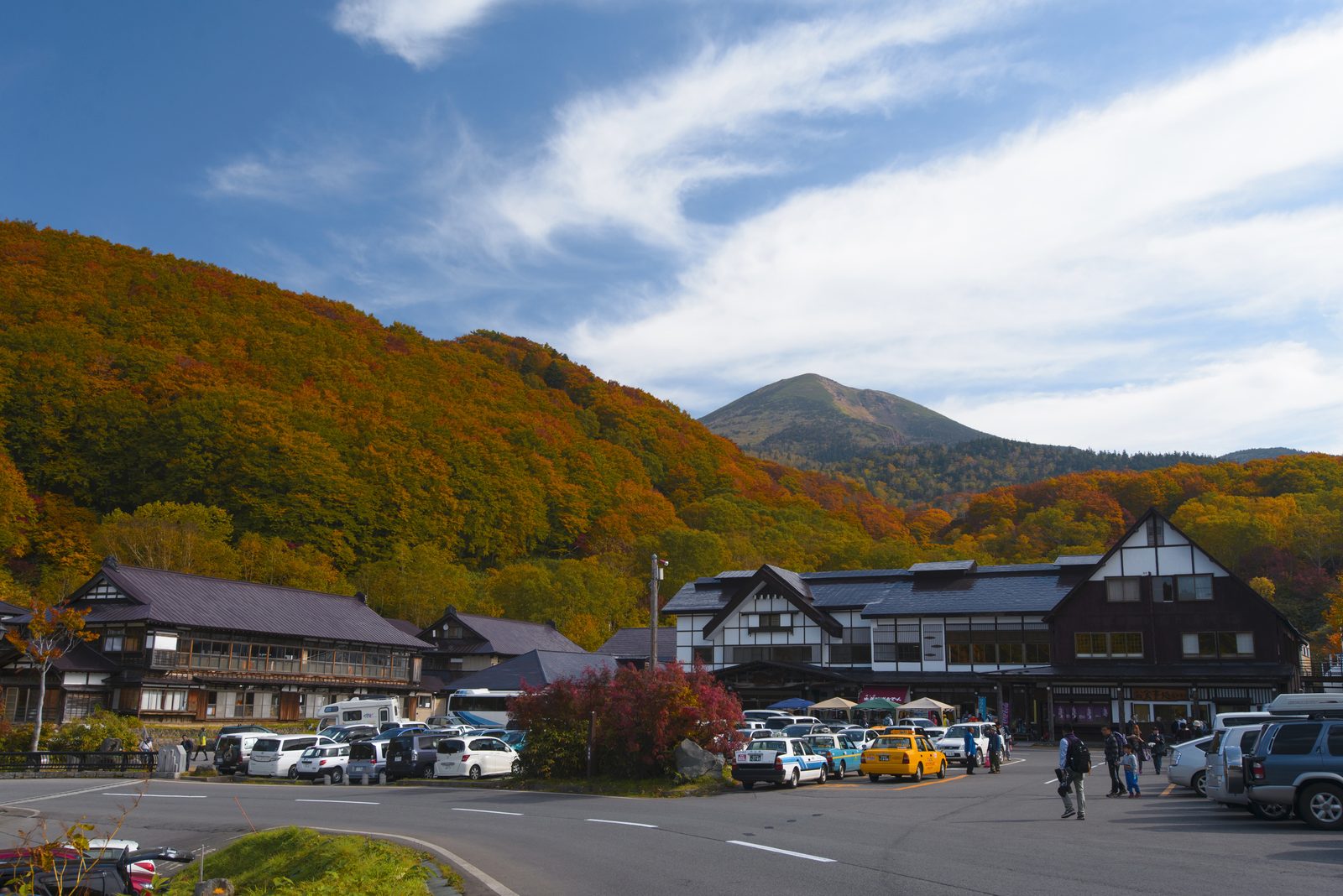
The Hiba Thousand-Person Bath is one large room with tubs from different sources: a hot bath, a cold bath and a hot-water cascade. The Fukashi-yu is about ninety-five degrees, taken fully clothed while sitting on a wooden lid over the tub.
Mid-November, after the busy season has passed, brings a quiet time at Sukayu. Autumn here is wrapped in deepening colour and quiet, then the sound of winter begins to be heard.
Walks led by a guide follow an almost flat course that people unsure of their stamina can join, and the destination is left unfixed so the guide can go to whatever is in season that day. When it is crowded, guests who arranged a place in advance have priority; same-day joining is possible when there are vacancies.
Jigokunuma and Suirennuma: a Sulphur Pond and Water-Lily Marshes
Jigokunuma, near Sukayu Onsen, is a pool of hot spring water beside an explosion crater, formed at the end of Mt. Hakkoda's volcanic activity. Sulphur gas still rises around it with a hot-spring smell, and steam stands over the water all year as strongly acidic water of over ninety degrees wells up from the back. Its blue contrasts with the mountain through the four seasons, and no grass or trees grow around it.
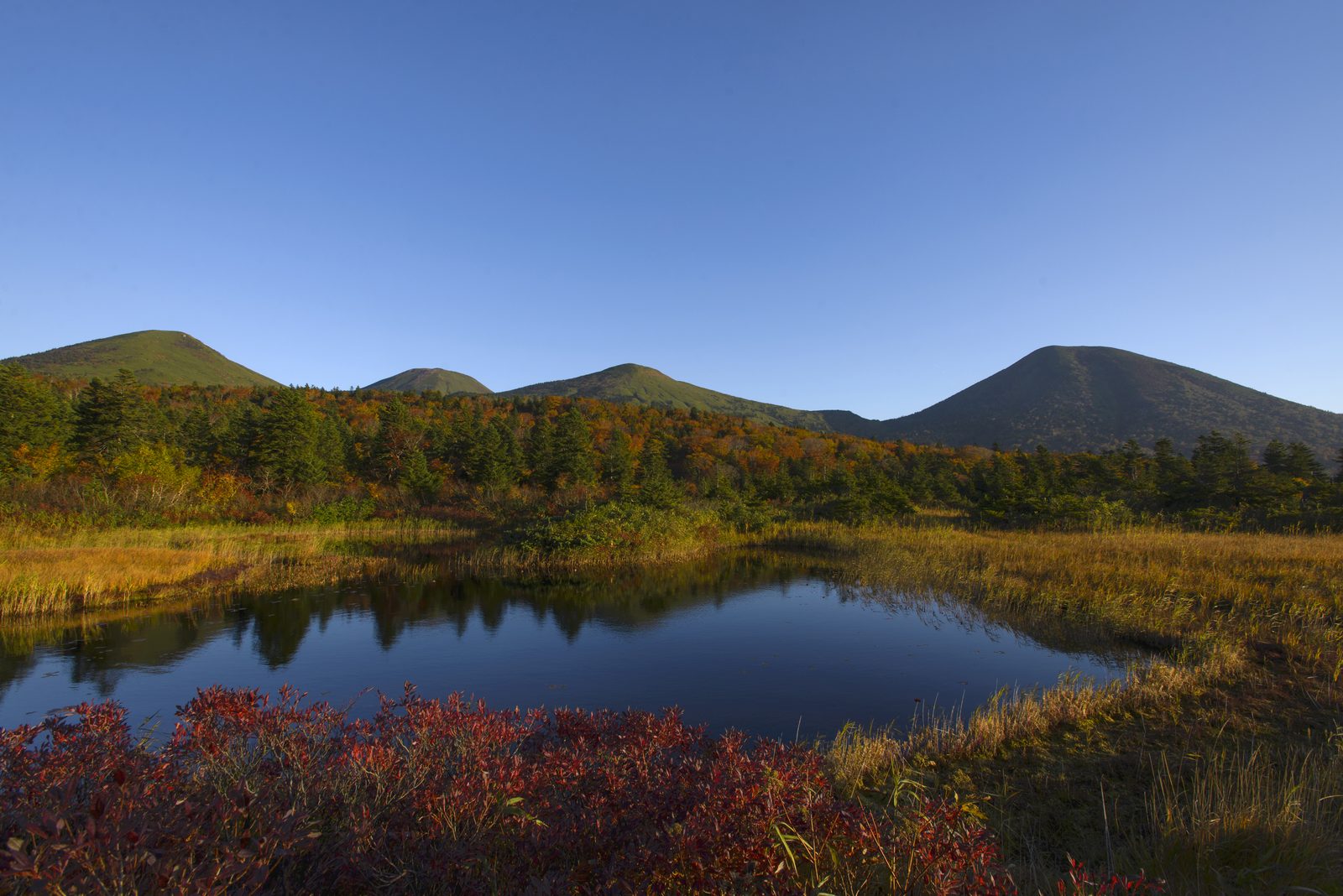
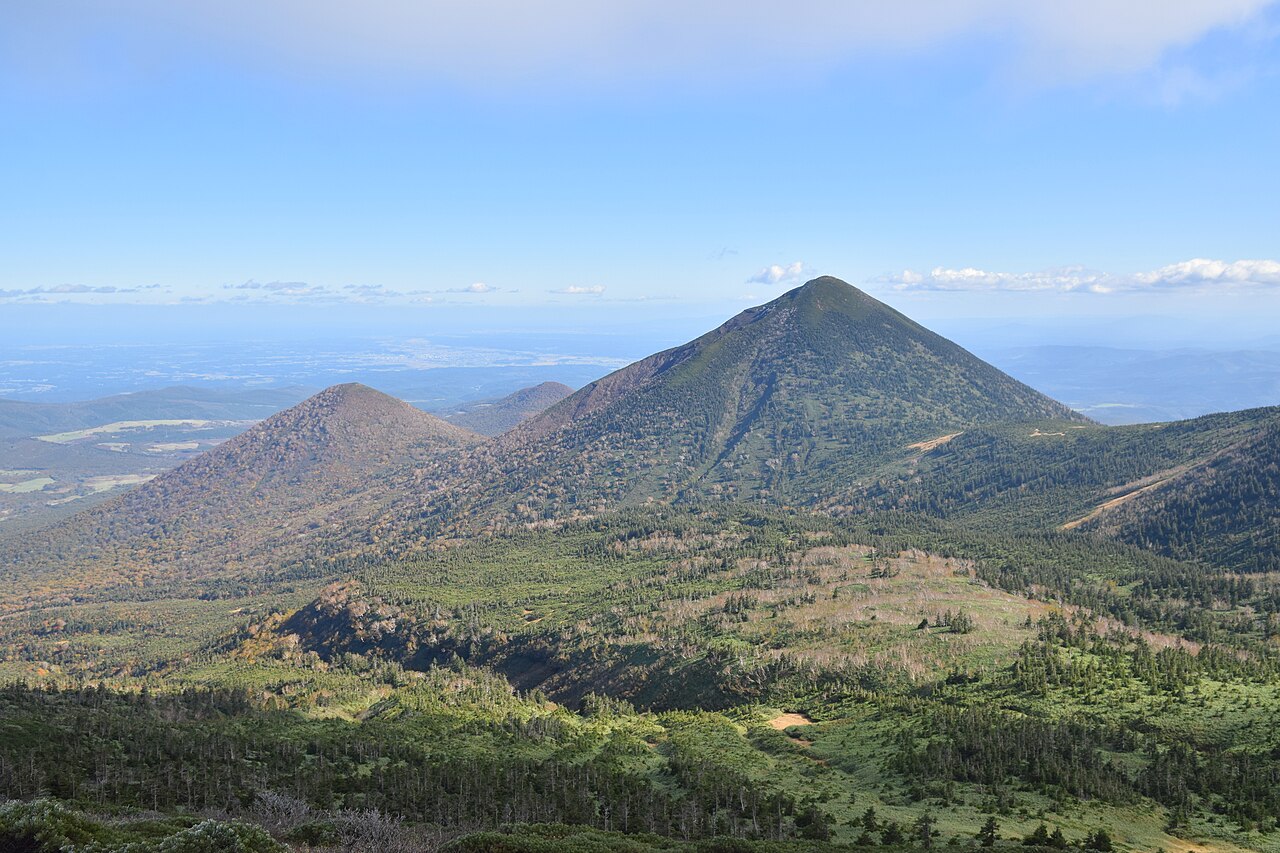
Suirennuma is named for the Ezohitsujigusa, a water lily growing wild there, and its countless ponds hold skunk cabbage, water lilies and forest green tree frogs. The view widens all at once, with the Hakkoda peaks in autumn colour across the pond. The walk in on the maintained path takes about five minutes.
At Guddari-numa the water is clear enough that stones on the distant riverbed show through, and baikamo and watercress sway in it. If you like water of different kinds, the ponds run from Jigokunuma's hot blue to Guddari-numa's clear spring water.
The Ropeway and the Summit Park Through the Seasons
The ropeway climbs to the summit park, and in autumn the beech, oak, maple and Japanese birch turn red and yellow. Around the summit park the autumn colour begins in late September.
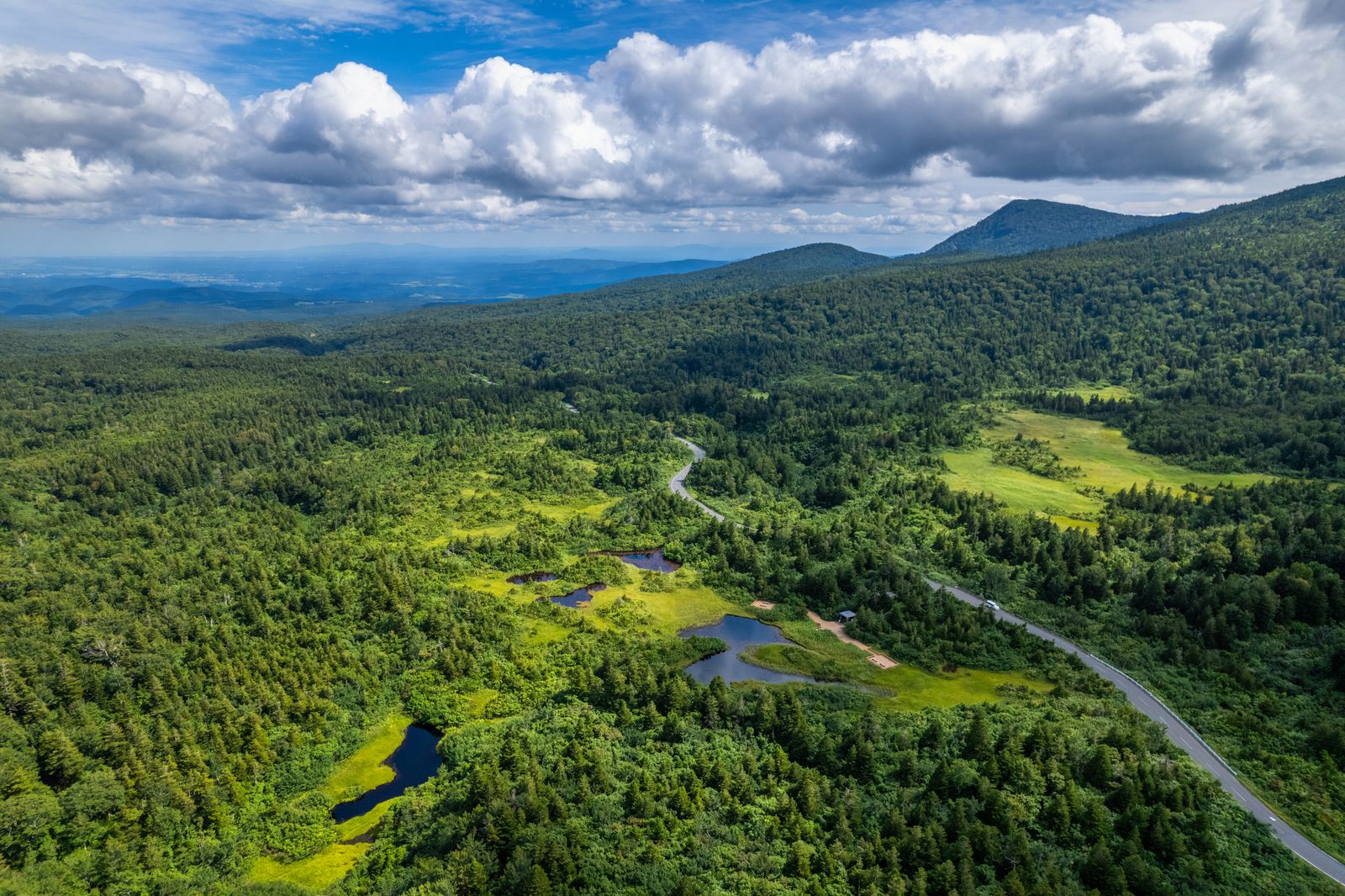
Buds unfold on the beech from mid-May, Shirane-aoi flowers between support towers one and two from late May to mid-June, and alpine plants such as akamono and iwanashi appear around Tamoyachi marsh until early August.
In winter, ice and snow strike the Aomori firs, which grow gradually into large rime-ice shapes called snow monsters. They peak in February; in March the temperature rises, their surface turns smooth and the look fades.
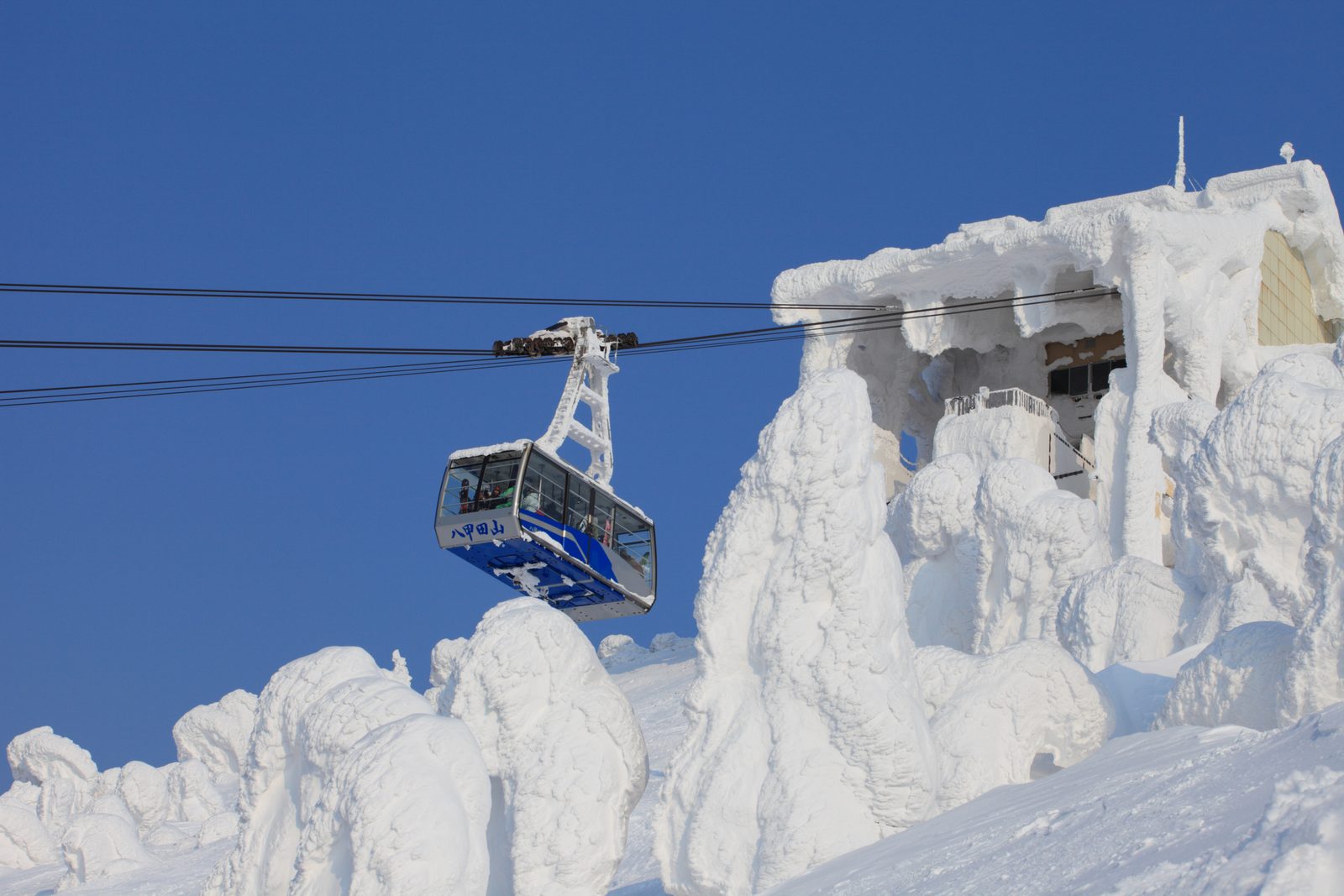
A round trip on the summit park path on foot takes about one hour to one hour and thirty minutes. If you want the mountain in more than one season, the same ride gives new leaves in May, colour in autumn and snow monsters in February.
Walking Among Snow-Covered Firs
On the snow walk from Sukayu you cross a snowfield wrapped in stillness and can look at the snow-covered Aomori firs up close. In the snow corridor, walls of snow rise on both sides. Snow begins to accumulate on Hakkoda in November, and winter arrives all at once.
About sixty minutes of climbing from Sukayu Onsen brings you to where the snow-covered firs spread out. They wear their snow differently from the hoarfrost trees, and they are large.
The corridor itself can be walked, with six courses set, one of them for snowshoes. From mid-November to late June snow covers the ground and hides parts of the paths. If you want a winter walk rather than a ride, the climb to the firs and the snowshoe course are the two ways in.
Soba, Sardine Broth and a Table in the Forest
A soba restaurant at Sukayu Onsen makes its broth mainly from grilled dried sardines from Mutsu Bay. Dishes include soba with a hot-spring egg, soba with mountain vegetables and soba pudding.
Hakkoda Hotel stands quietly in the forest, surrounded by old-growth beech. Dinner is either a French full course or a Japanese kaiseki, each with different dishes and ingredients. Its French dishes draw on seafood from the Sea of Japan, the Pacific, the Tsugaru Strait and Mutsu Bay, and produce from Hakkoda and Mt. Iwaki. Prefectural beef melts in the mouth, Mt. Iwaki corn is high in sugar and can be eaten raw, and Mutsu Bay scallops are thick and firm.
If you want local seafood and produce, plan around the sardine broth at Sukayu and the hotel's dinner. If you would rather base yourself in the city and head up to the mountains, places to stay in Aomori are worth a look.
Getting to Hakkoda
| Leg | How | Time or fare |
|---|---|---|
| Aomori Station to Sukayu Onsen | JR Bus | About 1 hour 10 minutes |
| Shin-Aomori Station to Sukayu Onsen | JR Bus | About 1 hour 20 minutes |
| Lake Towada to Sukayu Onsen | JR Bus | About 1 hour 30 minutes |
| Aomori Station to the Hakkoda ropeway stop, summer season | JR Bus | About 60 minutes |
| Aomori Station to the Hakkoda ropeway stop, winter season | JR Bus | About 80 minutes |
| Aomori Station to the Hakkoda ropeway stop | One-way JR Bus fare | 1,290 yen |
| Sukayu Onsen to the Hakkoda ropeway stop, winter season | JR Bus | About 15 minutes |
| Sukayu Onsen to the Hakkoda ropeway stop, winter season | One-way JR Bus fare | 460 yen |
| Aomori Airport to Sukayu Onsen | Car (no direct bus) | About 1 hour |
| Aomori-Chuo Interchange to Sukayu Onsen | Car | About 40 minutes |
New to rural buses and one-man trains? See how to ride them, step by step.
Hours and Fees
| Place | What | Hours or fee |
|---|---|---|
| Hakkoda ropeway | Adult one-way ticket, junior high school age and above | 1,550 yen |
| Hakkoda ropeway | Adult round-trip ticket, junior high school age and above | 2,500 yen |
| Hakkoda ropeway | Child (elementary school) one-way and round-trip tickets | 450 yen and 700 yen |
| Hakkoda ropeway | Hours, March to early November | First departure 9:00, last 16:20 |
| Hakkoda ropeway | Winter hours | 9:00 to 15:40 |
| Hakkoda ropeway | Ride between the base and summit park stations | About 10 minutes |
| Hakkoda ropeway | Interval | Every 15 to 20 minutes |
| Hakkoda ropeway | Luggage keeping at the base and summit stations | 200 yen per item |
| Summit park path | Round trip on foot | About 1 hour to 1 hour 30 minutes |
| Tohoku University Botanical Garden Hakkoda Branch | Entry | Free of charge |
| A soba restaurant at Sukayu Onsen | Hours | 10:00 to 16:30, last order 16:15 |
Where to stay
Places to stay near Aomori, Aomori, Japan →
Disclosure: This post may contain affiliate links. If you book through them, we may earn a commission at no extra cost to you.