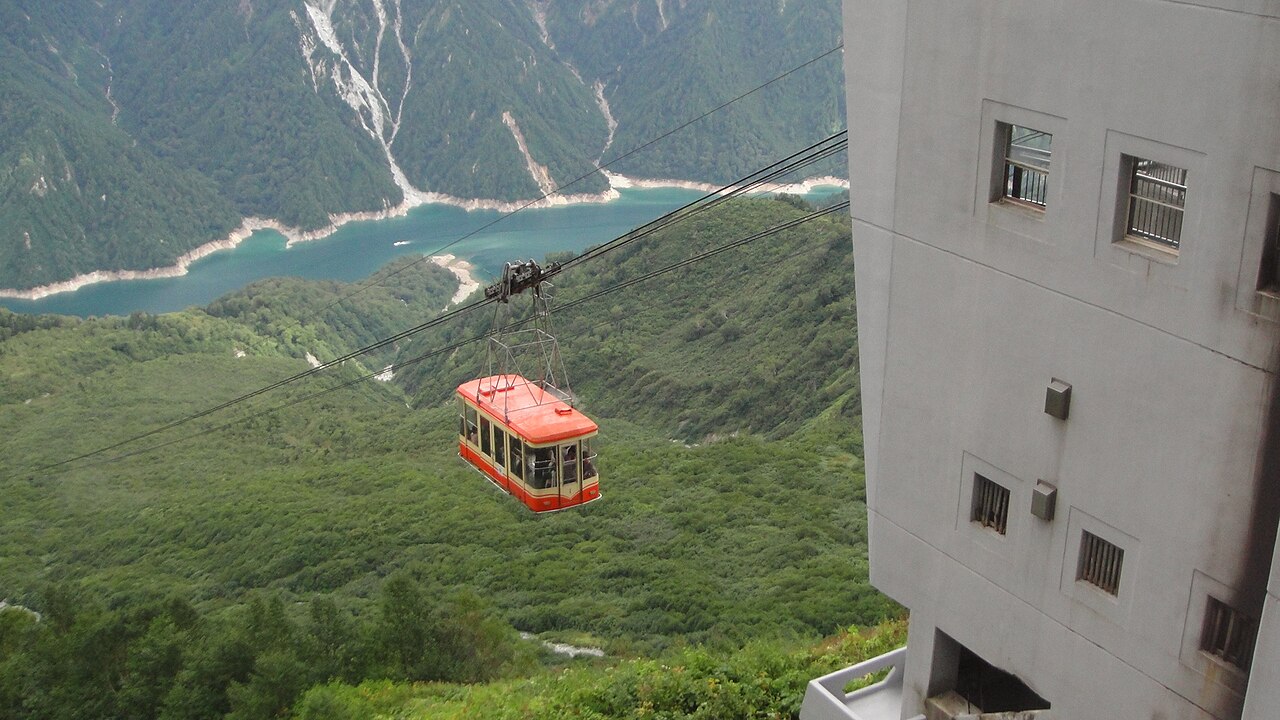
From the rooftop at Daikanbo, built jutting out over a sheer cliff, Lake Kurobe and the Ushirotateyama range can be seen in a single sweep. On sunny days a rainbow forms over the sightseeing discharge at Kurobe Dam. At Murodo-daira, a large heart shape appears on the lake surface when it is seen from the stairs below the Mikurigaike hot spring.
Going Up from Tateyama to Murodo Past Bijodaira and Midagahara
Along the Tateyama cable car there is a spot where rock stands like pillars, a formation called zaimokuseki. Around Bijodaira, giant Tateyama cedars are scattered, and the hollow of a flame-shaped cedar looks heart-shaped when viewed.
On the Tateyama Highland Bus all passengers are seated and can look out of the windows. Shomyo Falls shows well from left-side seats on the bus to Murodo and right-side seats toward Bijodaira, and its gap with a neighbouring waterfall looks heart-shaped. Higher up, the large trees end and the view reaches from the mountain foot to the Toyama plain.
When conditions are right, a sea of clouds can be seen from the bus window. A wooden boardwalk continues across the gentle lava plateau of Midagahara, giving walkers a route over the high-moor wetland. Pond-like pools, some of them heart-shaped, are scattered across that wetland, and alpine plants bloom there in many colours from summer to autumn.
From the caldera viewpoint, a pond with green water and a group of sabo dams can be seen far below the rugged crater wall. The Midagahara stop is a small mountain-hut-style building standing in the subalpine zone at about one thousand, nine hundred thirty metres.
Walking Murodo-daira Around Mikurigaike
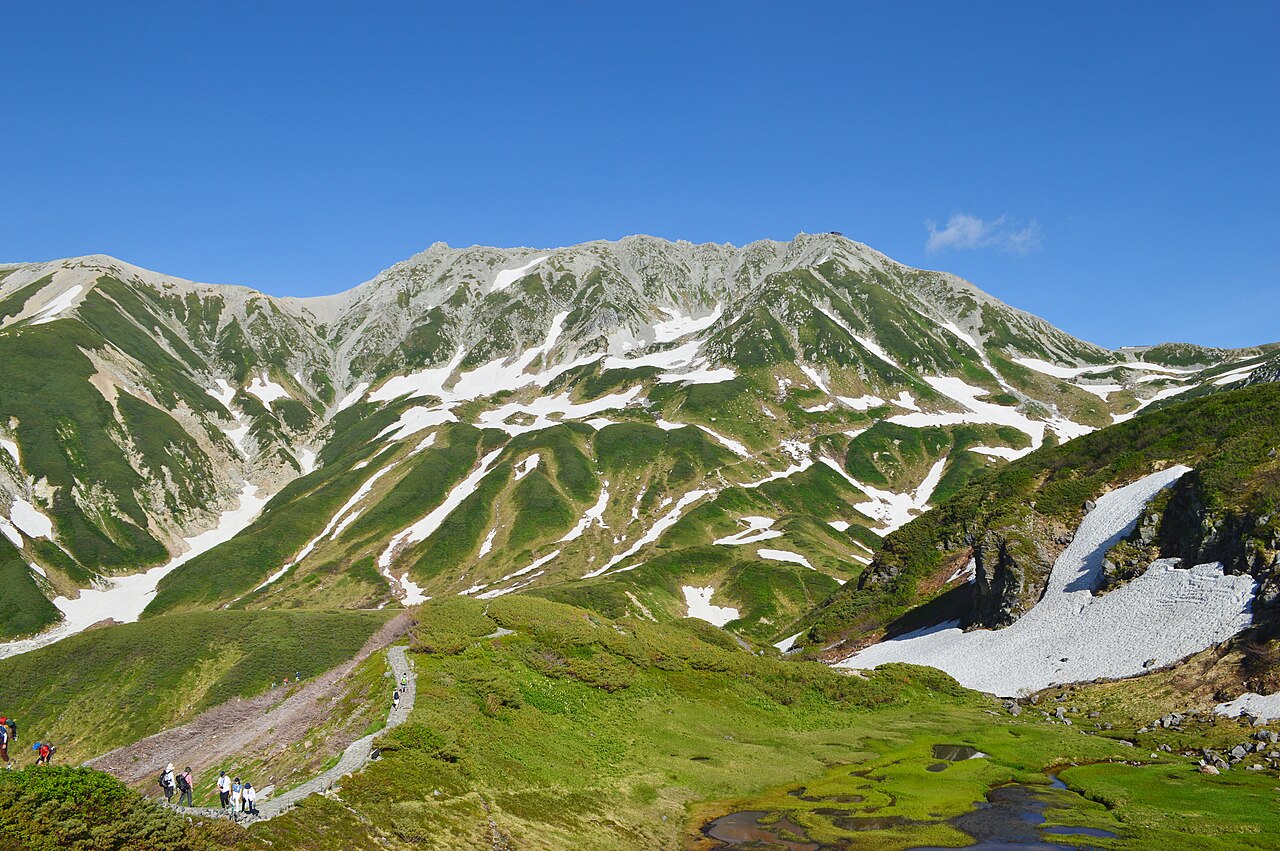
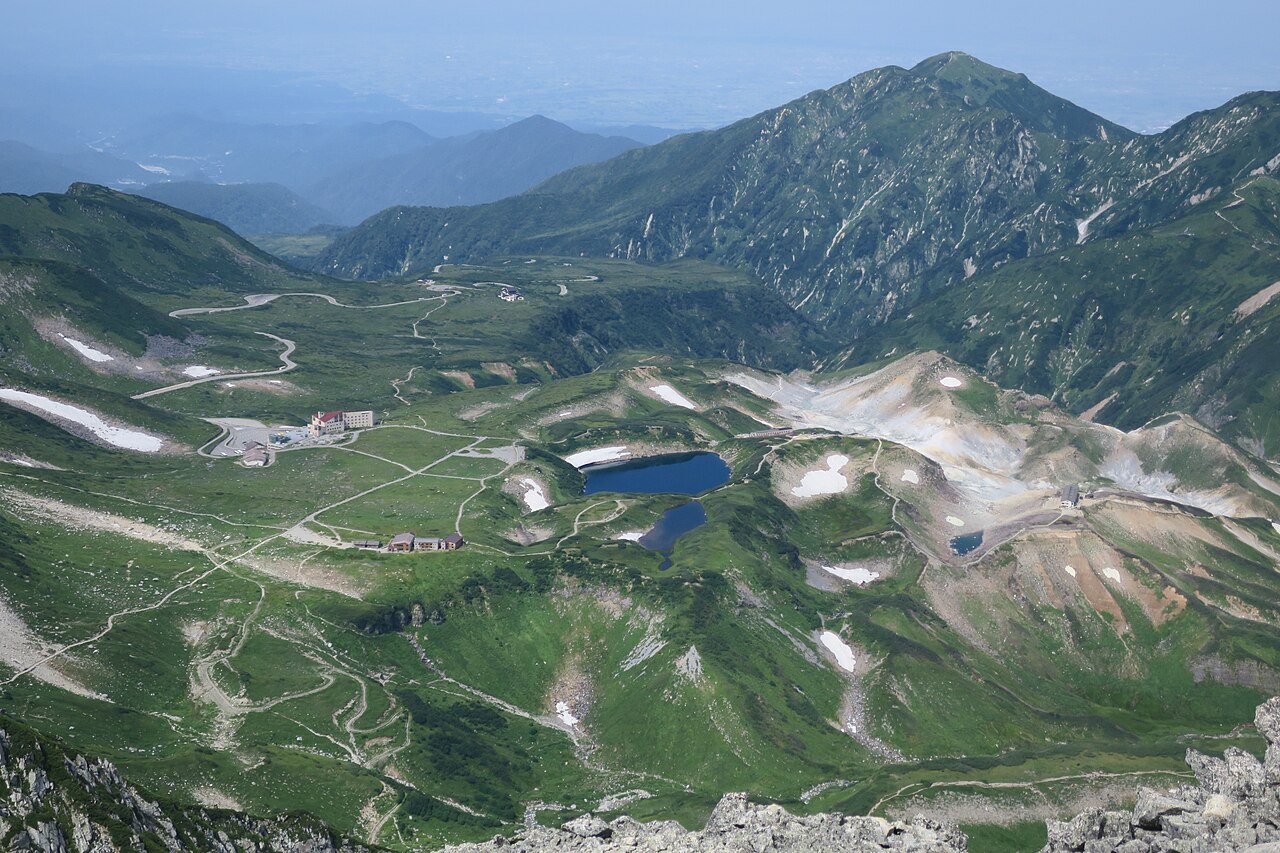
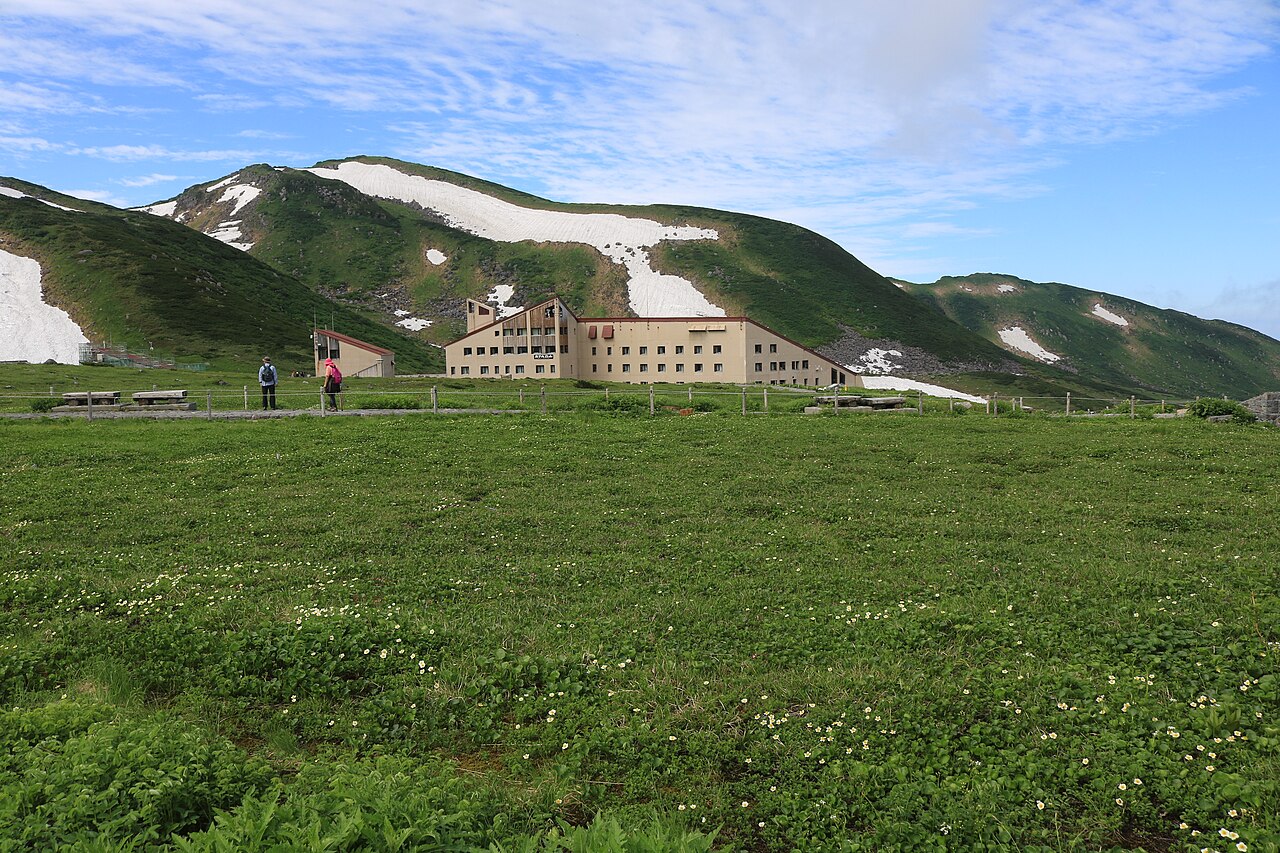
From the rooftop of the Murodo terminal, walkers go out onto Murodo-daira and walk around the Mikurigaike area. From Murodo, the sightseeing spots within walking reach are Mikurigaike and two other ponds. Creeping pine, the alpine plant that is home to the rock ptarmigan, grows in clusters around Mikurigaike, so with luck walkers may meet a ptarmigan.
After the full line opens in April, the road is cleared and a spring snow wall of about five hundred metres is made. Spring is the rock ptarmigan's courtship season, and walkers may come across a pair of ptarmigan. From mid-May the snowmelt begins at Mikurigaike and the lake surface appears little by little.
In spring the white snow and the clear blue lake surface make a colour that changes day by day. In summer the snow melts away and a green landscape spreads out at Mikurigaike. Murodo-daira, where Mikurigaike lies, is cool even in summer, which suits an unhurried circuit of the ponds on foot.
In autumn the mountains in autumn leaf are reflected on the water surface and look like a painting. Those reflections lie on a volcanic lake, since Mikurigaike is water collected in a crater left by an eruption about ten thousand years ago.
From Daikanbo to Lake Kurobe and Kurobe Dam
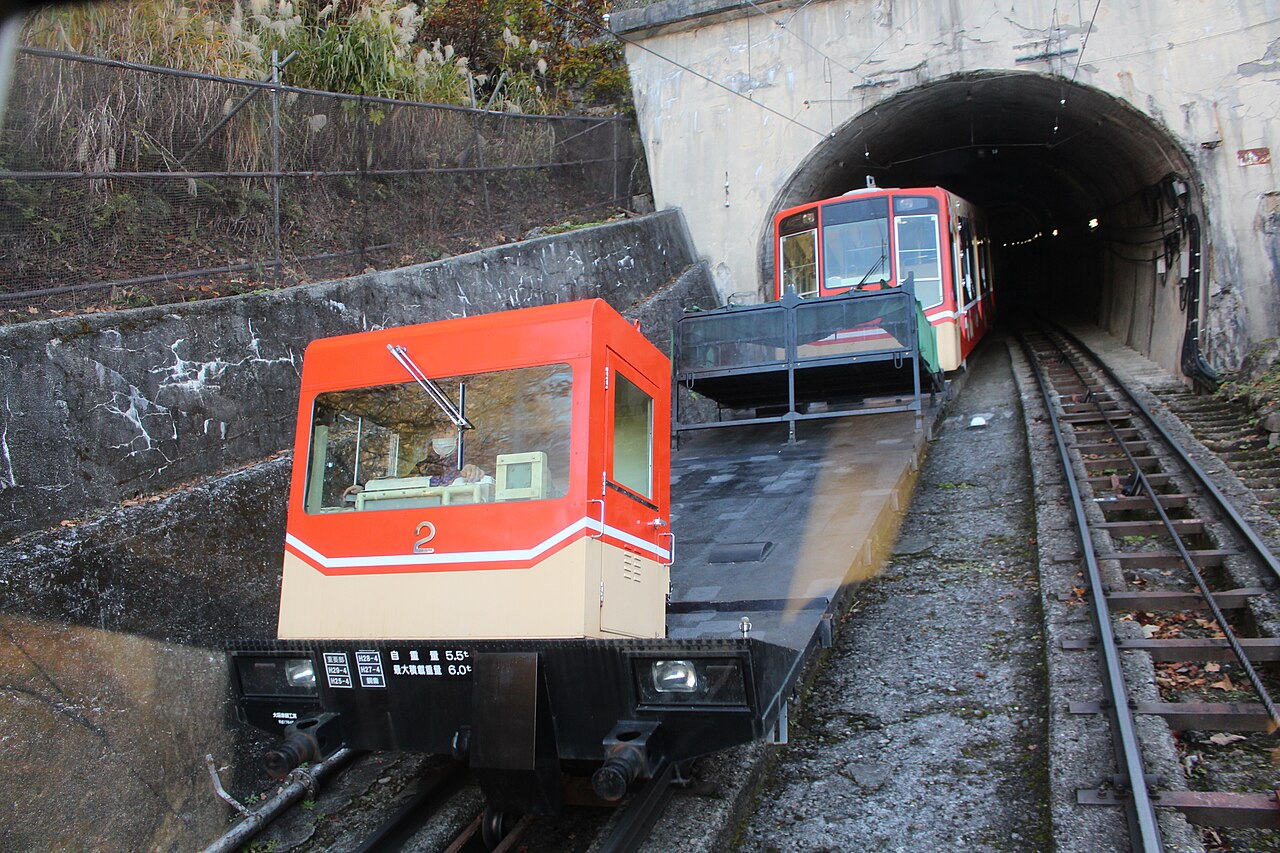
In the middle of the Tateyama Tunnel, almost directly below the summit of Mt. Oyama, the up and down buses pass each other. At Daikanbo, the terrace above the clouds has wooden tables and chairs for sitting and looking at the wide panorama of the Ushirotateyama range.
Inside the Kanden Tunnel, blue signs and lighting mark the fracture zone, and the water that keeps flowing out of it can be seen. A cider made from natural water that springs from that fracture zone is lightly sweet, a drink tied to the tunnel itself.
A left turn from Kurobe Dam Station leads down sixty steps and comes out directly onto the dam crest. Two hundred twenty steps up, the observation deck at one thousand, five hundred eight metres shows the Tateyama range and Northern Alps with the sightseeing discharge. The whole of Kurobe Dam can also be seen from this dam observation deck.
Going down the outer stairs from the deck gives a measure of the height of Kurobe Dam. At the Rainbow Terrace the discharge of at least ten tons per second is seen up close, and its fine mist may arrive on the wind. The sightseeing discharge seen from these decks runs from June twenty-sixth through October fifteenth and may be cancelled depending on the weather.
Getting to Tateyama Kurobe Alpine Route
New to rural buses and one-man trains? See how to ride them, step by step.
| Leg (one way) | How | Adult fare |
|---|---|---|
| Bijodaira and Murodo | Tateyama Highland Bus | Three thousand yen |
| Murodo and Daikanbo | Tateyama Tunnel electric bus | Two thousand two hundred yen |
| Ogizawa and Kurobe Dam | Kanden Tunnel electric bus | One thousand eight hundred yen |
To stay overnight in Toyama, browse places to stay in Toyama.
Hours and Fares
| One-way route or item | Adult or first | Child or second |
|---|---|---|
| Tateyama Station to Ogizawa | Ten thousand nine hundred forty yen | Five thousand four hundred eighty yen |
| Tateyama Station to Lake Kurobe | Nine thousand one hundred forty yen | Four thousand five hundred eighty yen |
| Last Murodo-bound bus | Tateyama Station, thirteen fifty | Bijodaira, fourteen ten |
| Last departure from Murodo | Toyama side, fifteen thirty | Nagano side, fifteen thirty |
| Late November | Day trips only | November twenty-fifth to thirtieth |
Thinking of staying overnight?
Compare places to stay near Toyama, Toyama, Japan →
Disclosure: This post may contain affiliate links. If you book through them, we may earn a commission at no extra cost to you.