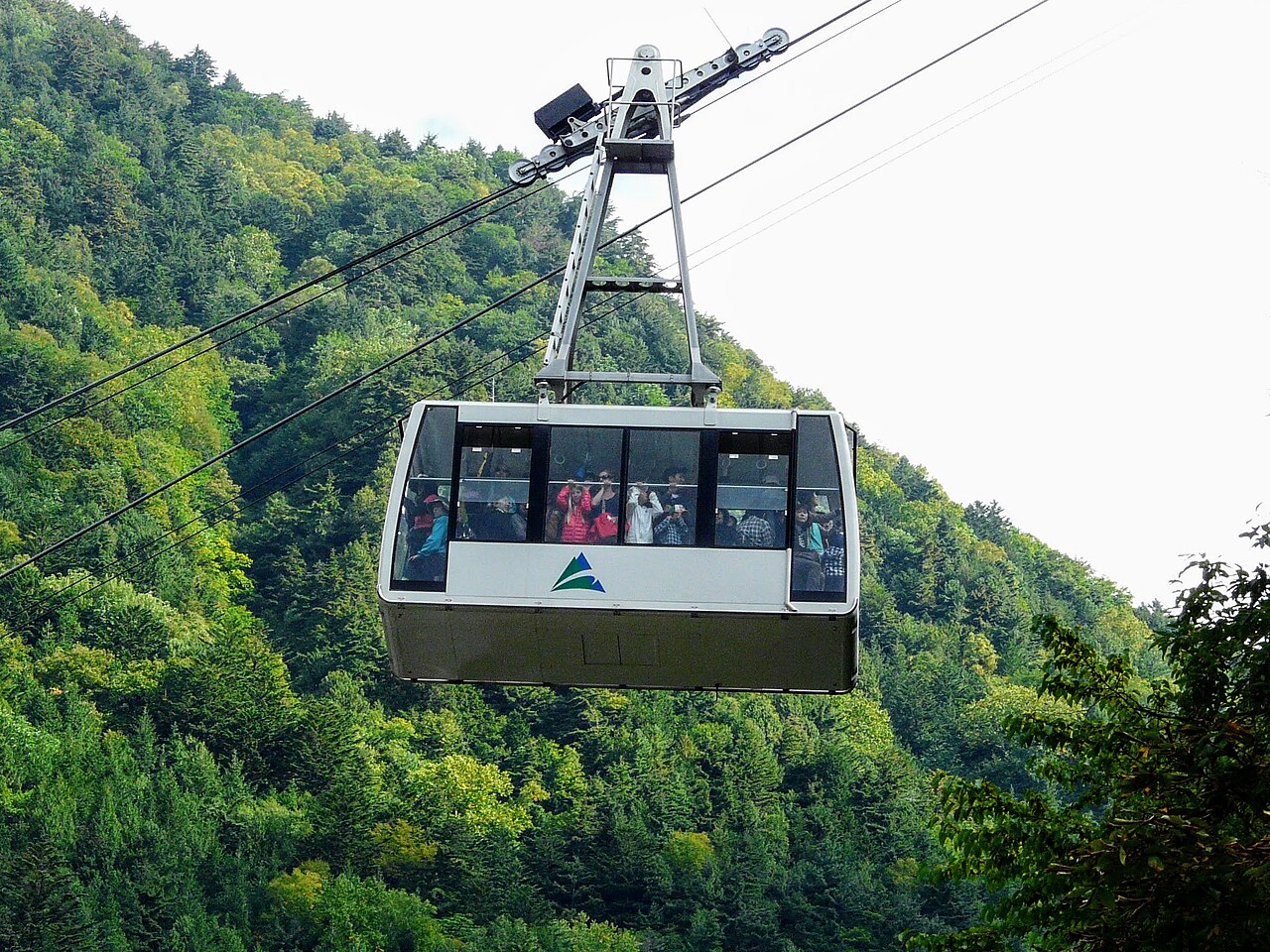
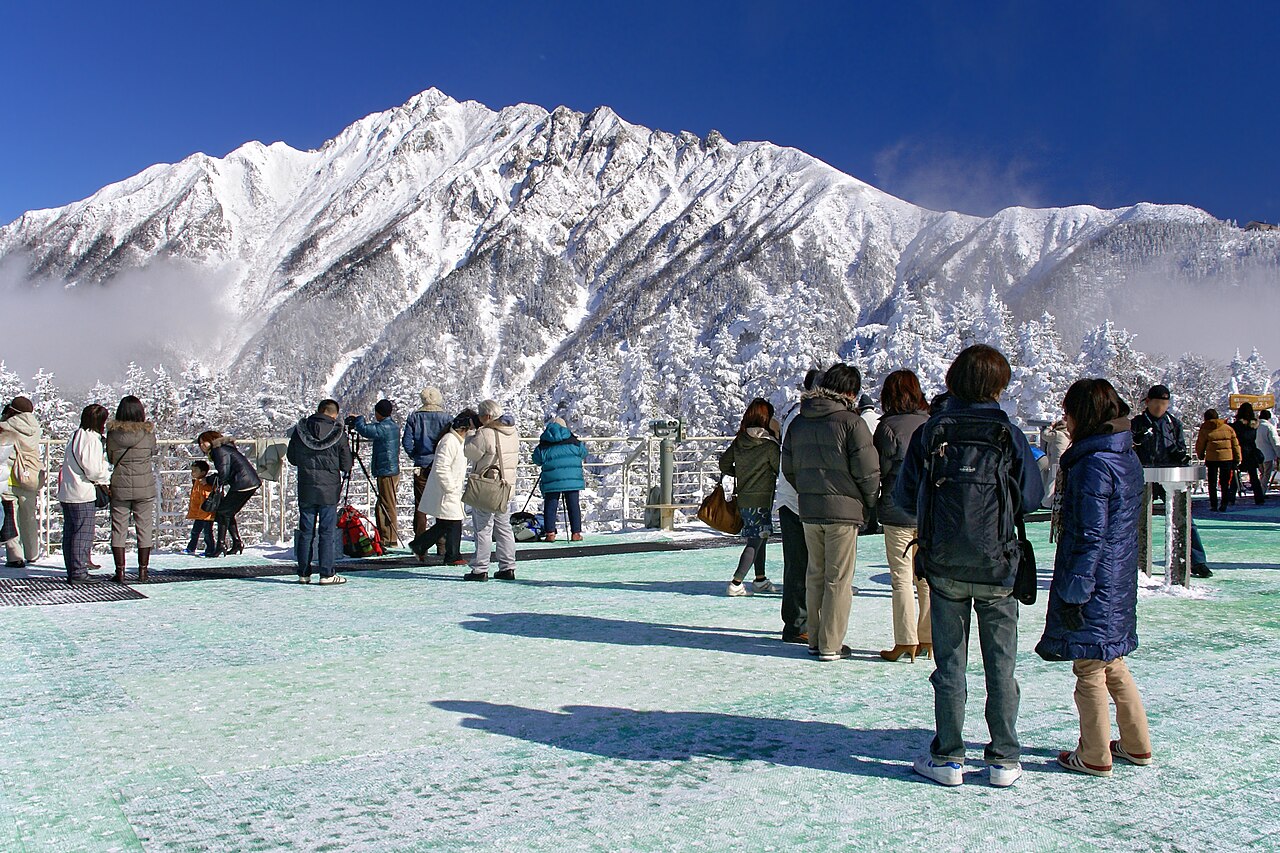
The Shinhotaka Ropeway runs two-storey gondolas against the Northern Alps. The observation deck on the roof of Nishi-Hotaka-guchi gives a three-hundred-sixty-degree panorama of the Northern Alps, including Nishihotakadake, Yarigatake and Kasagatake. Spring brings flowers in Takayama, summer a clear blue sky and deep green forest, autumn rich colours on the mountains, and winter a silver world wrapped in stillness. At Shinhotaka-no-yu, bathers look out at the Gamada River beside the bath.
Yari no Kairo, Oshirabiso no Michi and the Mountaintop Terraces of the Shinhotaka Ropeway
Yari no Kairo is a deck that juts out like a boomerang, and the Yari-Hotaka mountain range can be seen close at hand from it. Oshirabiso no Michi is a walking path surrounded by primeval forest, for forest walks and observing alpine plants amid the scent of trees.
The scent of trees and the song of birds are present at a spot where visitors eat meals. Natural sounds are audible at a spot where visitors rest. Ropeway arrivals and departures can be seen from a counter deck.
GOKAN, on the second floor at Nishi-Hotaka-guchi, is a cafe with furniture made from wood felled in the summit area and prefecture-grown timber. Eat-in is available at the bakery Alps no Pan-ya-san at Shirakabadaira on the second ropeway. The Shirakabadaira shop TSUMUGI STORE sells gelato made with local ingredients.
Walking Nabedaira: Boardwalks Through Birch, Larch and Oak Woods
The Nabedaira walking road, within Chubu Sangaku National Park, is a wooden boardwalk course surrounded by ferns, mountain wildflowers and larch trees. Nabedaira, on the way to the second ropeway, sits in a forest of white birch and larch. Wooden walkways cross the whole forest, with a gazebo for resting.
Nabedaira park has a boardwalk-paved walking path, and woods of birch and mizunara oak surround the walking course. Beech, Japanese oak and birch trees grow thickly along the walk at the one-thousand-three-hundred-metre point. Mountain animals such as Japanese serow may be encountered along the trail.
Viewing spots for Yarigatake and Kasagatake are located along the trail, at three hundred metres and seven hundred metres from the start. A nature walking trail of about two point three kilometres, about one hour, is provided from the Nabedaira Plateau terminal of the first ropeway.
Kita Alps Bridge, Hoshi no Kane and Nakao Shirayama Shrine on the Nakao Plateau
The Kita Alps Bridge connects the Nakao Plateau with the Nabedaira Plateau, which leads to the second ropeway. The bridge gives views of the scenery of the Northern Alps, including fresh greenery in summer and autumn foliage.
The Hoshi no Kane bell faces Mt. Yake, an active volcano, and visitors can ring the bell. From the place where the Hoshi no Kane stands, the volcanic smoke of the active volcano Mt. Yake can be viewed.
Nakao Shirayama Shrine, mid-slope on the Nakao Plateau, enshrines nine deities. Its main hall has the Ujigami deity, with a Kamado deity to the right and a Water deity beside the mountain-water spring. Up the stairs on the right, a shrine to Akiba-sama looks over the whole Nakao district.
Outdoor Baths Beside the Gamada River: Shinhotaka-no-yu, Nakazaki Sanso and Oku no Yu
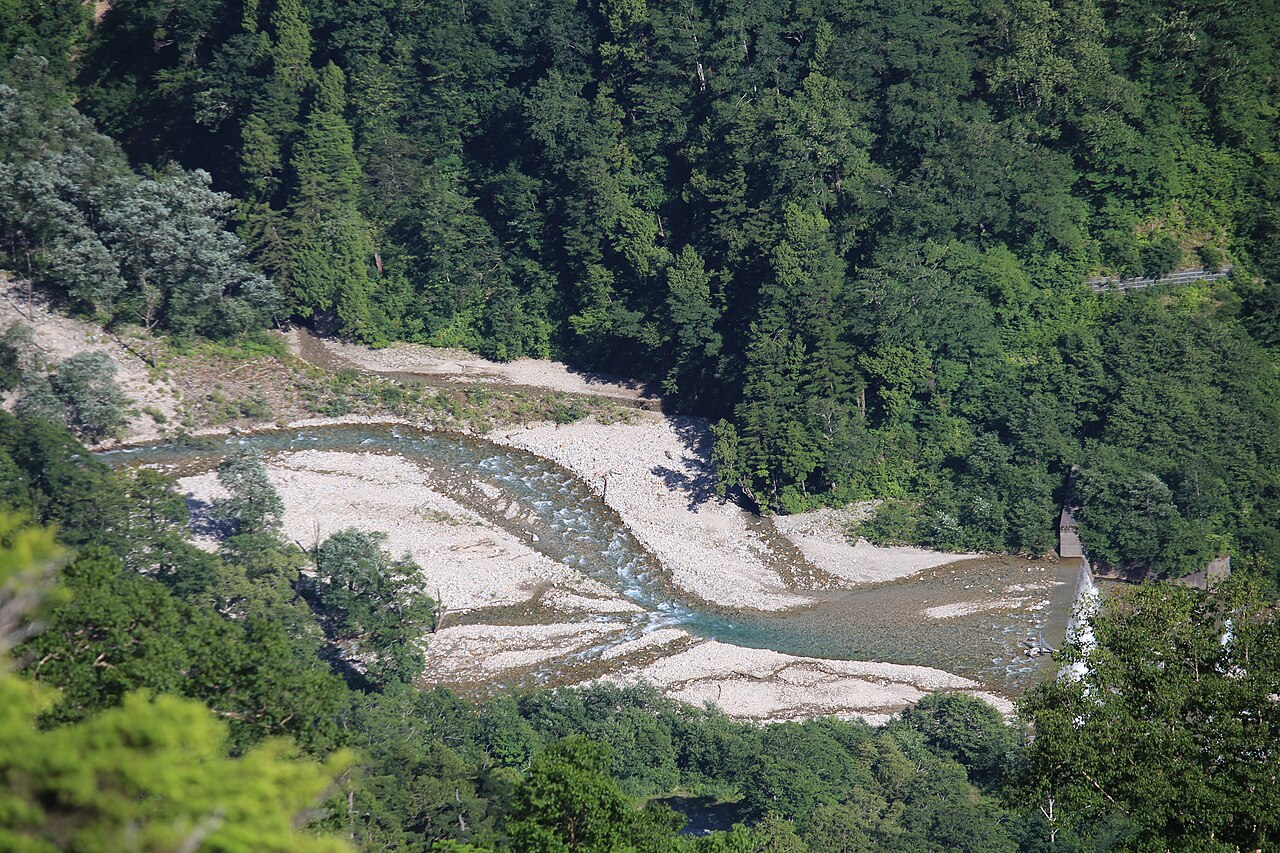
Shinhotaka-no-yu is a day-use bathing facility with a mixed-gender outdoor bath and changing rooms separated by gender. Its outdoor bath is built on the bank of the Gamada River. Shinhotaka-no-yu is lit up in the season of fresh green leaves, and the area around it during autumn events at Shinhotaka.
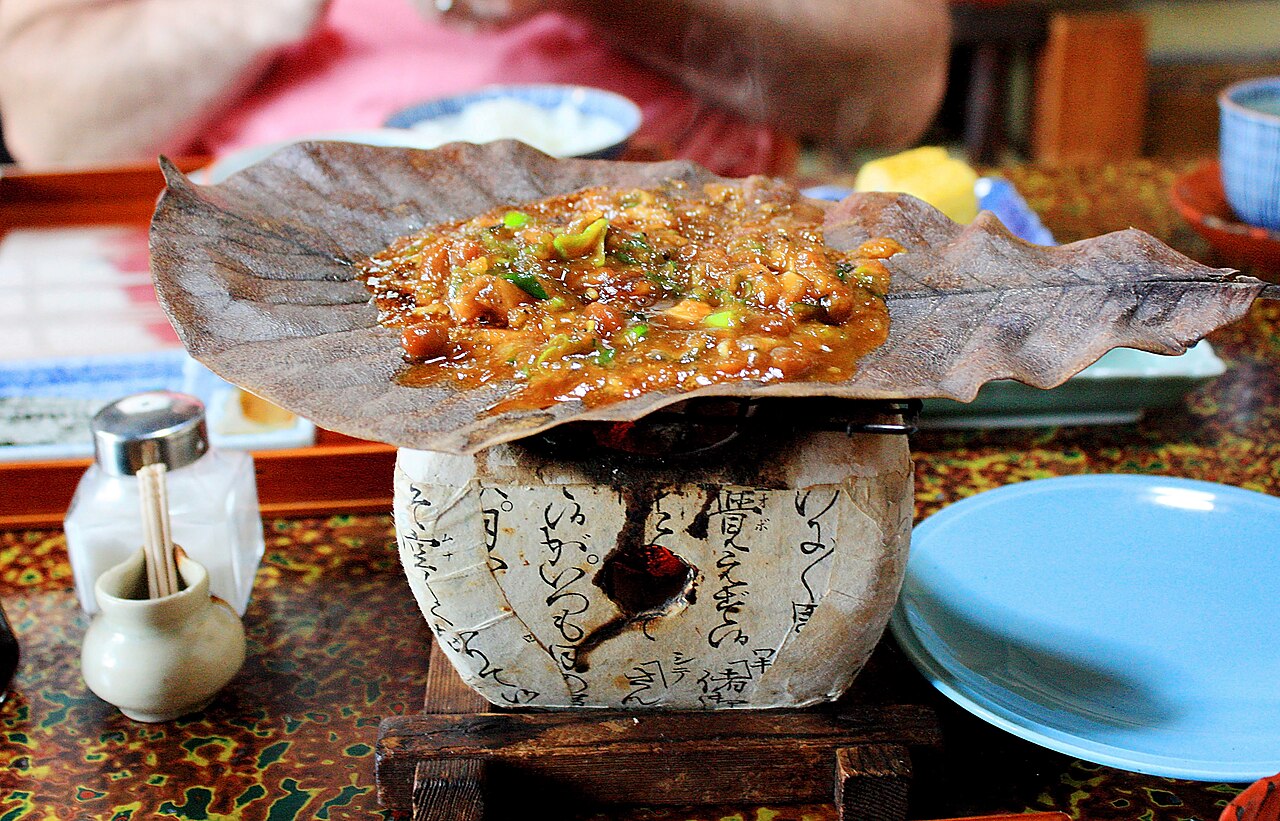
Nakazaki Sanso Okuhida-no-yu has spring water inside its bathroom. It is near the first ropeway boarding point and combines a day bath with a restaurant. A hoba miso set meal is listed on its menu.
Mount Shakujo and Mount Kasagatake can be seen from the private outdoor bath of Oku no Yu. Okuhida Onsenkyo has five hot spring areas scattered at the foot of the active volcano Mt. Yake: Hirayu, Fukuchi, Shinhirayu, Tochio and Shinhotaka.
Okuhida in Fresh Green, Autumn Colour, Deep Snow and a Frozen Waterfall
In spring, life sprouts all at once at Okuhida Onsenkyo. Remaining snow in a silver-white world and budding fresh green form a special gradation in spring. In midsummer, a refreshing breeze blows through the mountaintop at Shin-Hotaka, which is called "a summer retreat in the sky".
In autumn, the mountains are covered with red, yellow and orange foliage. From the observation deck in autumn, snow-capped mountains stand in contrast with the autumn leaves.
In winter, the area is covered in deep snow with the Northern Alps as the backdrop. Temperatures at Hirayu and Shinhotaka can go below minus ten degrees in winter. Every February, a festival at Hirayu lights up a frozen waterfall.
Getting to Shinhotaka
New to rural buses and one-man trains? See how to ride them, step by step.
| Route | Item | Detail |
|---|---|---|
| Bus | Nohi bus, Takayama Nohi Bus Center to Shinhotaka Ropeway | two thousand two hundred yen; elementary school children pay half |
| Bus | Nohi bus, JR Takayama Station to Shinhotaka Onsen | ninety-three minutes |
| Car | From Takayama IC on the Chubu-Jukan Expressway to Shinhotaka Onsen | about seventy minutes |
| Car | From Matsumoto IC on the Nagano Expressway to Shinhotaka Onsen | about eighty minutes |
| Car | From the Toyama direction to Shinhotaka Onsen | about one hundred minutes |
| Car | Shinhotaka Onsen parking lot, about one hundred sixty cars | eight hundred yen per six hours for a car |
| Car | Shinhotaka Onsen parking lot to the first ropeway boarding point | two to five minutes on foot |
If you would rather not plan the day alone, tours listed for Shinhotaka can be found on a booking site.
Hours and Fees
| Place | Item | Time or fee |
|---|---|---|
| Connected first and second ropeways, Shinhotaka Onsen to Nishi-Hotaka-guchi | Fare | round trip: adults thirty-eight hundred yen, children nineteen hundred yen; one way: adults twenty-four hundred yen, children twelve hundred yen |
| First ropeway, Shinhotaka Onsen to Nabedaira Plateau | Fare | round trip: adults seven hundred yen, children three hundred fifty yen; one way: adults five hundred yen, children two hundred fifty yen |
| Second ropeway, Shirakabadaira to Nishi-Hotaka-guchi | Fare | round trip: adults thirty-seven hundred yen, children eighteen hundred fifty yen; one way: adults twenty-three hundred yen, children eleven hundred fifty yen |
| Shinhotaka Ropeway | Departures | first ropeway at the hour and at half past the hour; second ropeway at a quarter past and a quarter to the hour |
| Shinhotaka Ropeway | Tickets | the upward ticket is valid on the day of issue, the downward ticket for three days including the day of issue |
| TSUMUGI STORE, Shirakabadaira | Hours | nine in the morning to a quarter to five in the afternoon; hours may change by season |
| Nakazaki Sanso Okuhida-no-yu | Hours and fee | nine in the morning to six in the evening; adults one thousand yen, children five hundred yen |
Fees and hours were checked against official sources on 20 November 2026.
Compare options
See partner pricing and availability →
Disclosure: This post may contain affiliate links. If you book through them, we may earn a commission at no extra cost to you.