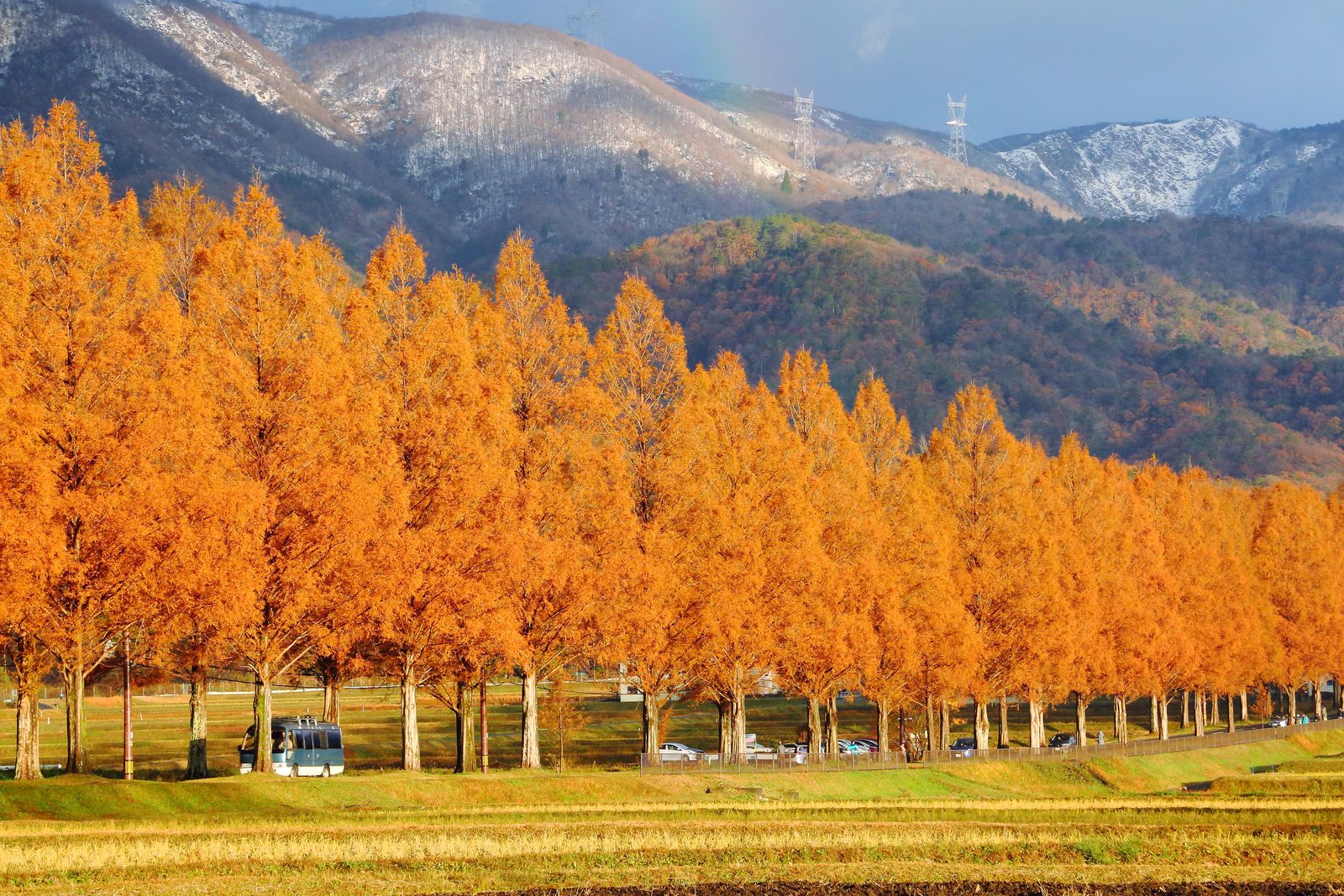
The Metasequoia avenue in Makino, Takashima, runs beside a prefectural road with about five hundred trees planted in a single row. Next to the avenue, the farm park Makino Pickland offers harvesting of seasonal fruit and other produce. Elsewhere in Takashima, Shirahige Shrine raises a vermilion torii in Lake Biwa, and the city's table holds funazushi, local sake and Omi beef.
The Metasequoia Avenue in Makino
The Metasequoia avenue that visitors walk along today began when the Makino fruit growers' association planted it for a school farm development project. The Metasequoia itself is a deciduous tree of the cypress family native to China. The row grew when the prefectural road was planted too, and it crosses Makino Pickland as the approach road to Makino Kogen.
Spring buds and fresh green, summer deep green, autumn colour and winter snow on bare trees all harmonize with the distant Nosaka mountains. From first buds to fresh green, the avenue becomes a light yellow-green row of trees and the view along the road opens out. From early summer the foliage of the Metasequoia trees gains volume and turns deep green.
Takashima's visitor association describes the autumn colour of the Metasequoia trees as brick colour and brown. Because the brick colour and brown shift with the time of day, the weather and the viewing angle, the avenue looks different from each spot. The Yomiuri Shimbun selected the avenue for a list of one hundred roadside tree scenes in Japan.
Snow on the Metasequoia branches depends on the weather conditions being right, and in winter the trees stand in a row among silver-white fields. The Metasequoia avenue is not lit up at night, so the trees are a daytime sight.
Makino Pickland Beside the Avenue
Makino Pickland is a farm park offering seasonal fruit picking, and it is laid out in three zones. In the orchard zone, visitors can harvest early-summer cherries, blueberries, grapes, chestnuts and sweet potatoes from the same park.
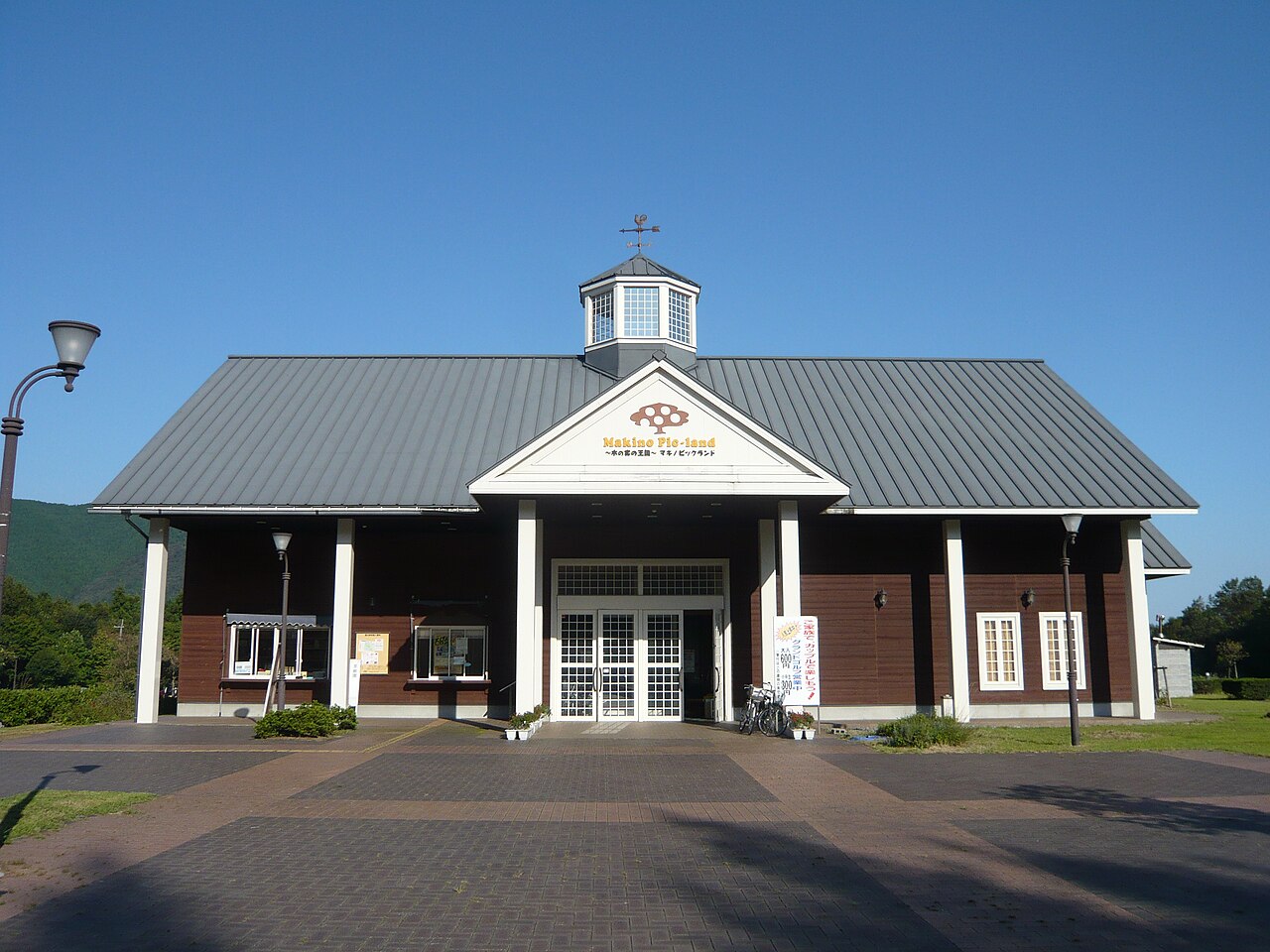
The park zone has a center house at its middle, with a cafe, a restaurant, a lawn plaza and a ground golf course set around it. The restaurant and cafe cook with local ingredients, and the park also has a farm produce shop and a souvenir shop on site.
Chestnut gathering and grape picking at Makino Pickland are limited to their harvest seasons, so the picking on offer depends on the month of the visit. After the orchards, the center house with its handmade gelato and souvenirs is the next stop before the Metasequoia trees along the road.
Shirahige Shrine and Its Torii in the Lake
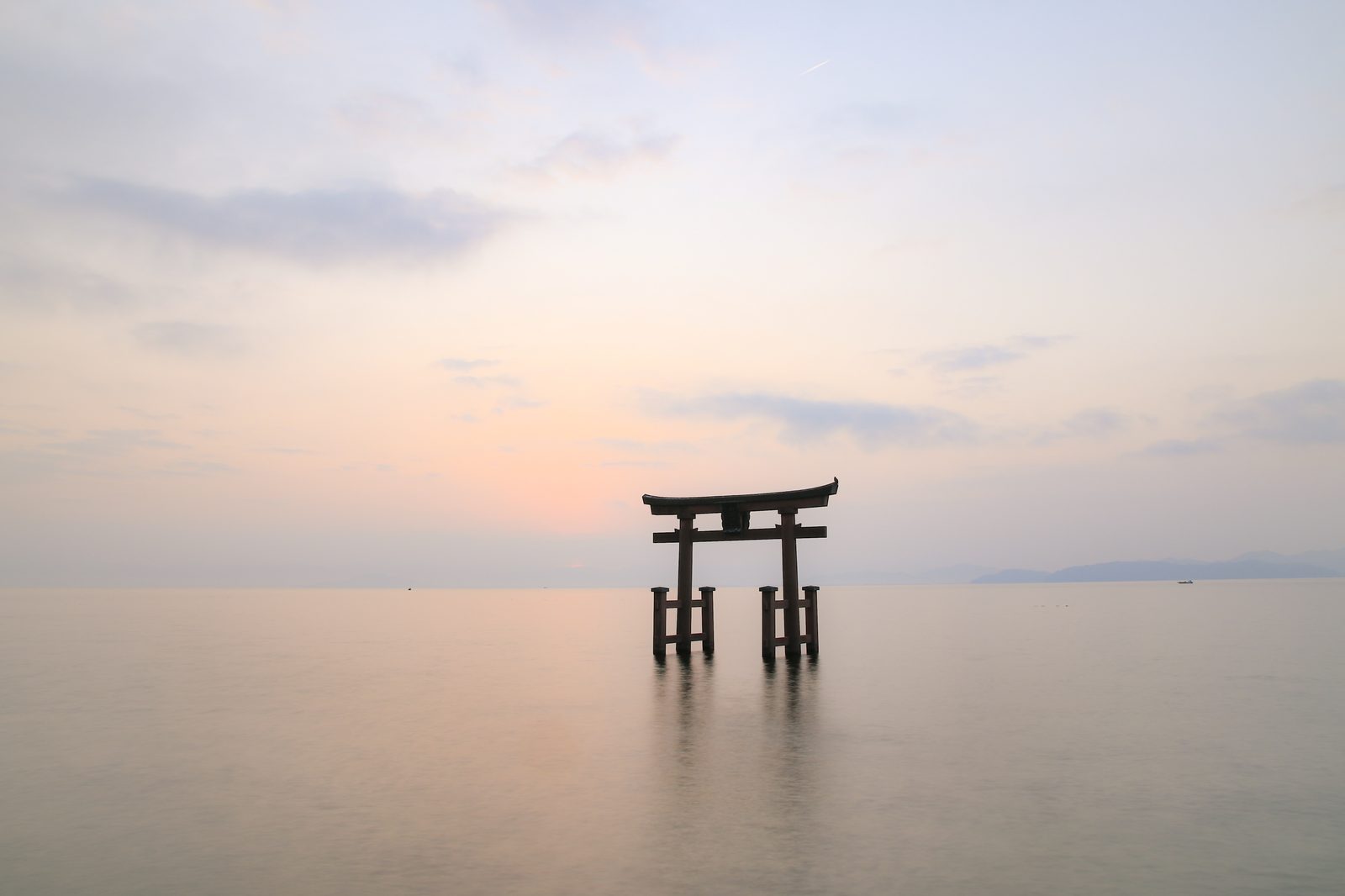
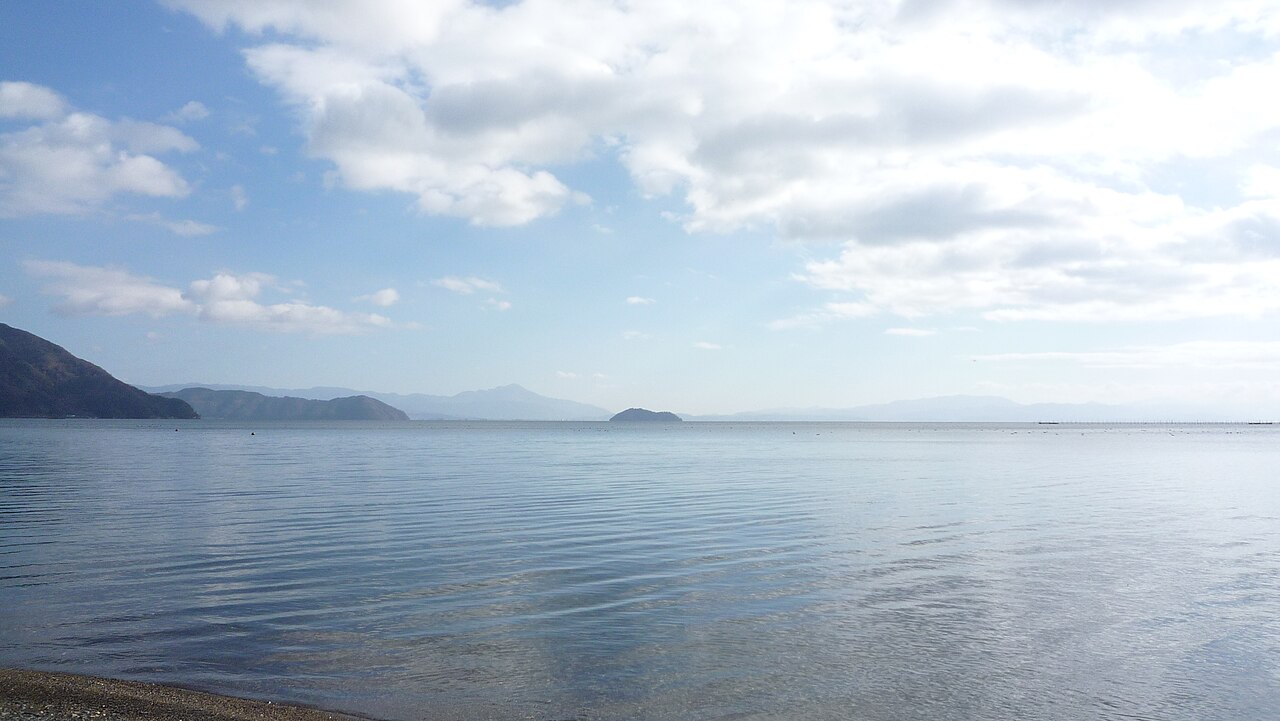
Shirahige Shrine has a large vermilion-lacquered torii standing in Lake Biwa, while the shrine buildings stand across a national highway from the water. The present shrine buildings seen across the road were built by Hideyori, son of Toyotomi Hideyoshi, following Hideyoshi's dying wish.
The main hall has a square plan, and the worship hall, rebuilt in the Meiji era and joined to it, gives the roof a complex form. Shirahige Shrine also enshrines one of the Nishi-Omi Seven Lucky Gods within the same grounds.
The grounds hold a poem monument carved with a poem the married Myojo-school poets Yosano Tekkan and Akiko composed when they visited the shrine. For photographing the torii in the lake, the observation deck in front of the shrine office is the place to stand. With limited time, the torii from the deck and the main hall's roof come first.
Funazushi, Local Sake and Omi Beef in Takashima
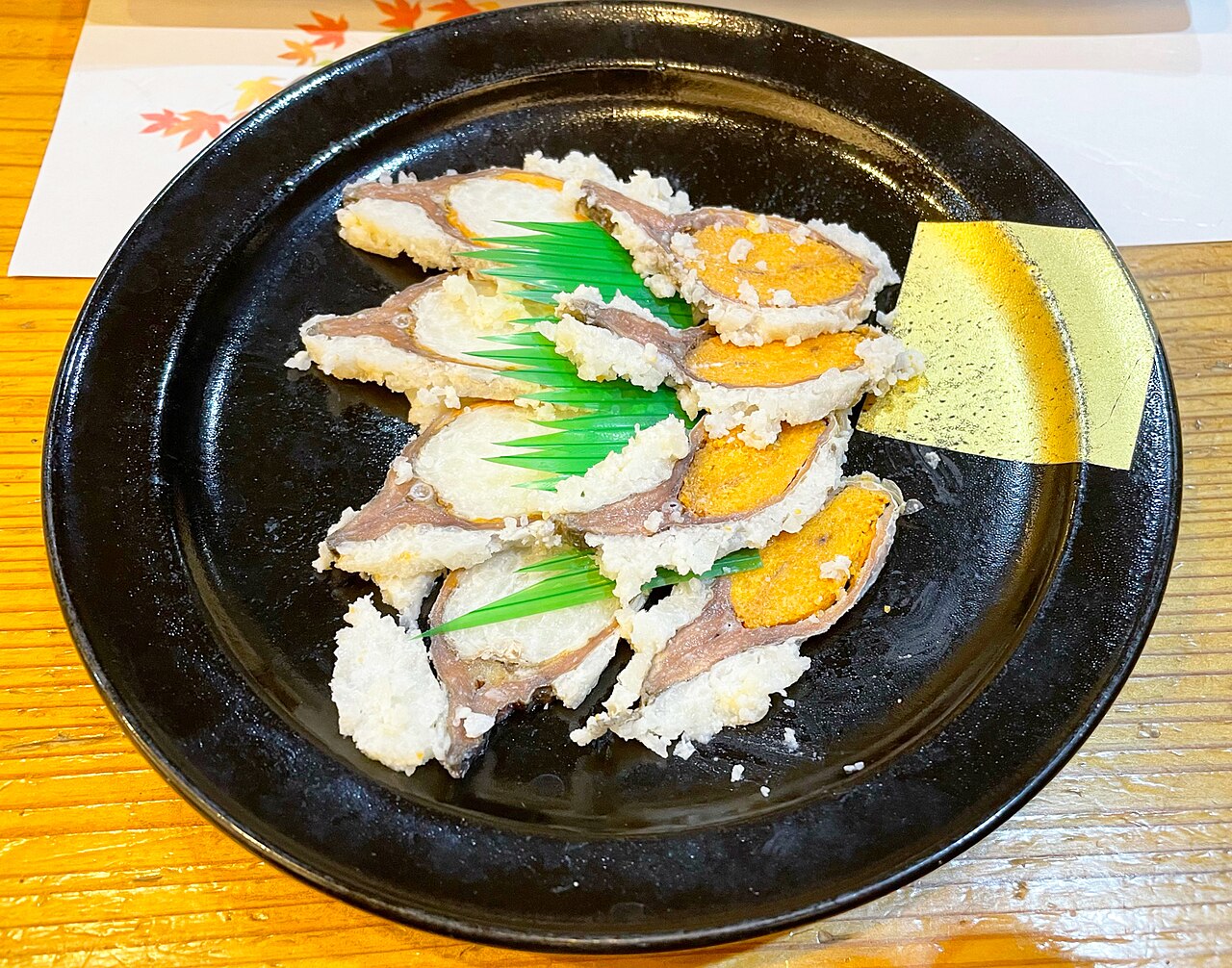
Funazushi is a narezushi made by salting nigorobuna, a fish native to Lake Biwa, and pickling it with rice for a long time. Funazushi is eaten as a side for sake and with tea, while kanrozuke is funazushi pickled again in sake lees. Makino has a long-established funazushi shop where this traditional preserved food of Lake Biwa is sold.
Local sake in Takashima is brewed with good-quality sake rice, subsoil water from the deep mountains of Kosei and the cool winter climate. The soy sauce is made in cedar barrels with local soybeans and aged two years or more. It is described as having the aroma of soybeans and a slightly nostalgic taste.
The vinegar, from a brewery in Takashima City, ferments slowly in barrels by an Edo-period method recreated from old documents. Omi beef, raised on good-quality rice and water, can be eaten in Takashima City. Takashima tonchan, local chicken coated in a homemade sauce, is a local soul food eaten especially at barbecues.
Lake Biwa fish simmered as tsukudani is a further taste of the lake itself. Adoberry fresh fruit has sweetness, a slight tartness and a distinctive aroma, and it is available for a limited period. With one meal in Takashima, funazushi with local sake and a plate of Omi beef are the dishes to choose.
To stay overnight in the area, browse places to stay in Takashima.
Getting to Makino
New to rural buses and one-man trains? See how to ride them, step by step.
| Leg | How | Time or cost |
|---|---|---|
| JR Makino Station to Makino Pickland | Bus (Makino Kogen line) | About 6 minutes |
| JR Omi-Takashima Station to Shirahige Shrine | On foot | About 40 minutes one way |
Hours and Fees
| Place | What | Hours or fee |
|---|---|---|
| Tourist information office in JR Makino Station | Hours | 9:00 to 17:00; closed 29 December to 3 January |
| Makino Pickland | Regular closing days | Wednesday and the year-end and New Year period; varies by season |
| Chestnut gathering at Makino Pickland | Season | Mid-September to late October; about 1 hour; a souvenir is included |
| Metasequoia avenue autumn colour | Season listed | From late November |
Fees and hours were checked against official sources on 9 November 2026.
Thinking of staying overnight?
Compare places to stay near Takashima, Shiga, Japan →
Disclosure: This post may contain affiliate links. If you book through them, we may earn a commission at no extra cost to you.