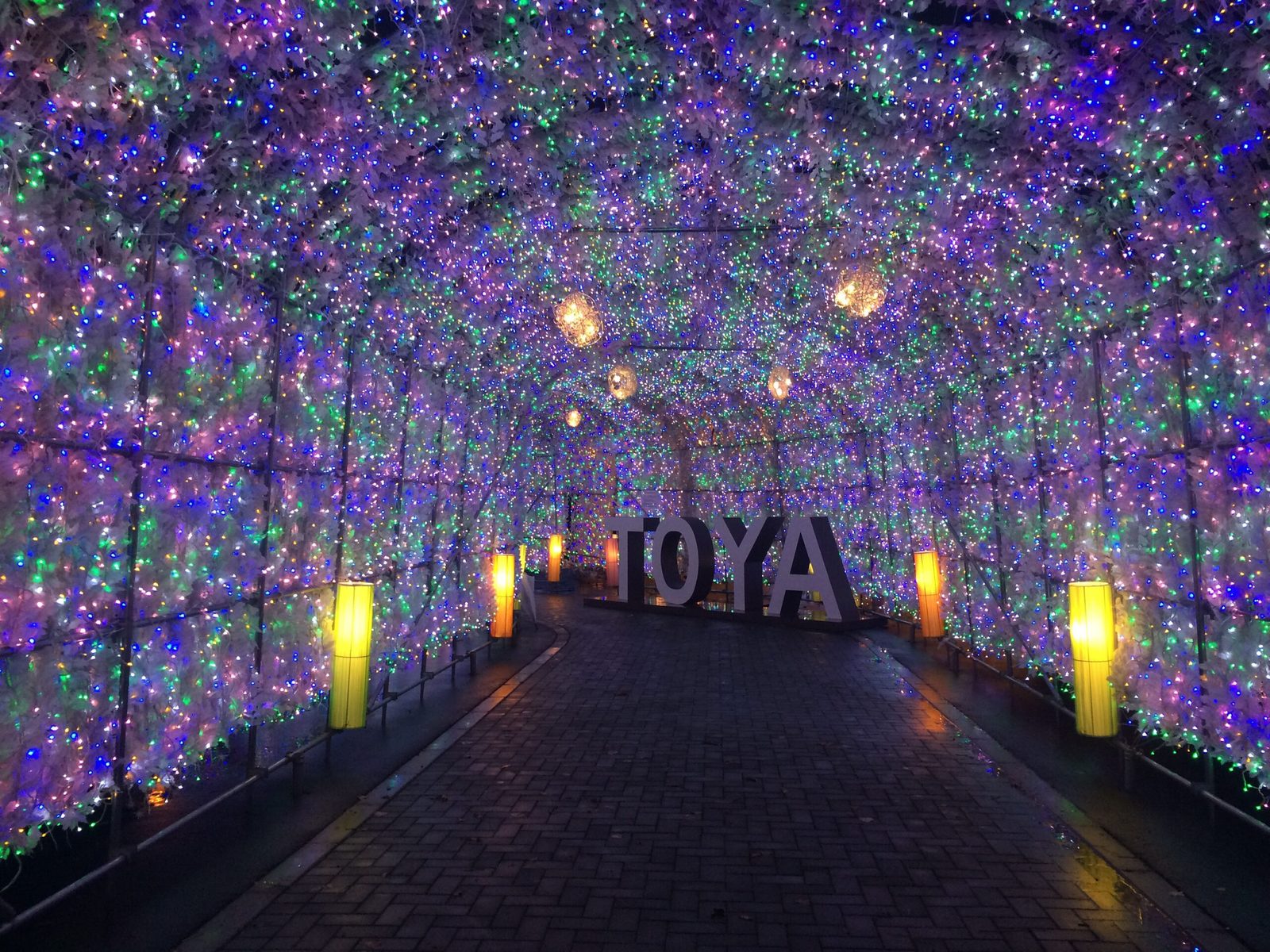
Toyako Onsen, the hot spring town on Lake Toya in Hokkaido, has an Illumination Tunnel made up of a tunnel and a dome. Fireworks over the lake are launched while the launch site moves, so they can be seen from anywhere in the town. The town also has a footbath from which the long-run fireworks can be watched at close range, and cob swans live around the lake.
Evenings in Toyako Onsen belong to the illuminated tunnel or the fireworks, depending on the season, which leaves the daytime for the ropeway on Mt. Usu.
Toyako Onsen After Dark: the Illumination Tunnel, Footbaths and Fireworks over Lake Toya
The Toyako Onsen Illumination Tunnel is built as a tunnel and a dome. It runs from the first of November to the twenty-seventh of April.
The Lake Toya Long Run Fireworks are launched while the launch site moves. Large fireworks go up into the sky over the water, in view from anywhere in the town. The festival is scheduled from late April to the end of October each year, and each night's display lasts about twenty minutes.
Toyako Onsen has a footbath from which the fireworks launched over the lake can be watched at close range during the long-run fireworks period.
The Toyako Onsen winter festival is held in early February, with winter fireworks every day of the period. The winter fireworks use biodegradable materials.
What is there to see after dark in the cold months? The illuminated tunnel stays lit through the winter, and the winter festival adds fireworks for part of it.
On and Around Lake Toya: Canoes, the Nakajima Cruise, Lakeshore Sculptures and a Lakeside Museum
The Lake Toya sunrise canoe tour and the sunset canoe tour each take about one hour. The canoe short touring runs from the twenty-fifth of April to the last day of October.
The Nakajima sightseeing cruise takes about fifty minutes without landing on Nakajima. A sightseeing boat from the town pier also crosses to the island, where a walking route starts at the dedicated trail entrance inside the Nakajima Lake Forest Museum.
Toyako and Sobetsu place a total of fifty-eight sculptures along the lakeshore as an outdoor sculpture park. The sculptures are made of materials such as granite, bronze and stainless steel, in both figurative and abstract styles. Outdoors against the greenery and the lake, their appearance changes with the day's weather and the angle of sunlight.
The Toya Lake Art Museum is a small lakeside museum that displays works from the Toya Village International Sculpture Biennale, sculptures by Bikki Sawazawa and photographs. A corner recreating Bikki Sawazawa's atelier displays tools he actually used. A workshop lets visitors decorate a notebook cover with stamps modeled on patterns seen in his works.
Lake Toya holds himemasu, sakuramasu, rainbow trout, carp, crucian carp and wakasagi, which can be caught there, and fishing seasons are limited to conserve resources. Cob swans live around Lake Toya.
If the canoe period has ended, snow rafting, the snowmobile courses and the snow play area are the winter counterparts on the list.
Mt. Usu Ropeway, Crater Walks and Showa-Shinzan: the Volcano Side of Lake Toya
The Mt. Usu Ropeway gondola carries up to ninety-six people on a ride of about six minutes. The gondola runs every fifteen minutes.
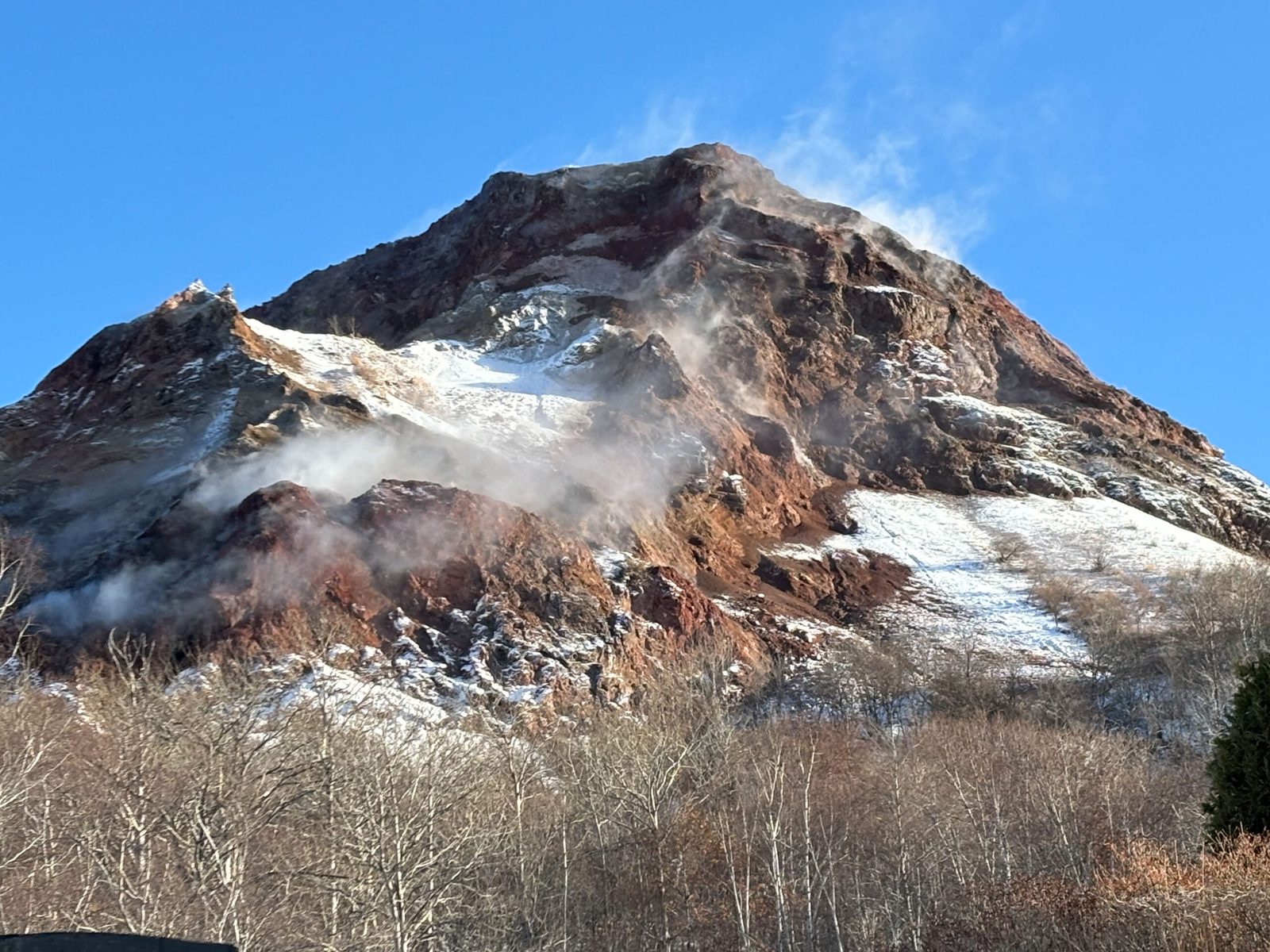
The Usu South Outer Rim trail connects the top of the ropeway and the outer rim viewpoint. From that viewpoint at the far end, visitors see Ginnuma crater and the coastline of Usu Bay on the opposite side.
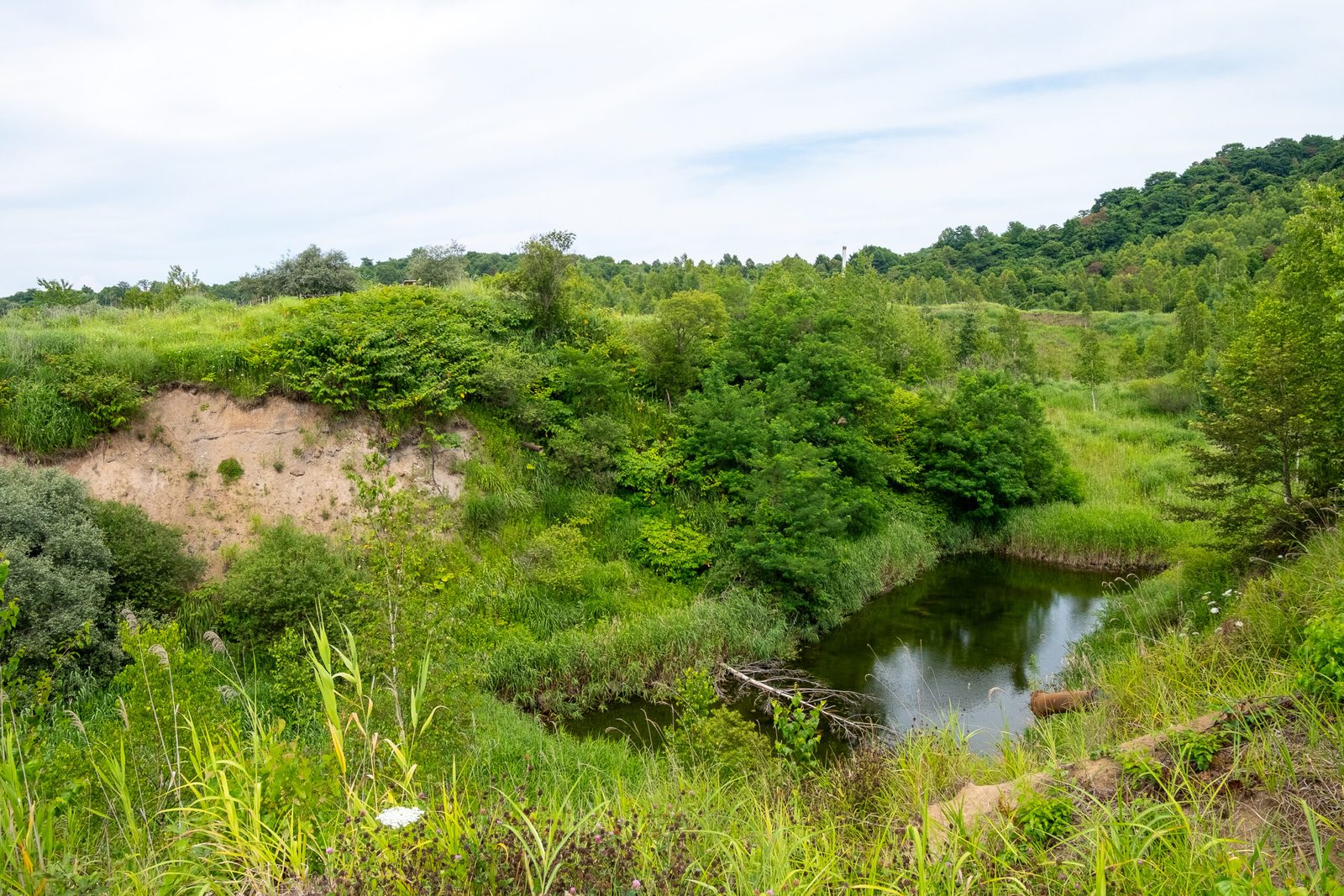
A wooden walking path lets visitors see craters that still emit steam, geothermal areas, and buildings and roads damaged by ejected stones. Another route follows a path laid with sleepers along the traces of the eruption of the year two thousand, which cut across a national road. Guides who explain the damage while walking around the craters are available.
Showa-Shinzan has the ropeway, the Showa-Shinzan Bear Ranch and the Mimatsu Masao Memorial Museum gathered at its foot. The museum displays the Mimatsu Diagram, materials, observation instruments and photographs.
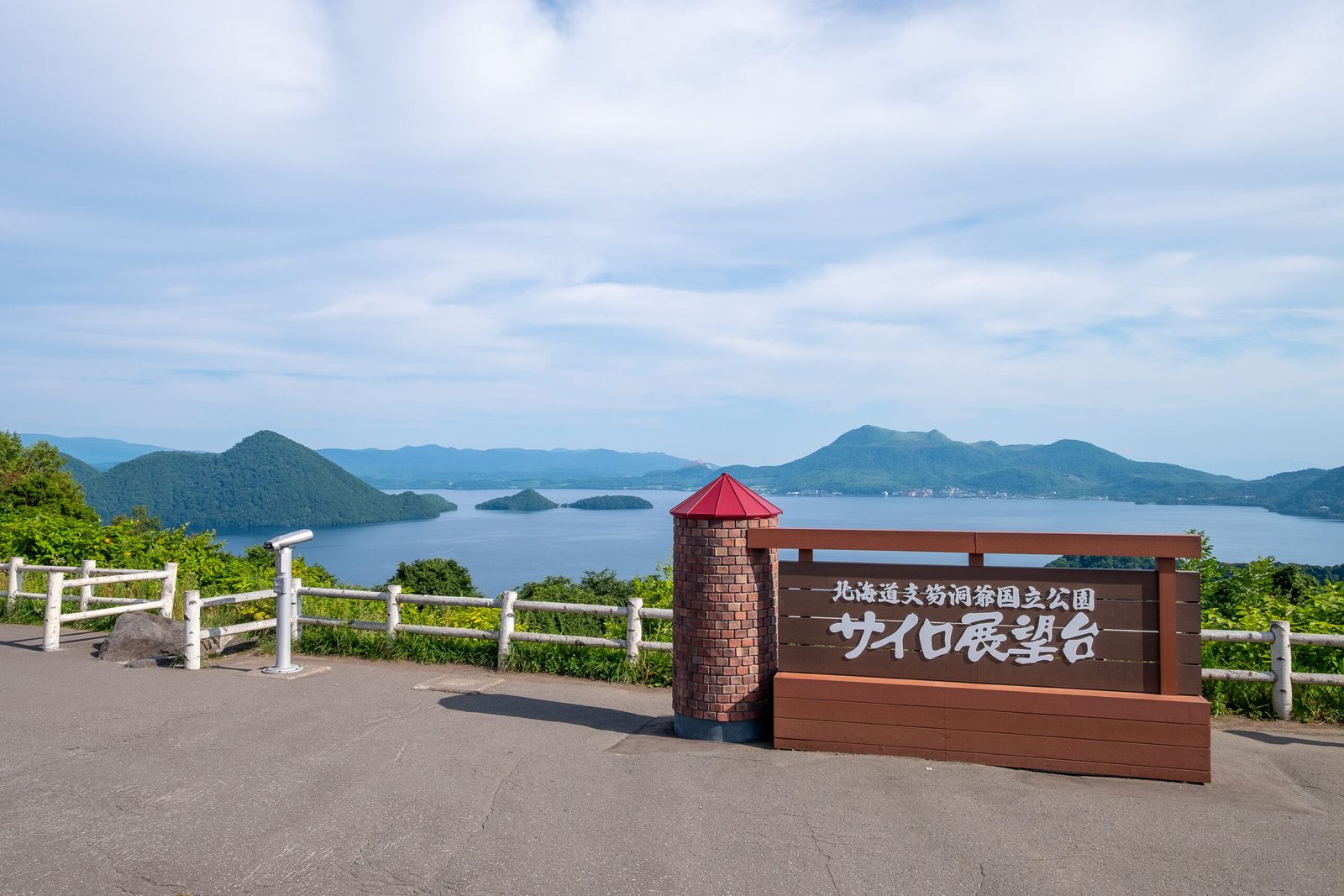
The Silo Observatory has a cafe called balher.
On the volcano side of Lake Toya, the layout sets the order: the ropeway first, then the rim trail from its top, with the museum and the bear ranch at the foot before or after the ride.
Sobetsu in Season: Plum Blossoms, Orchards, the Falls and a Sumo Memorial Hall
Sobetsu Park has about three hundred Bungo plum trees on a hillside overlooking Lake Toya. They bloom from mid-May.
Sobetsu orchards hold fruit picking, including strawberries, cherries, grapes and apples, from June to the end of October. Visitors can pick seasonal local fruit by hand and eat it on the spot. Cherry picking starts in July, and an apple festival is held every October.
The Yokozuna Kitanoumi memorial hall displays materials on sumo, a life-size figure in the Unryu-style ring-entering ceremony and a list of past yokozuna. Recreations of the Kokugikan interior and a sumo yagura are also on display.
Scenic Night is usually held in Sobetsu around late January. Participants make snow lanterns and light candles outdoors, and the events also include rice-cake pounding and a candle-holder craft using recycled bottles.
Sobetsu Falls is the only outflow of Lake Toya. The promenade to the falls is closed to pedestrians until the thirty-first of May in Reiwa nine because of renewal work at a power plant.
Plum blossoms, cherries and the apple festival belong to different months, and Scenic Night to midwinter, so the date of a visit decides which of them is on.
One Winter Day Around Toyako Onsen, in Order of the Clock
The order below follows the clock for a day between the sixteenth of November and the thirty-first of December. Travel between the stops is not timed here, and the four may not all fit into one day.
- The Silo Observatory opens at half past eight in the morning from November to April.
- The Mt. Usu Ropeway makes its first ascent at nine and its last descent at four in the afternoon in that period. A gondola leaves every fifteen minutes, and the walk along the outer rim starts from the top.
- The Showa-Shinzan Bear Ranch comes third. It runs from half past eight in the morning to half past four in the afternoon between the first of November and the twenty-seventh of April.
- The Illumination Tunnel in Toyako Onsen is lit from five in the evening to ten at night until the twenty-eighth of February, which puts the tunnel and its dome last in the day.
Combined, the observatory and the ropeway take the earlier part of the day, the bear ranch has to come before its closing time, and the tunnel begins after the ropeway and the ranch have ended.
Getting to Lake Toya
New to rural buses and one-man trains? See how to ride them, step by step.
| From | To | How | Time |
|---|---|---|---|
| JR Sapporo Station | Toyako Onsen | Bus, booked ahead | About two hours and forty-five minutes |
| Shin-Chitose Airport | Toya Station | Limited express via Minami-Chitose | About one and a half hours |
| JR Toya Station | Toyako Onsen | Bus | About twenty minutes |
| Hakodate | Toya Station | Limited express | About two hours |
Rooms around the lake are listed on a booking site: places to stay around Lake Toya. Guided options under the town's name are listed on a tour site: tours listed for Toyako.
Hours and Fees
| Place | Hours and period | Fees | Notes |
|---|---|---|---|
| Mt. Usu Ropeway | First ascent nine in the morning and last descent four in the afternoon from the sixteenth of November to the thirty-first of December. | Round trip for adults (junior high school age and older) two thousand yen, tax included. Round trip for elementary school children one thousand yen, tax included. | Changes by season |
| Nakajima sightseeing cruise | — | Adults one thousand eight hundred yen, elementary school children nine hundred yen | — |
| Silo Observatory | Half past eight in the morning to six in the evening from May to October. Half past eight in the morning to five in the evening from November to April. | — | Changes by season |
| Toyako Onsen Illumination Tunnel | Five in the evening to ten at night from the first of November to the twenty-eighth of February. Six in the evening to ten at night from the first of March. | — | Changes by season |
| Snow play area, snow rafting and snowmobile | Snow play area ten in the morning to three in the afternoon, may vary with the weather. Its period is January to early March. | Snow rafting (about ten minutes) two thousand yen for adults and one thousand five hundred yen for children twelve and under. Snowmobile standard course (about fifteen minutes) five thousand yen for adults and two thousand five hundred yen for a passenger. Snowmobile long course (about thirty minutes) eight thousand yen for adults and four thousand yen for a passenger. | Changes by season |
| Tourist Information Center, Toyako Onsen | Nine in the morning to five in the evening | — | — |
Fees and hours were checked against official sources on 20 November 2026.
Thinking of staying overnight?
Compare places to stay near Lake Toya →
Disclosure: This post may contain affiliate links. If you book through them, we may earn a commission at no extra cost to you.